
Nageles rule LMP3 m 7 d derives EDC

- Slides: 33
Nageles rule- LMP-3 m + 7 d derives EDC
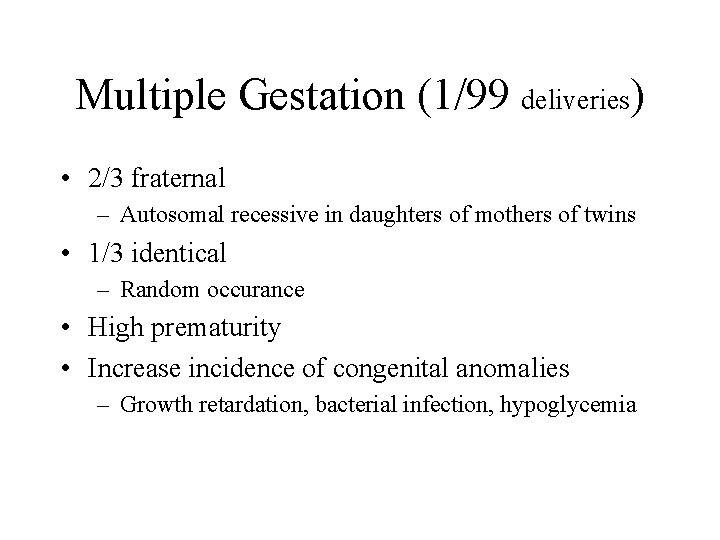
Multiple Gestation (1/99 deliveries) • 2/3 fraternal – Autosomal recessive in daughters of mothers of twins • 1/3 identical – Random occurance • High prematurity • Increase incidence of congenital anomalies – Growth retardation, bacterial infection, hypoglycemia
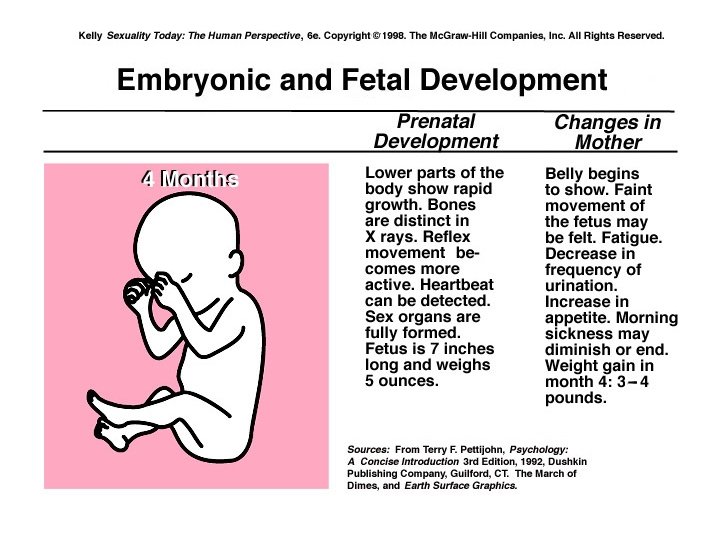
amnio-afp(fetal tissue breakdown increases this), bili (r. H incompatability) creatnine -kidney mec staining, cytologic examination fhr - audible 16 -20 wks quickening fetal heart beat nst st from placenta estriol level
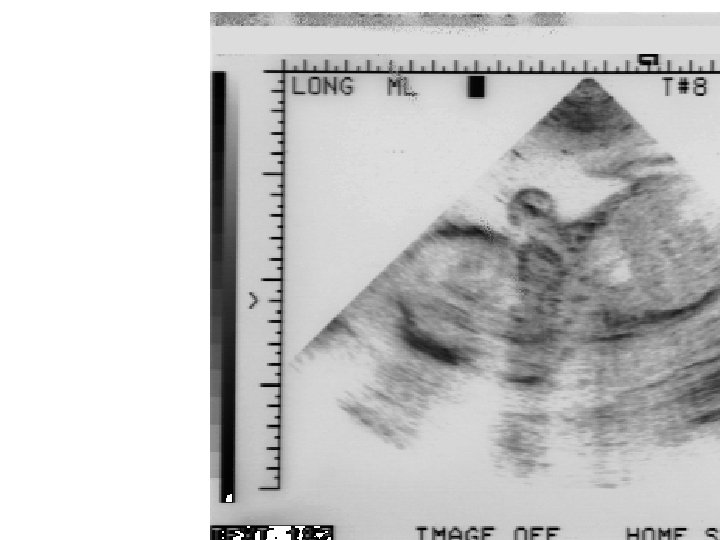
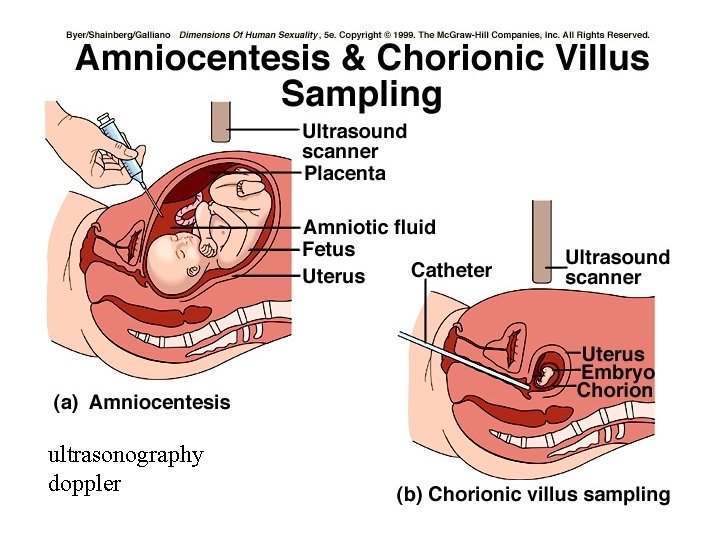
ultrasonography doppler
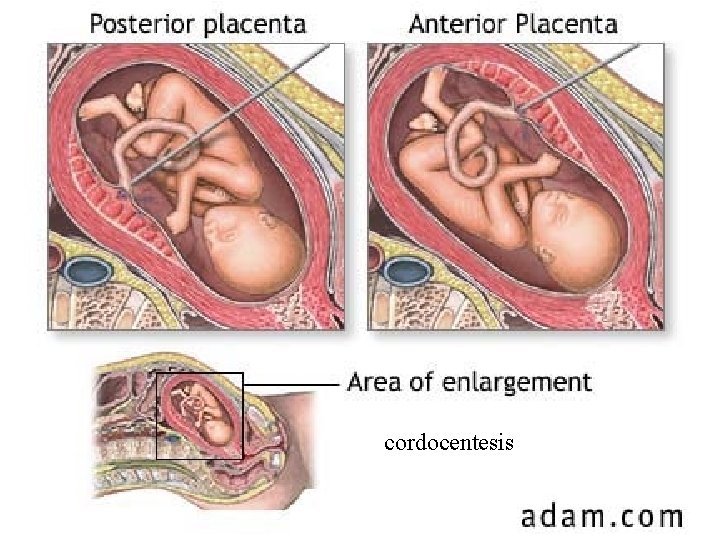
cordocentesis
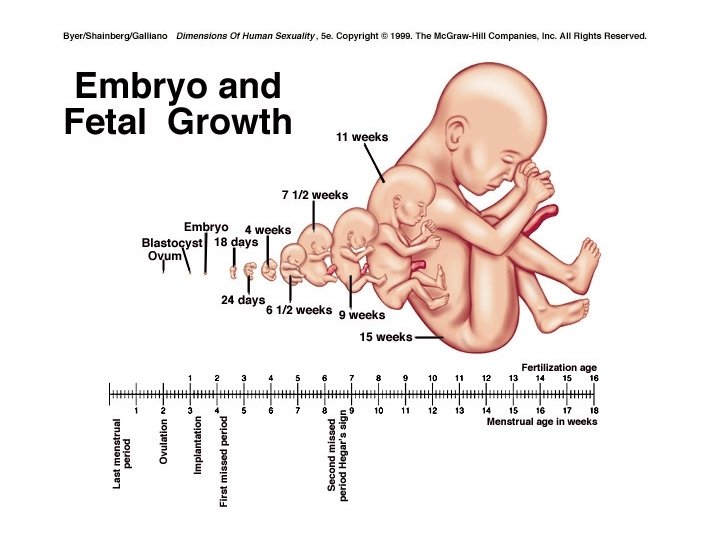
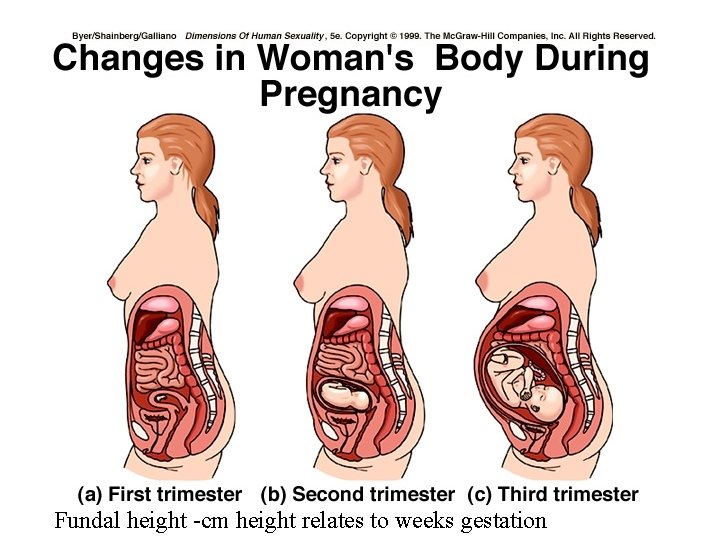
Fundal height -cm height relates to weeks gestation
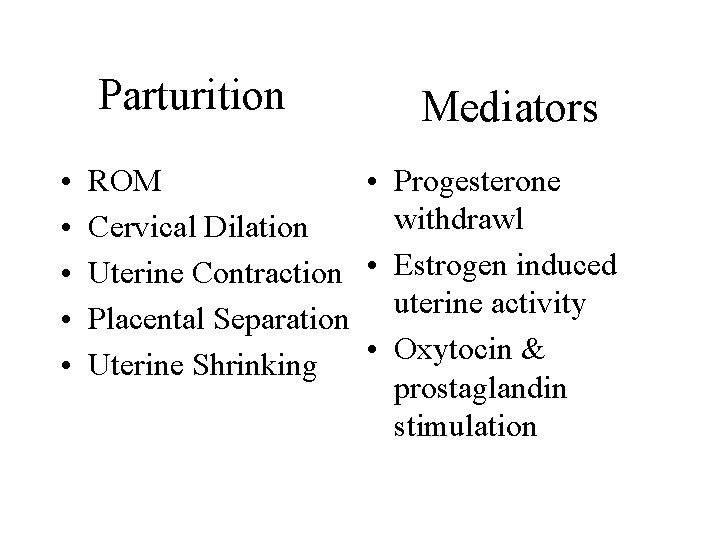
Parturition • • • Mediators ROM • Progesterone withdrawl Cervical Dilation Uterine Contraction • Estrogen induced uterine activity Placental Separation • Oxytocin & Uterine Shrinking prostaglandin stimulation
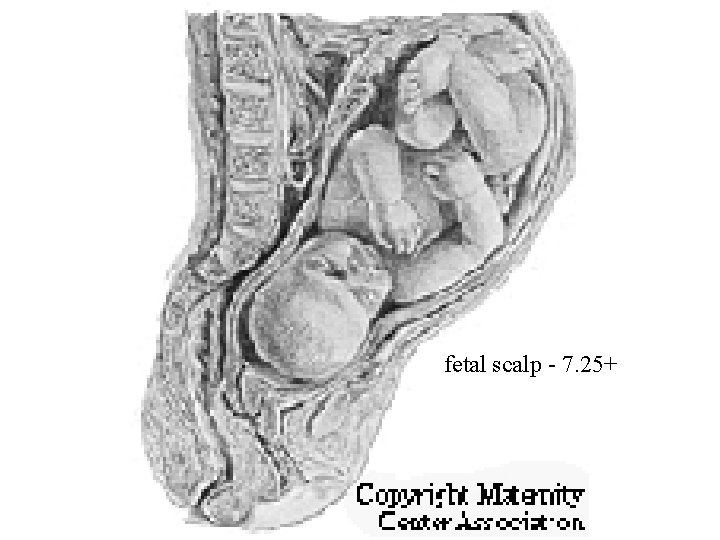
fetal scalp - 7. 25+
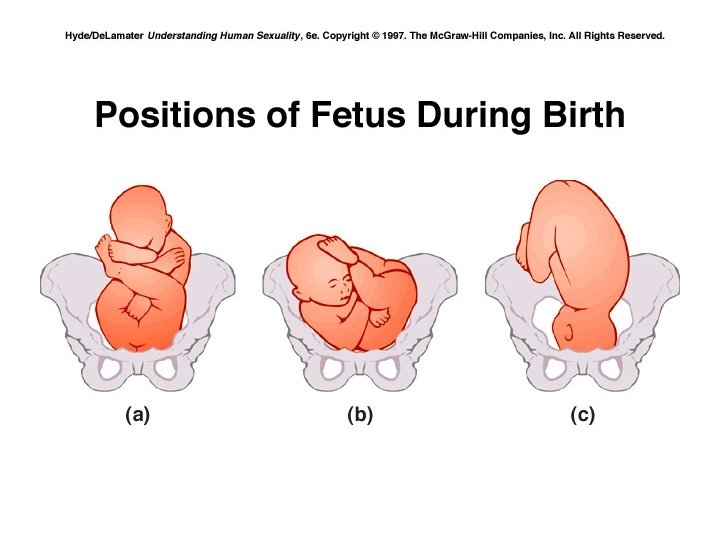
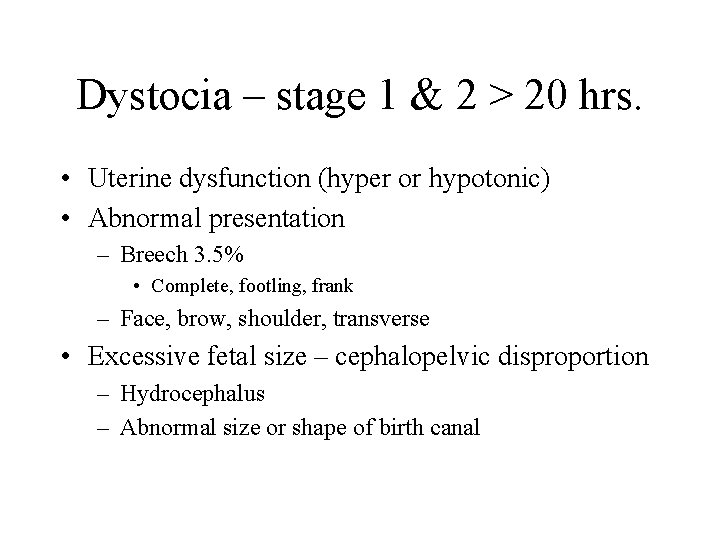
Dystocia – stage 1 & 2 > 20 hrs. • Uterine dysfunction (hyper or hypotonic) • Abnormal presentation – Breech 3. 5% • Complete, footling, frank – Face, brow, shoulder, transverse • Excessive fetal size – cephalopelvic disproportion – Hydrocephalus – Abnormal size or shape of birth canal
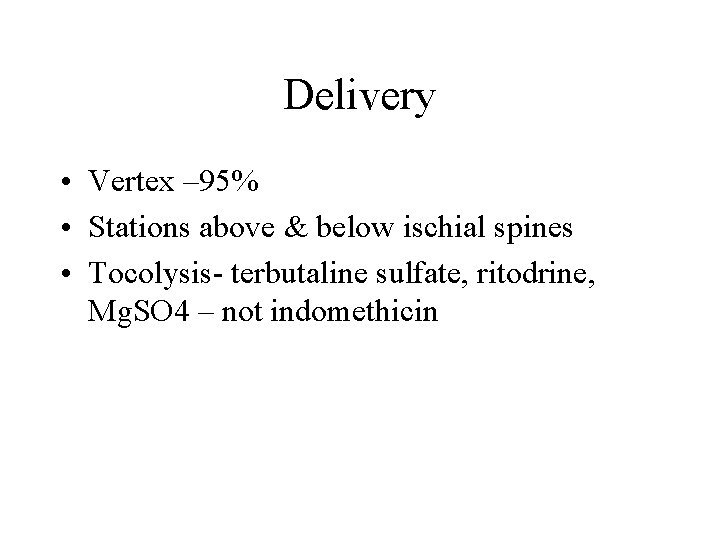
Delivery • Vertex – 95% • Stations above & below ischial spines • Tocolysis- terbutaline sulfate, ritodrine, Mg. SO 4 – not indomethicin
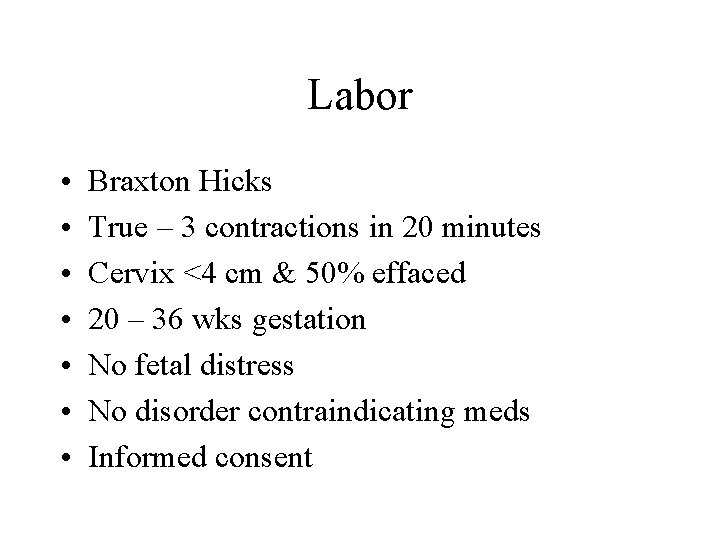
Labor • • Braxton Hicks True – 3 contractions in 20 minutes Cervix <4 cm & 50% effaced 20 – 36 wks gestation No fetal distress No disorder contraindicating meds Informed consent
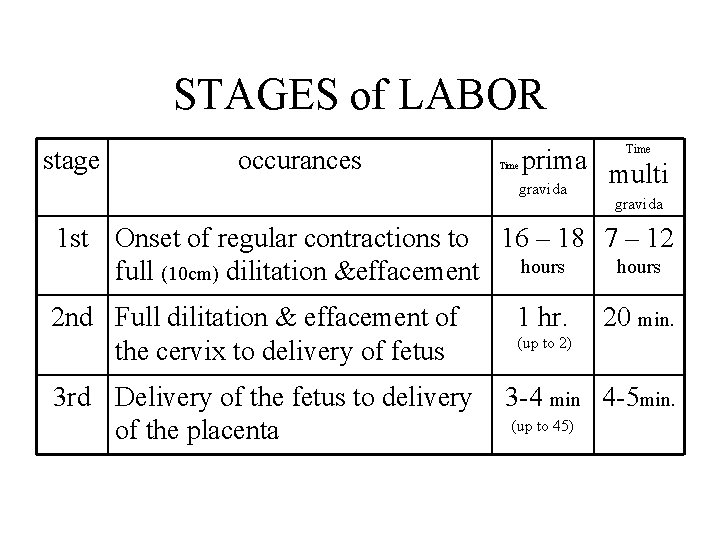
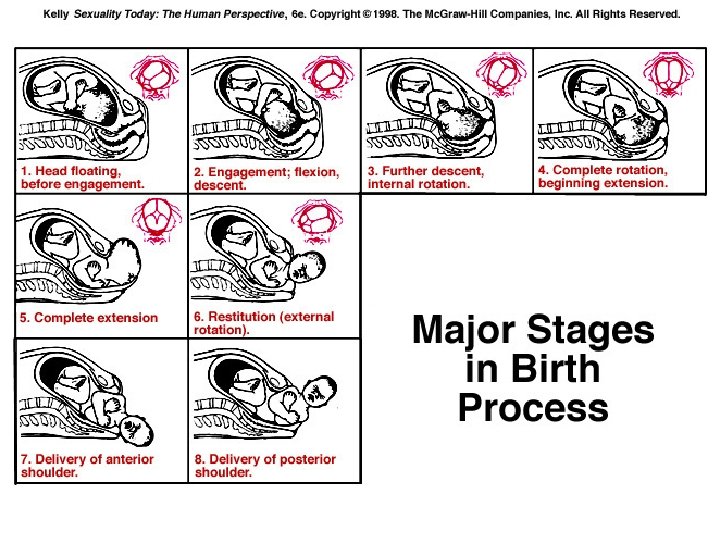
STAGES of LABOR stage occurances Time prima gravida Time multi gravida 1 st Onset of regular contractions to 16 – 18 7 – 12 hours full (10 cm) dilitation &effacement hours 2 nd Full dilitation & effacement of the cervix to delivery of fetus 1 hr. 20 min. (up to 2) 3 rd Delivery of the fetus to delivery 3 -4 min 4 -5 min. (up to 45) of the placenta
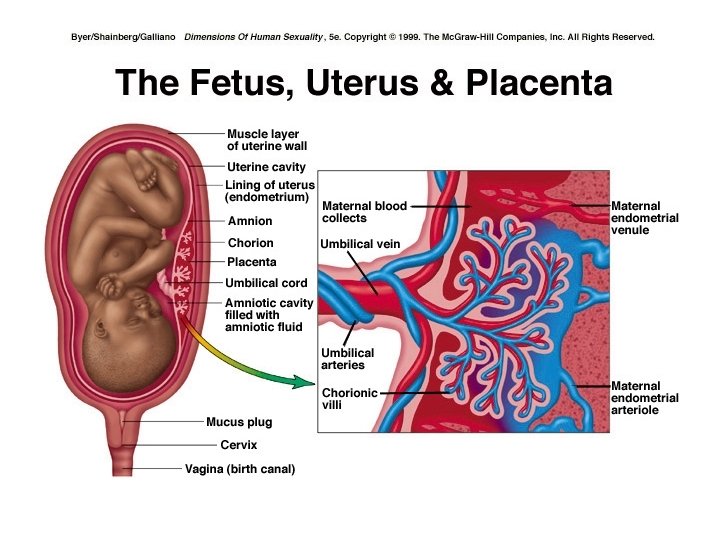
Placenta • Placenta previa • Abruptio placentae – Maternal mortality 2 – 10% – Fetal mortality 50% – Apparent & concealed hemorrhage – Place mom in lateral lie
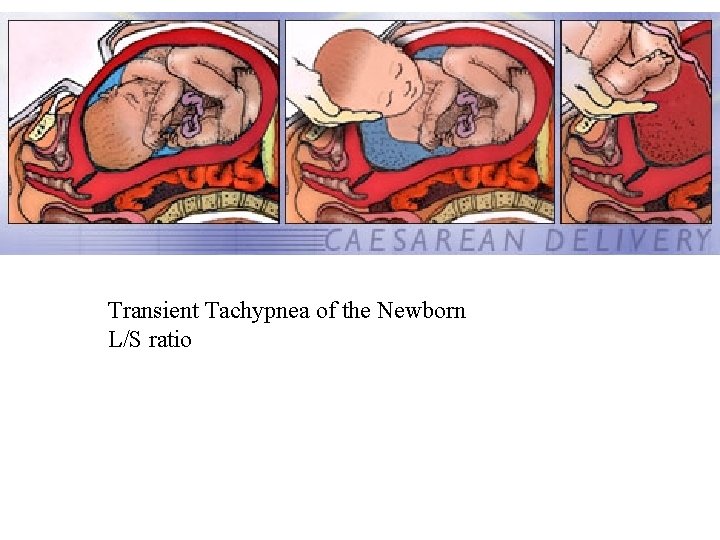
Transient Tachypnea of the Newborn L/S ratio
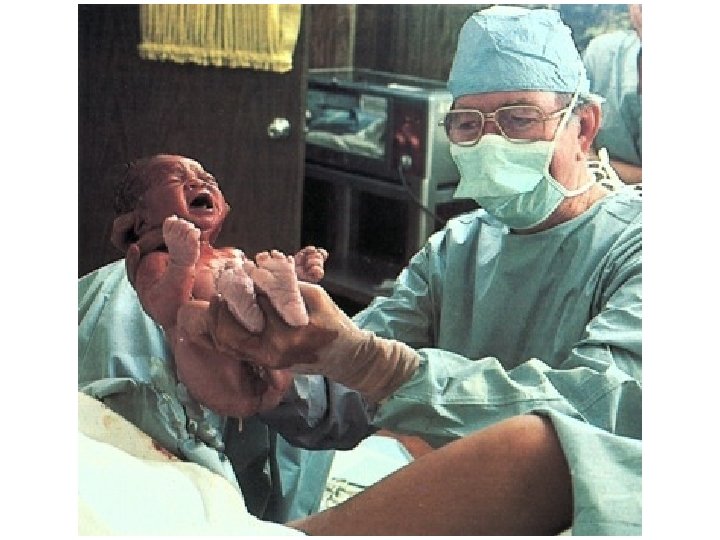
Lung Transition • Asphyxia stimulates gasping • Recoil of thorax draws in air • Bright loud cold pokey world initiates crying
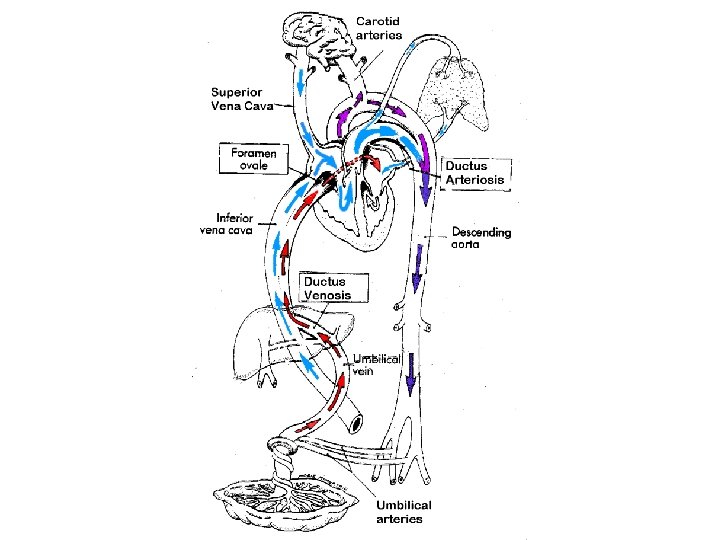
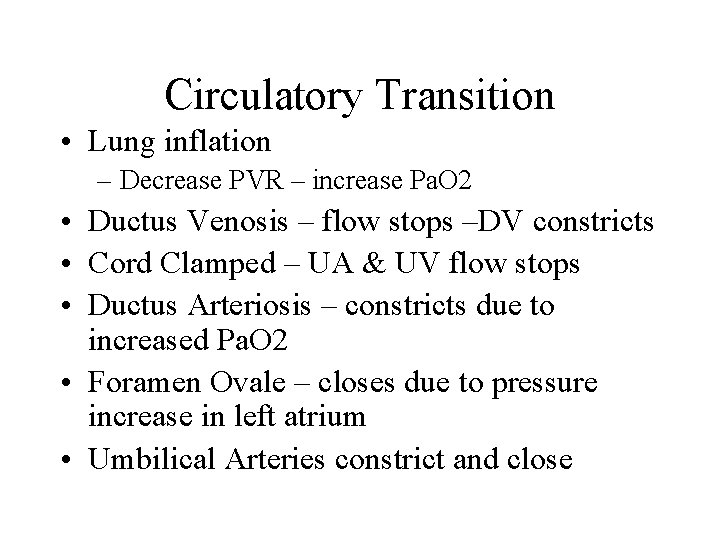
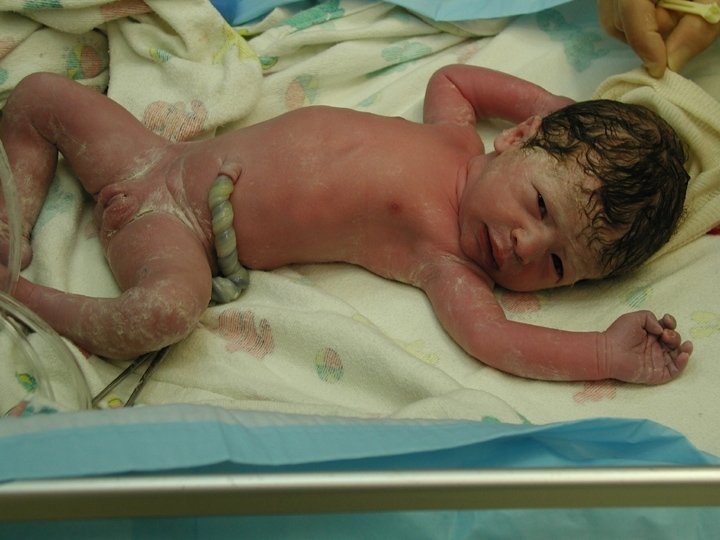
Circulatory Transition • Lung inflation – Decrease PVR – increase Pa. O 2 • Ductus Venosis – flow stops –DV constricts • Cord Clamped – UA & UV flow stops • Ductus Arteriosis – constricts due to increased Pa. O 2 • Foramen Ovale – closes due to pressure increase in left atrium • Umbilical Arteries constrict and close