
Myers Psychology for AP David G Myers Power



















- Slides: 127
Myers’ Psychology for AP* David G. Myers Power. Point Presentation Slides by Kent Korek Germantown High School Worth Publishers, © 2010 *AP is a trademark registered and/or owned by the College Board, which was not involved in the production of, and does not endorse, this product.
Unit 14: Social Psychology
Unit Overview • Social Thinking • Social Influence • Social Relations Click on the any of the above hyperlinks to go to that section in the presentation.
Introduction • Social Psychology
Social Thinking
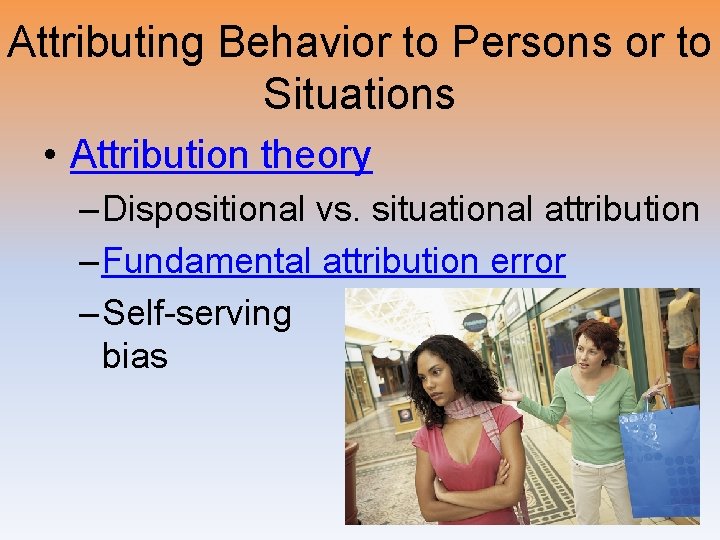
Attributing Behavior to Persons or to Situations • Attribution theory – Dispositional vs. situational attribution – Fundamental attribution error – Self-serving bias
Attributing Behavior to Persons or to Situations The Effects of Attribution • Personal relationships • Political relationships • Job relationships
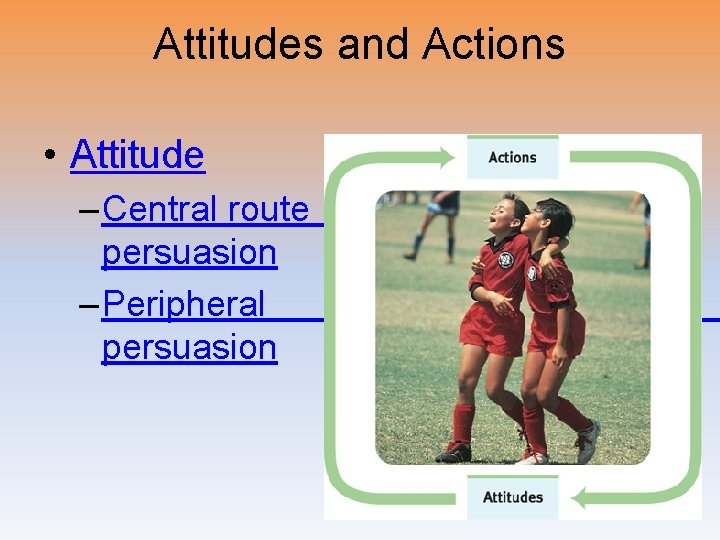
Attitudes and Actions • Attitude – Central route persuasion – Peripheral persuasion route
Attitudes and Actions Affect Attitudes • The Foot-in-the-Door Phenomenon – “start small and build” – Ex: Peer pressure, resisting temptation • The Door in the Face Phenomenon • How would you negotiate a curfew?
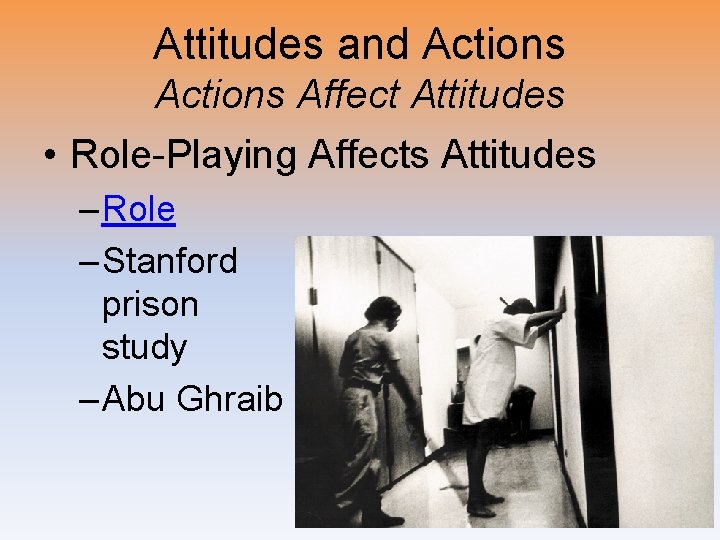
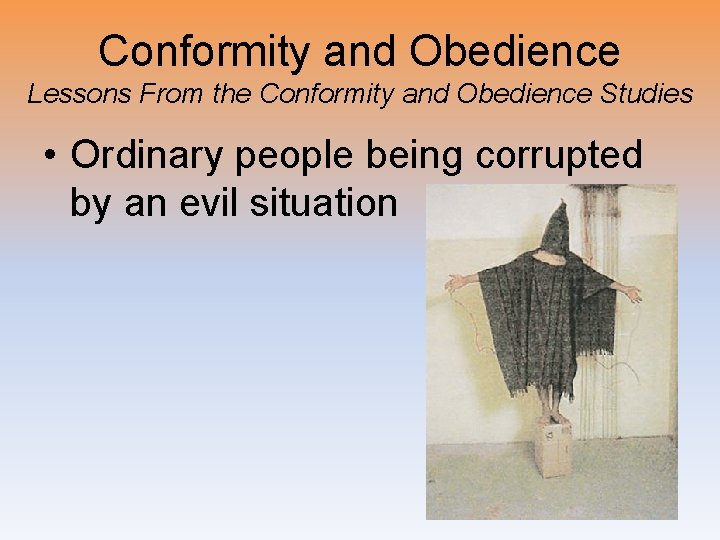
Attitudes and Actions Affect Attitudes • Role-Playing Affects Attitudes – Role – Stanford prison study – Abu Ghraib
Attitudes and Actions Affect Attitudes • Cognitive Dissonance: Relief From Tension – Cognitive dissonance theory – “Attitudes follow behavior”
Social Influence
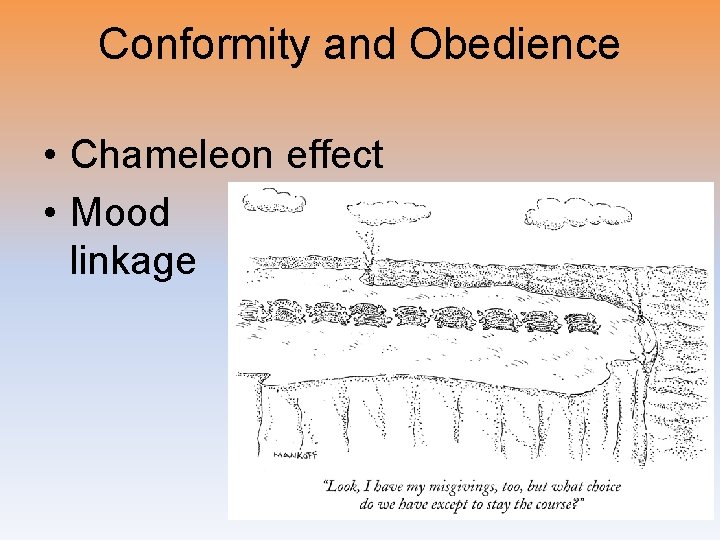
Conformity and Obedience • Chameleon effect • Mood linkage
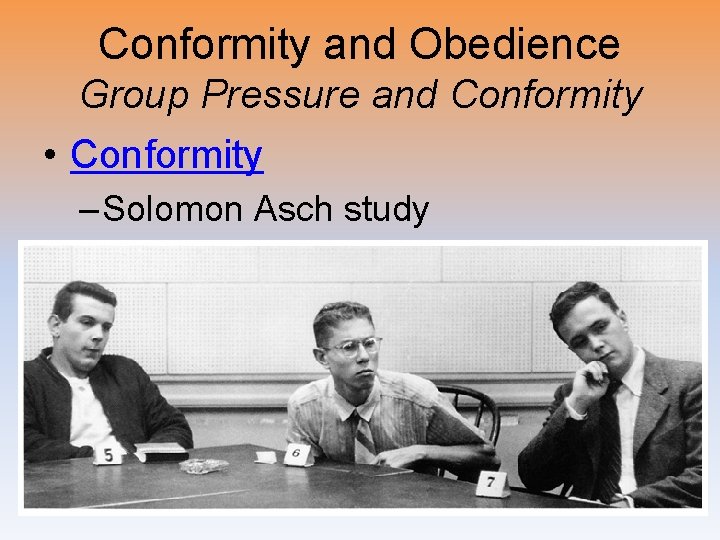
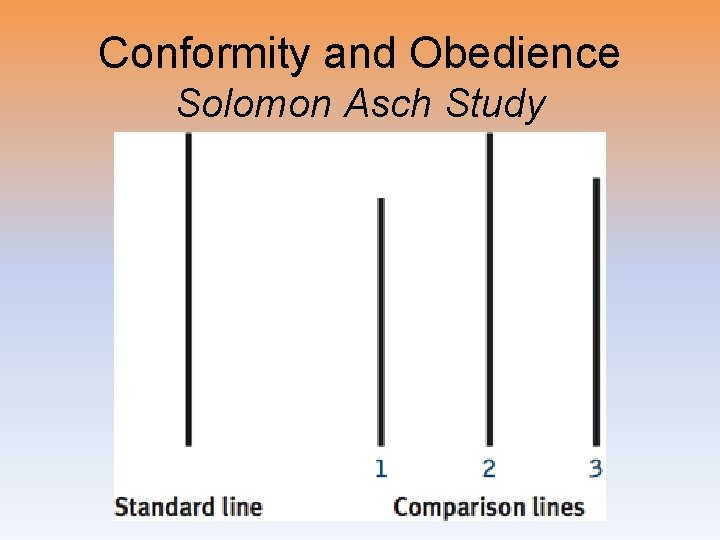
Conformity and Obedience Group Pressure and Conformity • Conformity – Solomon Asch study
Conformity and Obedience Solomon Asch Study
Conformity and Obedience Group Pressure and Conformity • Conditions That Strengthen Conformity – One is made to feel incompetent or insecure – Group has at least three people – Group is unanimous – One admires the group’s status – One has made no prior commitment – Others in group observe one’s behavior – One’s culture strongly encourages respect for social standards
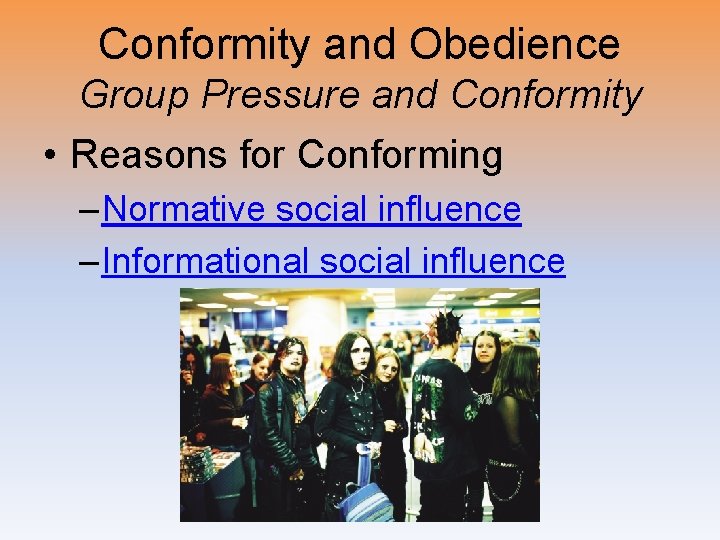
Conformity and Obedience Group Pressure and Conformity • Reasons for Conforming – Normative social influence – Informational social influence
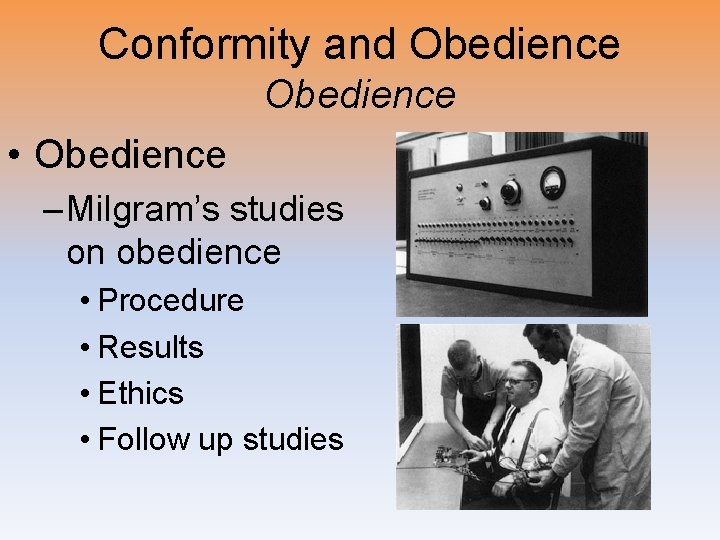
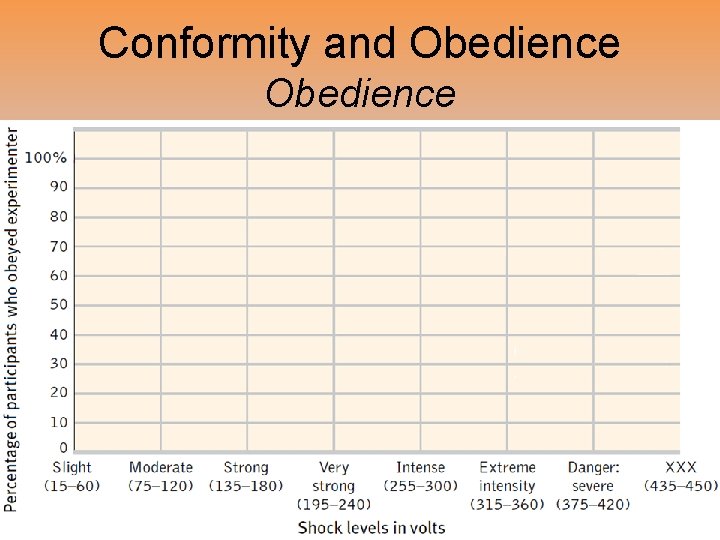
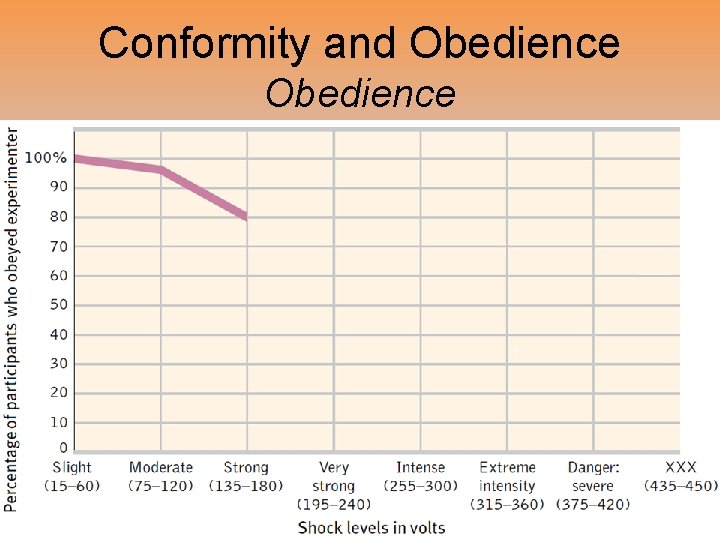
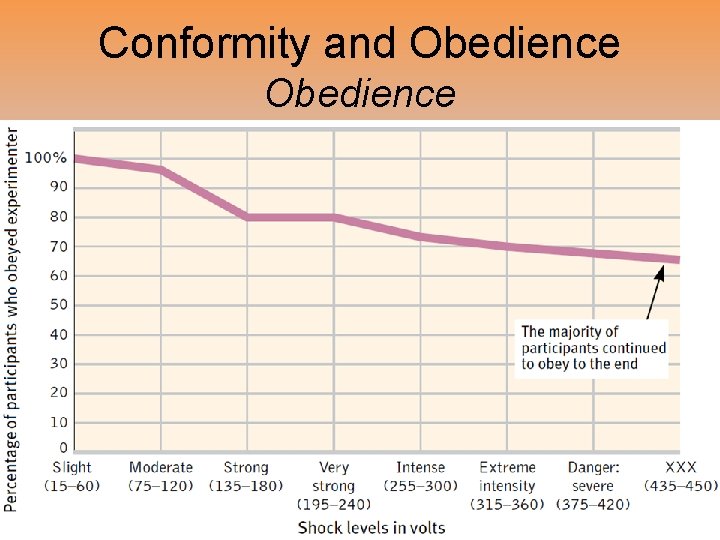
Conformity and Obedience • Obedience – Milgram’s studies on obedience • Procedure • Results • Ethics • Follow up studies
Conformity and Obedience
Conformity and Obedience
Conformity and Obedience
Conformity and Obedience
Conformity and Obedience Lessons From the Conformity and Obedience Studies • Ordinary people being corrupted by an evil situation
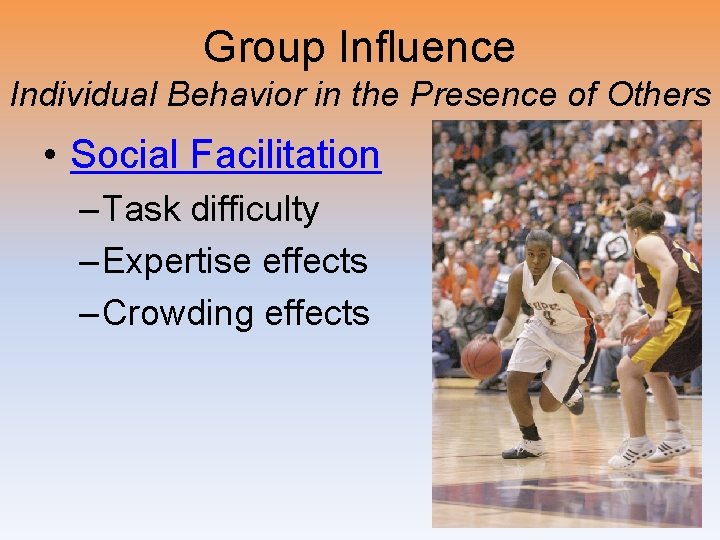
Group Influence Individual Behavior in the Presence of Others • Social Facilitation – Task difficulty – Expertise effects – Crowding effects
Group Influence Individual Behavior in the Presence of Others • Social Loafing – Reasons why? • Less accountability • View themselves as dispensable
Group Influence Individual Behavior in the Presence of Others • Deindividuation
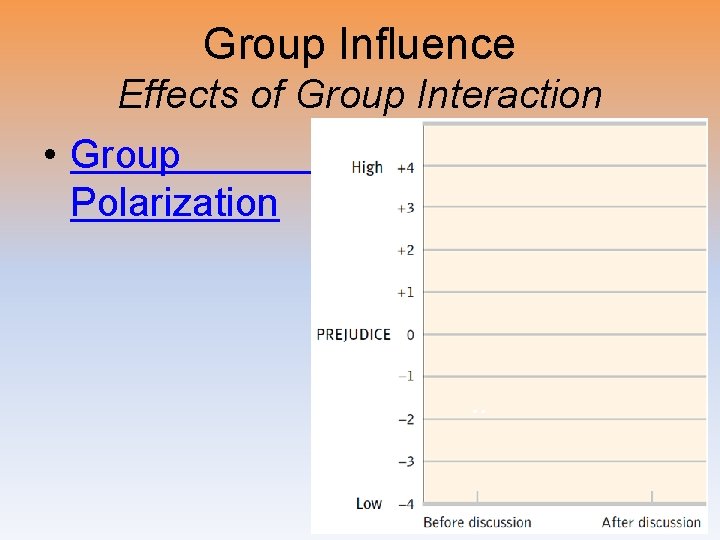
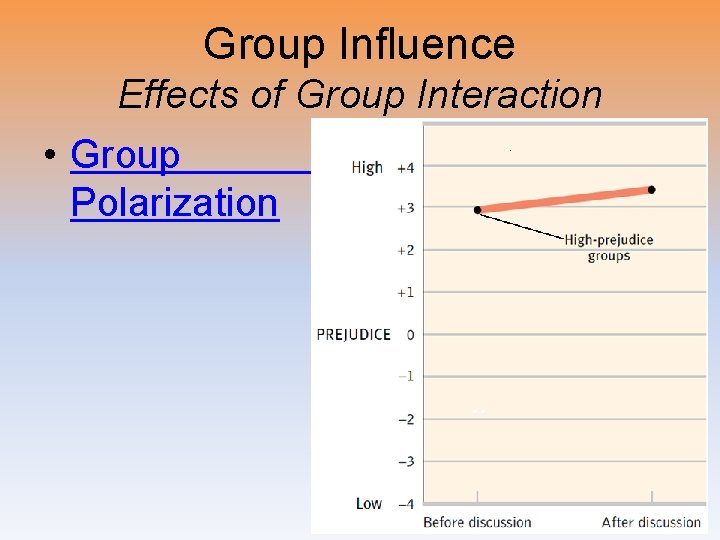
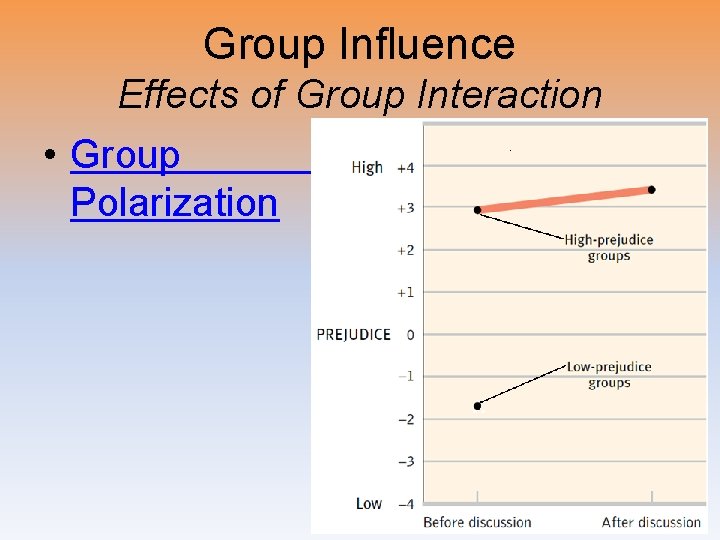
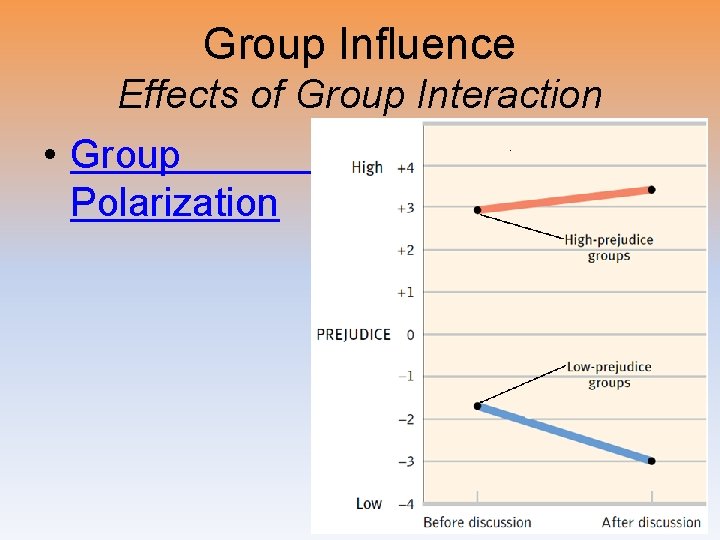
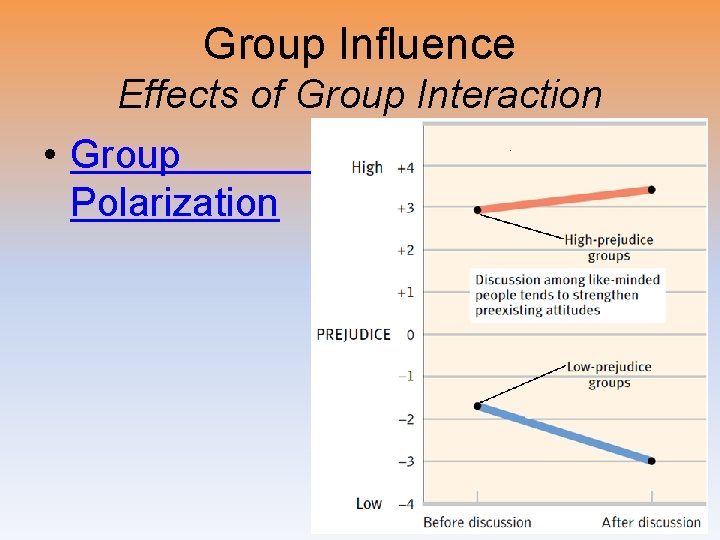
Group Influence Effects of Group Interaction • Group Polarization
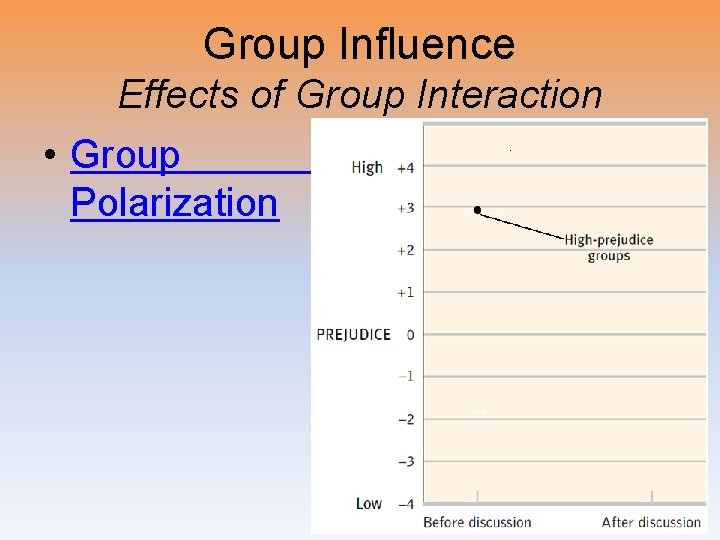
Group Influence Effects of Group Interaction • Group Polarization
Group Influence Effects of Group Interaction • Group Polarization
Group Influence Effects of Group Interaction • Group Polarization
Group Influence Effects of Group Interaction • Group Polarization
Group Influence Effects of Group Interaction • Group Polarization
Group Influence Effects of Group Interaction • Groupthink – Bay of Pigs – Challenger explosion
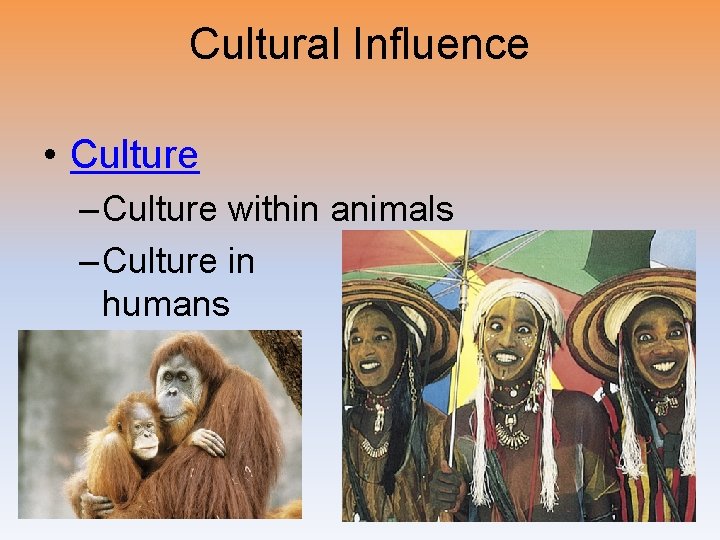
Cultural Influence • Culture – Culture within animals – Culture in humans
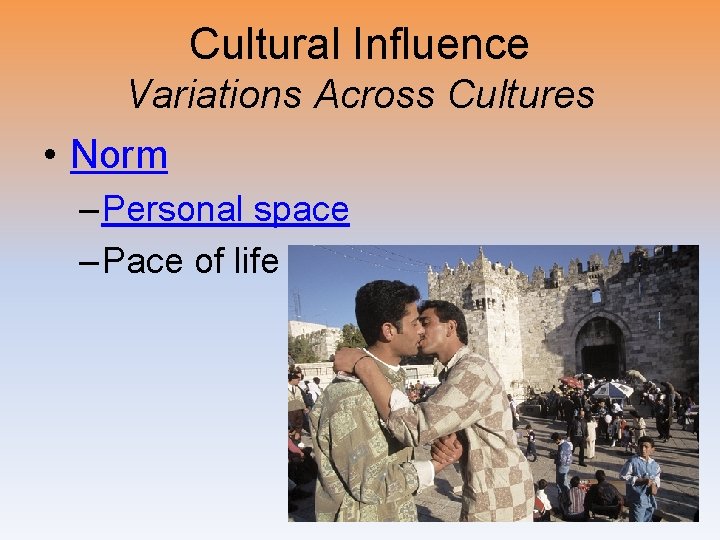
Cultural Influence Variations Across Cultures • Norm – Personal space – Pace of life
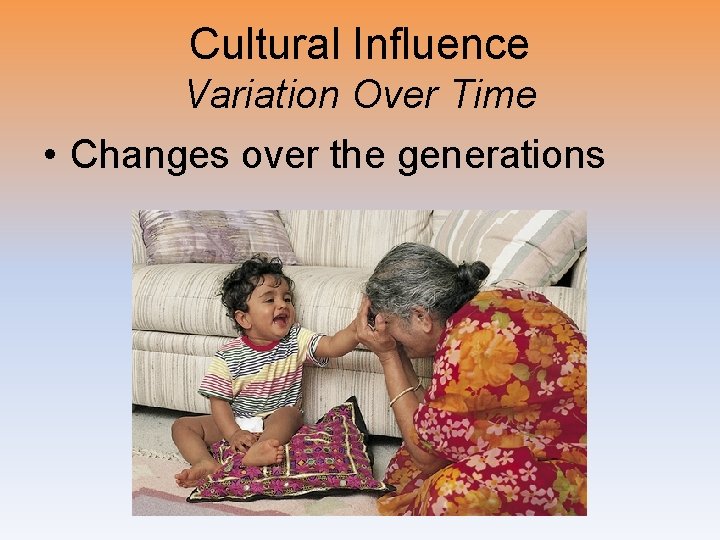
Cultural Influence Variation Over Time • Changes over the generations
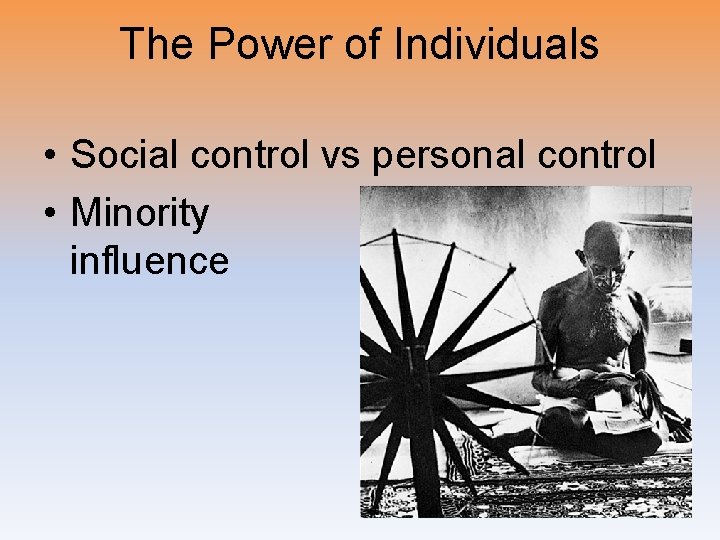
The Power of Individuals • Social control vs personal control • Minority influence
Social Relations
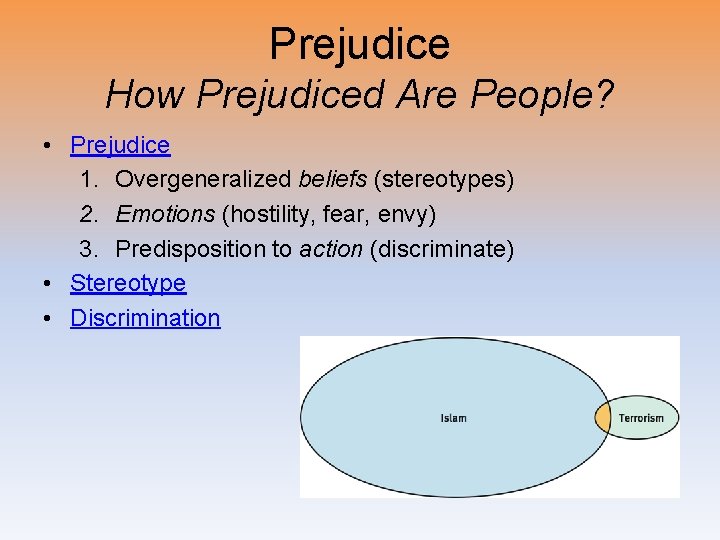
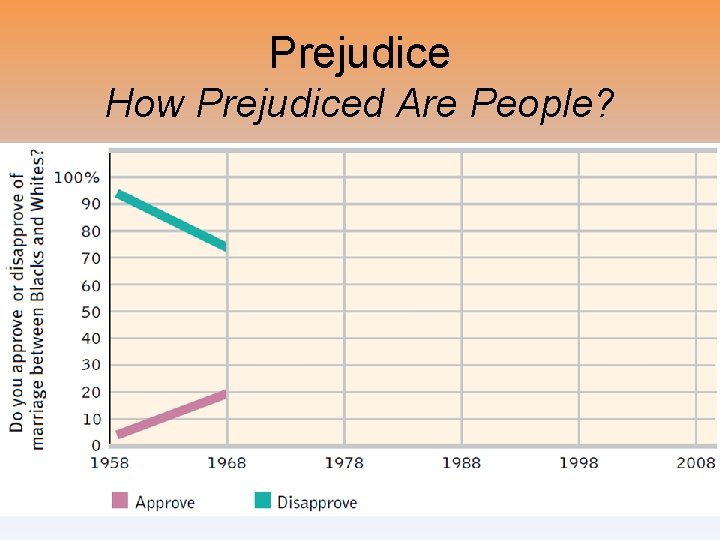
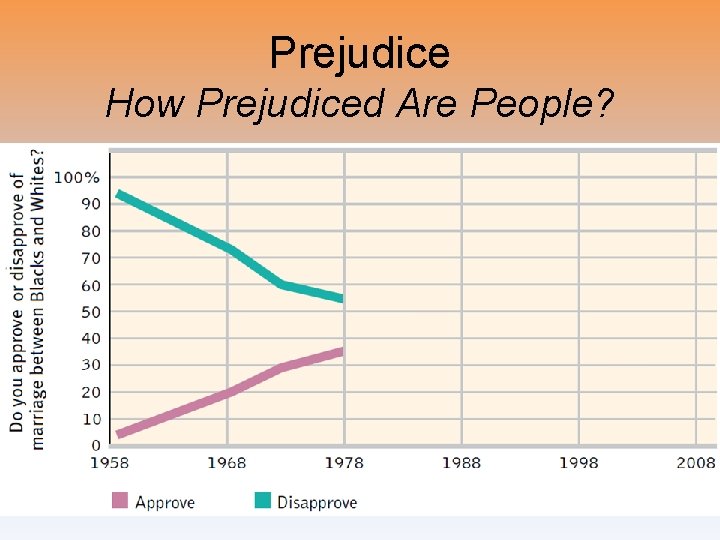
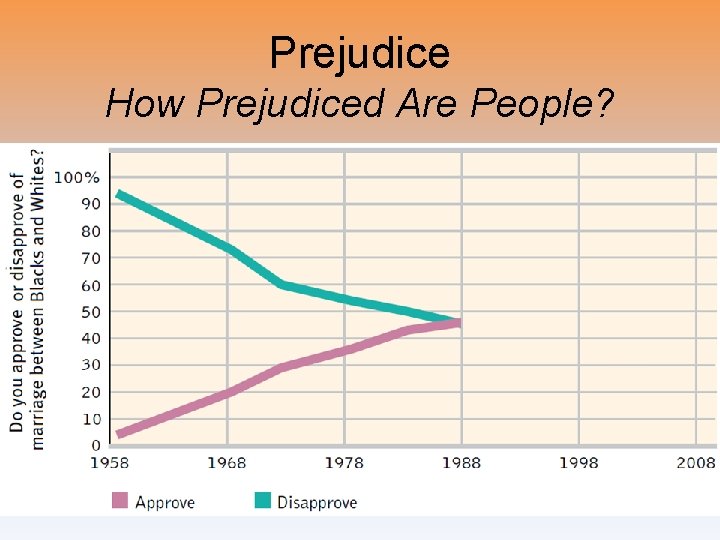
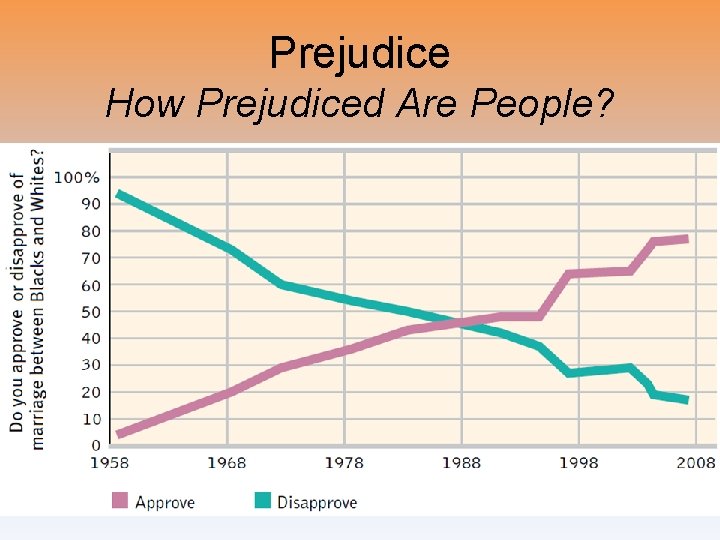
Prejudice How Prejudiced Are People? • Prejudice 1. Overgeneralized beliefs (stereotypes) 2. Emotions (hostility, fear, envy) 3. Predisposition to action (discriminate) • Stereotype • Discrimination
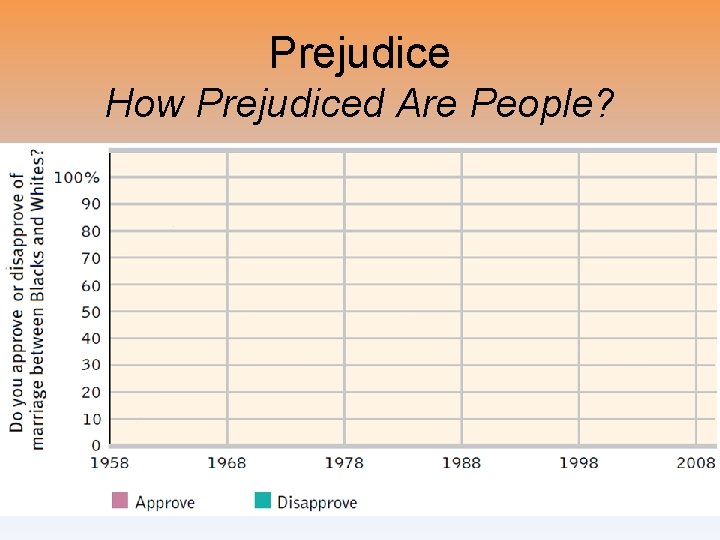
Prejudice How Prejudiced Are People?
Prejudice How Prejudiced Are People?
Prejudice How Prejudiced Are People?
Prejudice How Prejudiced Are People?
Prejudice How Prejudiced Are People?
Prejudice How Prejudiced Are People?
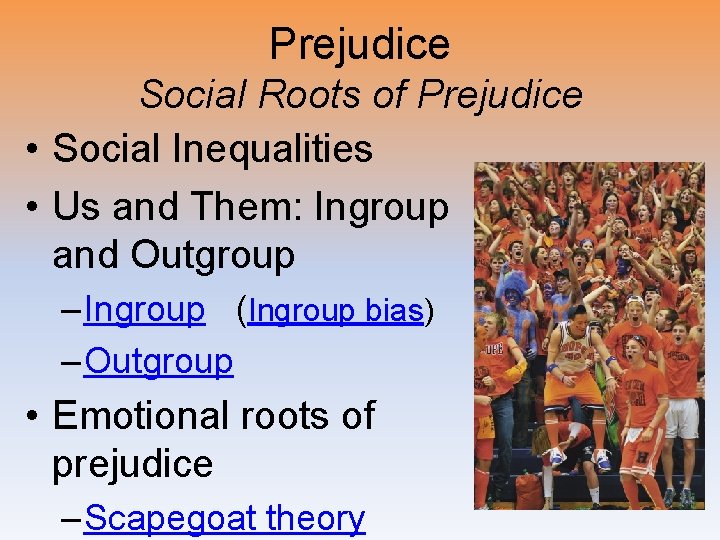
Prejudice Social Roots of Prejudice • Social Inequalities • Us and Them: Ingroup and Outgroup – Ingroup (Ingroup bias) – Outgroup • Emotional roots of prejudice – Scapegoat theory
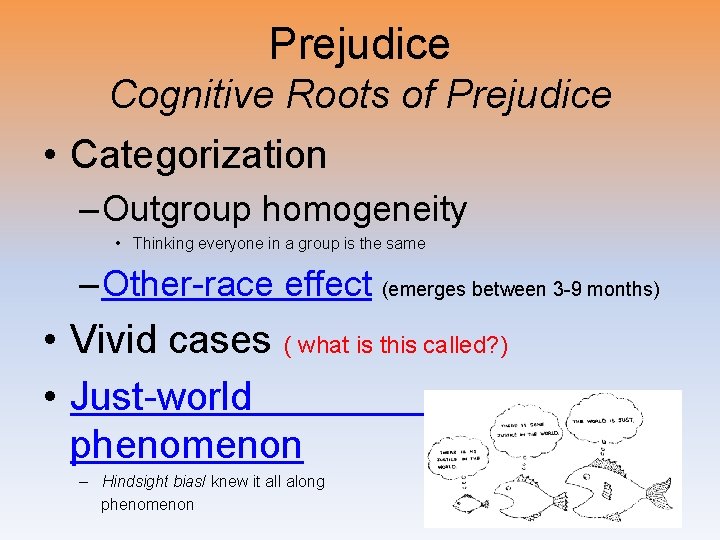
Prejudice Cognitive Roots of Prejudice • Categorization – Outgroup homogeneity • Thinking everyone in a group is the same – Other-race effect (emerges between 3 -9 months) • Vivid cases ( what is this called? ) • Just-world phenomenon – Hindsight bias/ knew it all along phenomenon
Aggression • Aggression
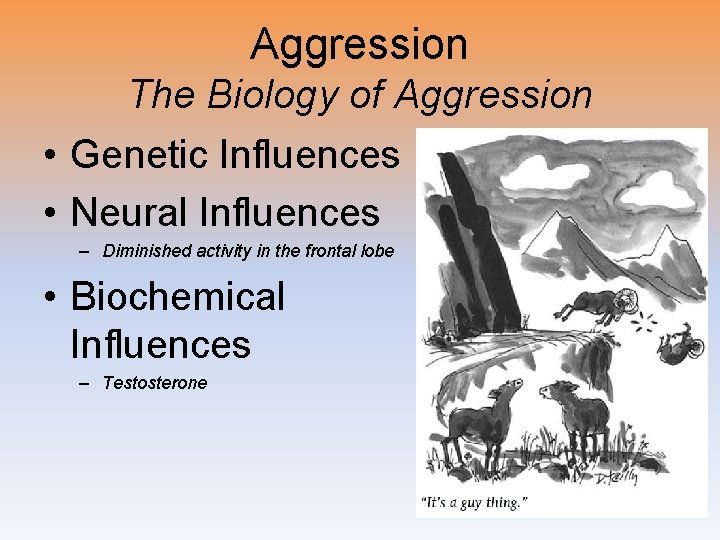
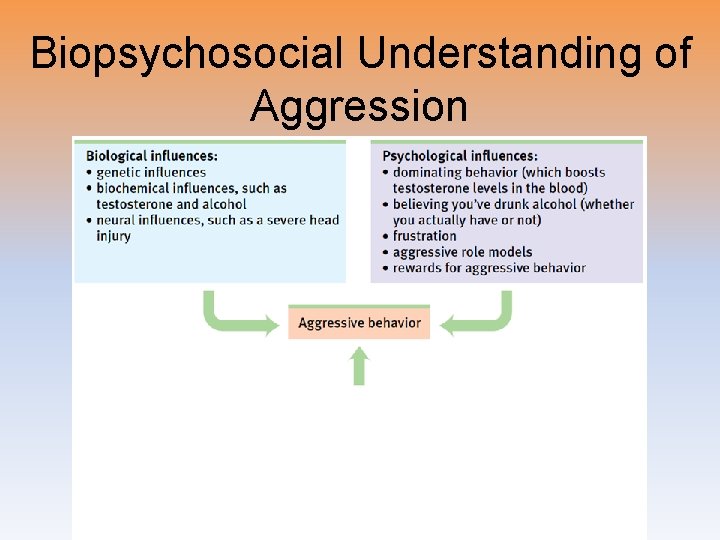
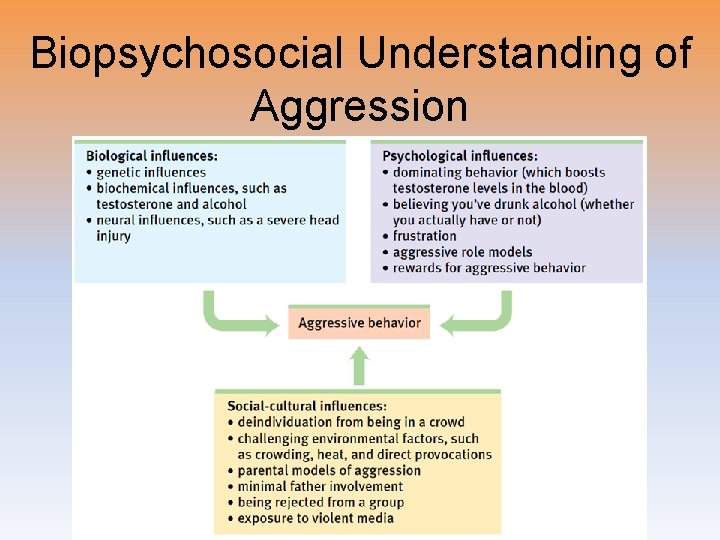
Aggression The Biology of Aggression • Genetic Influences • Neural Influences – Diminished activity in the frontal lobe • Biochemical Influences – Testosterone
Aggression Psychological and Social-Cultural Factors in Aggression • Aversive Events – Frustration-aggression principle • Gap between reality and expectations (not, deprivation) lead to frustration • Social and cultural influences – Ostracism, disparity between rich and poor, and minimal father care v. Aggression-replacement program
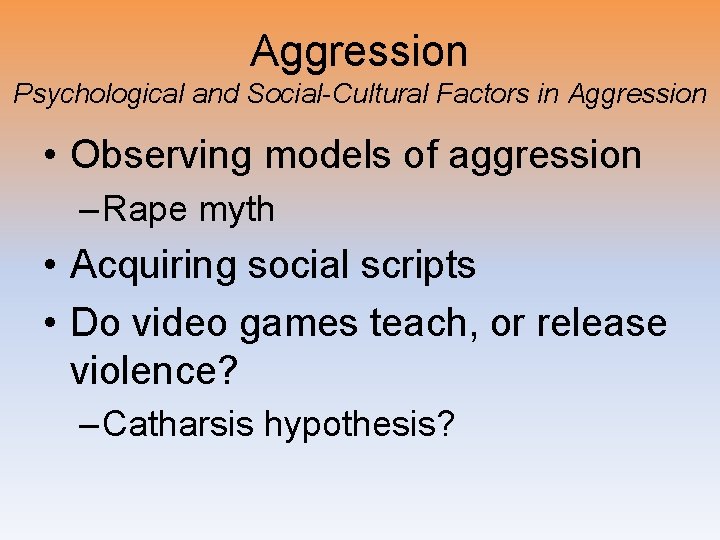
Aggression Psychological and Social-Cultural Factors in Aggression • Observing models of aggression – Rape myth • Acquiring social scripts • Do video games teach, or release violence? – Catharsis hypothesis?
Biopsychosocial Understanding of Aggression
Biopsychosocial Understanding of Aggression
Biopsychosocial Understanding of Aggression
Biopsychosocial Understanding of Aggression
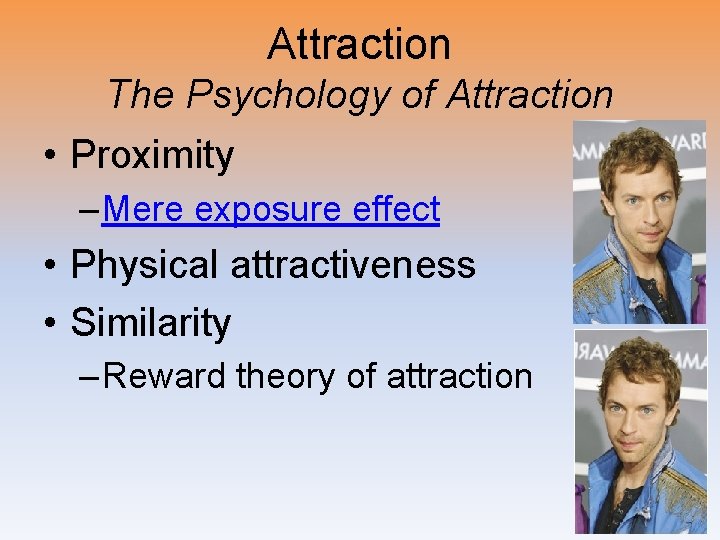
Attraction The Psychology of Attraction • Proximity – Mere exposure effect • Physical attractiveness • Similarity – Reward theory of attraction
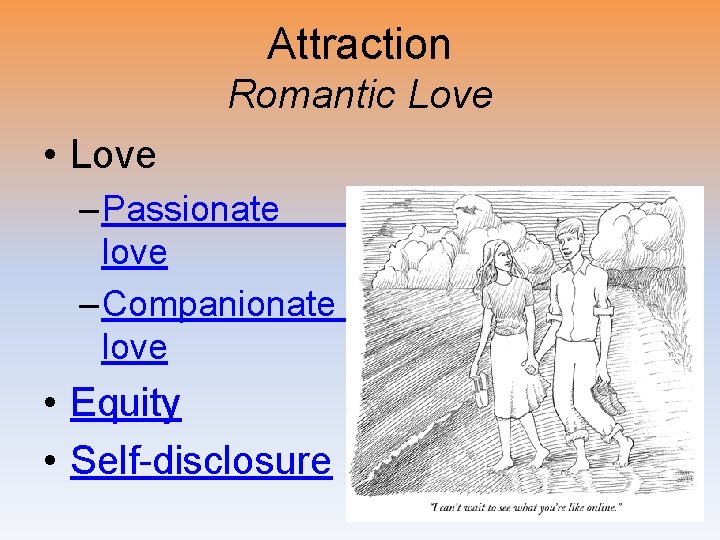
Attraction Romantic Love • Love – Passionate love – Companionate love • Equity • Self-disclosure
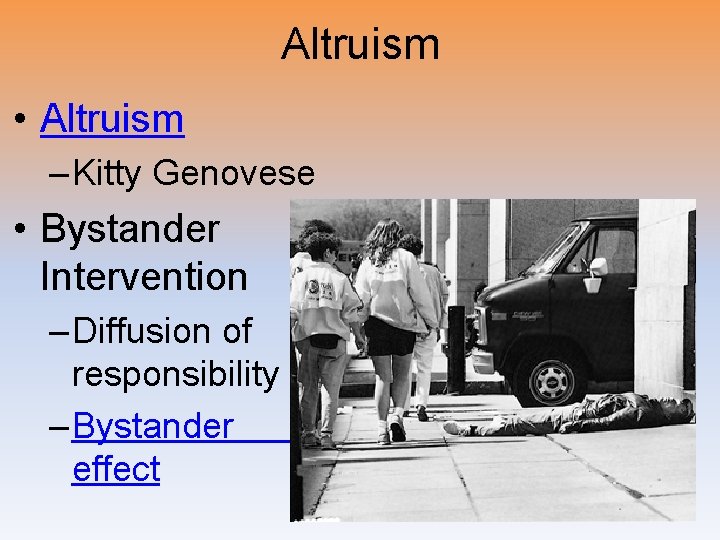
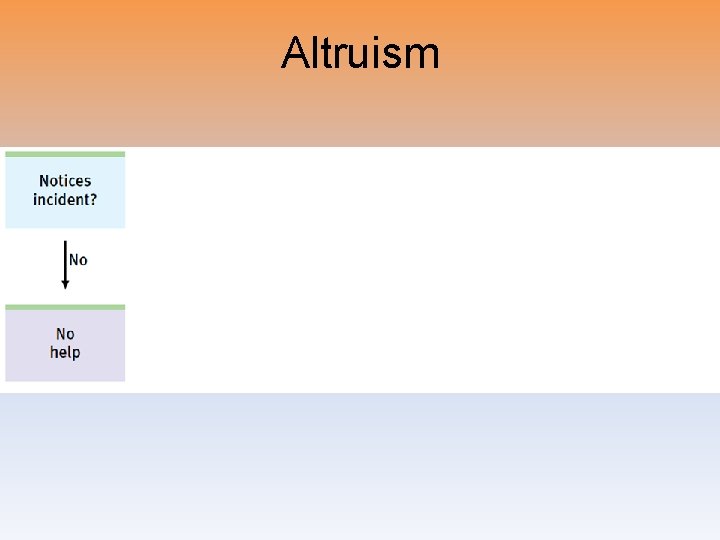
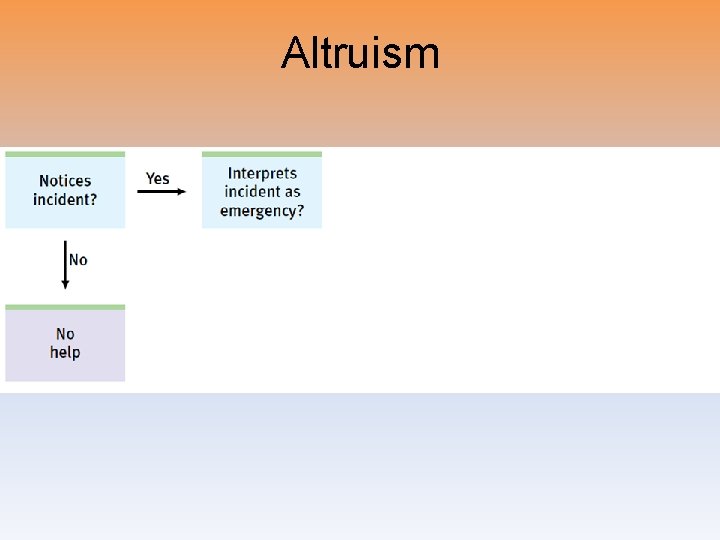
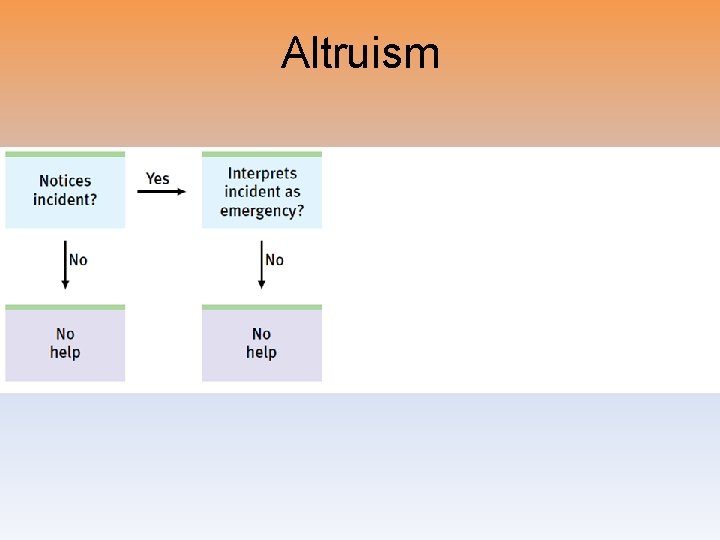
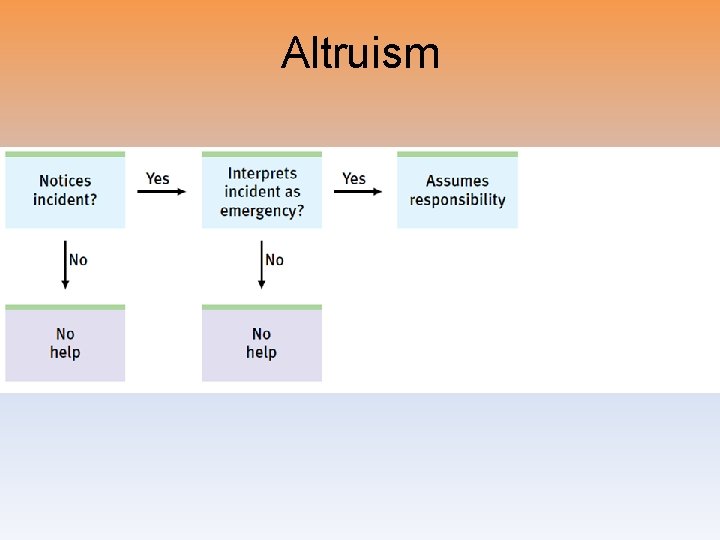
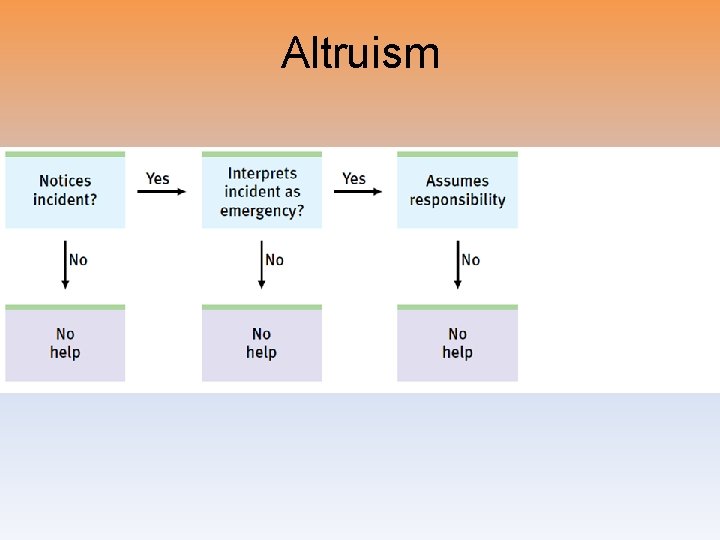
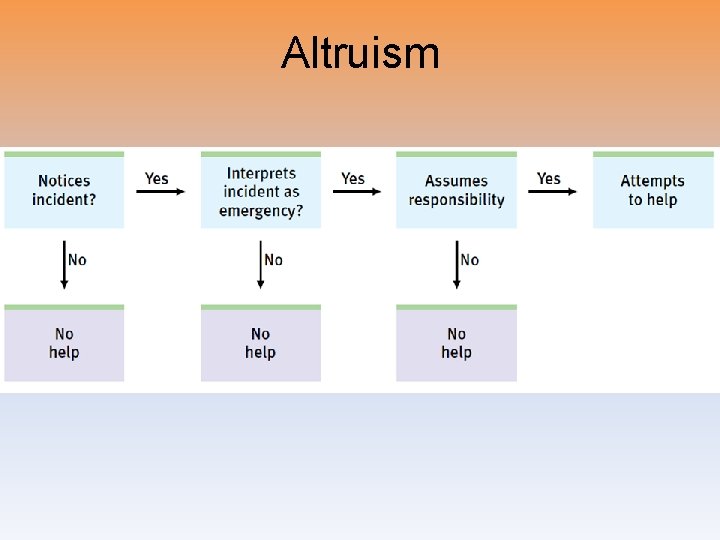
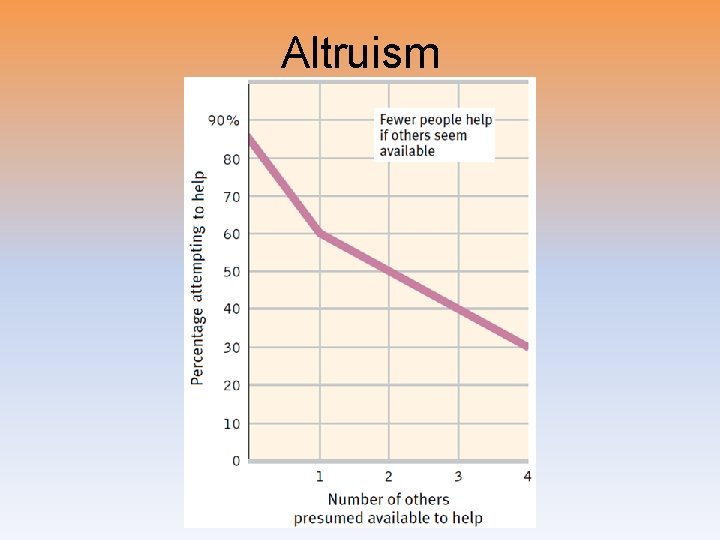
Altruism • Altruism – Kitty Genovese • Bystander Intervention – Diffusion of responsibility – Bystander effect
Altruism
Altruism
Altruism
Altruism
Altruism
Altruism
Altruism
Altruism
Altruism
Altruism The Norms of Helping • Social exchange theory • Reciprocity norm • Social-responsibility norm
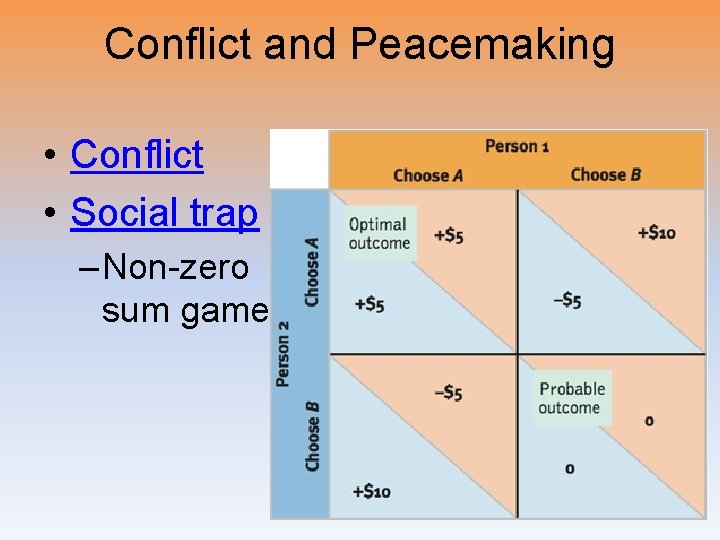
Conflict and Peacemaking • Conflict • Social trap – Non-zero sum game
Conflict and Peacemaking Enemy Perceptions • Mirror-image perceptions • Self-fulfilling prophecy
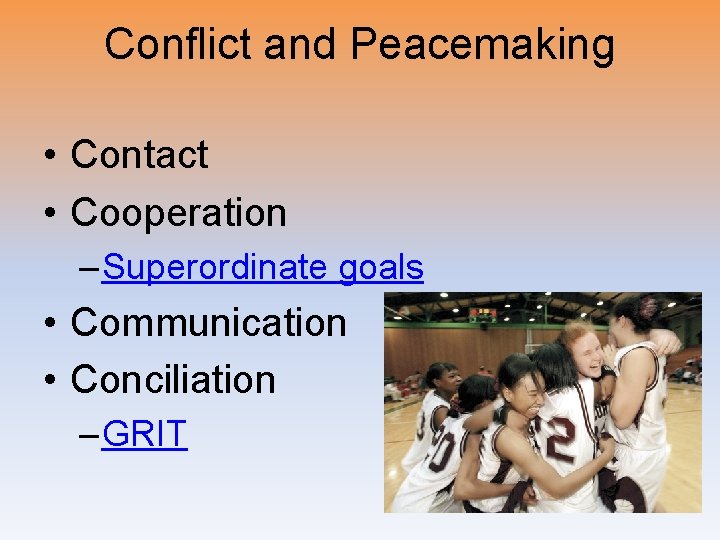
Conflict and Peacemaking • Contact • Cooperation – Superordinate goals • Communication • Conciliation – GRIT
The End
• Types of Files Teacher Information – This presentation has been saved as a “basic” Powerpoint file. While this file format placed a few limitations on the presentation, it insured the file would be compatible with the many versions of Powerpoint teachers use. To add functionality to the presentation, teachers may want to save the file for their specific version of Powerpoint. • Animation – Once again, to insure compatibility with all versions of Powerpoint, none of the slides are animated. To increase student interest, it is suggested teachers animate the slides wherever possible. • Adding slides to this presentation – Teachers are encouraged to adapt this presentation to their personal teaching style. To help keep a sense of continuity, blank slides which can be copied and pasted to a specific location in the presentation follow this “Teacher Information” section.
Teacher Information • Hyperlink Slides - This presentation contain two types of hyperlinks. Hyperlinks can be identified by the text being underlined and a different color (usually purple). – Unit subsections hyperlinks: Immediately after the unit title slide, a page (slide #3) can be found listing all of the unit’s subsections. While in slide show mode, clicking on any of these hyperlinks will take the user directly to the beginning of that subsection. This allows teachers quick access to each subsection. – Bold print term hyperlinks: Every bold print term from the unit is included in this presentation as a hyperlink. While in slide show mode, clicking on any of the hyperlinks will take the user to a slide containing the formal definition of the term. Clicking on the “arrow” in the bottom left corner of the definition slide will take the user back to the original point in the presentation. These hyperlinks were included for teachers who want students to see or copy down the exact definition as stated in the text. Most teachers prefer the definitions not be included to prevent students from only “copying down what is on the screen” and not actively listening to the presentation. For teachers who continually use the Bold Print Term Hyperlinks option, please contact the author using the email address on the next slide to learn a technique to expedite the returning to the original point in the presentation.
Teacher Information • Continuity slides – Throughout this presentation there are slides, usually of graphics or tables, that build on one another. These are included for three purposes. • By presenting information in small chunks, students will find it easier to process and remember the concepts. • By continually changing slides, students will stay interested in the presentation. • To facilitate class discussion and critical thinking. Students should be encouraged to think about “what might come next” in the series of slides. • Please feel free to contact me at kkorek@germantown. k 12. wi. us with any questions, concerns, suggestions, etc. regarding these presentations. Kent Korek Germantown High School Germantown, WI 53022 262 -253 -3400 kkorek@germantown. k 12. wi. us
Division title (green print) subdivision title (blue print) • xxx – xxx
Division title (green print) subdivision title (blue print) Use this slide to add a table, chart, clip art, picture, diagram, or video clip. Delete this box when finished
Definition Slide = add definition here
Definition Slides
Social Psychology = the scientific study of how we think about, influence, and relate to one another.
Attribution Theory = theory that we explain someone’s behavior by crediting either the situation or the person’s disposition.
Fundamental Attribution Error = the tendency for observers, when analyzing another’s behavior, to underestimate the impact of the situation and to overestimate the impact of personal disposition.
Attitude = feelings, often influenced by our beliefs, that predispose us to respond in a particular way to objects, people, and events.
Central Route Persuasion = attitude change path in which interest people focus in which interested people focus on the arguments and respond with favorable thoughts.
Peripheral Route Persuasion = attitude change path in which people are influenced by incidental cues, such as a speaker’s attractiveness.
Foot-in-the-Door Phenomenon = the tendency for people who have first agreed to a small request to comply later with a larger request.
Role = a set of expectations (norms) about a social position, defining how those in the position ought to behave.
Cognitive Dissonance Theory = theory that we act to reduce the discomfort (dissonance) we feel when two of our thoughts (cognitions) are inconsistent. For example, when our awareness of our attitudes and of our actions clash, we can reduce the resulting dissonance by changing our attitudes.
Conformity = adjusting one’s behavior or thinking to coincide with a group standard.
Normative Social Influence = influence resulting from a person’s desire to gain approval or avoid disapproval.
Informational Social Influence = influence resulting from one’s willingness to accept other’s opinions about reality.
Social Facilitation = stronger responses on simple or welllearned tasks in the presence of others.
Social Loafing = the tendency for people in a group to exert less effort when pooling their efforts toward attaining a common goal than when individually accountable.
Deindividuation = the loss of self-awareness and selfrestraint occurring in group situations that foster arousal and anonymity.
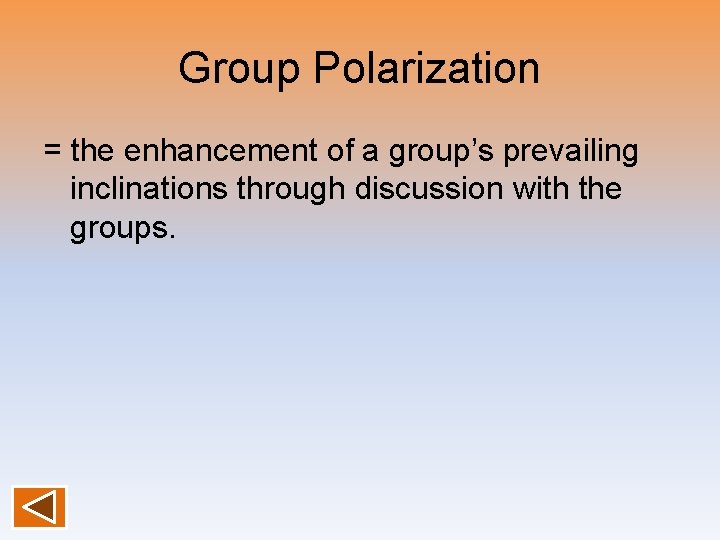
Group Polarization = the enhancement of a group’s prevailing inclinations through discussion with the groups.
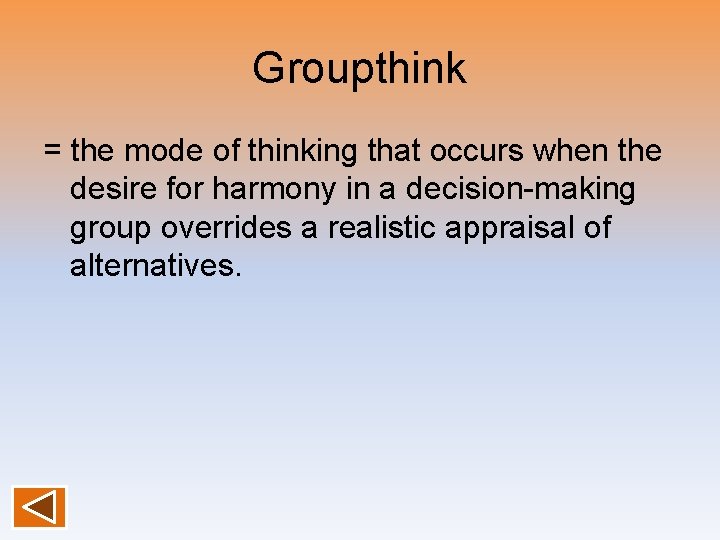
Groupthink = the mode of thinking that occurs when the desire for harmony in a decision-making group overrides a realistic appraisal of alternatives.
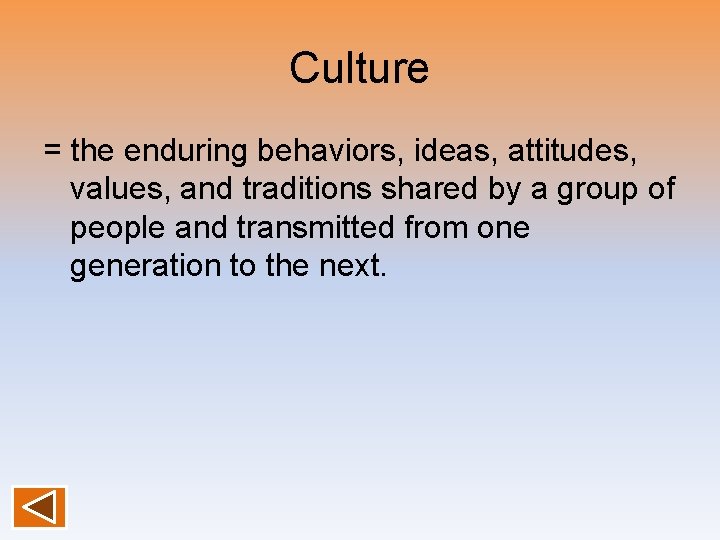
Culture = the enduring behaviors, ideas, attitudes, values, and traditions shared by a group of people and transmitted from one generation to the next.
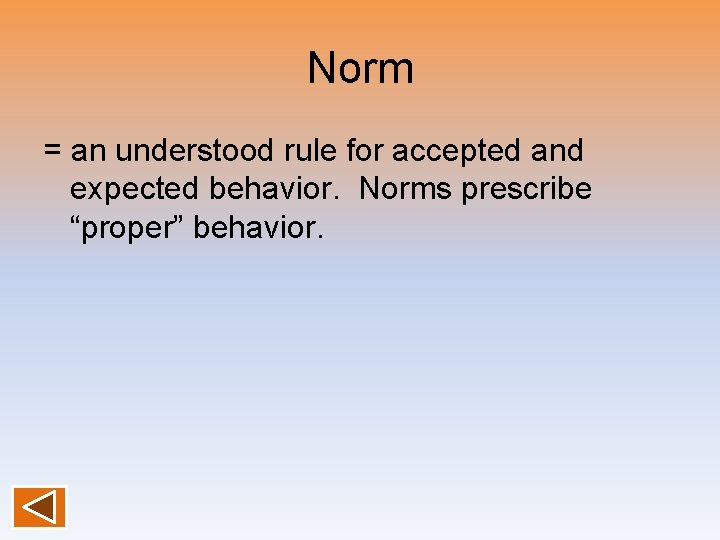
Norm = an understood rule for accepted and expected behavior. Norms prescribe “proper” behavior.
Personal Space = the buffer zone we like to maintain around our bodies.
Prejudice = an unjustifiable (and usually negative) attitude toward a group and its members. Prejudice generally involves stereotyped beliefs, negative feelings, and a predisposition to discriminatory action.
Stereotype = a generalized (sometimes accurate but often overgeneralized) belief about a group of people.
Discrimination = unjustifiable negative behavior toward a group and its members.
Ingroup = “Us” – people with whom we share a common identity.
Outgroup = “Them” – those perceived as different or apart from our ingroup.
Ingroup Bias = the tendency to favor our own group.
Scapegoat Theory = theory that prejudice offers an outlet for anger by providing someone to blame.
Other-race Effect = the tendency to recall faces of one’s own race more accurately than faces of other races. Also called the cross-race effect and the own-race bias.
Just-World Phenomenon = the tendency for people to believe the world is just and that people therefore get what they deserve and deserve what they get.
Aggression = any physical or verbal behavior intended to hurt or destroy.
Frustration-aggression Principle = the principle that frustration – the blocking of an attempt to achieve some goal – creates anger, which can generate aggression.
Mere Exposure Effect = the phenomenon the repeated exposure to novel stimuli increases liking of them.
Passionate Love = an aroused state of intense positive absorption in another, usually present at the beginning of a love relationship.
Companionate Love = the deep affectionate attachment we feel for those with whom our lives are intertwined.
Equity = a condition in which people receive from a relationship in proportion to what they give to it.
Self-Disclosure = revealing intimate aspects of oneself to others.
Altruism = unselfish regard for the welfare of others.
Bystander Effect = the tendency for any given bystander to be less likely to give aid if other bystanders are present.
Social Exchange Theory = theory that our social behavior is an exchange process, the aim of which is to maximize benefits and minimize costs.
Reciprocity Norm = an expectation that people will help, not hurt those who have helped them.
Social-Responsibility Norm = an expectation that people will help those dependent upon them.
Conflict = a perceived incompatibility of actions, goals, or ideas.
Social Trap = a situation in which the conflicting parties, by each rationally pursuing their selfinterest, become caught in mutually destructive behavior.
Mirror-Image Perceptions = mutual views often held by conflicting people, as when each side sees itself as ethical and peaceful and views the other side as evil and aggressive.
Self-Fulfilling Prophecy = a belief that leads to its own fulfillment.
Superordinate Goals = shared goals that override differences among people and require their cooperation.
GRIT = Graduated and Reciprocated Initiatives in Tension-Reduction – a strategy designed to decrease international tensions.