
Mycorrhizas in sustainable agricultural practices Monika Gorzelak Ph
Mycorrhizas in sustainable agricultural practices Monika Gorzelak, Ph. D AAFC Lethbridge RDC January 8 th, 2020
Outline • What are mycorrhizas? • Mycorrhizas matter • Sustainable Agriculture • Benefits of mycorrhizas • Phosphorus uptake-should you inoculate? • Aggregation • SOM formation • Management practices to build mycorrhizas
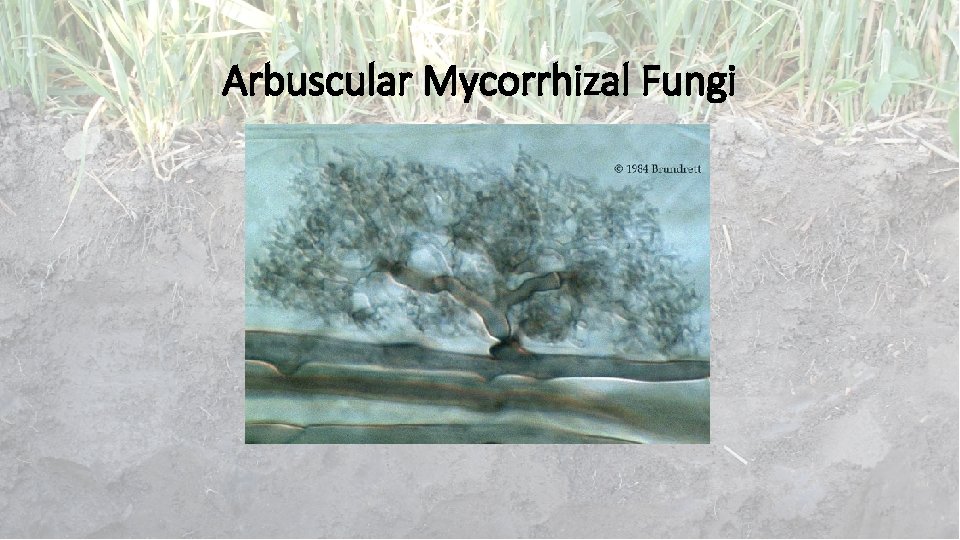
Arbuscular Mycorrhizal Fungi
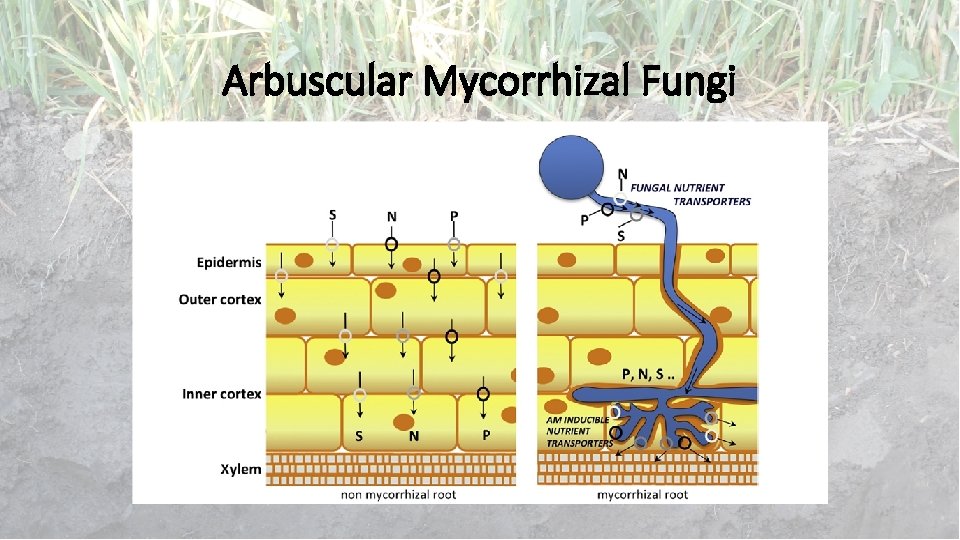
Arbuscular Mycorrhizal Fungi
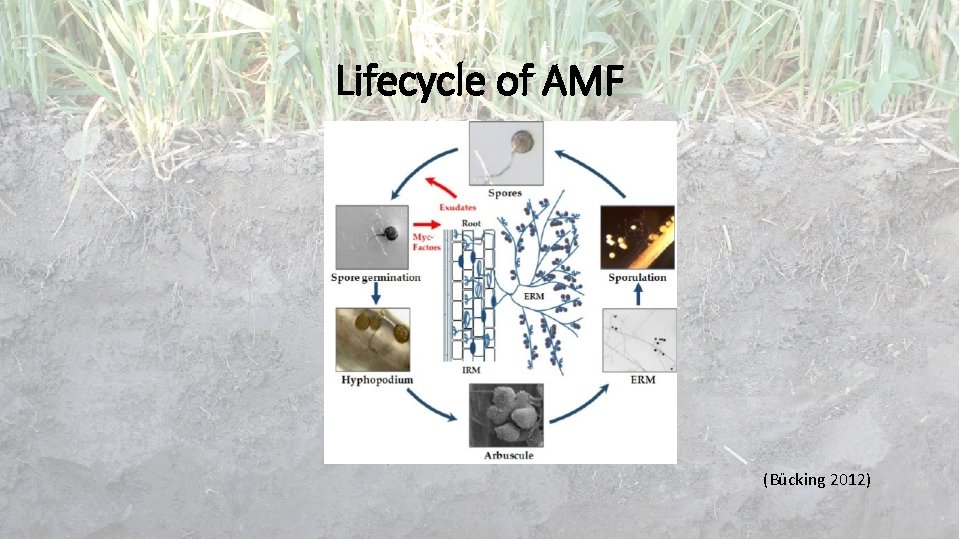
Lifecycle of AMF (Bücking 2012)
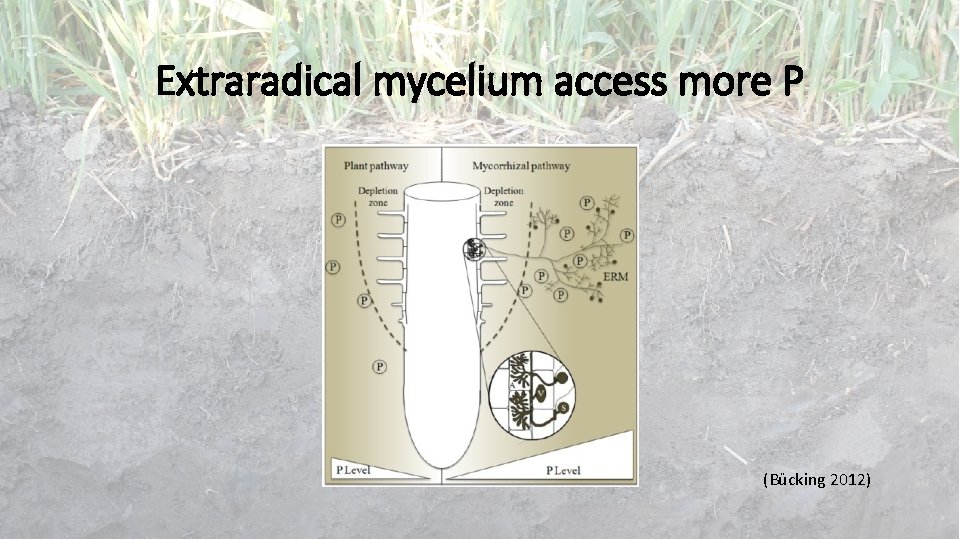
Extraradical mycelium access more P (Bücking 2012)
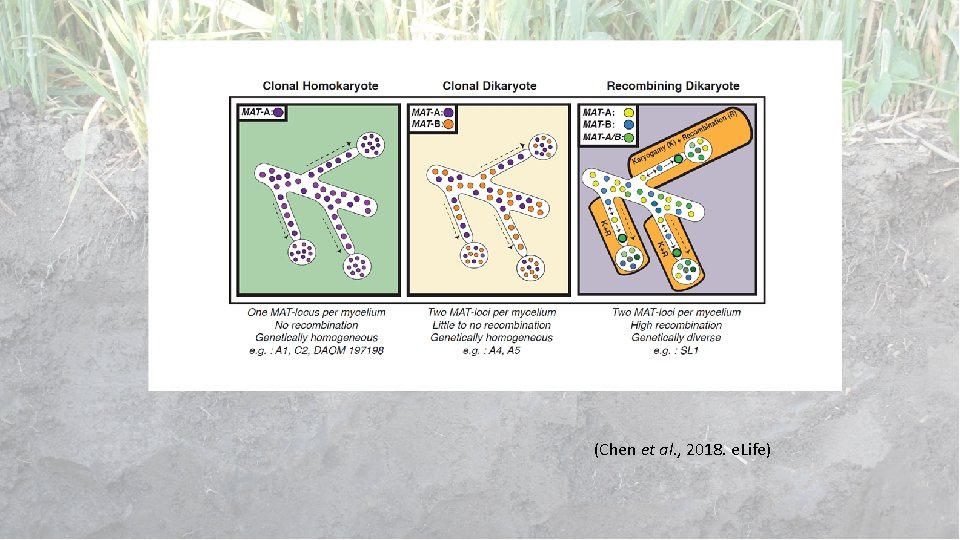
(Chen et al. , 2018. e. Life)
Mycorrhizas matter • Better inoculum? • Management practices to increase soil biology (including mycorrhizas) • Mycorrhizas process root exudates • Mycorrhizas feed bacteria and microfauna • Mycorrhizas build aggregation and soil organic matter (soil health) • Mycorrhizas do cool things:
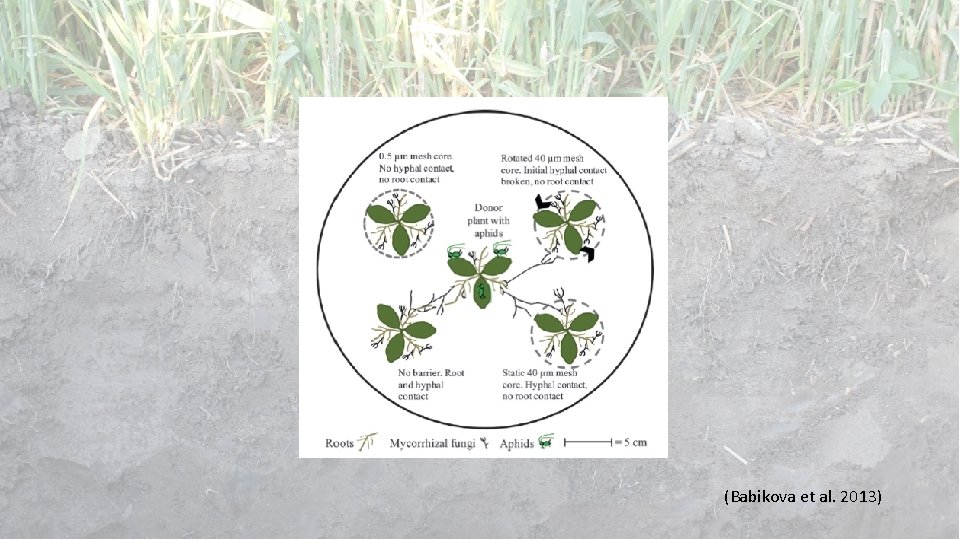
(Babikova et al. 2013)
Sustainable Agriculture • Definition of sustainability: continue cropping, improve resilience to the inevitability of increased climatic variability • Must include some regeneration, especially with conventional practices • Build soil health • • Soil organic matter (SOM) Aggregation Soil microbes Soil food web complexity
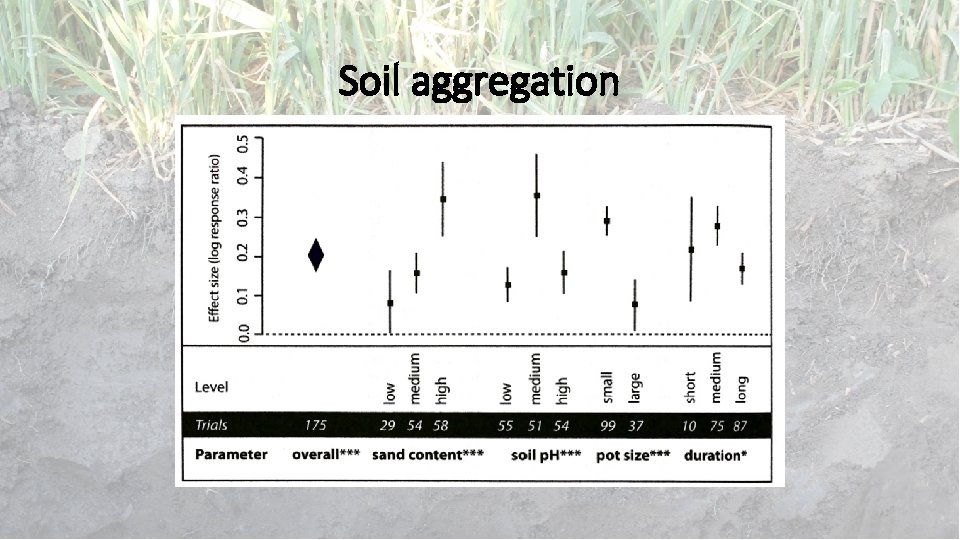
Soil aggregation
One-way path for carbon • Carbon flows from plant to soil via mycorrhizas • Mycorrhizas will not eat soil carbon, only build it • They may “prime” soil microbial communities (what is priming? ) • Getting P from organic sources can destabilize them (break them down making available to microbes) • Scavenging may promote the formation of stable SOM • Aggregation • Mineral association (MAOM)
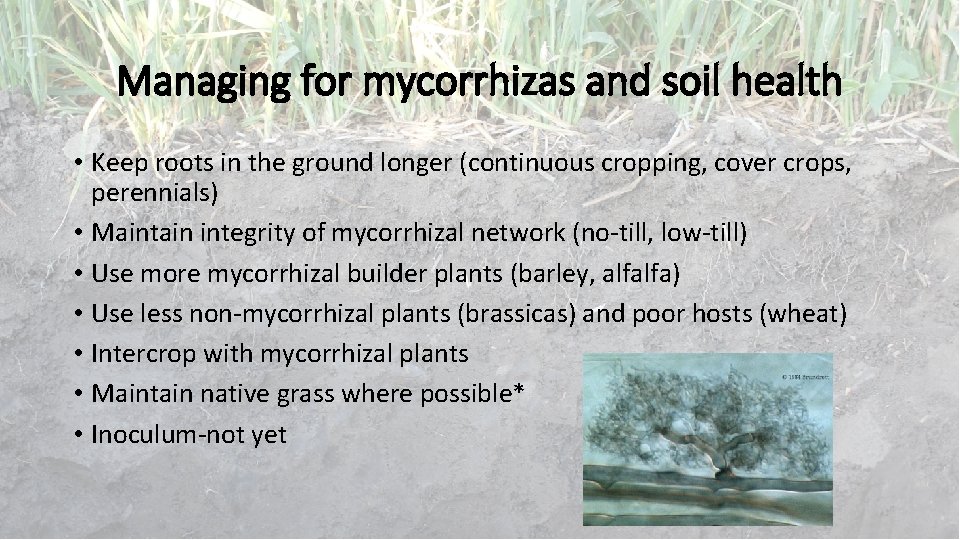
Managing for mycorrhizas and soil health • Keep roots in the ground longer (continuous cropping, cover crops, perennials) • Maintain integrity of mycorrhizal network (no-till, low-till) • Use more mycorrhizal builder plants (barley, alfalfa) • Use less non-mycorrhizal plants (brassicas) and poor hosts (wheat) • Intercrop with mycorrhizal plants • Maintain native grass where possible* • Inoculum-not yet
Thank you
- Slides: 14