
Mutations and Chromosomal Disorders Mutation or birth defect

Mutations and Chromosomal Disorders

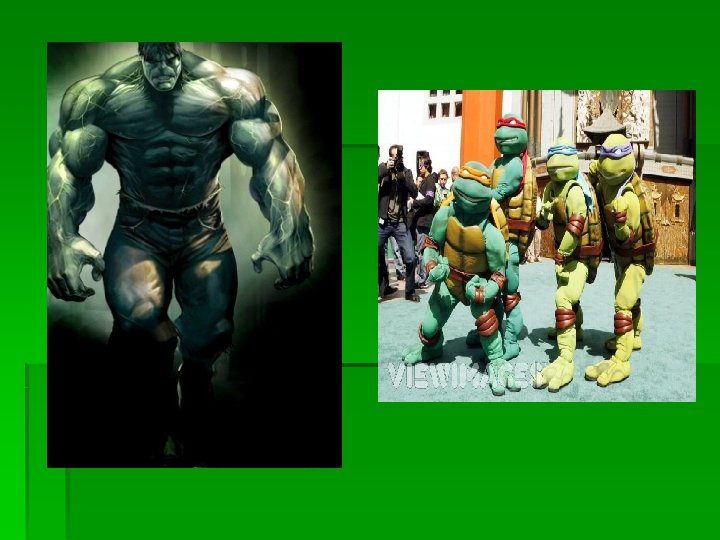

Mutation or birth defect?
Mutations § Random Accidents/Generally Insignificant or Beneficial or Bad § Accidents- Replications/Transcriptions § Mitosis § Meiosis § Gene Mutation: More Common
Do all mutations affect the organisms? § No! § Mutations may occur in a gene that is turned off in a cell (ex. Kidney cell vs. Heart Cell) § When this occurs, there is no affect on the organism! § Example: Concert Sound Board
Mutagen § Factors in the environment that cause mutations § Can you think of a few? § X-Rays, UV waves, various chemicals
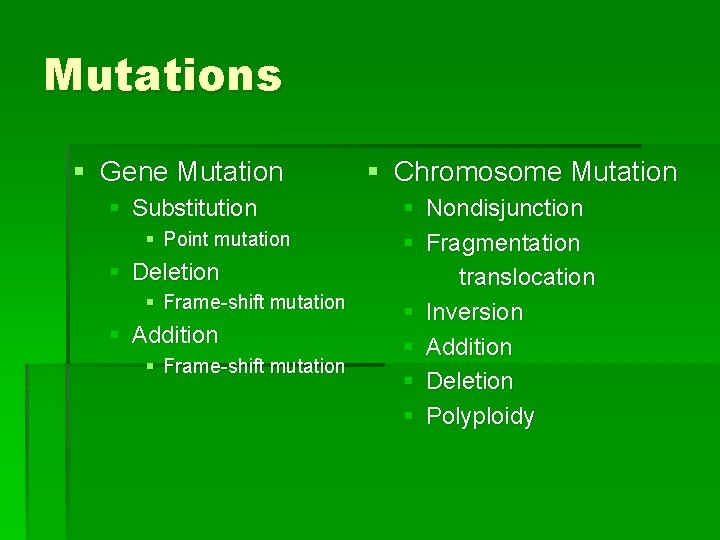
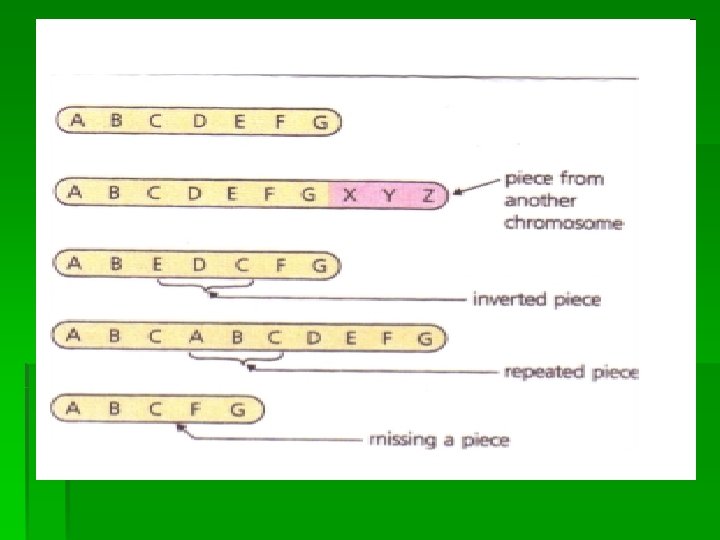
Mutations § Gene Mutation § Substitution § Point mutation § Deletion § Frame-shift mutation § Addition § Frame-shift mutation § Chromosome Mutation § Nondisjunction § Fragmentation translocation § Inversion § Addition § Deletion § Polyploidy
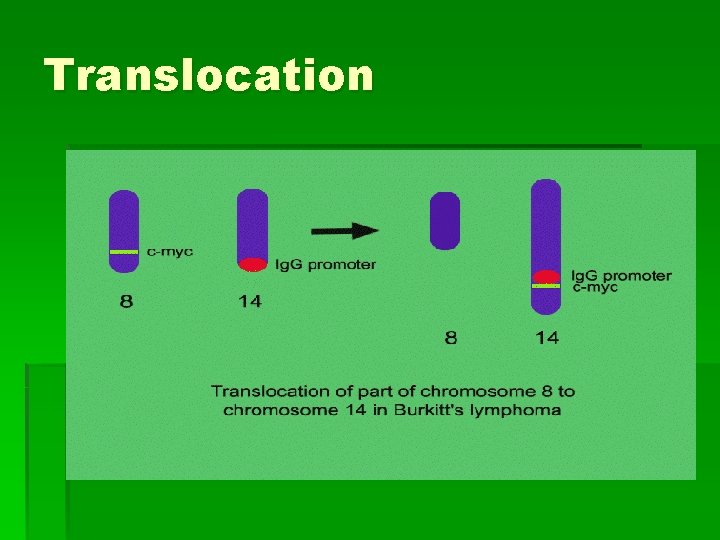
Translocation
A mutation can only be passed on to offspring IF § THE MUTATION IS PRESENT IN THE GAMETES / SEX CELLS
Gene Mutations § Substitution (point mutation)- changes one codon § Deletion (frameshift mutation)- everything changes after the removal of that nucleotide § Same effect in an addition § *more detrimental than substitutions
Chromosomal Mutation § Affects the whole chromosome and all genes on chromosomes § Will be more detrimental! § Mutations passed on if occur in sex cells
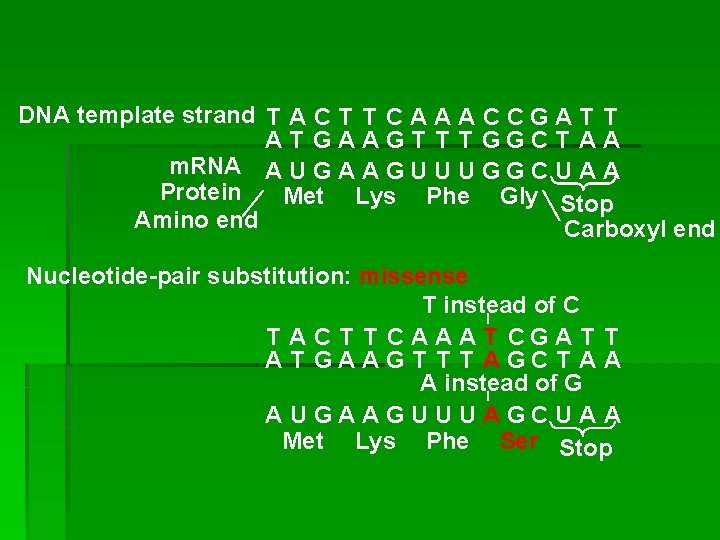
DNA template strand T A C T T C A A A C C G A T T A T GAAGT T T GGC T A A m. RNA A U G A A G U U U G G C U A A Protein Met Lys Phe Gly Stop Amino end Carboxyl end Nucleotide-pair substitution: missense T instead of C T A C T T CAAA T CGA T T AT GAAGT T T AGCT AA A instead of G AUGAAGUUUAGCUAA Met Lys Phe Ser Stop

DNA template strand T A C T T C A A A C C G A T T A T GAAGT T T GGC T AA m. RNA A U G A A G U U U G G C U A A Protein Met Lys Phe Gly Stop Amino end Carboxyl end Nucleotide-pair deletion: frameshift causing extensive missense A missing T A C T T CAA C CGA T T AT GAAGT T GGCT AA U missing AUGAAGUUGGCUAA Met Lys Leu Ala
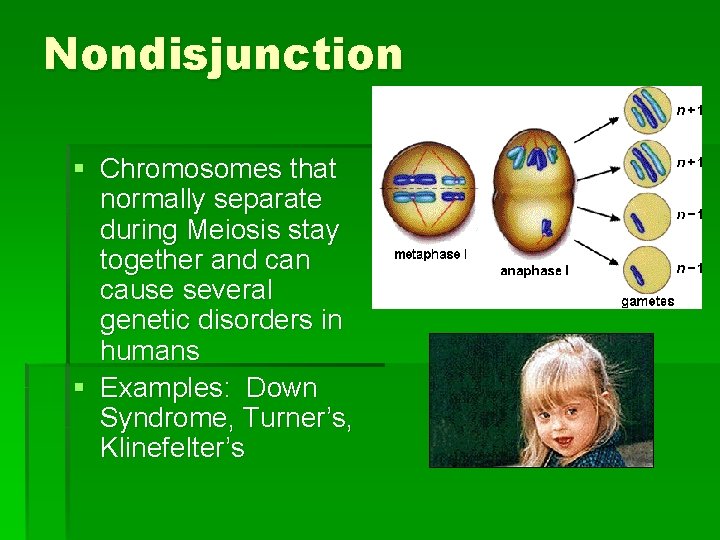
Nondisjunction § Chromosomes that normally separate during Meiosis stay together and can cause several genetic disorders in humans § Examples: Down Syndrome, Turner’s, Klinefelter’s
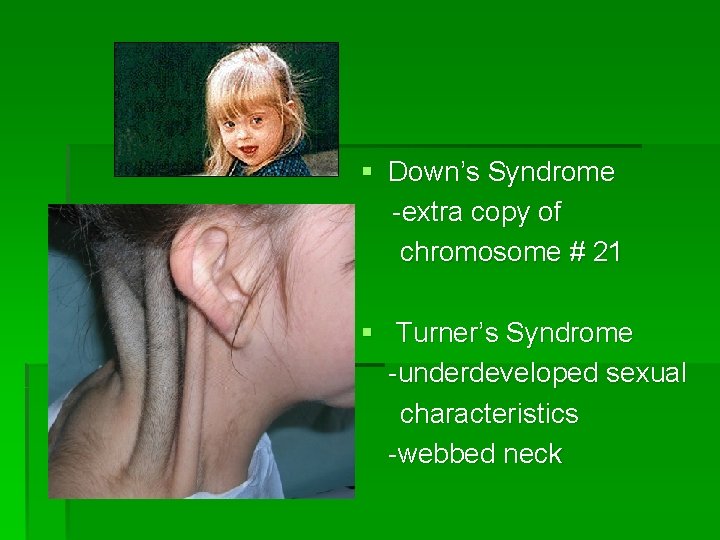
§ Down’s Syndrome -extra copy of chromosome # 21 § Turner’s Syndrome -underdeveloped sexual characteristics -webbed neck
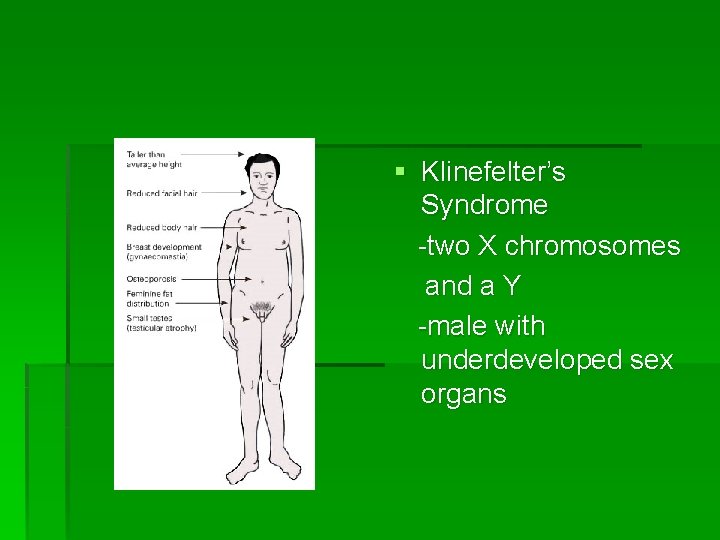
§ Klinefelter’s Syndrome -two X chromosomes and a Y -male with underdeveloped sex organs
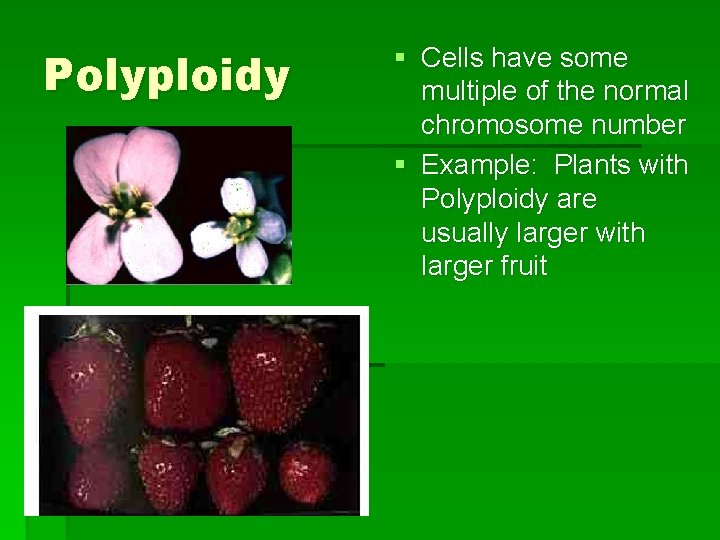
Polyploidy § Cells have some multiple of the normal chromosome number § Example: Plants with Polyploidy are usually larger with larger fruit
Polygenetics § Polygenic Trait- traits controlled by many genes (examples height, skin color, eye color)
Genetic Screening § When a person’s genetic make-up is analyzed to determine the possibility of genetic disorders for themselves and that could be passed on to future offspring

Common Genetic Disorders
Sex-linked Disorders § § § Hemophilia Color-Blindness Male Pattern Baldness
Autosomal Disorders § Sickle Cell- sickle shaped blood cells § Tay –Sachs-death by the age of 4 § Cannot breakdown lipids in the brain § PKU-Caused by mutation and cannot break down phenylalanine § Cystic Fibrosis-(refer to video on Active Transport) Missing gene to control formation of mucus § Huntington’s Disease-fatal but do not appear until 30 years old-due to breakdown of the brain cells § Pompe Disease- caused by mutation in the GAA gene (leads to excessive build up of glycogen in muscle cells)
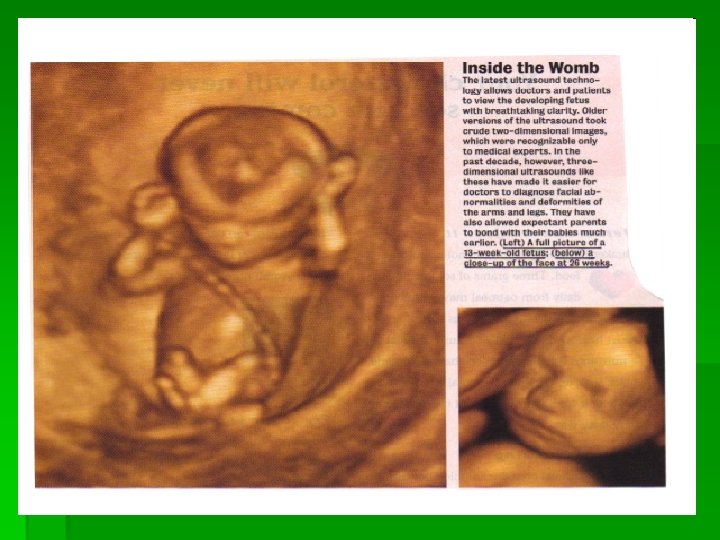
Detecting Genetic Disorders § Karyotyping § Amniocentesis § Chorionic villus sampling § Ultrasound
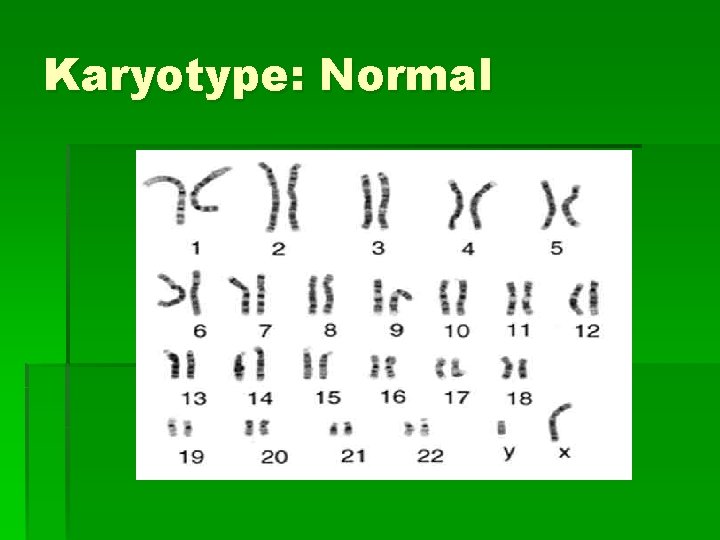
Karyotype: Normal
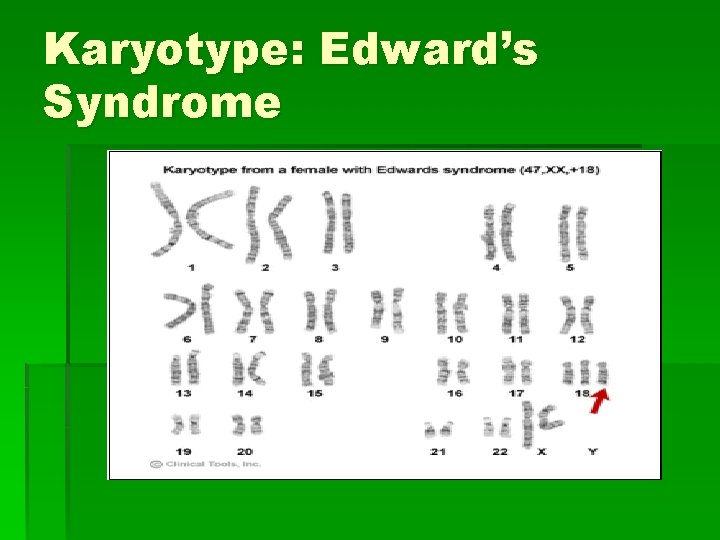
Karyotype: Edward’s Syndrome

Edward’s Syndrome
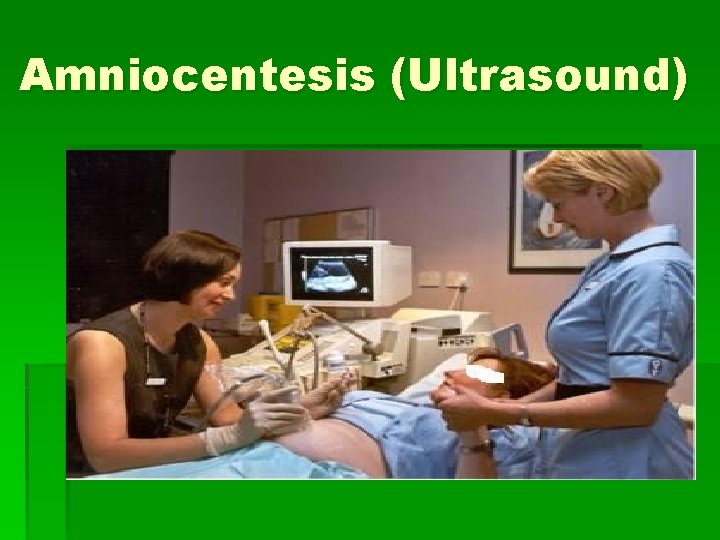
Amniocentesis (Ultrasound)
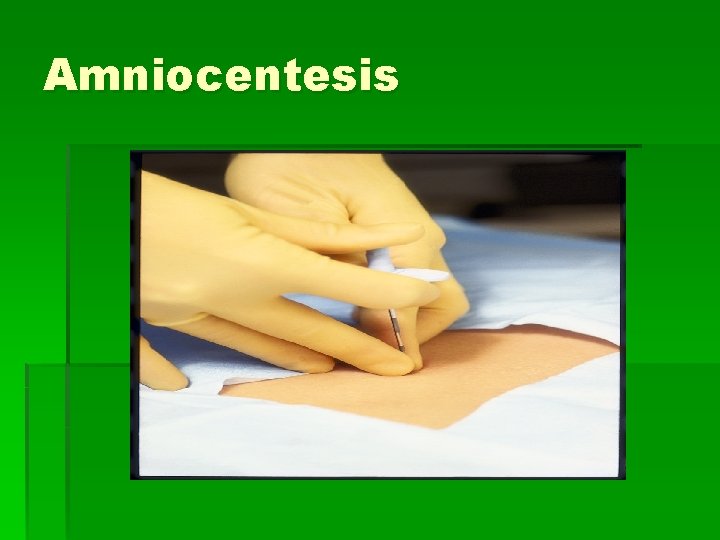
Amniocentesis
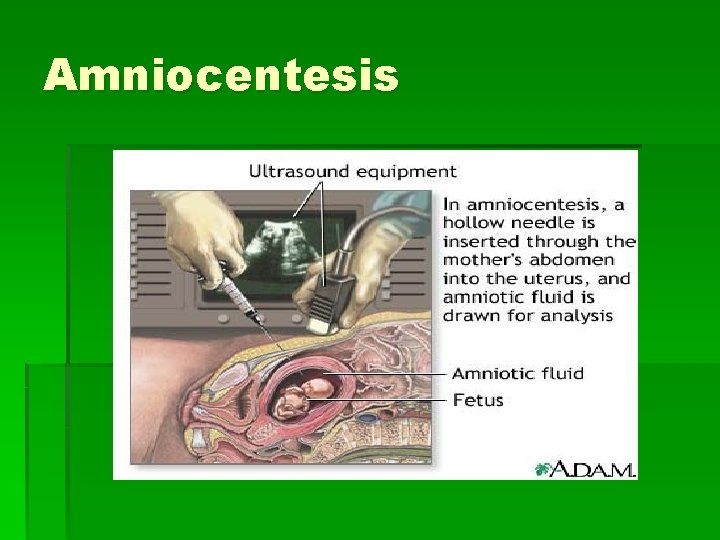
Amniocentesis
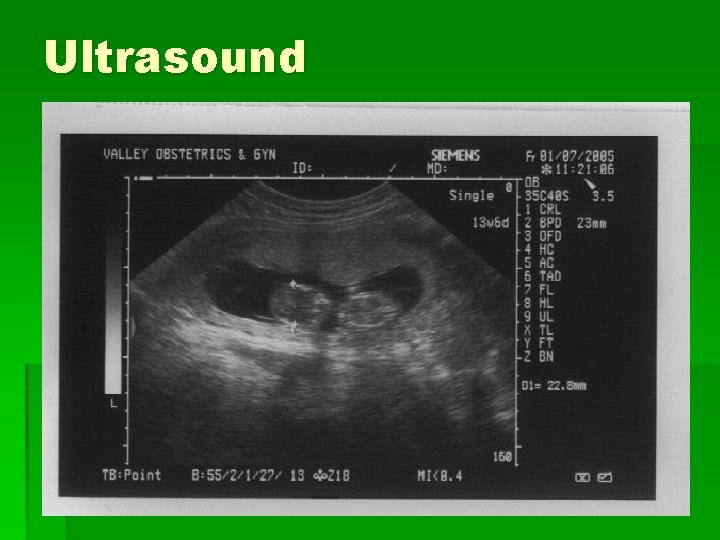
Ultrasound

Genetic Engineering
Definition § The process of producing altered DNA, usually by breaking a DNA molecule and inserting new genes
Recombinant DNA (Gene Splicing) § DNA from two different species is joined together § Provides a way of producing large amounts of sometimes rare substances § Example: Insulin and clotting factors that treat Hemophilia § What is used to cut DNA? (Hint: Electrophoresis) § Restriction Enzymes
Gene Therapy § The process of correcting genetic defects by transferring normal genes to cells that have defective genes § Sometimes normal genes are introduced to the cell by means of virus or bacteria § Used in both Plants and Animals
- Slides: 38