
Mustansiriyah University College of science Biology Dept Zoology
Mustansiriyah University College of science Biology Dept. Zoology 4 th class Zoonoses lab. (3)
Salmonella Causes Infections in Humans and vertebrates, • Enteric Fever ( Typhoid fever ) • Gastroenteritis • Septicemias, • Carrier state.
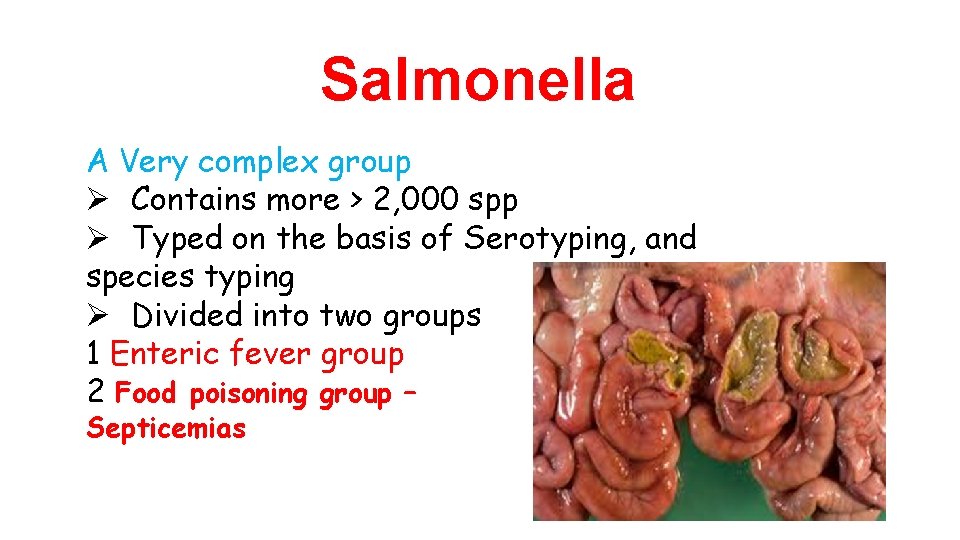
Salmonella A Very complex group Ø Contains more > 2, 000 spp Ø Typed on the basis of Serotyping, and species typing Ø Divided into two groups 1 Enteric fever group 2 Food poisoning group – Septicemias
Salmonella Common carriers Transmission Cattle Cats Dogs Horses Poultry -Direct contact with animal or feces -Contaminated food Clinical Presentation w w w Chills Fever Headache Diarrhea Vomiting
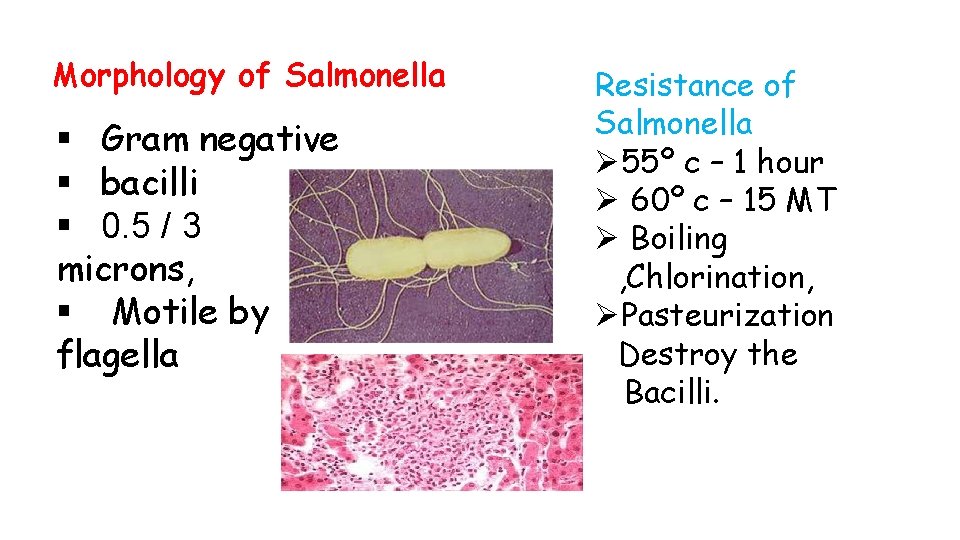
Morphology of Salmonella § Gram negative § bacilli § 0. 5 / 3 microns, § Motile by flagella Resistance of Salmonella Ø 55º c – 1 hour Ø 60º c – 15 MT Ø Boiling , Chlorination, ØPasteurization Destroy the Bacilli.
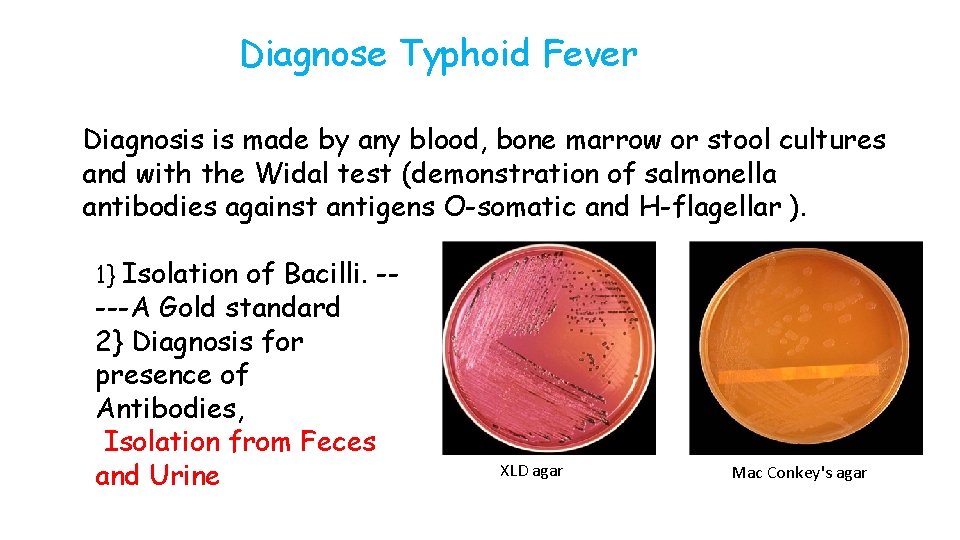
Diagnose Typhoid Fever Diagnosis is made by any blood, bone marrow or stool cultures and with the Widal test (demonstration of salmonella antibodies against antigens O-somatic and H-flagellar ). 1} Isolation of Bacilli. -- ---A Gold standard 2} Diagnosis for presence of Antibodies, Isolation from Feces and Urine XLD agar Mac Conkey's agar
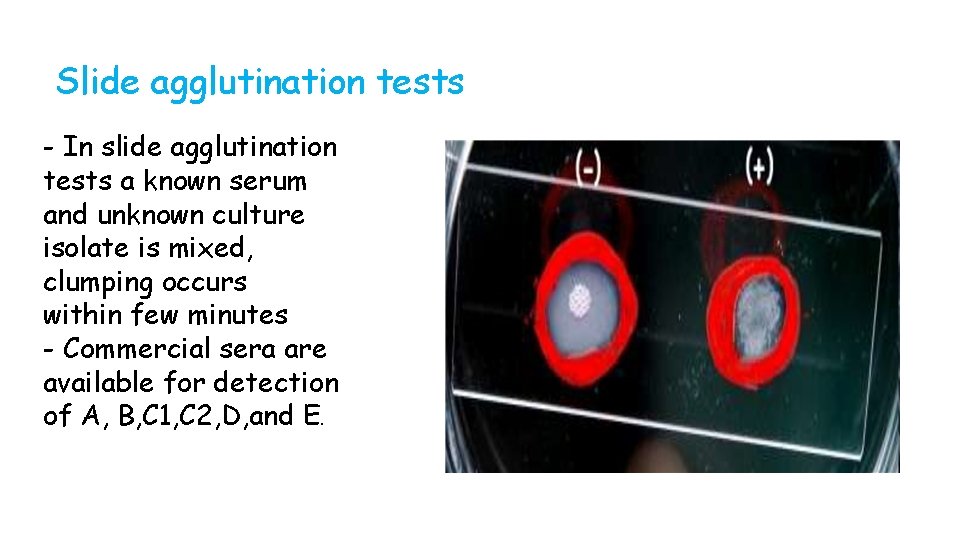
Slide agglutination tests - In slide agglutination tests a known serum and unknown culture isolate is mixed, clumping occurs within few minutes - Commercial sera are available for detection of A, B, C 1, C 2, D, and E.
WIDAL Test – Tube agglutination test. • Detects O and H antibodies • Diagnosis of Typhoid and Paratyphoid • Testing for H agglutinins in Dryers tubes, a narrow tube floccules at the bottom • Testing for O agglutinins in Felix tubes. • Incubated at 37º c overnight diagnosing typhoid fever based on the fact that antibodies in the blood of an infected individual cause the bacteria to bind together into clumps (the Widal reaction).
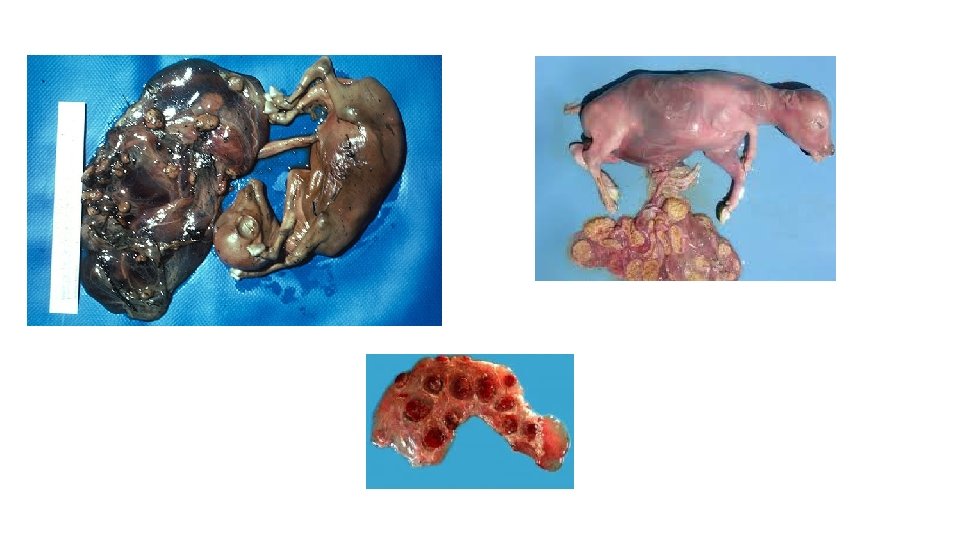
Brucellosis (Malta Fever) Brucellosis is a zoonosis primarily of domestic animals, causing a chronic debilitating septicemic disease leading to abortion. The causal Brucella species are named after Sir David Bruce, who discovered the cause of one form of the disease while serving in Malta in 1887.
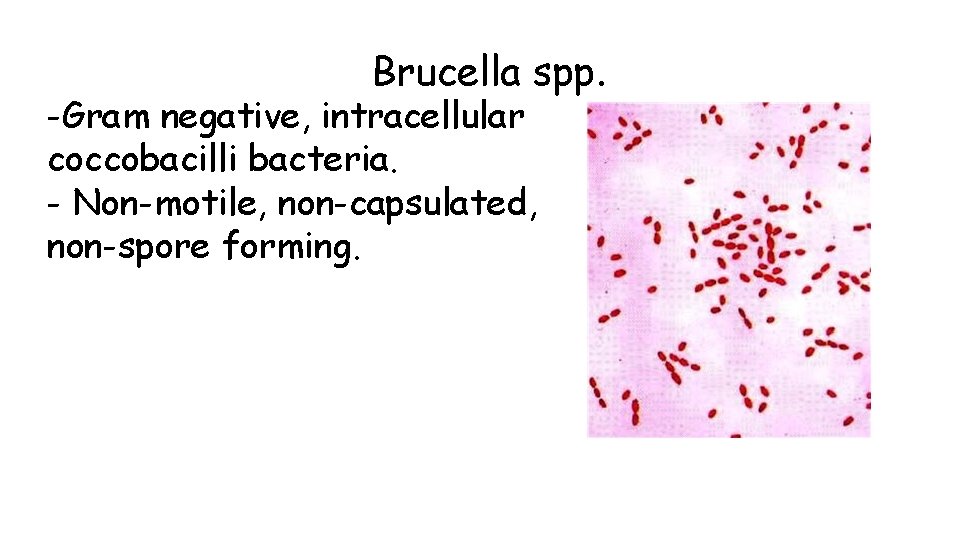
Brucella spp. -Gram negative, intracellular coccobacilli bacteria. - Non-motile, non-capsulated, non-spore forming.
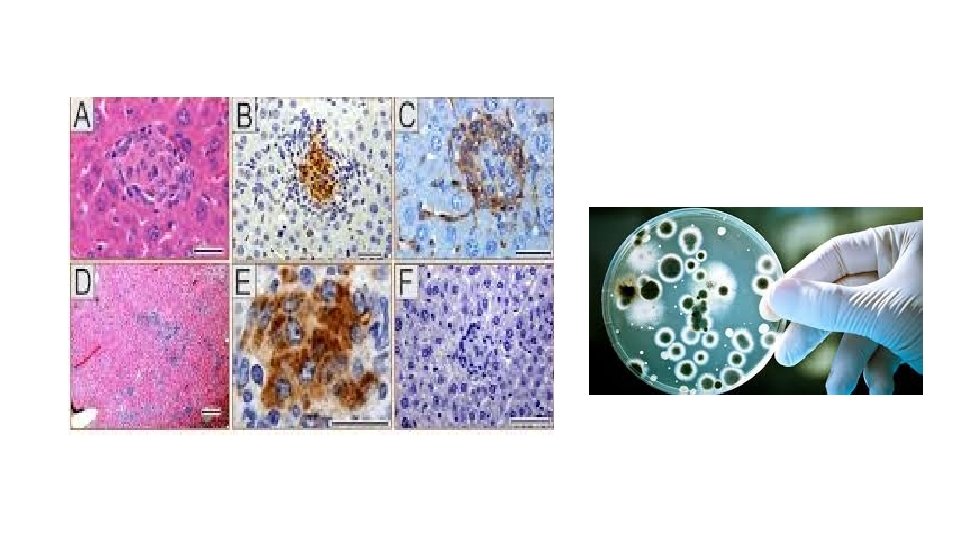
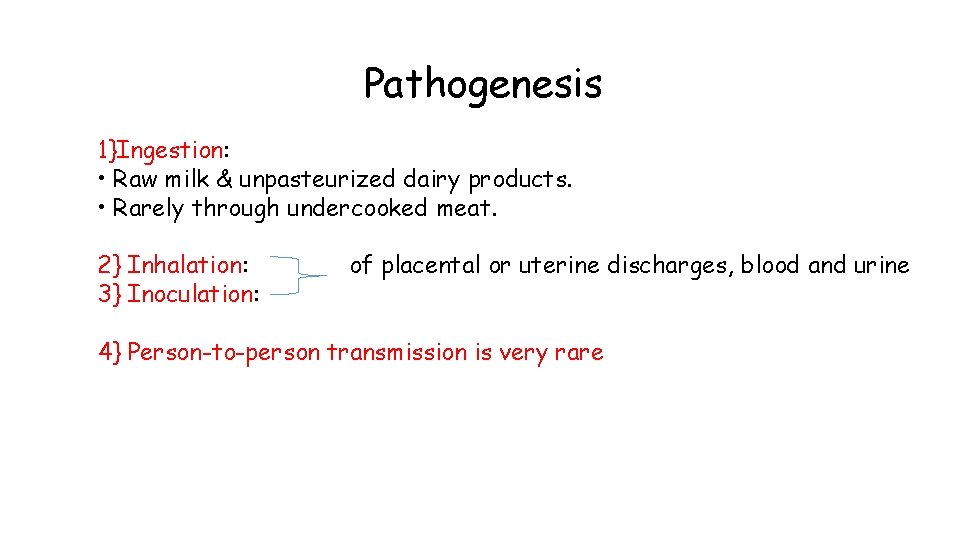
Pathogenesis 1}Ingestion: • Raw milk & unpasteurized dairy products. • Rarely through undercooked meat. 2} Inhalation: 3} Inoculation: of placental or uterine discharges, blood and urine 4} Person-to-person transmission is very rare
Who is at Risk? ØOccupational Disease: • Cattle ranchers/dairy farmers. • Veterinarians. • Abattoir workers. • Meat inspectors. • Lab workers. Ø Hunters. Ø Travelers. Ø Consumers of unpasteurized dairy products
Diagnosis 1 -Clinical features. 2 - Serology: brucella agglutinins in the blood. 3 - Blood or tissue culture. 4 - Polymerase Chain Reaction (PCR). Serologic Tests • Tube Agglutination • Complement fixation • Radioimmunoassay • ELISA • Rapid Agglutination • Rose bengal test
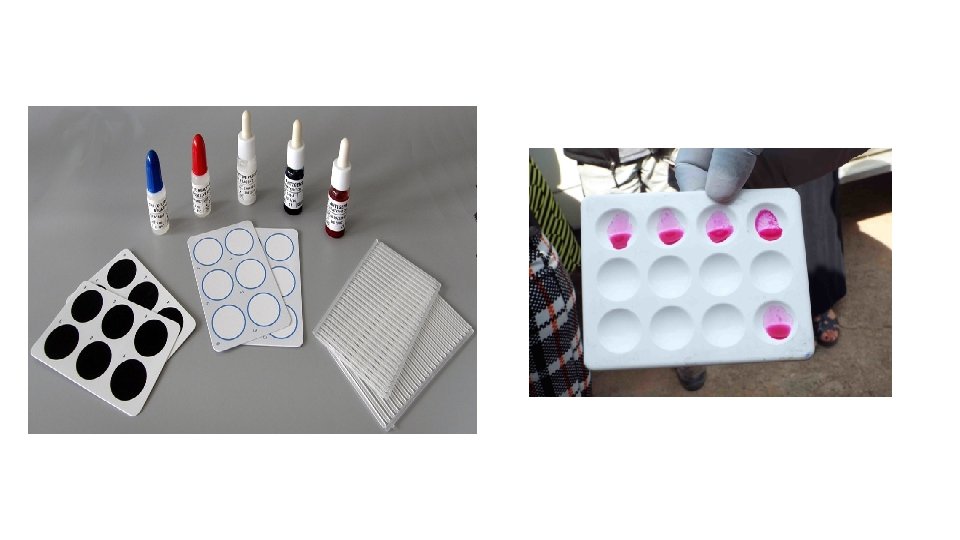
Rose Bengal plate test Is an agglutination test in which the brucella cells are bound to a dye • Is quick and easy to read • It is a useful screening test
- Slides: 17