
Musculoskeletal Disorders Part I Osteoporosis Fractures Degenerative Joint


- Slides: 77
Musculoskeletal Disorders Part I Osteoporosis Fractures Degenerative Joint Disease/Osteoarthritis Total Hip and Knee Prostheses Bone Infections / Osteomyelitis Gout
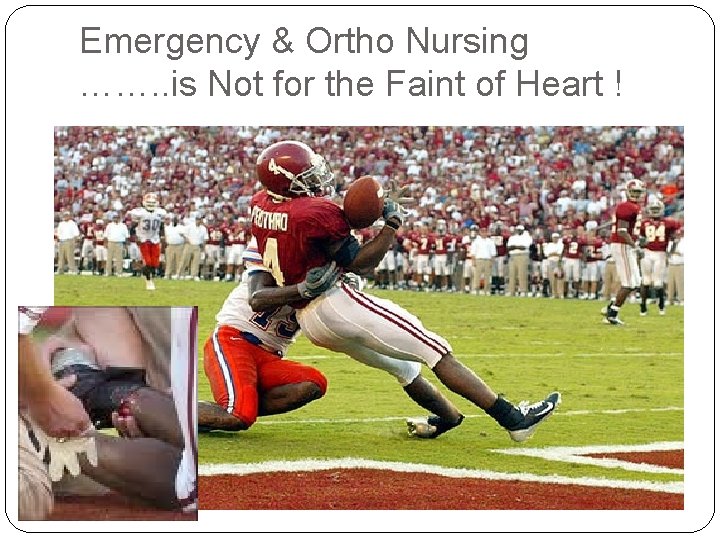
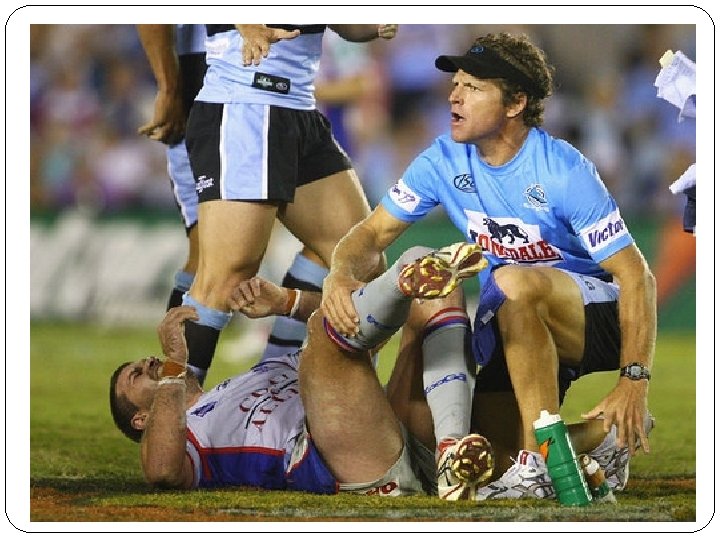
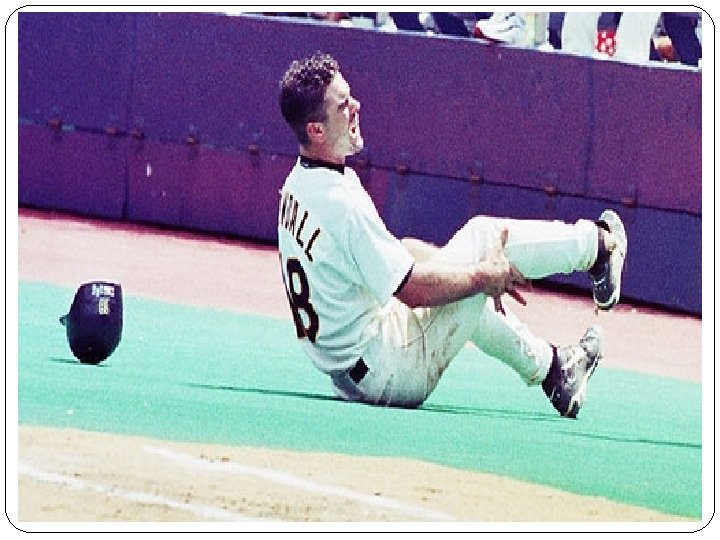
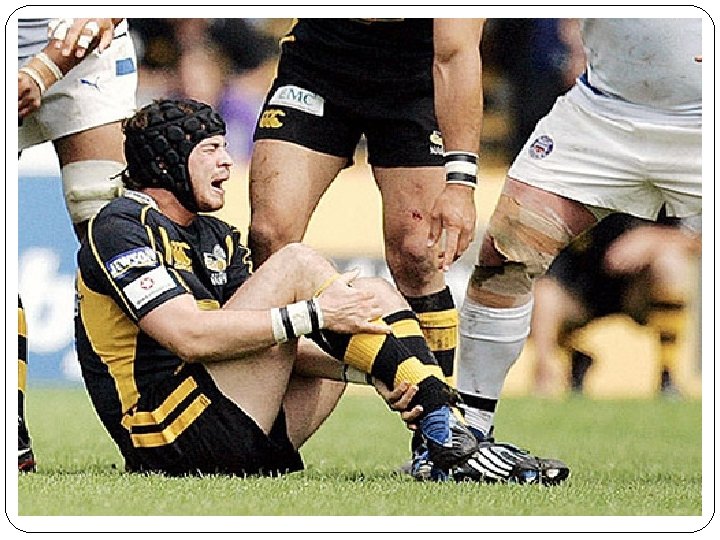
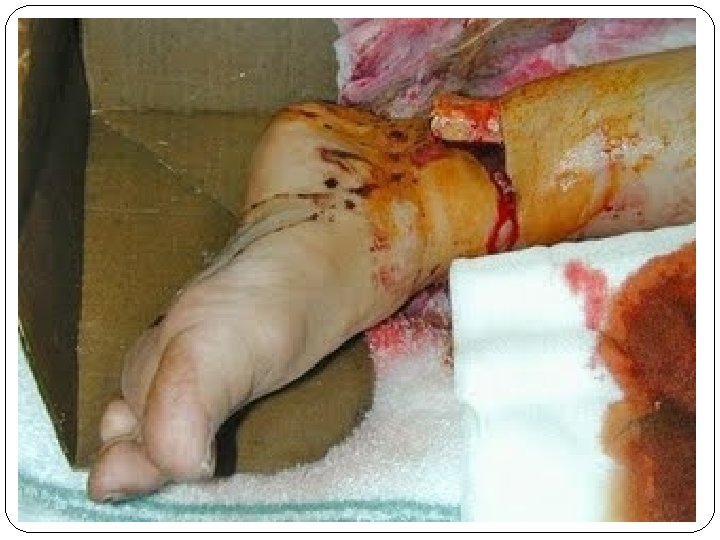
Emergency & Ortho Nursing ……. . is Not for the Faint of Heart !
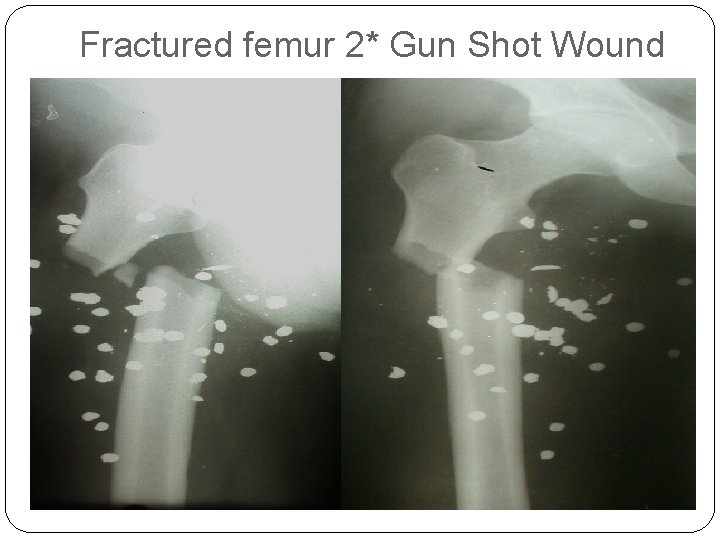
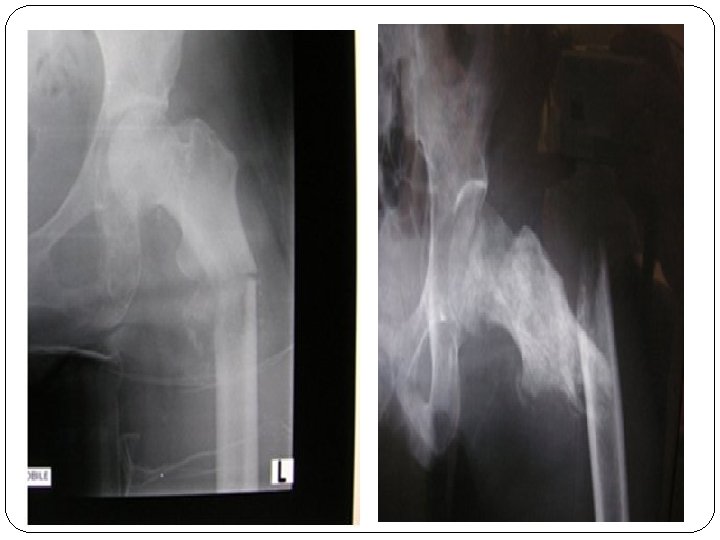
Fractured femur 2* Gun Shot Wound
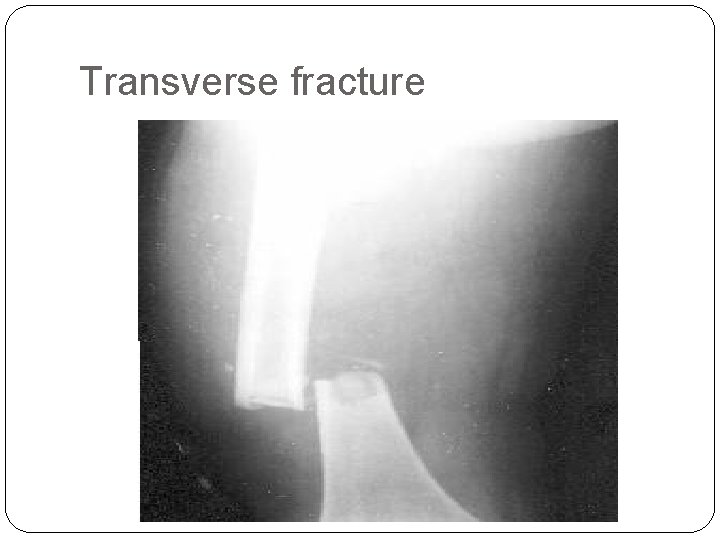
Transverse fracture
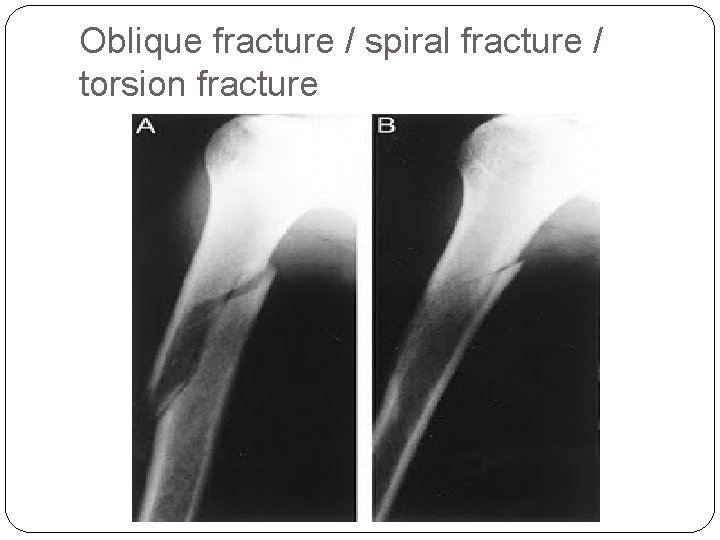
Oblique fracture / spiral fracture / torsion fracture
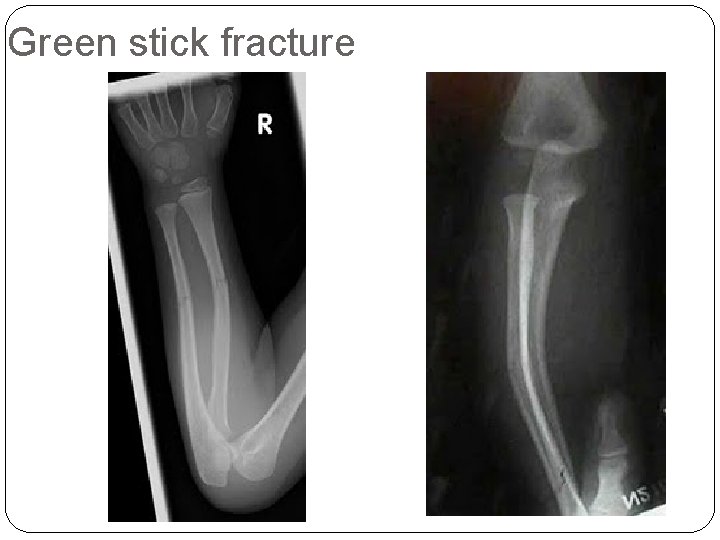
Green stick fracture
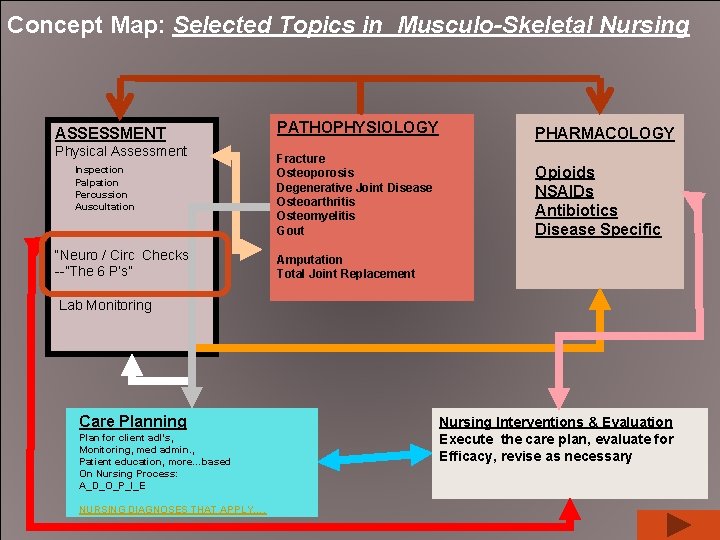
Concept Map: Selected Topics in Musculo-Skeletal Nursing ASSESSMENT Physical Assessment Inspection Palpation Percussion Auscultation “Neuro / Circ Checks” --”The 6 P’s” PATHOPHYSIOLOGY PHARMACOLOGY Fracture Osteoporosis Degenerative Joint Disease Osteoarthritis Osteomyelitis Gout Opioids NSAIDs Antibiotics Disease Specific Amputation Total Joint Replacement Lab Monitoring Care Planning Plan for client adl’s, Monitoring, med admin. , Patient education, more…based On Nursing Process: A_D_O_P_I_E NURSING DIAGNOSES THAT APPLY…. Nursing Interventions & Evaluation Execute the care plan, evaluate for Efficacy, revise as necessary
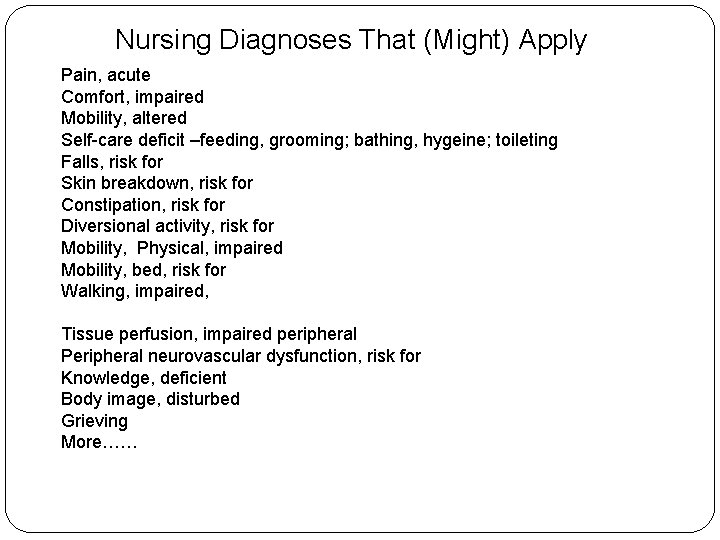
Nursing Diagnoses That (Might) Apply Pain, acute Comfort, impaired Mobility, altered Self-care deficit –feeding, grooming; bathing, hygeine; toileting Falls, risk for Skin breakdown, risk for Constipation, risk for Diversional activity, risk for Mobility, Physical, impaired Mobility, bed, risk for Walking, impaired, Tissue perfusion, impaired peripheral Peripheral neurovascular dysfunction, risk for Knowledge, deficient Body image, disturbed Grieving More……
Musculoskeletal Disorders �Objectives �See the Study Guide for Complete List of Objectives � Compare and contrast different types of fractures � Discuss the usual healing processes for bone � Identify complications of fractures � Describe the nursing care of the client with casts or traction, including client education � Prioritize nursing care for patients who are at risk for osteopenia � Describe the role of drug therapy, diet, and exercise in management of osteoporosis.
Musculoskeletal Disorders �Objectives— � See the Study Guide for Complete List of Objectives � Describe the pain management of client with bone disorders � Prioritize nursing care for a patient who has had a hip ORIF or knee replacement � Identify common types of amputations � Identify appropriate nursing care for patients with degenerative joint disease (DJD) � Prioritize nursing care for patients who are at risk for osteomylitis (bone infection) � Describe the role of drug therapy in prevention and management of degenerative joint disease � Describe the causes of gout and appropriate treatments.
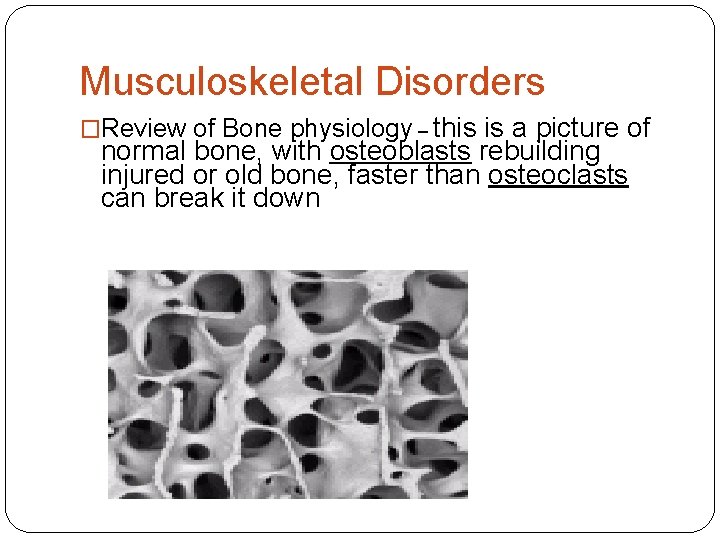
Musculoskeletal Disorders �Review of Bone physiology – this is a picture of normal bone, with osteoblasts rebuilding injured or old bone, faster than osteoclasts can break it down o o o Healthy bone
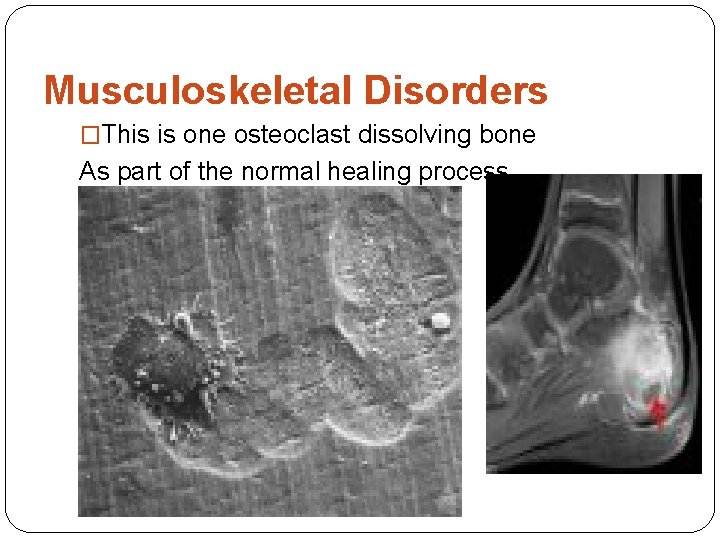
Musculoskeletal Disorders �This is one osteoclast dissolving bone As part of the normal healing process
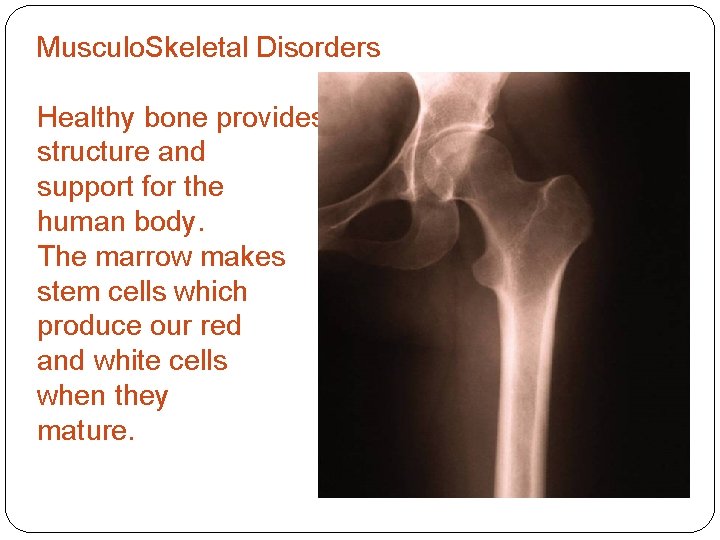
Musculo. Skeletal Disorders Healthy bone provides structure and support for the human body. The marrow makes stem cells which produce our red and white cells when they mature.
Osteoporosis
Musculoskeletal Disorders ----Osteoporosis � Osteoporosis– number one cause of fractures in the elderly, >1. 5 million per year � Primary Osteoporosis is caused by osteopenia or thinning of the bone. This occurs when osteoclastic bone loss is faster than osteoblastic (bone building) activity. � This is measured by BMD (bone mineral density) � Osteopenia = T-score of less than- 1. 0 � Treatment starts here, new guidelines 2008 � Osteoporosis = T-score of > -2. 5
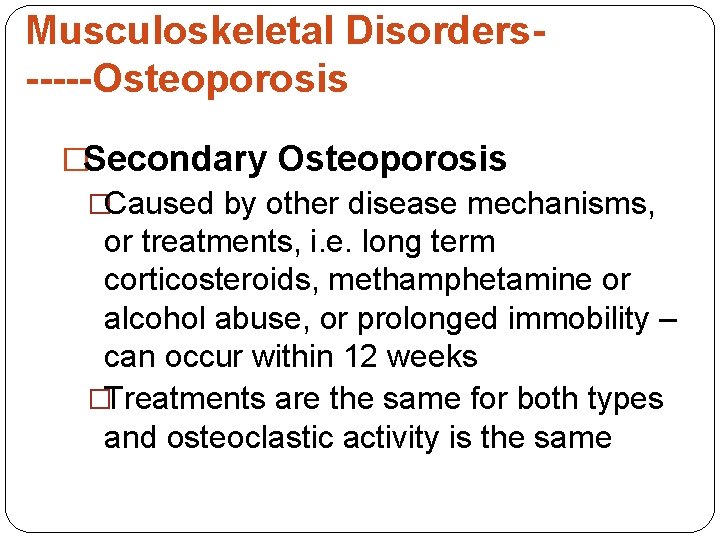
Musculoskeletal Disorders-----Osteoporosis �Secondary Osteoporosis �Caused by other disease mechanisms, or treatments, i. e. long term corticosteroids, methamphetamine or alcohol abuse, or prolonged immobility – can occur within 12 weeks �Treatments are the same for both types and osteoclastic activity is the same
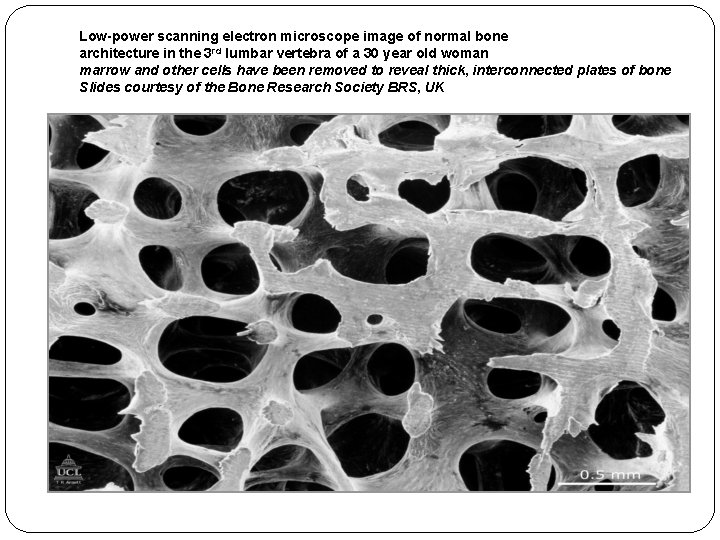
Low-power scanning electron microscope image of normal bone architecture in the 3 rd lumbar vertebra of a 30 year old woman marrow and other cells have been removed to reveal thick, interconnected plates of bone Slides courtesy of the Bone Research Society BRS, UK
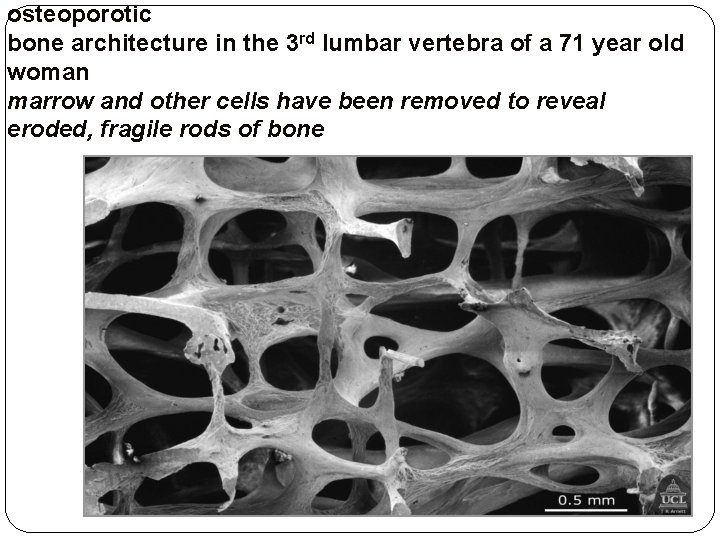
osteoporotic bone architecture in the 3 rd lumbar vertebra of a 71 year old woman marrow and other cells have been removed to reveal eroded, fragile rods of bone
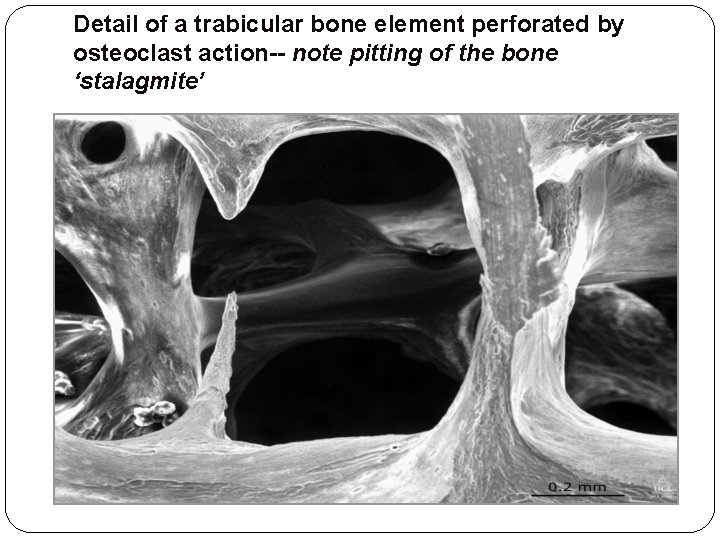
Detail of a trabicular bone element perforated by osteoclast action-- note pitting of the bone ‘stalagmite’
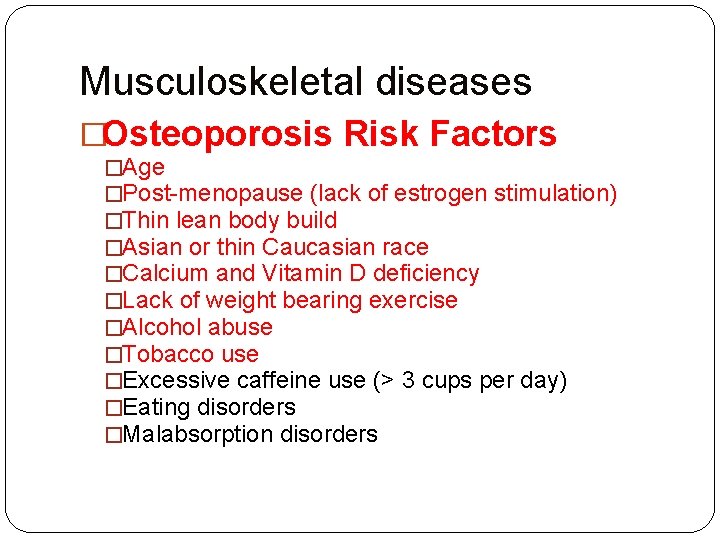
Musculoskeletal diseases �Osteoporosis Risk Factors �Age �Post-menopause (lack of estrogen stimulation) �Thin lean body build �Asian or thin Caucasian race �Calcium and Vitamin D deficiency �Lack of weight bearing exercise �Alcohol abuse �Tobacco use �Excessive caffeine use (> 3 cups per day) �Eating disorders �Malabsorption disorders
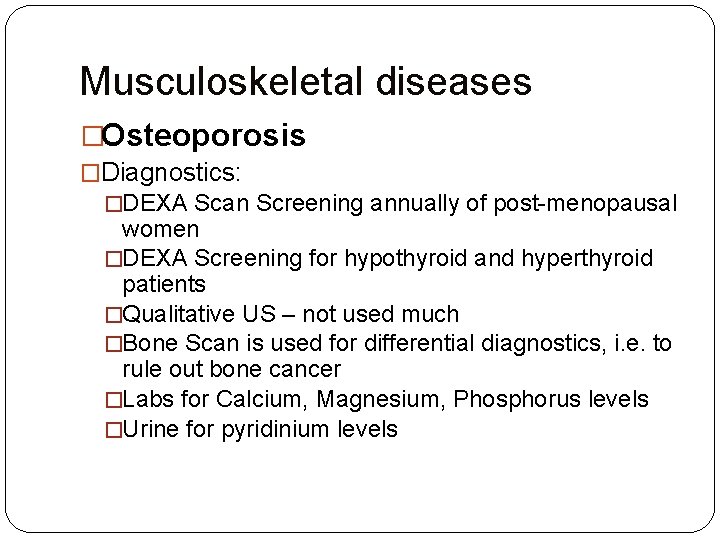
Musculoskeletal diseases �Osteoporosis �Diagnostics: �DEXA Scan Screening annually of post-menopausal women �DEXA Screening for hypothyroid and hyperthyroid patients �Qualitative US – not used much �Bone Scan is used for differential diagnostics, i. e. to rule out bone cancer �Labs for Calcium, Magnesium, Phosphorus levels �Urine for pyridinium levels
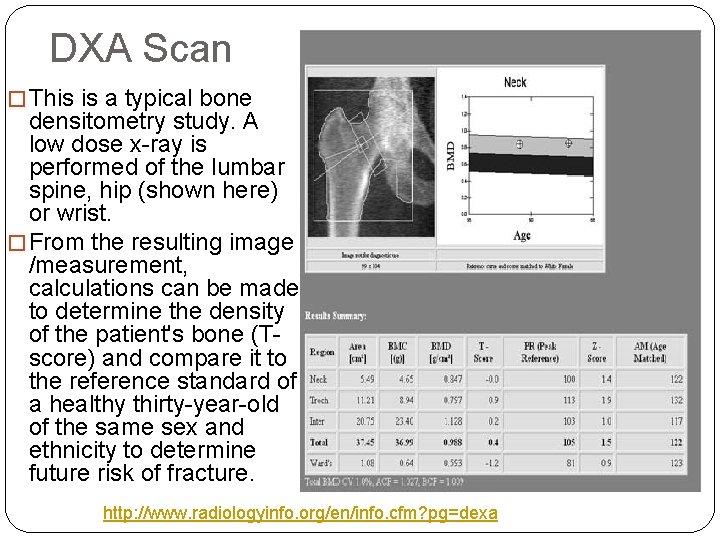
DXA Scan � This is a typical bone densitometry study. A low dose x-ray is performed of the lumbar spine, hip (shown here) or wrist. � From the resulting image /measurement, calculations can be made to determine the density of the patient's bone (Tscore) and compare it to the reference standard of a healthy thirty-year-old of the same sex and ethnicity to determine future risk of fracture. http: //www. radiologyinfo. org/en/info. cfm? pg=dexa
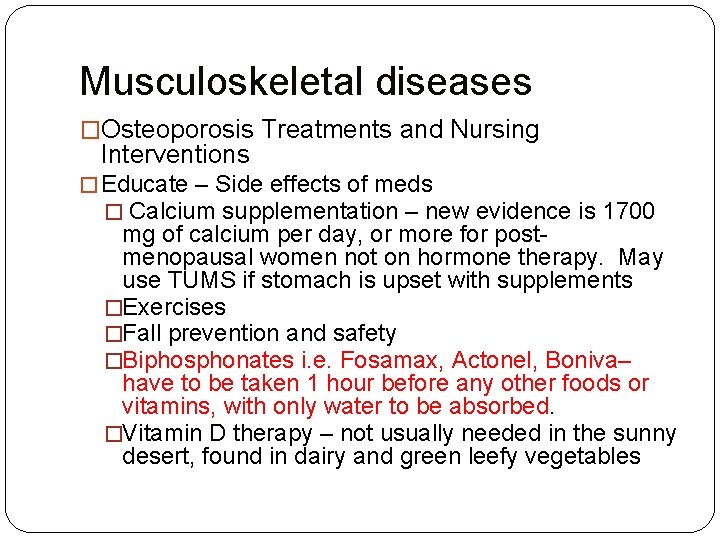
Musculoskeletal diseases �Osteoporosis Treatments and Nursing Interventions � Educate – Side effects of meds � Calcium supplementation – new evidence is 1700 mg of calcium per day, or more for postmenopausal women not on hormone therapy. May use TUMS if stomach is upset with supplements �Exercises �Fall prevention and safety �Biphosphonates i. e. Fosamax, Actonel, Boniva– have to be taken 1 hour before any other foods or vitamins, with only water to be absorbed. �Vitamin D therapy – not usually needed in the sunny desert, found in dairy and green leefy vegetables
Fractures
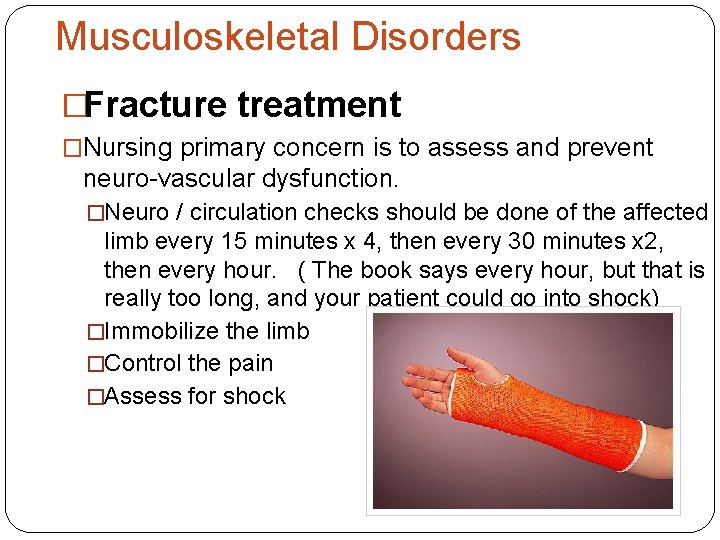
Musculoskeletal Disorders �Fracture treatment �Nursing primary concern is to assess and prevent neuro-vascular dysfunction. �Neuro / circulation checks should be done of the affected limb every 15 minutes x 4, then every 30 minutes x 2, then every hour. ( The book says every hour, but that is really too long, and your patient could go into shock) �Immobilize the limb �Control the pain �Assess for shock
Risk for Peripheral Neurovascular deficit Other fracture interventions (with casting or immobilization/traction). �Monitor for numbness, tingling, hyperesthesia, hypoesthesia �Monitor for DVT’s – check pulses and color �Instruct the client to examine the skin daily for any breakdown or alterations, call MD if oozing or redness occur �Instruct client to avoid crossing their legs �Instruct patient to completely abstain from tobacco �Remove home safety hazards in the home �Instruct patient not to scratch underneath the cast or around the pins/traction �Give patient anticoagulants and analgesics if ordered �Instruct patient to take vitamins, adequate amoaunts of magnesium, vitamin C, etc…for healing.
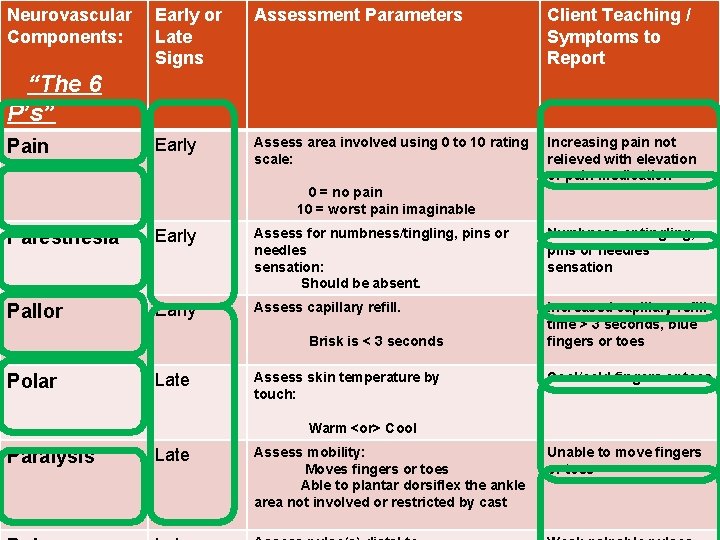
Neurovascular Components: Early or Late Signs Assessment Parameters Client Teaching / Symptoms to Report Early Assess area involved using 0 to 10 rating scale: Increasing pain not relieved with elevation or pain medication “The 6 P’s” Pain 0 = no pain 10 = worst pain imaginable Paresthesia Early Assess for numbness/tingling, pins or needles sensation: Should be absent. Numbness or tingling, pins or needles sensation Pallor Early Assess capillary refill. Increased capillary refill time > 3 seconds, blue fingers or toes Brisk is < 3 seconds Polar Late Assess skin temperature by touch: Cool/cold fingers or toes Warm <or> Cool Paralysis Late Assess mobility: Moves fingers or toes Able to plantar dorsiflex the ankle area not involved or restricted by cast Unable to move fingers or toes
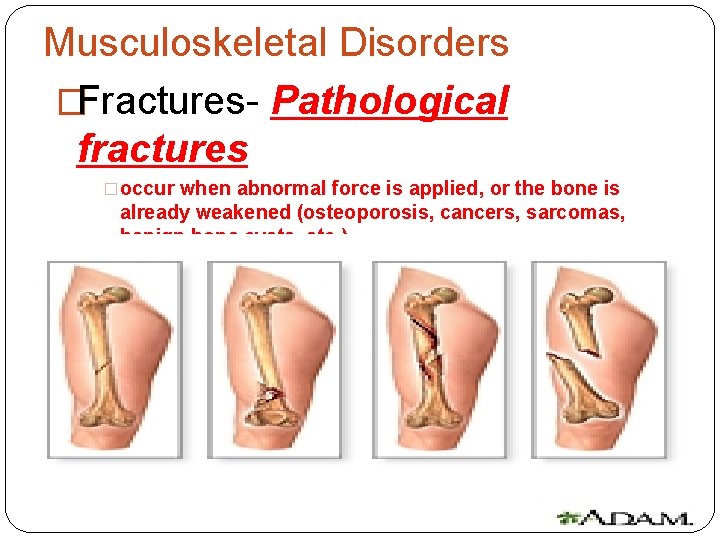
Musculoskeletal Disorders �Fractures- Pathological fractures �occur when abnormal force is applied, or the bone is already weakened (osteoporosis, cancers, sarcomas, benign bone cysts, etc. ). � The type of fracture depends on the type of loading force and stress applied to the bone. See below. � Closed - Greenstick -Spiral - Open (compound)
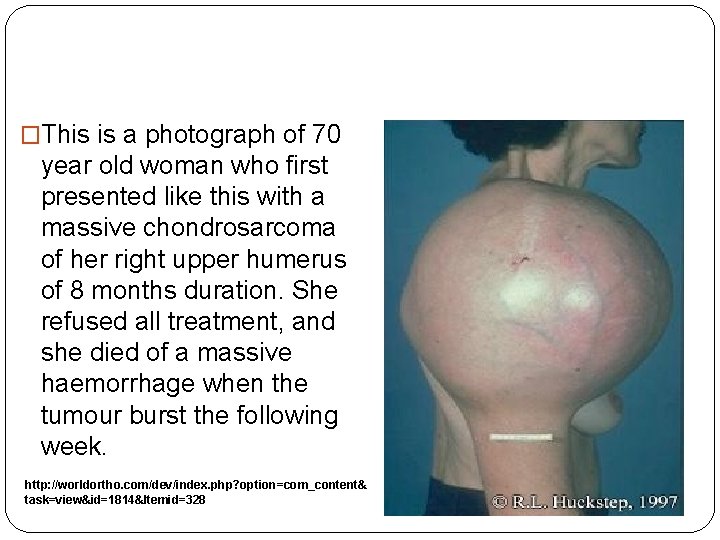
�This is a photograph of 70 year old woman who first presented like this with a massive chondrosarcoma of her right upper humerus of 8 months duration. She refused all treatment, and she died of a massive haemorrhage when the tumour burst the following week. http: //worldortho. com/dev/index. php? option=com_content& task=view&id=1814&Itemid=328
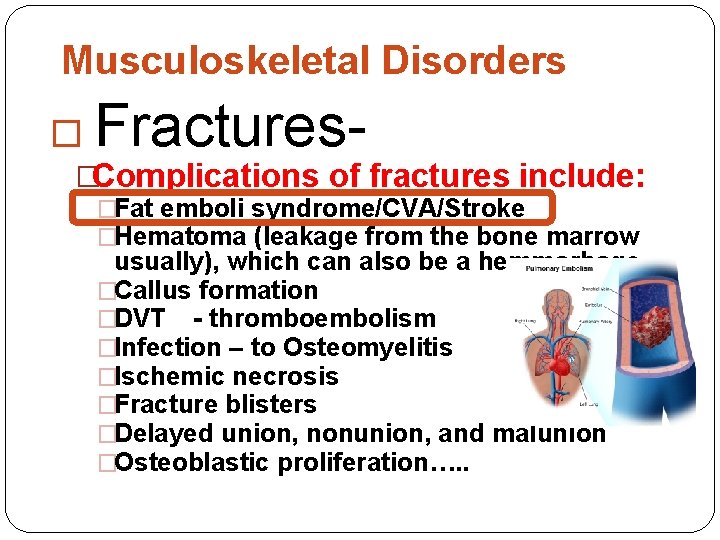
Musculoskeletal Disorders � Fractures- �Complications of fractures include: �Fat emboli syndrome/CVA/Stroke �Hematoma (leakage from the bone marrow usually), which can also be a hemmorhage �Callus formation �DVT - thromboembolism �Infection – to Osteomyelitis �Ischemic necrosis �Fracture blisters �Delayed union, nonunion, and malunion �Osteoblastic proliferation…. .
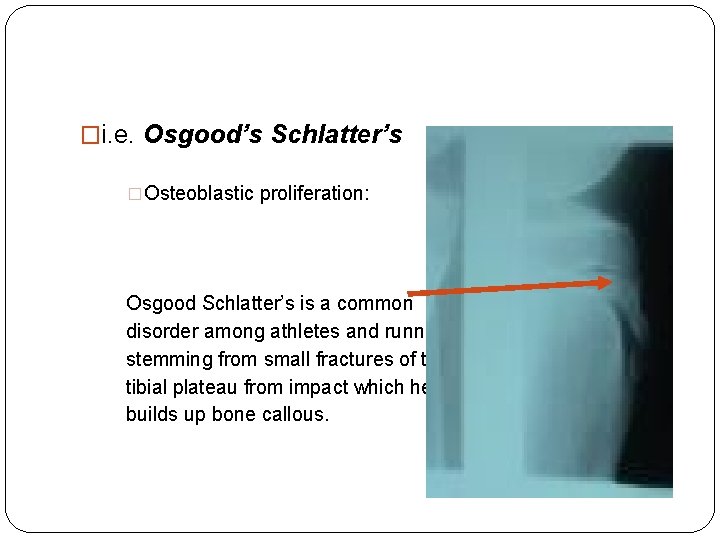
�i. e. Osgood’s Schlatter’s �Osteoblastic proliferation: Osgood Schlatter’s is a common disorder among athletes and runners stemming from small fractures of the tibial plateau from impact which heals builds up bone callous.
Immobilizing Interventions: Casts, Splints, & Traction � Perform/assist with relevant laboratory, diagnostic, and therapeutic procedures within the nursing role, including: � Planning and implementing body � � Preparation of the client for the procedure. � Client teaching (before and � following the procedure). � Accurate collection of specimens. � � Accurate interpretation of procedure results (compare to norms) and appropriate notification of the primary care provider. � Assessment and evaluation of the client’s response (expected, unexpected adverse response, comparison to baseline) to the procedure. � � � system specific interventions as appropriate. Monitoring and taking actions, including client education, to prevent or minimize the risk of complications. Recognizing signs of potential complications and reporting to the primary care provider. Recommending changes in the test/procedure as needed based on client findings. Protect the client from injury. Monitor therapeutic devices (drainage/irrigating devices, chest tubes), if inserted, for proper functioning. Identify the client’s prognosis based on knowledge of pathophysiology and understanding of the client’s pathology report.
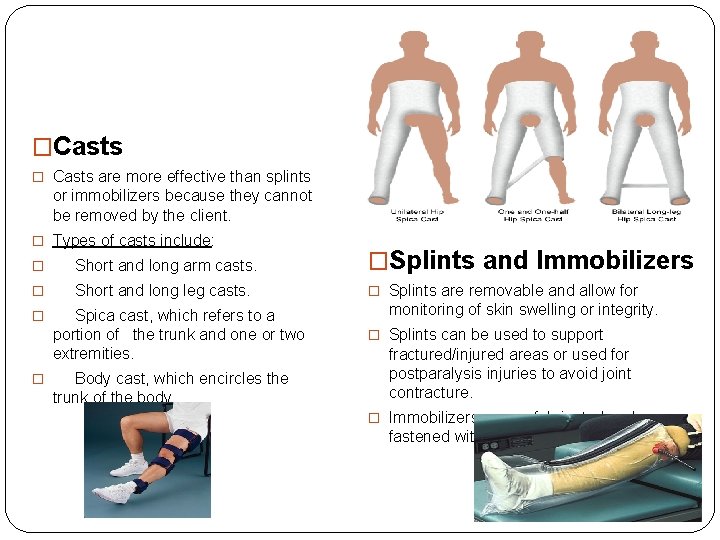
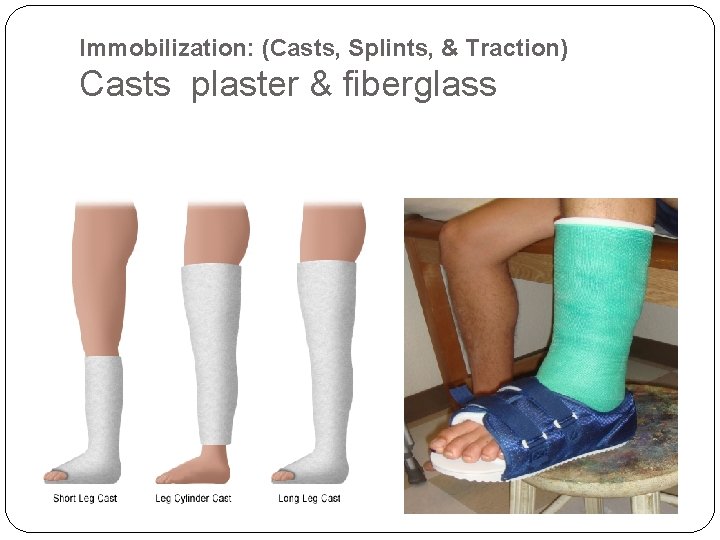
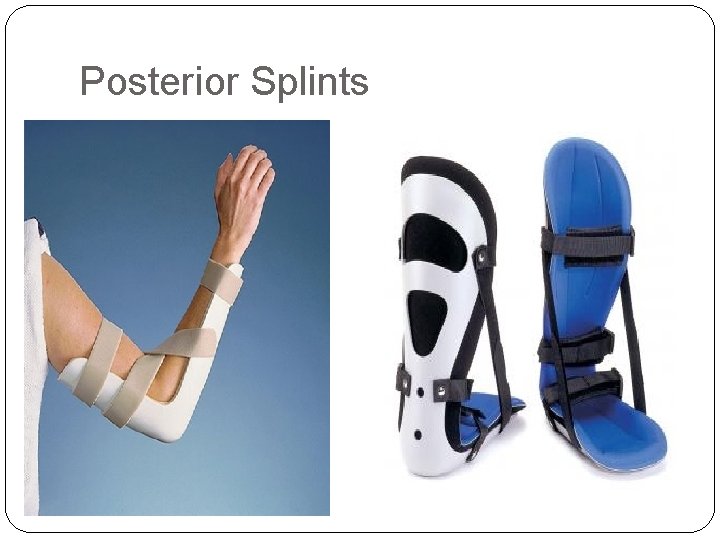
�Casts � Casts are more effective than splints or immobilizers because they cannot be removed by the client. � Types of casts include: � Short and long arm casts. �Splints and Immobilizers � Short and long leg casts. � Splints are removable and allow for � � Spica cast, which refers to a portion of the trunk and one or two extremities. Body cast, which encircles the trunk of the body. monitoring of skin swelling or integrity. � Splints can be used to support fractured/injured areas or used for postparalysis injuries to avoid joint contracture. � Immobilizers are prefabricated and are fastened with Velcro straps.
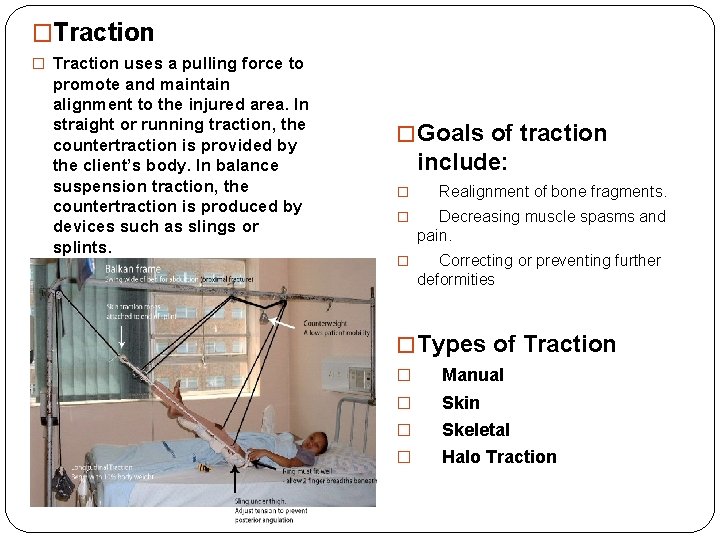
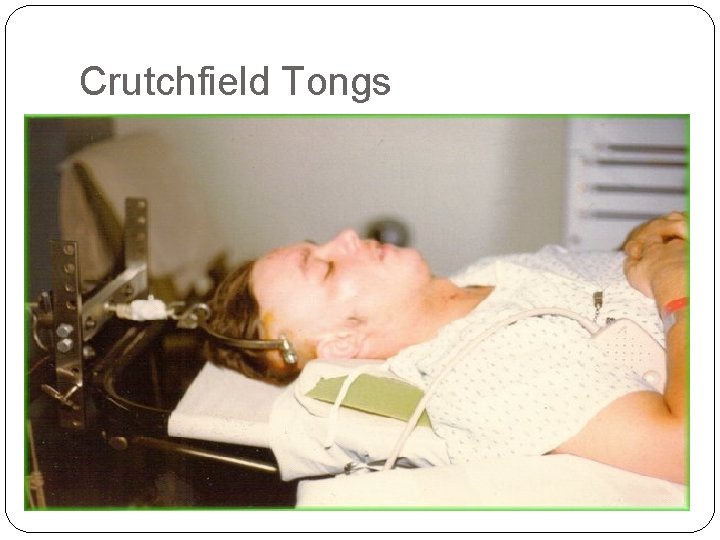
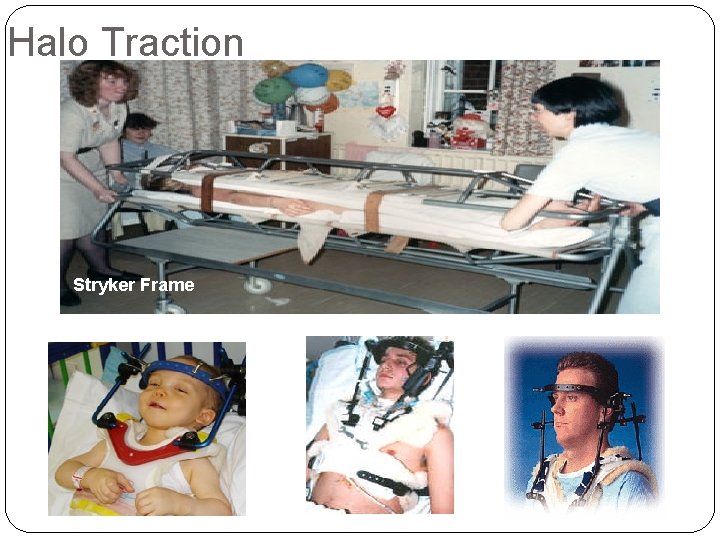
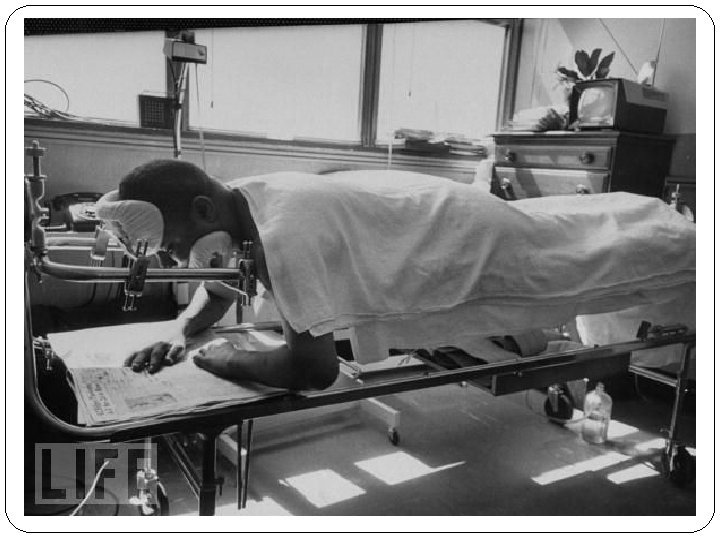
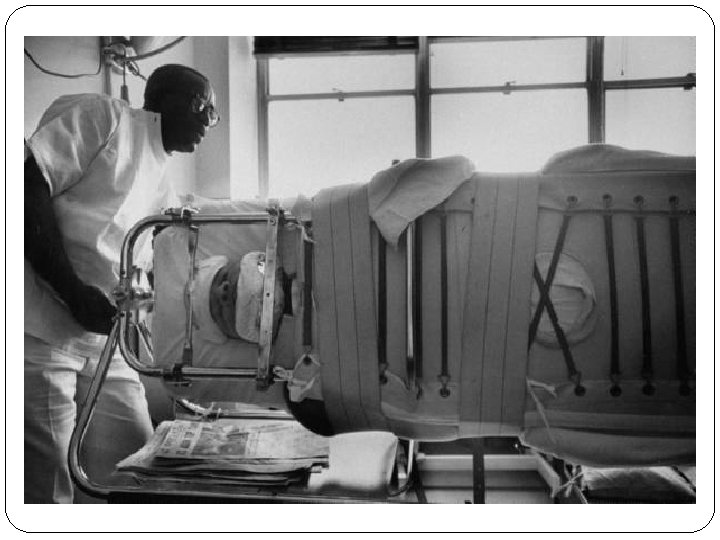
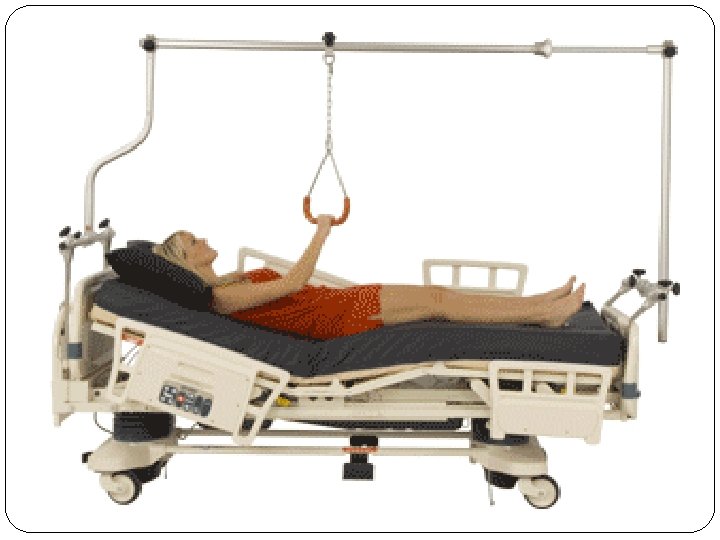
�Traction � Traction uses a pulling force to promote and maintain alignment to the injured area. In straight or running traction, the countertraction is provided by the client’s body. In balance suspension traction, the countertraction is produced by devices such as slings or splints. � Goals of traction include: � Realignment of bone fragments. � Decreasing muscle spasms and pain. � Correcting or preventing further deformities � Types of Traction � Manual � Skin � Skeletal � Halo Traction
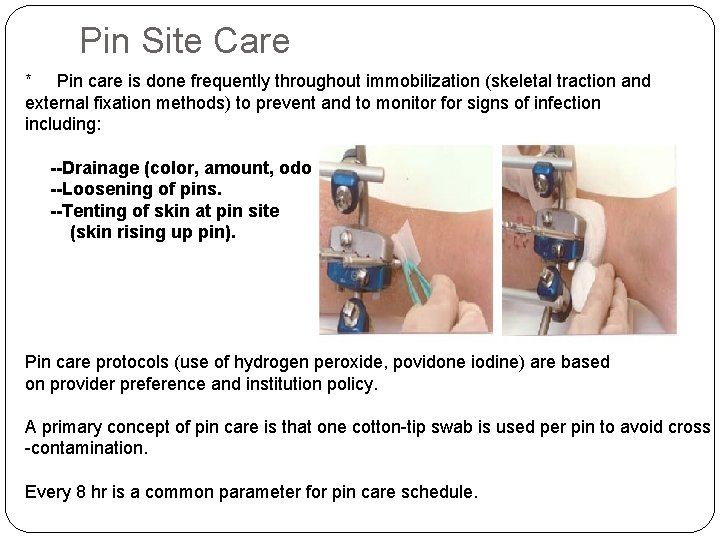
Pin Site Care * Pin care is done frequently throughout immobilization (skeletal traction and external fixation methods) to prevent and to monitor for signs of infection including: --Drainage (color, amount, odor). --Loosening of pins. --Tenting of skin at pin site (skin rising up pin). Pin care protocols (use of hydrogen peroxide, povidone iodine) are based on provider preference and institution policy. A primary concept of pin care is that one cotton-tip swab is used per pin to avoid cross -contamination. Every 8 hr is a common parameter for pin care schedule.
Immobilization: (Casts, Splints, & Traction) Casts plaster & fiberglass
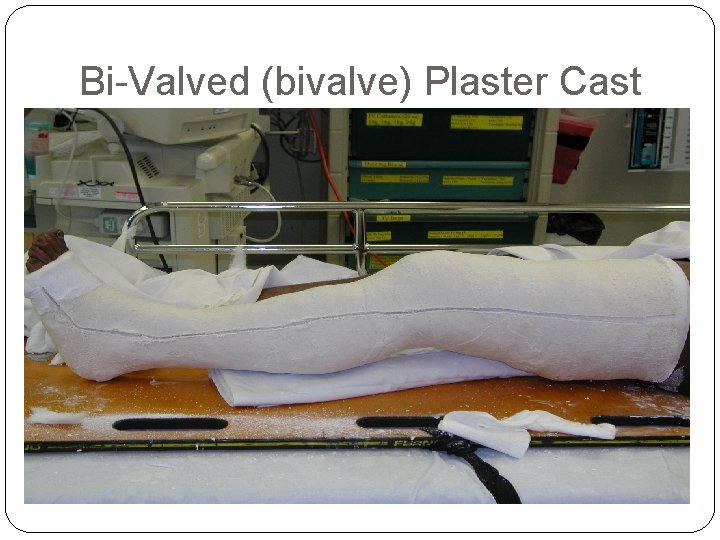
Bi-Valved (bivalve) Plaster Cast
Posterior Splints
Crutchfield Tongs
Halo Traction Stryker Frame
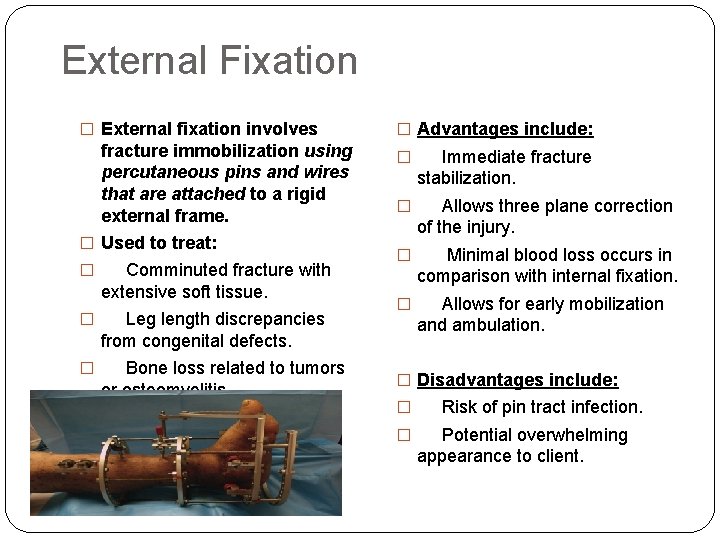
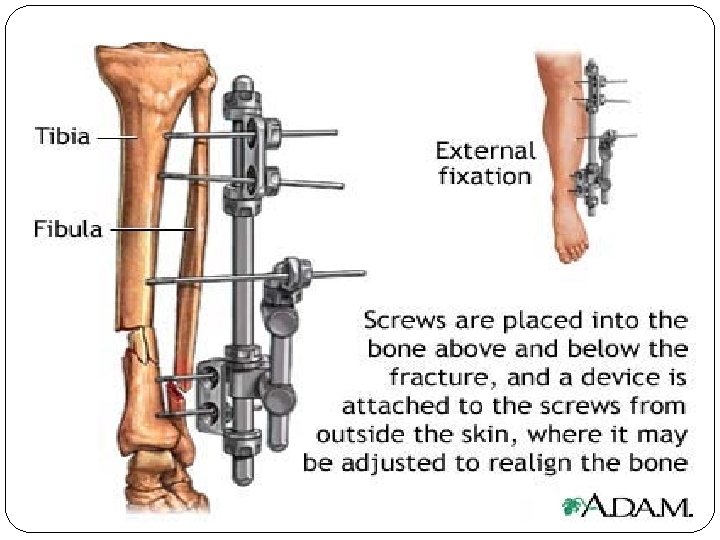
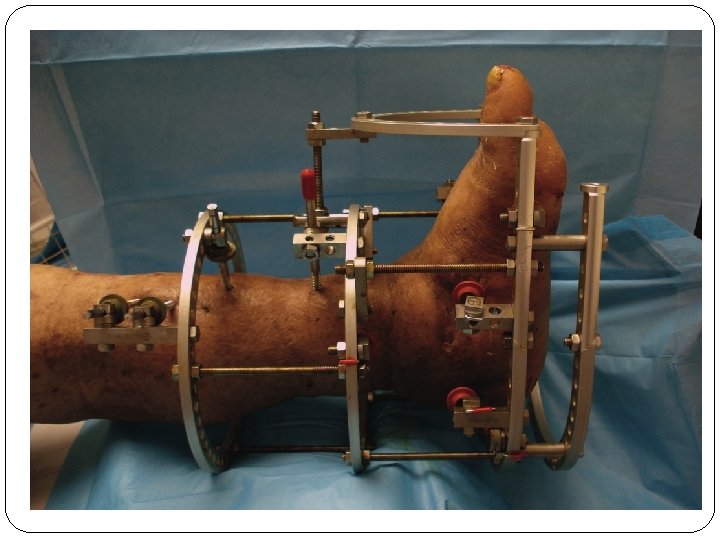
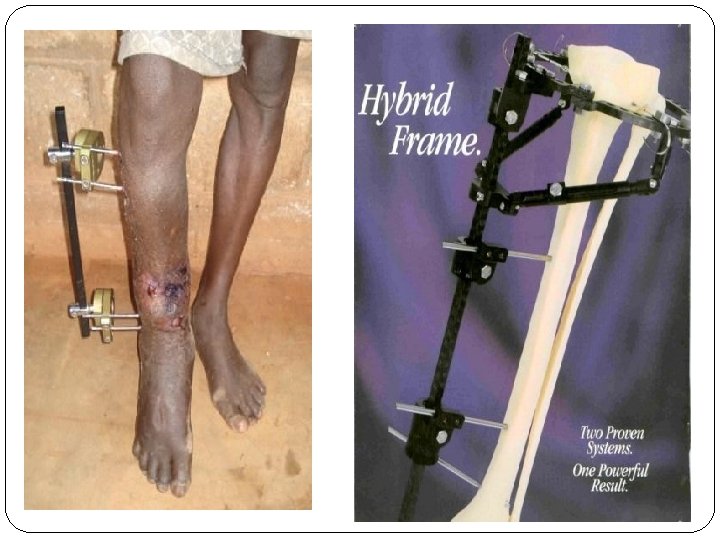
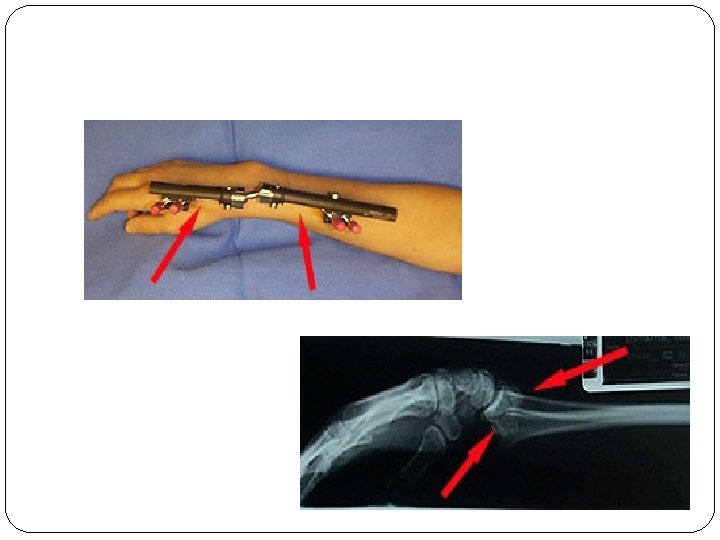
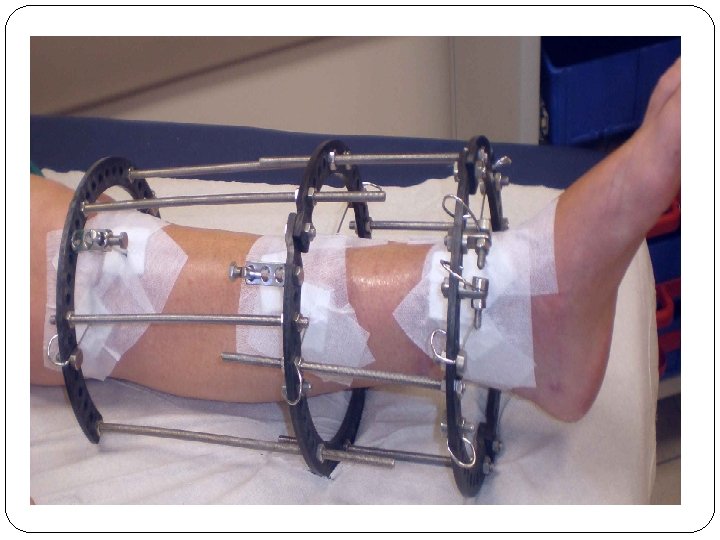
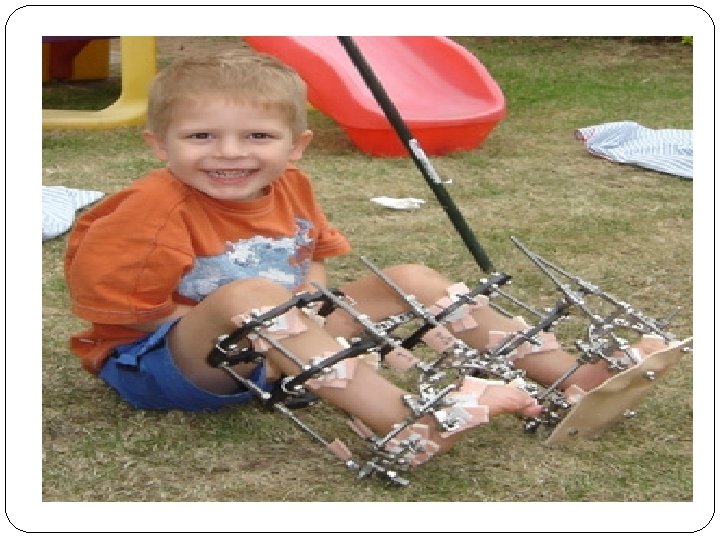
External Fixation � External fixation involves fracture immobilization using percutaneous pins and wires that are attached to a rigid external frame. � Used to treat: � Comminuted fracture with extensive soft tissue. � Leg length discrepancies from congenital defects. � Bone loss related to tumors or osteomyelitis. � Advantages include: � Immediate fracture stabilization. � Allows three plane correction of the injury. � Minimal blood loss occurs in comparison with internal fixation. � Allows for early mobilization and ambulation. � Disadvantages include: � � Risk of pin tract infection. Potential overwhelming appearance to client.
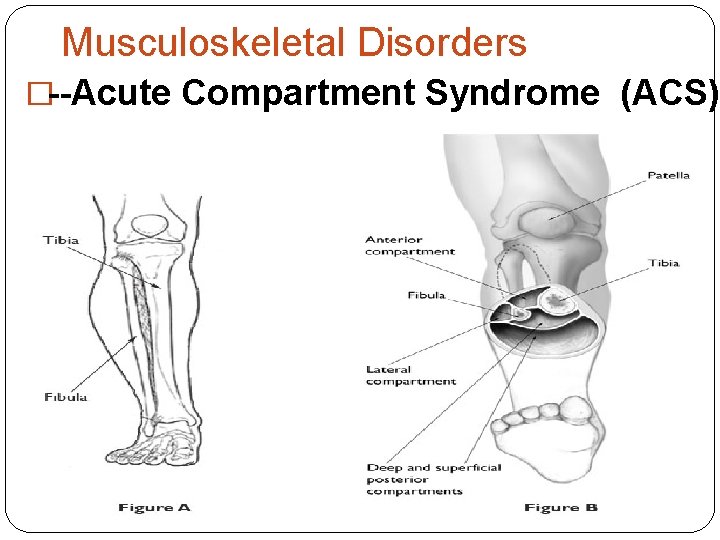
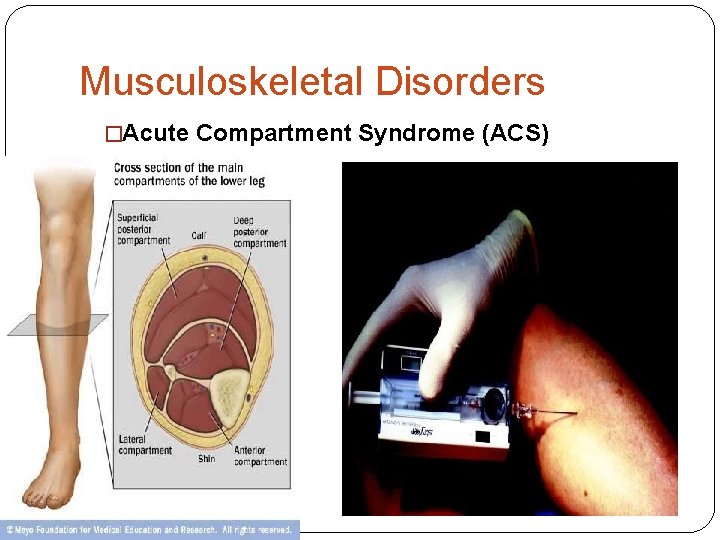
Musculoskeletal Disorders �Fractures- complications �Acute Compartment Syndrome (ACS) �A serious condition which can lead to a loss of life and limb, usually an arm or a leg. The swelling of an injury or trauma causes lack of innervation and compromised circulation to the affected part of the body, causing tissue death and necrosis. Edema causes this. �Treatment is mandated by alleviating the pressure. �The most common type of acute compartment syndrome in the hospital is infiltration of IV fluids, and in trauma victims.
Musculoskeletal Disorders �--Acute Compartment Syndrome (ACS)
Musculoskeletal Disorders �Signs and Symptoms of ACS: �Greater pain with passive movement than with active movement �Swelling �Pain not relieved with analgesics �These are early signs and the physician needs to notified at once. �ACS can lead to renal failure, shock, and loss of the limb or life.
Musculoskeletal Disorders �Acute Compartment Syndrome (ACS)
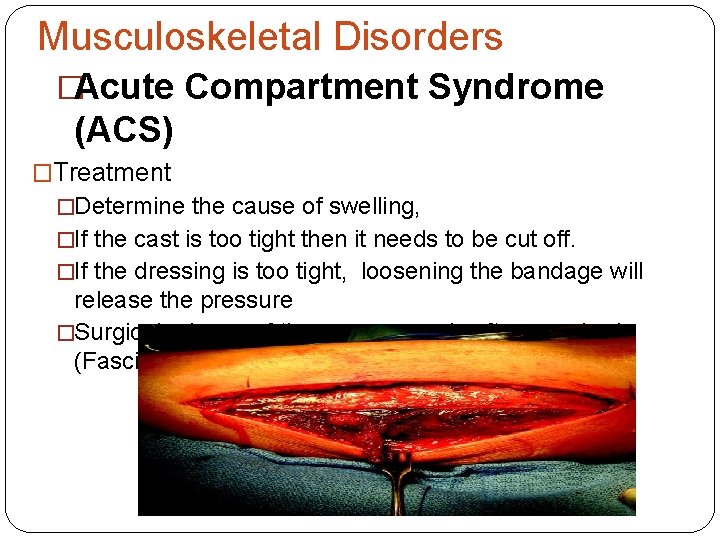
Musculoskeletal Disorders �Acute Compartment Syndrome (ACS) �Treatment �Determine the cause of swelling, �If the cast is too tight then it needs to be cut off. �If the dressing is too tight, loosening the bandage will release the pressure �Surgical release of tissue pressure is often required. (Fasciotomy)
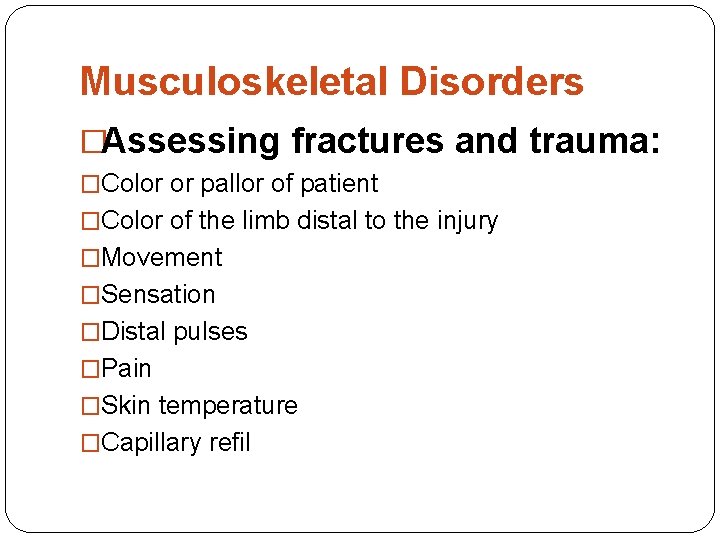
Musculoskeletal Disorders �Assessing fractures and trauma: �Color or pallor of patient �Color of the limb distal to the injury �Movement �Sensation �Distal pulses �Pain �Skin temperature �Capillary refil
Musculoskeletal Nursing End of Musculoskeletal, Part 1
Appendix
Musculoskeletal System Pharmacology
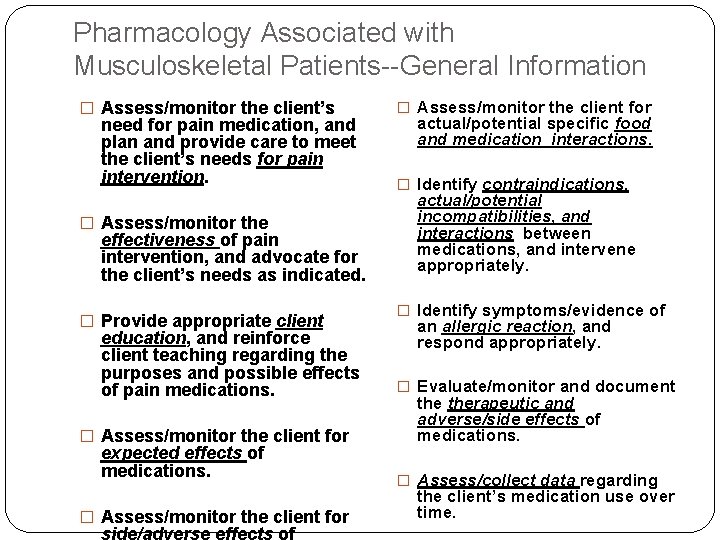
Pharmacology Associated with Musculoskeletal Patients--General Information � Assess/monitor the client’s need for pain medication, and plan and provide care to meet the client’s needs for pain intervention. � Assess/monitor the effectiveness of pain intervention, and advocate for the client’s needs as indicated. � Provide appropriate client education, and reinforce client teaching regarding the purposes and possible effects of pain medications. � Assess/monitor the client for expected effects of medications. � Assess/monitor the client for actual/potential specific food and medication interactions. � Identify contraindications, actual/potential incompatibilities, and interactions between medications, and intervene appropriately. � Identify symptoms/evidence of an allergic reaction, and respond appropriately. � Evaluate/monitor and document therapeutic and adverse/side effects of medications. � Assess/collect data regarding the client’s medication use over time.
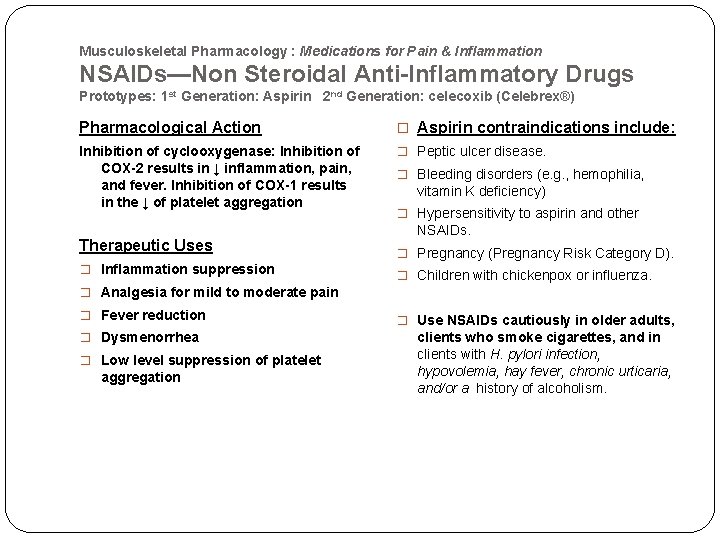
Musculoskeletal Pharmacology : Medications for Pain & Inflammation NSAIDs—Non Steroidal Anti-Inflammatory Drugs Prototypes: 1 st Generation: Aspirin 2 nd Generation: celecoxib (Celebrex®) Pharmacological Action � Aspirin contraindications include: Inhibition of cyclooxygenase: Inhibition of COX-2 results in ↓ inflammation, pain, and fever. Inhibition of COX-1 results in the ↓ of platelet aggregation � Peptic ulcer disease. � Bleeding disorders (e. g. , hemophilia, vitamin K deficiency) � Hypersensitivity to aspirin and other NSAIDs. Therapeutic Uses � Pregnancy (Pregnancy Risk Category D). � Inflammation suppression � Children with chickenpox or influenza. � Analgesia for mild to moderate pain � Fever reduction � Dysmenorrhea � Low level suppression of platelet aggregation � Use NSAIDs cautiously in older adults, clients who smoke cigarettes, and in clients with H. pylori infection, hypovolemia, hay fever, chronic urticaria, and/or a history of alcoholism.
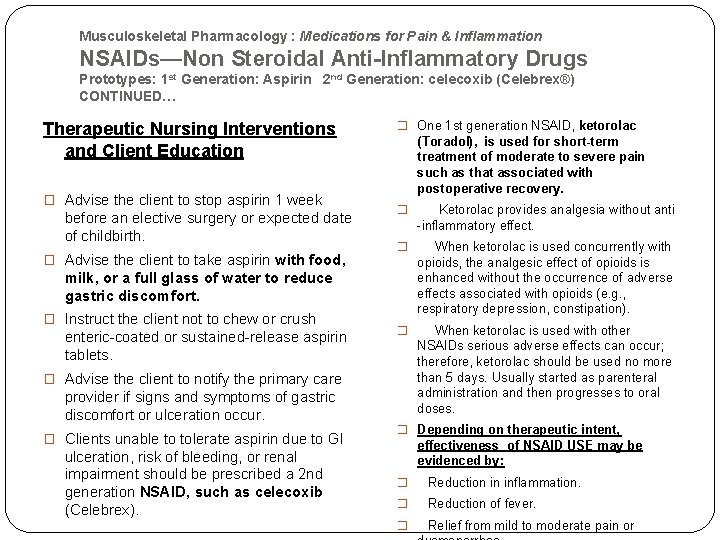
Musculoskeletal Pharmacology : Medications for Pain & Inflammation NSAIDs—Non Steroidal Anti-Inflammatory Drugs Prototypes: 1 st Generation: Aspirin 2 nd Generation: celecoxib (Celebrex®) CONTINUED… Therapeutic Nursing Interventions and Client Education � Advise the client to stop aspirin 1 week before an elective surgery or expected date of childbirth. � Advise the client to take aspirin with food, � One 1 st generation NSAID, ketorolac (Toradol), is used for short-term treatment of moderate to severe pain such as that associated with postoperative recovery. � Ketorolac provides analgesia without anti -inflammatory effect. � When ketorolac is used concurrently with opioids, the analgesic effect of opioids is enhanced without the occurrence of adverse effects associated with opioids (e. g. , respiratory depression, constipation). � When ketorolac is used with other NSAIDs serious adverse effects can occur; therefore, ketorolac should be used no more than 5 days. Usually started as parenteral administration and then progresses to oral doses. milk, or a full glass of water to reduce gastric discomfort. � Instruct the client not to chew or crush enteric-coated or sustained-release aspirin tablets. � Advise the client to notify the primary care provider if signs and symptoms of gastric discomfort or ulceration occur. � Clients unable to tolerate aspirin due to GI ulceration, risk of bleeding, or renal impairment should be prescribed a 2 nd generation NSAID, such as celecoxib (Celebrex). � Depending on therapeutic intent, effectiveness of NSAID USE may be evidenced by: � Reduction in inflammation. � Reduction of fever. � Relief from mild to moderate pain or
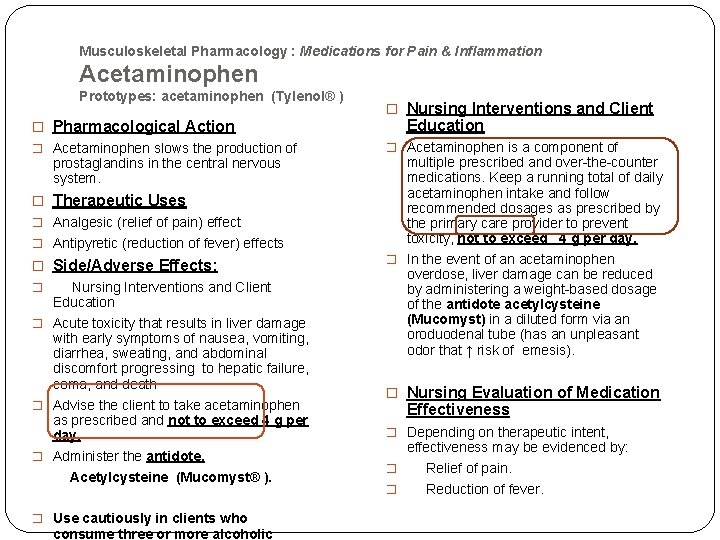
Musculoskeletal Pharmacology : Medications for Pain & Inflammation Acetaminophen Prototypes: acetaminophen (Tylenol® ) � Pharmacological Action � Acetaminophen slows the production of prostaglandins in the central nervous system. � Therapeutic Uses � Analgesic (relief of pain) effect � Antipyretic (reduction of fever) effects � Side/Adverse Effects: Nursing Interventions and Client Education � Acute toxicity that results in liver damage with early symptoms of nausea, vomiting, diarrhea, sweating, and abdominal discomfort progressing to hepatic failure, coma, and death � Advise the client to take acetaminophen as prescribed and not to exceed 4 g per day. � Administer the antidote, Acetylcysteine (Mucomyst® ). � � Use cautiously in clients who consume three or more alcoholic � Nursing Interventions and Client Education � Acetaminophen is a component of multiple prescribed and over-the-counter medications. Keep a running total of daily acetaminophen intake and follow recommended dosages as prescribed by the primary care provider to prevent toxicity, not to exceed 4 g per day. � In the event of an acetaminophen overdose, liver damage can be reduced by administering a weight-based dosage of the antidote acetylcysteine (Mucomyst) in a diluted form via an oroduodenal tube (has an unpleasant odor that ↑ risk of emesis). � Nursing Evaluation of Medication Effectiveness � Depending on therapeutic intent, effectiveness may be evidenced by: � Relief of pain. � Reduction of fever.
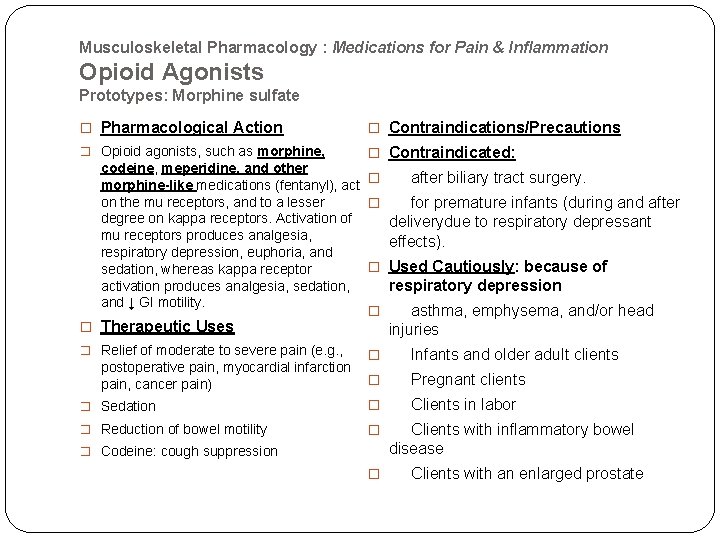
Musculoskeletal Pharmacology : Medications for Pain & Inflammation Opioid Agonists Prototypes: Morphine sulfate � Pharmacological Action � Contraindications/Precautions � Opioid agonists, such as morphine, � Contraindicated: codeine, meperidine, and other after biliary tract surgery. morphine-like medications (fentanyl), act � on the mu receptors, and to a lesser � for premature infants (during and after degree on kappa receptors. Activation of deliverydue to respiratory depressant mu receptors produces analgesia, effects). respiratory depression, euphoria, and � Used Cautiously: because of sedation, whereas kappa receptor activation produces analgesia, sedation, respiratory depression and ↓ GI motility. � asthma, emphysema, and/or head � Therapeutic Uses � Relief of moderate to severe pain (e. g. , injuries � Infants and older adult clients � Pregnant clients � Sedation � Clients in labor � Reduction of bowel motility � postoperative pain, myocardial infarction pain, cancer pain) � Codeine: cough suppression � Clients with inflammatory bowel disease Clients with an enlarged prostate
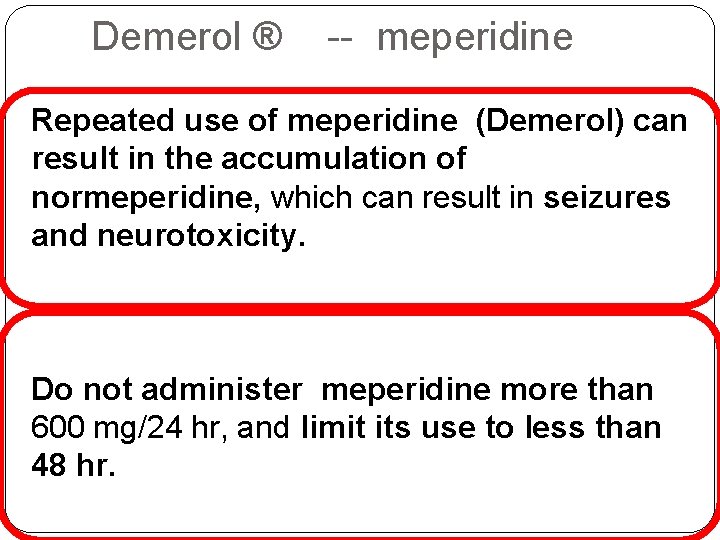
Demerol ® -- meperidine Repeated use of meperidine (Demerol) can result in the accumulation of normeperidine, which can result in seizures and neurotoxicity. Do not administer meperidine more than 600 mg/24 hr, and limit its use to less than 48 hr.
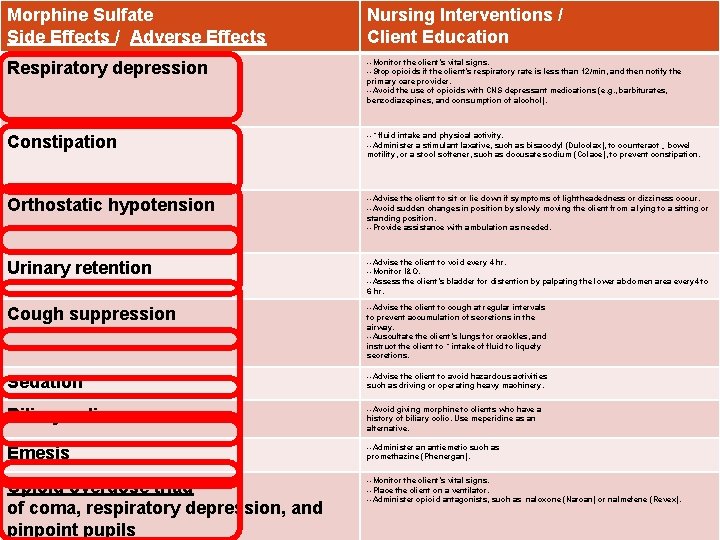
Morphine Sulfate Side Effects / Adverse Effects Nursing Interventions / Client Education Respiratory depression --Monitor the client’s vital signs. --Stop opioids if the client’s respiratory rate is less than 12/min, and then notify the primary care provider. --Avoid the use of opioids with CNS depressant medications (e. g. , barbiturates, benzodiazepines, and consumption of alcohol). Constipation --↑ fluid intake and physical activity. --Administer a stimulant laxative, such as bisacodyl (Dulcolax), to counteract ↓ bowel motility, or a stool softener, such as docusate sodium (Colace), to prevent constipation. Orthostatic hypotension --Advise the client to sit or lie down if symptoms of lightheadedness or dizziness occur. --Avoid sudden changes in position by slowly moving the client from a lying to a sitting or standing position. --Provide assistance with ambulation as needed. Urinary retention --Advise the client to void every 4 hr. --Monitor I&O. --Assess the client’s bladder for distention by palpating the lower abdomen area every 4 to 6 hr. Cough suppression --Advise the client to cough at regular intervals to prevent accumulation of secretions in the airway. --Auscultate the client’s lungs for crackles, and instruct the client to ↑ intake of fluid to liquefy secretions. Sedation --Advise the client to avoid hazardous activities such as driving or operating heavy machinery. Biliary colic --Avoid giving morphine to clients who have a history of biliary colic. Use meperidine as an alternative. Emesis --Administer an antiemetic such as promethazine (Phenergan). Opioid overdose triad of coma, respiratory depression, and pinpoint pupils --Monitor the client’s vital signs. --Place the client on a ventilator. --Administer opioid antagonists, such as naloxone (Narcan) or nalmefene (Revex).
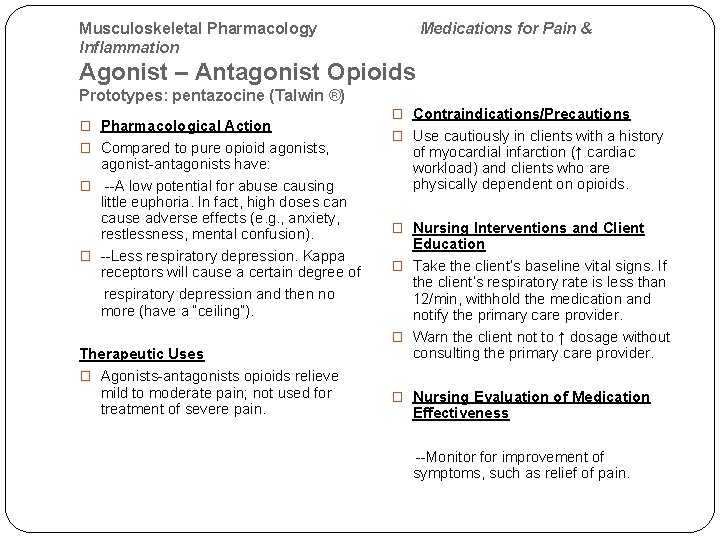
Musculoskeletal Pharmacology Inflammation Medications for Pain & Agonist – Antagonist Opioids Prototypes: pentazocine (Talwin ®) � Pharmacological Action � Compared to pure opioid agonists, agonist-antagonists have: � --A low potential for abuse causing little euphoria. In fact, high doses can cause adverse effects (e. g. , anxiety, restlessness, mental confusion). � --Less respiratory depression. Kappa receptors will cause a certain degree of respiratory depression and then no more (have a “ceiling”). Therapeutic Uses � Agonists-antagonists opioids relieve mild to moderate pain; not used for treatment of severe pain. � Contraindications/Precautions � Use cautiously in clients with a history of myocardial infarction (↑ cardiac workload) and clients who are physically dependent on opioids. � Nursing Interventions and Client Education � Take the client’s baseline vital signs. If the client’s respiratory rate is less than 12/min, withhold the medication and notify the primary care provider. � Warn the client not to ↑ dosage without consulting the primary care provider. � Nursing Evaluation of Medication Effectiveness --Monitor for improvement of symptoms, such as relief of pain.
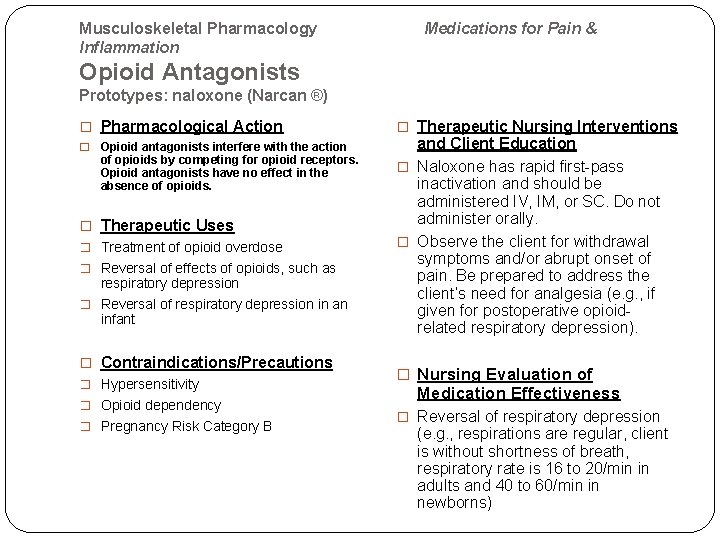
Musculoskeletal Pharmacology Inflammation Medications for Pain & Opioid Antagonists Prototypes: naloxone (Narcan ®) � Pharmacological Action � Opioid antagonists interfere with the action of opioids by competing for opioid receptors. Opioid antagonists have no effect in the absence of opioids. � Therapeutic Uses � Treatment of opioid overdose � Reversal of effects of opioids, such as respiratory depression � Reversal of respiratory depression in an infant � Contraindications/Precautions � Hypersensitivity � Opioid dependency � Pregnancy Risk Category B � Therapeutic Nursing Interventions and Client Education � Naloxone has rapid first-pass inactivation and should be administered IV, IM, or SC. Do not administer orally. � Observe the client for withdrawal symptoms and/or abrupt onset of pain. Be prepared to address the client’s need for analgesia (e. g. , if given for postoperative opioidrelated respiratory depression). � Nursing Evaluation of Medication Effectiveness � Reversal of respiratory depression (e. g. , respirations are regular, client is without shortness of breath, respiratory rate is 16 to 20/min in adults and 40 to 60/min in newborns)
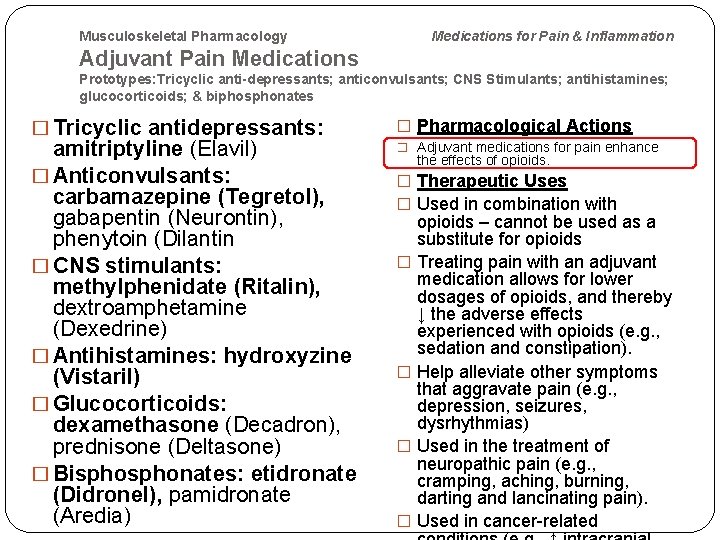
Musculoskeletal Pharmacology Medications for Pain & Inflammation Adjuvant Pain Medications Prototypes: Tricyclic anti-depressants; anticonvulsants; CNS Stimulants; antihistamines; glucocorticoids; & biphosphonates � Tricyclic antidepressants: amitriptyline (Elavil) � Anticonvulsants: carbamazepine (Tegretol), gabapentin (Neurontin), phenytoin (Dilantin � CNS stimulants: methylphenidate (Ritalin), dextroamphetamine (Dexedrine) � Antihistamines: hydroxyzine (Vistaril) � Glucocorticoids: dexamethasone (Decadron), prednisone (Deltasone) � Bisphonates: etidronate (Didronel), pamidronate (Aredia) � Pharmacological Actions � Adjuvant medications for pain enhance the effects of opioids. � Therapeutic Uses � Used in combination with � � opioids – cannot be used as a substitute for opioids Treating pain with an adjuvant medication allows for lower dosages of opioids, and thereby ↓ the adverse effects experienced with opioids (e. g. , sedation and constipation). Help alleviate other symptoms that aggravate pain (e. g. , depression, seizures, dysrhythmias) Used in the treatment of neuropathic pain (e. g. , cramping, aching, burning, darting and lancinating pain). Used in cancer-related
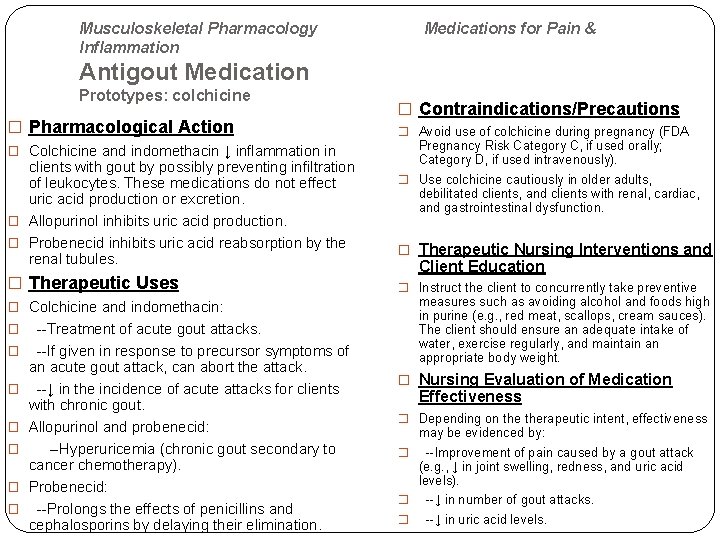
Musculoskeletal Pharmacology Inflammation Medications for Pain & Antigout Medication Prototypes: colchicine � Pharmacological Action � Contraindications/Precautions � Avoid use of colchicine during pregnancy (FDA Pregnancy Risk Category C, if used orally; Category D, if used intravenously). � Colchicine and indomethacin ↓ inflammation in clients with gout by possibly preventing infiltration of leukocytes. These medications do not effect uric acid production or excretion. � Allopurinol inhibits uric acid production. � Probenecid inhibits uric acid reabsorption by the renal tubules. � Therapeutic Uses � Use colchicine cautiously in older adults, debilitated clients, and clients with renal, cardiac, and gastrointestinal dysfunction. � Therapeutic Nursing Interventions and Client Education � Instruct the client to concurrently take preventive measures such as avoiding alcohol and foods high in purine (e. g. , red meat, scallops, cream sauces). The client should ensure an adequate intake of water, exercise regularly, and maintain an appropriate body weight. � Colchicine and indomethacin: � � � � --Treatment of acute gout attacks. --If given in response to precursor symptoms of an acute gout attack, can abort the attack. --↓ in the incidence of acute attacks for clients with chronic gout. Allopurinol and probenecid: --Hyperuricemia (chronic gout secondary to cancer chemotherapy). Probenecid: --Prolongs the effects of penicillins and cephalosporins by delaying their elimination. � Nursing Evaluation of Medication Effectiveness � Depending on therapeutic intent, effectiveness may be evidenced by: � --Improvement of pain caused by a gout attack (e. g. , ↓ in joint swelling, redness, and uric acid levels). � --↓ in number of gout attacks. � --↓ in uric acid levels.