
Muscular movement bone growth and nerve transmission Physiology
Muscular movement, bone growth and nerve transmission Physiology presentation
Introduction • Muscular movement • Bone growth • Nerve transmission
Functions and Types of Muscles Functions of muscles are: motion maintenance of posture heat production There are three types of muscles: Cardiac muscle Smooth muscle Skeletal muscle

Types of Contractions Isotonic contractions Isometric contractions
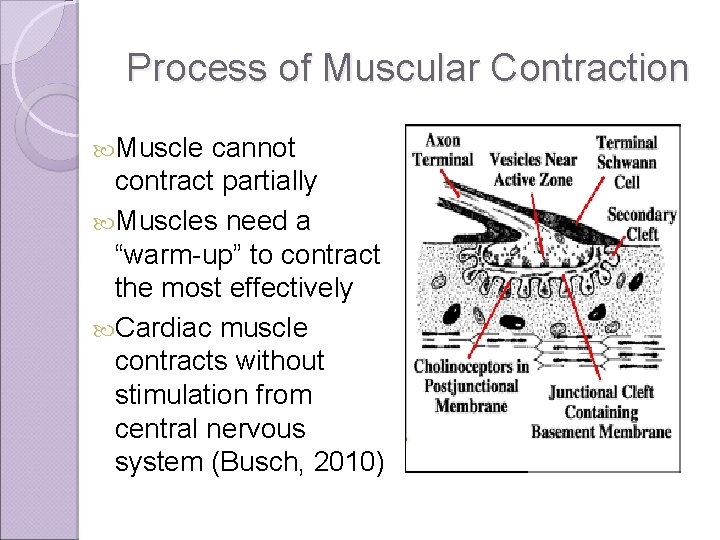
Process of Muscular Contraction Muscle cannot contract partially Muscles need a “warm-up” to contract the most effectively Cardiac muscle contracts without stimulation from central nervous system (Busch, 2010)
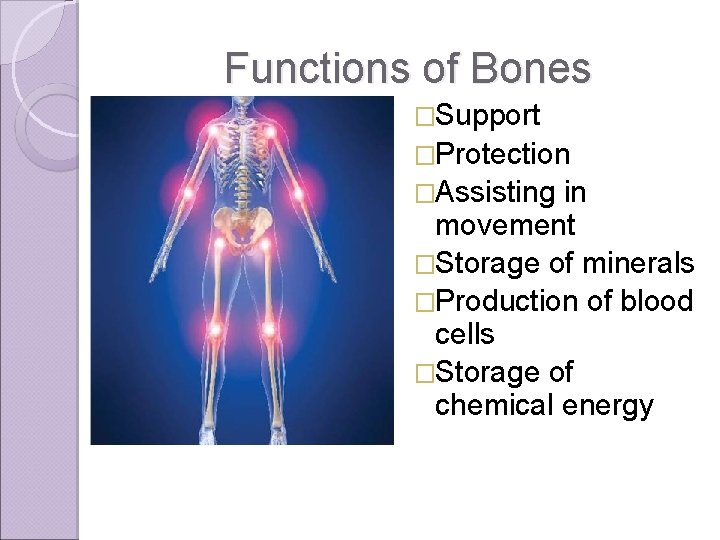
Functions of Bones �Support �Protection �Assisting in movement �Storage of minerals �Production of blood cells �Storage of chemical energy
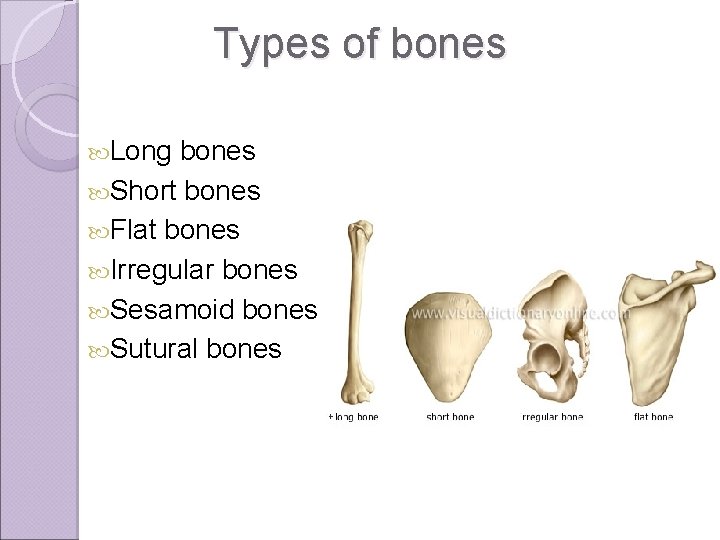
Types of bones Long bones Short bones Flat bones Irregular bones Sesamoid bones Sutural bones
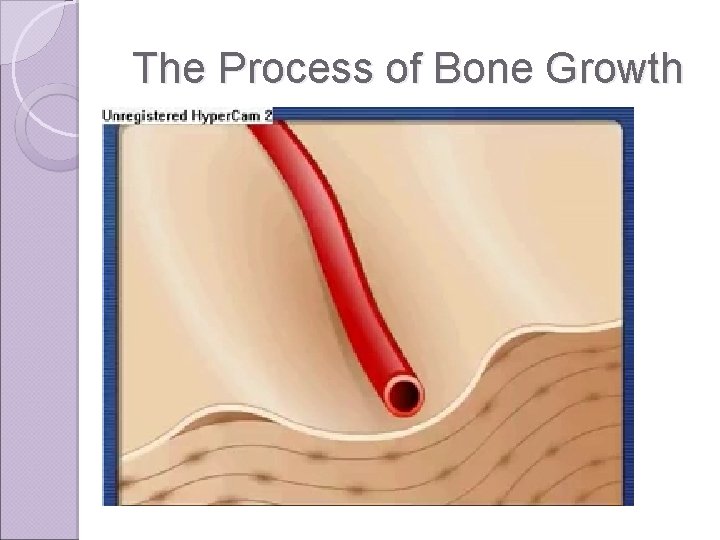
The Process of Bone Growth
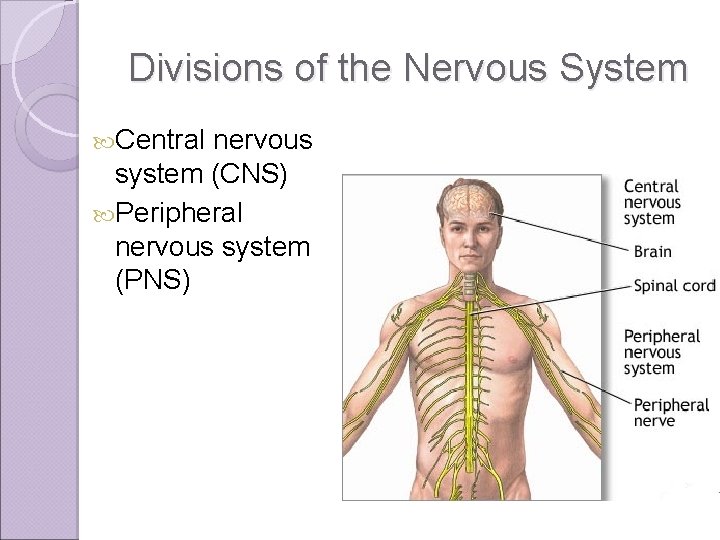
Divisions of the Nervous System Central nervous system (CNS) Peripheral nervous system (PNS)

Process of Nerve Transmission • The transmission of a nerve impulse along a neuron from one end to the other occurs as a result of chemical changes across the membrane of the neuron. • The nature of nerve impulses is all or nothing • There are three factors that affect the speed of transmission: myelin, axon diameter, temperature
Summary �Muscular movement occurs when muscular cells contract, but without nerve transmission no movement would occur �Nerve transmission is responsible for giving body the commands to move �Without bones human body would not have been able to move �If there was not for bone growth, human bones would have remained the same size they were at birth
References Busch, S. (2010). The Process of Muscle Relaxation & Contraction. Ehow. com. Retrieved from http: //www. ehow. com/howdoes_5032344_process-muscle-relaxation-contraction. html Farabee, M. J. (2001). Muscular and skeletal systems. Estrella Mountain Community College Website. Retrieved from http: //www. emc. maricopa. edu/faculty/farabee/biobk/biobookmussk el. html#Functions of Muscles and Bones n. d. (2006). Action Potentials And Synapses. Biology. Guide. Retrieved from http: //www. biologyguide. net/bya 7 -16 -7. htm n. d. (2010). The Structure and Functions of Bones. Ivy. Rose Holistic. Retrieved from http: //www. ivyrose. co. uk/Human. Body/Skeletal_System. php Ritchison , H. (2009). Muscle, human physiology. Eastern Kentucky University Website. Retrieved from http: //people. eku. edu/ritchisong/301 notes 3. htm
- Slides: 12