
Muscles of the Forearm Forearm muscle groups those
- Slides: 31
Muscles of the Forearm • Forearm muscle groups: – those that cause _ – those that move the _ • These muscles insert via the flexor and extensor retinacula • Most _
Muscles of the Forearm • The pronator teres and pronator quadratus are not flexors, but _ • The supinator muscle is a synergist with the biceps brachii in _
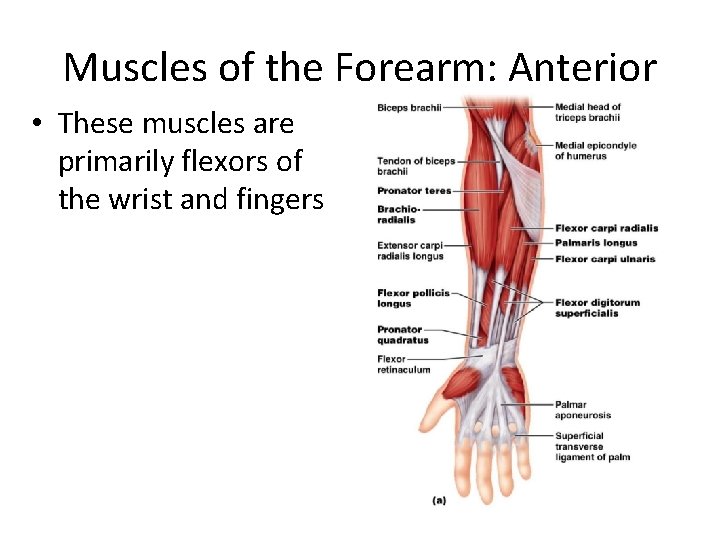
Muscles of the Forearm: Anterior • These muscles are primarily flexors of the wrist and fingers
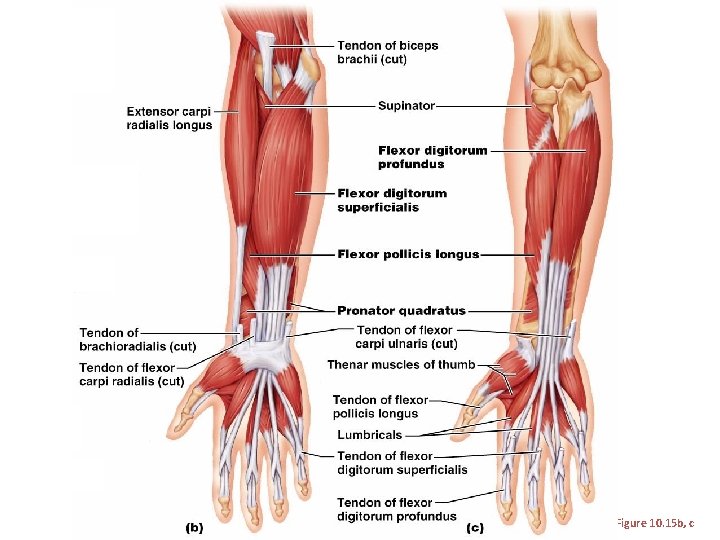
Figure 10. 15 b, c
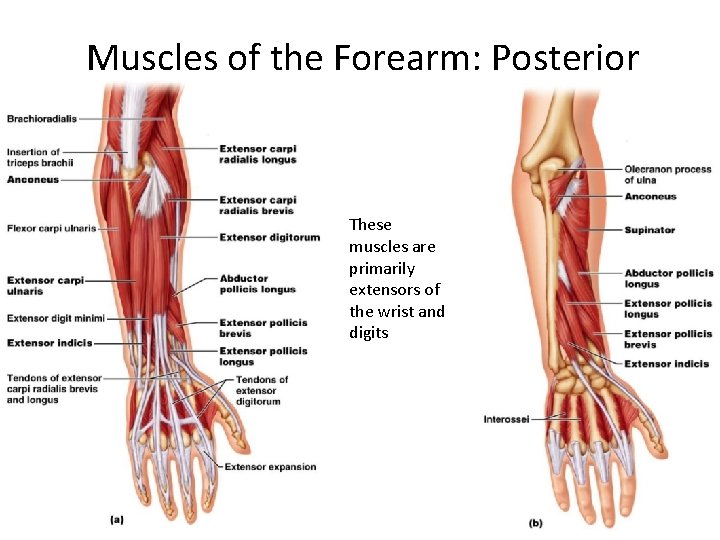
Muscles of the Forearm: Posterior These muscles are primarily extensors of the wrist and digits Figure 10. 16 a
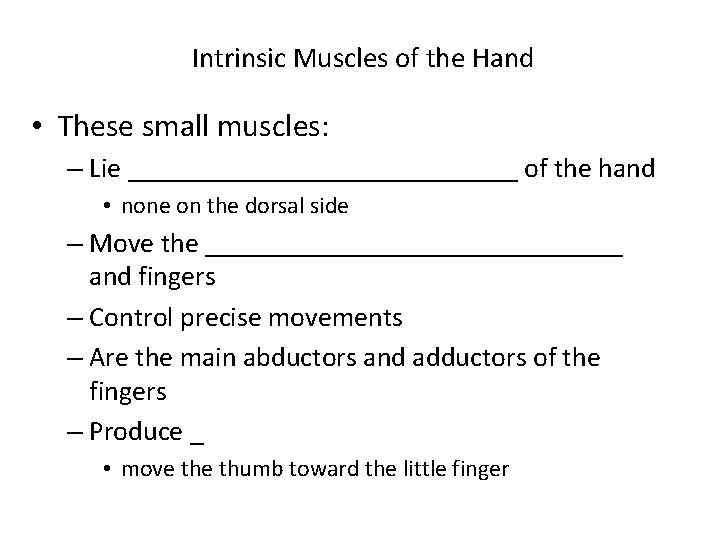
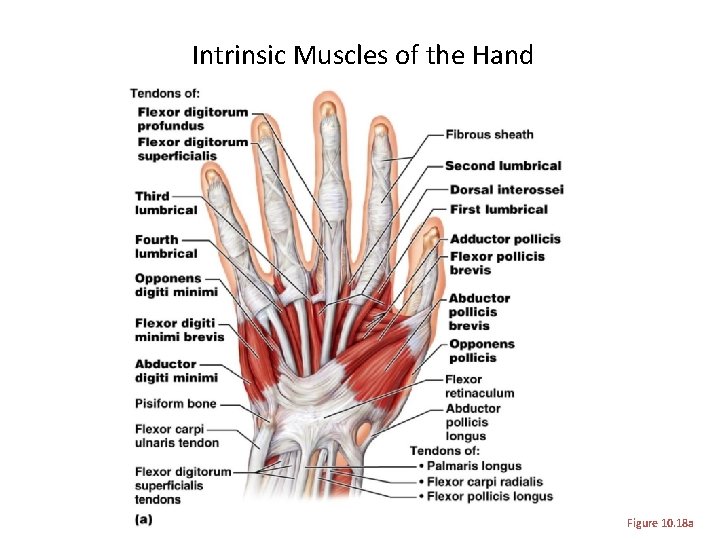
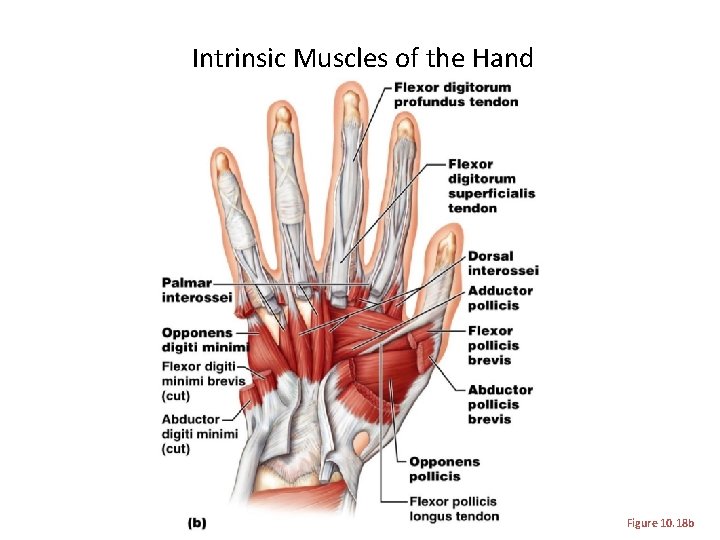
Intrinsic Muscles of the Hand • These small muscles: – Lie ______________ of the hand • none on the dorsal side – Move the _______________ and fingers – Control precise movements – Are the main abductors and adductors of the fingers – Produce _ • move thumb toward the little finger
Intrinsic Muscles of the Hand Figure 10. 18 a
Intrinsic Muscles of the Hand Figure 10. 18 b
Finger and Thumb Movements • Flexion – Thumb – – Fingers – • Extension – Thumb – – Fingers –
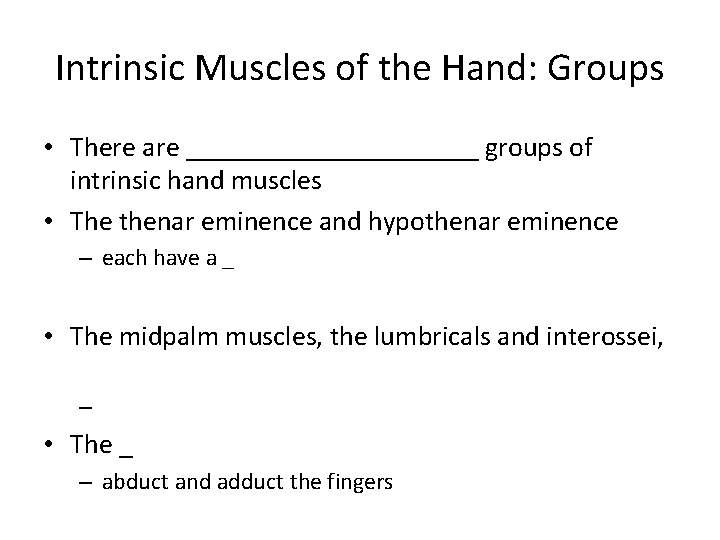
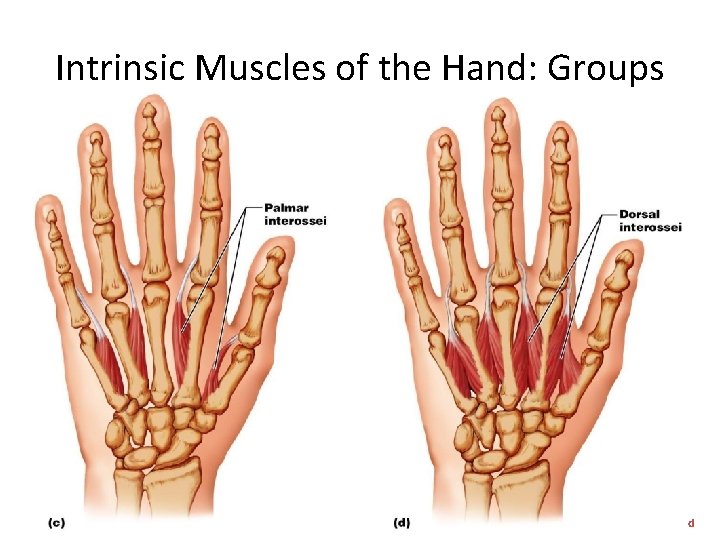
Intrinsic Muscles of the Hand: Groups • There are ___________ groups of intrinsic hand muscles • The thenar eminence and hypothenar eminence – each have a _ • The midpalm muscles, the lumbricals and interossei, – • The _ – abduct and adduct the fingers
Intrinsic Muscles of the Hand: Groups Figure 10. 18 c, d
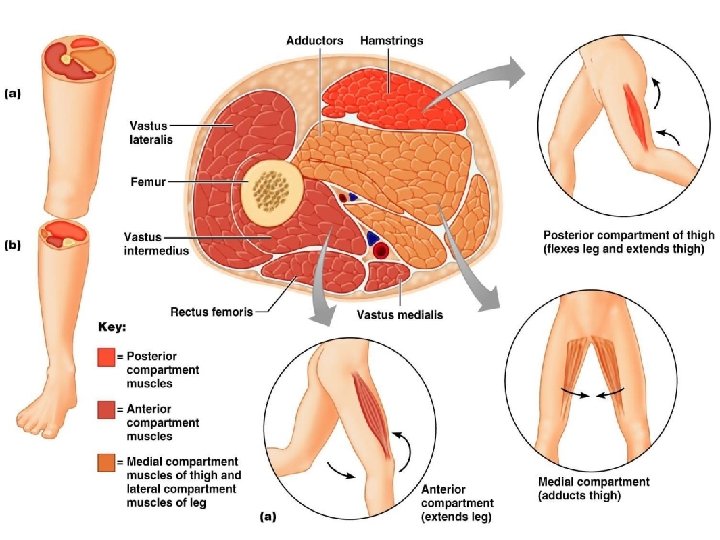
Muscles Crossing Hip and Knee Joints • Most __________________ muscles of the hip and thigh – – • Posterior compartment muscles of the hip and thigh – extend _ – flex _ • The medial compartment muscles – • These three groups are enclosed by the fascia lata
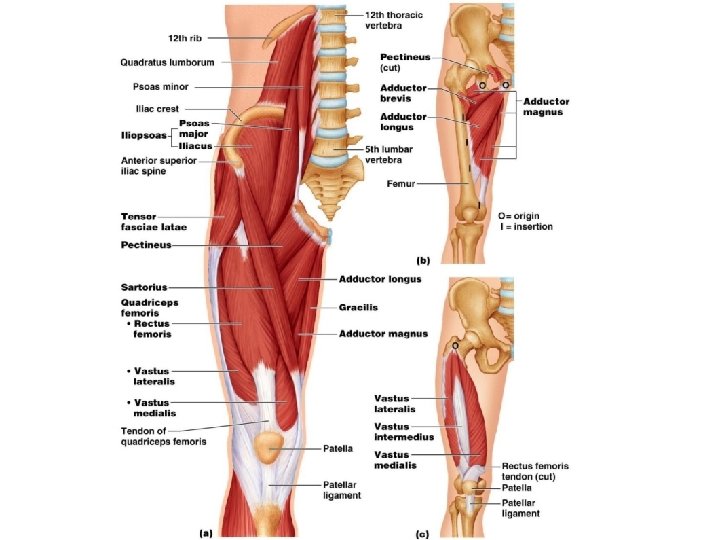
Movements of the thigh at the Hip: Flexion and Extension • The ball-and-socket hip joint permits – – Extension – – Adduction – – Rotation • The most important thigh flexors – – – • The medially located adductor muscles and sartorius assist in thigh flexion
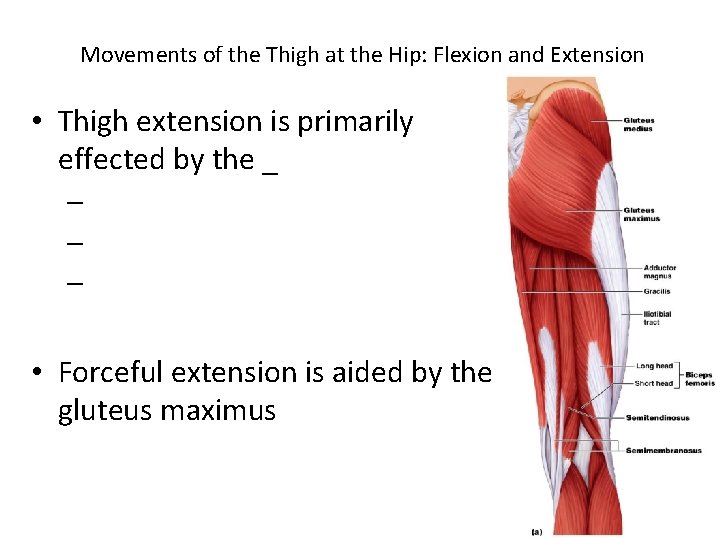
Movements of the Thigh at the Hip: Flexion and Extension • Thigh extension is primarily effected by the _ – – – • Forceful extension is aided by the gluteus maximus
Movements of the Thigh at the Hip: • Abduction and rotation assisted by – – • antagonized by – lateral rotators • Thigh adduction is the role of five adductor muscles – – – adductor _ the _ gracilis
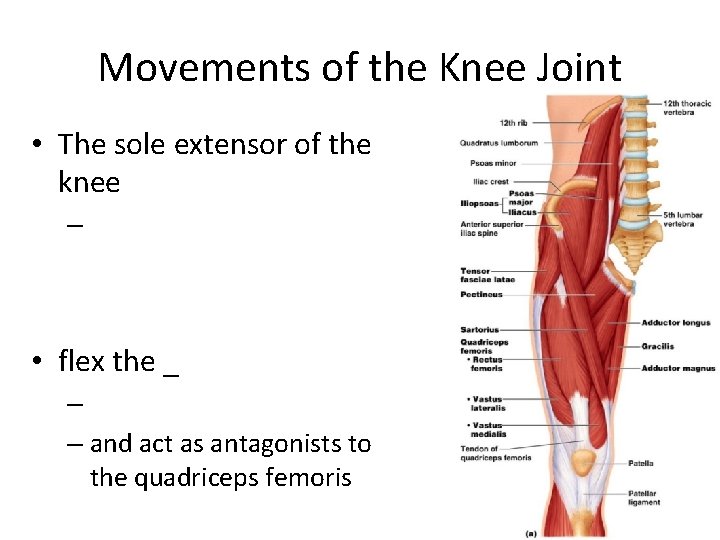
Movements of the Knee Joint • The sole extensor of the knee – • flex the _ – – and act as antagonists to the quadriceps femoris Figure 10. 19 a
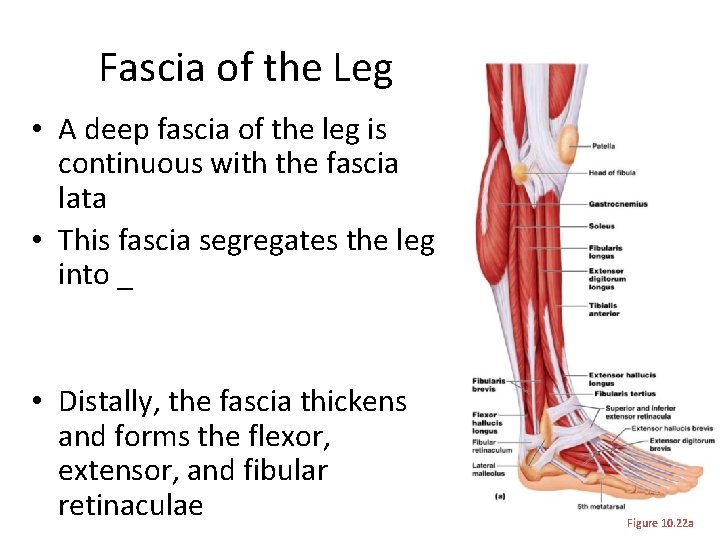
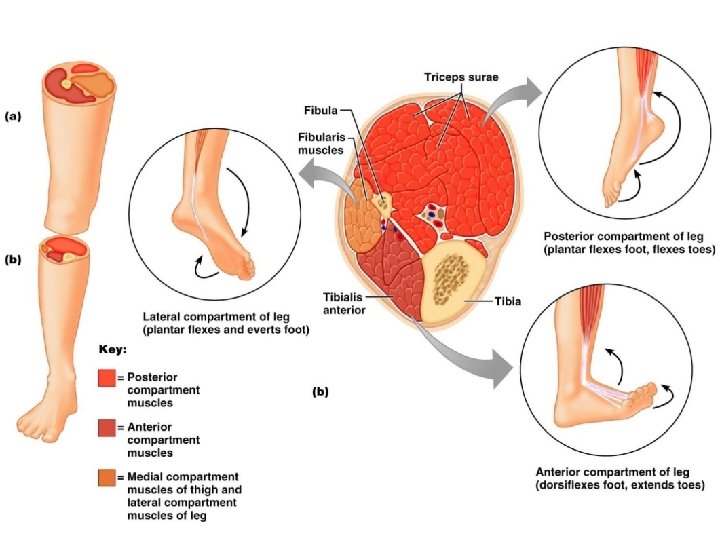
Fascia of the Leg • A deep fascia of the leg is continuous with the fascia lata • This fascia segregates the leg into _ • Distally, the fascia thickens and forms the flexor, extensor, and fibular retinaculae Figure 10. 22 a
Muscles of the Leg: Movements • Various leg muscles produce the following movements at the: – Ankle • – Intertarsal joints • – Toes •
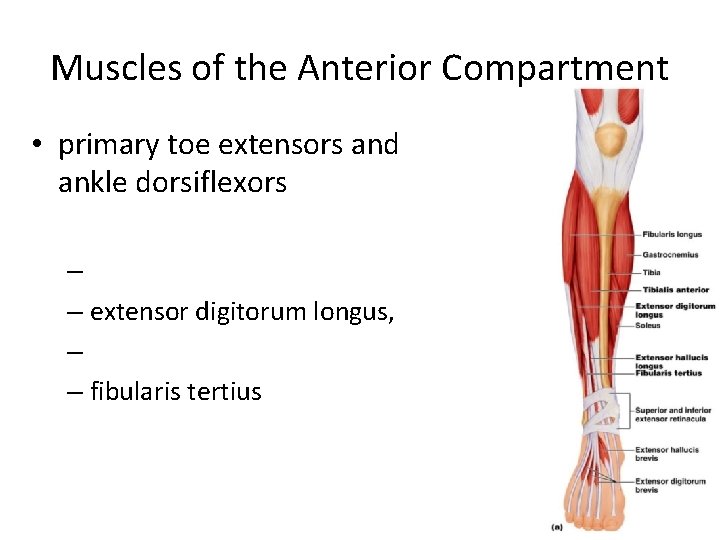
Muscles of the Anterior Compartment • primary toe extensors and ankle dorsiflexors – – extensor digitorum longus, – – fibularis tertius Figure 10. 21 a
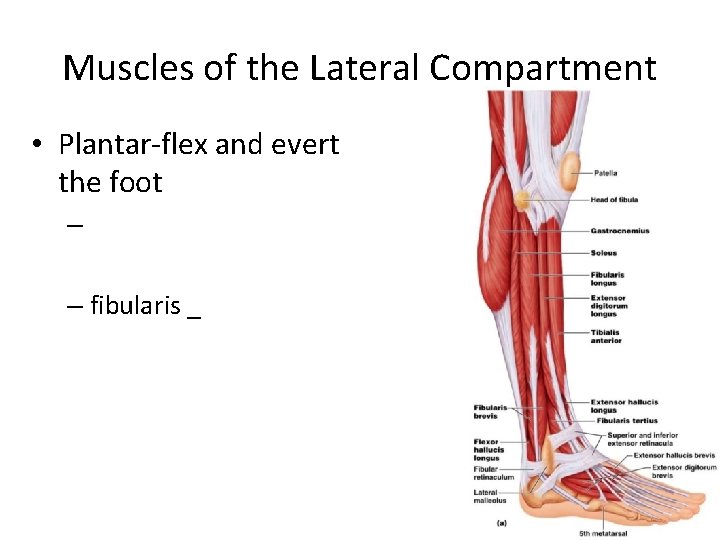
Muscles of the Lateral Compartment • Plantar-flex and evert the foot – – fibularis _ Figure 10. 22 a
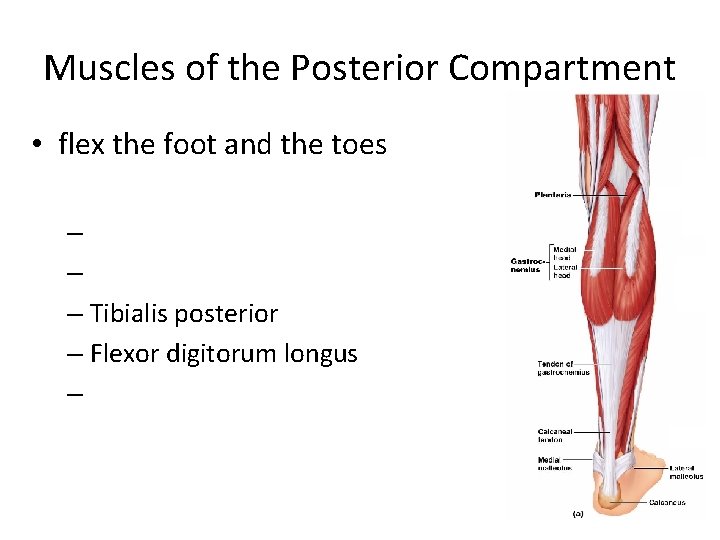
Muscles of the Posterior Compartment • flex the foot and the toes – – – Tibialis posterior – Flexor digitorum longus – Figure 10. 23 a
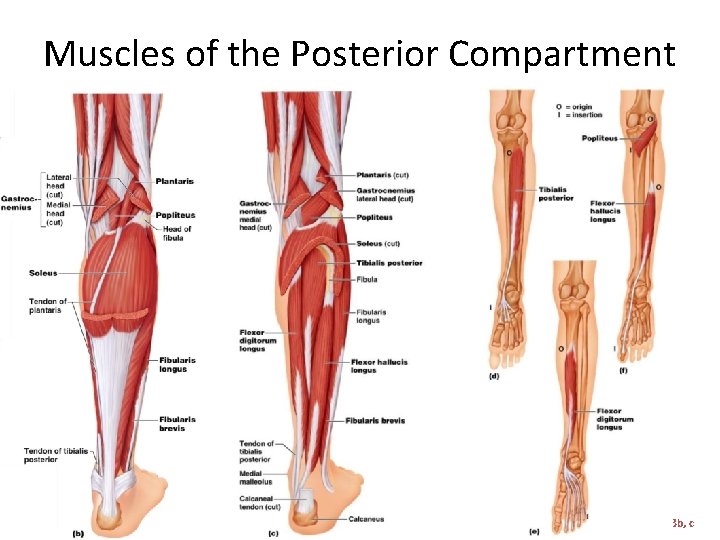
Muscles of the Posterior Compartment Figure 10. 23 b, c
Muscle Actions of the Thigh: Summary • Thigh muscles: – Flex and extend the thigh (__________________) – Extend the leg (___________________) – Adduct the thigh (__________________)
Muscle Actions of the Leg: Summary • Leg muscles: – Plantar flex and evert the foot • – Plantar flex the foot and flex the toes • – Dorsiflex the foot and extend the toes •
Intrinsic Muscles of the Foot • These muscles help _ • In addition, along with some leg tendons, they support the _ • There is a single dorsal foot muscle, the __________________, which extends the toes • The plantar muscles occur in four layers
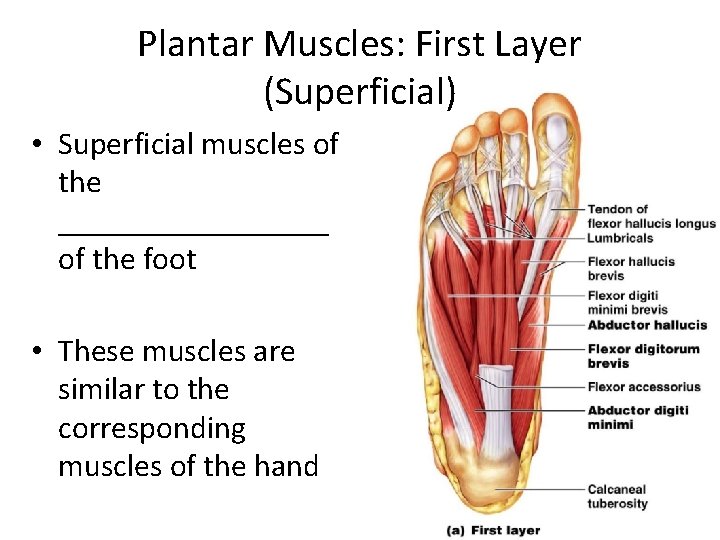
Plantar Muscles: First Layer (Superficial) • Superficial muscles of the _________ of the foot • These muscles are similar to the corresponding muscles of the hand
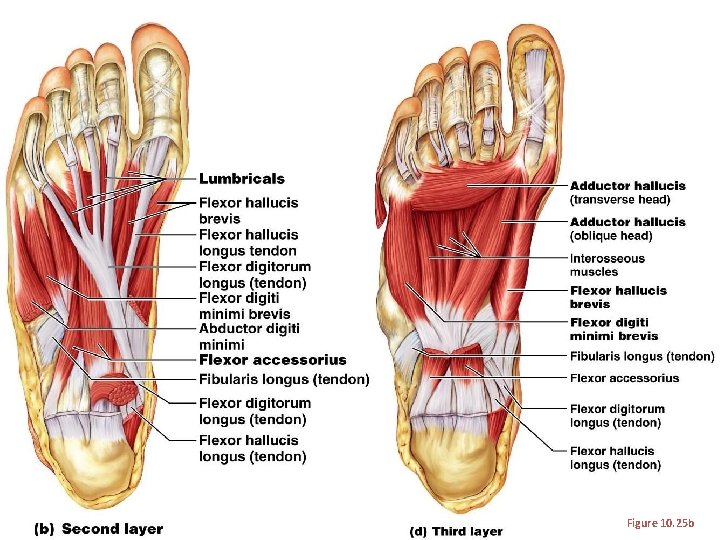
Figure 10. 25 b
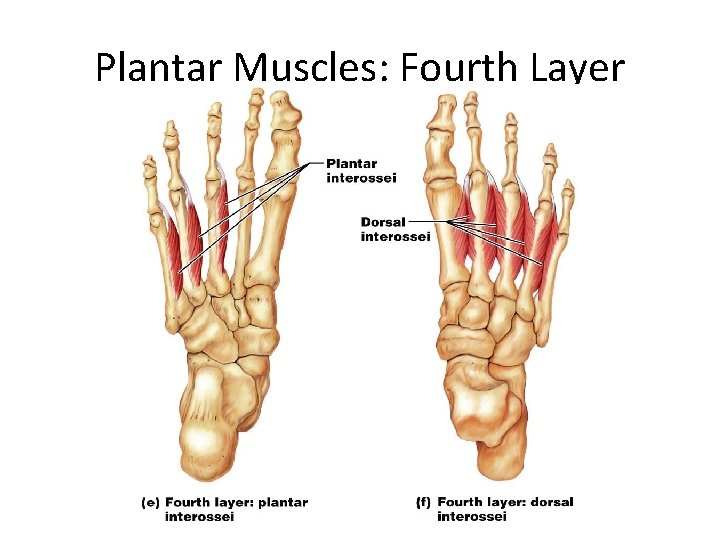
Plantar Muscles: Fourth Layer