
Muscles Chapter 10 Fasicle arrangement Parallel Muscle Tension
- Slides: 49
Muscles Chapter 10
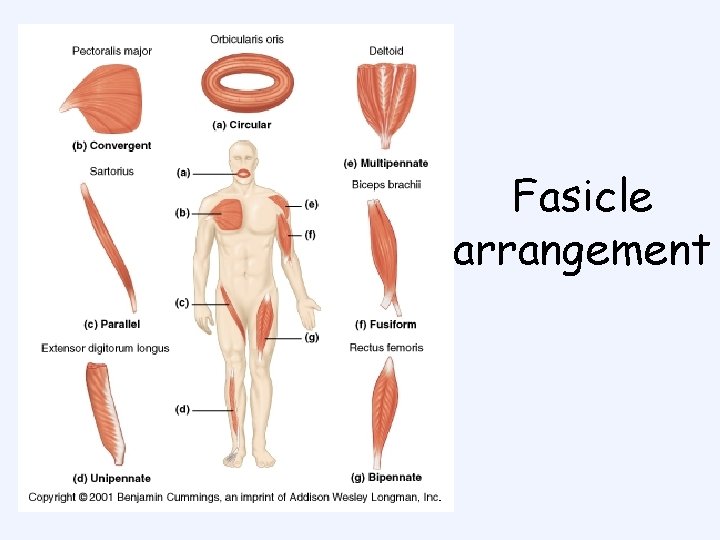
Fasicle arrangement
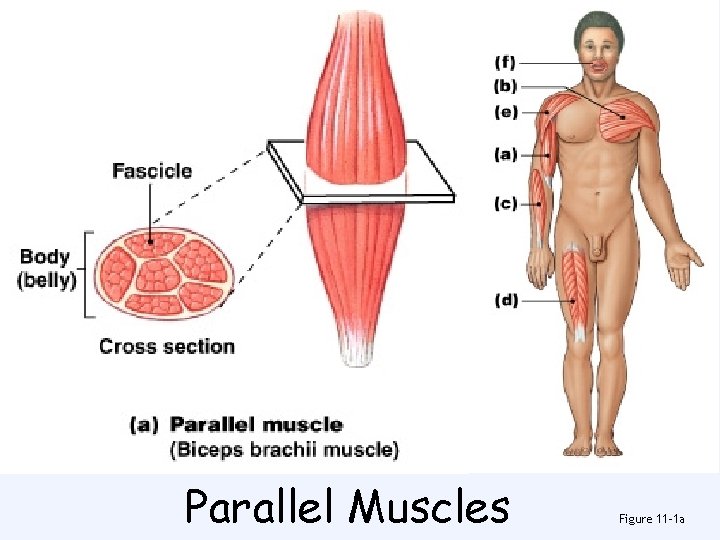
Parallel Muscle Tension • Depends on total number of myofibrils • Directly relates to cross section of muscle • 1 in. 2 (6. 45 cm 2) of cross section develops 50 lb (23 kg) of tension
Parallel Muscles Figure 11– 1 a
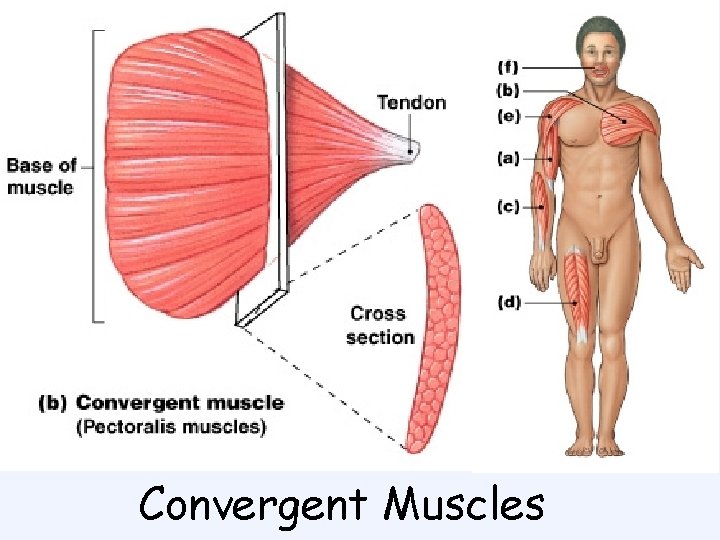
Convergent Muscles • A broad area converges on attachment site (tendon, aponeurosis, or raphe) • Muscle fibers pull in different directions, depending on stimulation • e. g. , pectoralis muscles
Convergent Muscles
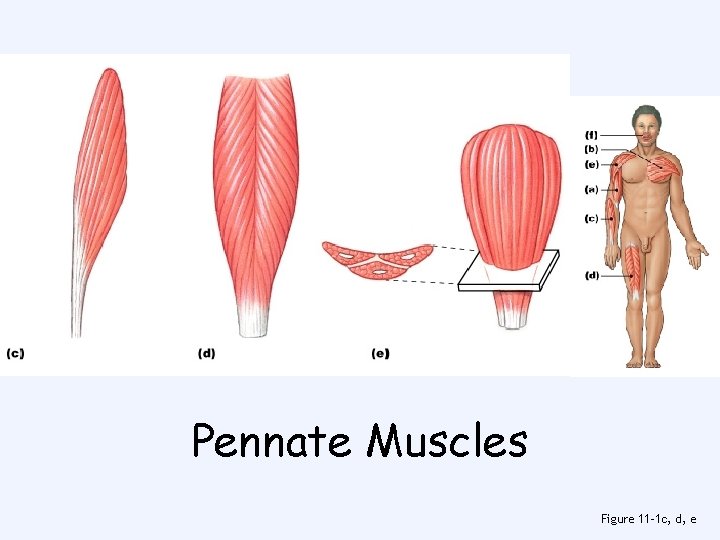
Pennate Muscles • Form an angle with the tendon • Do not move as far as parallel muscles • Contain more myofibrils than parallel muscles • Develop more tension than parallel muscles
Pennate Muscles Figure 11– 1 c, d, e
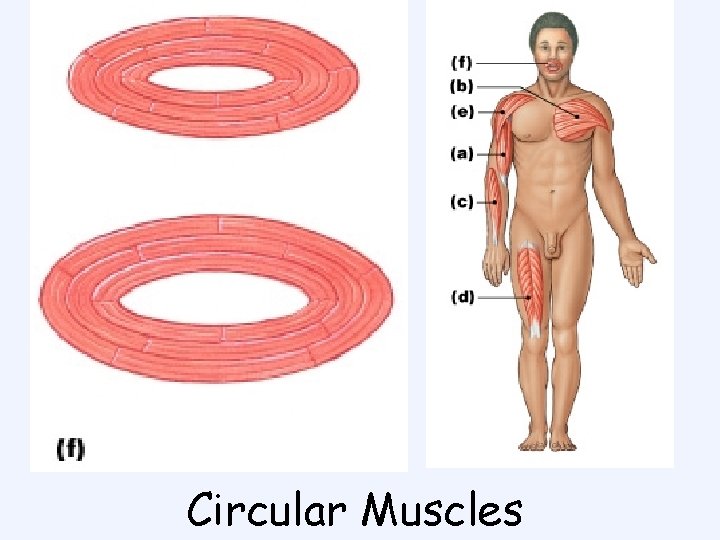
Circular Muscles • Also called sphincters • Open and close to guard entrances of body • e. g. , obicularis oris
Circular Muscles
Levers • Mechanically, each bone is a lever (a rigid, moving structure): – and each joint a fulcrum (a fixed point) • Muscles provide applied force (AF): – required to overcome resistance (R)
Functions of a Lever • To change: – direction of an AF – distance and speed of movement produced by an AF – effective strength of an AF
3 Classes of Levers • Depend on the relationship between applied force, fulcrum, and resistance: – first class – second class – third class
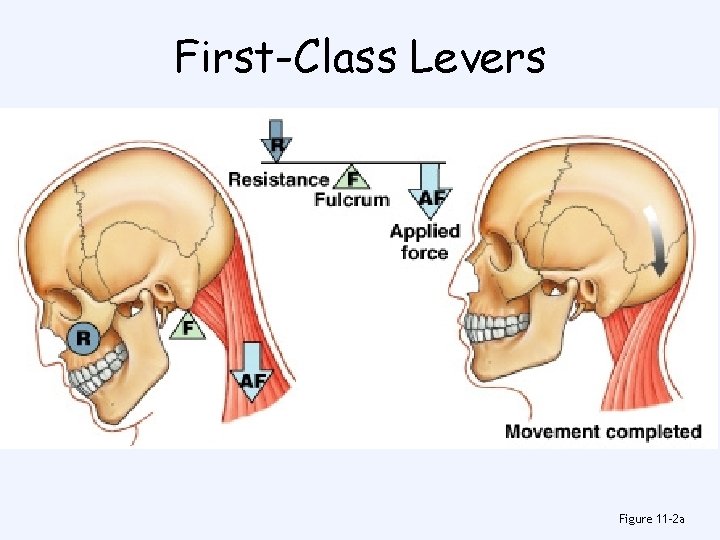
First-Class Levers Figure 11– 2 a
First-Class Levers • Seesaw is an example • Center fulcrum between applied force and resistance • Force and resistance are balanced
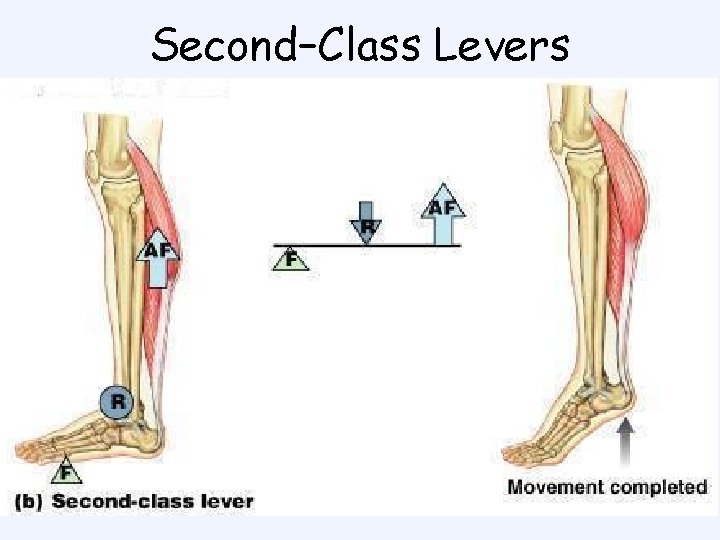
Second–Class Levers
Second-Class Levers • Wheelbarrow is an example • Center resistance between applied force and fulcrum • A small force moves a large weight
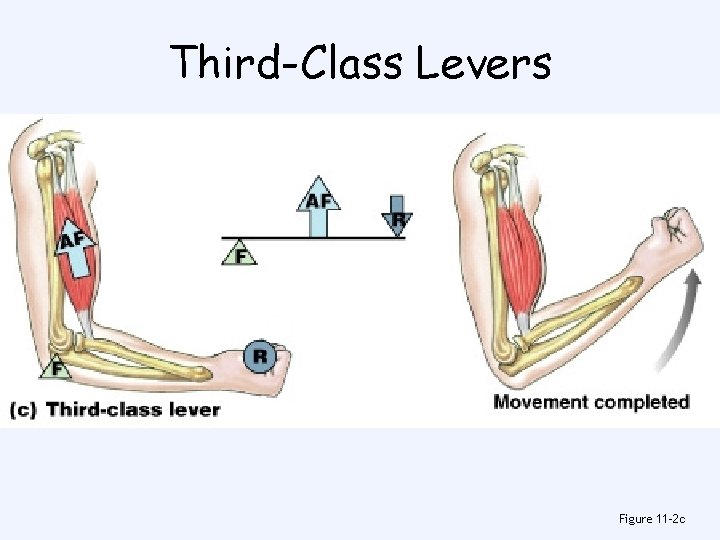
Third-Class Levers Figure 11– 2 c
Third-Class Levers • Most common levers in the body • Center applied force between resistance and fulcrum • Greater force moves smaller resistance • Maximizes speed and distance traveled
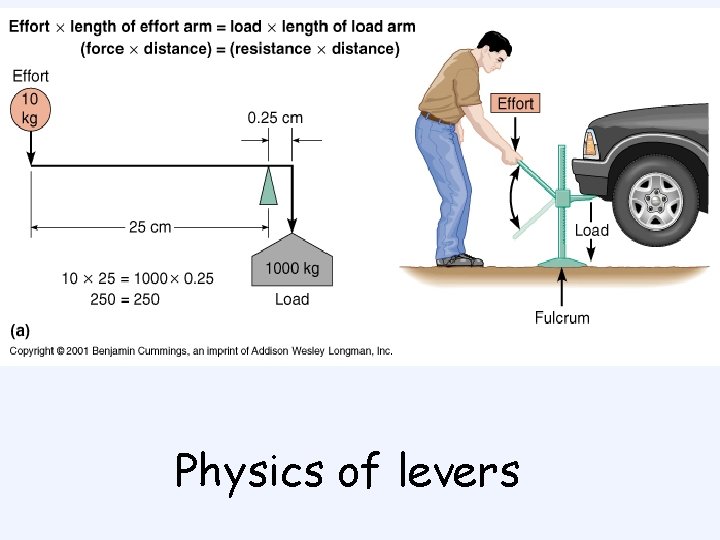
Physics of levers
Origins and Insertions • Muscles have 1 fixed point of attachment (origin) and 1 moving point of attachment (insertion) • Most muscles originate or insert on the skeleton • Origin is usually proximal to insertion
Actions • Movements produced by muscle contraction • Body movements – e. g. , flexion, extension, adduction, etc. • Described in terms of bone, joint, or region
Descriptive Names for Skeletal Muscles 1. 2. 3. 4. 5. 6. Location in the body Origin and insertion Fascicle organization Relative position Structural characteristics Action
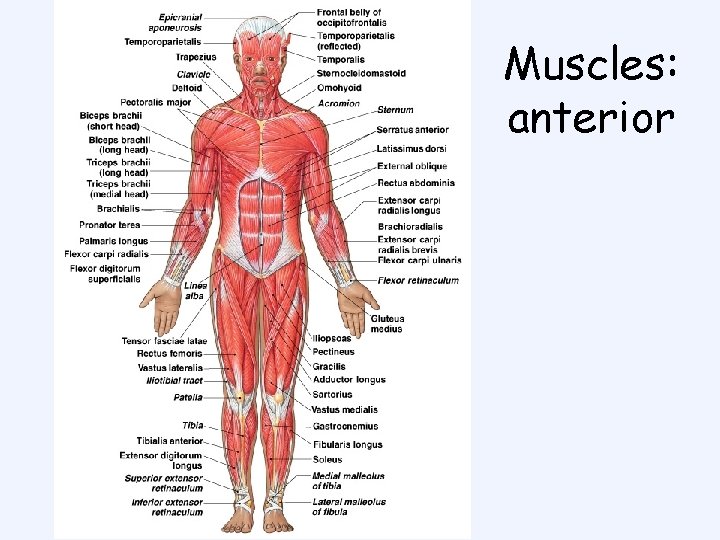
Muscles: anterior
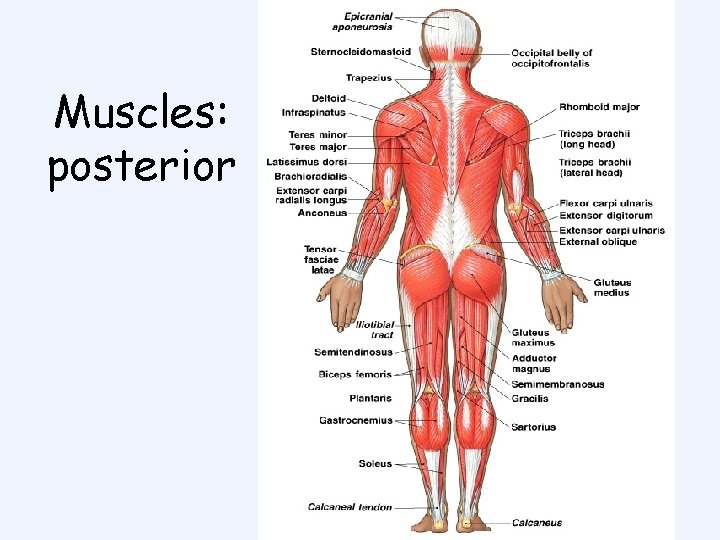
Muscles: posterior
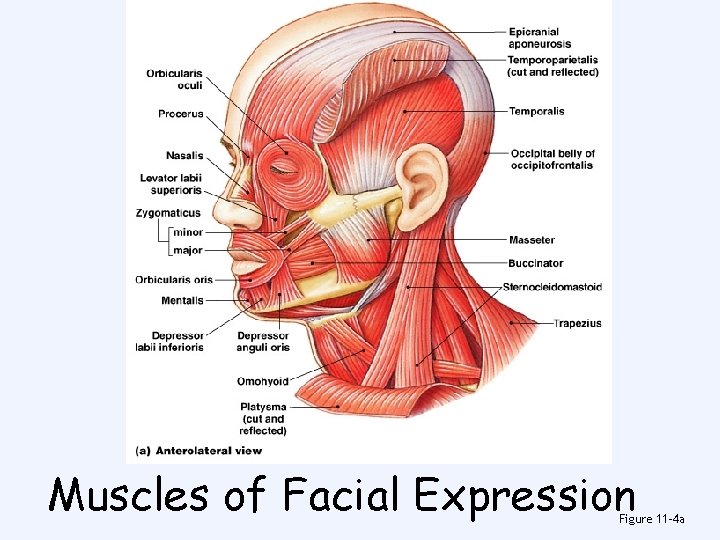
Muscles of Facial Expression Figure 11– 4 a
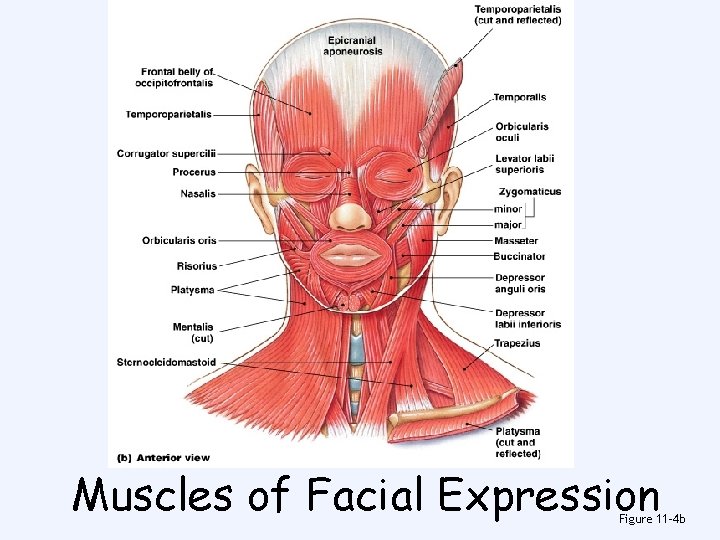
Muscles of Facial Expression Figure 11– 4 b
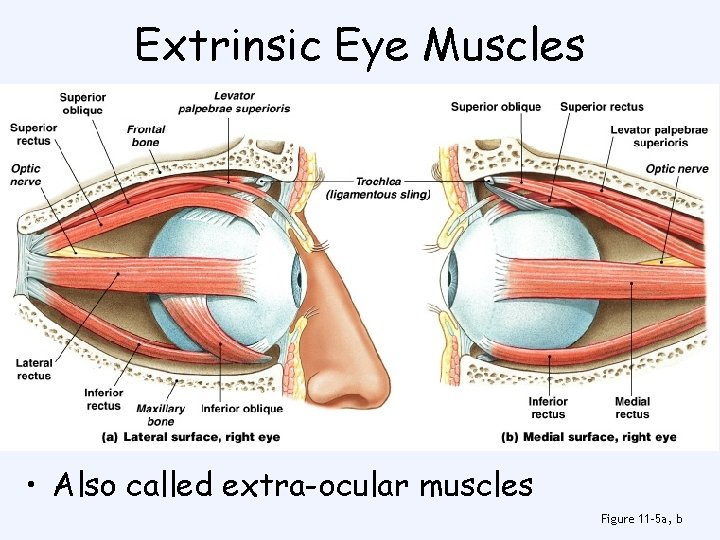
Extrinsic Eye Muscles • Also called extra-ocular muscles Figure 11– 5 a, b
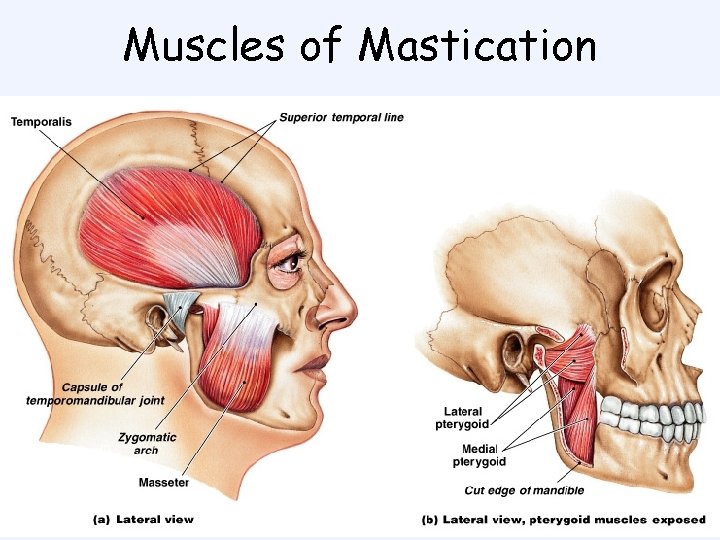
Muscles of Mastication
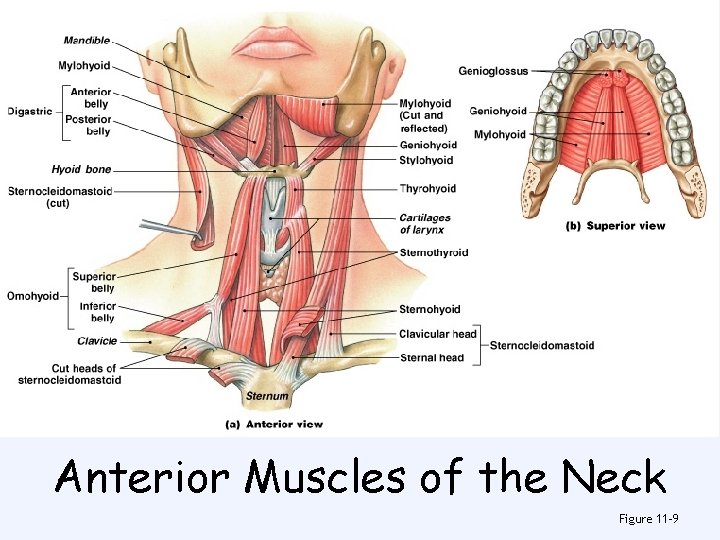
Anterior Muscles of the Neck Figure 11– 9
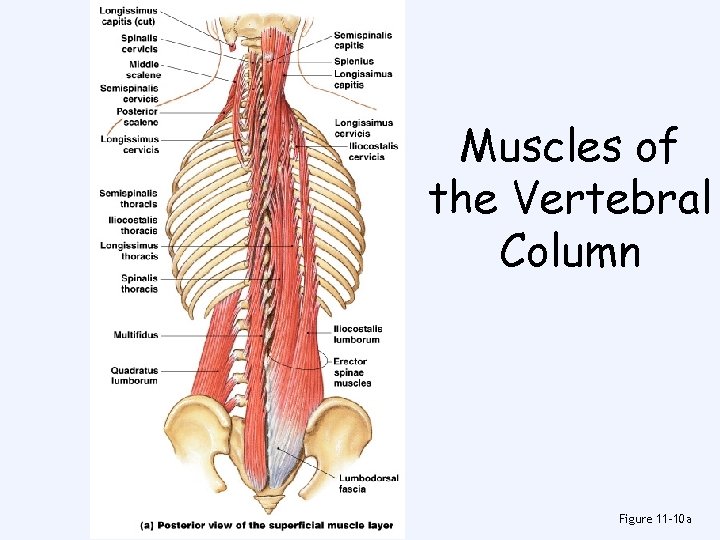
Muscles of the Vertebral Column Figure 11– 10 a
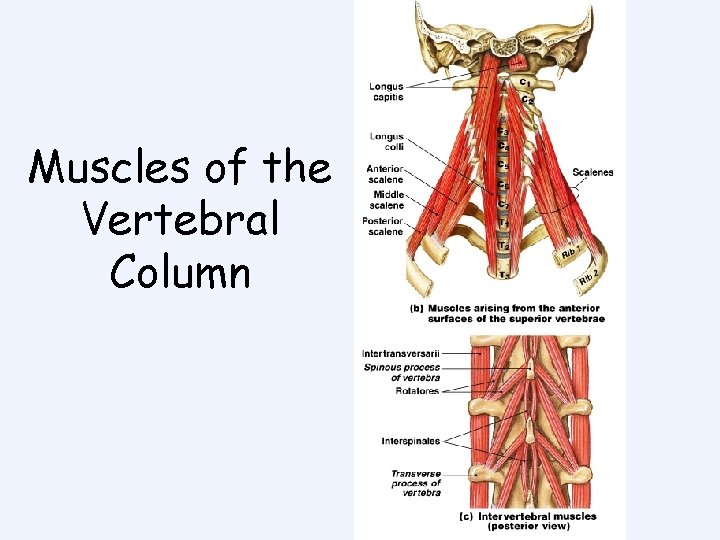
Muscles of the Vertebral Column
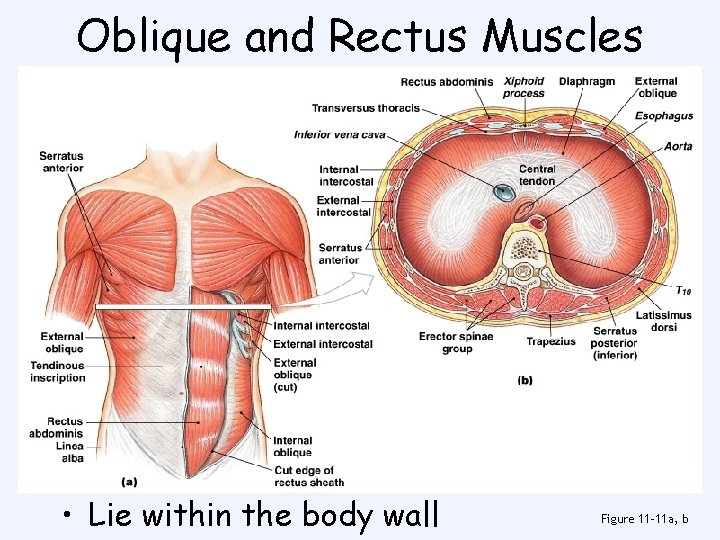
Oblique and Rectus Muscles • Lie within the body wall Figure 11– 11 a, b
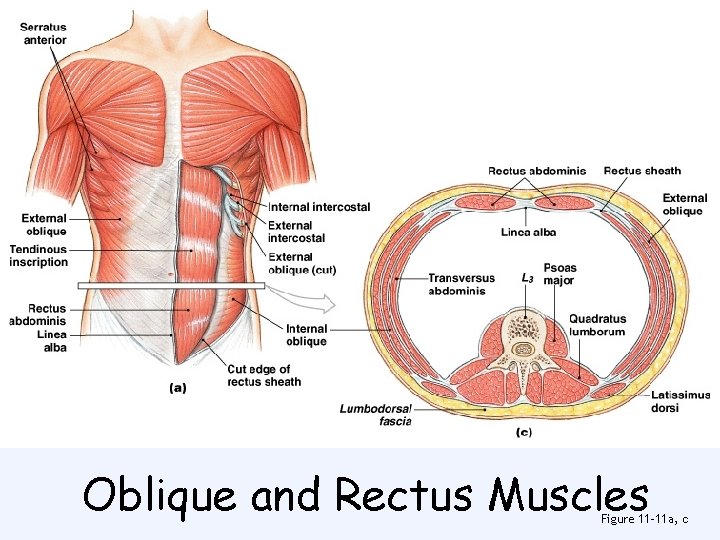
Oblique and Rectus Muscles Figure 11– 11 a, c
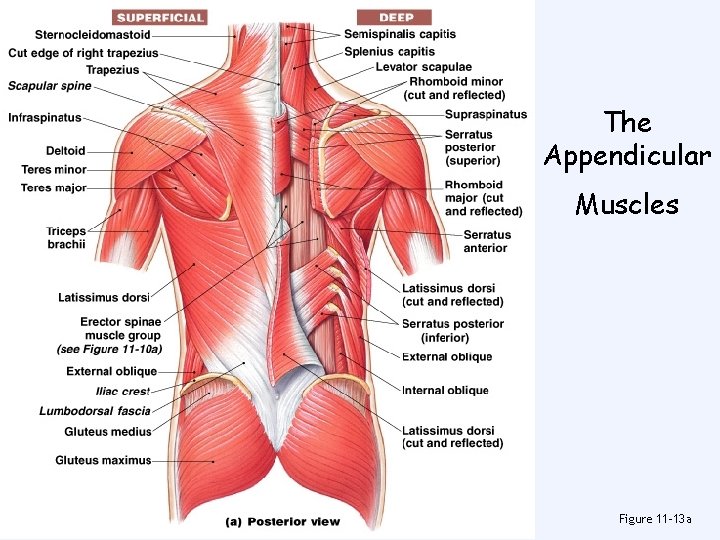
The Appendicular Muscles Figure 11– 13 a
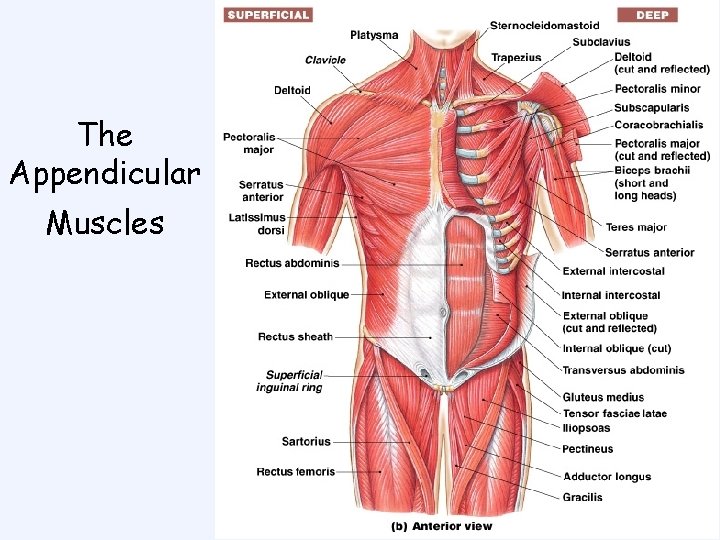
The Appendicular Muscles
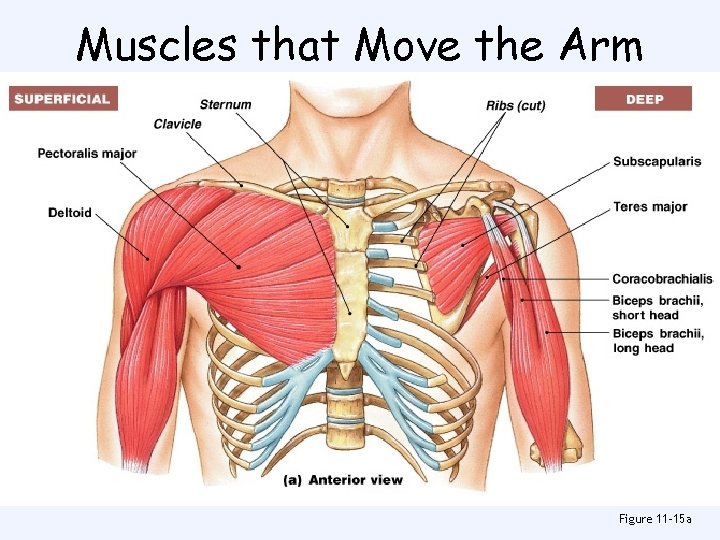
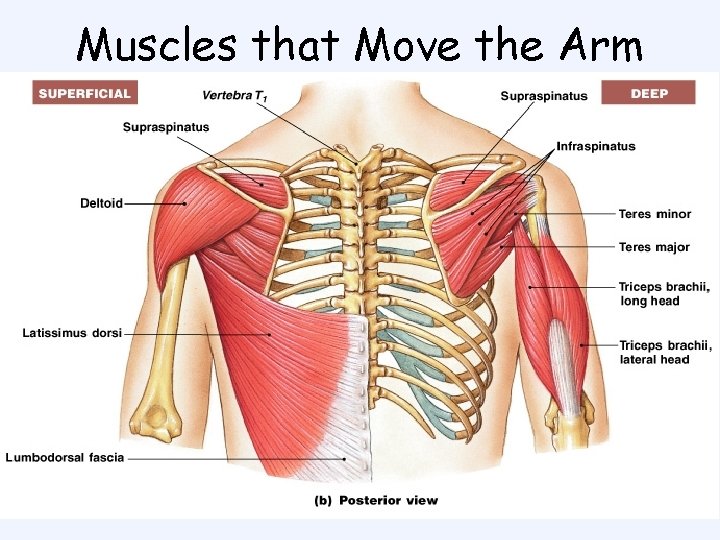
Muscles that Move the Arm Figure 11– 15 a
Muscles that Move the Arm
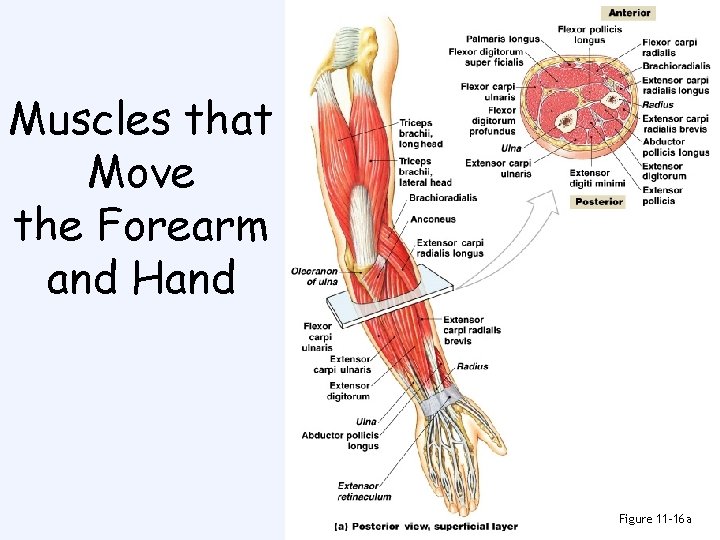
Muscles that Move the Forearm and Hand Figure 11– 16 a
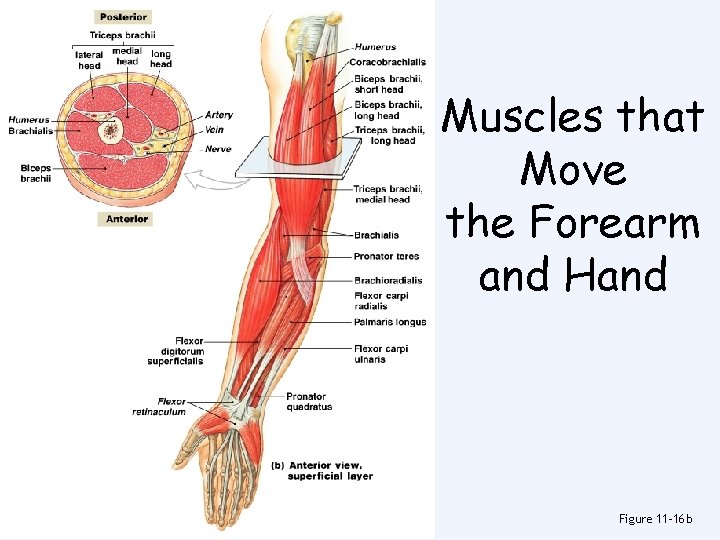
Muscles that Move the Forearm and Hand Figure 11– 16 b
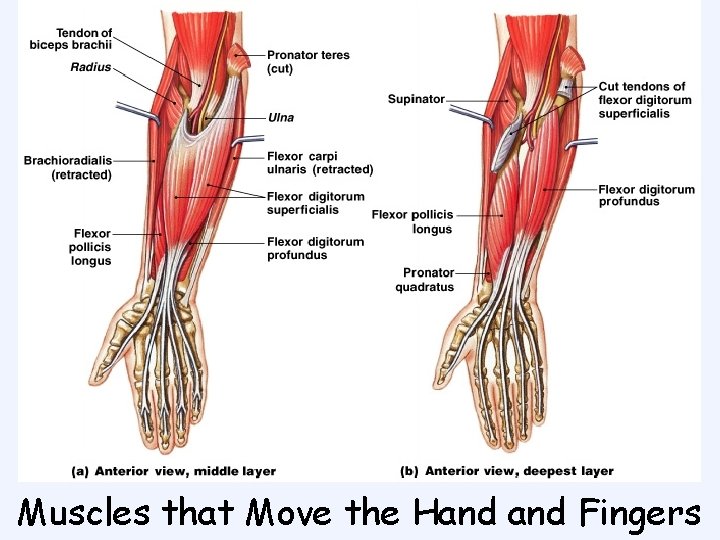
Muscles that Move the Hand Fingers
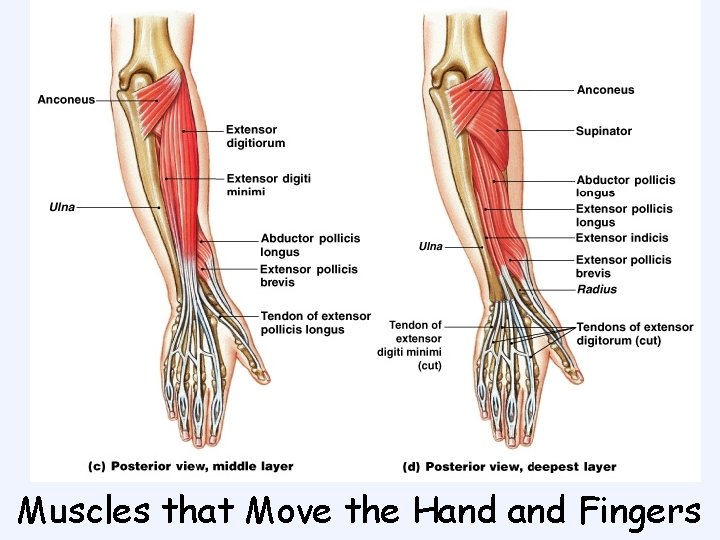
Muscles that Move the Hand Fingers
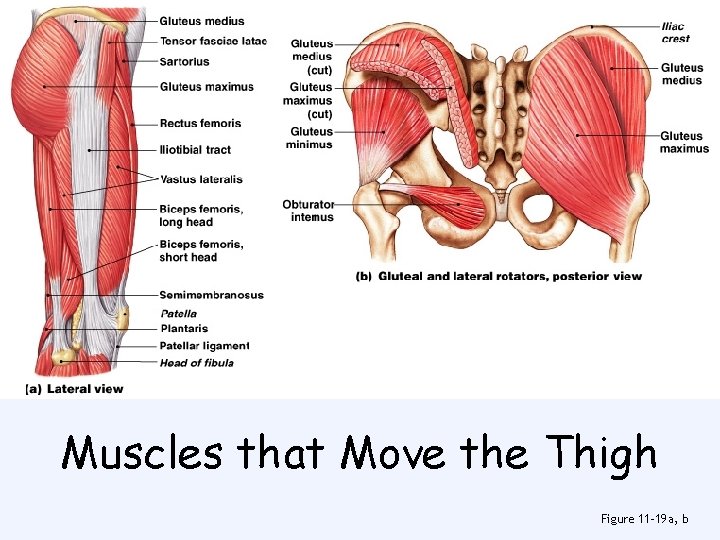
Muscles that Move the Thigh Figure 11– 19 a, b
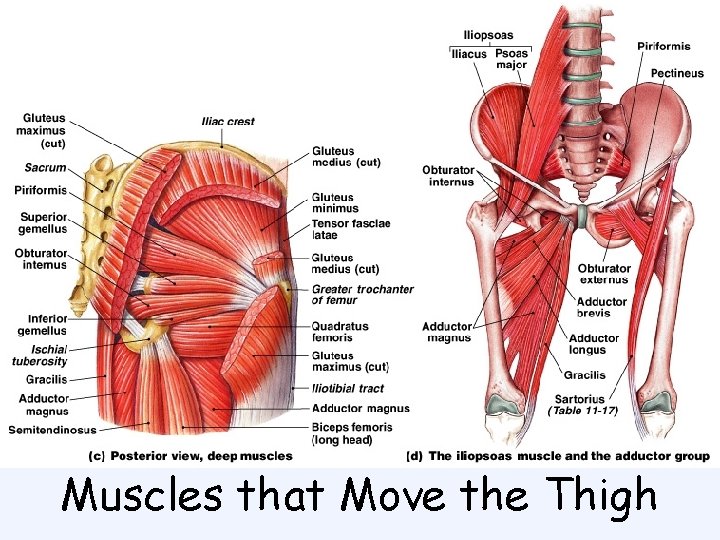
Muscles that Move the Thigh
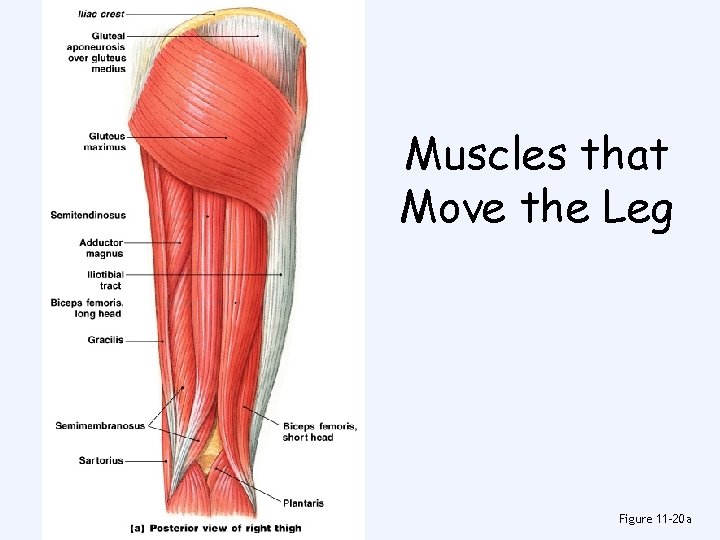
Muscles that Move the Leg Figure 11– 20 a
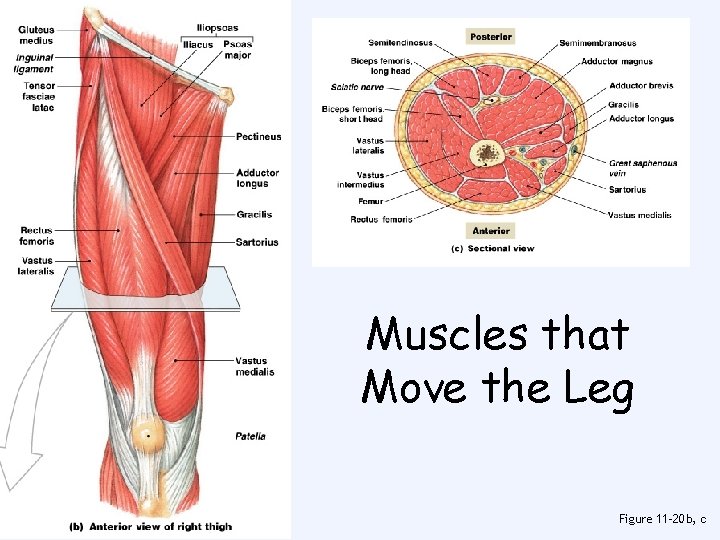
Muscles that Move the Leg Figure 11– 20 b, c
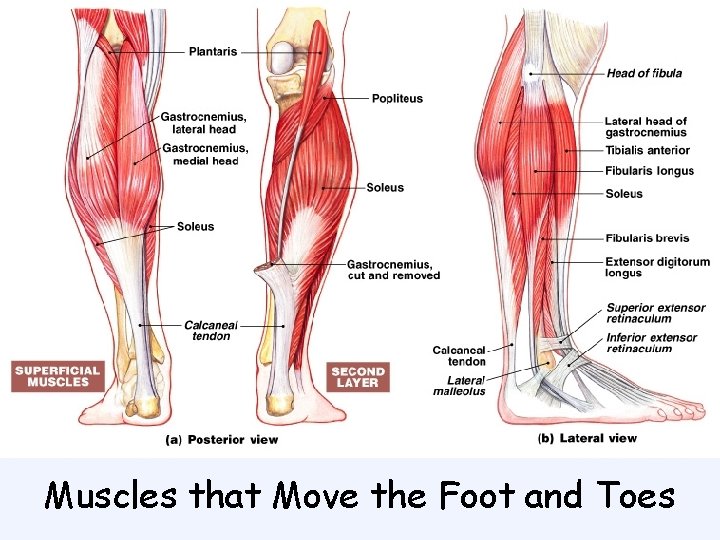
Muscles that Move the Foot and Toes
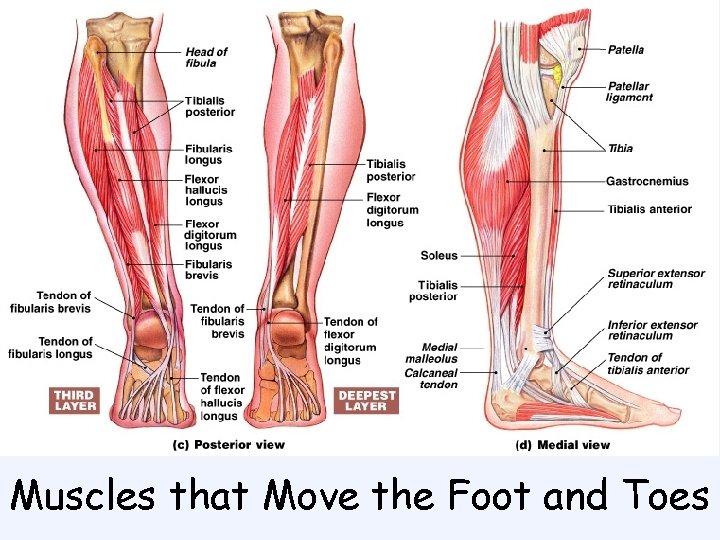
Muscles that Move the Foot and Toes
Up next … Nervous System Histology