
Multiplication Objectives By the end of this lesson
Multiplication
Objectives By the end of this lesson, the students should be able to: § Demonstrate conceptual understanding of multiplication § Demonstrate familiarity with the four models of multiplication § Multiply two numbers
Note to teachers: Multiplicative Thinking Multiplicative thinking: Students need to construct and coordinate three aspects of multiplicative situations when they are developing multiplicative thinking: • groups of equal size • the number of groups, and • the total amount. Students then need to move from the models and representations that work for whole numbers to more general ideas accommodating rational numbers and algebra. These more general ideas include: • ratio • proportion • multiplicative comparison • multiplication of measures, and • the use of intensive quantities.
Note to teachers: Multiplicative Thinking Multiplicative thinking: Researchers have identified four distinct sorts of multiplicative structures: 1. Equal groups, 2. Multiplicative comparisons, 3. Combinations, 4. Areas/arrays (Greer, 1992) Problems involving the first two of theses structures are most common in elementary school, although students should eventually become familiar with all four. You are not expected to teach these labels to children, but you should try to unsure that they encounter a broad range of problem situations involving multiplication and division.
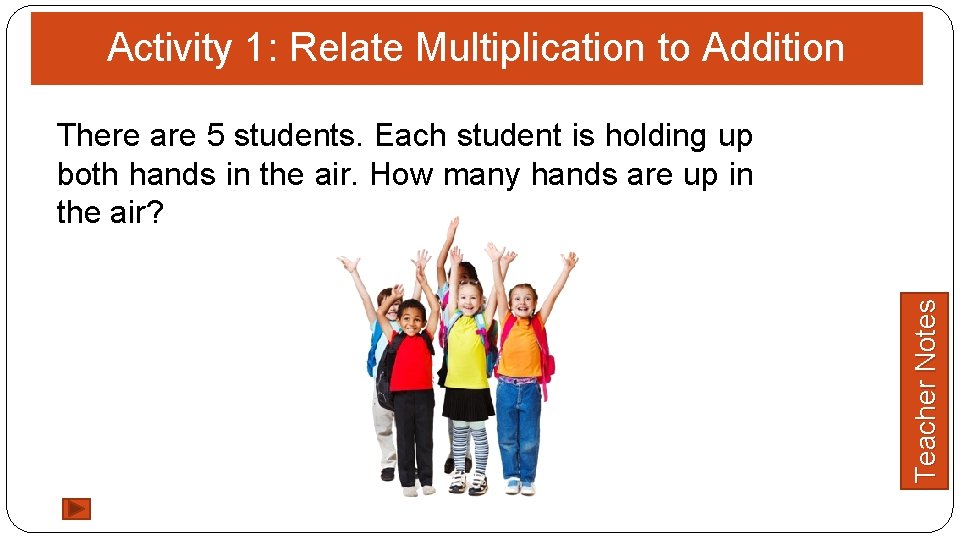
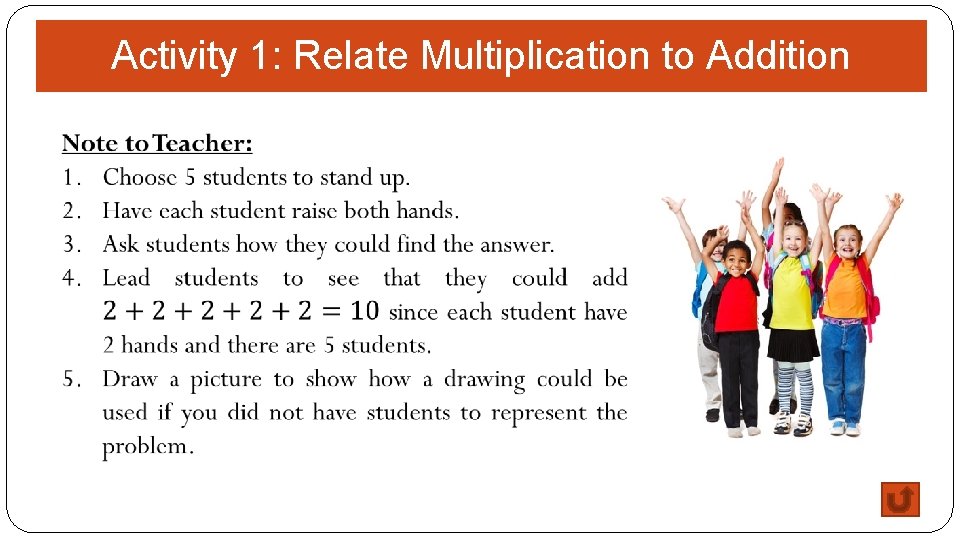
Activity 1: Relate Multiplication to Addition Teacher Notes There are 5 students. Each student is holding up both hands in the air. How many hands are up in the air?
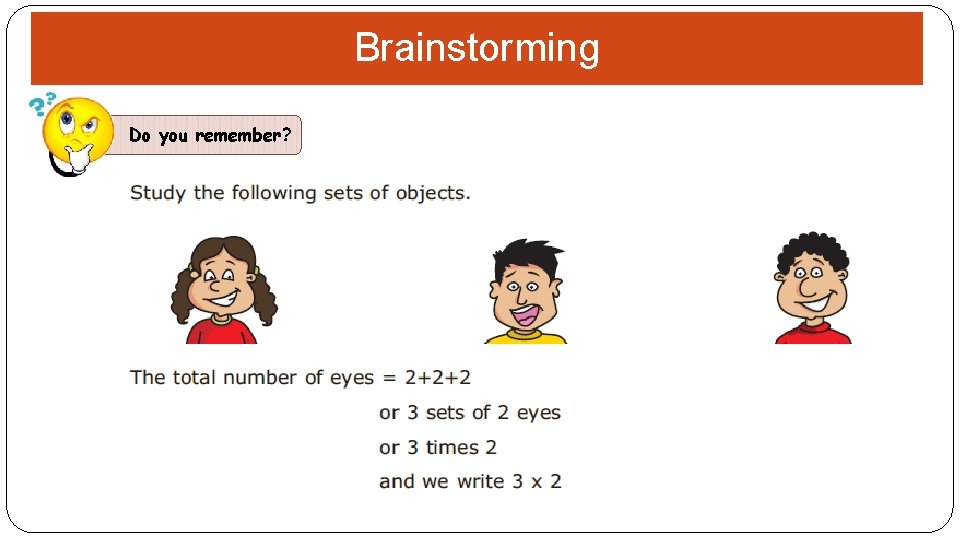
Brainstorming Do you remember?
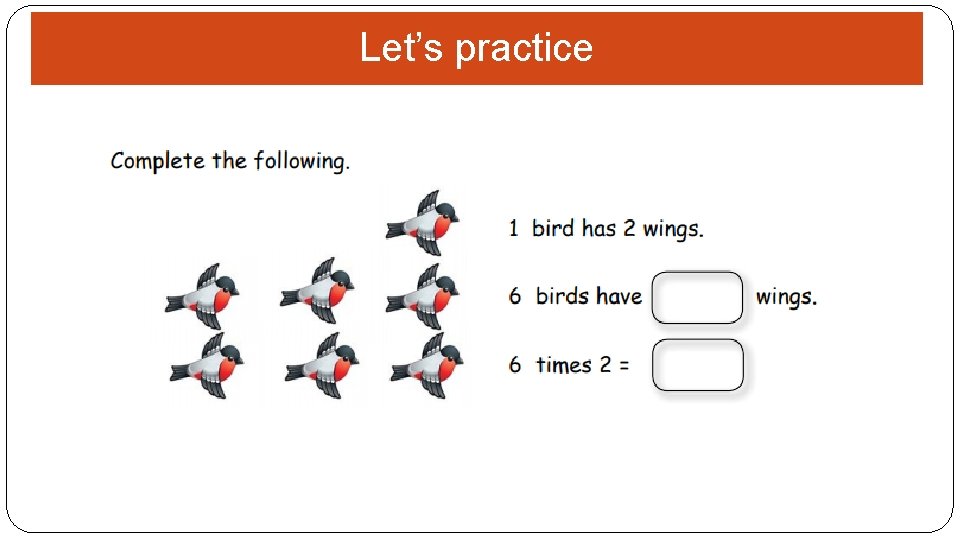
Let’s practice
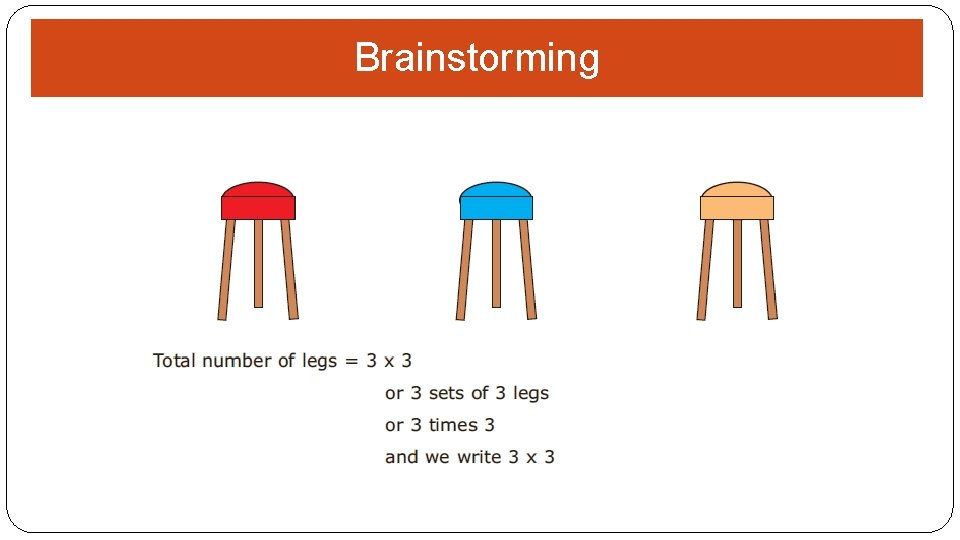
Brainstorming
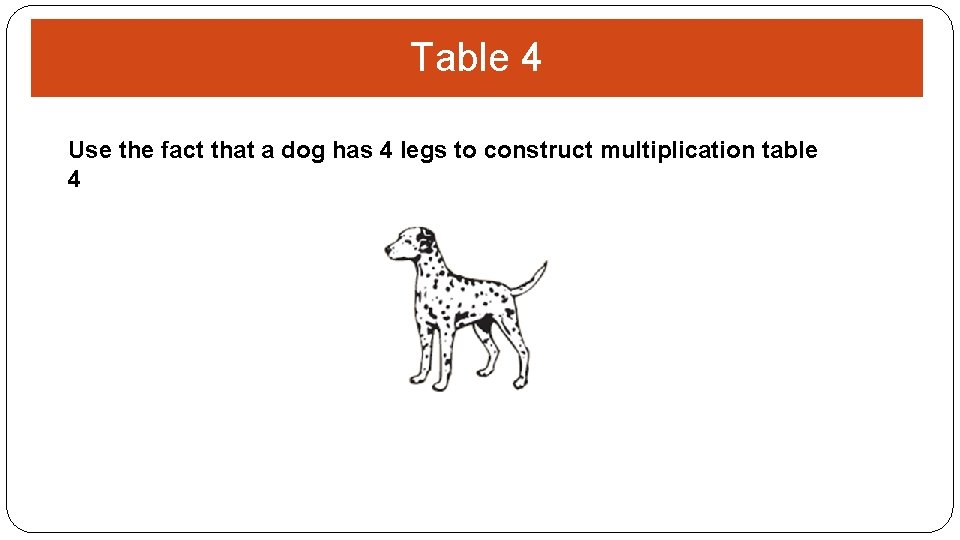
Table 4 Use the fact that a dog has 4 legs to construct multiplication table 4
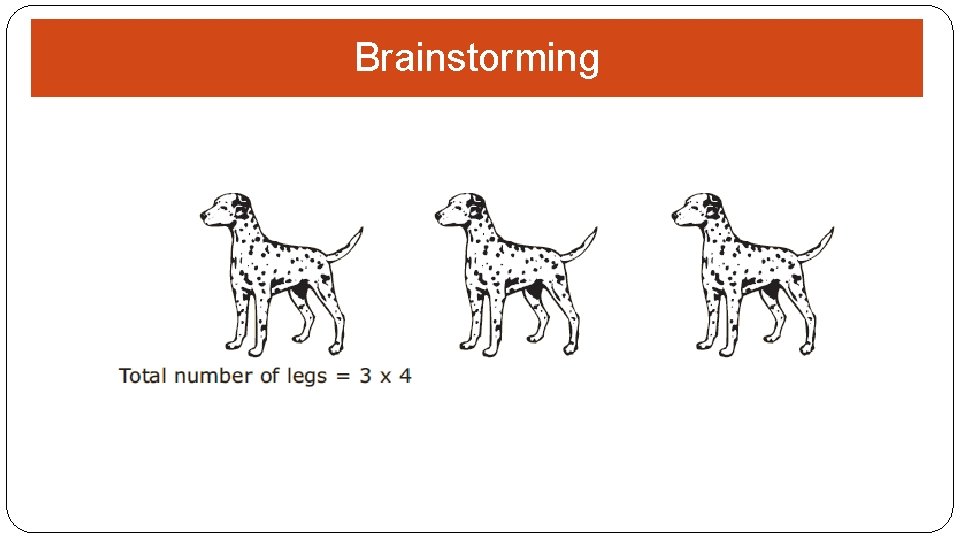
Brainstorming
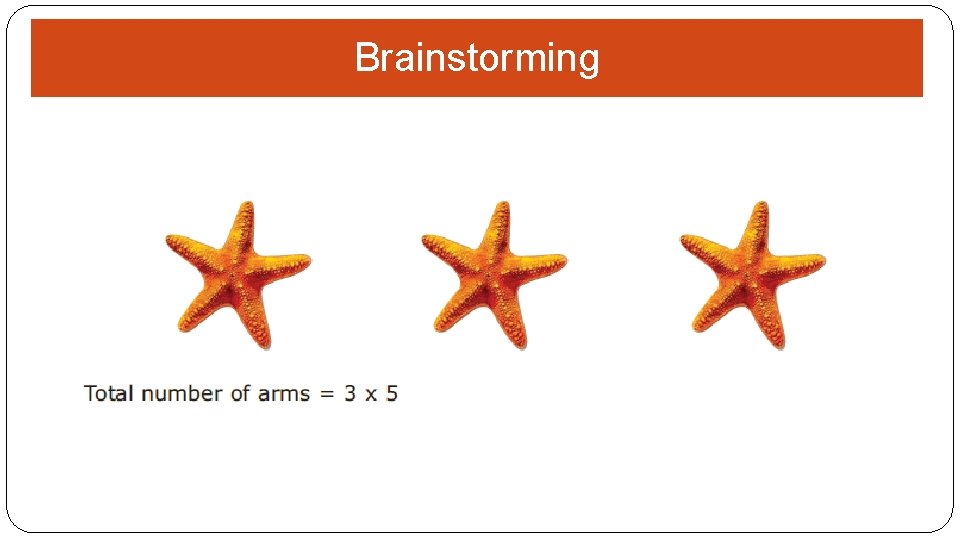
Brainstorming
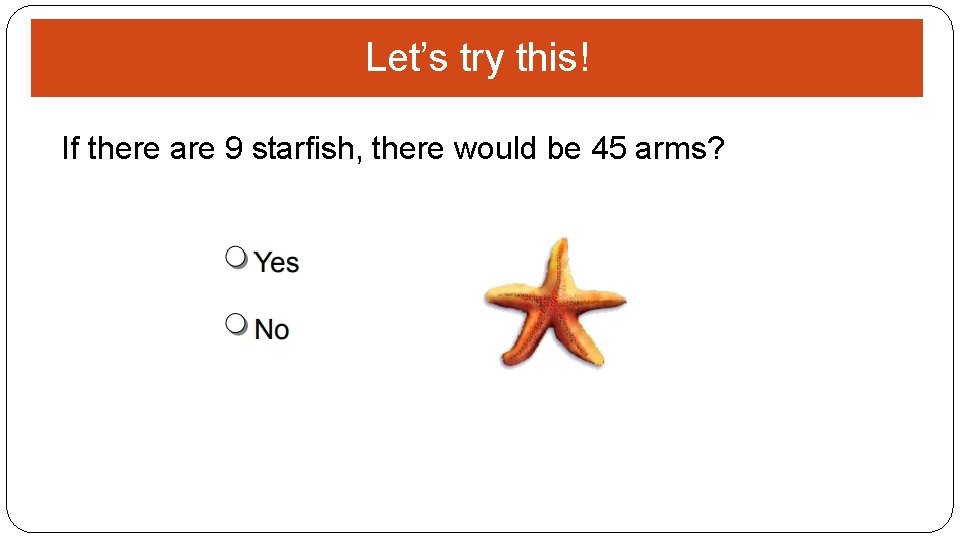
Let’s try this! If there are 9 starfish, there would be 45 arms?
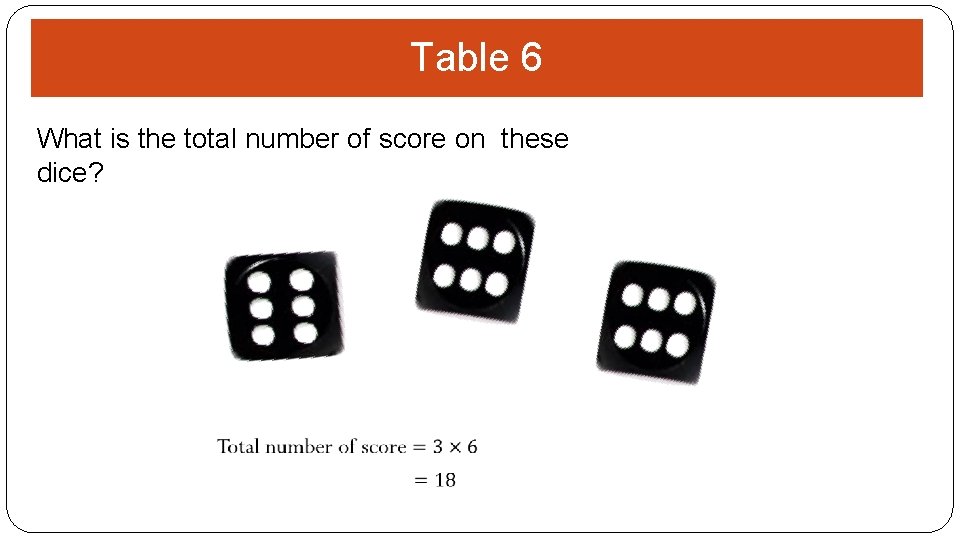
Table 6 What is the total number of score on these dice?
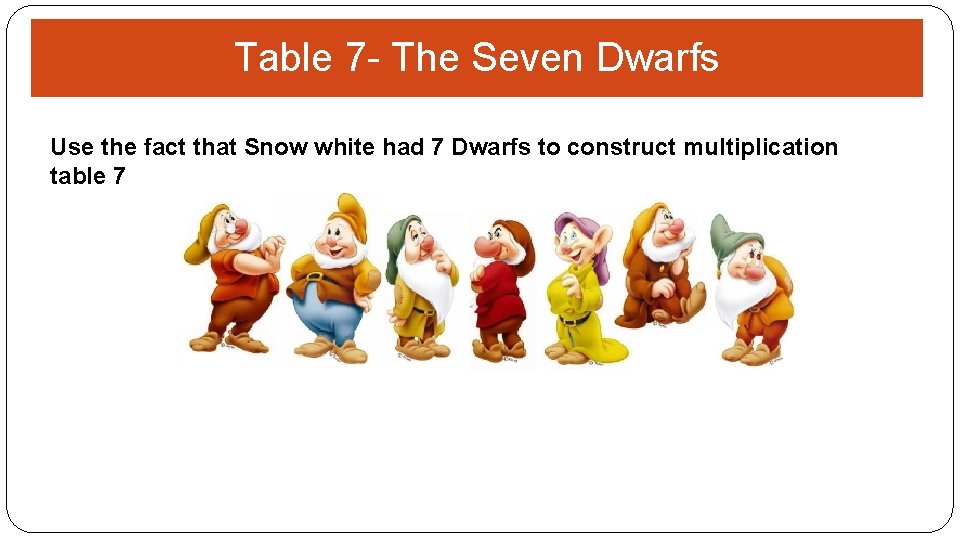
Table 7 - The Seven Dwarfs Use the fact that Snow white had 7 Dwarfs to construct multiplication table 7
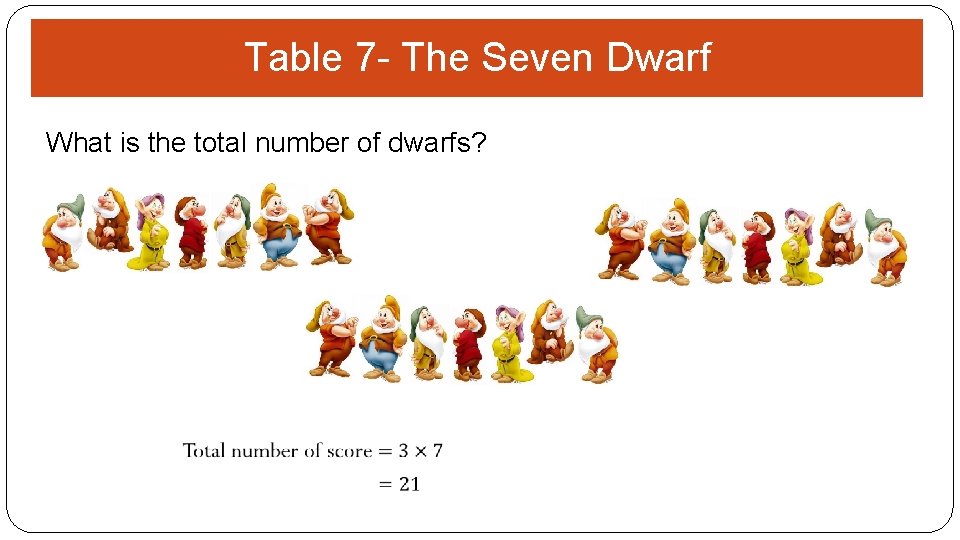
Table 7 - The Seven Dwarf What is the total number of dwarfs?
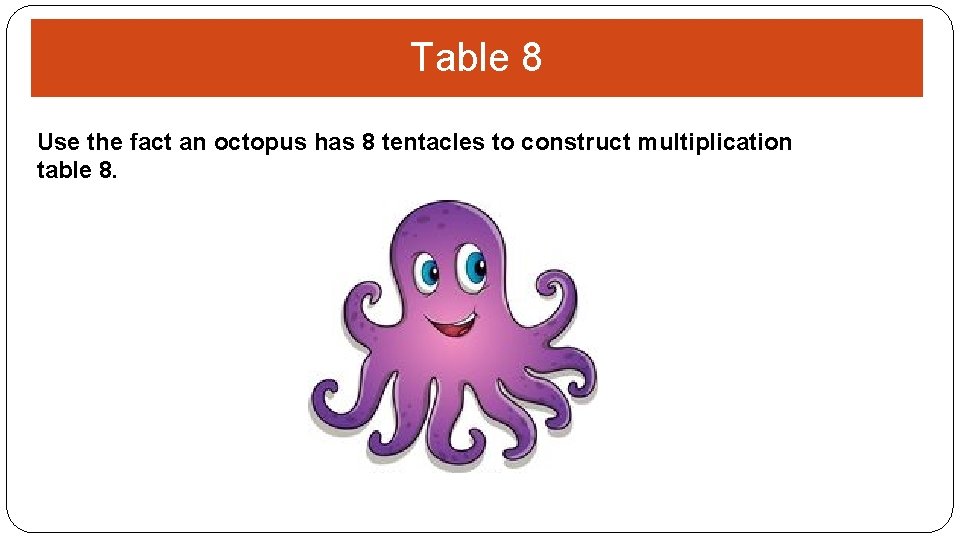
Table 8 Use the fact an octopus has 8 tentacles to construct multiplication table 8.
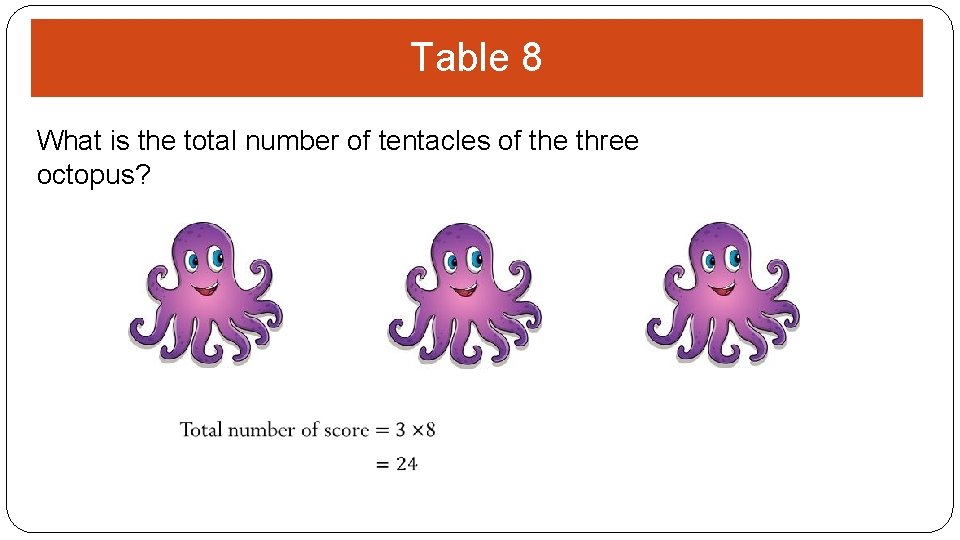
Table 8 What is the total number of tentacles of the three octopus?
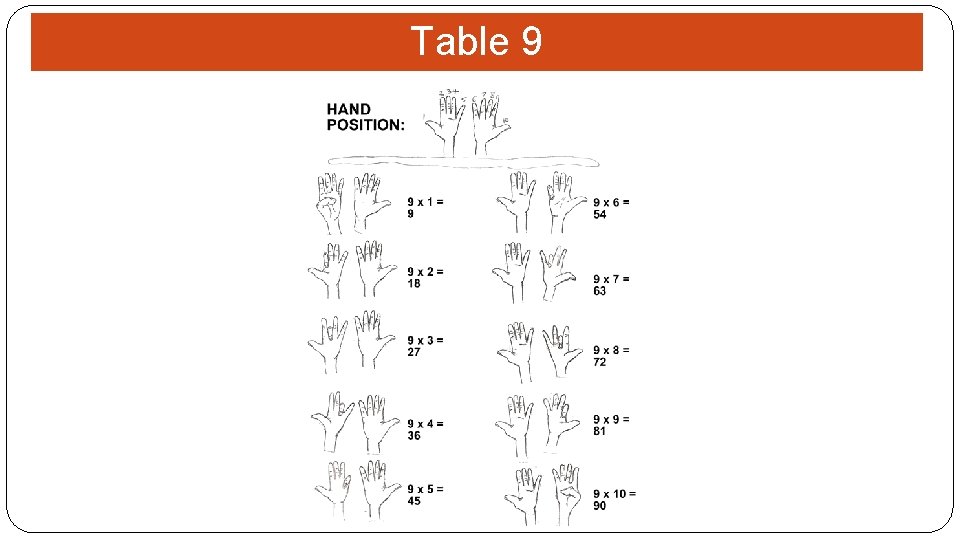
Table 9
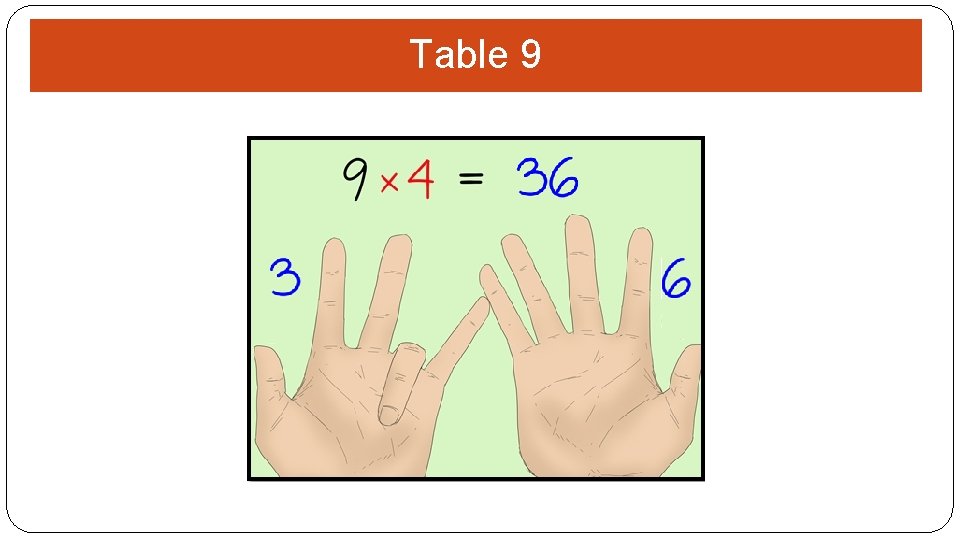
Table 9
Multiplication in symbolic form

Brainstorming
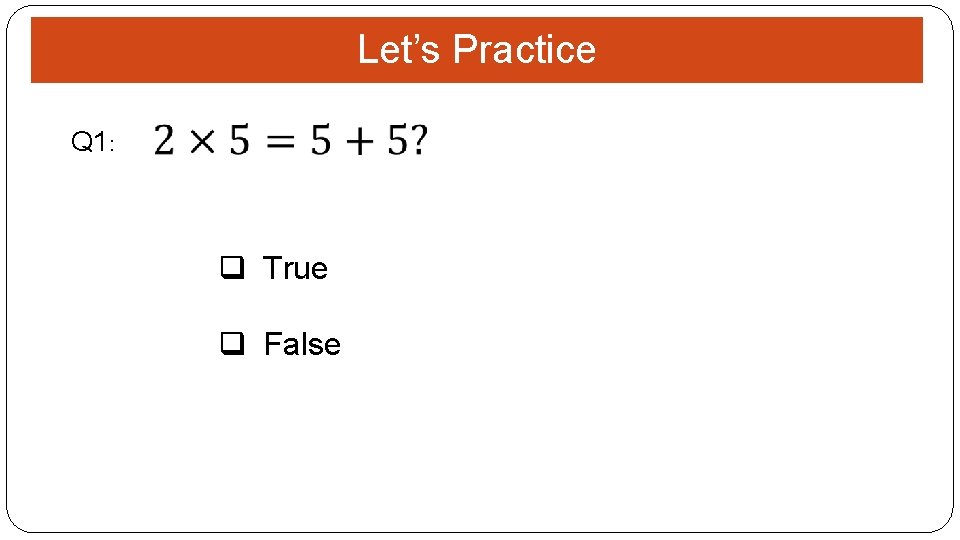
Let’s Practice Q 1: q True q False

Let’s Practice Q 2:
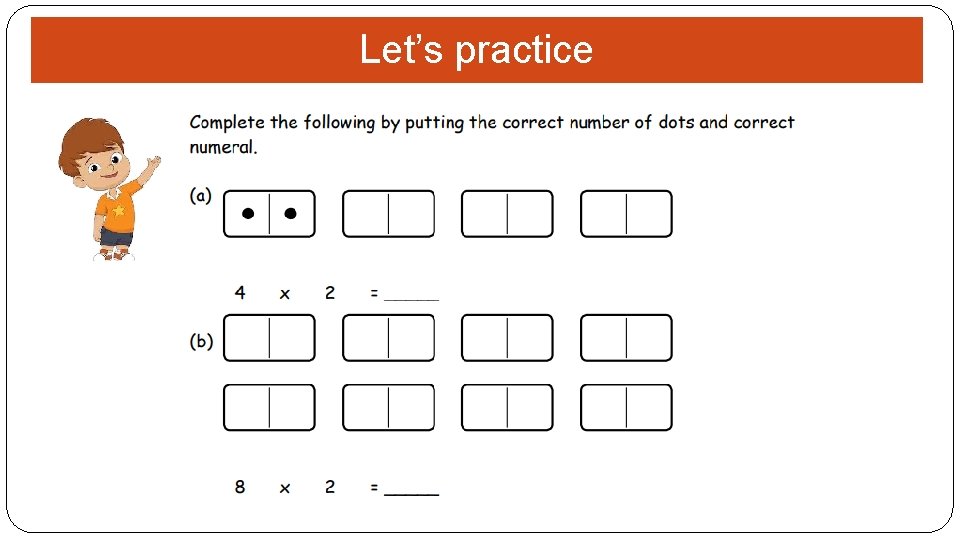
Let’s practice
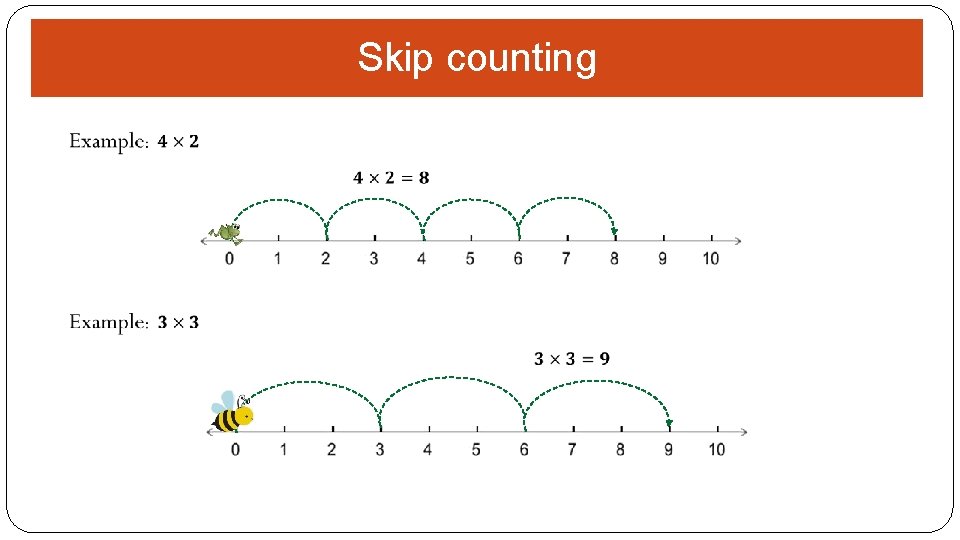
Skip counting
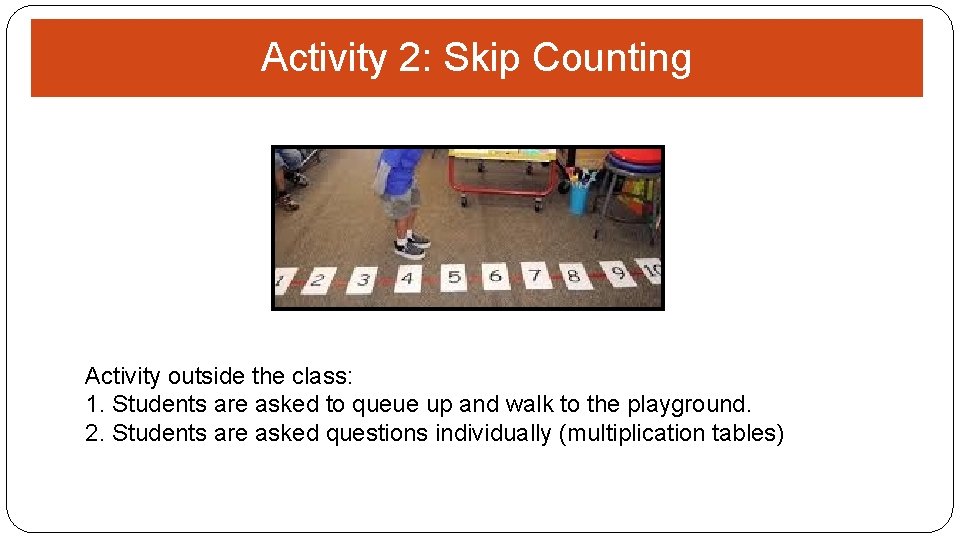
Activity 2: Skip Counting Activity outside the class: 1. Students are asked to queue up and walk to the playground. 2. Students are asked questions individually (multiplication tables)
Activity 3
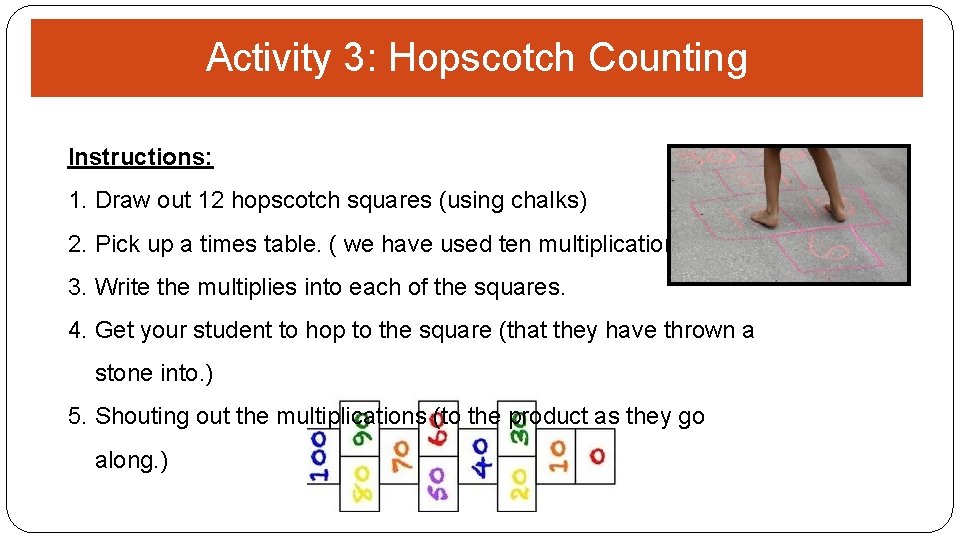
Activity 3: Hopscotch Counting Instructions: 1. Draw out 12 hopscotch squares (using chalks) 2. Pick up a times table. ( we have used ten multiplication tables. ) 3. Write the multiplies into each of the squares. 4. Get your student to hop to the square (that they have thrown a stone into. ) 5. Shouting out the multiplications (to the product as they go along. )
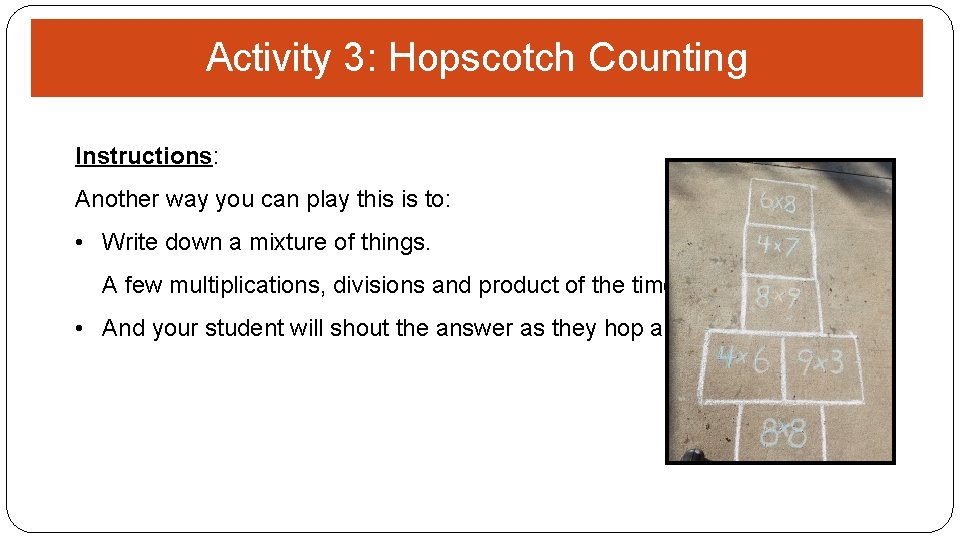
Activity 3: Hopscotch Counting Instructions: Another way you can play this is to: • Write down a mixture of things. A few multiplications, divisions and product of the times tables. • And your student will shout the answer as they hop along.

Let’s practice
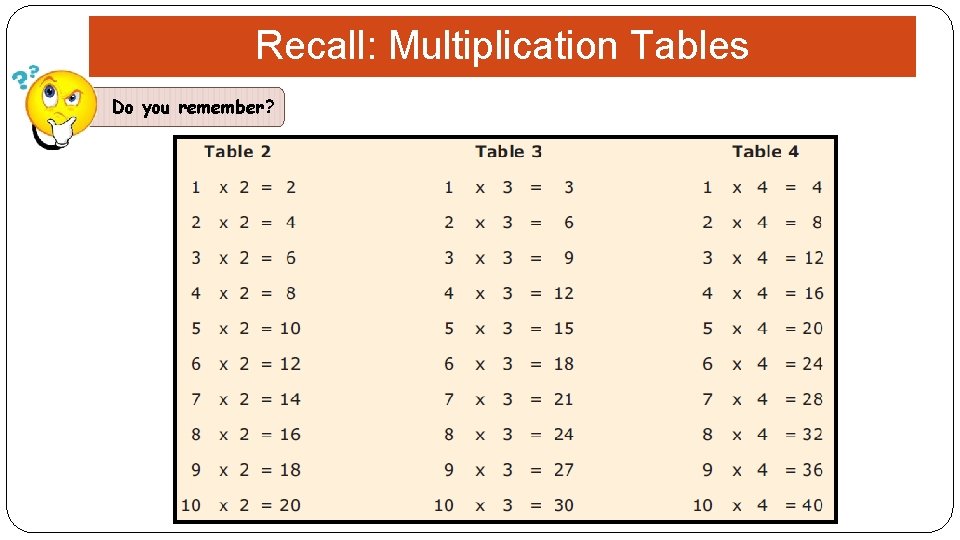
Recall: Multiplication Tables Do you remember?
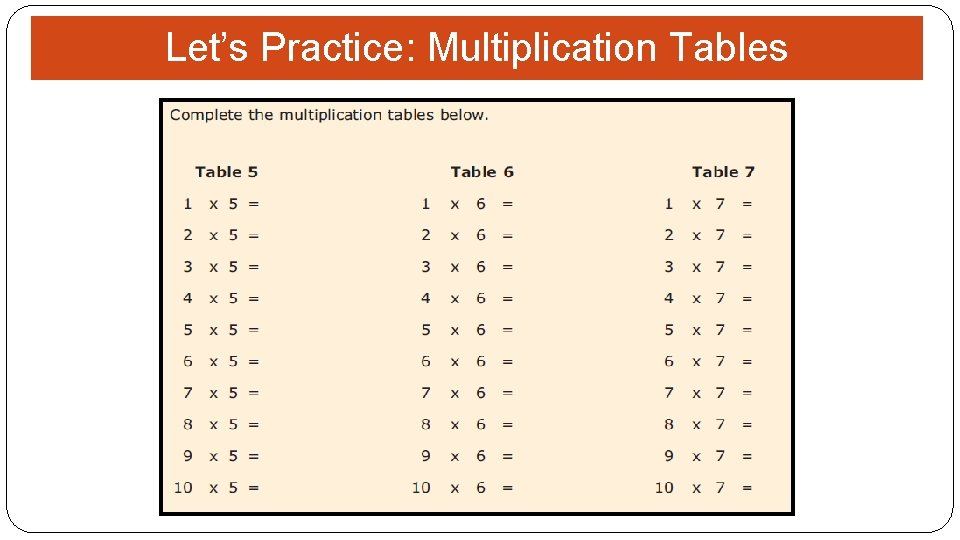
Let’s Practice: Multiplication Tables
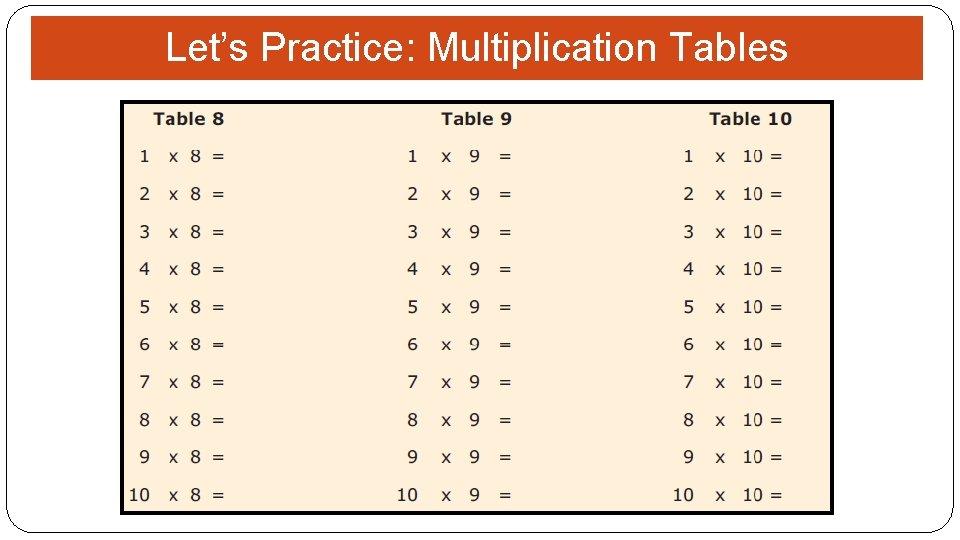
Let’s Practice: Multiplication Tables
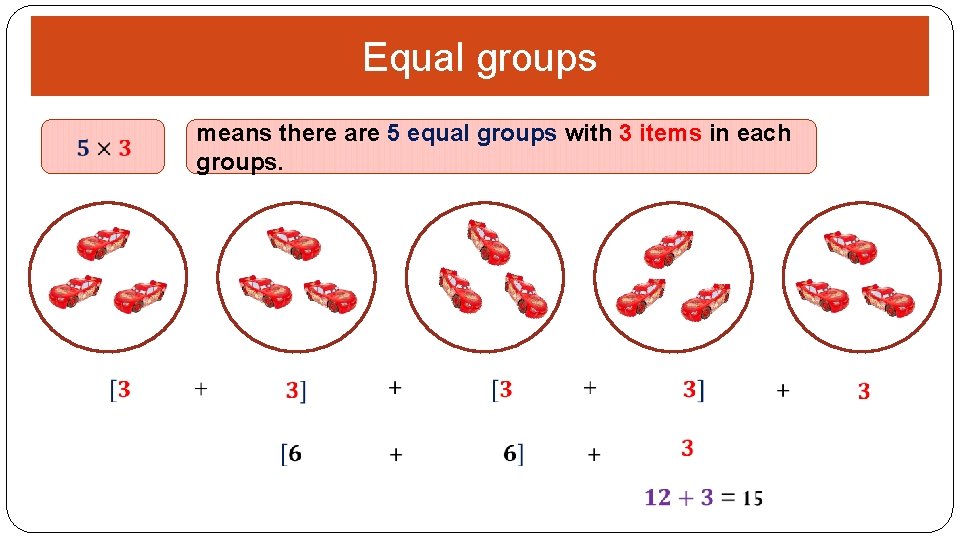
Equal groups means there are 5 equal groups with 3 items in each groups.
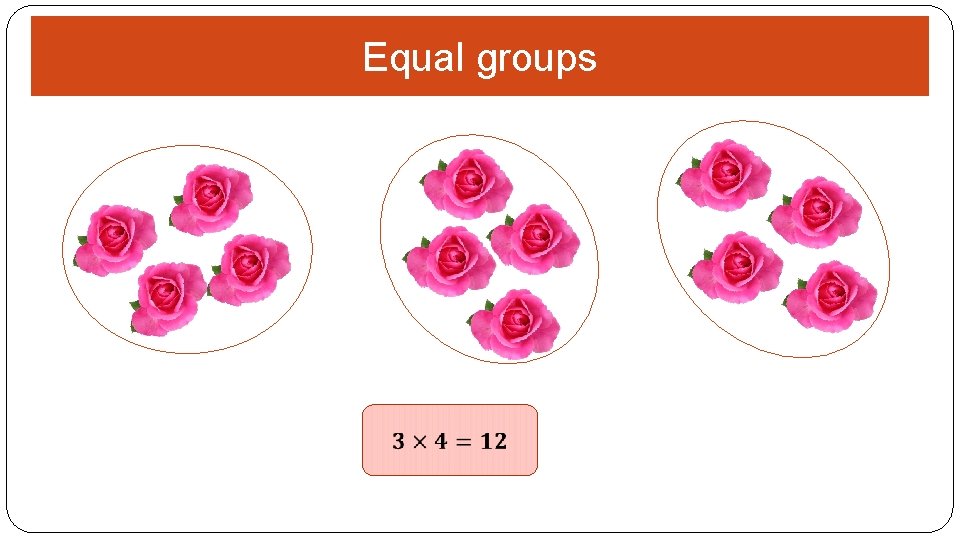
Equal groups
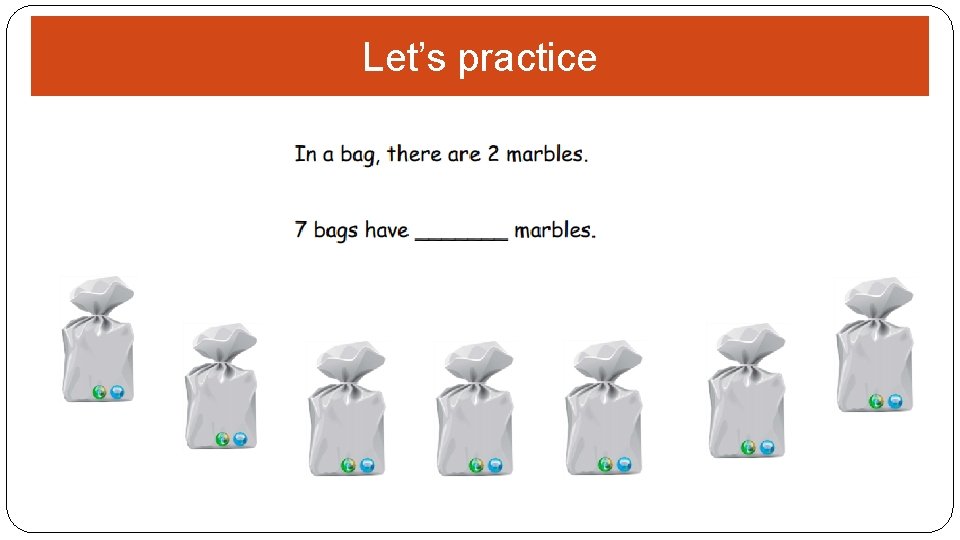
Let’s practice
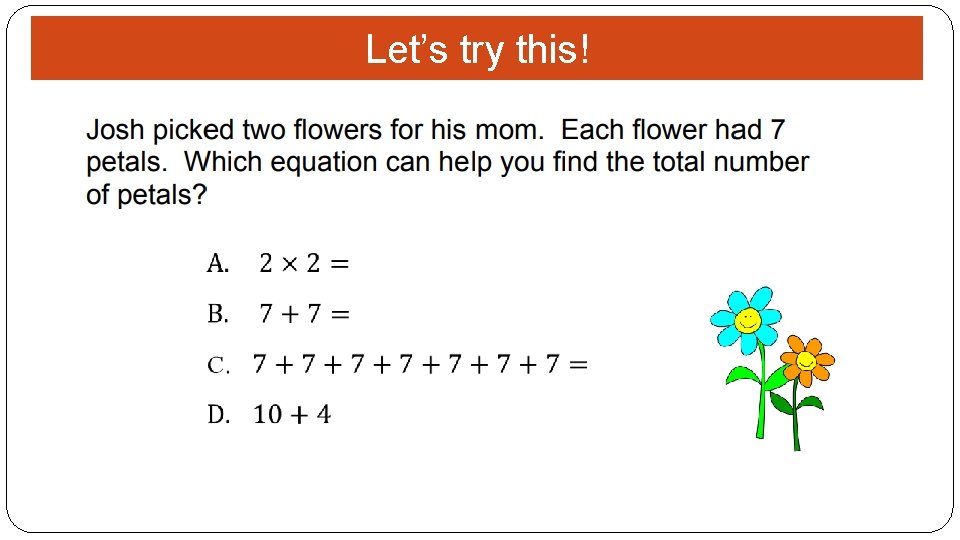
Let’s try this!
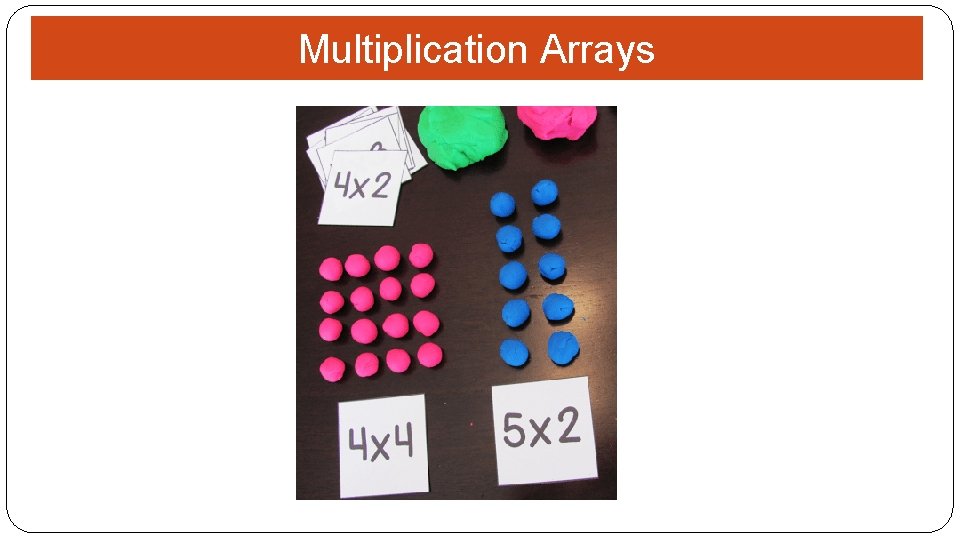
Multiplication Arrays
Multiplication Arrays
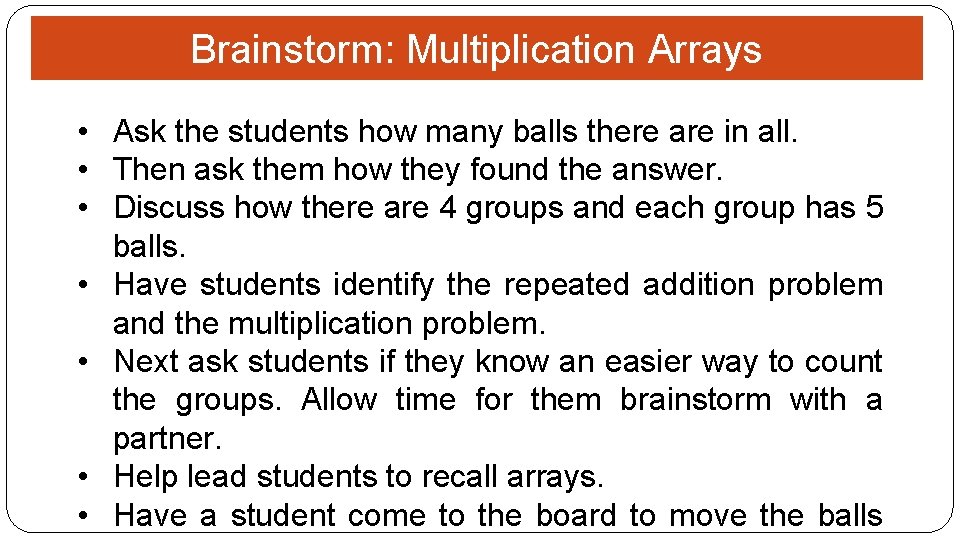
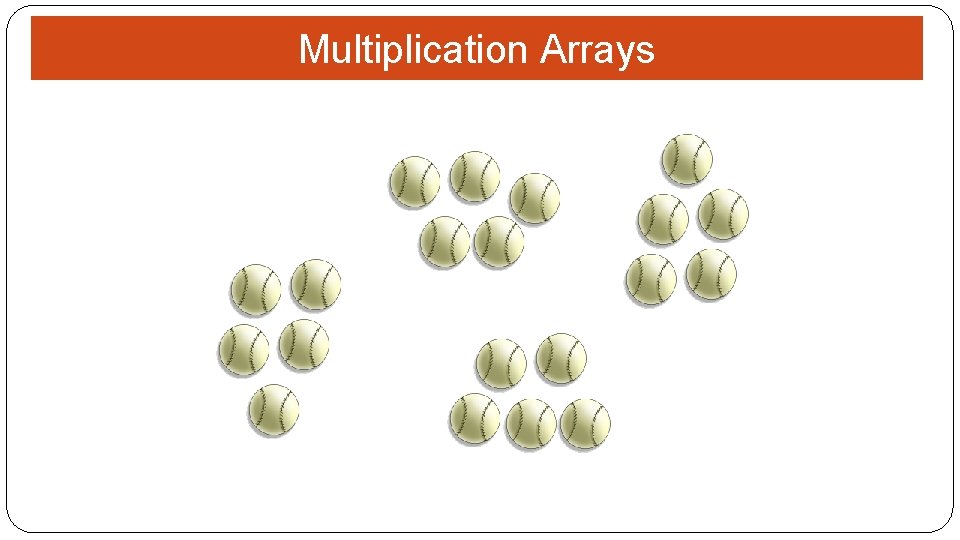
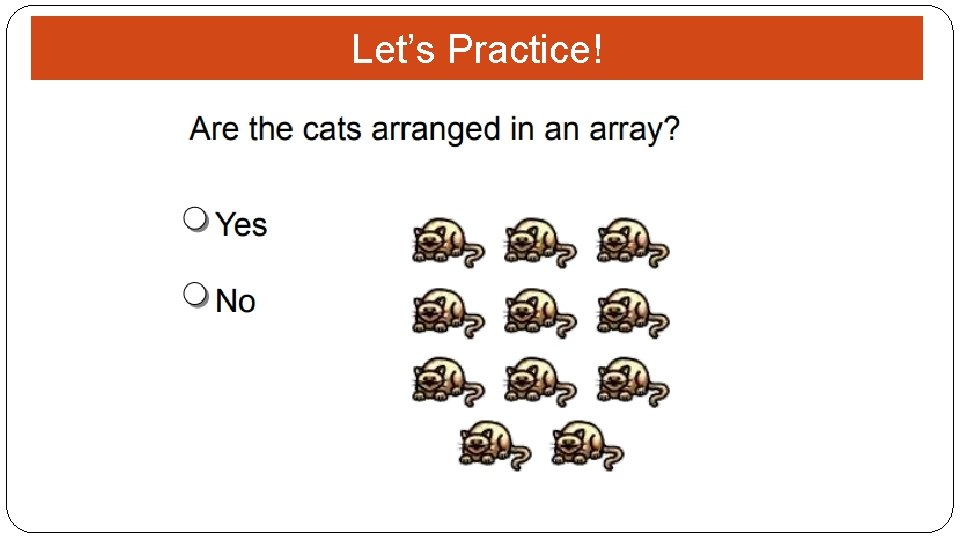
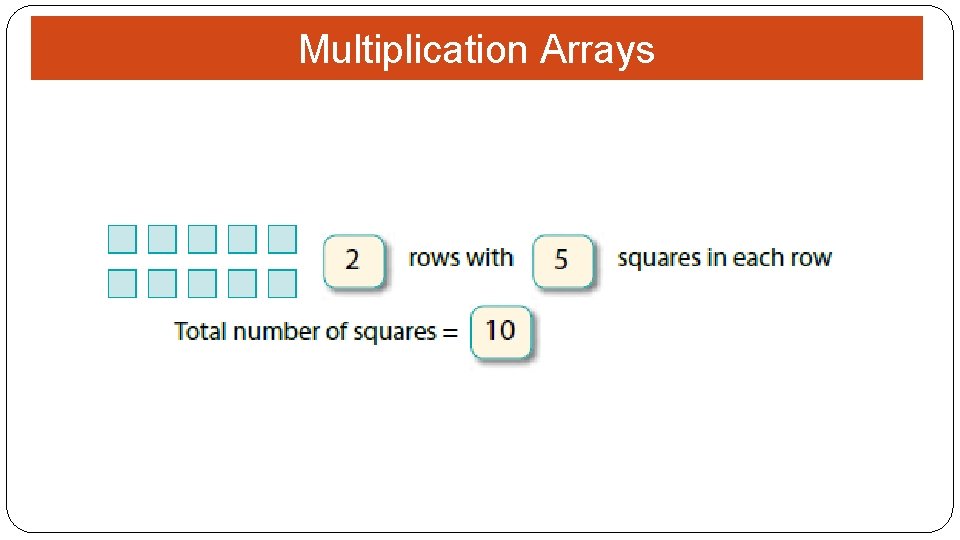
Brainstorm: Multiplication Arrays • Ask the students how many balls there are in all. • Then ask them how they found the answer. • Discuss how there are 4 groups and each group has 5 balls. • Have students identify the repeated addition problem and the multiplication problem. • Next ask students if they know an easier way to count the groups. Allow time for them brainstorm with a partner. • Help lead students to recall arrays. • Have a student come to the board to move the balls
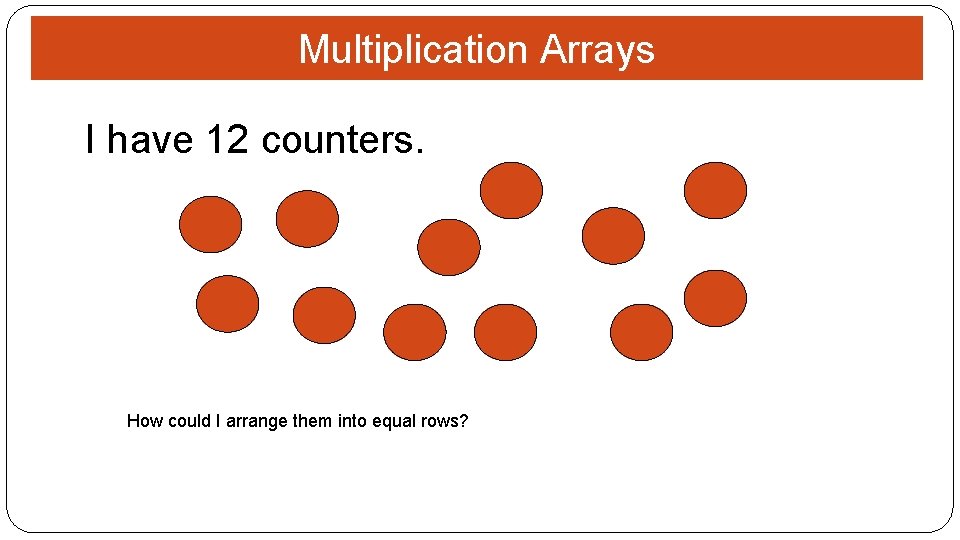
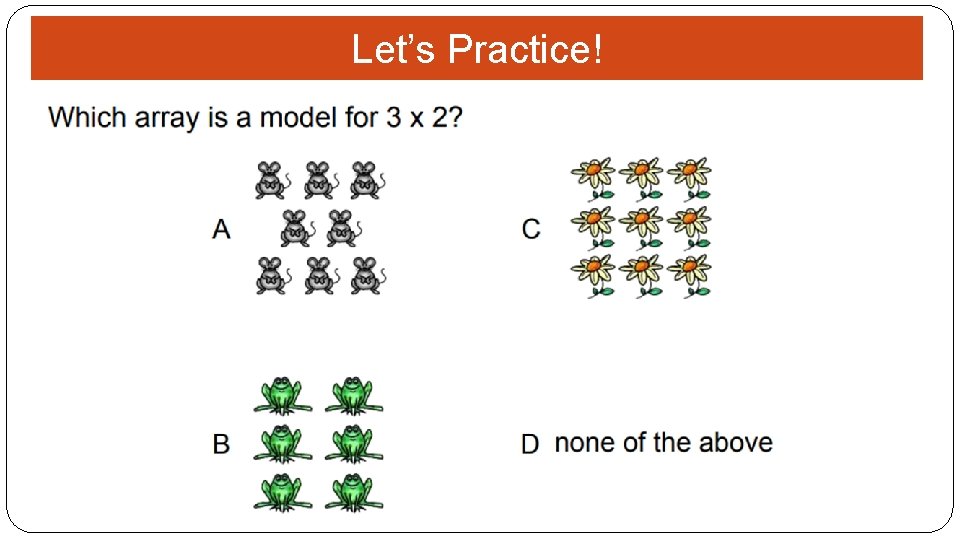
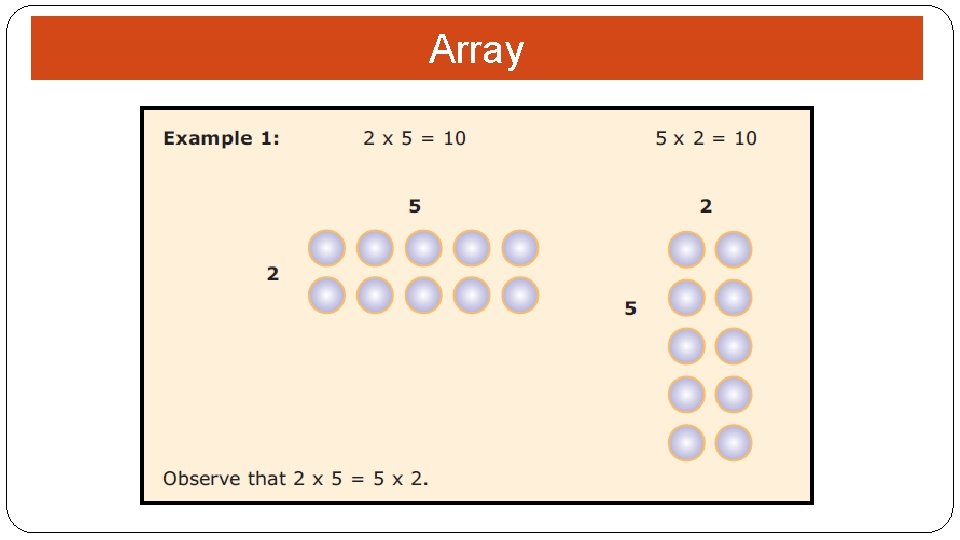
Multiplication Arrays I have 12 counters. How could I arrange them into equal rows?
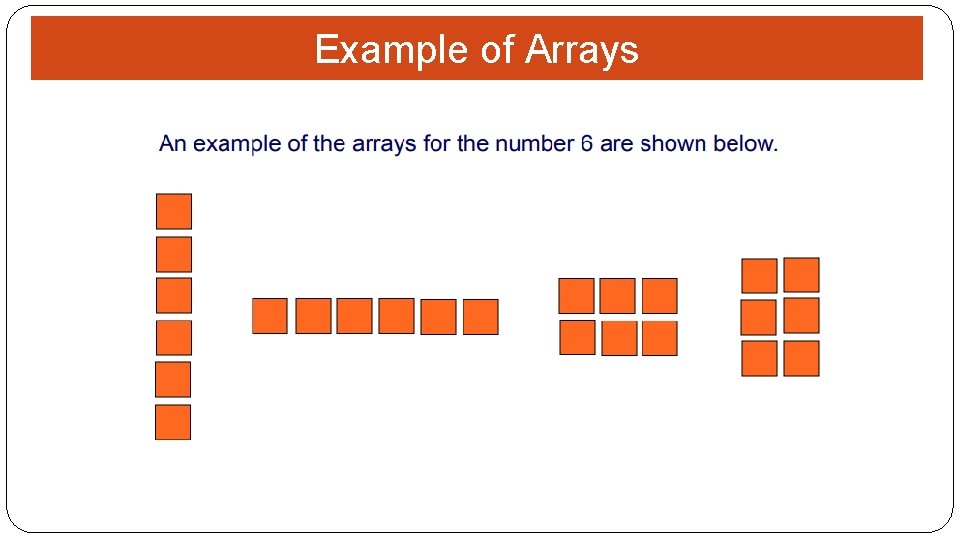
Example of Arrays
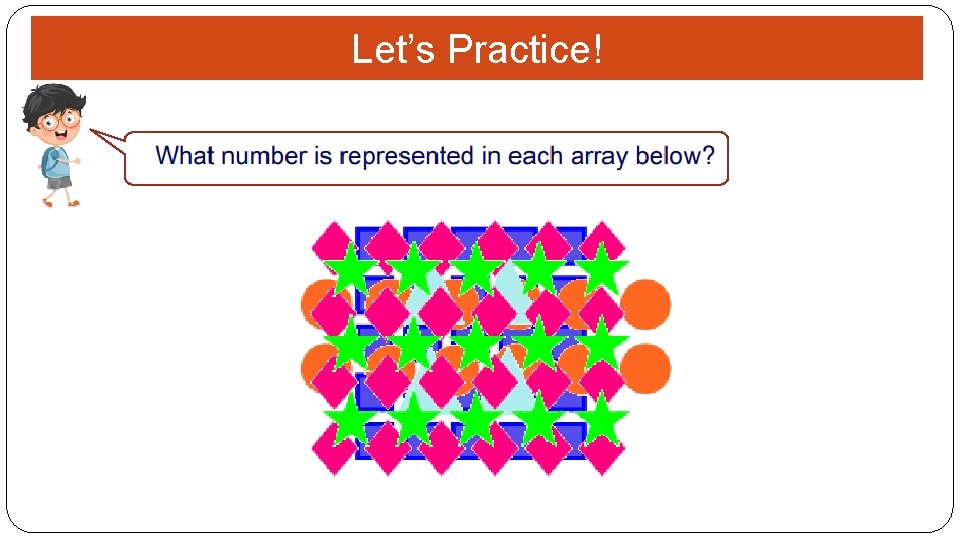
Let’s Practice!
Let’s Practice!
Let’s Practice!
Multiplication Arrays
Array
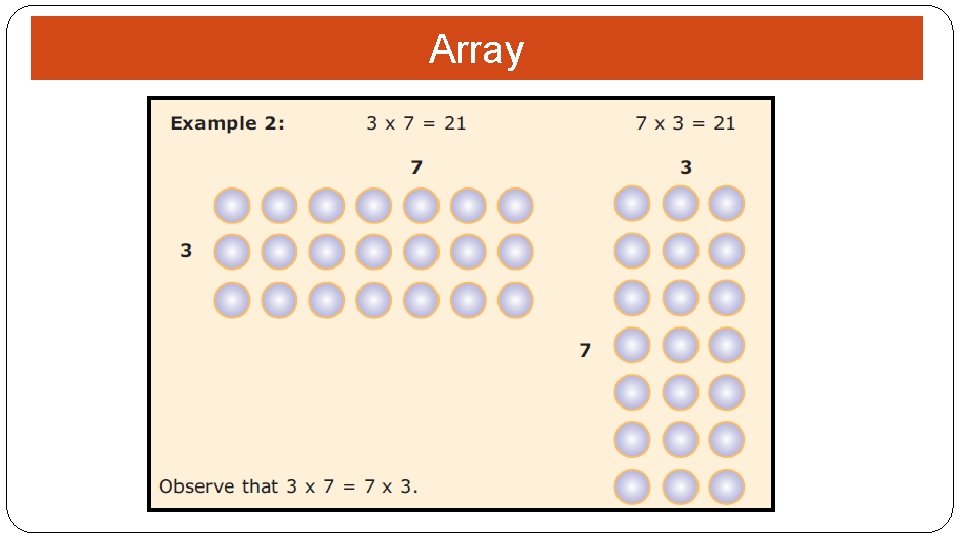
Array
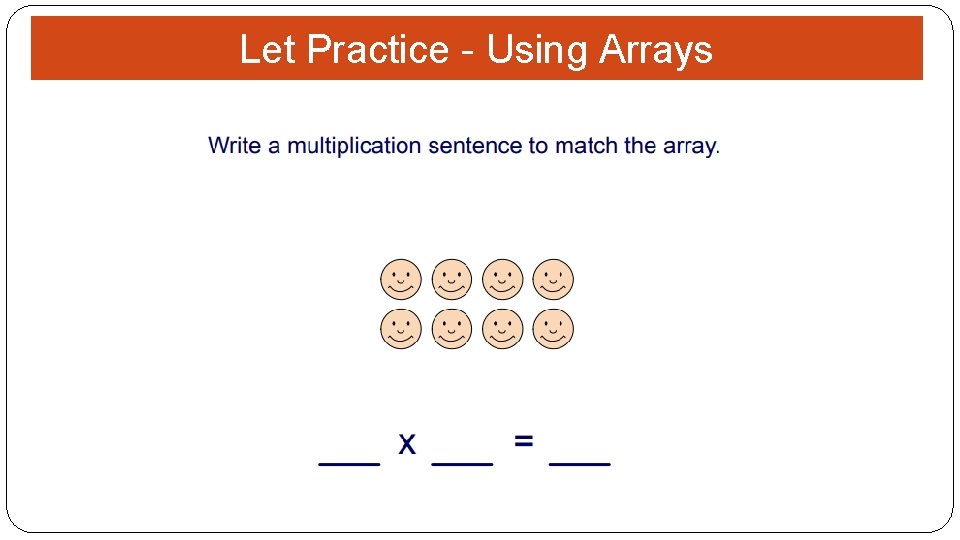
Let Practice - Using Arrays
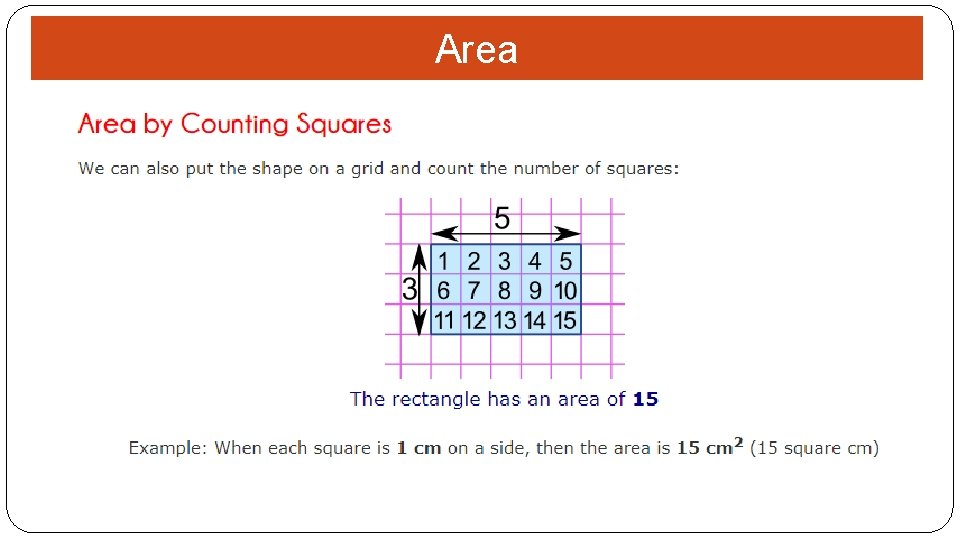
Area
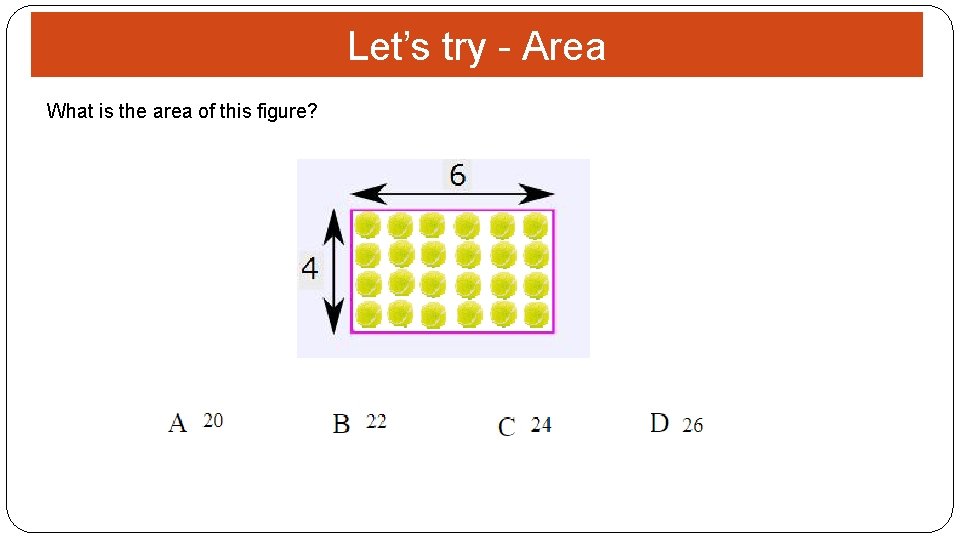
Let’s try - Area What is the area of this figure?
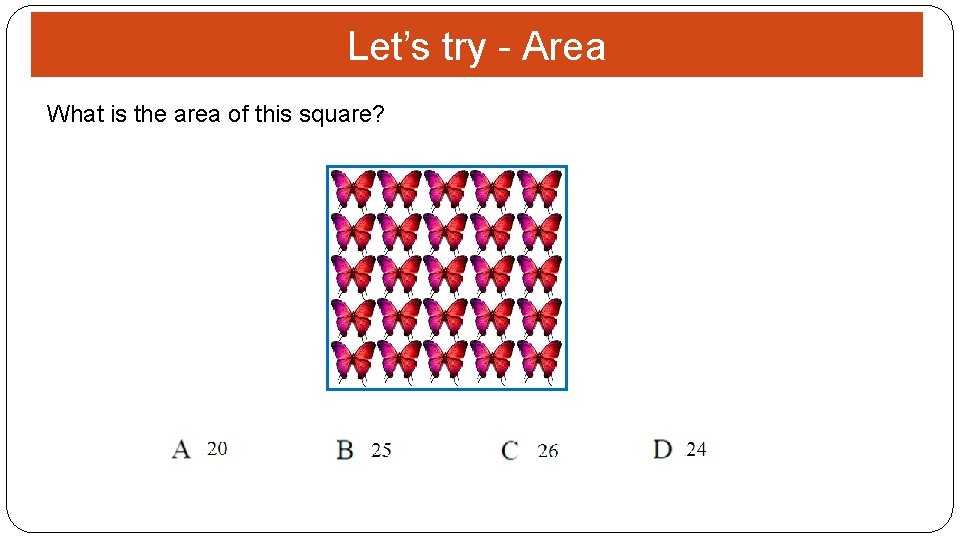
Let’s try - Area What is the area of this square?
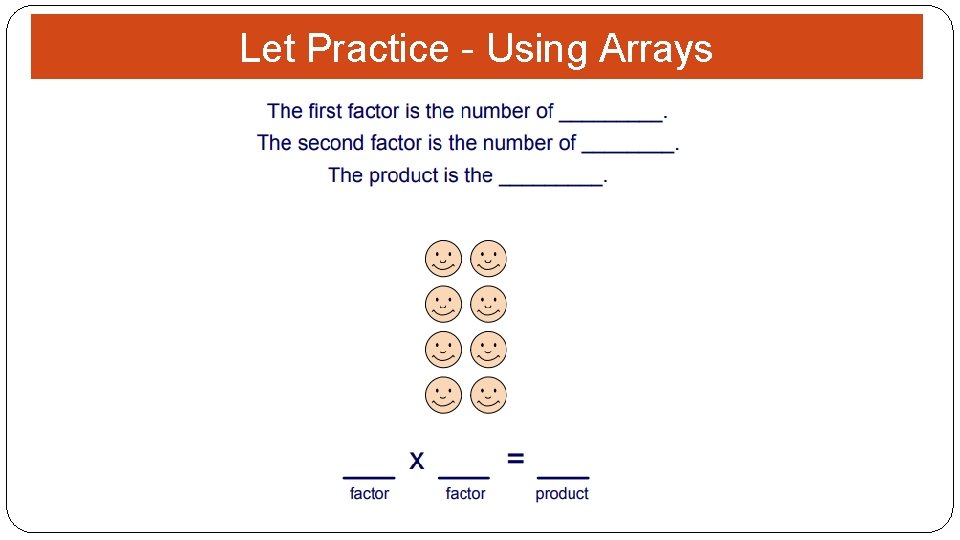
Let Practice - Using Arrays
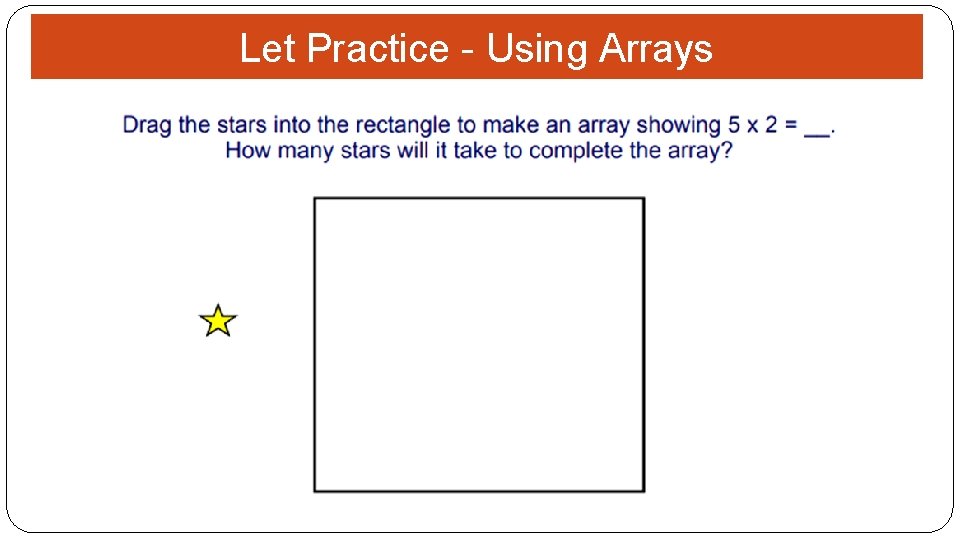
Let Practice - Using Arrays
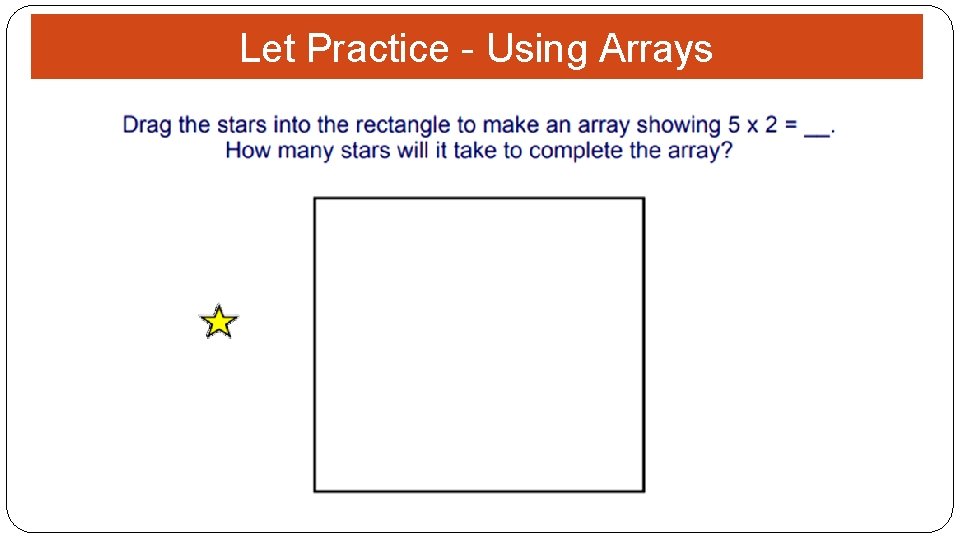
Let Practice - Using Arrays
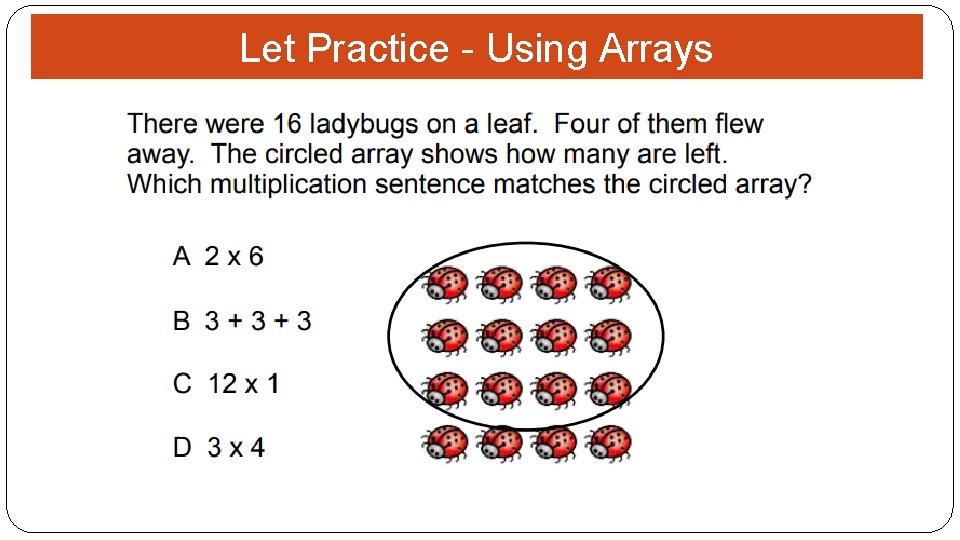
Let Practice - Using Arrays
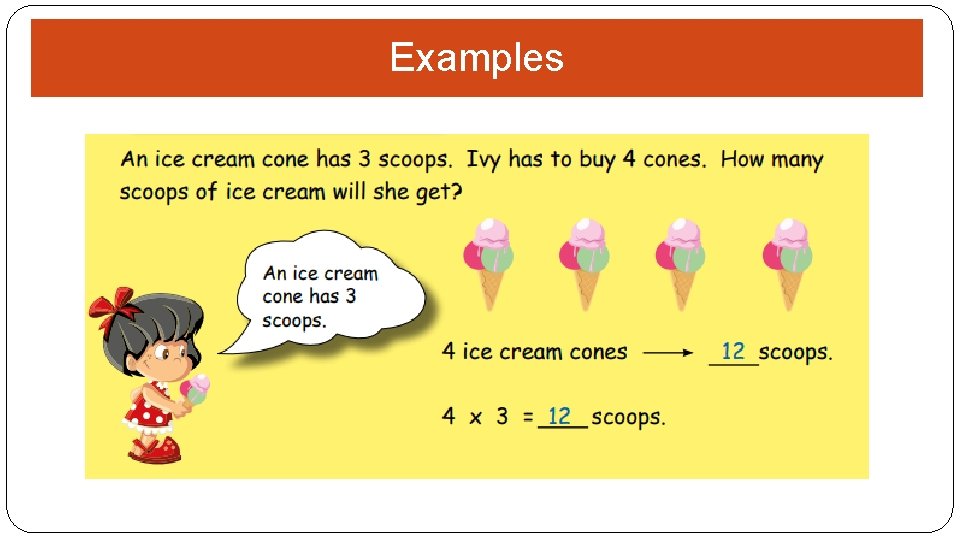
Examples
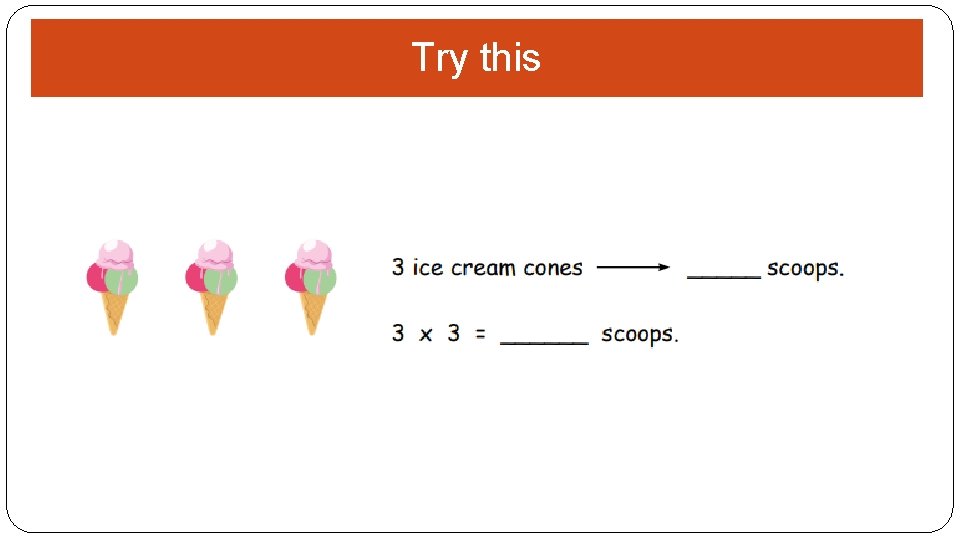
Try this
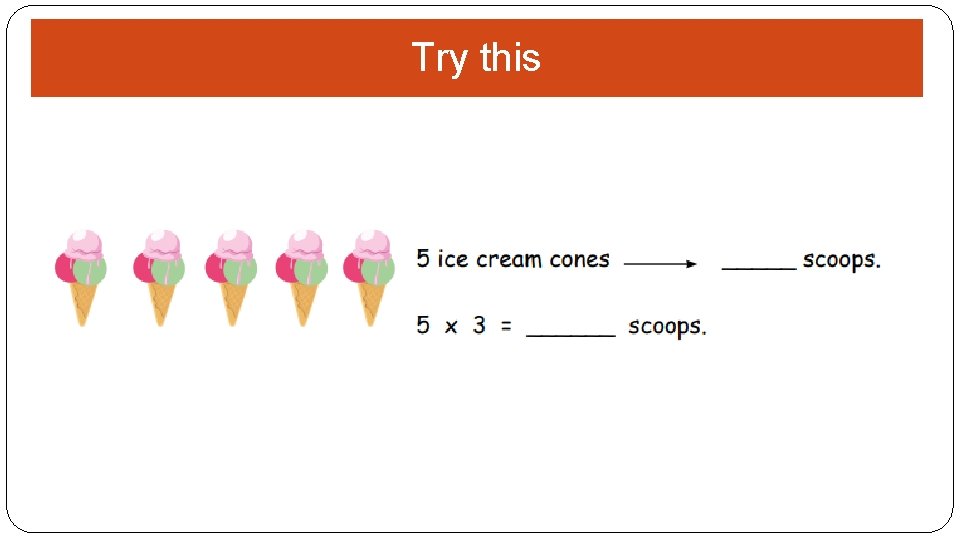
Try this
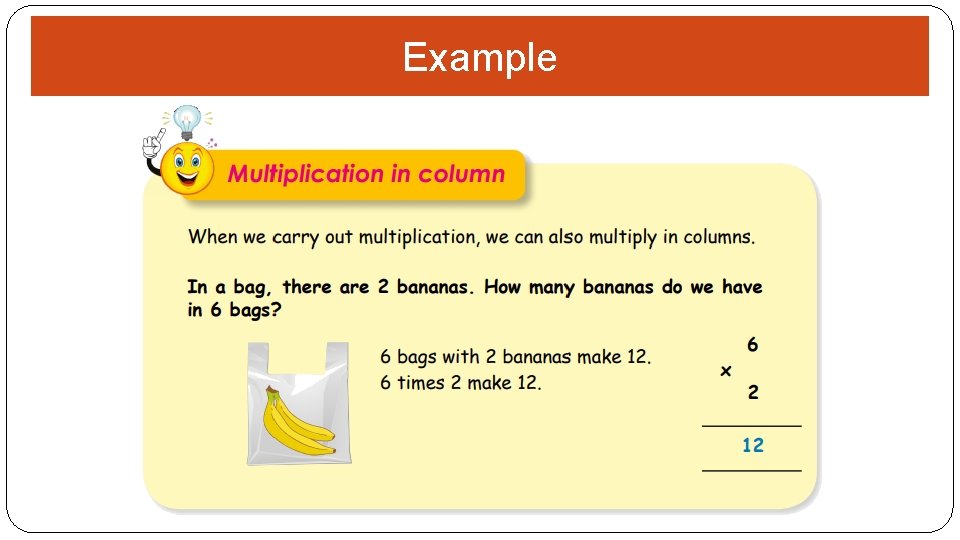
Example
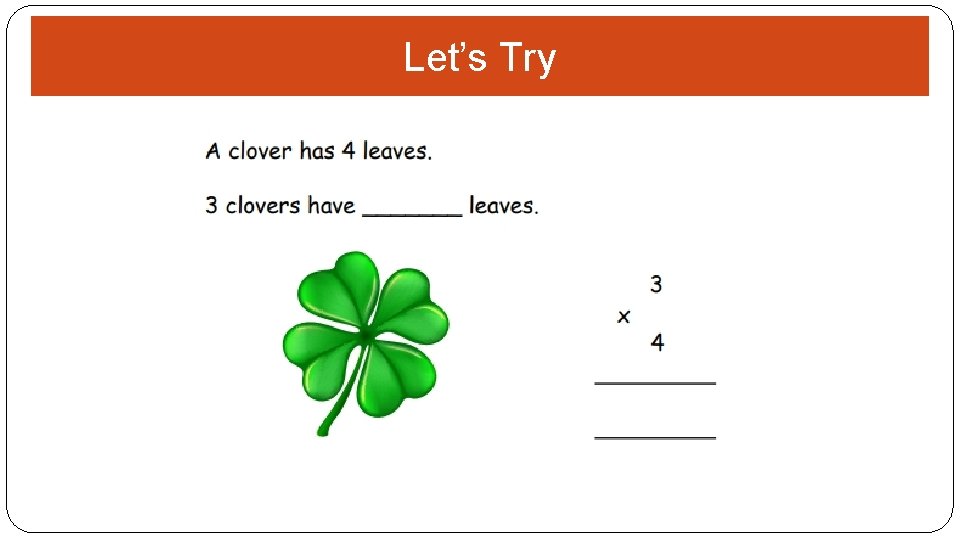
Let’s Try
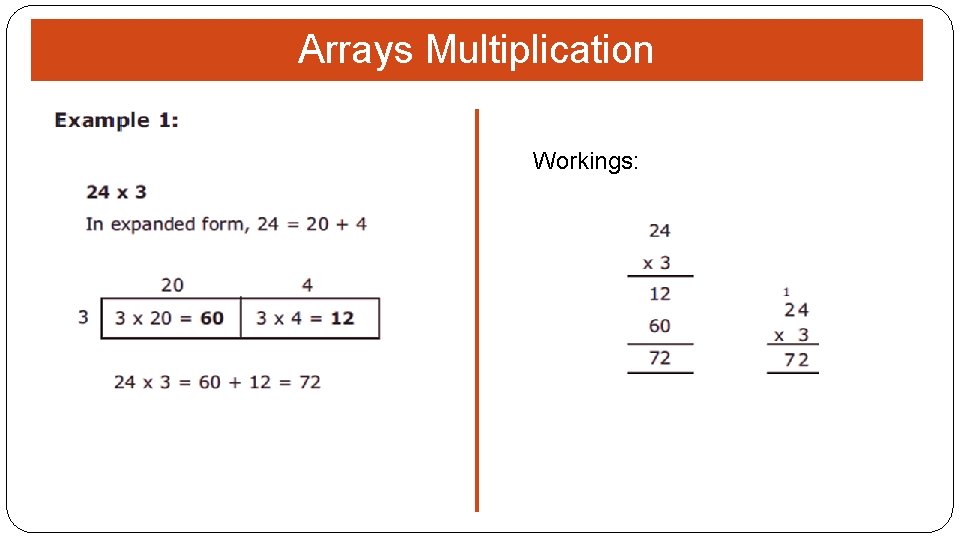
Arrays Multiplication Workings:
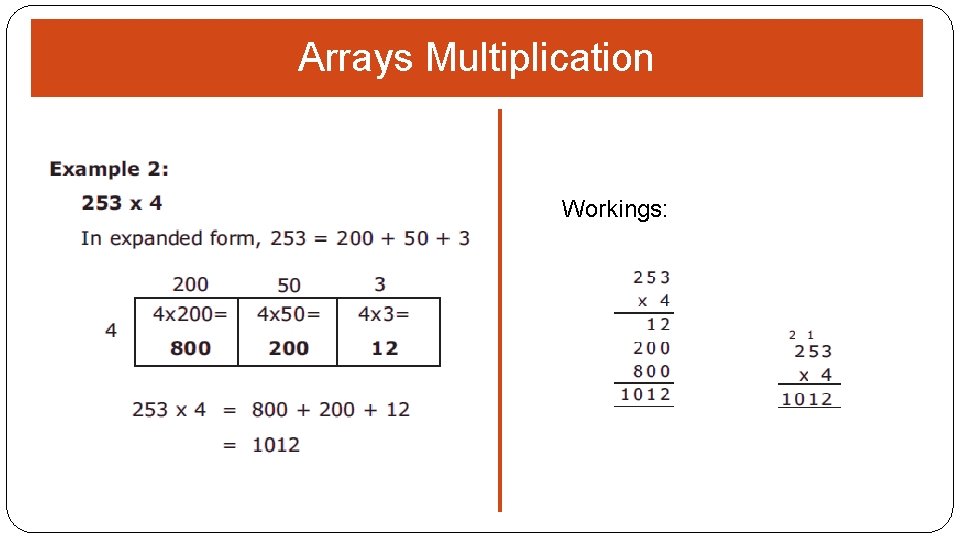
Arrays Multiplication Workings:
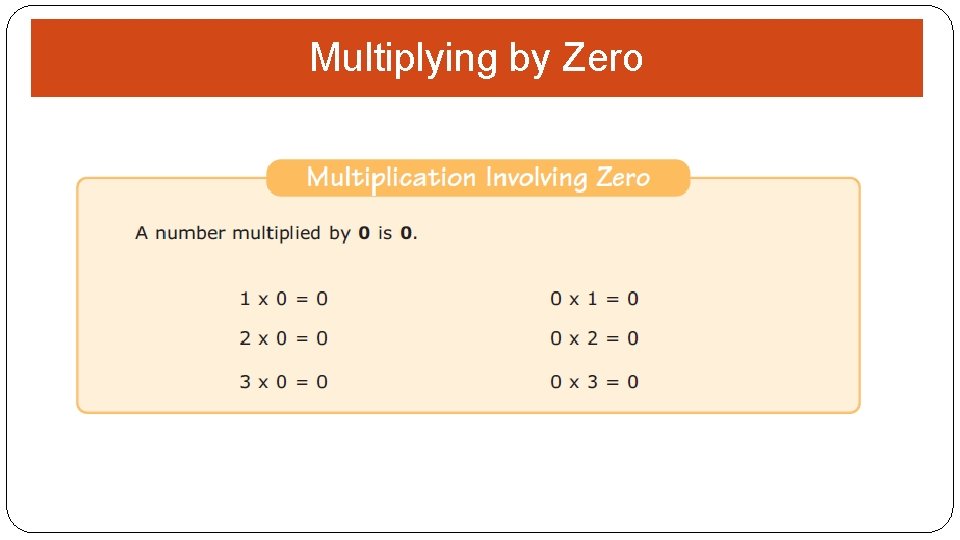
Multiplying by Zero
Lattice Multiplication
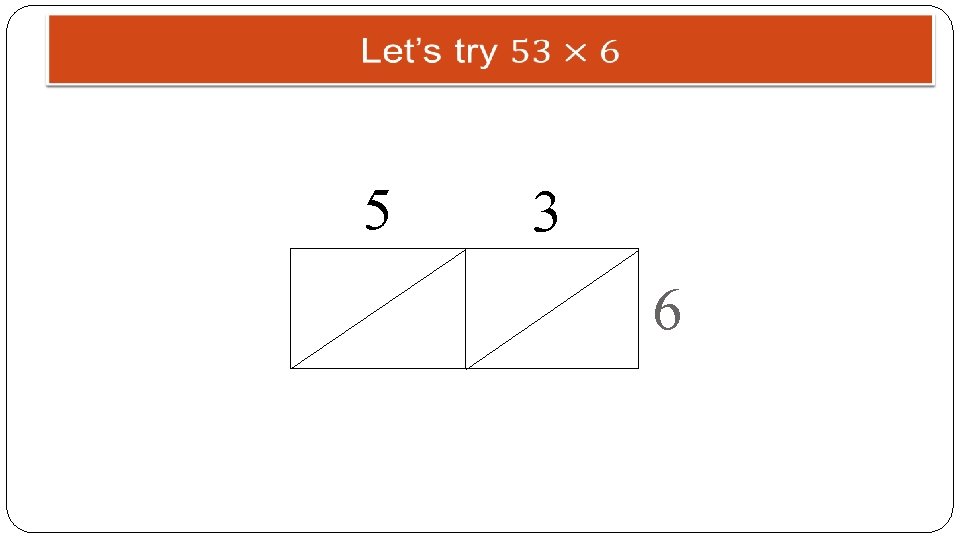
5 3 6
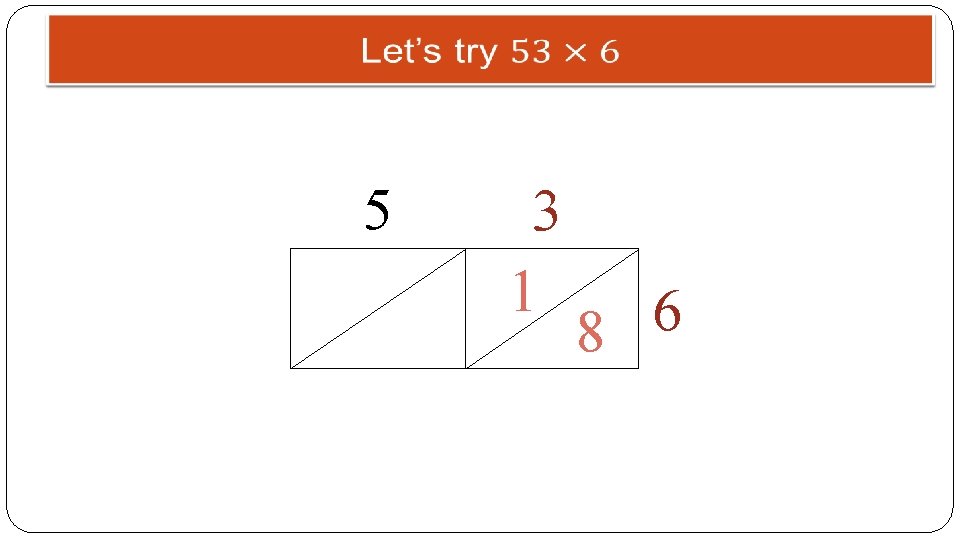
5 3 1 6 8
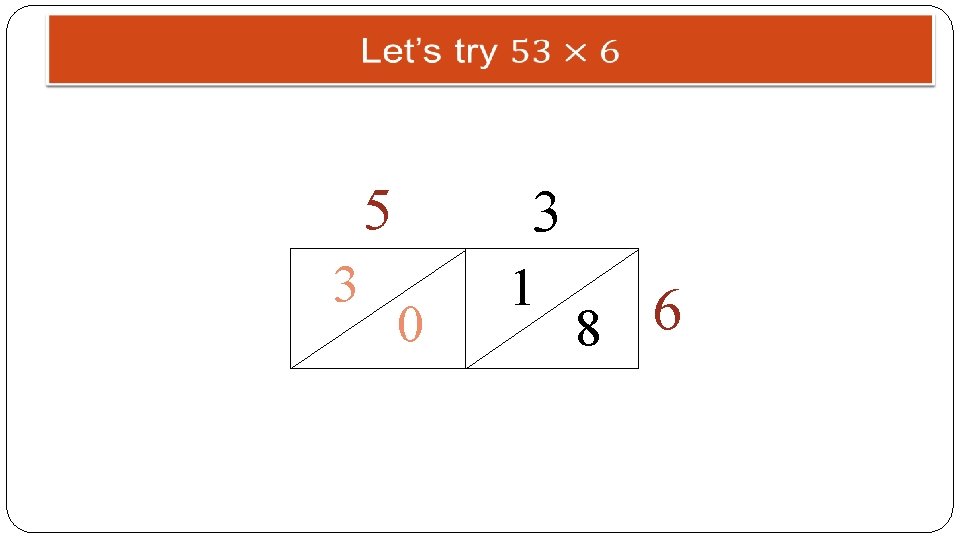
5 3 3 0 1 6 8
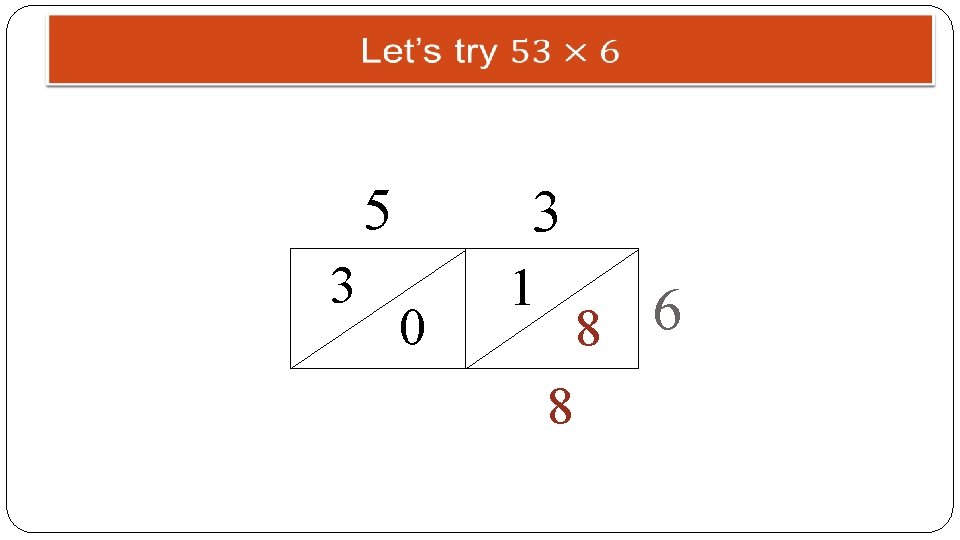
5 3 3 0 1 6 8 8
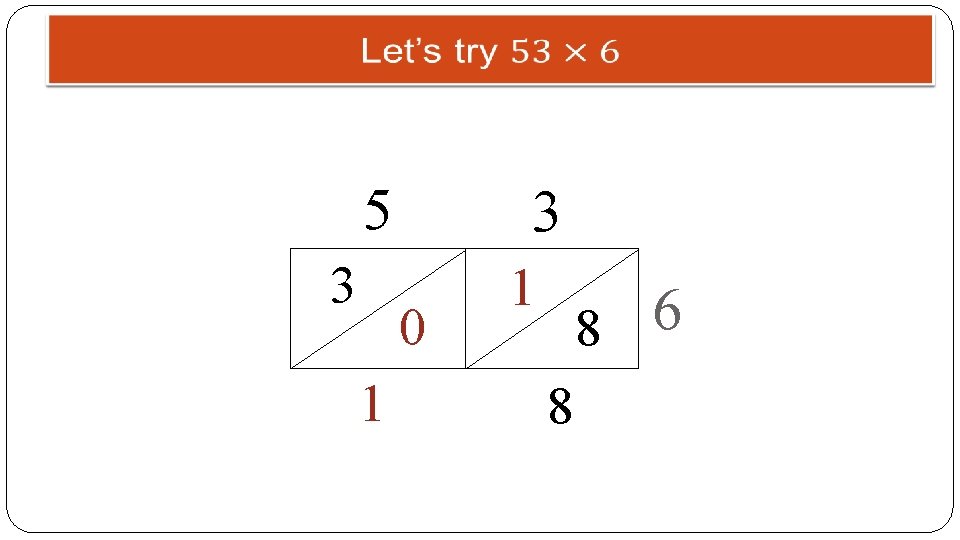
5 3 3 0 1 1 6 8 8
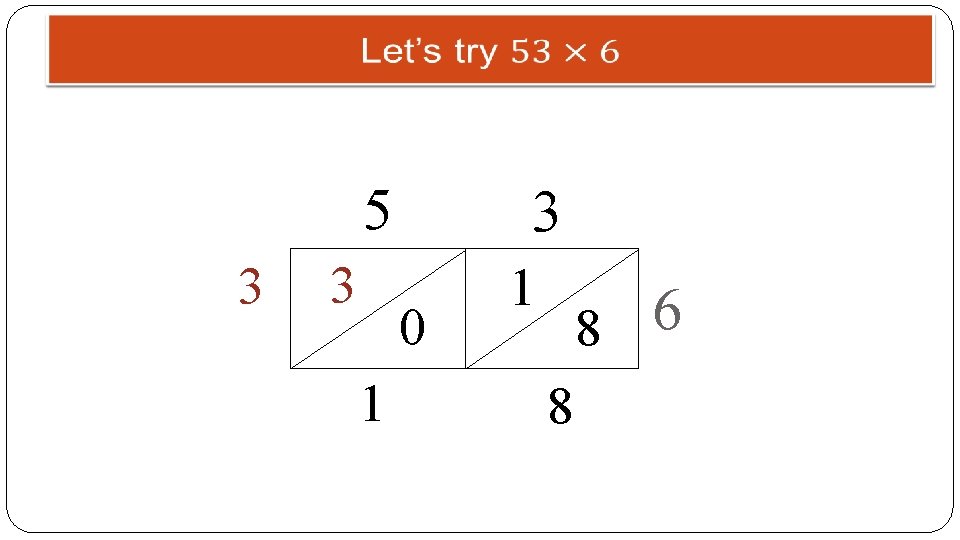
5 3 3 3 0 1 1 6 8 8
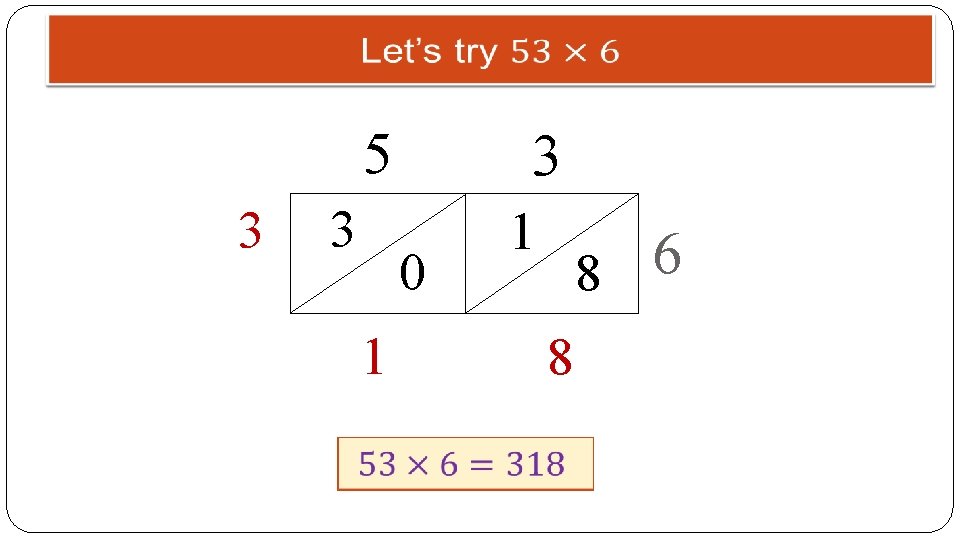
5 3 3 3 0 1 1 6 8 8
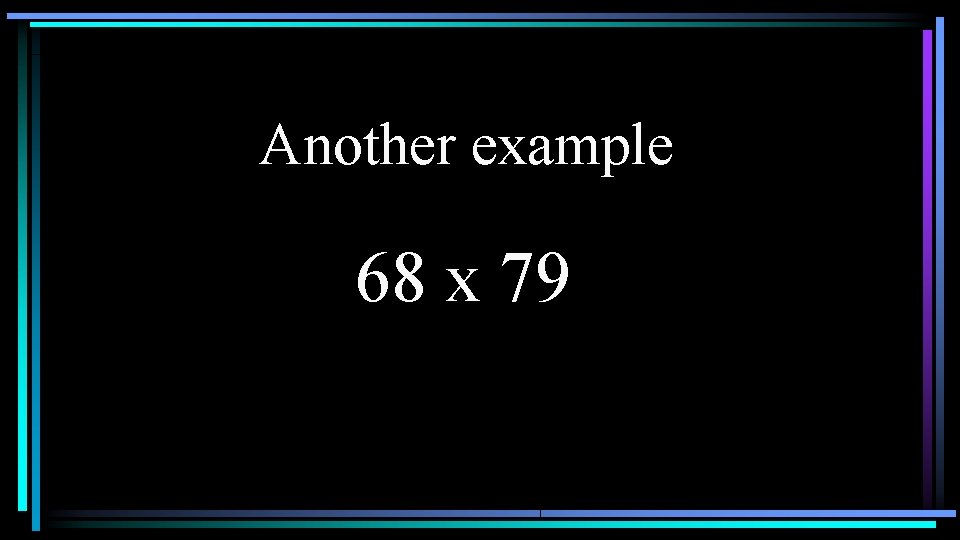
Another example 68 x 79
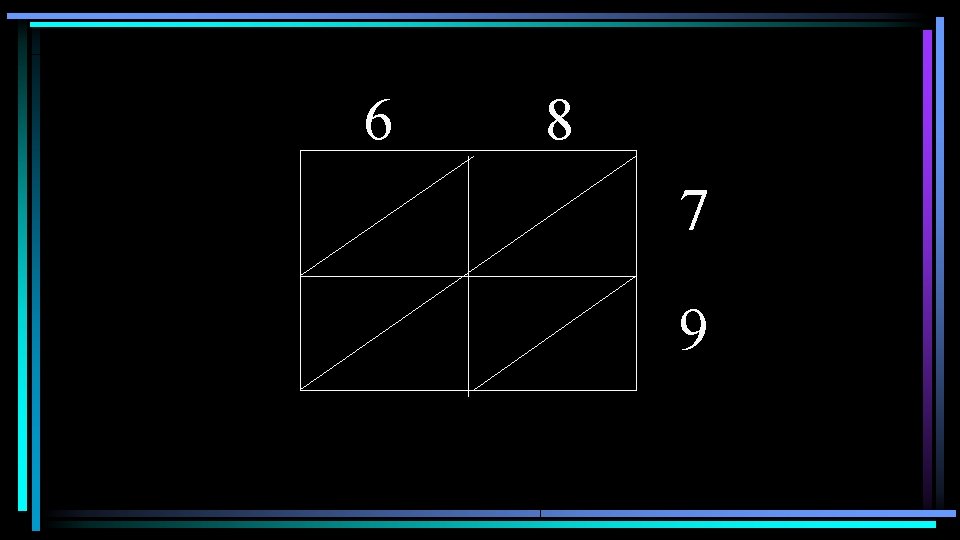
6 8 7 9
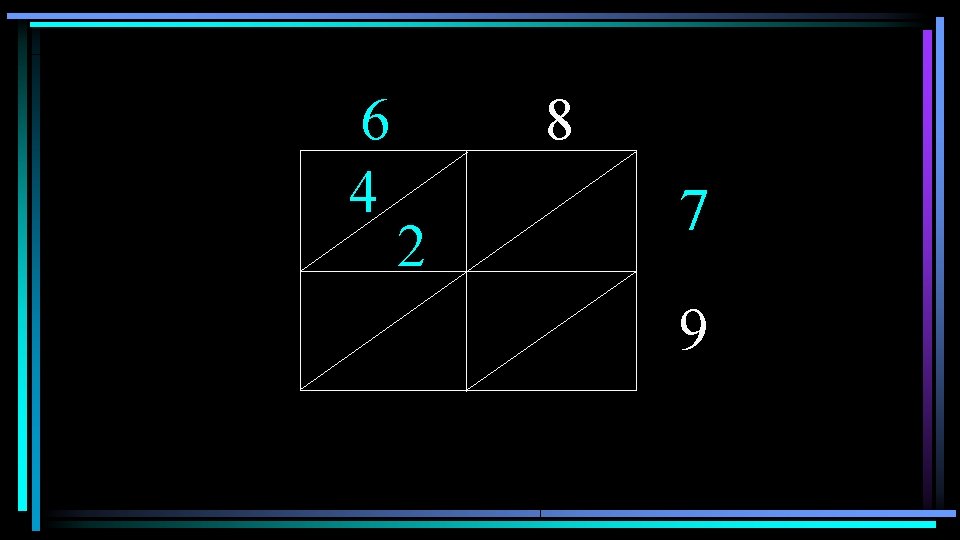
6 4 8 2 7 9
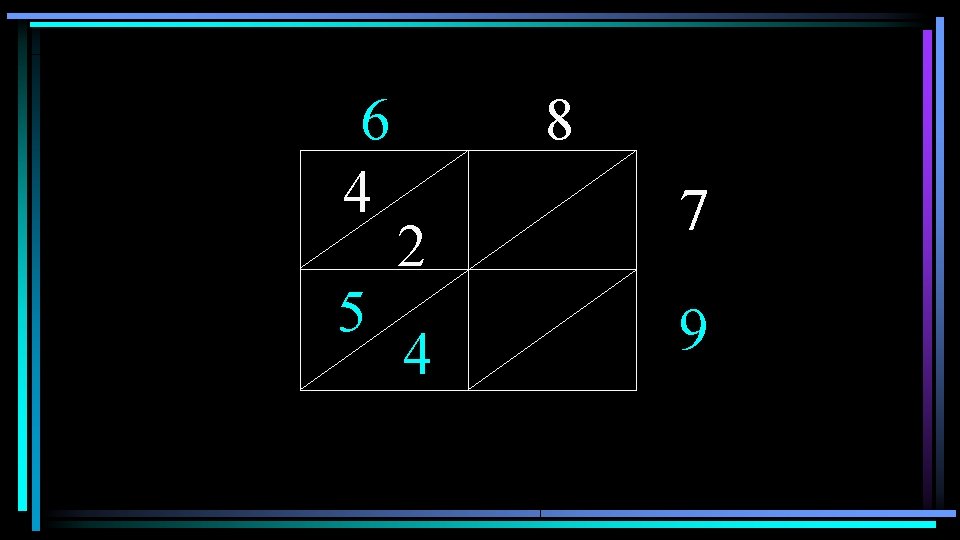
6 4 5 8 2 4 7 9

6 4 5 8 2 4 5 6 7 9
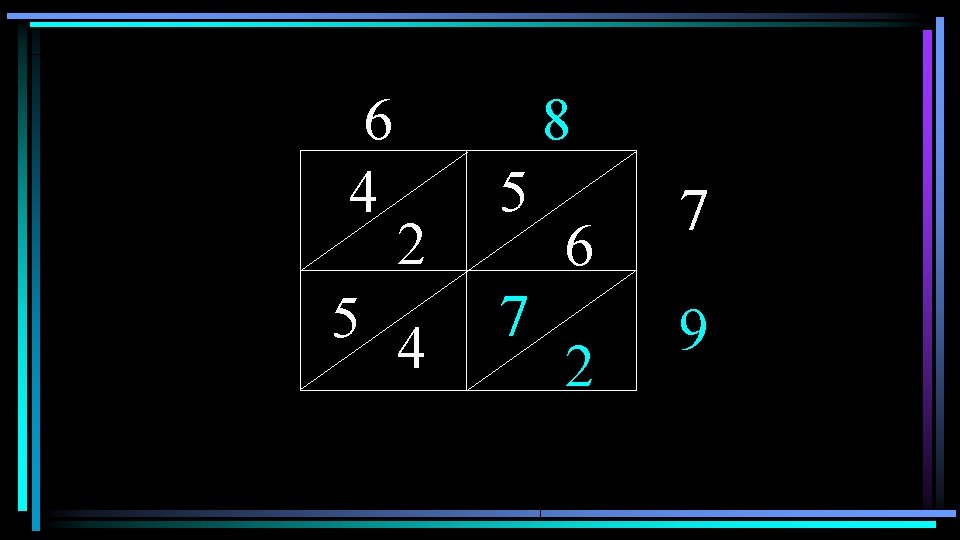
6 4 8 2 5 4 5 7 6 2 7 9
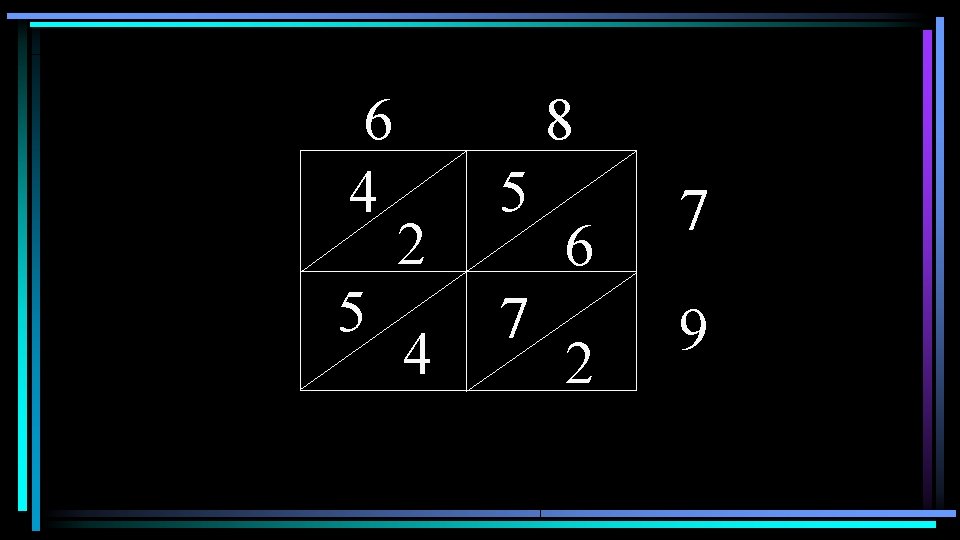
6 4 5 8 2 4 5 7 6 2 7 9
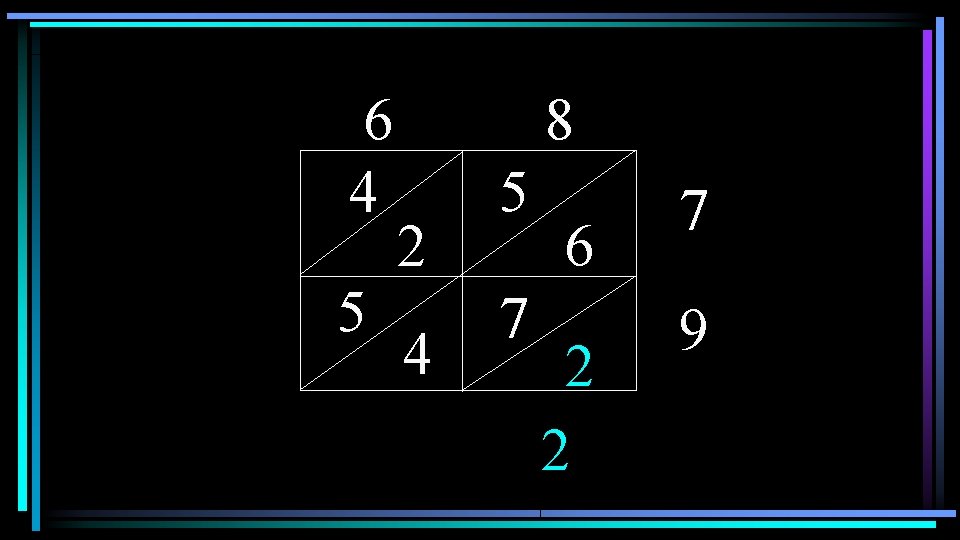
6 4 5 8 2 4 5 7 6 2 2 7 9
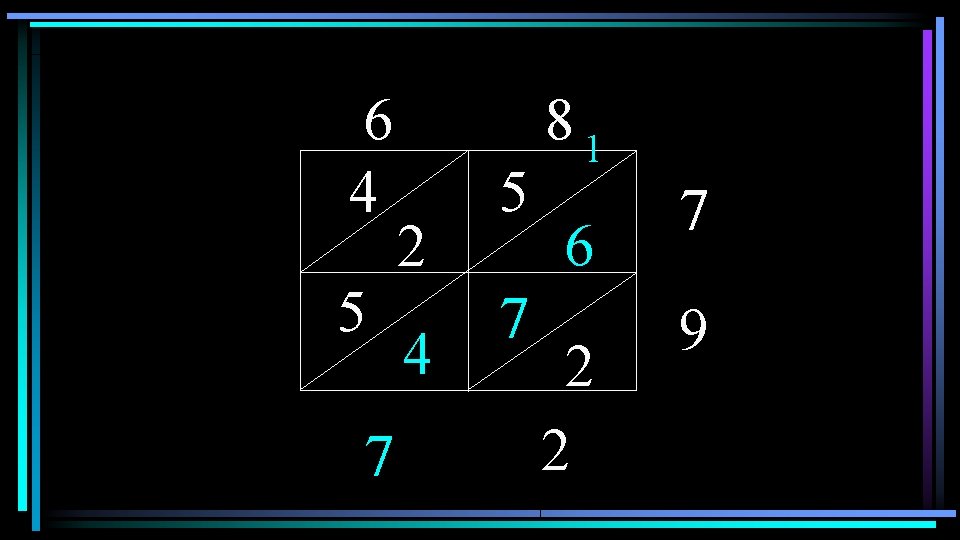
6 4 5 7 2 4 5 7 81 6 2 2 7 9
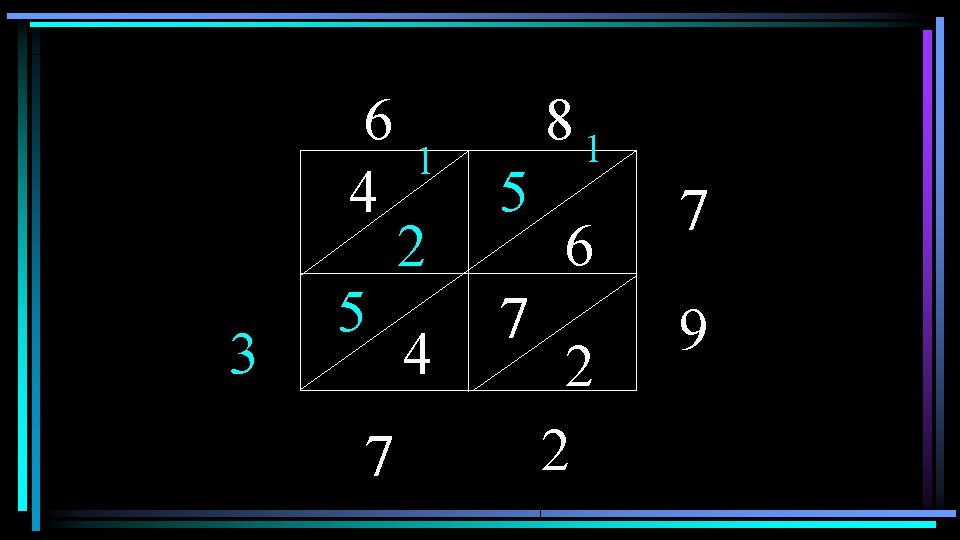
6 4 3 5 7 1 2 4 5 7 81 6 2 2 7 9
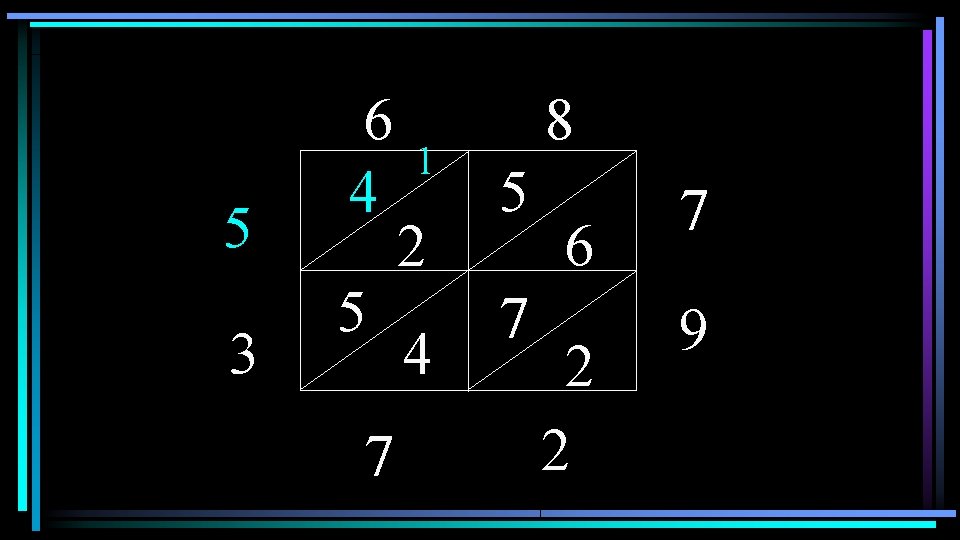
5 3 6 4 5 7 1 2 4 8 5 7 6 2 2 7 9
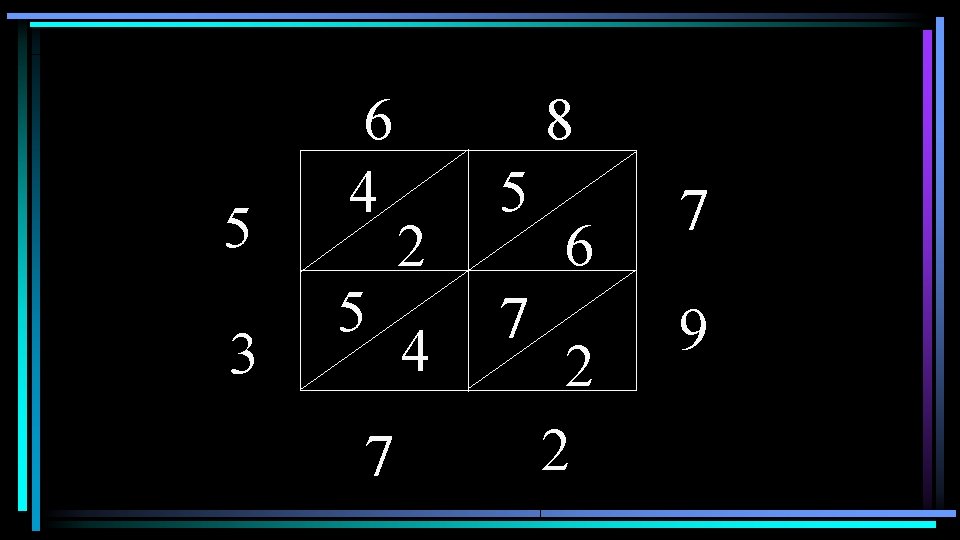
5 3 6 4 5 7 8 2 4 5 7 6 2 2 7 9
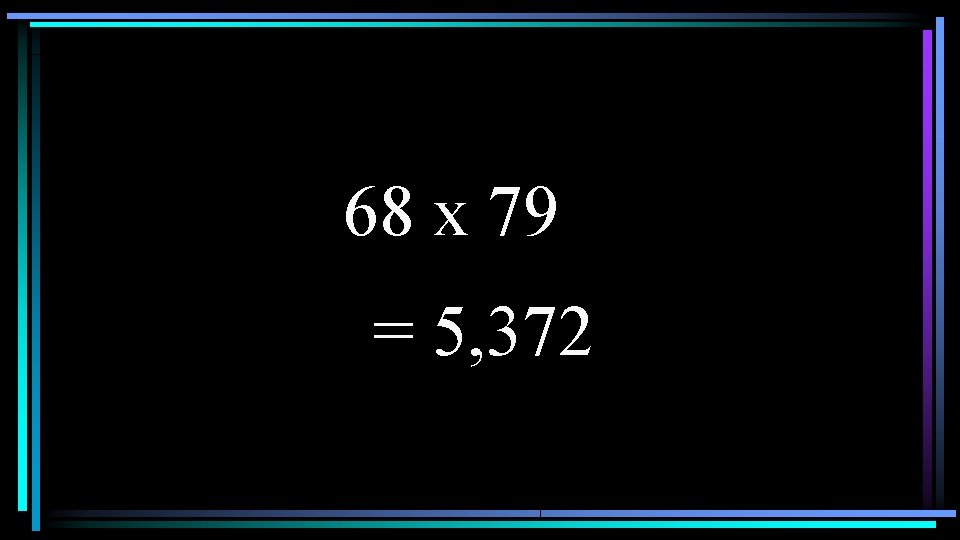
68 x 79 = 5, 372
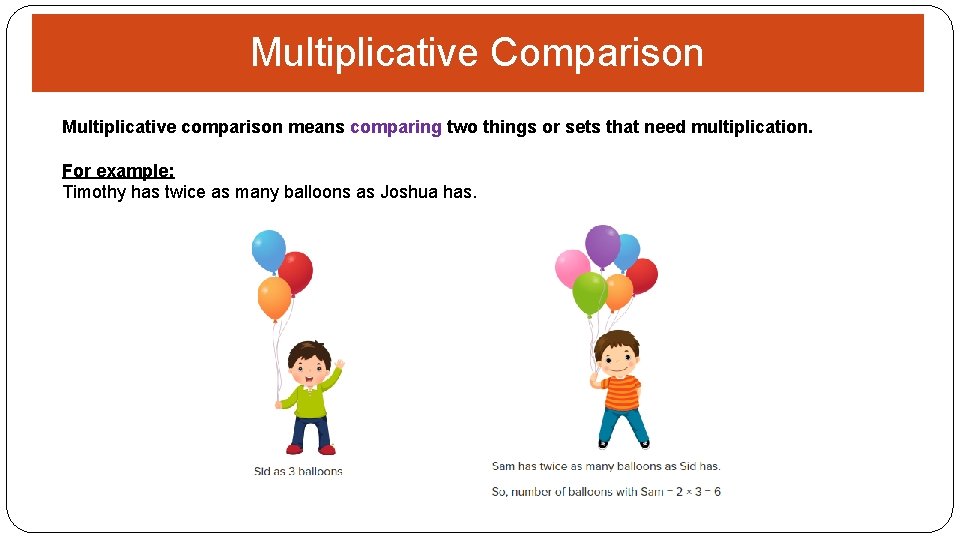
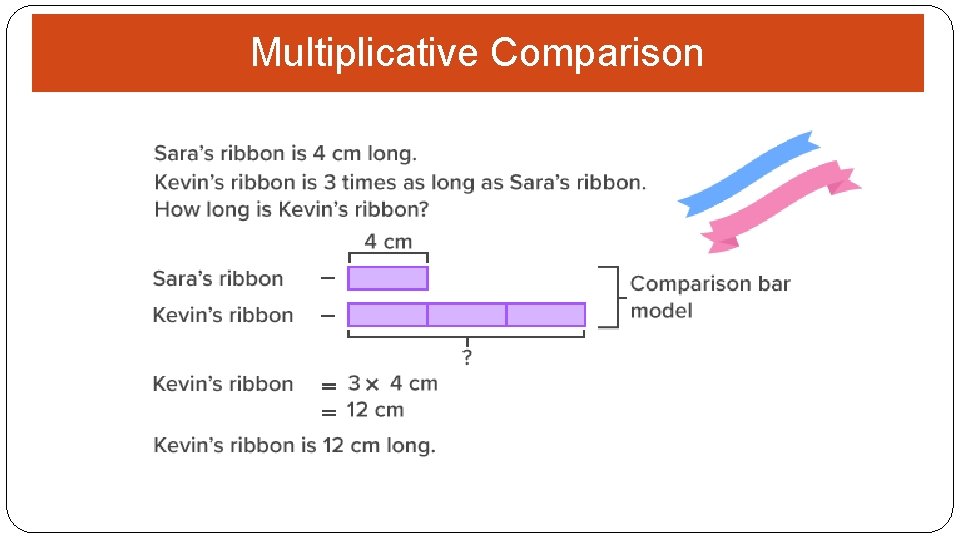
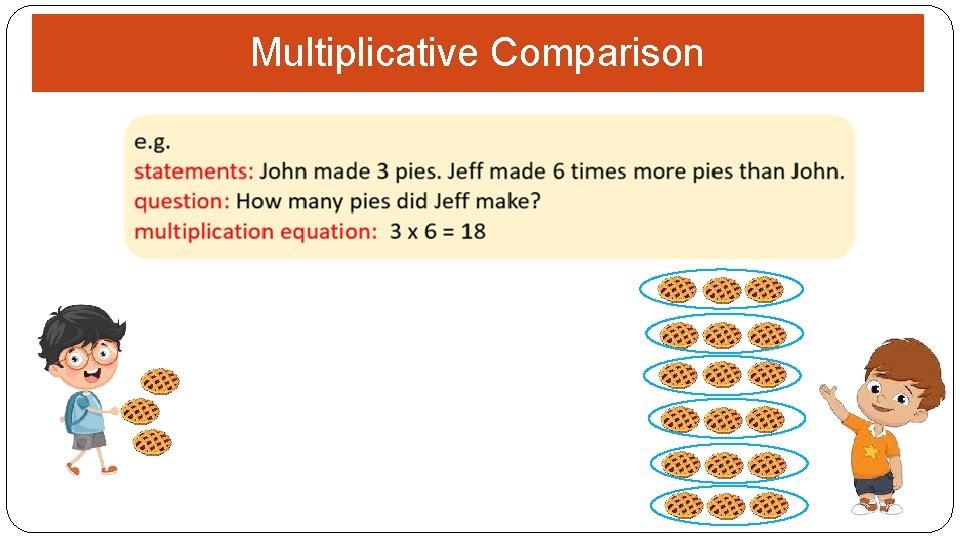
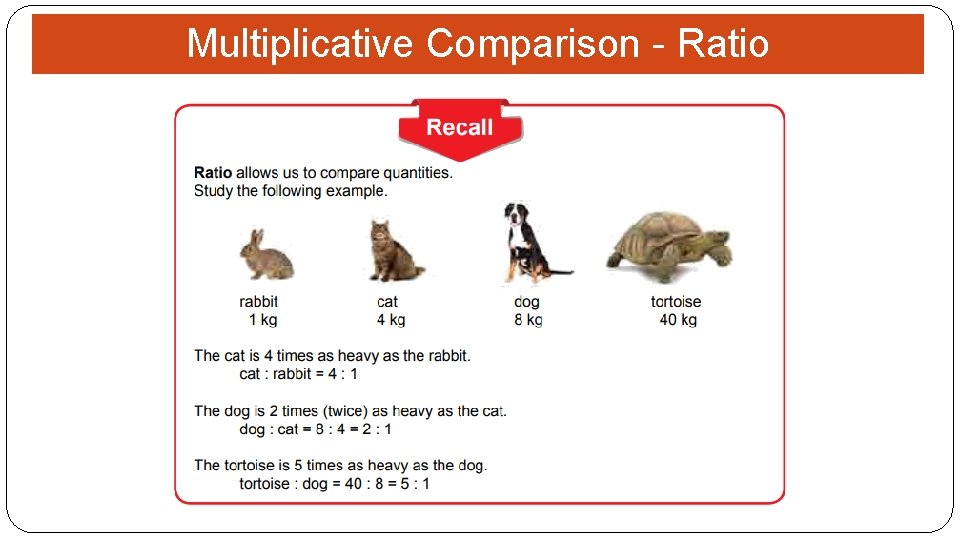
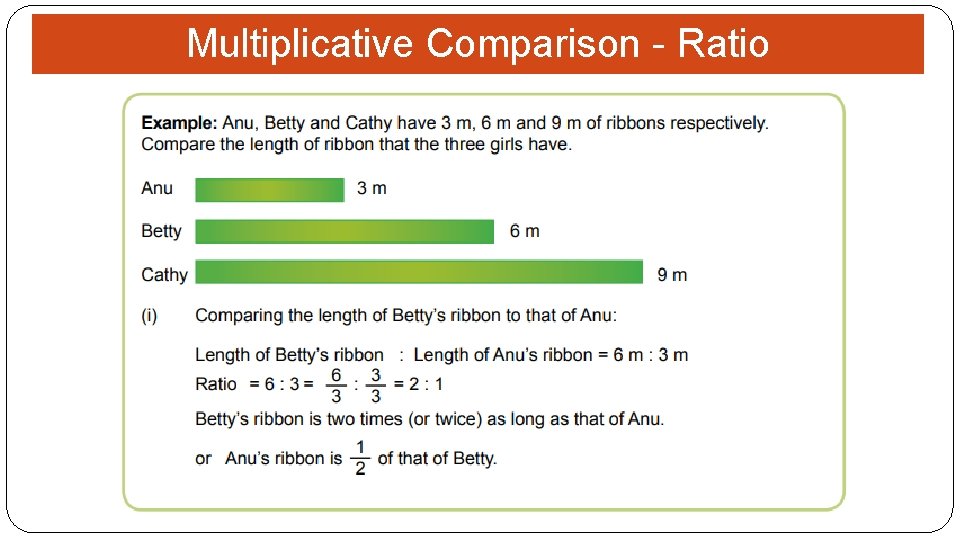
Multiplicative Comparison Multiplicative comparison means comparing two things or sets that need multiplication. For example: Timothy has twice as many balloons as Joshua has.
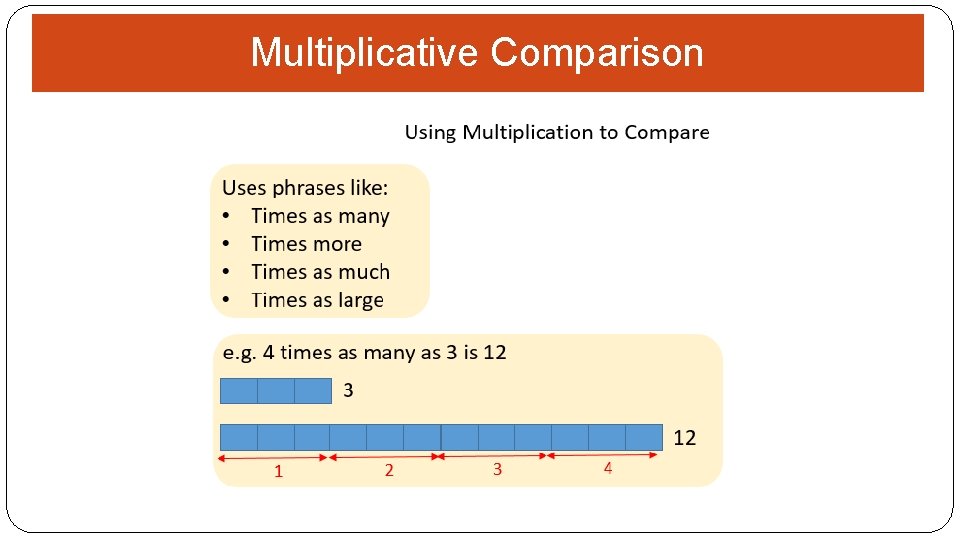
Multiplicative Comparison
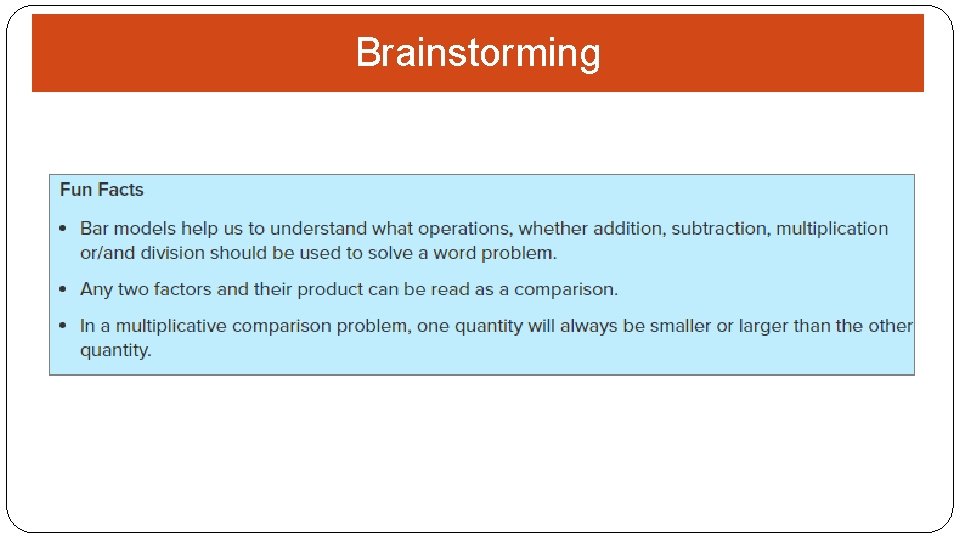
Brainstorming
Multiplicative Comparison
Multiplicative Comparison
Multiplicative Comparison - Ratio
Multiplicative Comparison - Ratio

Let’s Practice
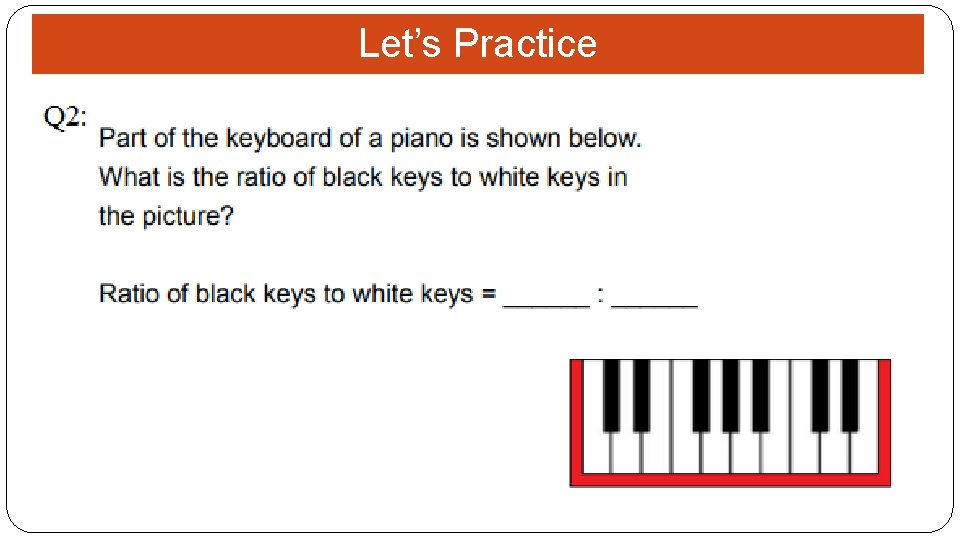
Let’s Practice
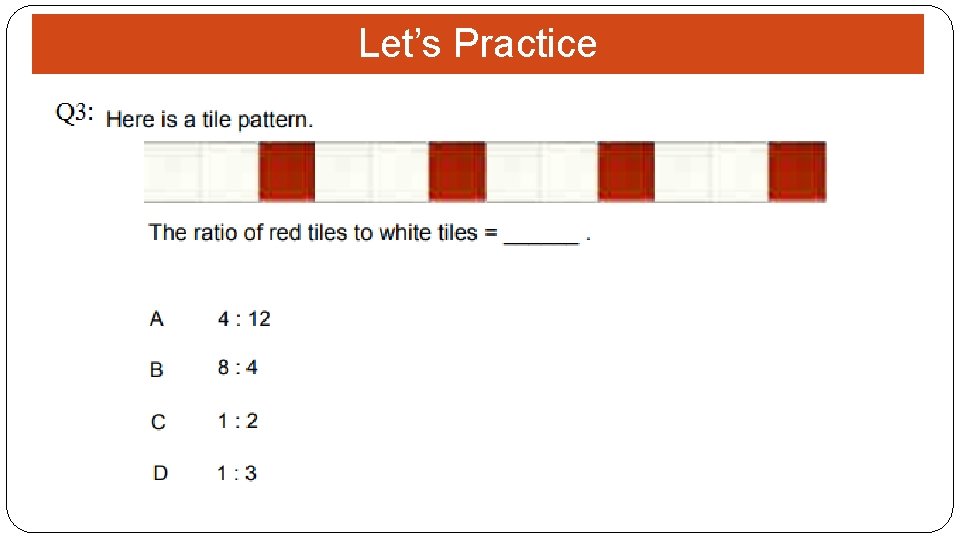
Let’s Practice
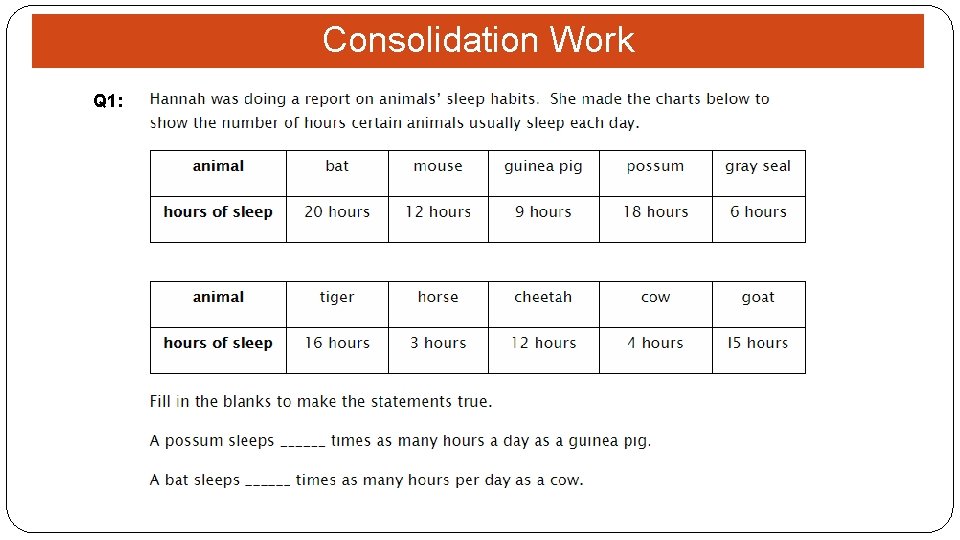
Consolidation Work Q 1:
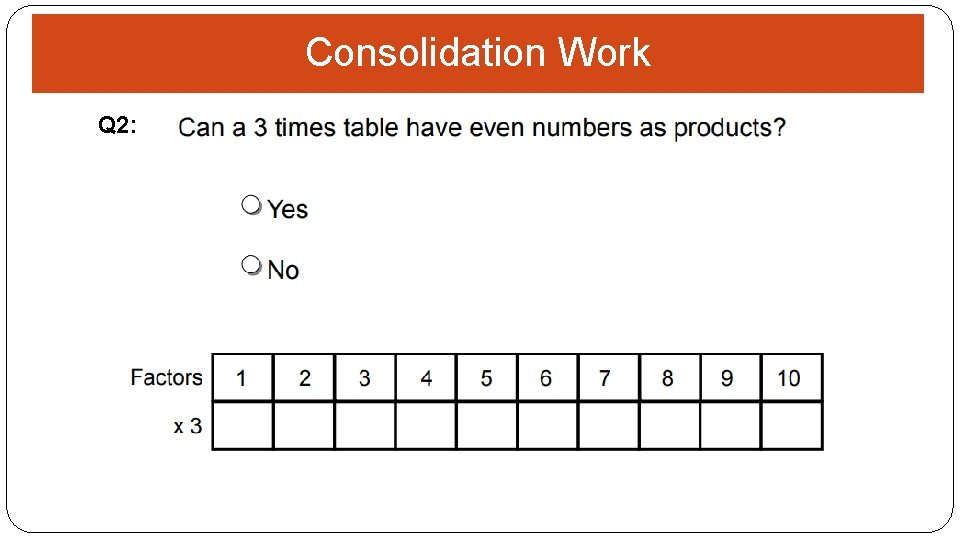
Consolidation Work Q 2:
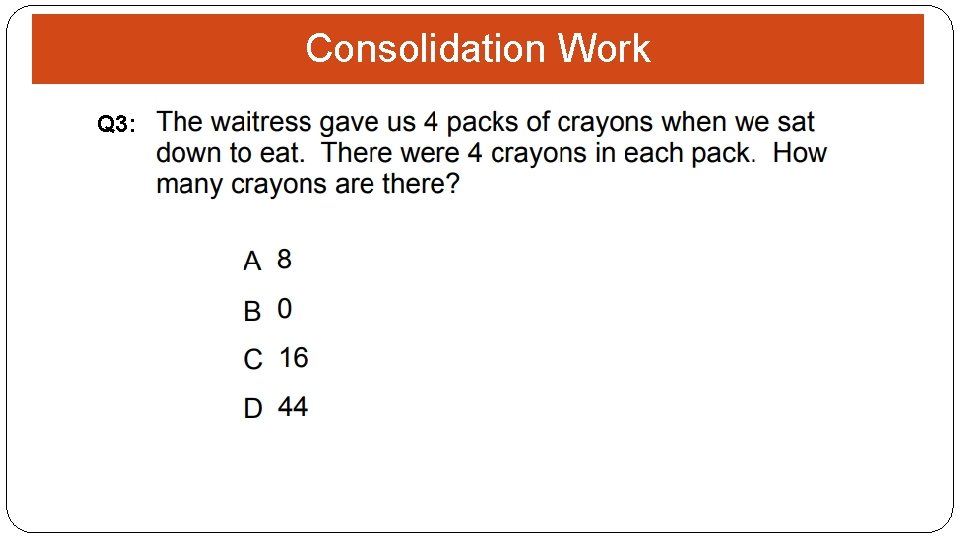
Consolidation Work Q 3:
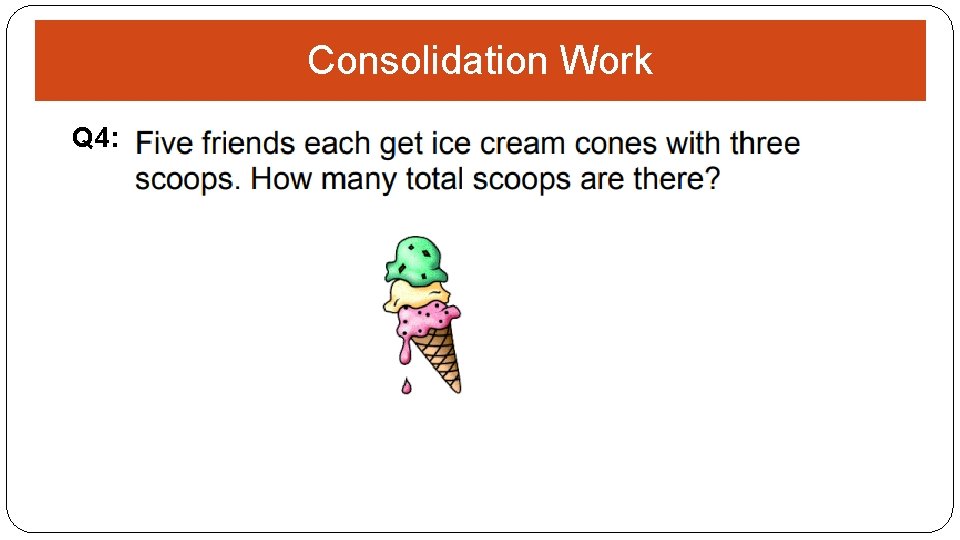
Consolidation Work Q 4:
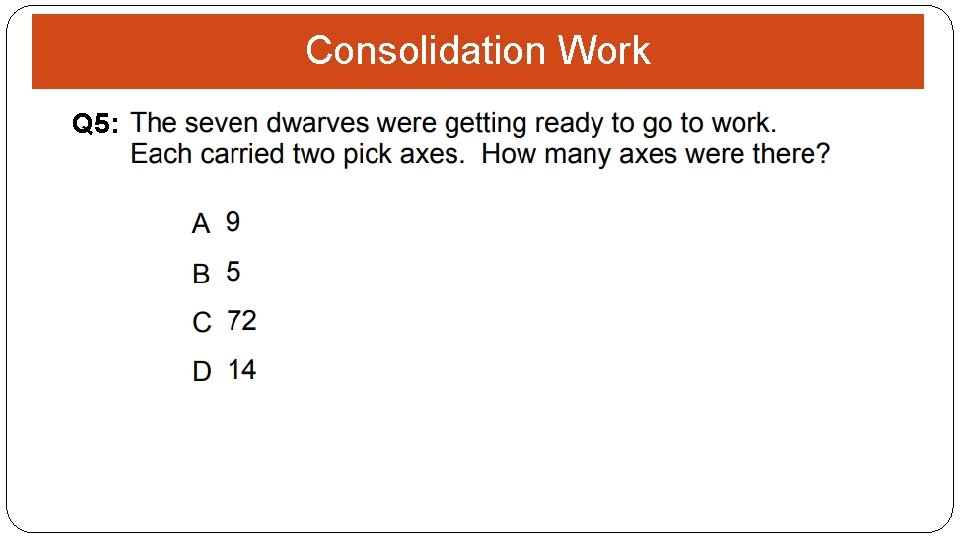
Consolidation Work Q 5:
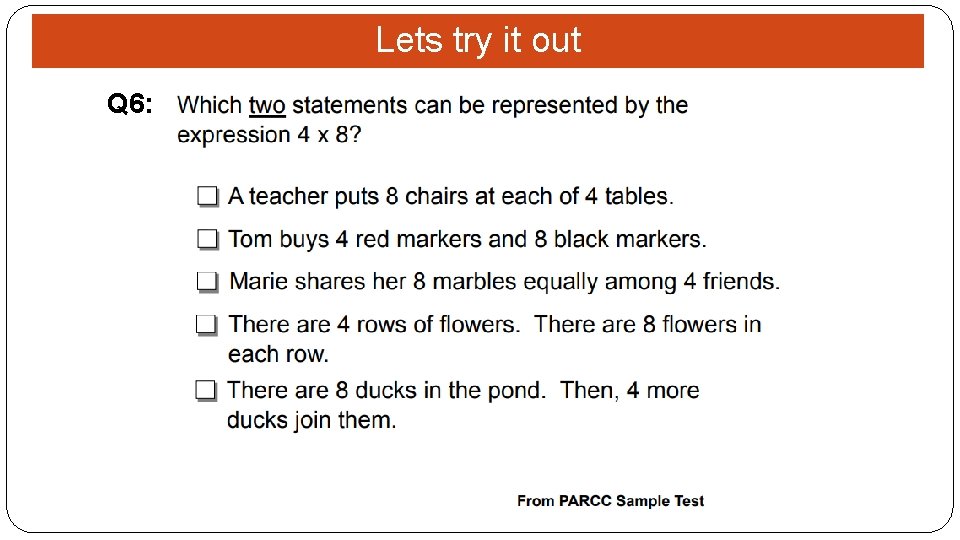
Lets try it out Q 6:
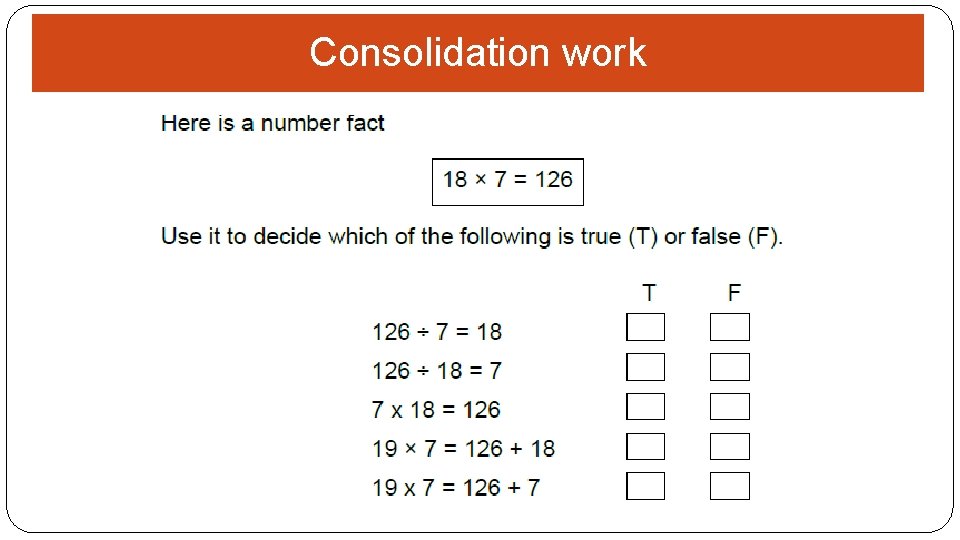
Consolidation work
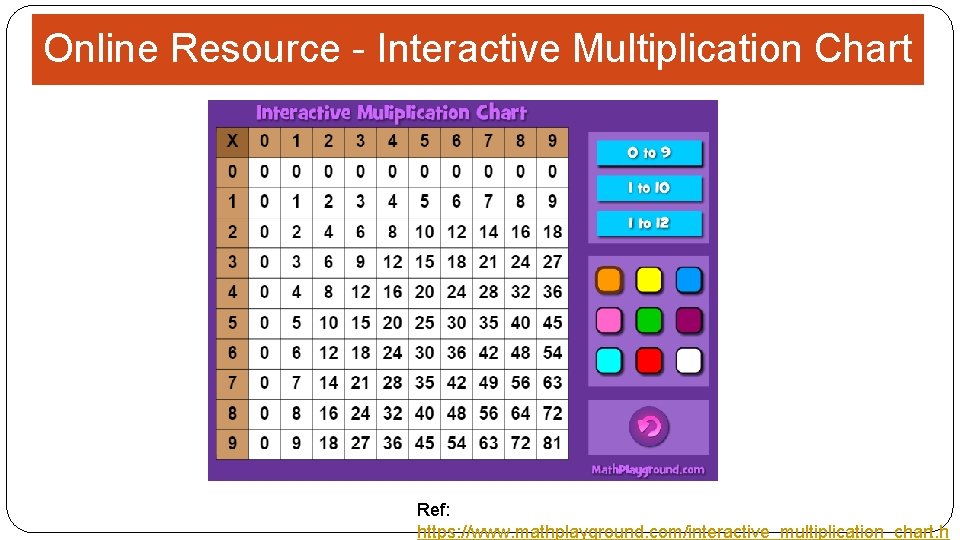
Online Resource - Interactive Multiplication Chart Ref: https: //www. mathplayground. com/interactive_multiplication_chart. h
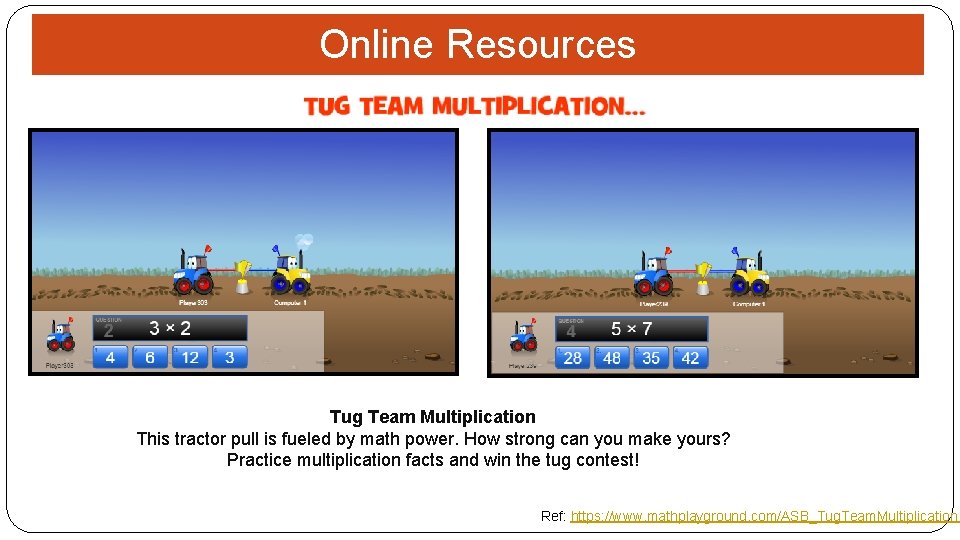
Online Resources Tug Team Multiplication This tractor pull is fueled by math power. How strong can you make yours? Practice multiplication facts and win the tug contest! Ref: https: //www. mathplayground. com/ASB_Tug. Team. Multiplication.
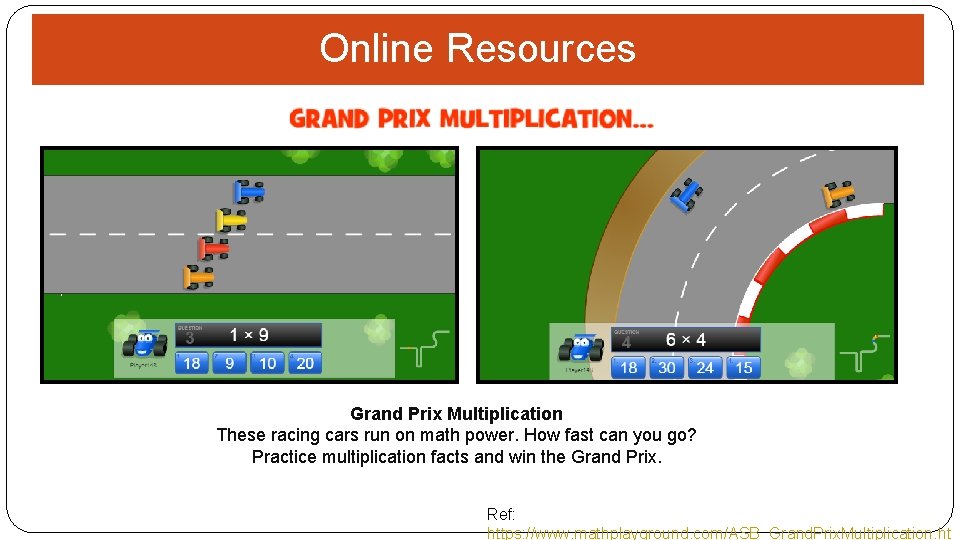
Online Resources Grand Prix Multiplication These racing cars run on math power. How fast can you go? Practice multiplication facts and win the Grand Prix. Ref: https: //www. mathplayground. com/ASB_Grand. Prix. Multiplication. ht
End of the Lesson : Multiplication
Activity 1: Relate Multiplication to Addition
- Slides: 107