
Multimodality Therapy of Cancer Solid Tumour Treatment is













- Slides: 51
Multimodality Therapy of Cancer: Solid Tumour Treatment is a Team Sport! Principles of Surgery 2011 Andy Smith, MD Department of Surgery University of Toronto
Overview • Don’t just whack it out! • Optimal care requires multiple disciplines • How do we accomplish multidisciplinary care in Ontario?
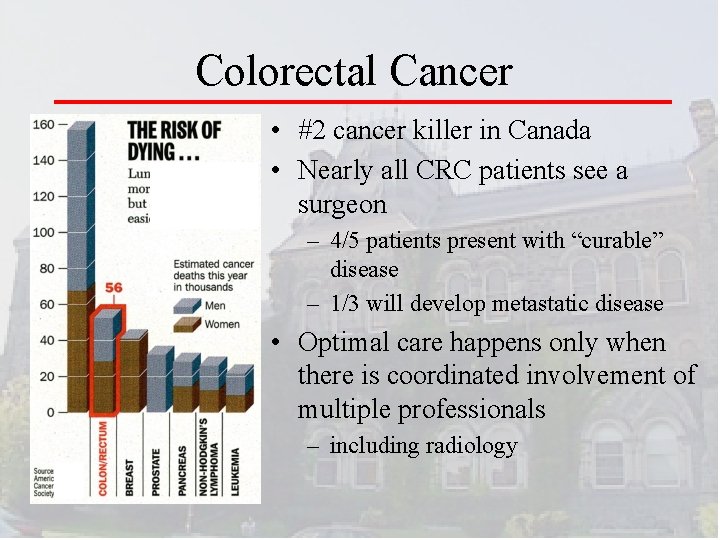
Colorectal Cancer • #2 cancer killer in Canada • Nearly all CRC patients see a surgeon – 4/5 patients present with “curable” disease – 1/3 will develop metastatic disease • Optimal care happens only when there is coordinated involvement of multiple professionals – including radiology
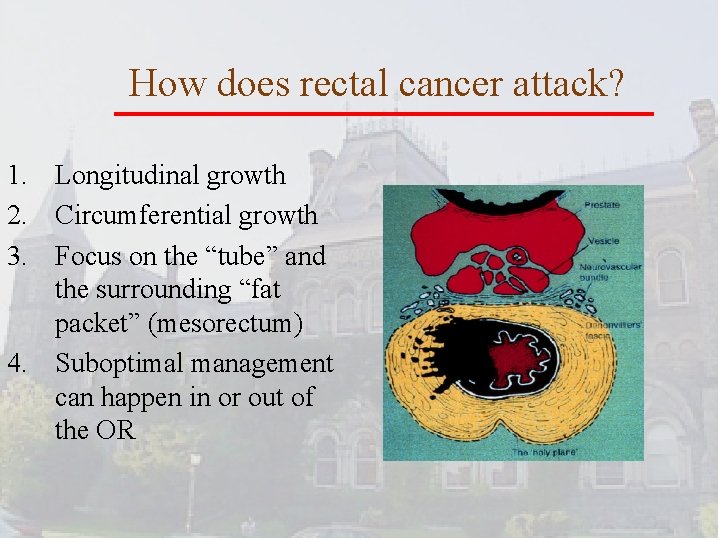
How does rectal cancer attack? 1. Longitudinal growth 2. Circumferential growth 3. Focus on the “tube” and the surrounding “fat packet” (mesorectum) 4. Suboptimal management can happen in or out of the OR
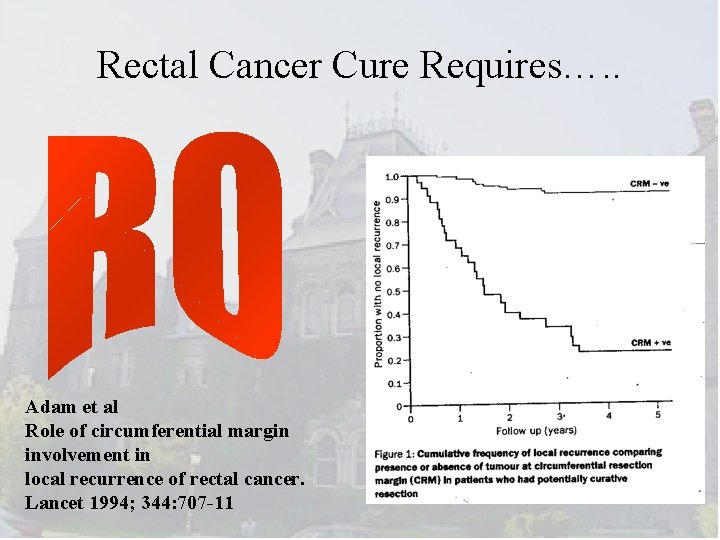
Rectal Cancer Cure Requires…. . Adam et al Role of circumferential margin involvement in local recurrence of rectal cancer. Lancet 1994; 344: 707 -11
How do we get R 0? • Accurate staging (MRI, ERUS) • Appropriate application of preoperative chemotherapy and radiotherapy • Precision surgery – Sharp anatomic dissection • Assessment of the quality of the excision and patient outcomes – Pathological audit and feedback – Oncologic & Functional outcomes
Pre-operative Staging and Treatment Planning The radiologist
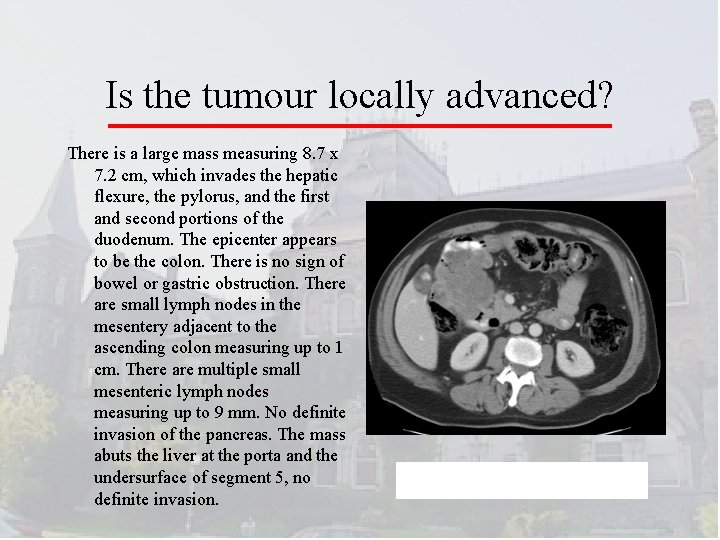
Is the tumour locally advanced? There is a large mass measuring 8. 7 x 7. 2 cm, which invades the hepatic flexure, the pylorus, and the first and second portions of the duodenum. The epicenter appears to be the colon. There is no sign of bowel or gastric obstruction. There are small lymph nodes in the mesentery adjacent to the ascending colon measuring up to 1 cm. There are multiple small mesenteric lymph nodes measuring up to 9 mm. No definite invasion of the pancreas. The mass abuts the liver at the porta and the undersurface of segment 5, no definite invasion.
Conundrum This tumour is stuck to the bladder. Can I ‘get away’ with ‘cracking the tumour off’ the adjacent organ? It’s probably just inflammation, right?
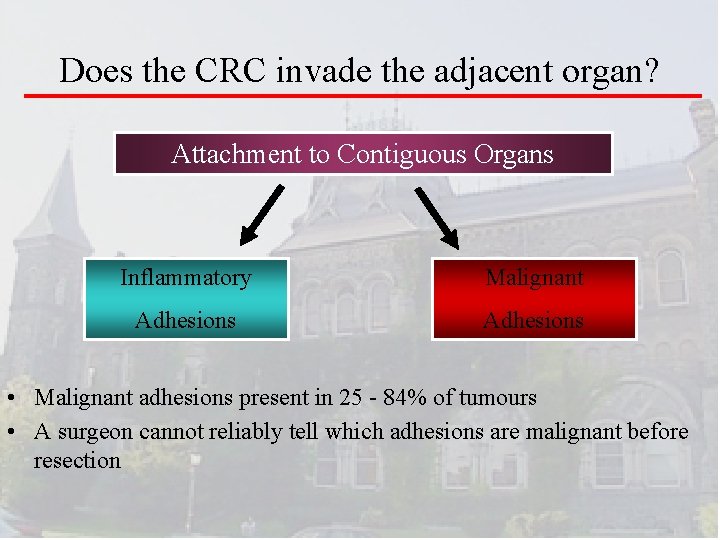
Does the CRC invade the adjacent organ? Attachment to Contiguous Organs Inflammatory Malignant Adhesions • Malignant adhesions present in 25 - 84% of tumours • A surgeon cannot reliably tell which adhesions are malignant before resection
Principle of Surgery • Ideally, locally advanced adherent tumours should be diagnosed preoperatively through appropriate application of cross-sectional imaging, especially CT scanning, and should be assumed to be malignant in curative-intent operations.
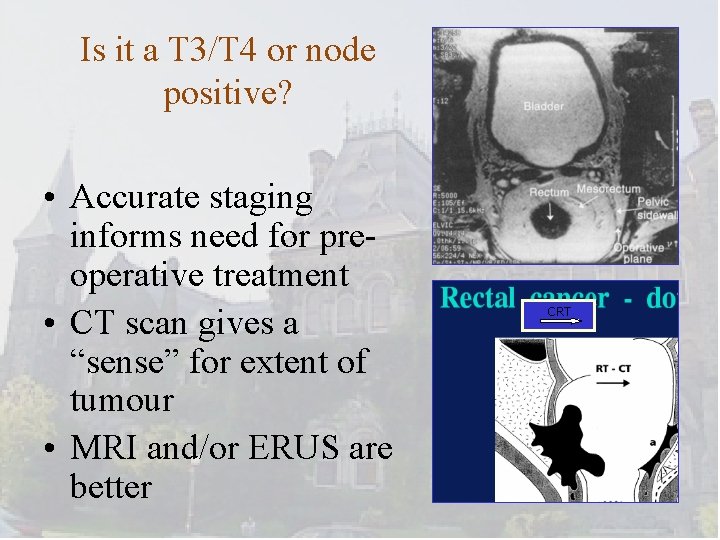
Is it a T 3/T 4 or node positive? • Accurate staging informs need for preoperative treatment • CT scan gives a “sense” for extent of tumour • MRI and/or ERUS are better CRT
Appropriate Preoperative Therapy • The radiation oncologist and medical oncologists
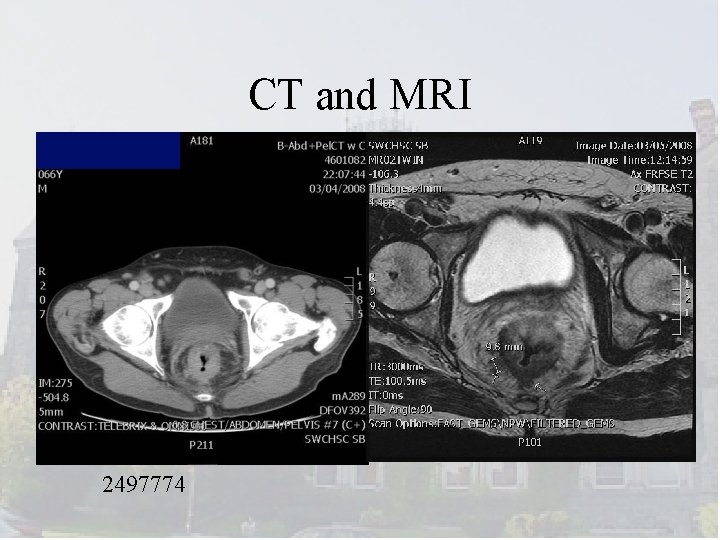
Case example • 61 M • two months history of bright red blood per rectum • digital rectal examination – posterior midline is a firm and possibly fixed rectal cancer – suspect this is at least a T 3 tumor – located 1 cm above the top of the sphincter muscle – tone, squeeze and sensation are all normal
CT and MRI 2497774
Principle of Surgery • Consider neoadjuvant therapy – Radiation therapy helps! • Meta-analyses on rectal cancer – Pre-operative radiation improves local control and overall survival 1, 2 • +/- chemotherapy 1. JAMA 2000; 284: 1008 2. Lancet 2001; 358: 1291
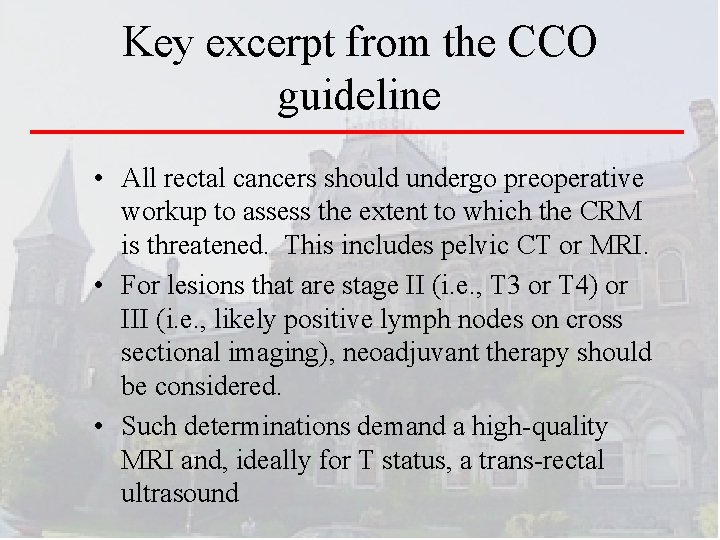
Key excerpt from the CCO guideline • All rectal cancers should undergo preoperative workup to assess the extent to which the CRM is threatened. This includes pelvic CT or MRI. • For lesions that are stage II (i. e. , T 3 or T 4) or III (i. e. , likely positive lymph nodes on cross sectional imaging), neoadjuvant therapy should be considered. • Such determinations demand a high-quality MRI and, ideally for T status, a trans-rectal ultrasound
Precision Surgery The Surgeon
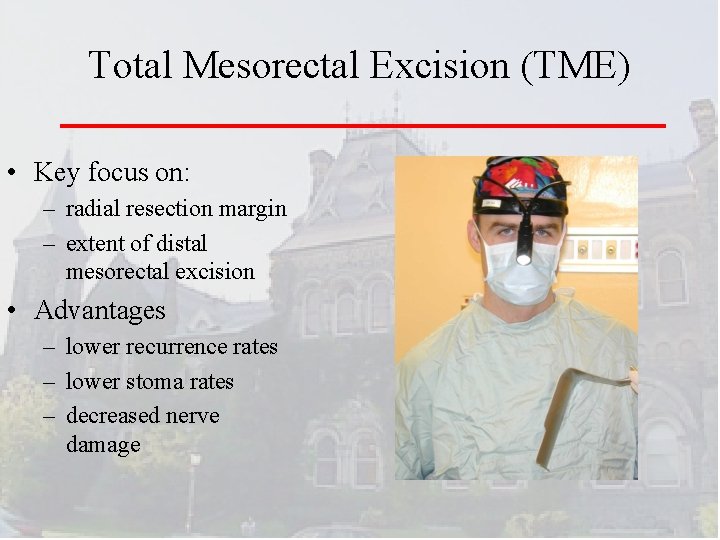
Total Mesorectal Excision (TME) • Key focus on: – radial resection margin – extent of distal mesorectal excision • Advantages – lower recurrence rates – lower stoma rates – decreased nerve damage
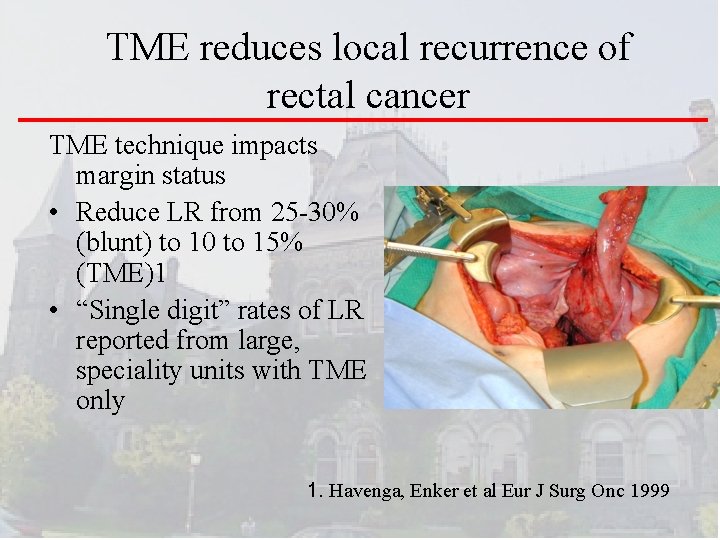
TME reduces local recurrence of rectal cancer TME technique impacts margin status • Reduce LR from 25 -30% (blunt) to 10 to 15% (TME)1 • “Single digit” rates of LR reported from large, speciality units with TME only 1. Havenga, Enker et al Eur J Surg Onc 1999
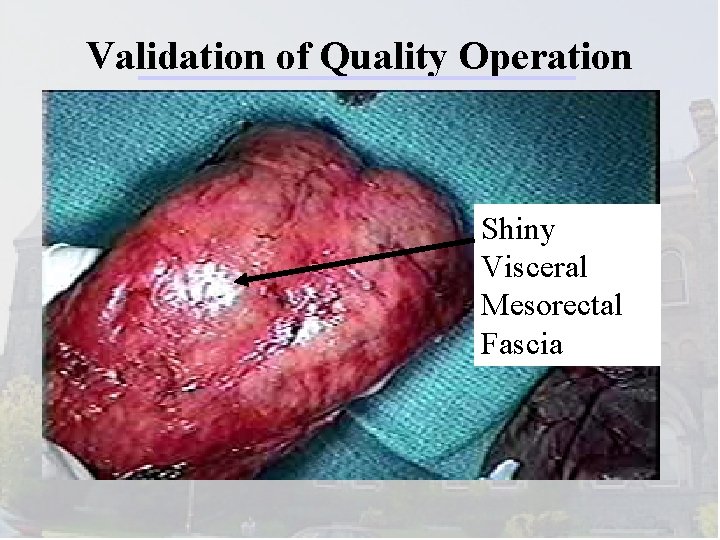
Validation of Quality Operation Shiny Visceral Mesorectal Fascia
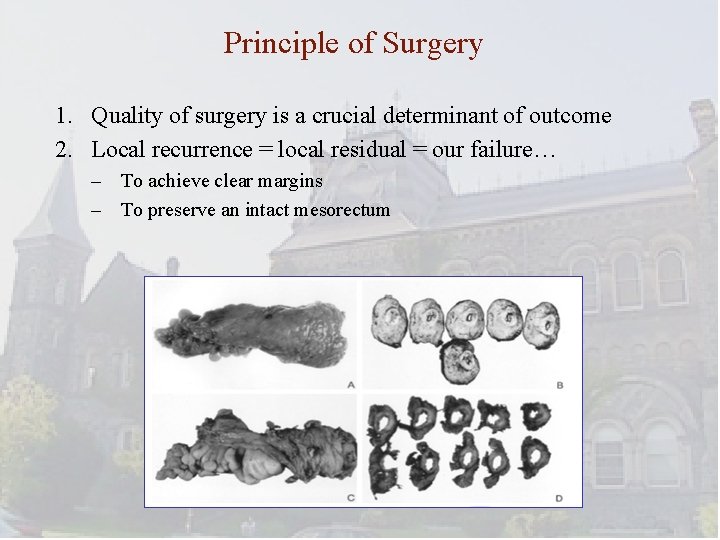
Principle of Surgery 1. Quality of surgery is a crucial determinant of outcome 2. Local recurrence = local residual = our failure… – To achieve clear margins – To preserve an intact mesorectum
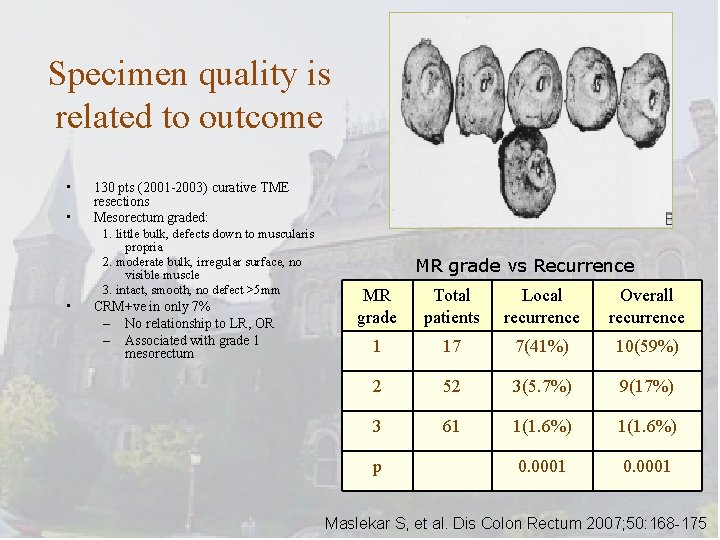
Specimen quality is related to outcome • • 130 pts (2001 -2003) curative TME resections Mesorectum graded: 1. little bulk, defects down to muscularis propria 2. moderate bulk, irregular surface, no visible muscle 3. intact, smooth, no defect >5 mm • CRM+ve in only 7% – No relationship to LR, OR – Associated with grade 1 mesorectum MR grade vs Recurrence MR grade Total patients Local recurrence Overall recurrence 1 17 7(41%) 10(59%) 2 52 3(5. 7%) 9(17%) 3 61 1(1. 6%) 0. 0001 p Maslekar S, et al. Dis Colon Rectum 2007; 50: 168 -175
Staging and Adjuvant Therapy Decisions Pathology and Medical Oncology
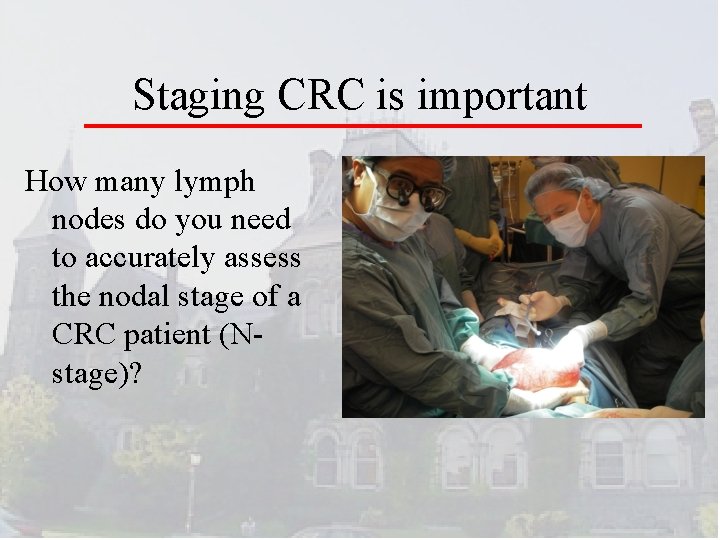
Staging CRC is important How many lymph nodes do you need to accurately assess the nodal stage of a CRC patient (Nstage)?
Lymph Nodes and Treatment • single most important factor for determining benefit from post-operative adjuvant chemotherapy in colon cancer • clear benefit for “stage III” – node positive patients • no clear benefit for “stage II” – node negative patients
What “benefits” are we talking about? • in NODE POSITIVE patients: – 15% absolute improvement in 5 year overall survival – 30% absolute improvement in 5 year disease free survival • perspective: this represents the biggest “bang for the buck” in adjuvant chemotherapy
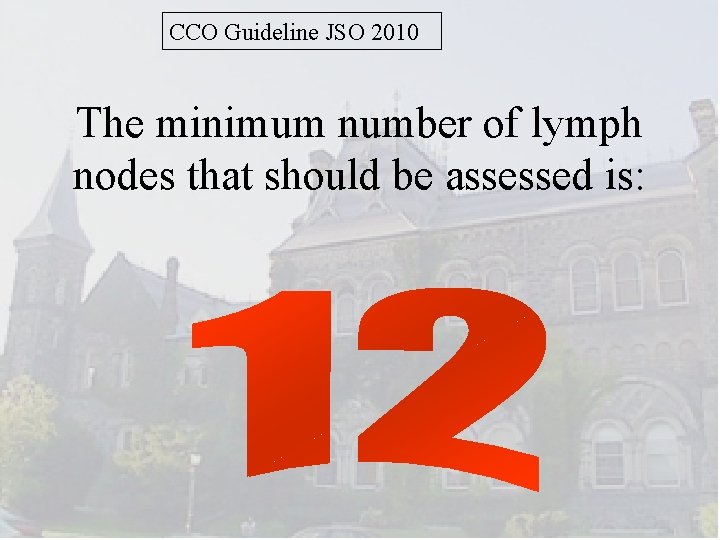
CCO Guideline JSO 2010 The minimum number of lymph nodes that should be assessed is:
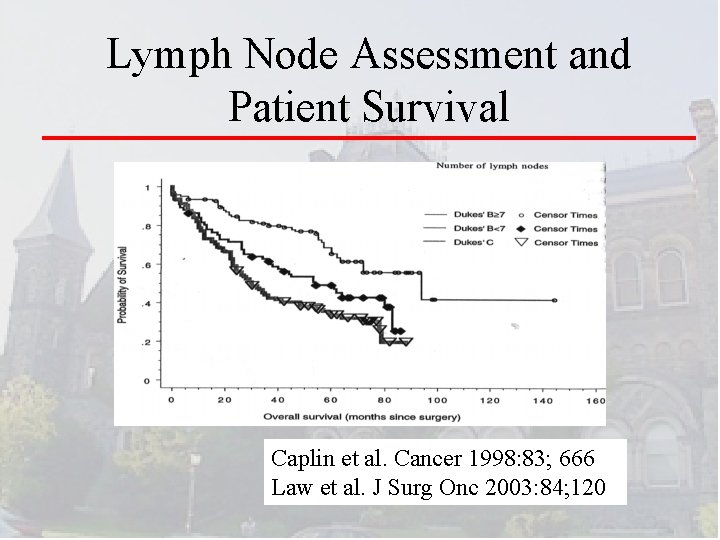
Lymph Node Assessment and Patient Survival Caplin et al. Cancer 1998: 83; 666 Law et al. J Surg Onc 2003: 84; 120
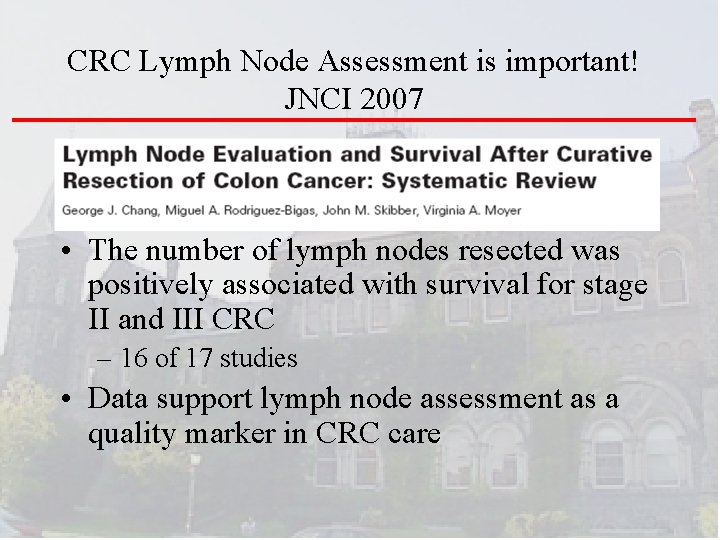
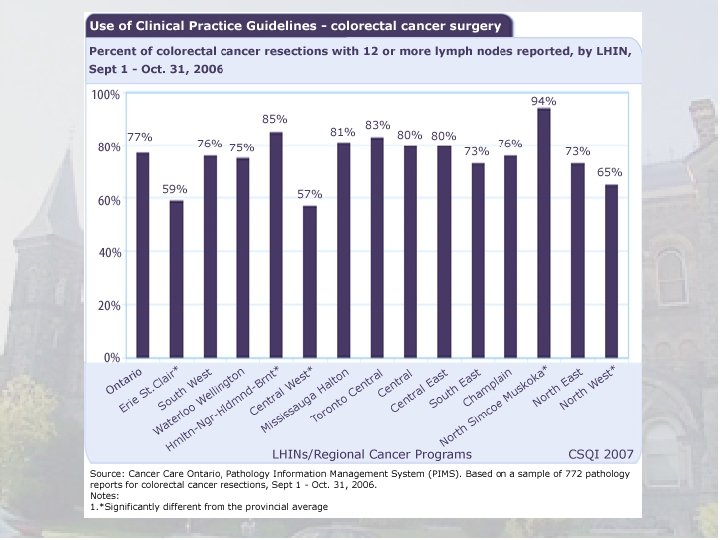
CRC Lymph Node Assessment is important! JNCI 2007 • The number of lymph nodes resected was positively associated with survival for stage II and III CRC – 16 of 17 studies • Data support lymph node assessment as a quality marker in CRC care
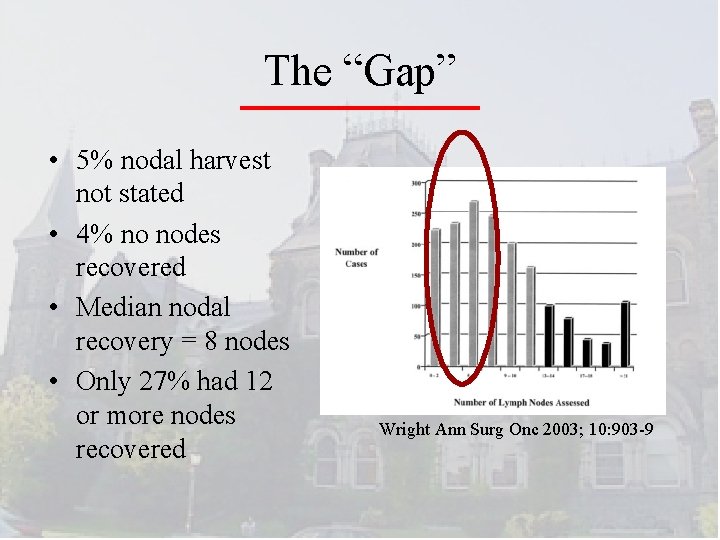
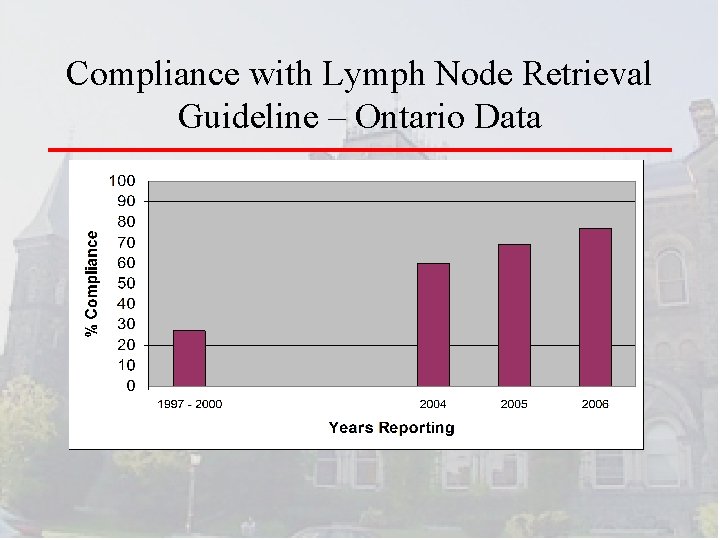
The “Gap” • 5% nodal harvest not stated • 4% no nodes recovered • Median nodal recovery = 8 nodes • Only 27% had 12 or more nodes recovered Wright Ann Surg Onc 2003; 10: 903 -9
Principle of Surgery: It’s a Team Sport!
Compliance with Lymph Node Retrieval Guideline – Ontario Data
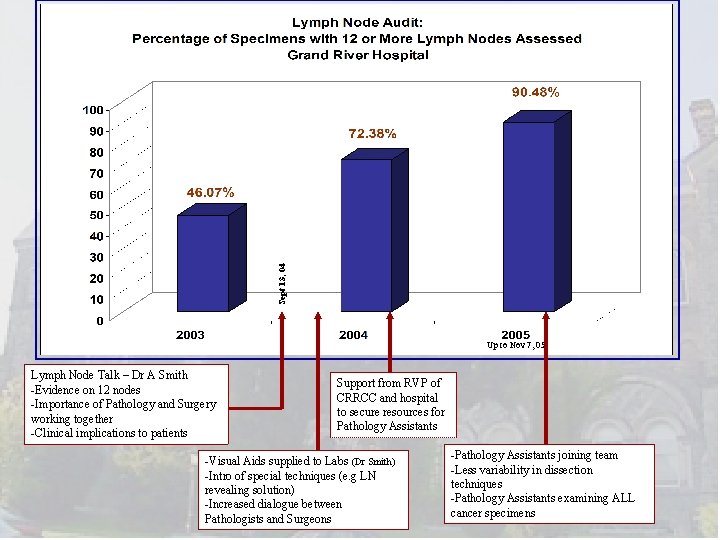
Sept 13, 04 Up to Nov 7, 05 Lymph Node Talk – Dr A Smith -Evidence on 12 nodes -Importance of Pathology and Surgery working together -Clinical implications to patients Support from RVP of CRRCC and hospital to secure resources for Pathology Assistants -Visual Aids supplied to Labs (Dr Smith) -Intro of special techniques (e. g LN revealing solution) -Increased dialogue between Pathologists and Surgeons -Pathology Assistants joining team -Less variability in dissection techniques -Pathology Assistants examining ALL cancer specimens
Main Message • CRC lymph node assessment/staging is increasingly relevant to surgeons • “Homegrown” solutions are integral part of Quality improvement – Teamwork is essential • Staging is becoming more precise
How do we “do” multidisciplinary care in Ontario? • Evidence based guidelines generated in Ontario • Audit and feedback • Multidisciplinary Case Conferences – Tumour Boards
Optimization of surgical and pathological quality performance in radical surgery for colon and rectal cancer: Lymph nodes and margins Smith AJ, Driman DK, Spithoff K, Mc. Leod R, Hunter A, Rumble RB, Langer B, and the Expert Panel on Colon and Rectal Cancer Surgery and Pathology A Quality Initiative of the Program in Evidence-Based Care (PEBC), Cancer Care Ontario (CCO)
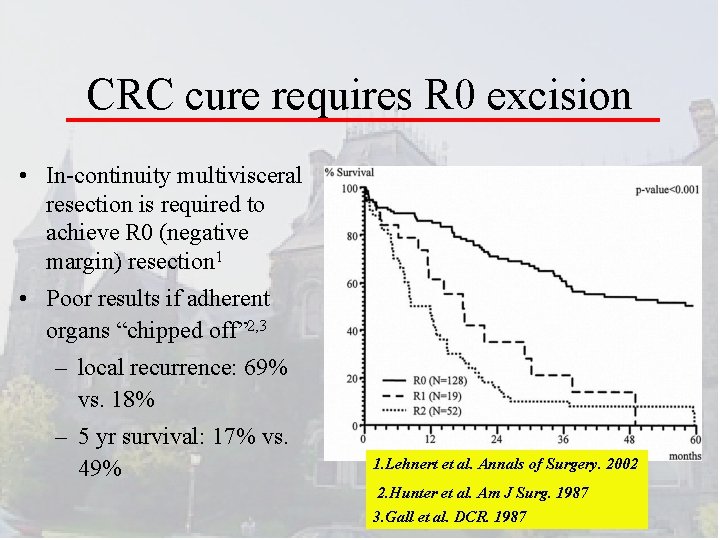
CRC cure requires R 0 excision • In-continuity multivisceral resection is required to achieve R 0 (negative margin) resection 1 • Poor results if adherent organs “chipped off” 2, 3 – local recurrence: 69% vs. 18% – 5 yr survival: 17% vs. 49% 1. Lehnert et al. Annals of Surgery. 2002 2. Hunter et al. Am J Surg. 1987 3. Gall et al. DCR. 1987
Optimization of surgical and pathological quality performance in radical surgery for colon and rectal cancer: Lymph nodes and margins A Quality Initiative of the Program in Evidence-Based Care (PEBC), Cancer Care Ontario (CCO)
Population-based Assessment of the Surgical Management of Locally Advanced Colorectal Cancer Govindarajan A, Coburn N, Kiss A, Rabeneck L, Smith AJ, Law CHL JNCI 2006
Multidisciplinary Cancer Conferences: Implications for rectal cancer management
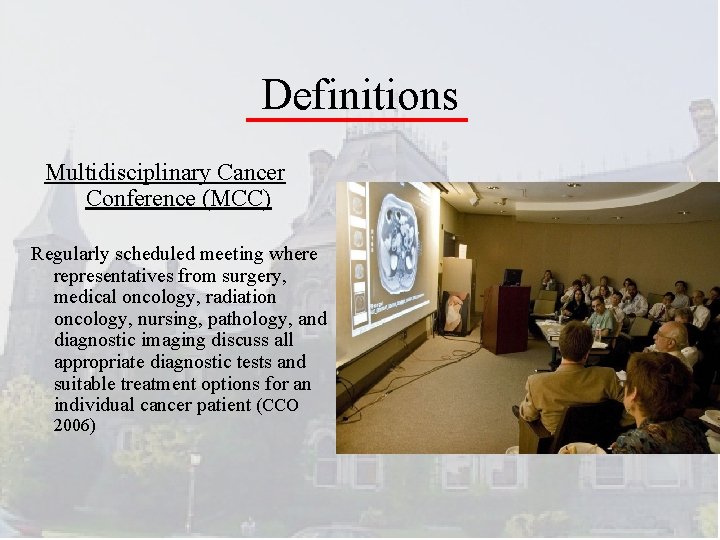
Definitions Multidisciplinary Cancer Conference (MCC) Regularly scheduled meeting where representatives from surgery, medical oncology, radiation oncology, nursing, pathology, and diagnostic imaging discuss all appropriate diagnostic tests and suitable treatment options for an individual cancer patient (CCO 2006)
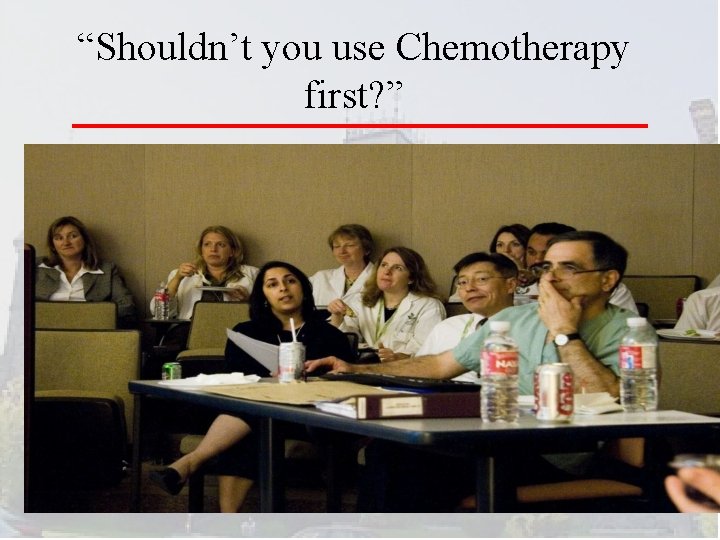
“Shouldn’t you use Chemotherapy first? ”
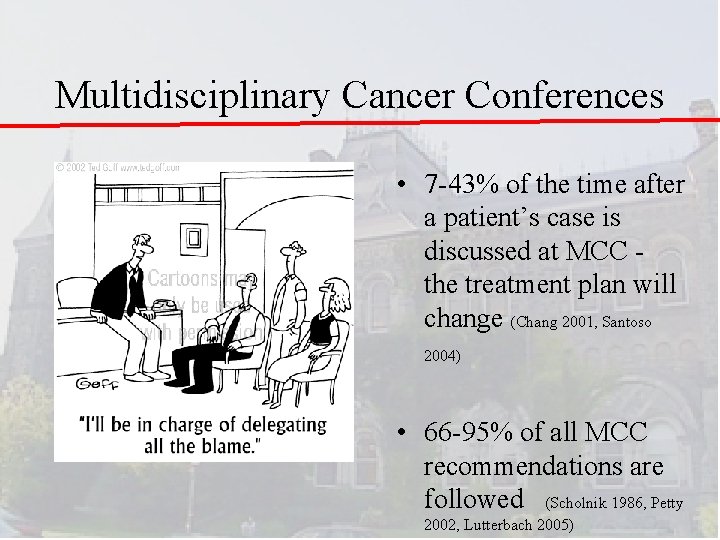
Multidisciplinary Cancer Conferences • 7 -43% of the time after a patient’s case is discussed at MCC the treatment plan will change (Chang 2001, Santoso 2004) • 66 -95% of all MCC recommendations are followed (Scholnik 1986, Petty 2002, Lutterbach 2005)
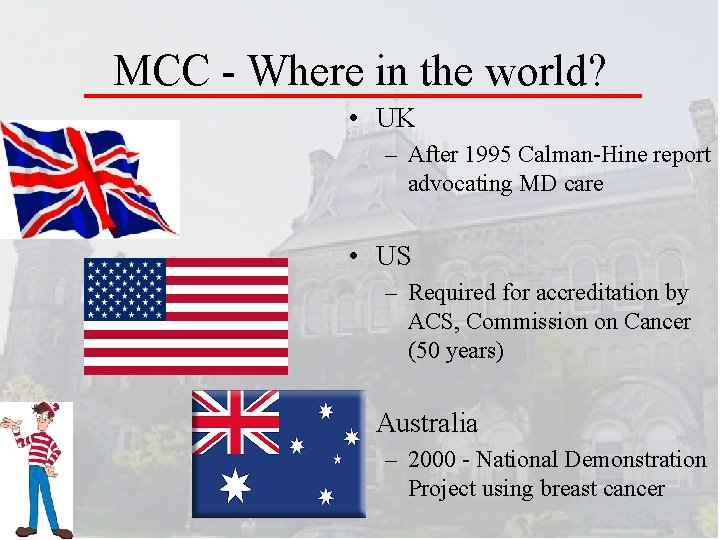
MCC - Where in the world? • UK – After 1995 Calman-Hine report advocating MD care • US – Required for accreditation by ACS, Commission on Cancer (50 years) • Australia – 2000 - National Demonstration Project using breast cancer
Ontario Tumor Boards: Standards • A working conference: – usually weekly; ≥ 2/month – ≥ 1 hour – All new and recurrent cancer cases referred • Disciplines (in person or video-link): – surgery, rad onc, med onc, pathology, radiology, nursing, (± pharmacist, social services, genetics, nutrition, pastoral care…) • Chair (coordinator): – Selects cases for detailed discussion – Reports to the head of the Cancer program • Physicians: – Commit to attend and send cases – Responsible for discussing with the patient, making the recommendations and documenting in the medical record Wright FC, et al. 2007
CCO Standards • Primary Function – Ensure all appropriate tests, treatment options and most appropriate treatment recommendations are generated for each cancer patient • MCC Cases – Discussion at discretion of presenting physician, MCC chair
Conclusions • The idea that the process and structure of health care can improve patient outcomes is tantalizing • Very suggestive evidence of benefit • Optimal care - certainly to discuss a patient’s treatment plan in a multidisciplinary forum
Questions?