
Multimedia Learning Theory 2 LeftBrain Learning ntooth nteeth
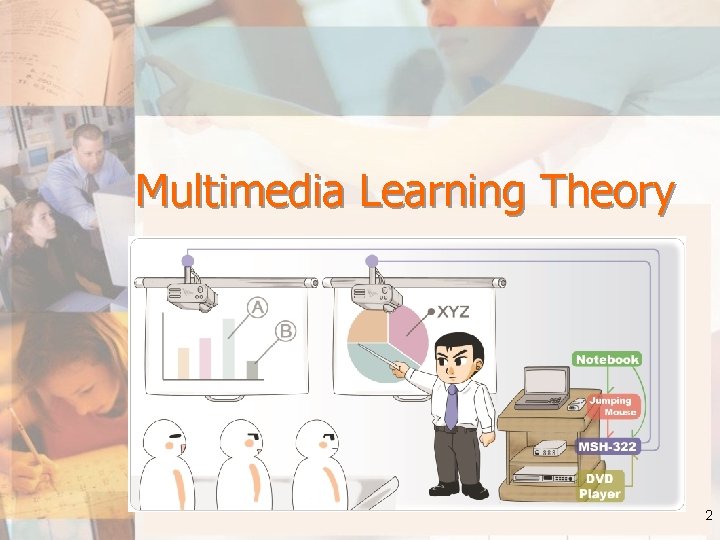
Multimedia Learning Theory 2
Left-Brain Learning ntooth nteeth 3
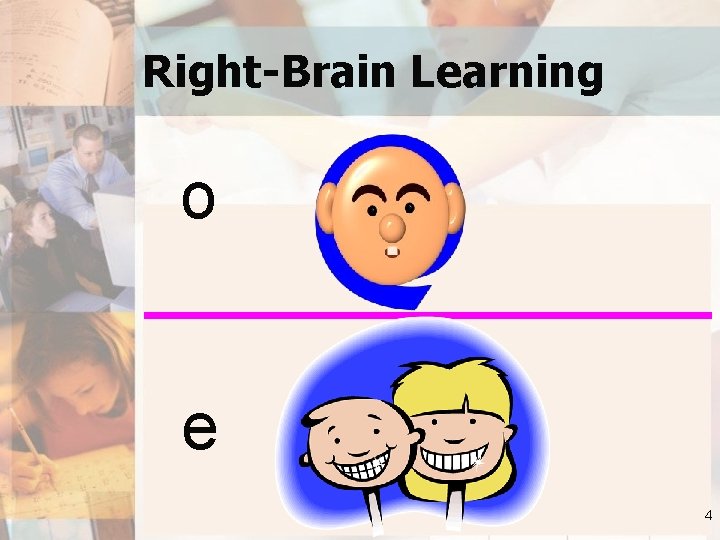
Right-Brain Learning o e 4
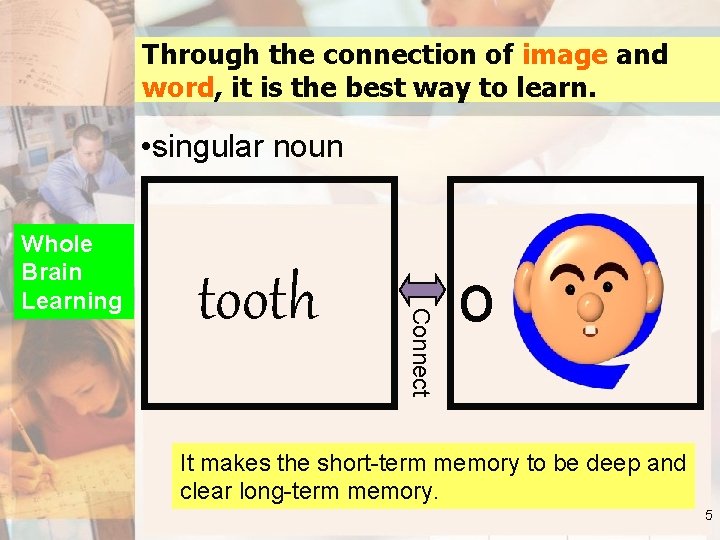
Through the connection of image and word, it is the best way to learn. • singular noun tooth Connect Whole Brain Learning o It makes the short-term memory to be deep and clear long-term memory. 5
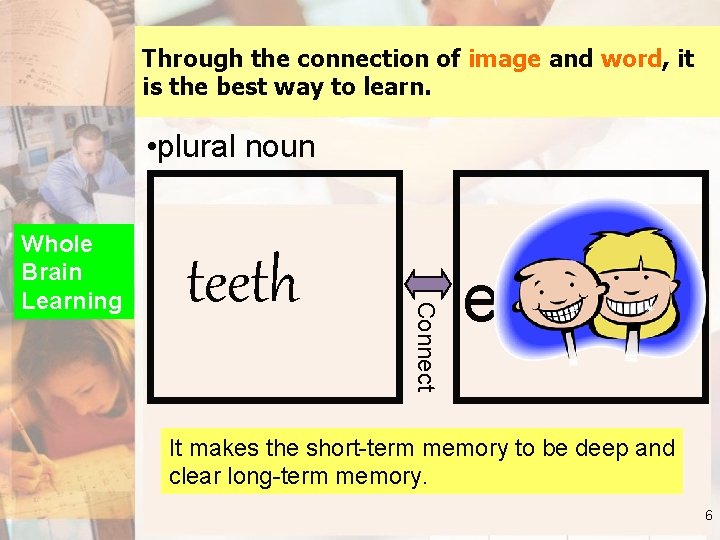
Through the connection of image and word, it is the best way to learn. • plural noun teeth Connect Whole Brain Learning e It makes the short-term memory to be deep and clear long-term memory. 6
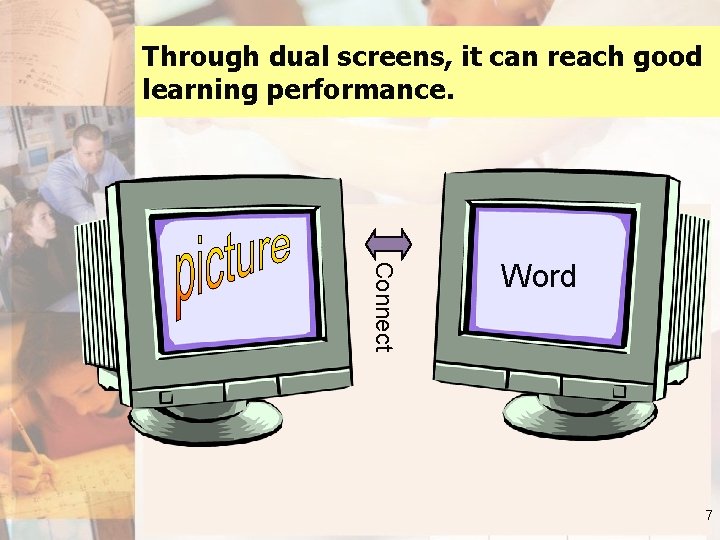
Through dual screens, it can reach good learning performance. Connect Word 7
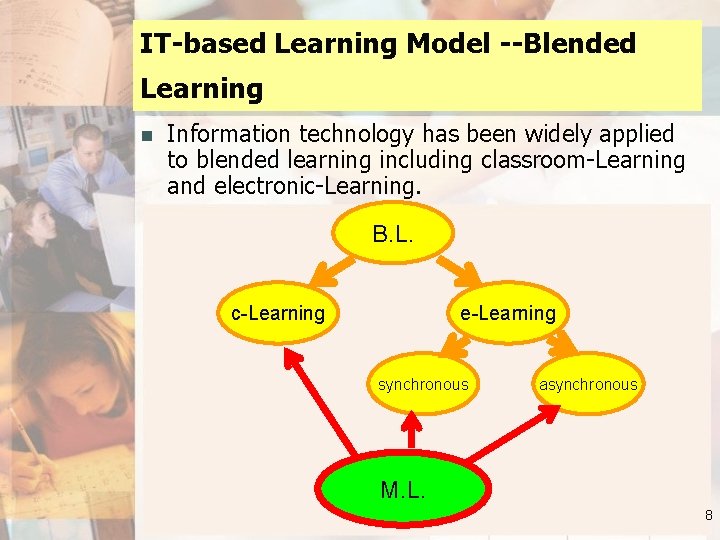
IT-based Learning Model --Blended Learning n Information technology has been widely applied to blended learning including classroom-Learning and electronic-Learning. B. L. c-Learning e-Learning synchronous asynchronous M. L. 8
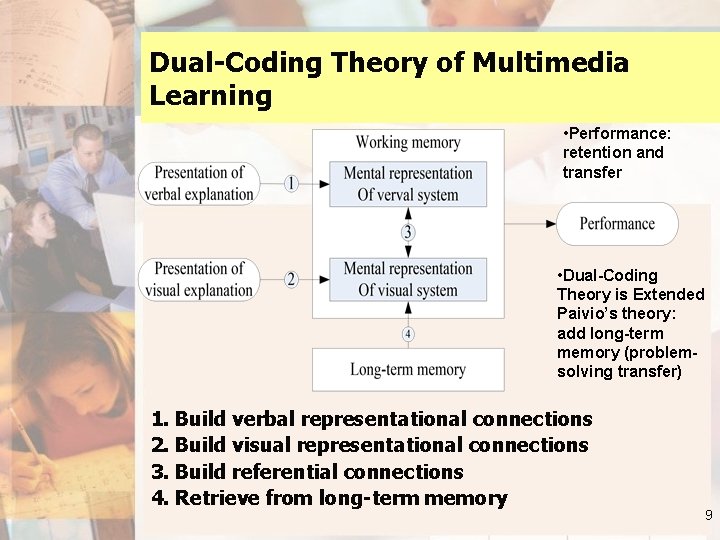
Dual-Coding Theory of Multimedia Learning • Performance: retention and transfer • Dual-Coding Theory is Extended Paivio’s theory: add long-term memory (problemsolving transfer) 1. Build verbal representational connections 2. Build visual representational connections 3. Build referential connections 4. Retrieve from long-term memory 9
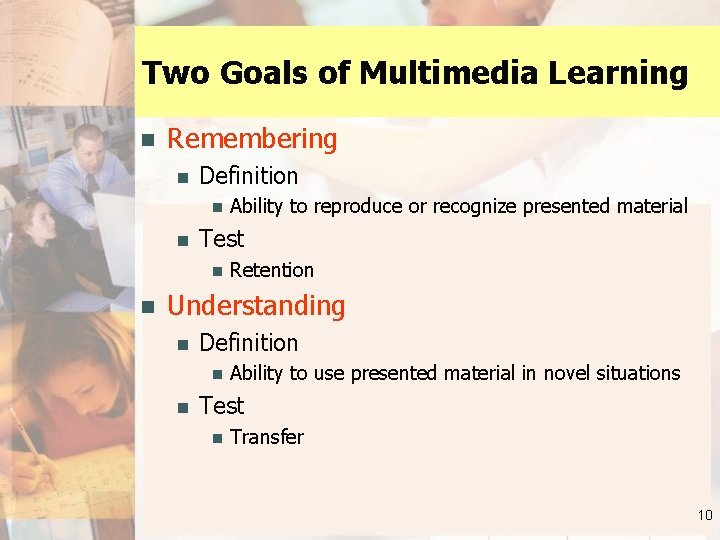
Two Goals of Multimedia Learning n Remembering n Definition n n Test n n Ability to reproduce or recognize presented material Retention Understanding n Definition n n Ability to use presented material in novel situations Test n Transfer 10
c-Learning 11
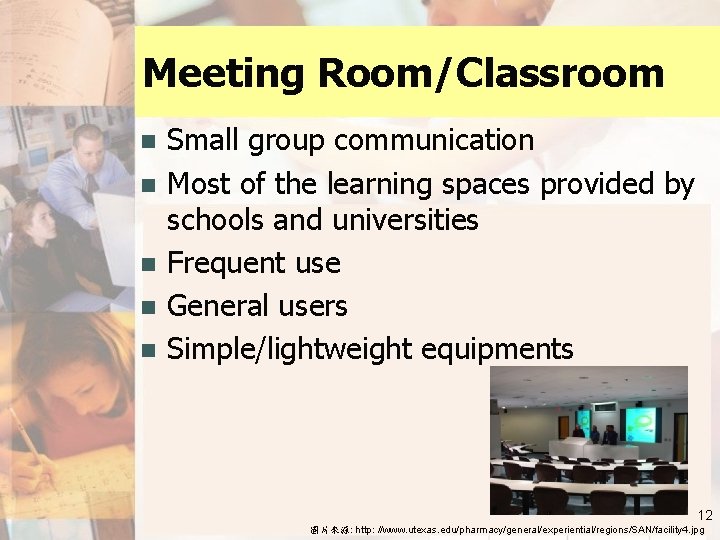
Meeting Room/Classroom n n n Small group communication Most of the learning spaces provided by schools and universities Frequent use General users Simple/lightweight equipments 12 圖片來源: http: //www. utexas. edu/pharmacy/general/experiential/regions/SAN/facility 4. jpg
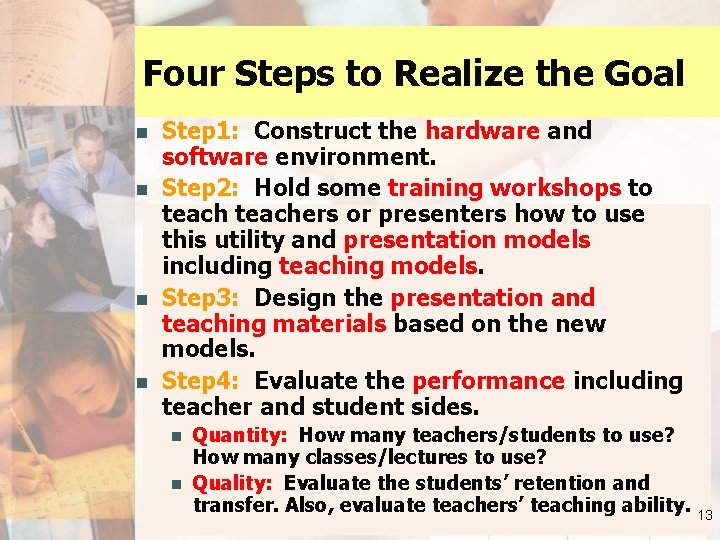
Four Steps to Realize the Goal n n Step 1: Construct the hardware and software environment. Step 2: Hold some training workshops to teachers or presenters how to use this utility and presentation models including teaching models. Step 3: Design the presentation and teaching materials based on the new models. Step 4: Evaluate the performance including teacher and student sides. n n Quantity: How many teachers/students to use? How many classes/lectures to use? Quality: Evaluate the students’ retention and transfer. Also, evaluate teachers’ teaching ability. 13
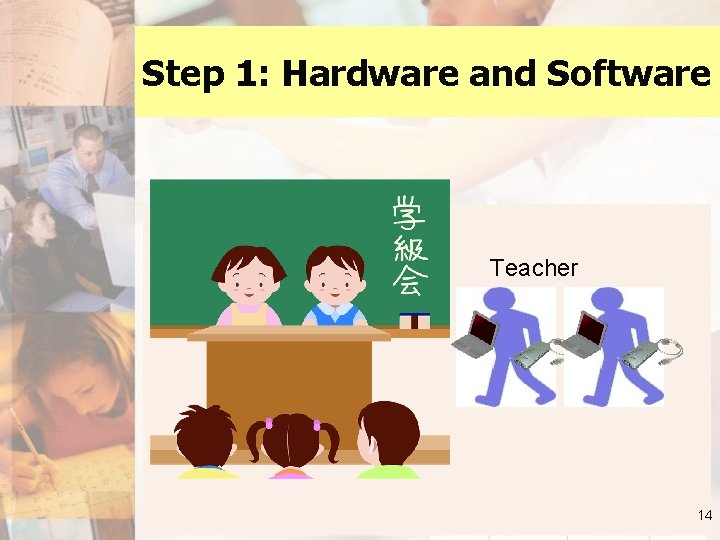
Step 1: Hardware and Software Teacher 14
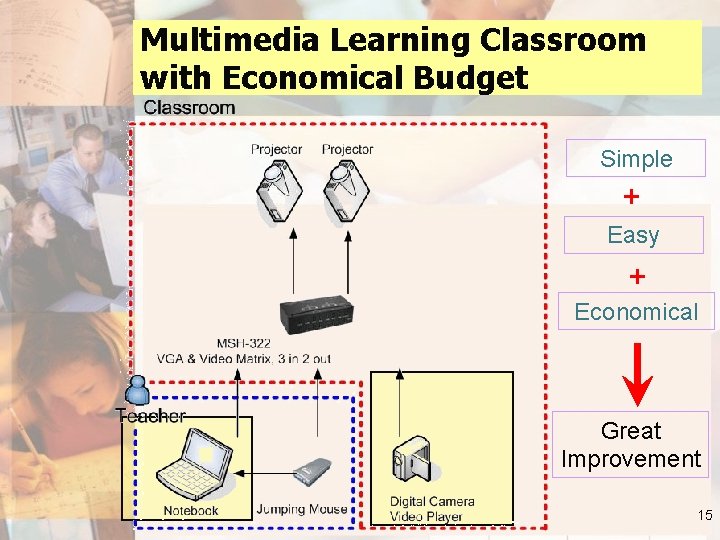
Multimedia Learning Classroom with Economical Budget Simple + Easy + Economical Great Improvement 15
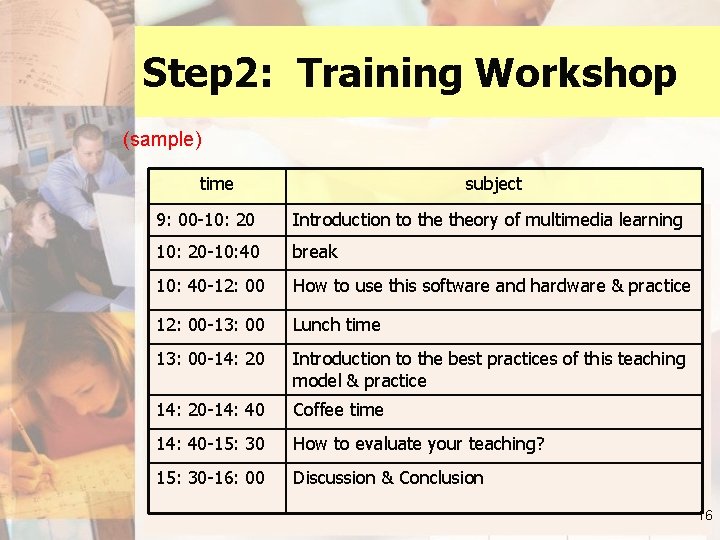
Step 2: Training Workshop (sample) time subject 9: 00 -10: 20 Introduction to theory of multimedia learning 10: 20 -10: 40 break 10: 40 -12: 00 How to use this software and hardware & practice 12: 00 -13: 00 Lunch time 13: 00 -14: 20 Introduction to the best practices of this teaching model & practice 14: 20 -14: 40 Coffee time 14: 40 -15: 30 How to evaluate your teaching? 15: 30 -16: 00 Discussion & Conclusion 16
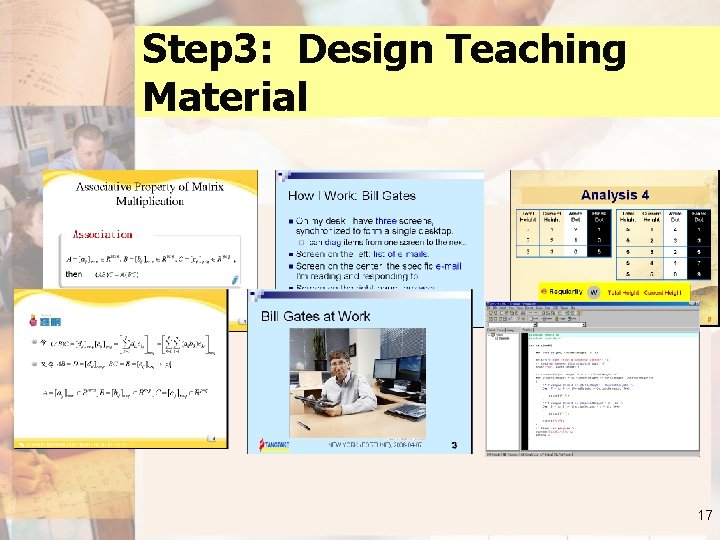
Step 3: Design Teaching Material 17
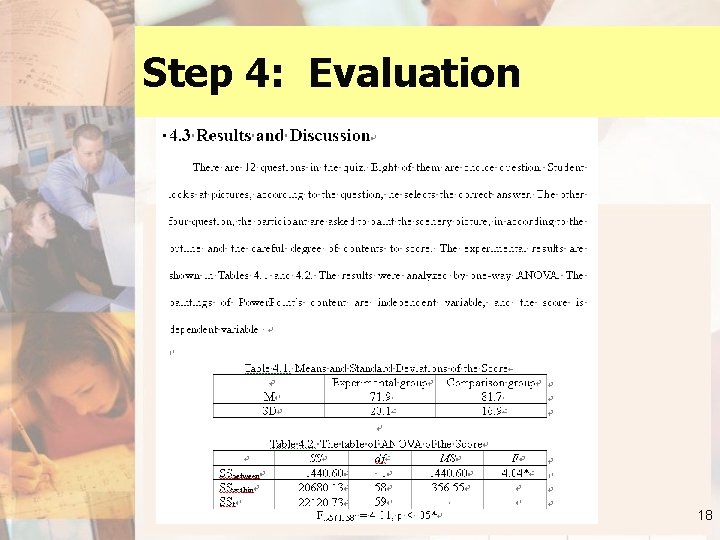
Step 4: Evaluation 18
Asynchronous e-Learning 19
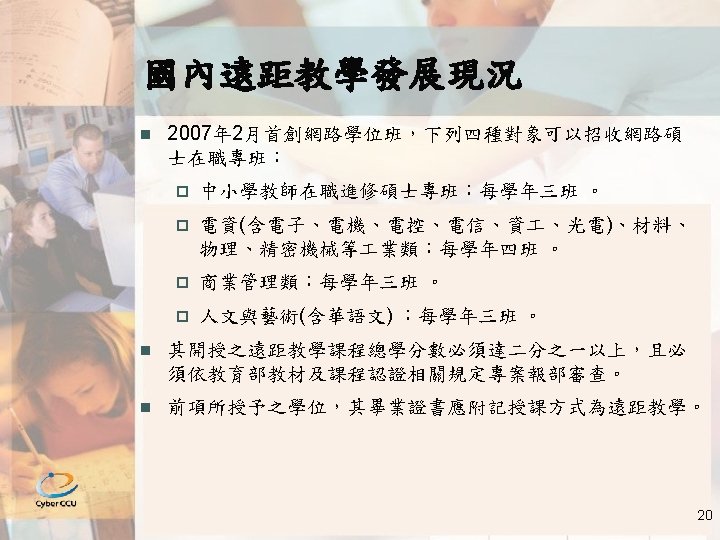
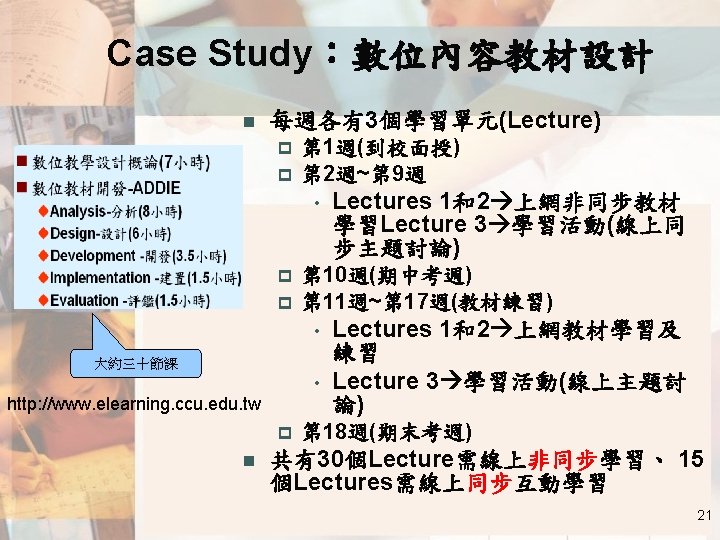
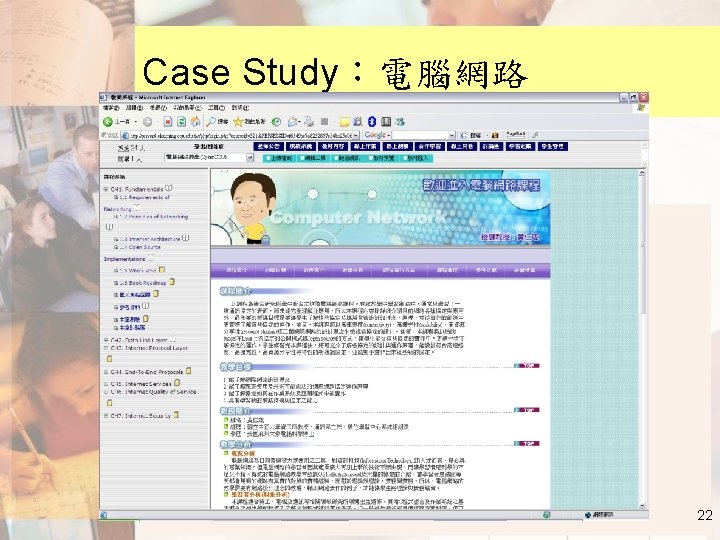
Case Study:電腦網路 22
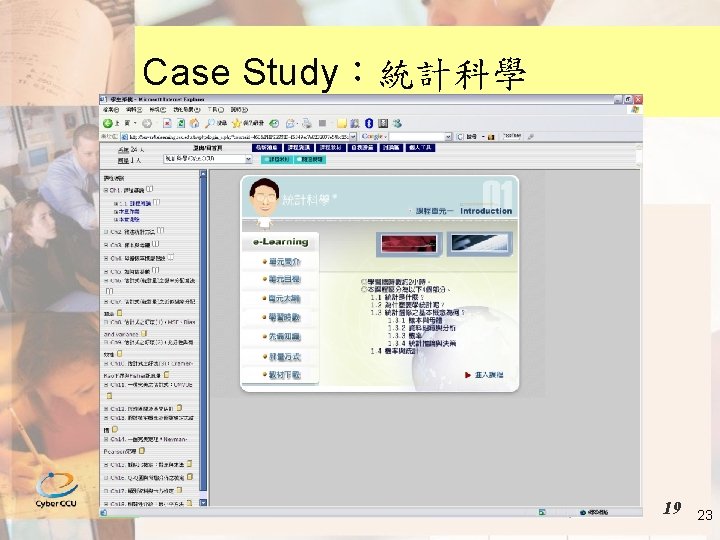
Case Study:統計科學 19 23
Synchronous e-Learning 24
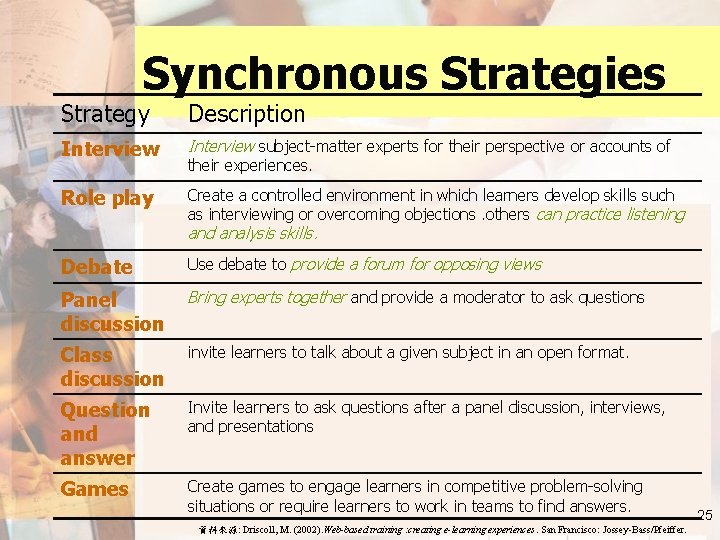
Synchronous Strategies Strategy Description Interview subject-matter experts for their perspective or accounts of Role play Create a controlled environment in which learners develop skills such as interviewing or overcoming objections. others can practice listening their experiences. and analysis skills. Debate Use debate to provide a forum for opposing views Panel discussion Bring experts together and provide a moderator to ask questions Class discussion invite learners to talk about a given subject in an open format. Question and answer Invite learners to ask questions after a panel discussion, interviews, and presentations Games Create games to engage learners in competitive problem-solving situations or require learners to work in teams to find answers. 資料來源: Driscoll, M. (2002). Web-based training : creating e-learning experiences. San Francisco: Jossey-Bass/Pfeiffer. 25
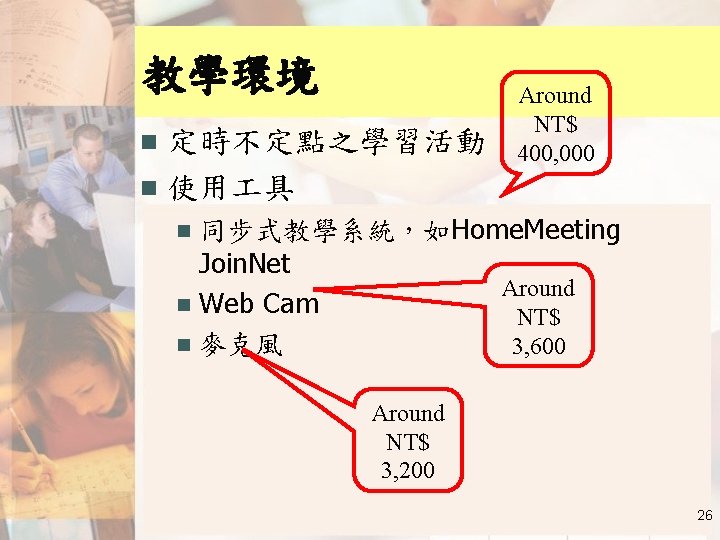
教學環境 定時不定點之學習活動 n 使用 具 n Around NT$ 400, 000 同步式教學系統,如Home. Meeting Join. Net Around n Web Cam NT$ n 麥克風 3, 600 n Around NT$ 3, 200 26


Conclusions 30
Conclusion n n Bill Gates stated: “You can get productivity gains with multi-monitor anywhere from 20 to 50 percent”. (Microsoft Win. HEC, 2002) Multimedia learning can effectually make referential connections between verbal and visual representations. Low-experience and high-spatial ability students are the most likely to benefit from instruction that carefully synchronizes the presentation of verbal and visual forms of scientific explanation. The investment of e-Learning is necessary including the educational theory and technology. 31
- Slides: 31