
MSU Extension Chapter 1 Principles of Pest Management
- Slides: 67
MSU Extension Chapter 1 Principles of Pest Management
MSU Extension Right of Way Areas Highways n Utility areas n Pumping stations n Drainage ways n Railroads, airports n Paths and trails n
MSU Extension Integrated Pest Management (IPM) uses all available tactics and strategies to manage pests. Minimal impact to the environment.
MSU Extension In right- of - way pest management, woody and herbaceous plant species are the major pests. Not easy to define a crop-pest relationship. -
MSU Extension The “crop” of right-ofways is the services the right-of-way provides.
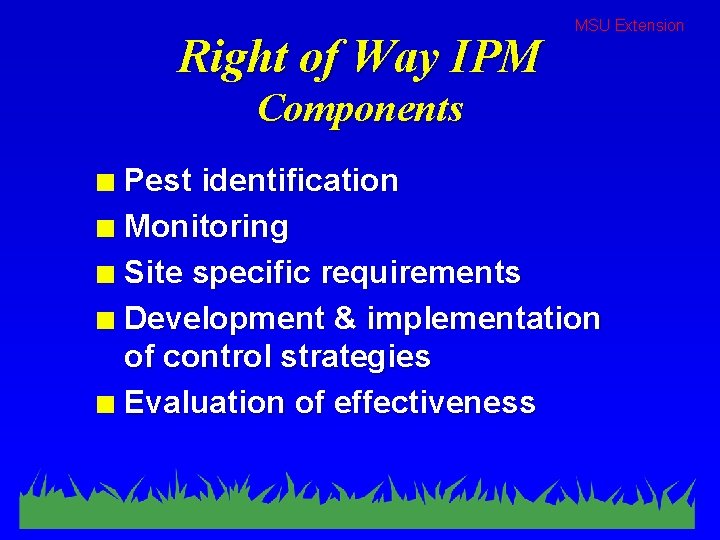
Right of Way IPM MSU Extension Components Pest identification n Monitoring n Site specific requirements n Development & implementation of control strategies n Evaluation of effectiveness n
MSU Extension Record Keeping n Control measures, dates n Pesticides & related info n ID of crew & equipment n Environmental conditions
Pest Management Techniques n Biological control n Cultural control n Mechanical control n Chemical control MSU Extension
MSU Extension Biological controls focus on enhancing the effects of natural enemies.
MSU Extension Production by plants of chemicals that inhibit the growth of nearby plants. - black walnut - quackgrass - sunflower
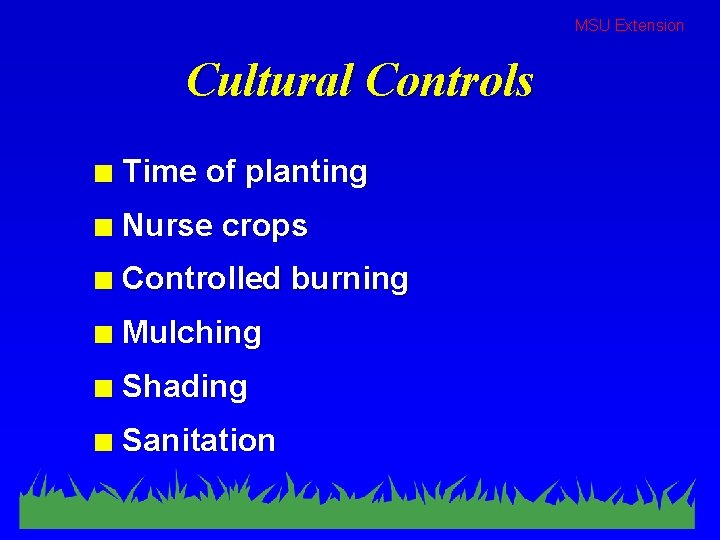
MSU Extension Cultural Controls n Time of planting n Nurse crops n Controlled burning n Mulching n Shading n Sanitation
MSU Extension Mechanical Control n Mechanical / manual n Mowing, trimming, cutting – mowing height must control weed plants and encourage desired vegetation
MSU Extension Chemical Control n Flexibility n “Brown out” n Timing. . Limited n Public Perceptions
MSU Extension Site Requirements & Pest Species n Will help to determine… – pesticide to use – application technique – timing – equipment selection – mixing rate and additives
MSU Extension Attitudes have changed. Not all woody vegetation is considered undesirable.
MSU Extension Environmental Concerns n Wetlands are critical sensitive to chemicals n Use extreme care to avoid exposing wetlands and surface waters to pesticides – use a anti-back flow device
MSU Extension Chapter 2 Weed Plants and Trees
MSU Extension Weed = any plant growing where it is not wanted.
MSU Extension Developmental Stages n Seedling n Vegetative n Seed Production n Maturity
MSU Extension Plant Types n Annual – summer – winter n Biennial n Perennial
MSU Extension Plant Classification n Grasses – monocots, fibrous root system, growth point at soil surface, annual or perennial n Sedges – similar to grasses, triangular stems, perennial
MSU Extension Plant Classification n Herbaceous broadleaves – annual, biennial, perennial – net like venation – dicots – diverse growth points – underground reproductive systems
MSU Extension Plant Classification n Vines n Brush & trees n Ferns – spore reproduction, rhizomes n Parasitic seed plants – dodder
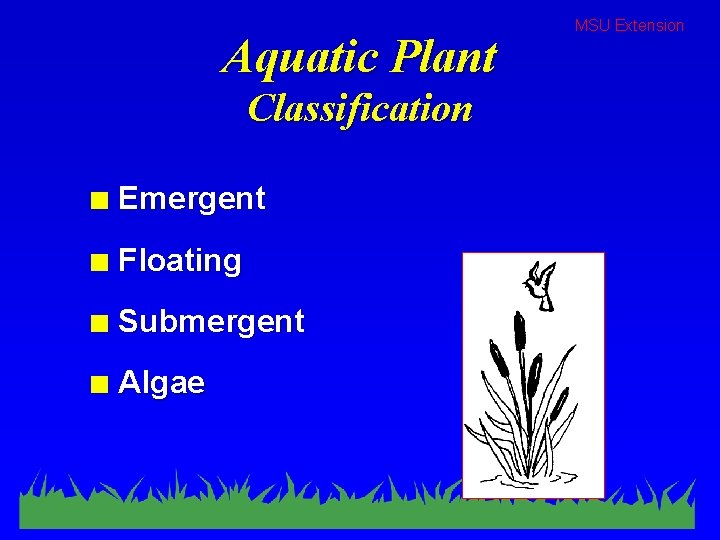
Aquatic Plant Classification n Emergent n Floating n Submergent n Algae MSU Extension
MSU Extension Submergent plants have a thin outer layer on their leaves and are very susceptible to herbicide injury.
MSU Extension You must obtain a permit from DEQ (DNR) to control aquatic plants. Excluding: < 2 acres, no outlet, not RUP
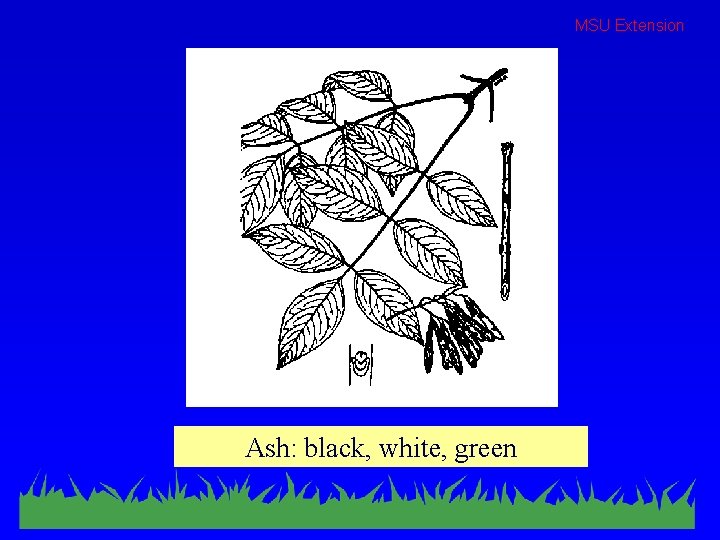
MSU Extension Ash: black, white, green
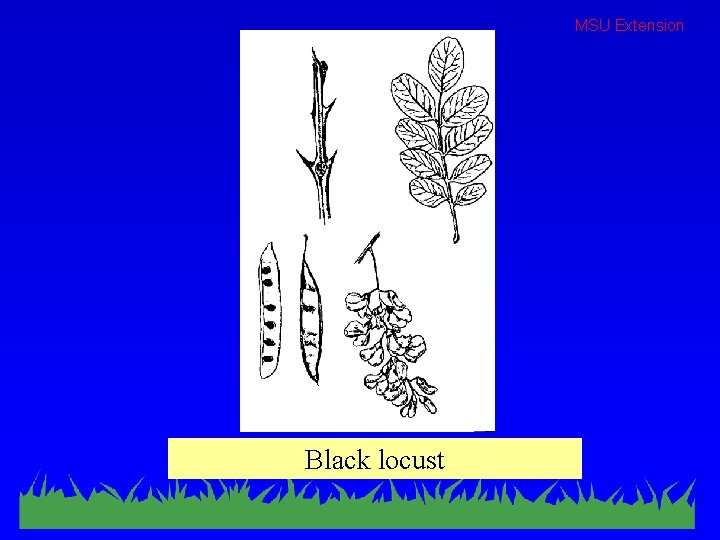
MSU Extension Black locust
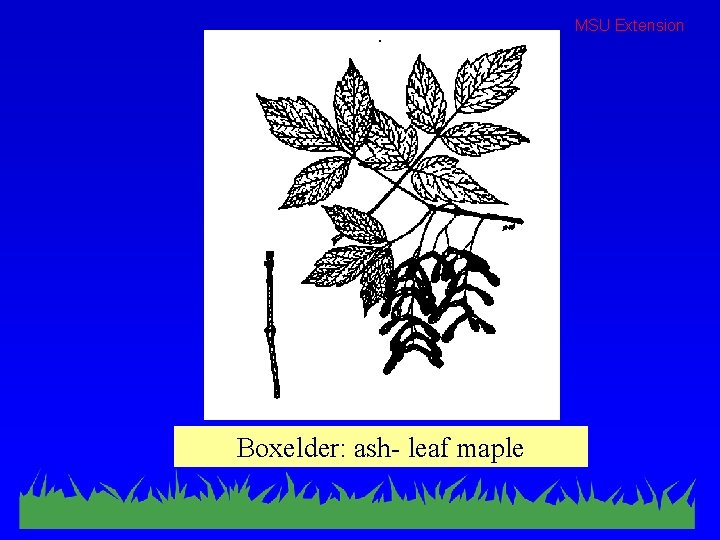
MSU Extension Boxelder: ash- leaf maple
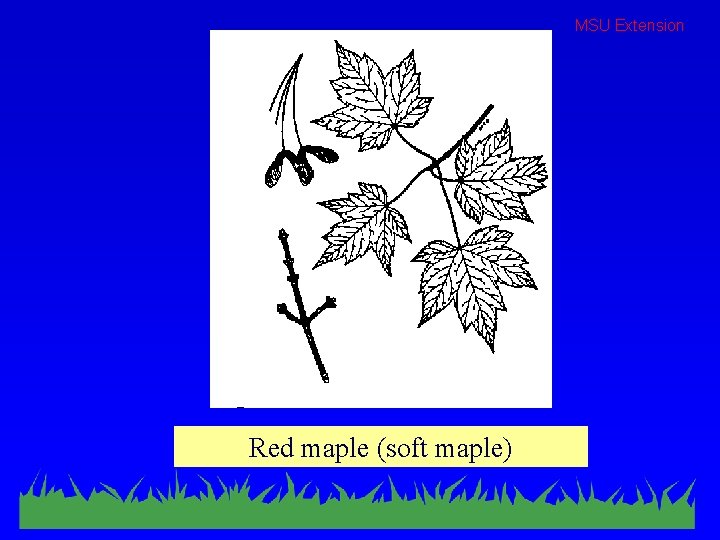
MSU Extension Red maple (soft maple)
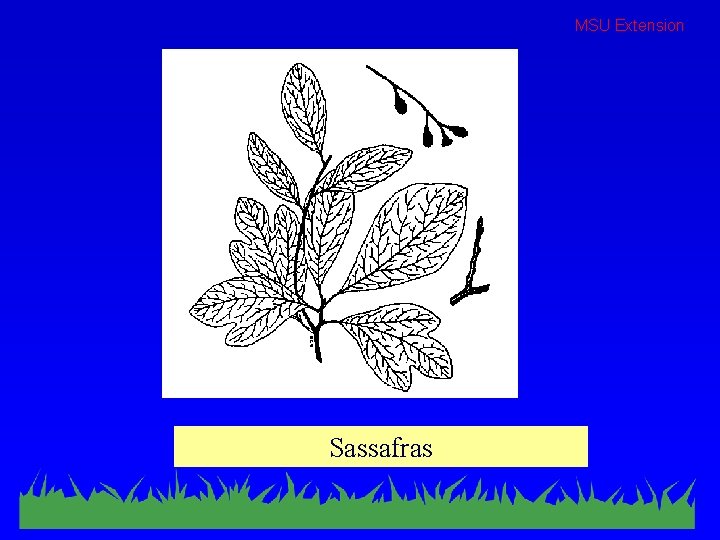
MSU Extension Sassafras
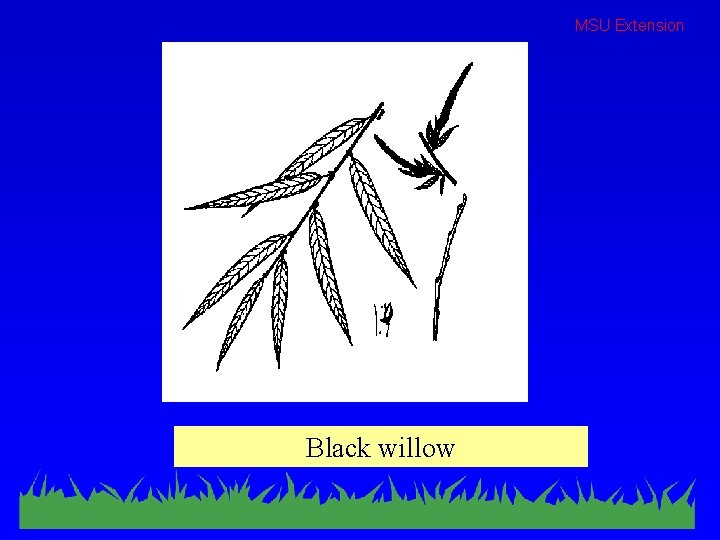
MSU Extension Black willow
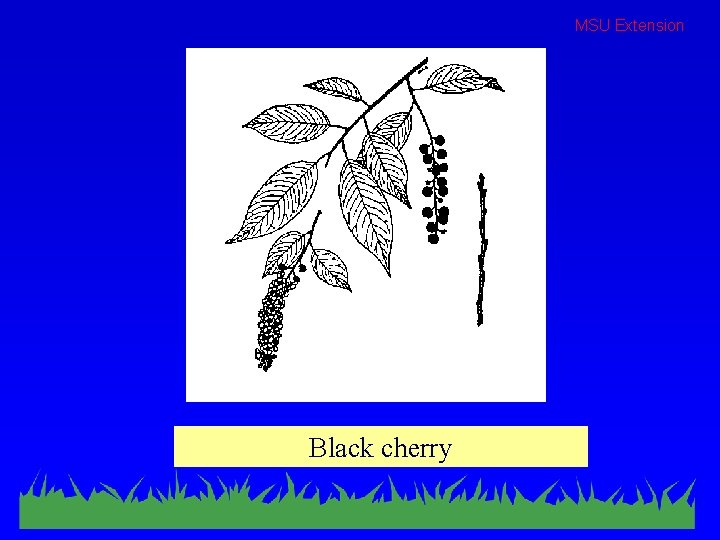
MSU Extension Black cherry
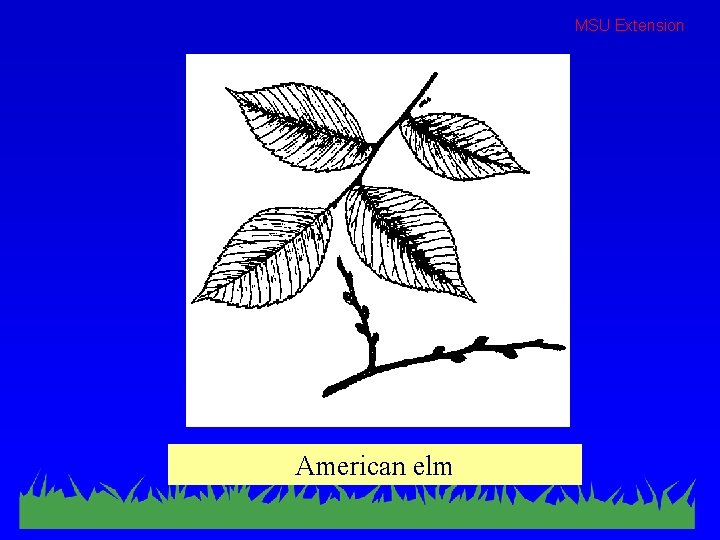
MSU Extension American elm
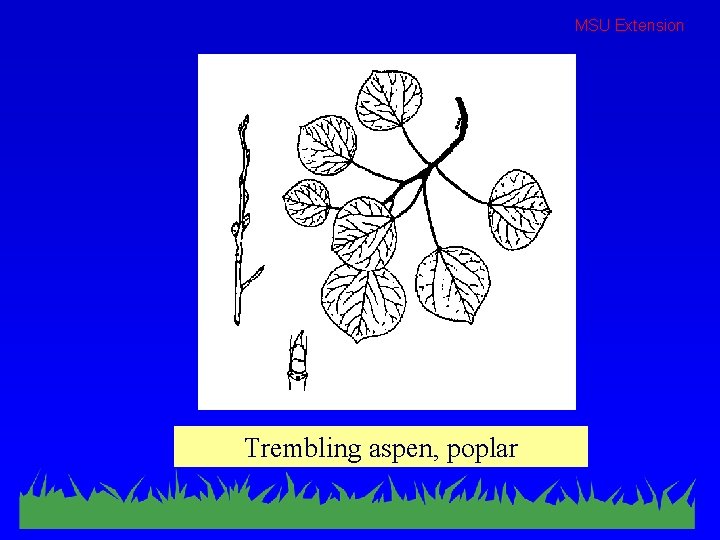
MSU Extension Trembling aspen, poplar
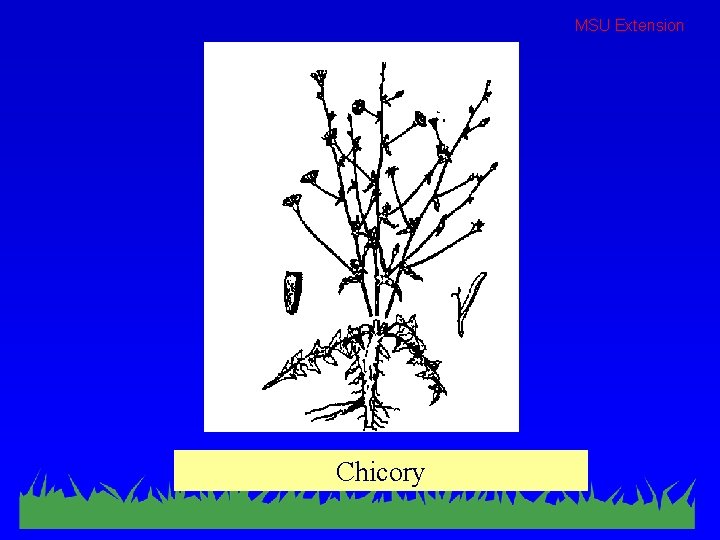
MSU Extension Chicory
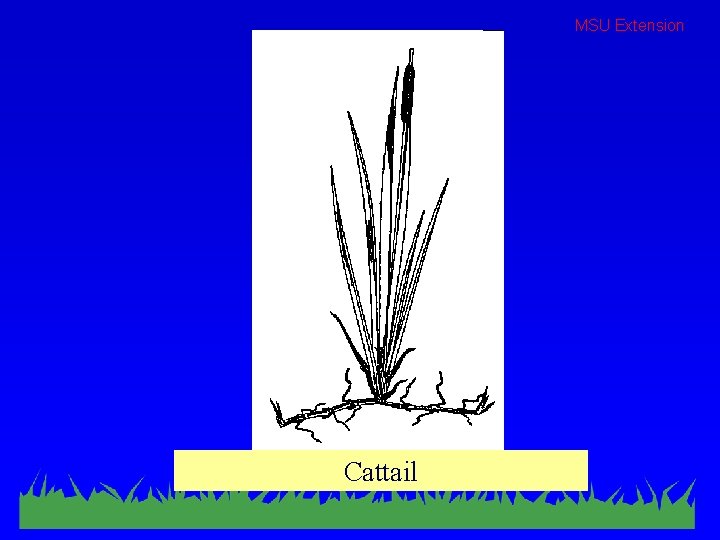
MSU Extension Cattail
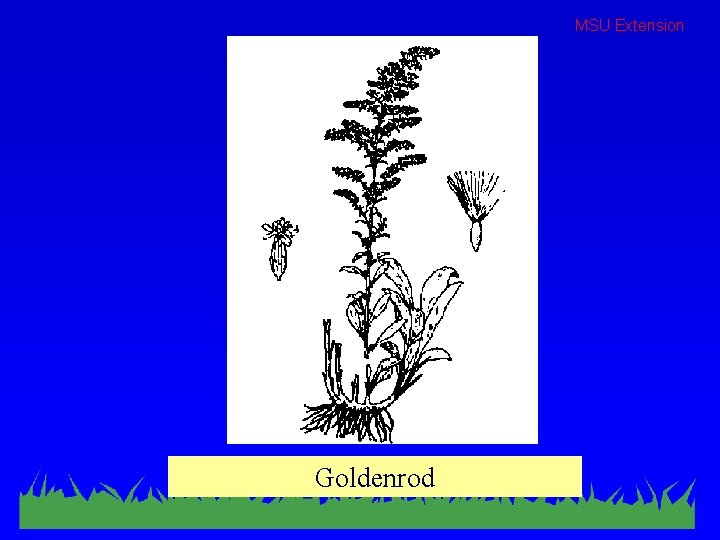
MSU Extension Goldenrod
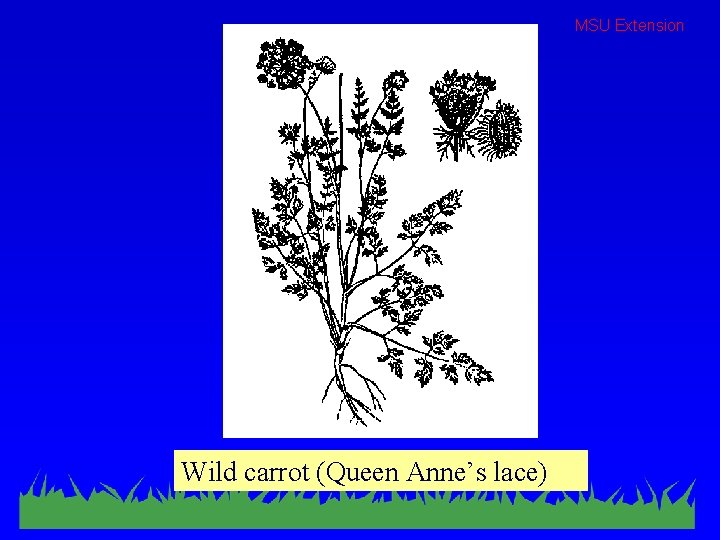
MSU Extension Wild carrot (Queen Anne’s lace)
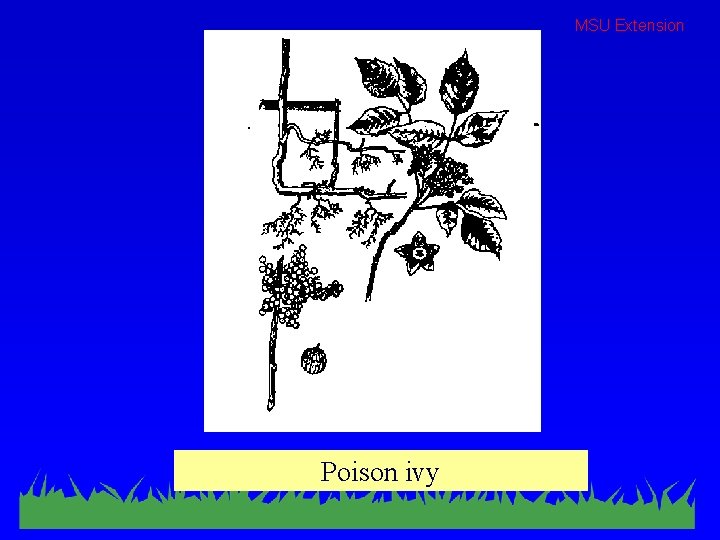
MSU Extension Poison ivy
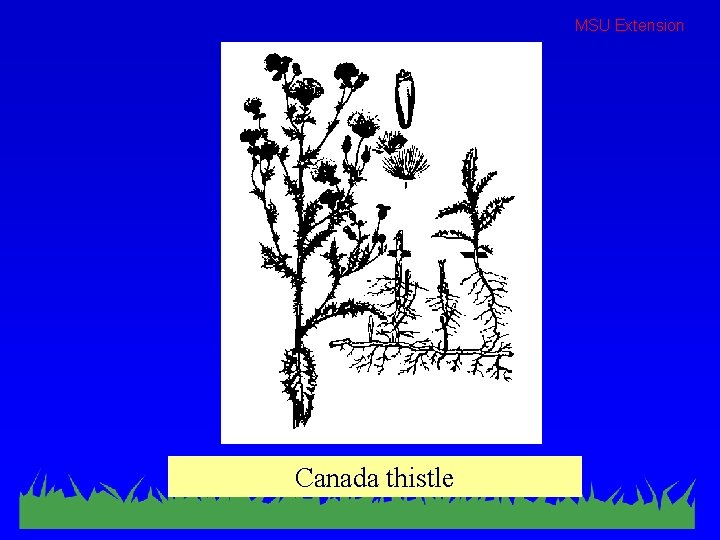
MSU Extension Canada thistle
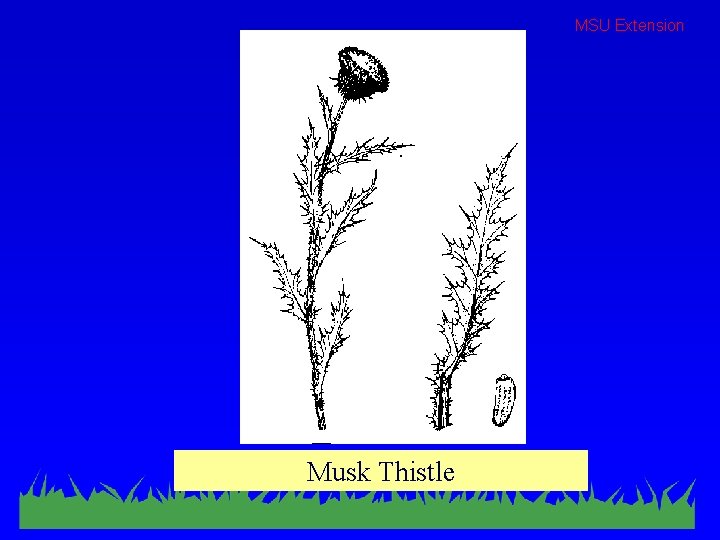
MSU Extension Musk Thistle
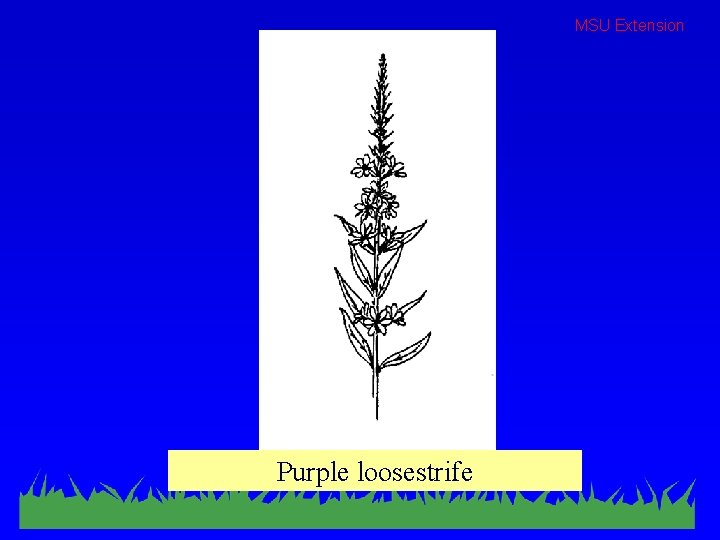
MSU Extension Purple loosestrife
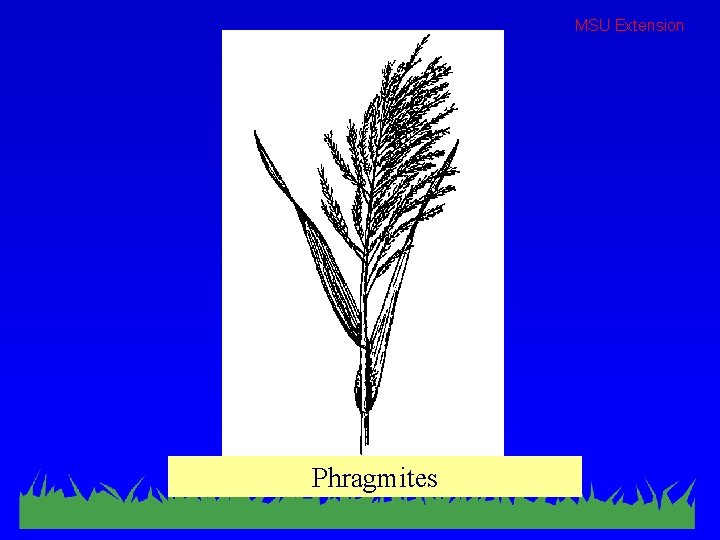
MSU Extension Phragmites
MSU Extension Chapter 3 Herbicides & Weeds
MSU Extension Herbicides are pesticides that control weeds.
MSU Extension Factors Affecting Herbicidal Action n Herbicidal action characteristics n Plant characteristics n Climatic factors
MSU Extension Herbicidal Action Characteristics n Foliage or root absorbed n Contact or translocated n Persistent or non- persistent n Selective or Non- selective
MSU Extension Plant Characteristics n Growing points n Leaf shape n Wax & cuticle n Leaf hairs
MSU Extension Plant Characteristics n Deactivation n Stage in life cycle n Timing of stages in life cycle
MSU Extension Climatic Factors n Relative humidity n Light n Precipitation n Wind n Temperatures n Length of growing season
MSU Extension Temperature Inversions n Ground air cooler than air above n Can suspend pesticide particles n Particles can move to non- target areas
MSU Extension Selective Herbicides n Foliage spraying n Basal spraying n Granular or pellet n Spotgun n Cut surface
MSU Extension Foliage treatments can be done from full leaf to early fall color.
Low Volume Ground Foliage Treatment MSU Extension n 10 to 100 gal per acre n Not treated to point of runoff n Higher concentration of active ingredient n Faster coverage n Drift can be major concern
High Volume Ground Foliage Treatments MSU Extension n Herbicide concentration rather than rate per acre n Spray to “drip” n Larger volumes of mix n Herbicide amount will vary considerably
MSU Extension Aerial Application n Helicopters used most often n Pilot must be certified in… – right-of-way – aerial application n Commonly used in rough terrain
MSU Extension Basal treatment can be applied any time of year, except with snow or ice.
MSU Extension Basal Spray Methods n Conventional basal spraying – spray to wet or run down – fuel oil carrier – lower concentrations – losing popularity cost F odor F
MSU Extension Basal Spray Methods n Low Volume Basal Spraying – more concentrated – not sprayed to wet – light & compact equipment – more like spray painting
MSU Extension Granular Application n Broadcast n Directed
MSU Extension Spotgun Liquid herbicide applied to a “spot” in the root zone area. n Similar to a granular stem treatment n More effective in sparse vegetation n – fewer risks to non- target plants
MSU Extension Cut Surface Treatments Cut stump, frilling, hack & squirt, girdling n Errors n – too much chemical – improper girdling or frilling – applying too close to desirable vegetation
MSU Extension Non-selective herbicides control most plant species. Many last 1+ years. Easily damage non- target plants.
Factors Affecting Non- Selective Herbicides n Soils n Moisture n Vegetation n Soil types microorganisms MSU Extension
MSU Extension Non- Selective Herbicides Keep away from root zones of desirable plants n Do not apply to frozen ground n Be careful of residual herbicides on slopes n Use low pressure n Choose non- corrosive materials n
MSU Extension Other Chemicals n Defoliant – removes foliage n Dessicant – dries foliage n Plant growth regulator – affects some aspect of plant development-