
MRSA ESBLS AND CARBAPENEM RESISTANCE 1 2 3

MRSA, ESBLS AND CARBAPENEM RESISTANCE 1
2
3
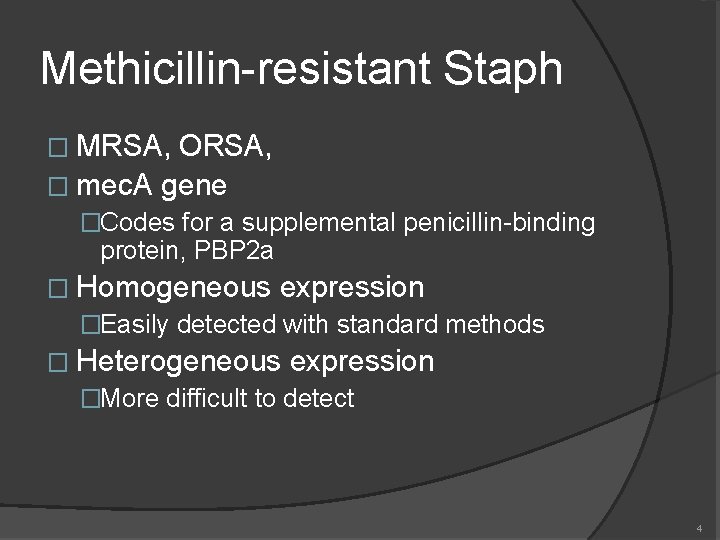
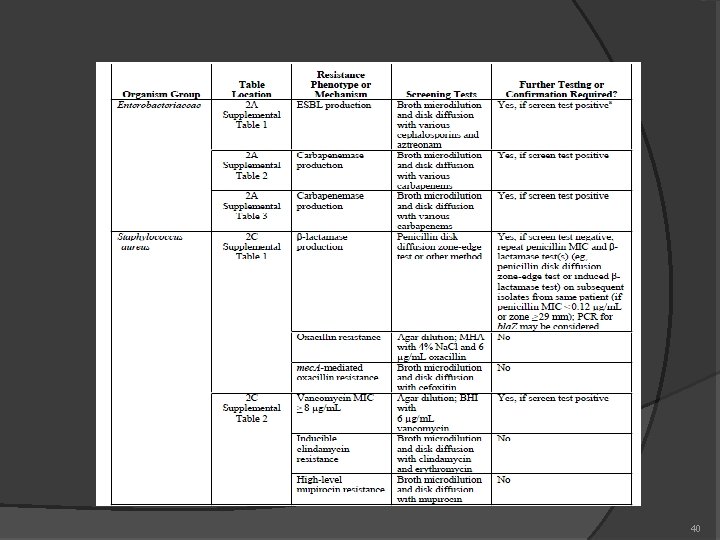
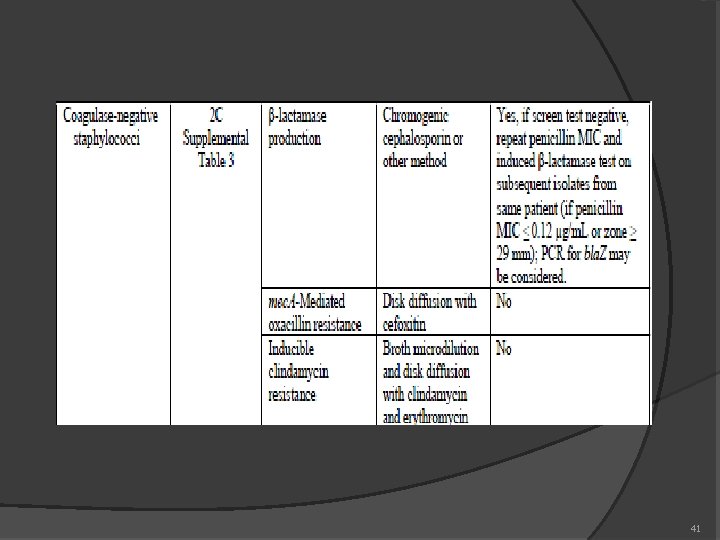
Methicillin-resistant Staph � MRSA, ORSA, � mec. A gene �Codes for a supplemental penicillin-binding protein, PBP 2 a � Homogeneous expression �Easily detected with standard methods � Heterogeneous expression �More difficult to detect 4
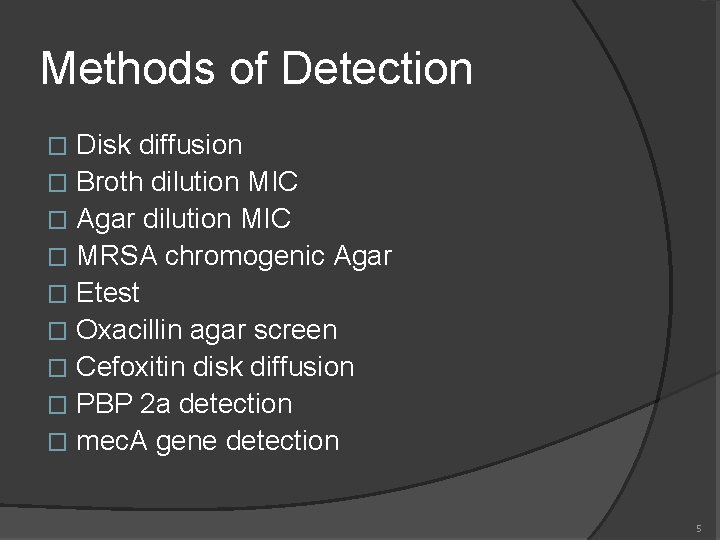
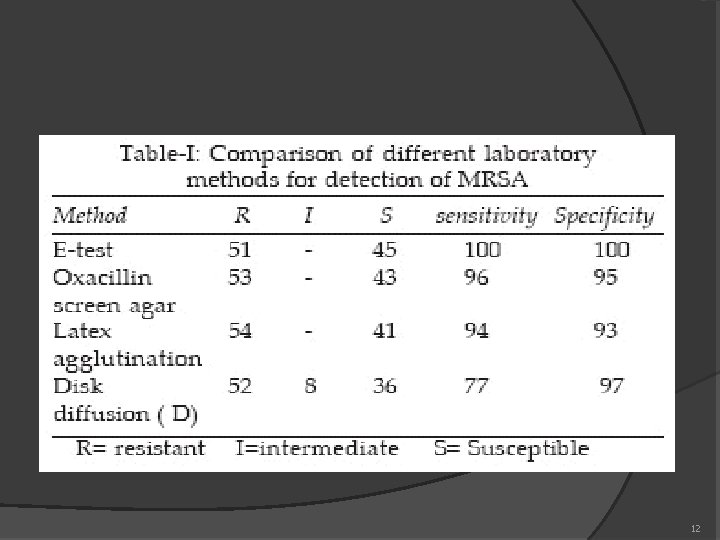
Methods of Detection Disk diffusion � Broth dilution MIC � Agar dilution MIC � MRSA chromogenic Agar � Etest � Oxacillin agar screen � Cefoxitin disk diffusion � PBP 2 a detection � mec. A gene detection � 5
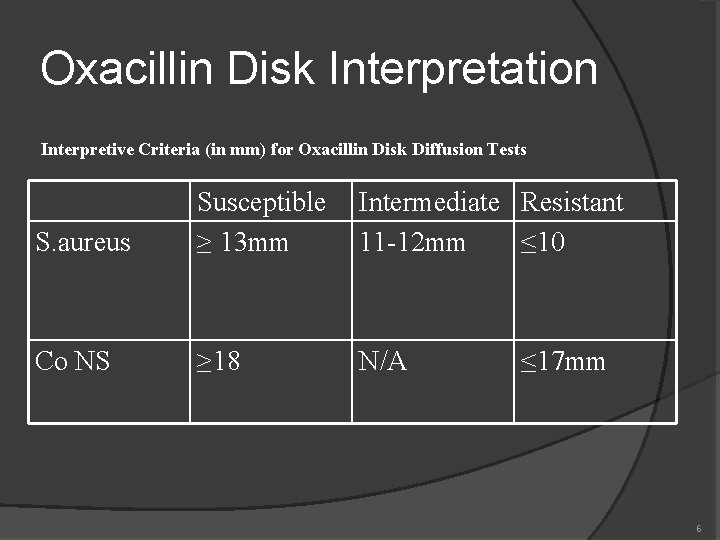
Oxacillin Disk Interpretation Interpretive Criteria (in mm) for Oxacillin Disk Diffusion Tests S. aureus Susceptible ≥ 13 mm Intermediate Resistant 11 -12 mm ≤ 10 Co NS ≥ 18 N/A ≤ 17 mm 6
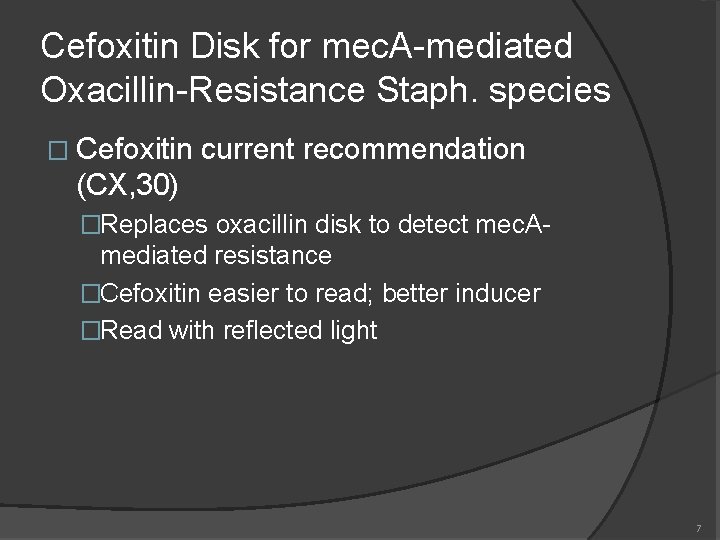
Cefoxitin Disk for mec. A-mediated Oxacillin-Resistance Staph. species � Cefoxitin current recommendation (CX, 30) �Replaces oxacillin disk to detect mec. A- mediated resistance �Cefoxitin easier to read; better inducer �Read with reflected light 7
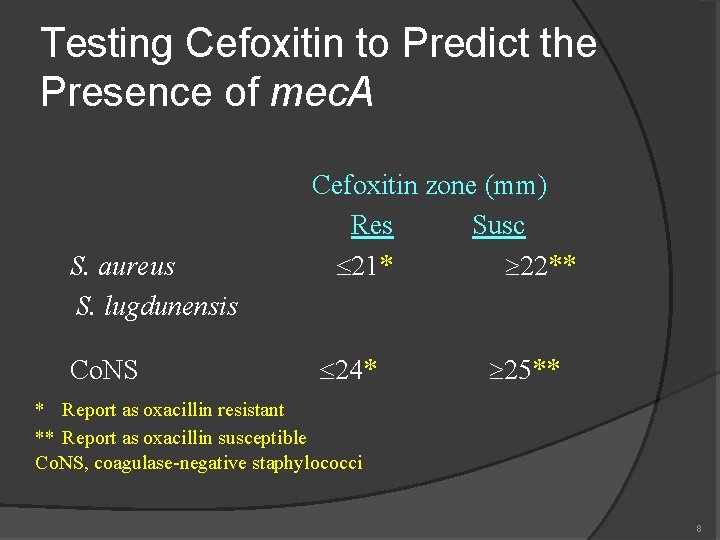
Testing Cefoxitin to Predict the Presence of mec. A S. aureus S. lugdunensis Co. NS Cefoxitin zone (mm) Res Susc 21* 22** 24* 25** * Report as oxacillin resistant ** Report as oxacillin susceptible Co. NS, coagulase-negative staphylococci 8
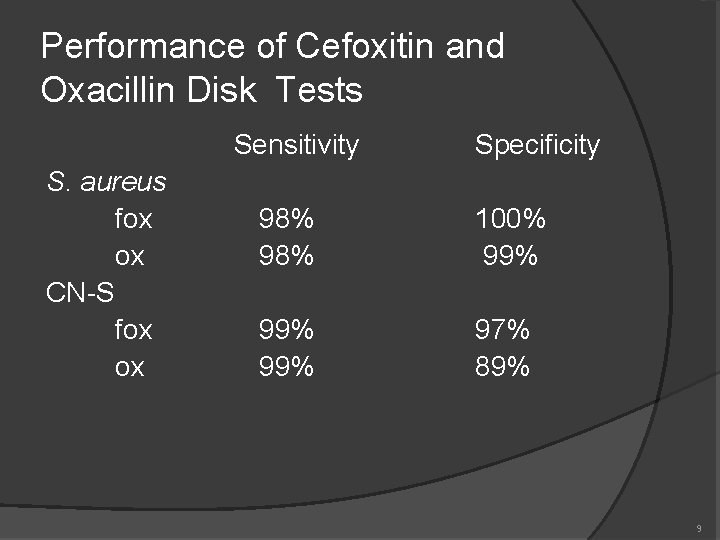
Performance of Cefoxitin and Oxacillin Disk Tests Sensitivity S. aureus fox ox CN-S fox ox Specificity 98% 100% 99% 99% 97% 89% 9
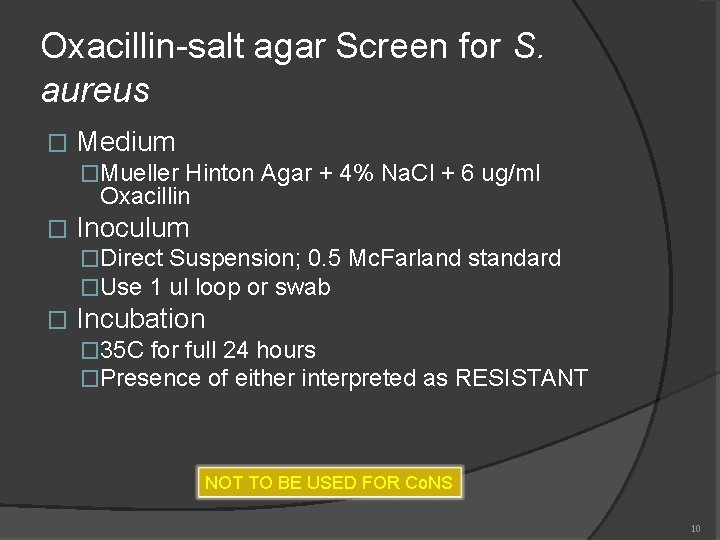
Oxacillin-salt agar Screen for S. aureus � Medium �Mueller Hinton Agar + 4% Na. Cl + 6 ug/ml Oxacillin � Inoculum �Direct Suspension; 0. 5 Mc. Farland standard �Use 1 ul loop or swab � Incubation � 35 C for full 24 hours �Presence of either interpreted as RESISTANT NOT TO BE USED FOR Co. NS 10
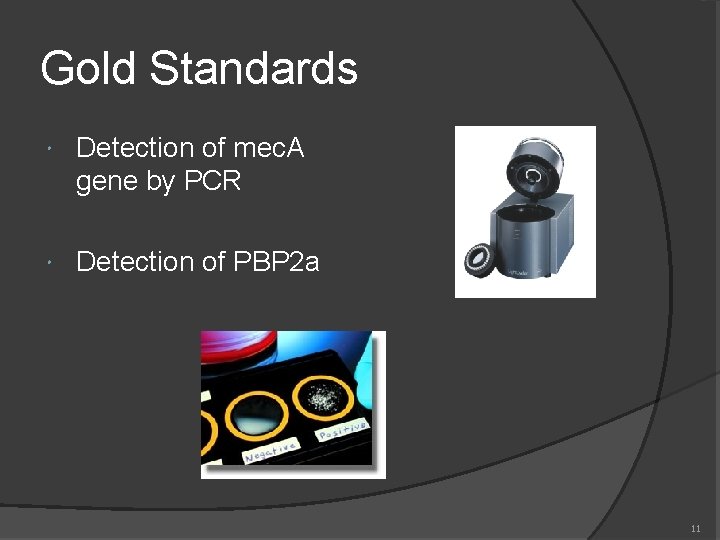
Gold Standards Detection of mec. A gene by PCR Detection of PBP 2 a 11
12

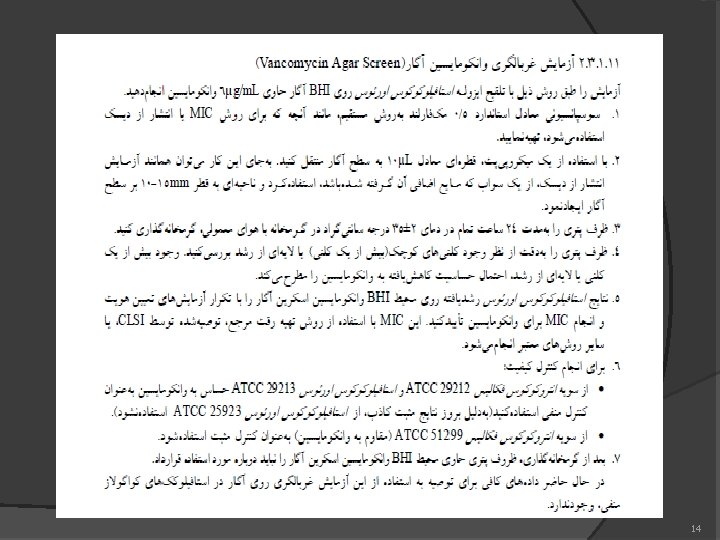
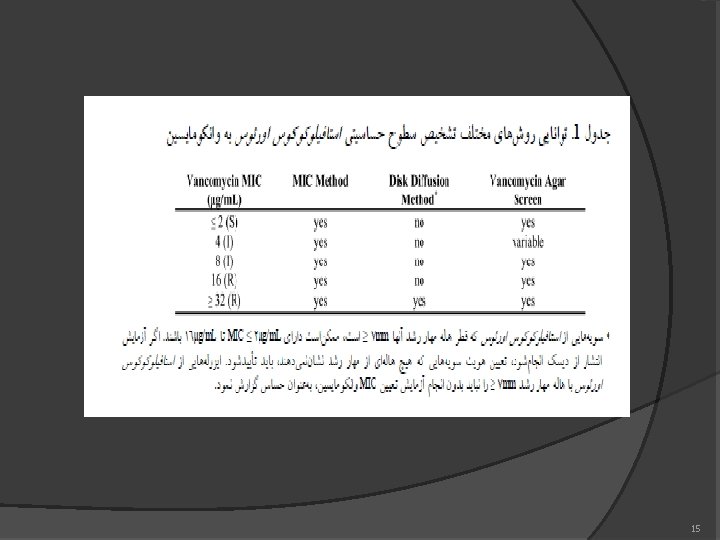
Vancomycin Resistant S. aureus �T here is only few report of VRSA There are some reports reduced susceptiblity of S. aureus to vancomycin. 13
14
15

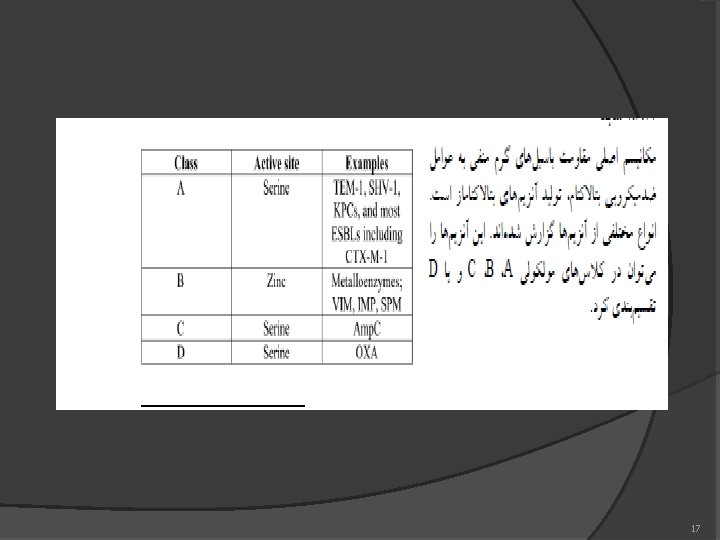
Extended-Spectrumβ Lactamase (ESBLs) 16 16
17
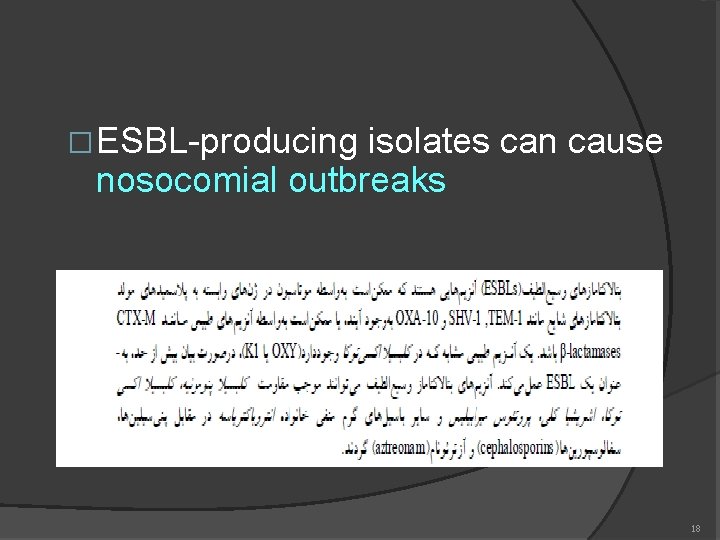
� ESBL-producing isolates can cause nosocomial outbreaks 18
Which microorganisms are ESBls positive � � � � K. pneumoniae and K. oxytoca E. coli Enterobacter spp Salmonella spp Morganell morganii, Proteus mirabilis Serratia marcescens Pseudomonas aeruginosa 19
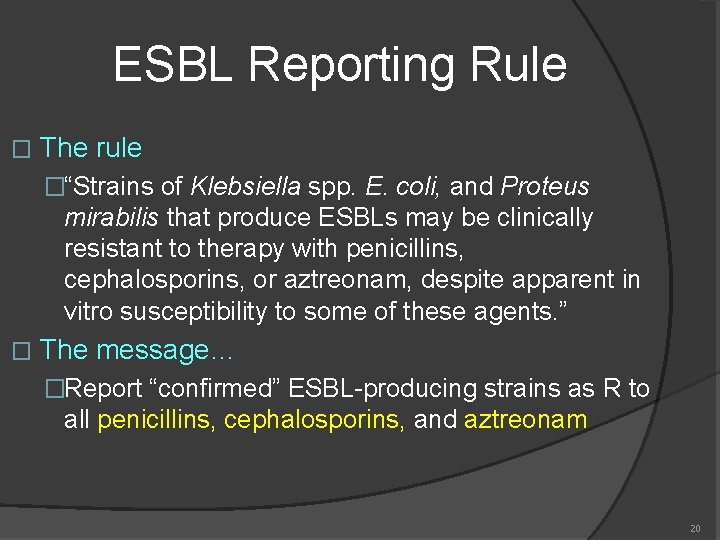
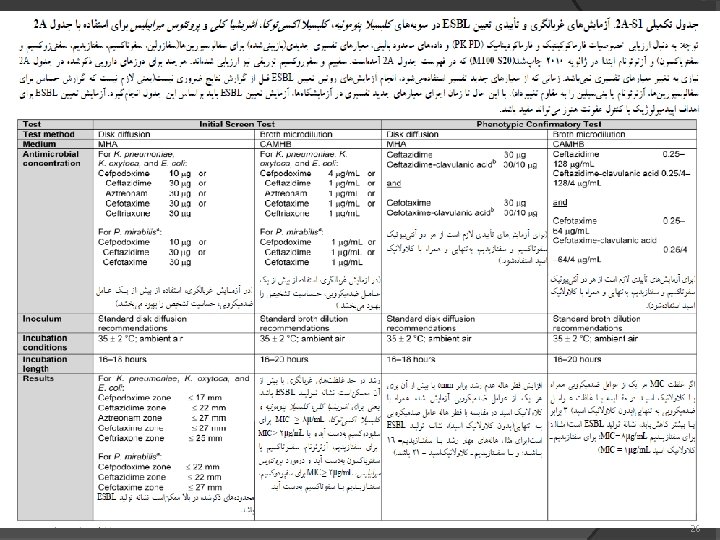
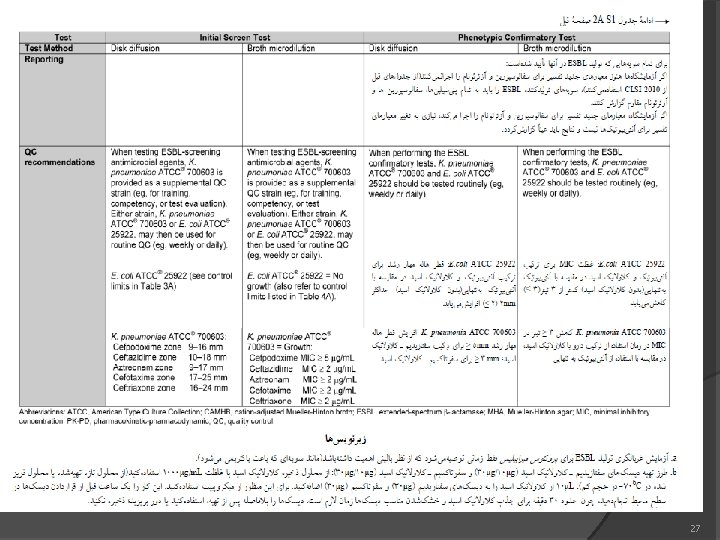
ESBL Reporting Rule � The rule �“Strains of Klebsiella spp. E. coli, and Proteus mirabilis that produce ESBLs may be clinically resistant to therapy with penicillins, cephalosporins, or aztreonam, despite apparent in vitro susceptibility to some of these agents. ” � The message… �Report “confirmed” ESBL-producing strains as R to all penicillins, cephalosporins, and aztreonam 20
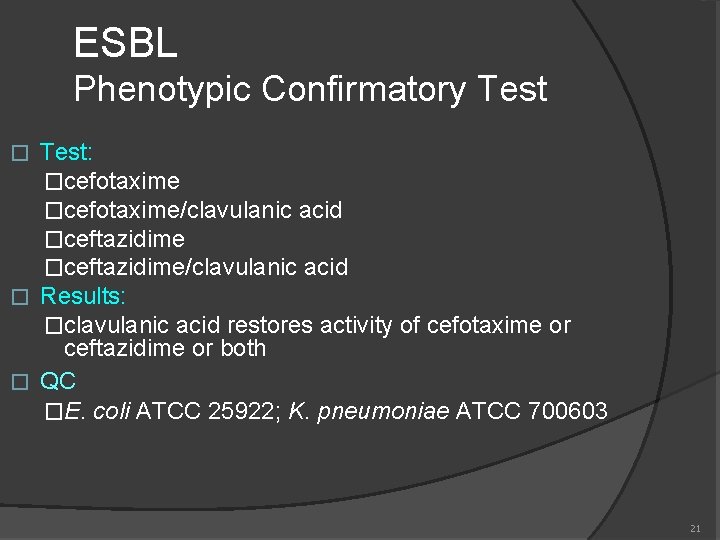
ESBL Phenotypic Confirmatory Test: �cefotaxime/clavulanic acid �ceftazidime/clavulanic acid � Results: �clavulanic acid restores activity of cefotaxime or ceftazidime or both � QC �E. coli ATCC 25922; K. pneumoniae ATCC 700603 � 21
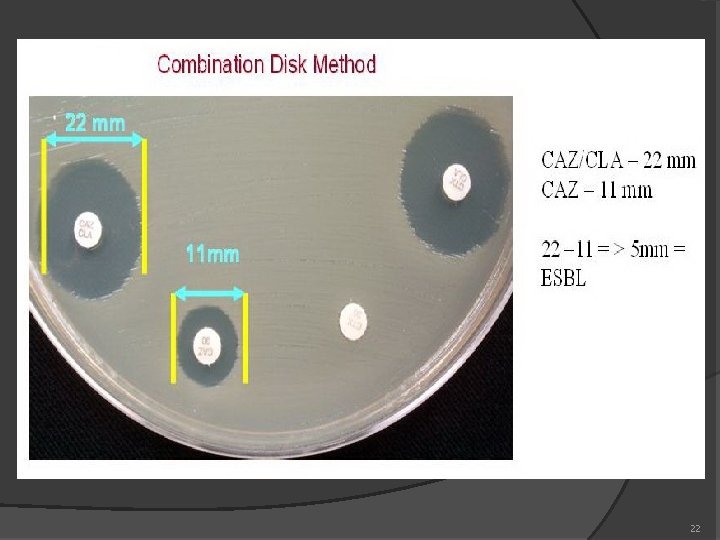
22
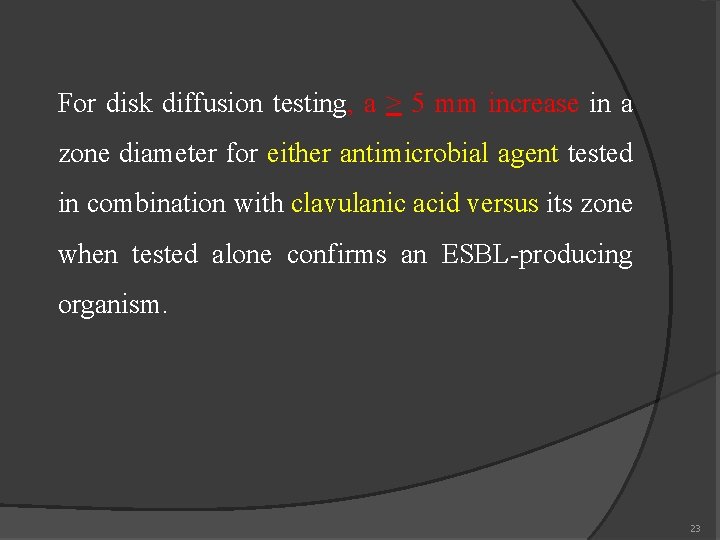
For disk diffusion testing, a > 5 mm increase in a zone diameter for either antimicrobial agent tested in combination with clavulanic acid versus its zone when tested alone confirms an ESBL-producing organism. 23
K. pneumoniae ATCC 700603 (positive control) and E. coli ATCC 25922 (negative control) should be used for quality control of ESBL tests 24
If an ESBL is detected, all penicillins, cephalosporins and aztreonam should be reported as resistant, resistant even if in vitro test results indicate susceptibility. 25
26
27
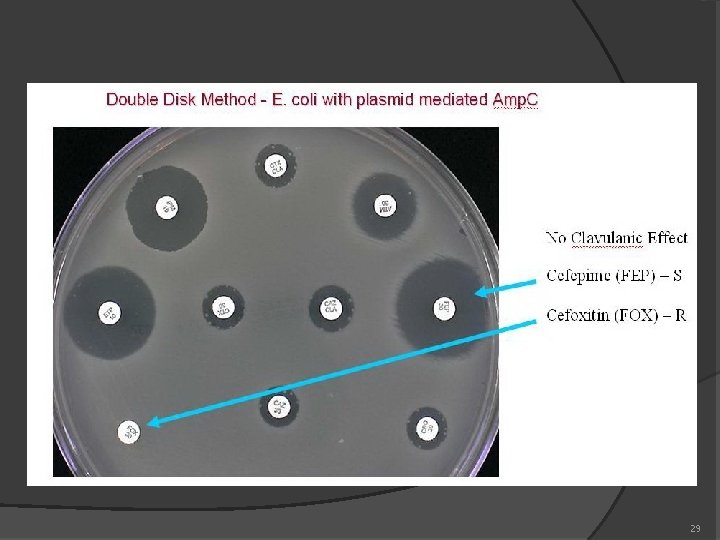
Amp. C beta-lactamases differ from ESBL’s in that they are cephalosporinases >50 Enzyme and are resistant to beta-lactamase inhibitors They hydrolyze the cephamycins (eg. cefoxitin), but not the 4 th generation cephalosporins (eg. cefepime) cefepime High-level production of Amp. C usually causes resistance to all betalactams & monobactam (aztreonam ) except carbapenems and 4 th generation cephalosporins (eg. cefepime) Plasmid-mediated Amp. C’s have been detected in organisms such as E. coli, Klebsiella sp, Proteus sp and Salmonella sp 28
29
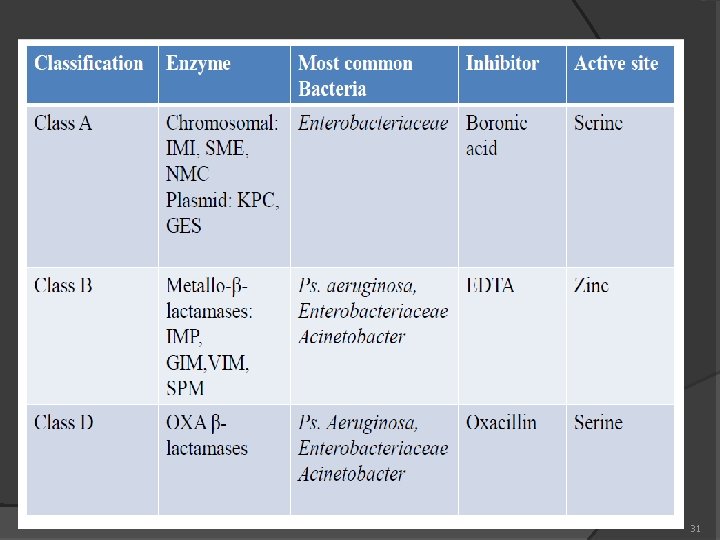
KPC Carbapenems are a class of β-lactam antibiotics with a broad spectrum of antibacterial activity. The following drugs belong to the carbapenem class and are approved for use by health authorities: Imipenem (FDA approval 1985) Meropenem (FDA approval 1996) Ertapenem (FDA approval 2001, since approved for multiple indications) Doripenem (FDA Approval 2007) Panipenem/betamipron (Japanese approval 1993) Biapenem (Japanese approval 2001) 30
31
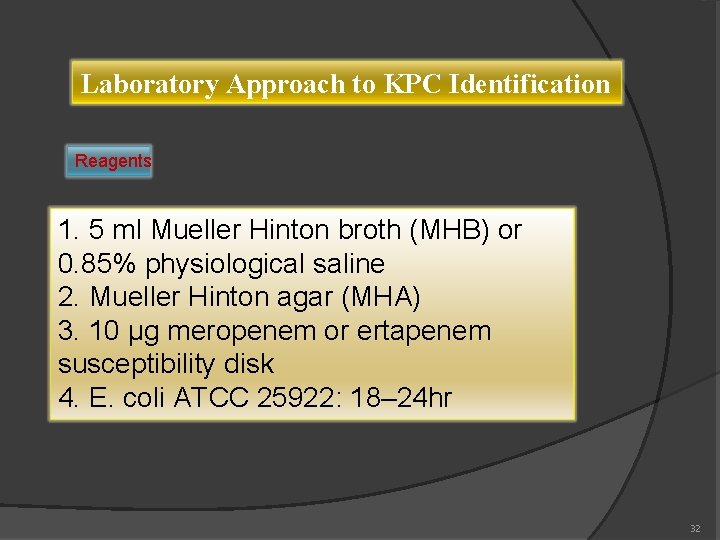
Laboratory Approach to KPC Identification Reagents 1. 5 ml Mueller Hinton broth (MHB) or 0. 85% physiological saline 2. Mueller Hinton agar (MHA) 3. 10 μg meropenem or ertapenem susceptibility disk 4. E. coli ATCC 25922: 18– 24 hr 32
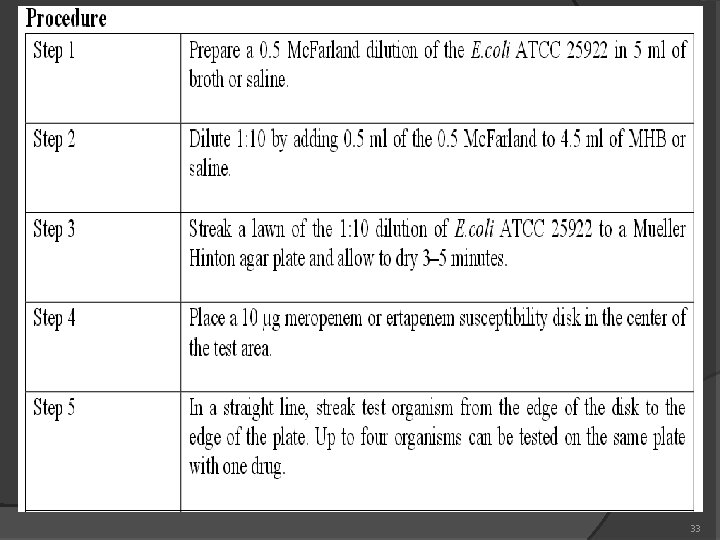
33
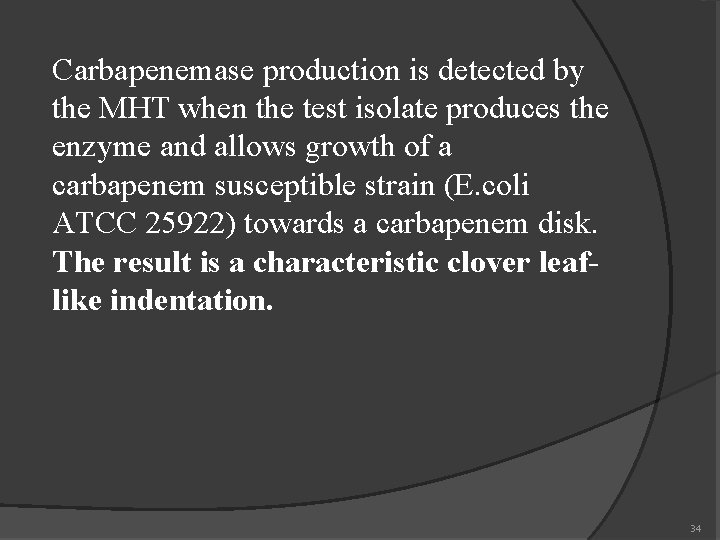
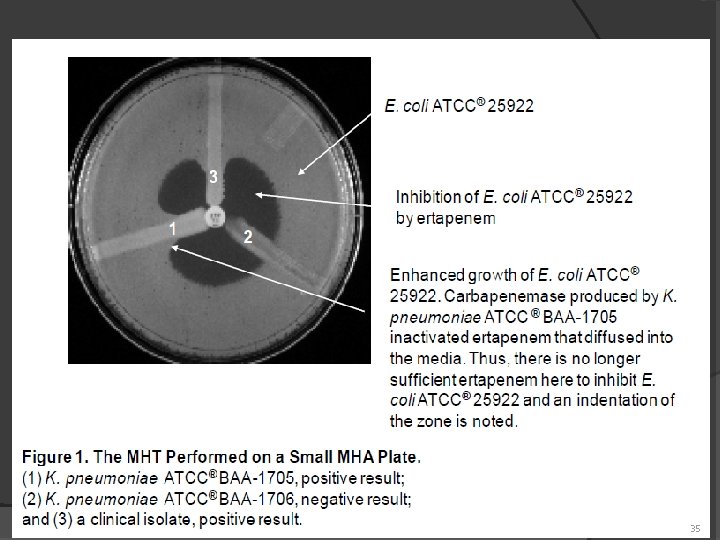
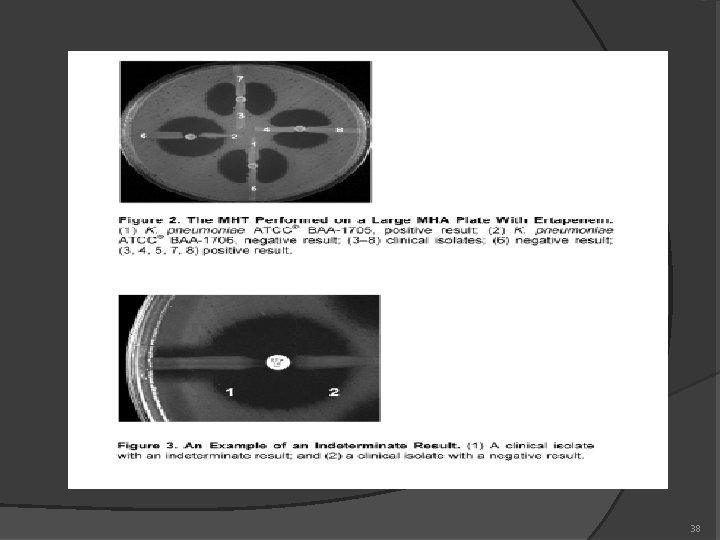
Carbapenemase production is detected by the MHT when the test isolate produces the enzyme and allows growth of a carbapenem susceptible strain (E. coli ATCC 25922) towards a carbapenem disk. The result is a characteristic clover leaflike indentation. 34
35
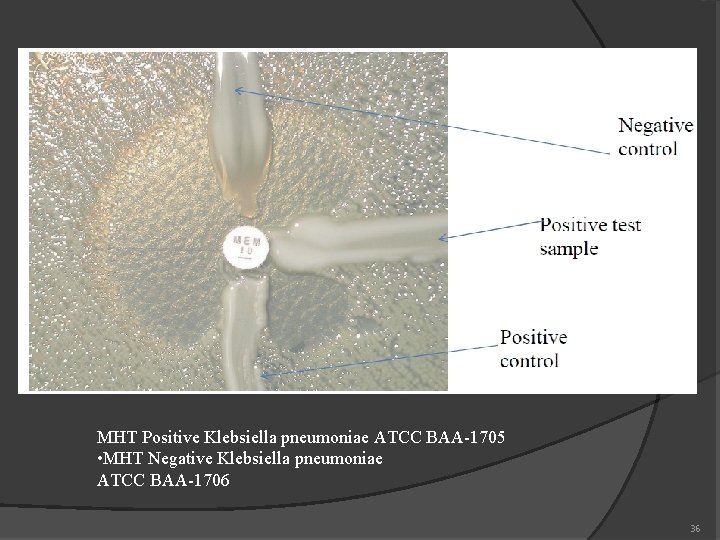
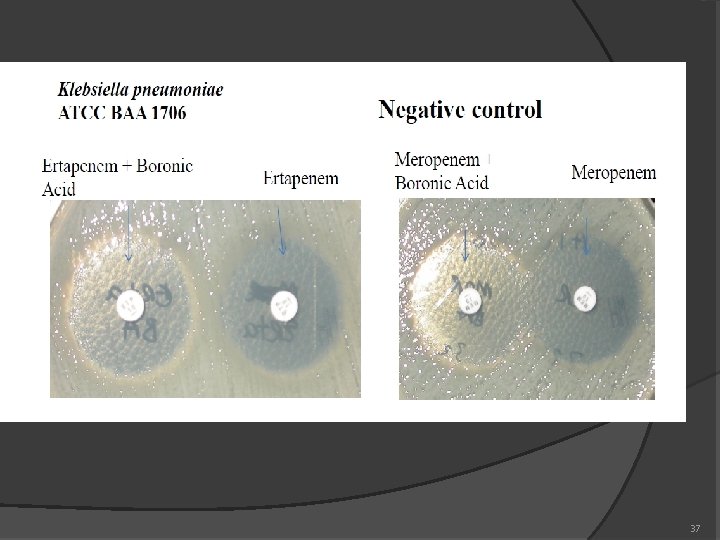
MHT Positive Klebsiella pneumoniae ATCC BAA-1705 • MHT Negative Klebsiella pneumoniae ATCC BAA-1706 36
37
38
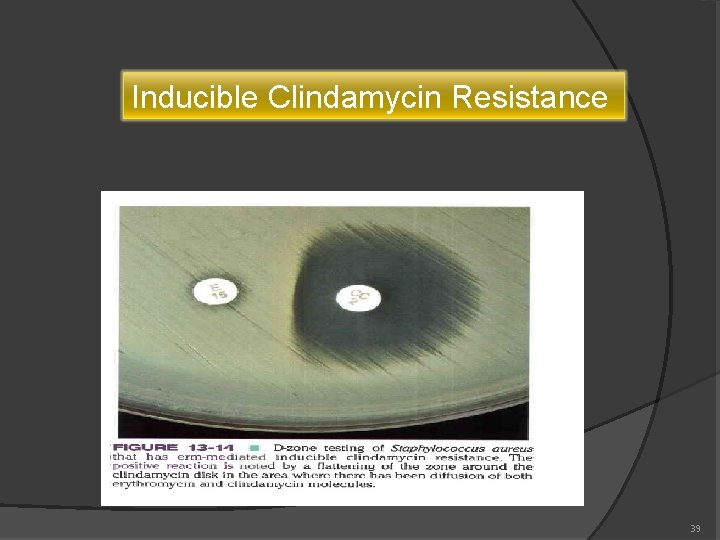
Inducible Clindamycin Resistance 39
40
41
42
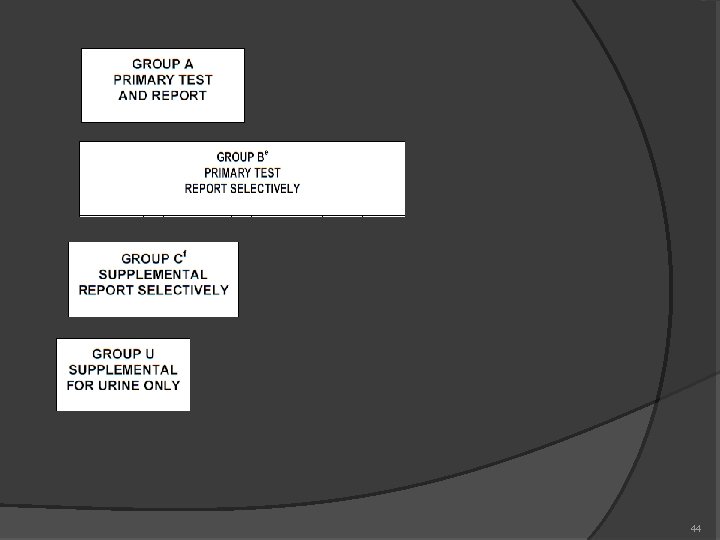
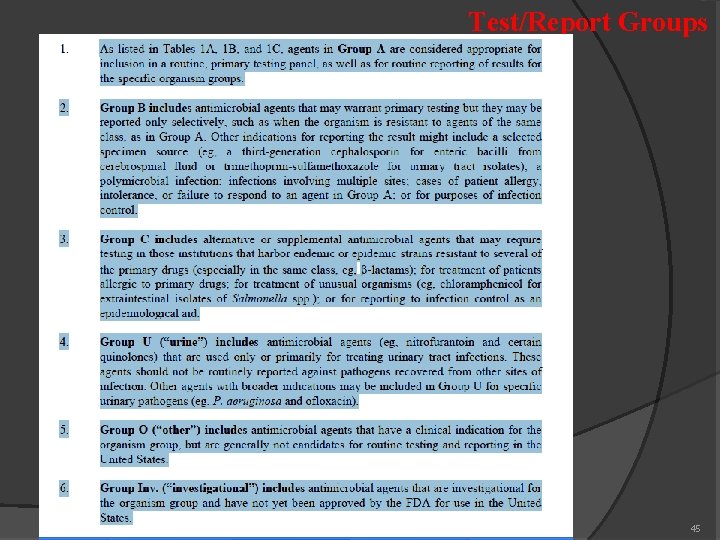
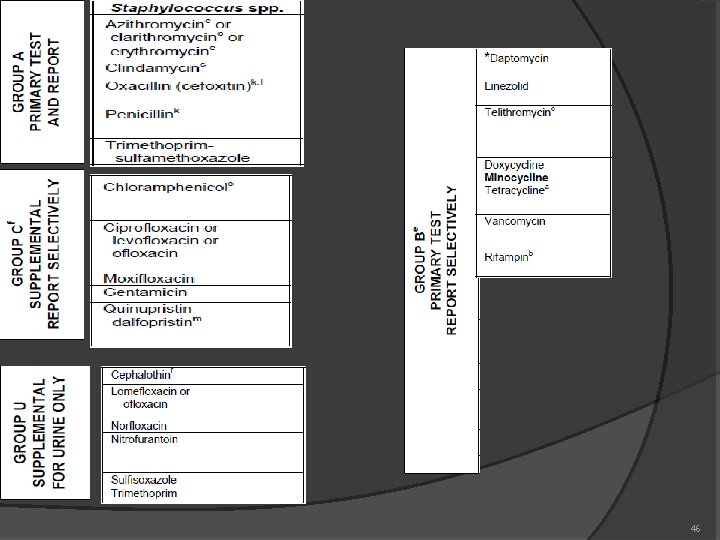
Selecting Antimicrobial Agents for Testing and. Reporting 43
44
Test/Report Groups 45
46
The following antimicrobial agents should not be routinely reported for bacteria isolated from CSF Agents administered by oral route only 1 st- and 2 nd-generation cephalosporins (except cefuroxime parenteral) and cephamycins Clindamycin Macrolides Tetracyclines Fluoroquinolones 47

48
49

50

51
- Slides: 51