
MRI of Infiltrative Diseases of the Liver How

- Slides: 37
MRI of Infiltrative Diseases of the Liver: How do I evaluate Iron, Fat and Fibrosis? Nadia Caplan MD MSc Hadassah-Hebrew University Medical Center, Jerusalem, Israel Basics Of MRI : How I Do It? AFIIM -ISRA 2016
How do we assess IRON? • On CT, hyperdense liver can be due to iron overload, as well as long term treatment with amiodarone, glycogen deposition, copper overload in Wilson disease Basics Of MRI: How I Do It AFIIM -ISRA 2016
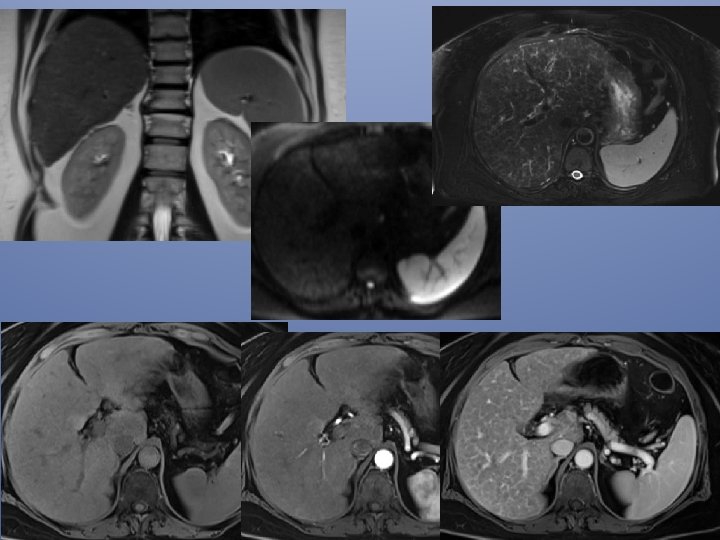
How do we assess IRON? • Normal liver parenchyma is hyperintense to muscle. • A liver hypointense to the muscle indicates a liver iron overload. Basics Of MRI: How I Do It AFIIM -ISRA 2016
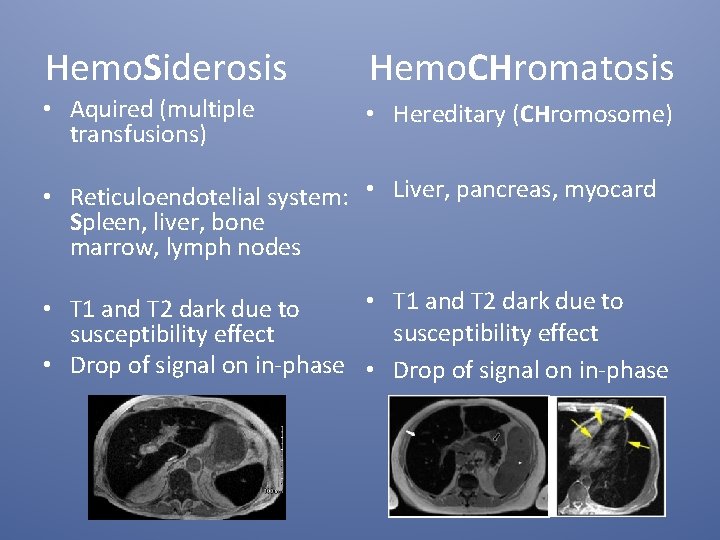
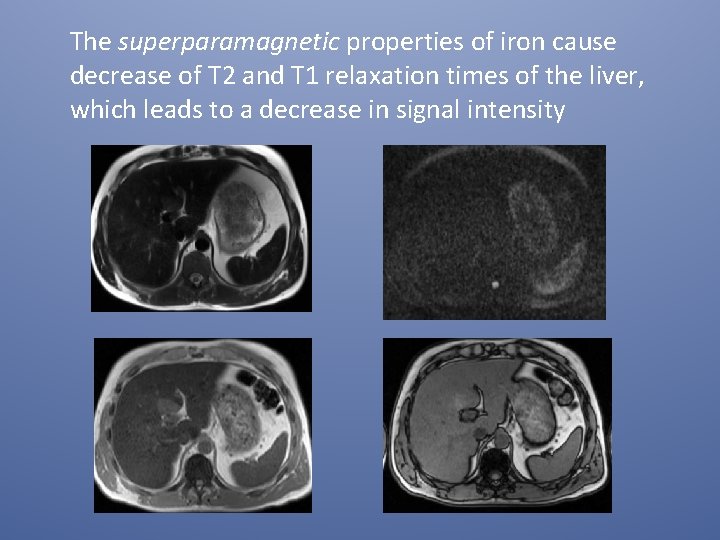
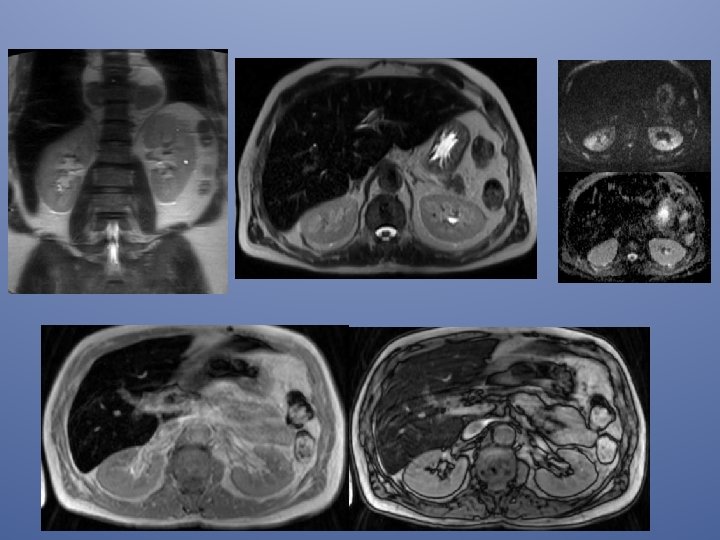
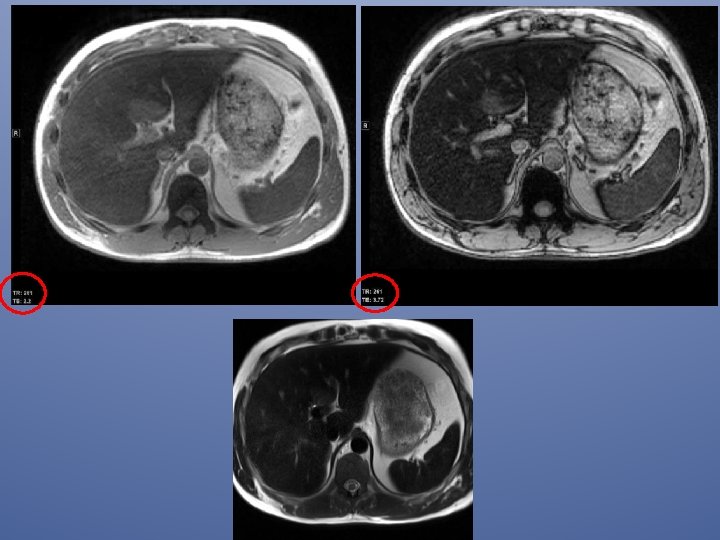
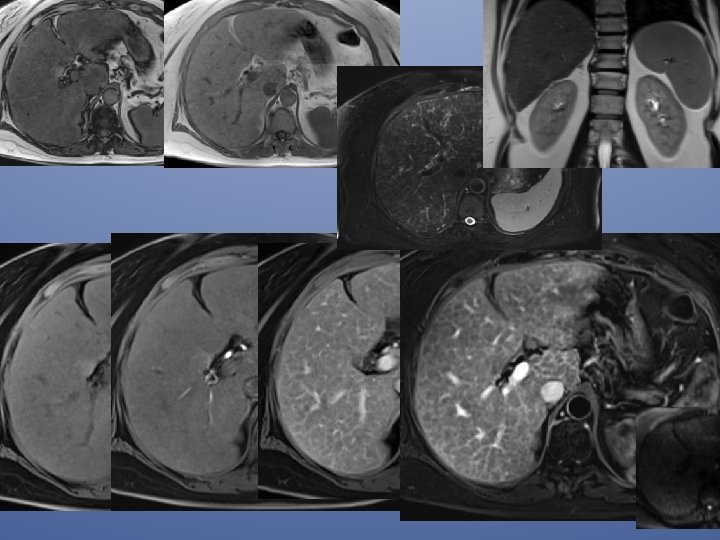
Hemo. Siderosis Hemo. CHromatosis • Aquired (multiple transfusions) • Hereditary (CHromosome) • Reticuloendotelial system: • Liver, pancreas, myocard Spleen, liver, bone marrow, lymph nodes • T 1 and T 2 dark due to susceptibility effect • Drop of signal on in-phase
The superparamagnetic properties of iron cause decrease of T 2 and T 1 relaxation times of the liver, which leads to a decrease in signal intensity
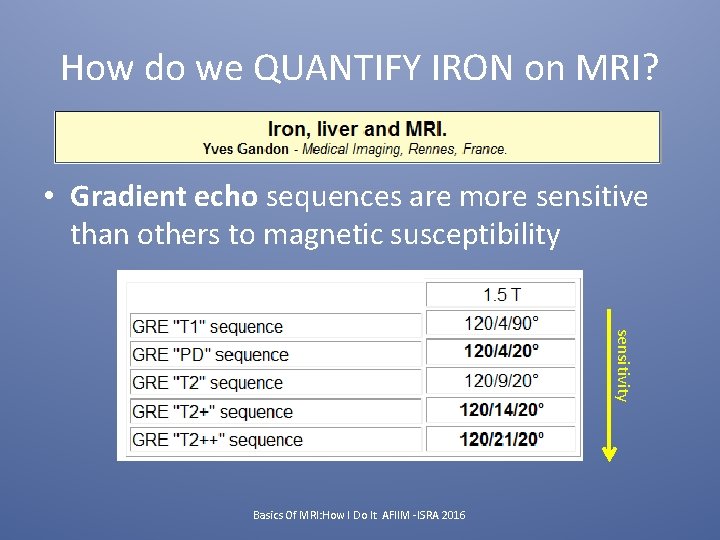
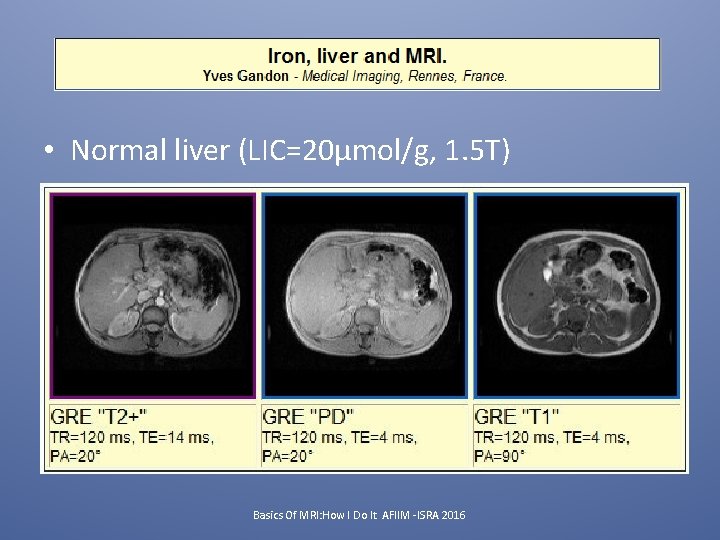
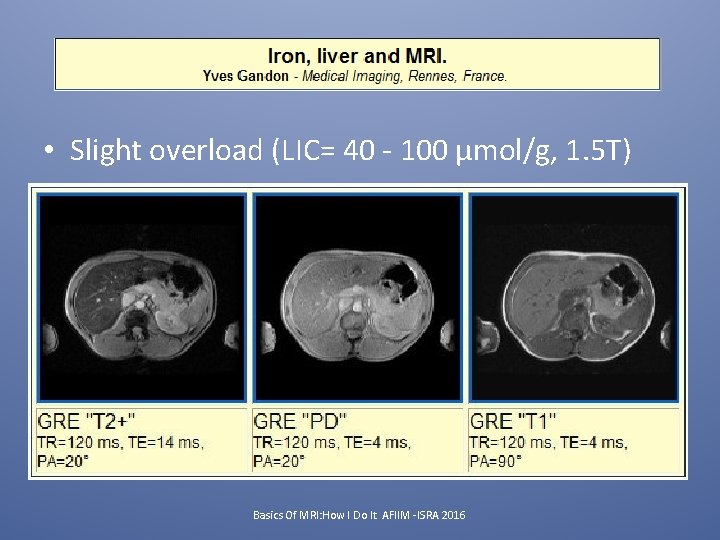
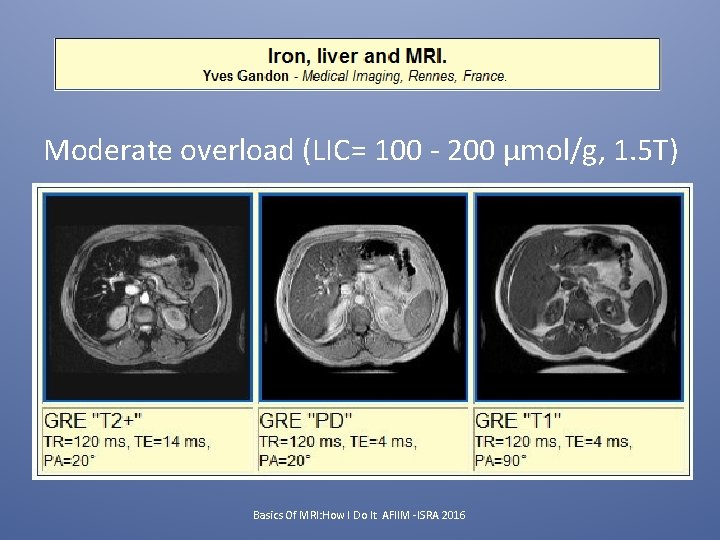
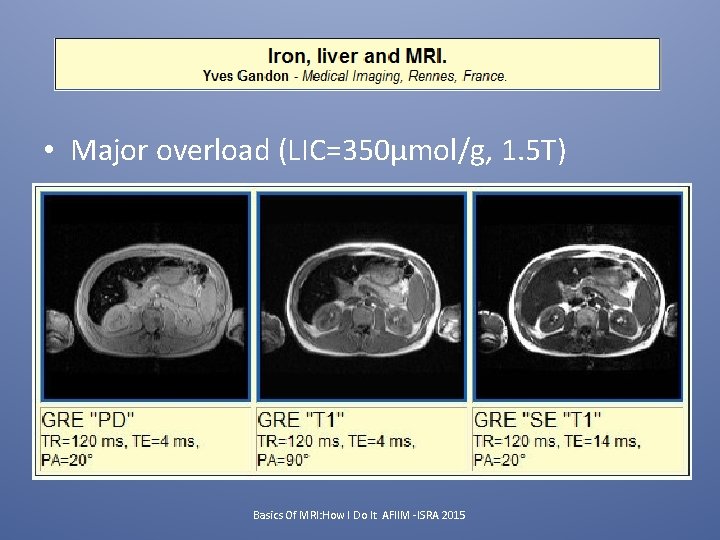
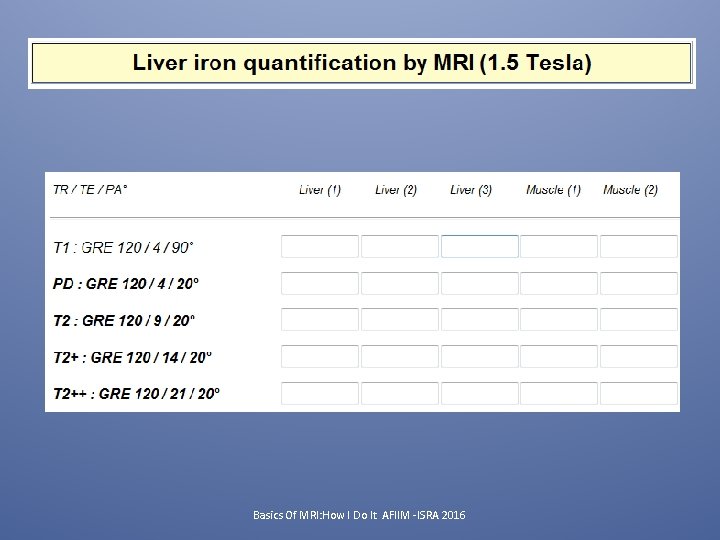
How do we QUANTIFY IRON on MRI? • Gradient echo sequences are more sensitive than others to magnetic susceptibility sensitivity Basics Of MRI: How I Do It AFIIM -ISRA 2016
• Normal liver (LIC=20µmol/g, 1. 5 T) Basics Of MRI: How I Do It AFIIM -ISRA 2016
• Slight overload (LIC= 40 - 100 µmol/g, 1. 5 T) Basics Of MRI: How I Do It AFIIM -ISRA 2016
Moderate overload (LIC= 100 - 200 µmol/g, 1. 5 T) Basics Of MRI: How I Do It AFIIM -ISRA 2016
• Major overload (LIC=350µmol/g, 1. 5 T) Basics Of MRI: How I Do It AFIIM -ISRA 2015
Basics Of MRI: How I Do It AFIIM -ISRA 2016
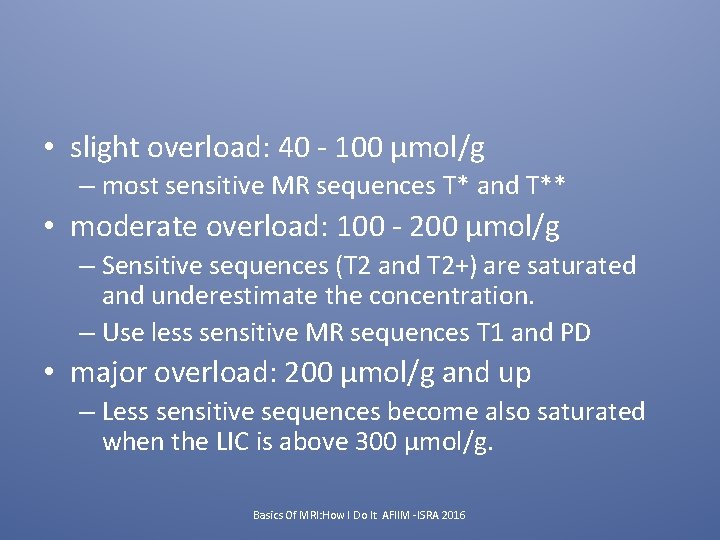
• slight overload: 40 - 100 µmol/g – most sensitive MR sequences T* and T** • moderate overload: 100 - 200 µmol/g – Sensitive sequences (T 2 and T 2+) are saturated and underestimate the concentration. – Use less sensitive MR sequences T 1 and PD • major overload: 200 µmol/g and up – Less sensitive sequences become also saturated when the LIC is above 300 µmol/g. Basics Of MRI: How I Do It AFIIM -ISRA 2016
How do we assess FIBROSIS? Basics Of MRI: How I Do It AFIIM -ISRA 2016
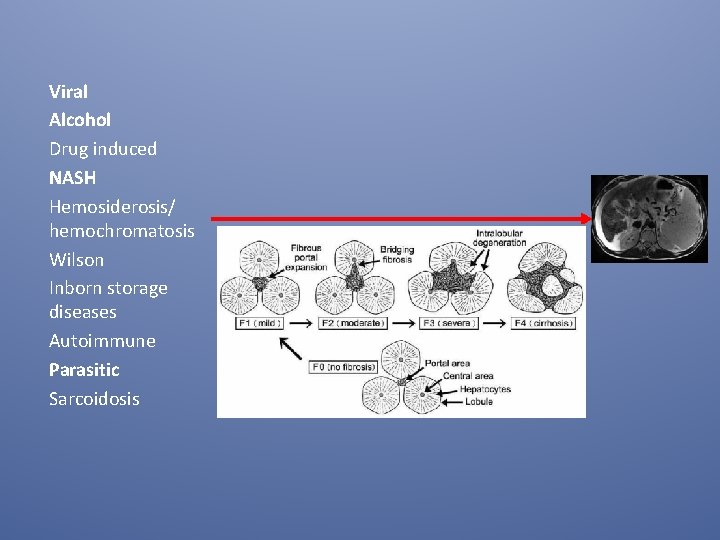
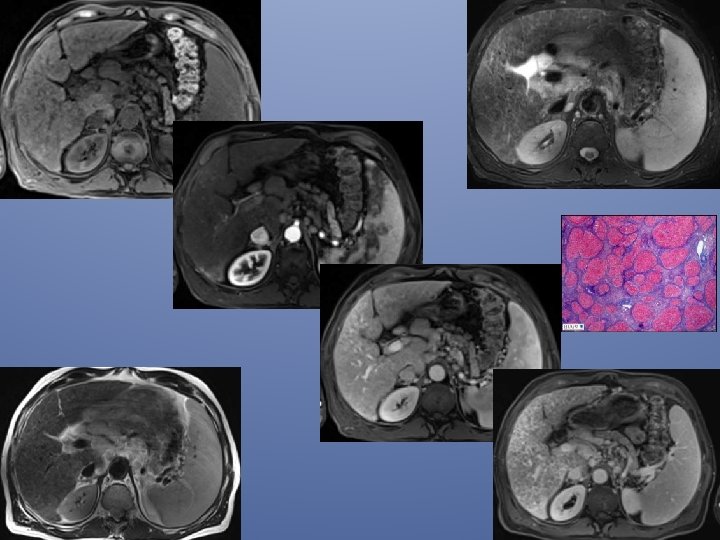
Viral Alcohol Drug induced NASH Hemosiderosis/ hemochromatosis Wilson Inborn storage diseases Autoimmune Parasitic Sarcoidosis
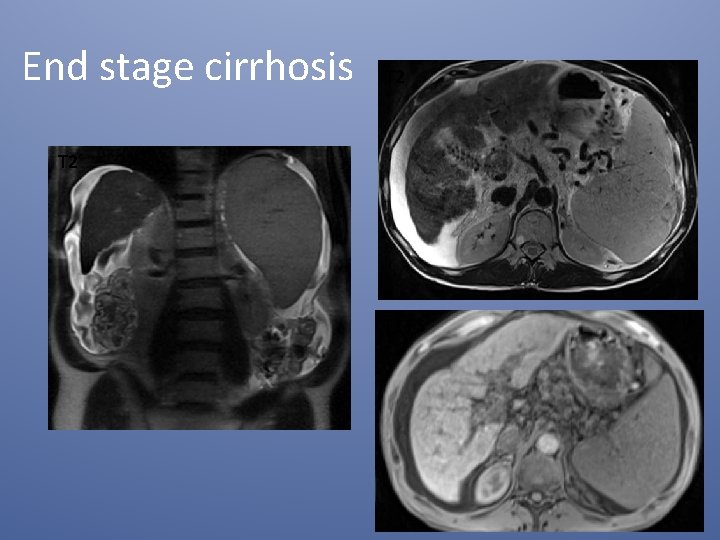
End stage cirrhosis T 2 T 1 FS
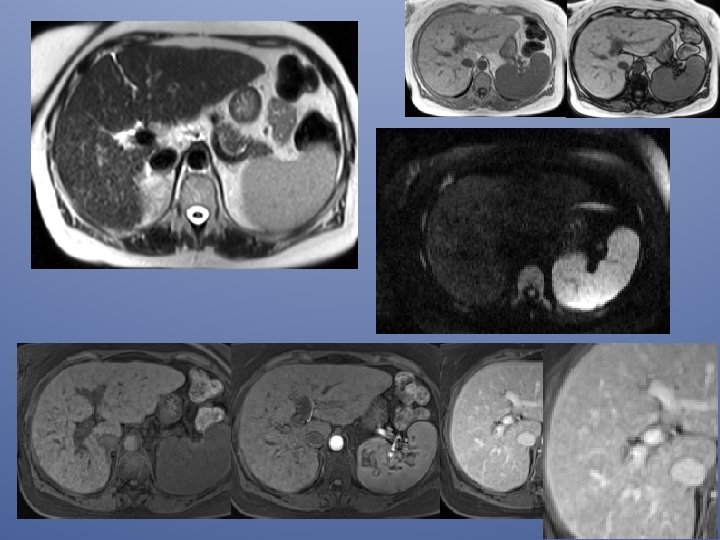
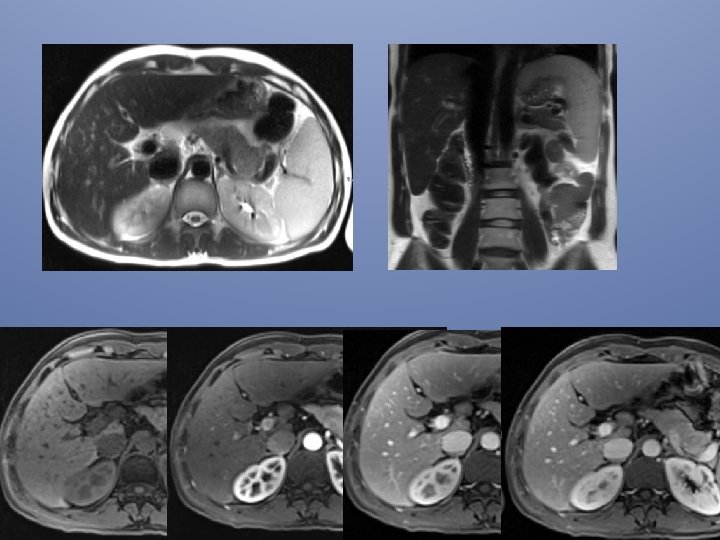
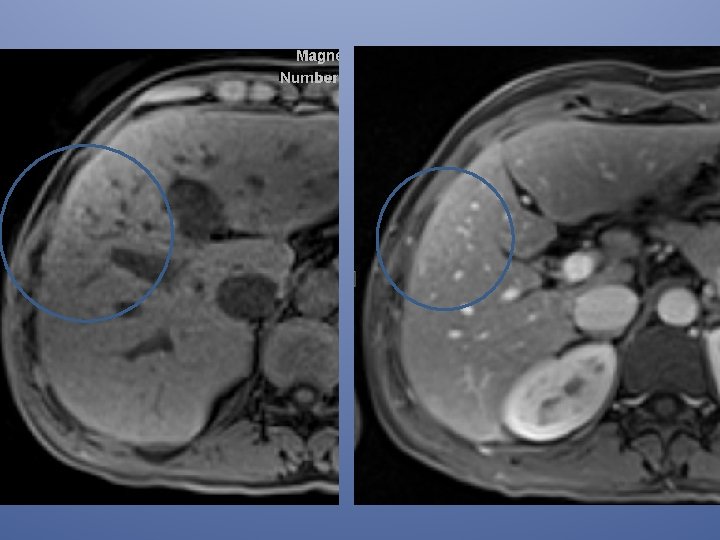
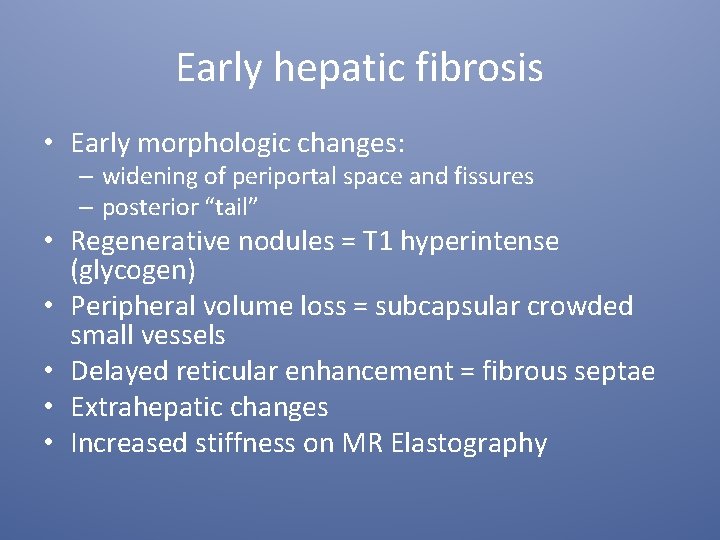
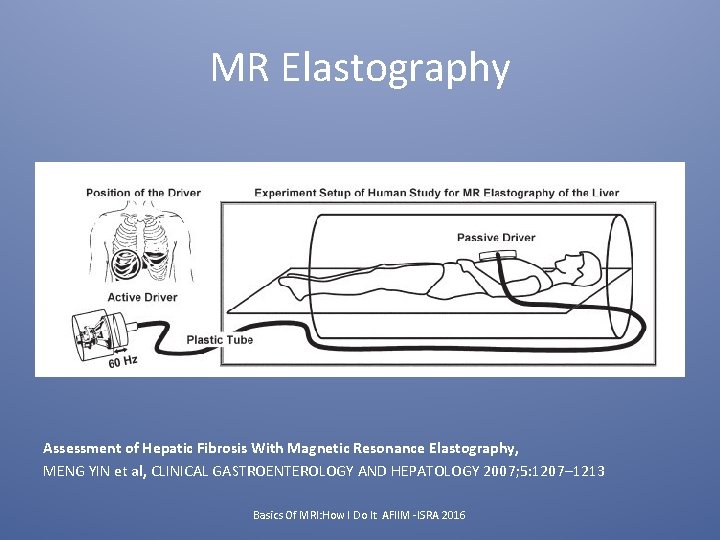
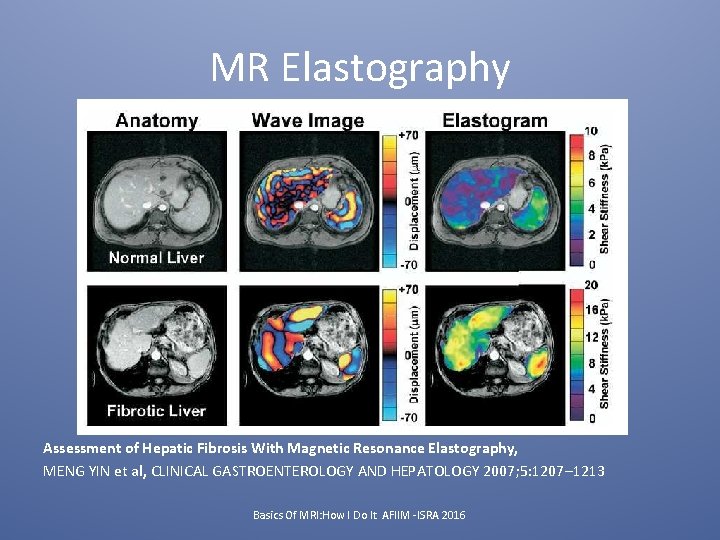
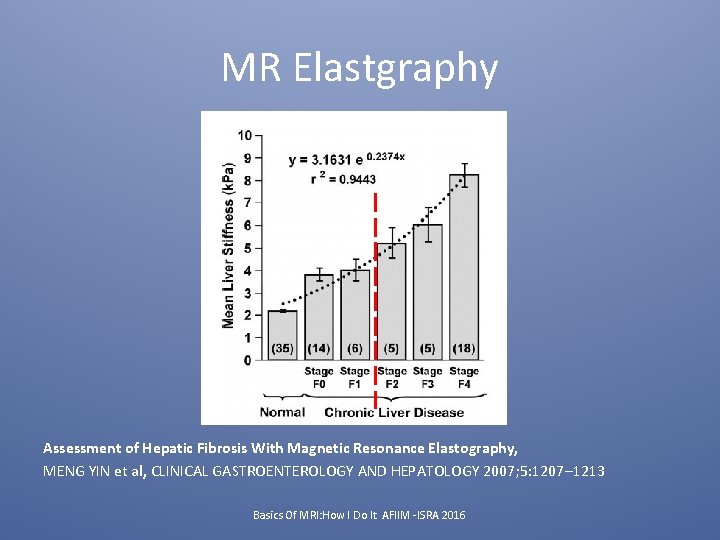
Early hepatic fibrosis • Early morphologic changes: – widening of periportal space and fissures – posterior “tail” • Regenerative nodules = T 1 hyperintense (glycogen) • Peripheral volume loss = subcapsular crowded small vessels • Delayed reticular enhancement = fibrous septae • Extrahepatic changes • Increased stiffness on MR Elastography
MR Elastography Assessment of Hepatic Fibrosis With Magnetic Resonance Elastography, MENG YIN et al, CLINICAL GASTROENTEROLOGY AND HEPATOLOGY 2007; 5: 1207– 1213 Basics Of MRI: How I Do It AFIIM -ISRA 2016
MR Elastography Assessment of Hepatic Fibrosis With Magnetic Resonance Elastography, MENG YIN et al, CLINICAL GASTROENTEROLOGY AND HEPATOLOGY 2007; 5: 1207– 1213 Basics Of MRI: How I Do It AFIIM -ISRA 2016
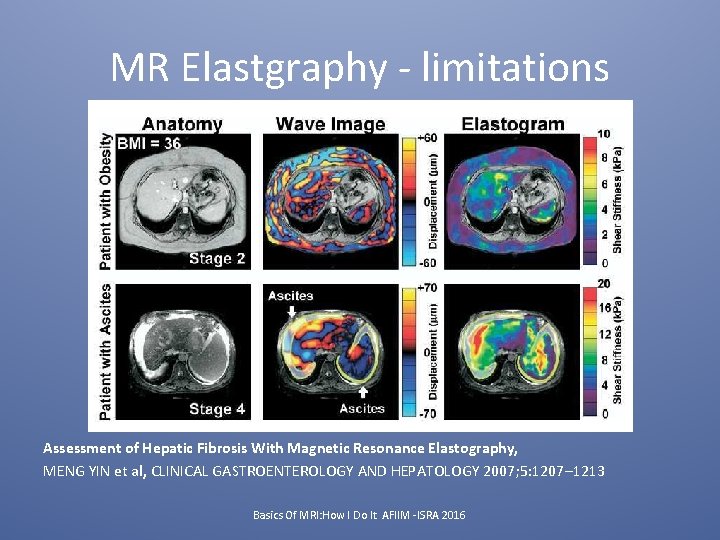
MR Elastgraphy - limitations Assessment of Hepatic Fibrosis With Magnetic Resonance Elastography, MENG YIN et al, CLINICAL GASTROENTEROLOGY AND HEPATOLOGY 2007; 5: 1207– 1213 Basics Of MRI: How I Do It AFIIM -ISRA 2016
MR Elastgraphy Assessment of Hepatic Fibrosis With Magnetic Resonance Elastography, MENG YIN et al, CLINICAL GASTROENTEROLOGY AND HEPATOLOGY 2007; 5: 1207– 1213 Basics Of MRI: How I Do It AFIIM -ISRA 2016
How do we assess FAT? Basics Of MRI: How I Do It AFIIM -ISRA 2016
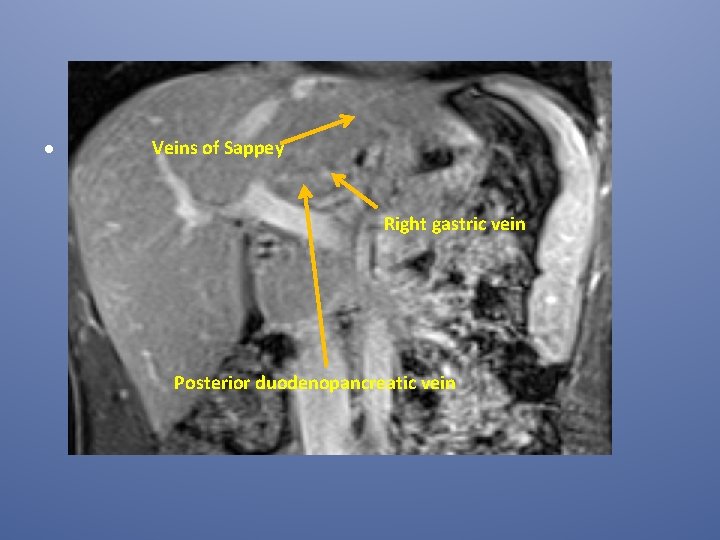
Veins of Sappey • the accessory portal system of Sappey, branches of which pass in the round and Right gastric vein falciform ligaments (particularly the latter) to unite with the epigastric and internal mammary veins, and through the diaphragmatic veins with the azygos Posterior duodenopancreatic vein
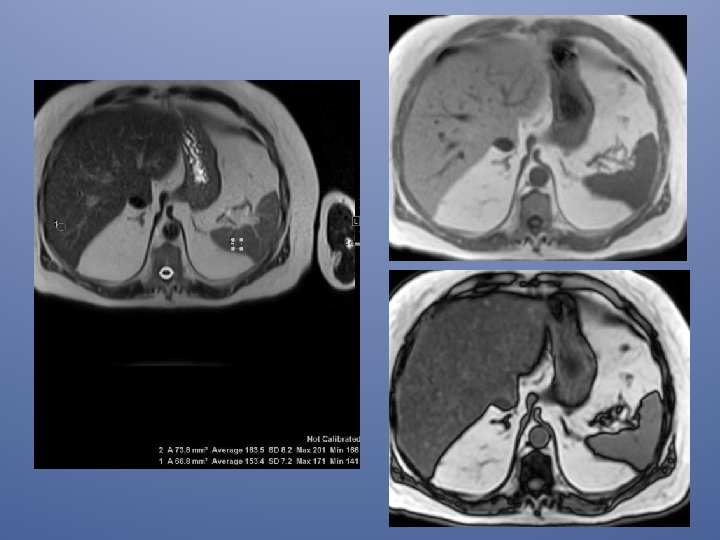
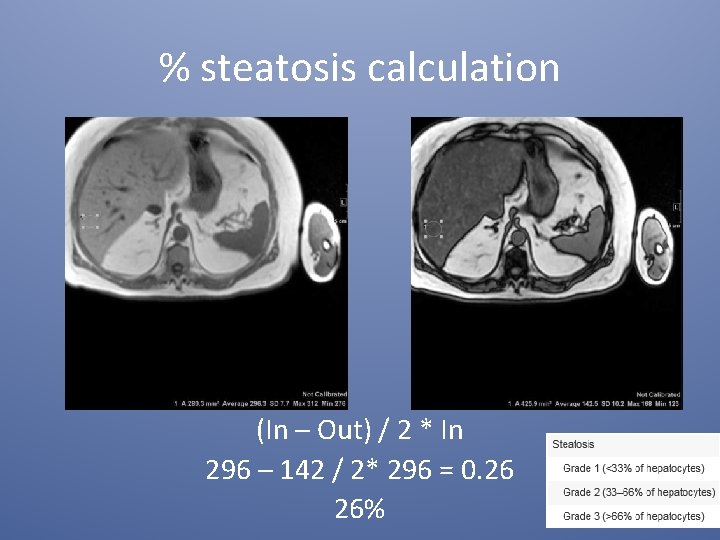
% steatosis calculation (In – Out) / 2 * In 296 – 142 / 2* 296 = 0. 26 26%
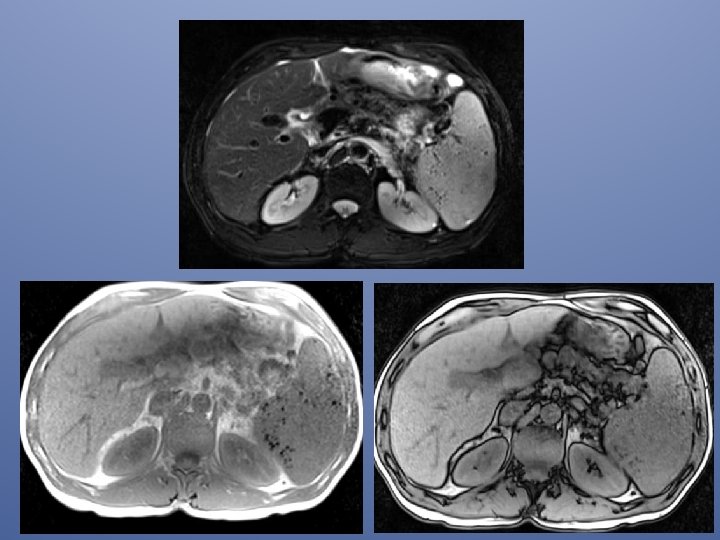
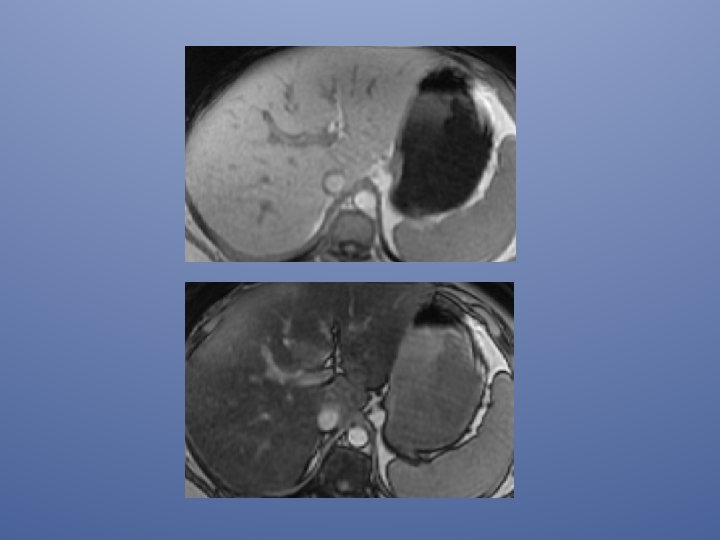
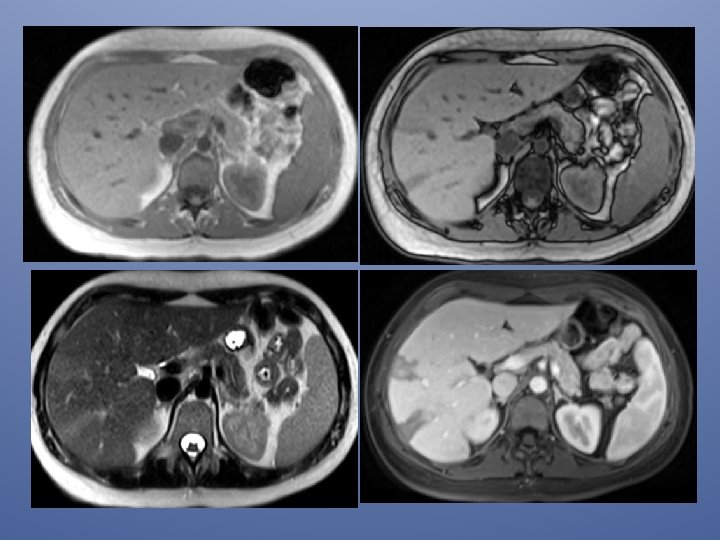
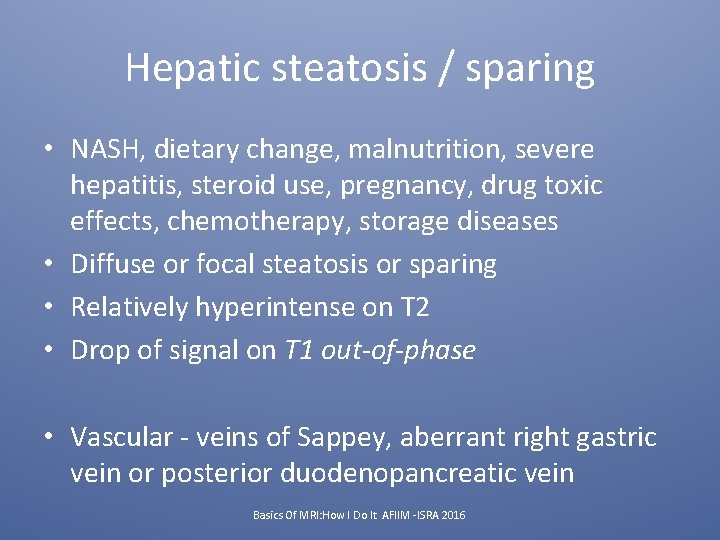
Hepatic steatosis / sparing • NASH, dietary change, malnutrition, severe hepatitis, steroid use, pregnancy, drug toxic effects, chemotherapy, storage diseases • Diffuse or focal steatosis or sparing • Relatively hyperintense on T 2 • Drop of signal on T 1 out-of-phase • Vascular - veins of Sappey, aberrant right gastric vein or posterior duodenopancreatic vein Basics Of MRI: How I Do It AFIIM -ISRA 2016
THANK YOU תודה רבה MERCI BEAUCOUP MUCHAS GRACIAS большое спасибо Basics Of MRI: How I Do It AFIIM -ISRA 2016