
MRCPsych Old Age Module Alzheimers Disease OA Module






- Slides: 68
MRCPsych Old Age Module Alzheimer’s Disease
OA Module: Alzheimer’s disease Aims and Objectives The overall aim is for the trainee to gain an overview of Alzheimer’s disease – By the end of the session trainees should: – Understand the epidemiology of Alzheimer’s disease. – Understand the risk factors, genetics, neuropathology, neurotransmitters and neuroimaging associated with Alzheimer’s disease. – Understand the clinical features of Alzheimer’s disease, the assessment process and the principles of management. – Understand the carer burden related to Alzheimer’s disease.
OA Module: Alzheimer’s disease To achieve this • • • Case Presentation Journal Club 555 Presentation Expert-Led Session MCQs • Please sign the register and complete the feedback
OA Module: Alzheimer’s disease Expert Led Session Alzheimer’s disease Dr Salman Karim Consultant Psychiatrist/Honorary Senior Lecturer Lancashire Care NHS Foundation Trust University of Manchester Peer reviewed Dr Richard Atkinson and Dr Anthony Peter, 2020
Epidemiology • 850, 000 people in the UK with dementia • Projected rise of 40% over next decade • 1 in 3 people born in the UK this year will develop dementia in their lifetime • 50 million people have dementia worldwide • 10 million new cases each year • 63% of these live in low and middle- income countries, this is projected to increase to 71% by 2050 • Alzheimer’s accounts for 62% of all cases
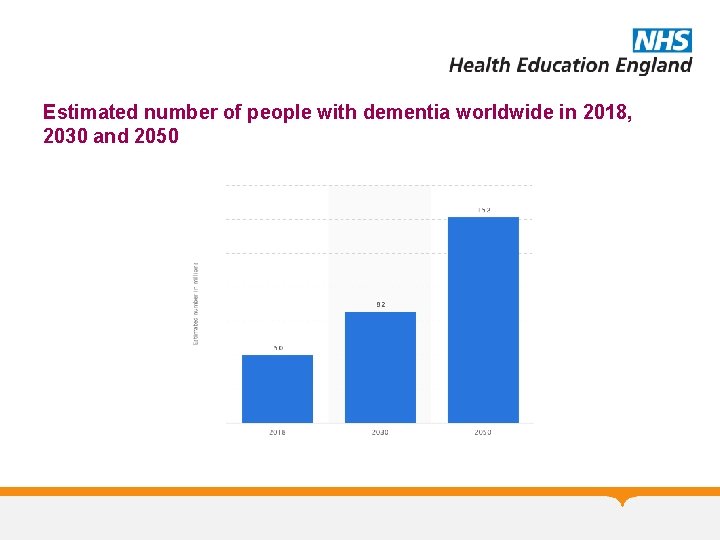
Estimated number of people with dementia worldwide in 2018, 2030 and 2050
Epidemiology • Total cost of care in the UK is £ 26. 3 billion • The NHS picks up £ 4. 3 billion of the costs and social care £ 10. 3 • This is set to rise sharply in next two decades to £ 94. 1 billion in 2040 • Costs include healthcare, social care and unpaid care (that provided by family members) • This does not include carer burden
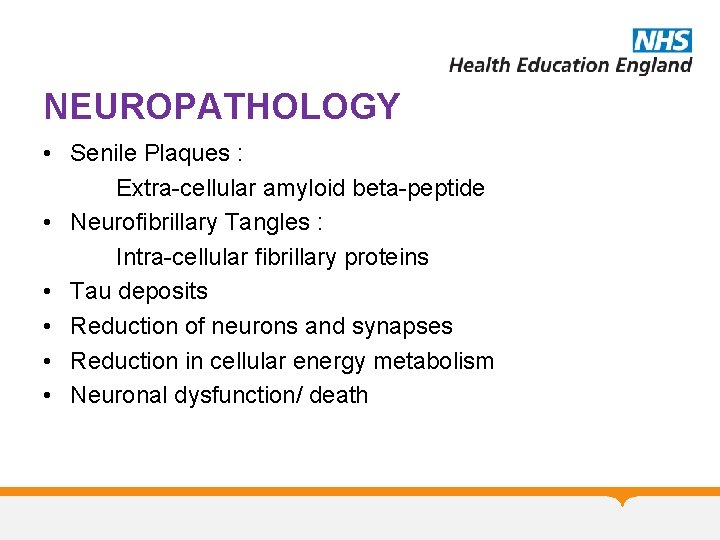
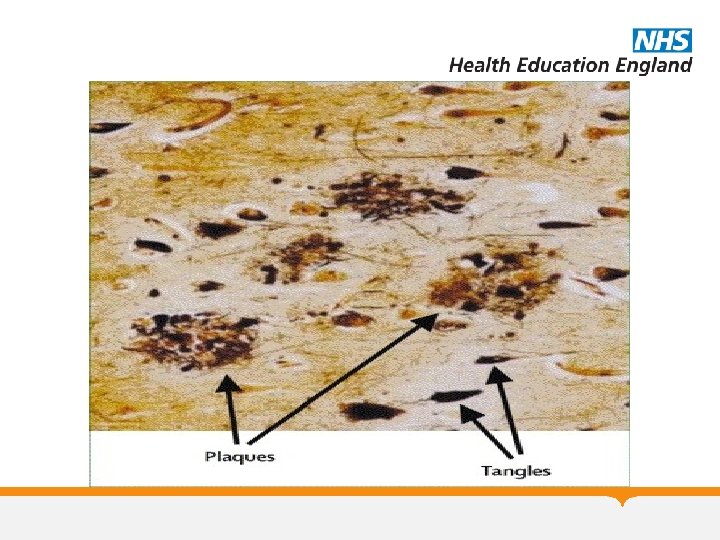
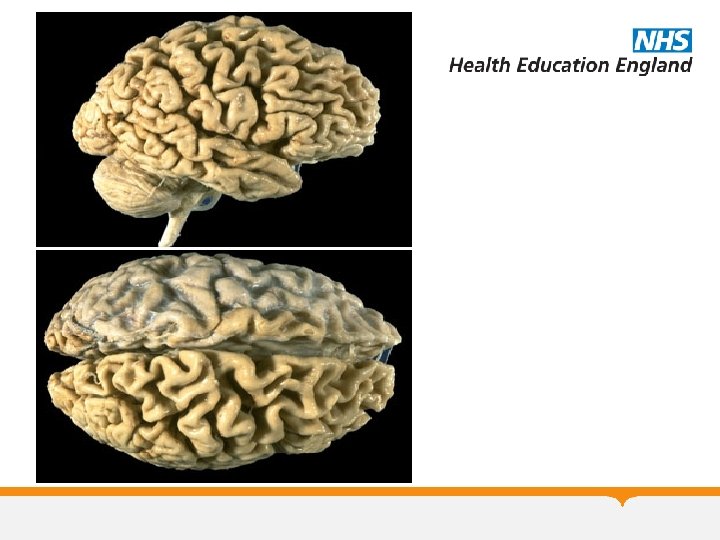
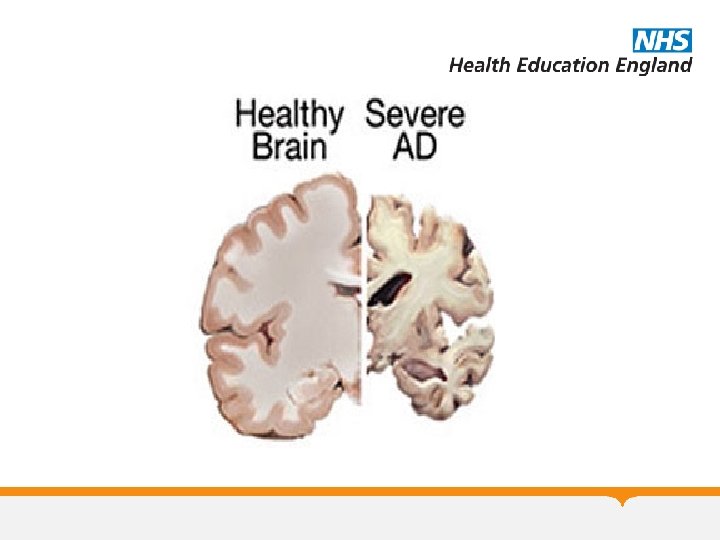
NEUROPATHOLOGY • Senile Plaques : Extra-cellular amyloid beta-peptide • Neurofibrillary Tangles : Intra-cellular fibrillary proteins • Tau deposits • Reduction of neurons and synapses • Reduction in cellular energy metabolism • Neuronal dysfunction/ death
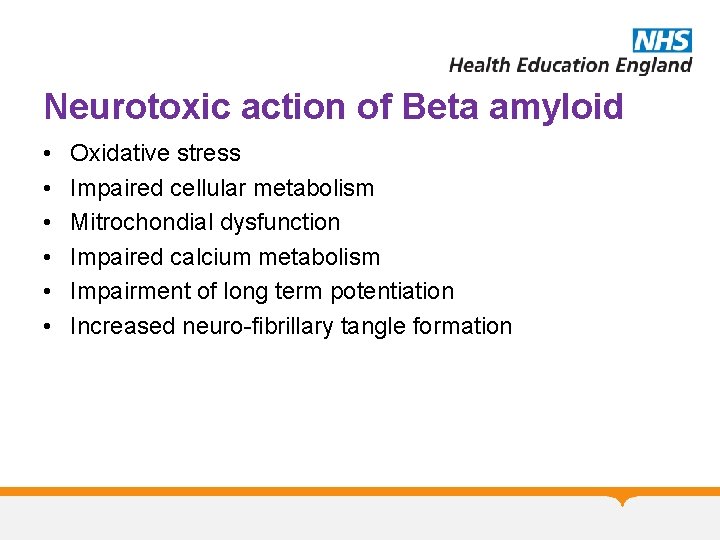
Neurotoxic action of Beta amyloid • • • Oxidative stress Impaired cellular metabolism Mitrochondial dysfunction Impaired calcium metabolism Impairment of long term potentiation Increased neuro-fibrillary tangle formation
Aetiology • Late-Onset AD (LOAD) – Not directly caused by gene – APOE variant on chromosome 19 increases risk – APOE = gene involved in making protein which carries cholesterol – Different forms of APOE (E 2, 3, 4) – APOE 4 allele – 3 x increased risk of disease – 1 in 4 inherit APOE 4
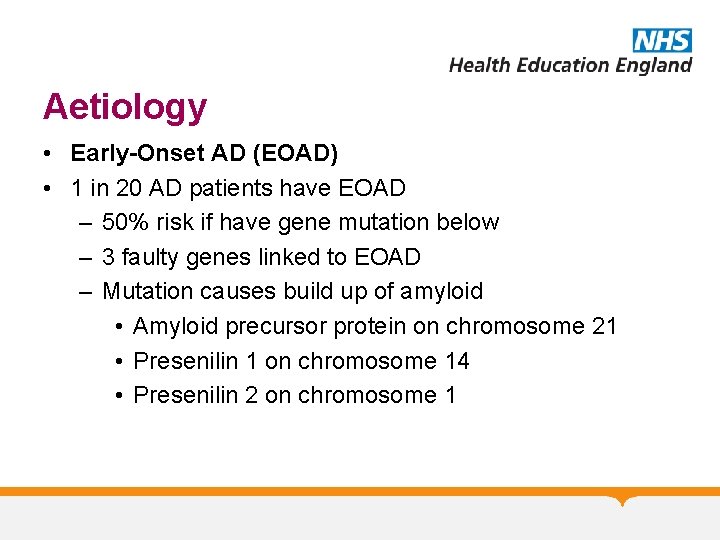
Aetiology • Early-Onset AD (EOAD) • 1 in 20 AD patients have EOAD – 50% risk if have gene mutation below – 3 faulty genes linked to EOAD – Mutation causes build up of amyloid • Amyloid precursor protein on chromosome 21 • Presenilin 1 on chromosome 14 • Presenilin 2 on chromosome 1
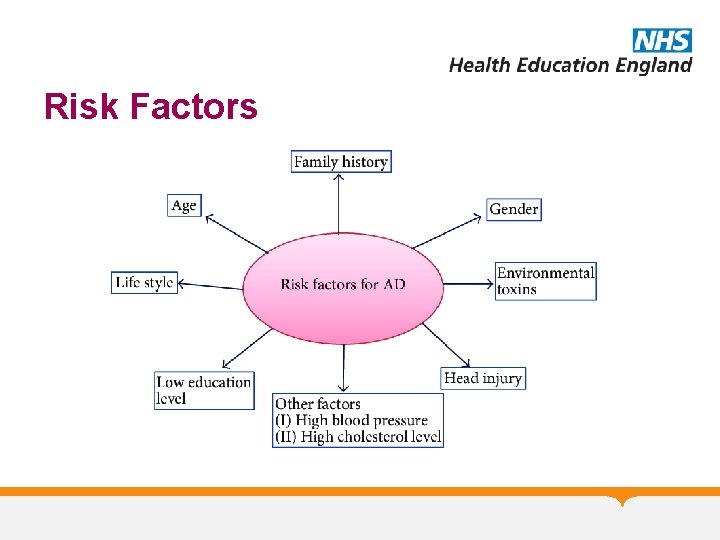
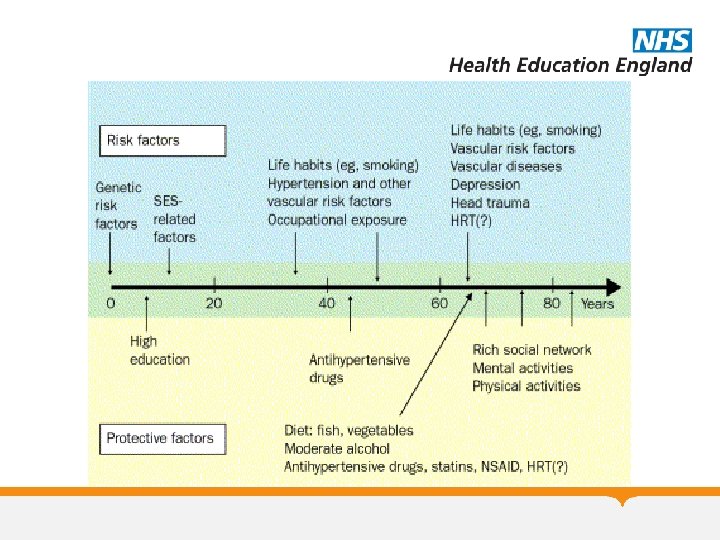
Risk Factors
Genetic Testing • • Offered by NHS if risk of FTD or EOAD Genetic counselling before and after Test for which APOE allele you have Poor predictive value for disease but shows increased risk
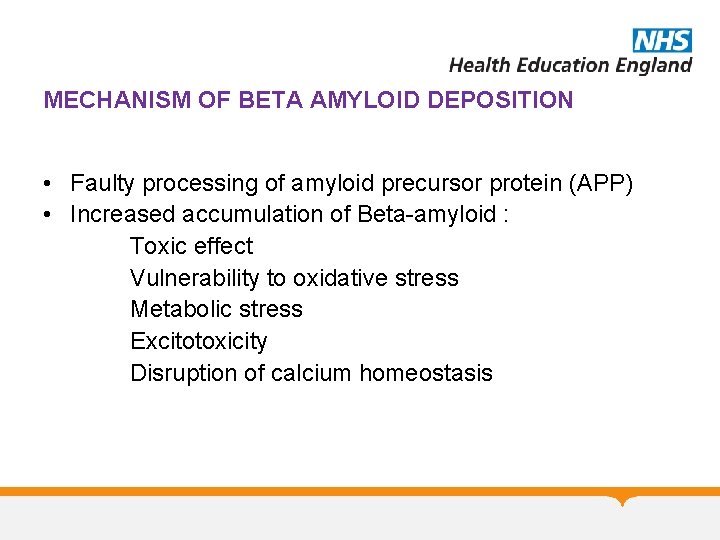
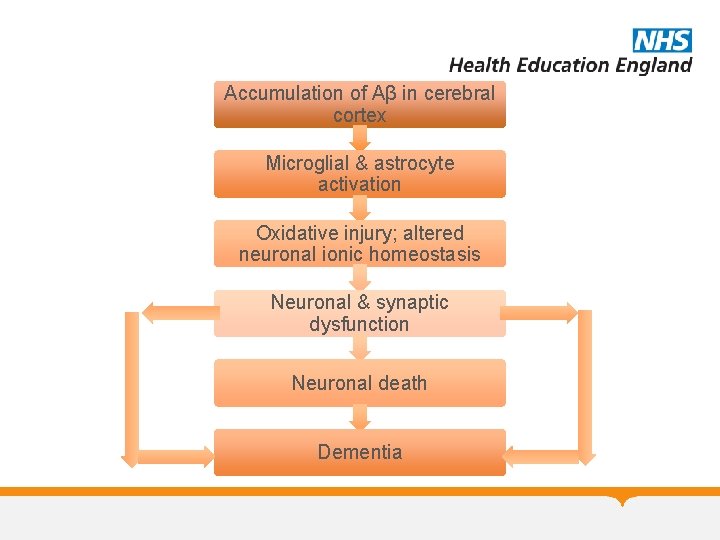
MECHANISM OF BETA AMYLOID DEPOSITION • Faulty processing of amyloid precursor protein (APP) • Increased accumulation of Beta-amyloid : Toxic effect Vulnerability to oxidative stress Metabolic stress Excitotoxicity Disruption of calcium homeostasis
Accumulation of Aβ in cerebral cortex Microglial & astrocyte activation Oxidative injury; altered neuronal ionic homeostasis Neuronal & synaptic dysfunction Neuronal death Dementia
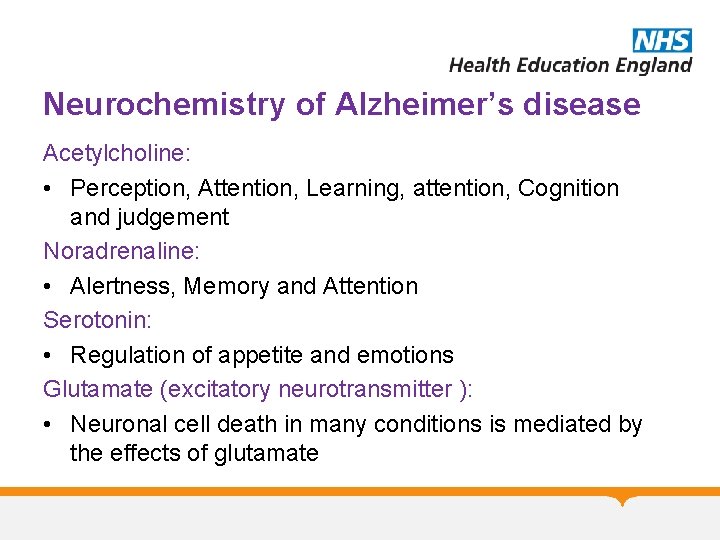
Neurochemistry of Alzheimer’s disease Acetylcholine: • Perception, Attention, Learning, attention, Cognition and judgement Noradrenaline: • Alertness, Memory and Attention Serotonin: • Regulation of appetite and emotions Glutamate (excitatory neurotransmitter ): • Neuronal cell death in many conditions is mediated by the effects of glutamate
CLINICAL FEATURES Cognitive Symptoms : • Amnesia • Aphasia • Apraxia • Agnosia • Frontal executive dysfunction
CLINICAL FEATURES • Non-cognitive symptoms Psychotic symptoms: • Delusions • Hallucinations • Misidentifications Affective Symptoms: • Depression • Anxiety • Euphoria
CLINICAL FEATURES Behavioural symptoms : • Apathy • Agitation • Wandering • Physical aggression • Verbal aggression
CLINICAL FEATURES Neuro-vegetative symptoms : • Sleep disturbance • Eating difficulty • Sexual disinhibition • Incontinence • Personality changes – apathy, loss of inhibition • LPPA – an atypical form of Alzheimer’s
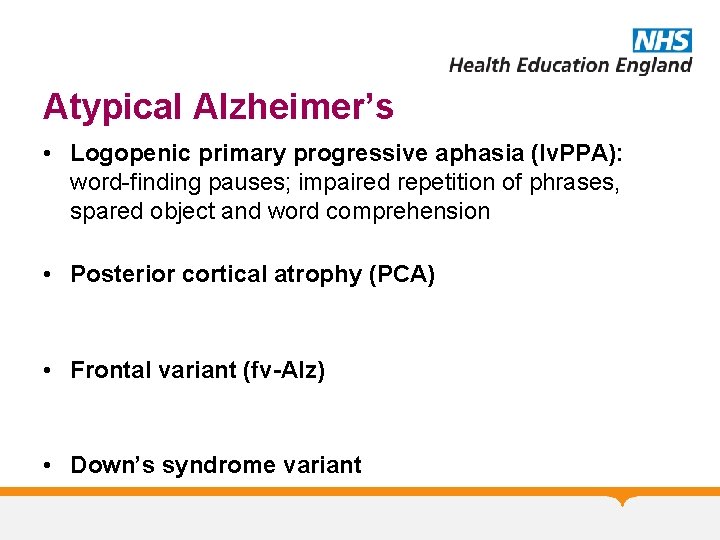
Atypical Alzheimer’s • Logopenic primary progressive aphasia (lv. PPA): word-finding pauses; impaired repetition of phrases, spared object and word comprehension • Posterior cortical atrophy (PCA) • Frontal variant (fv-Alz) • Down’s syndrome variant
DIAGNOSIS • Clinical diagnosis: 90% accuracy • History : insidious, gradual progression • Physical examination : no focal neurological signs / no evidence of systemic disease • CT scan : ventricular dilatation, cortical/temporal lobe atrophy • EEG : Diffuse slow wave activity
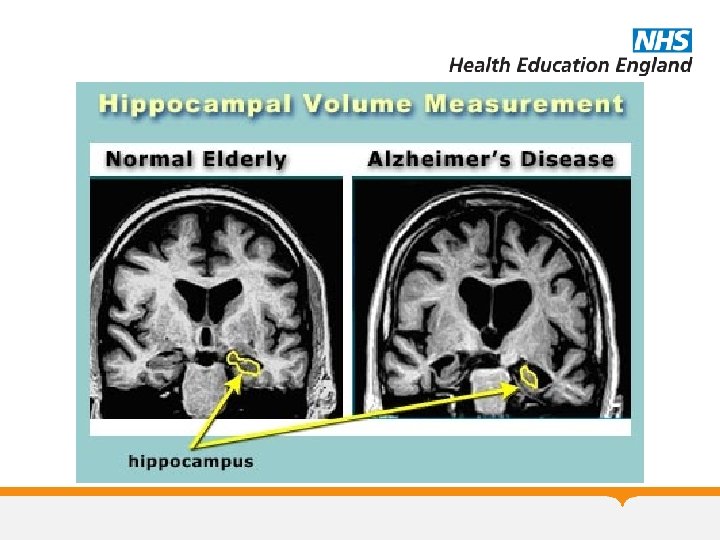
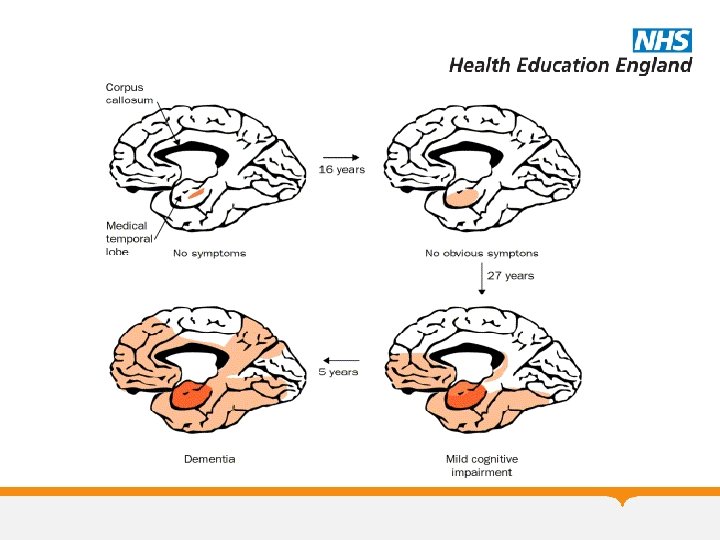
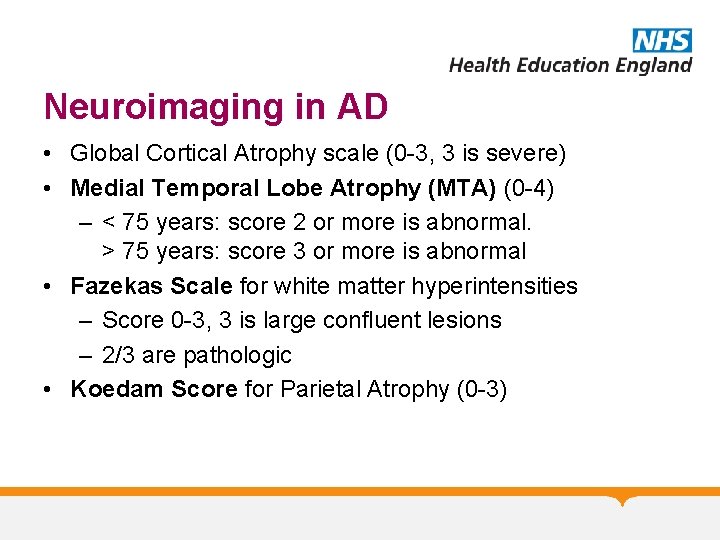
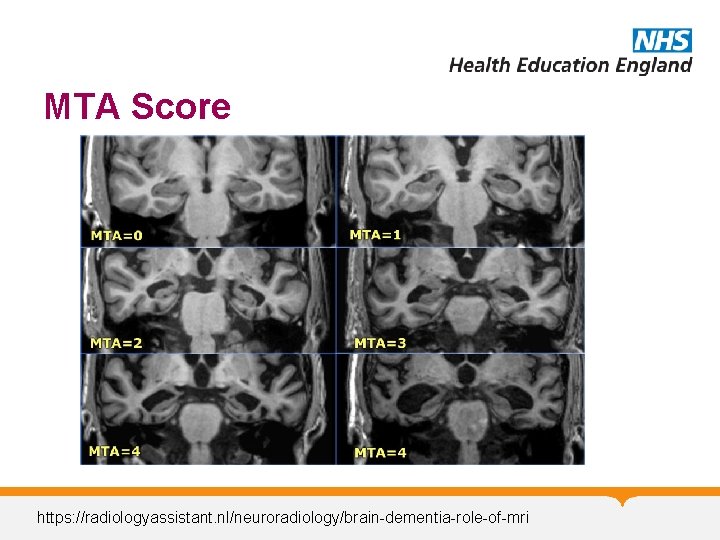
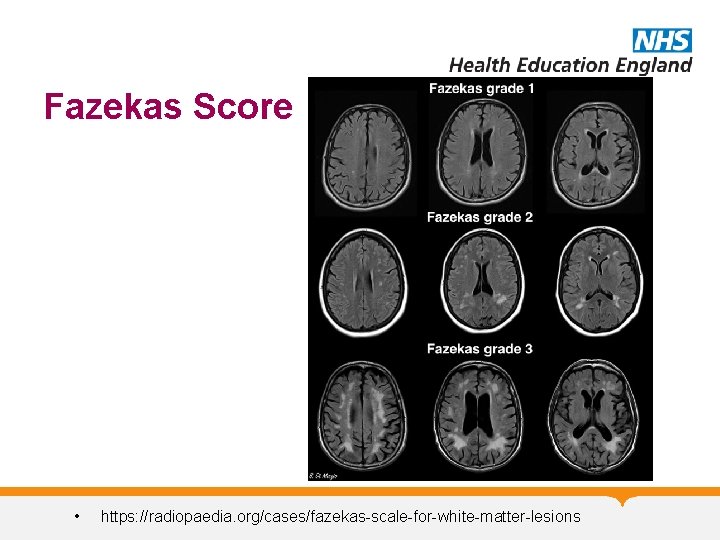
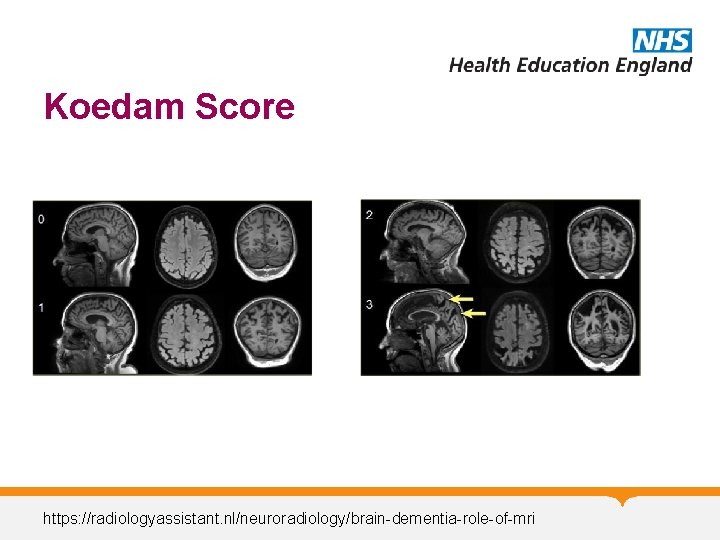
Neuroimaging in AD • Global Cortical Atrophy scale (0 -3, 3 is severe) • Medial Temporal Lobe Atrophy (MTA) (0 -4) – < 75 years: score 2 or more is abnormal. > 75 years: score 3 or more is abnormal • Fazekas Scale for white matter hyperintensities – Score 0 -3, 3 is large confluent lesions – 2/3 are pathologic • Koedam Score for Parietal Atrophy (0 -3)
MTA Score https: //radiologyassistant. nl/neuroradiology/brain-dementia-role-of-mri
Fazekas Score • https: //radiopaedia. org/cases/fazekas-scale-for-white-matter-lesions
Koedam Score https: //radiologyassistant. nl/neuroradiology/brain-dementia-role-of-mri
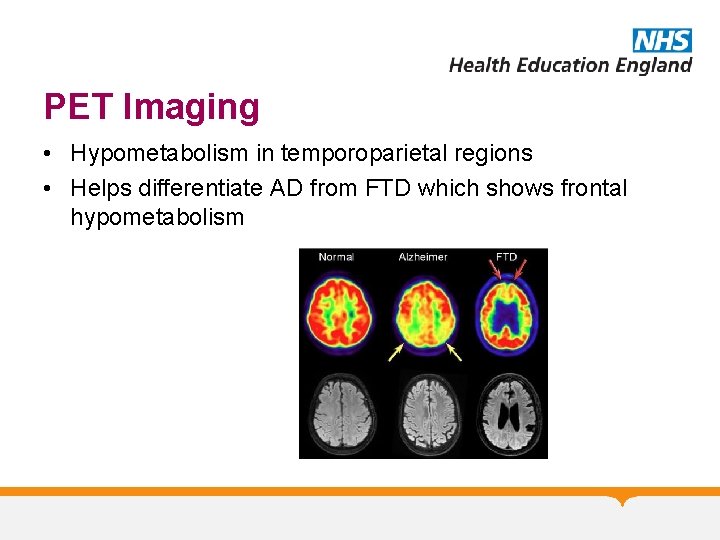
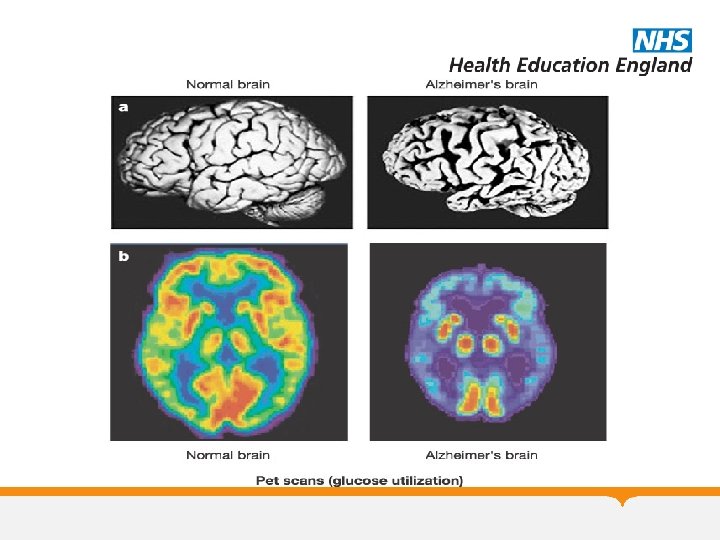
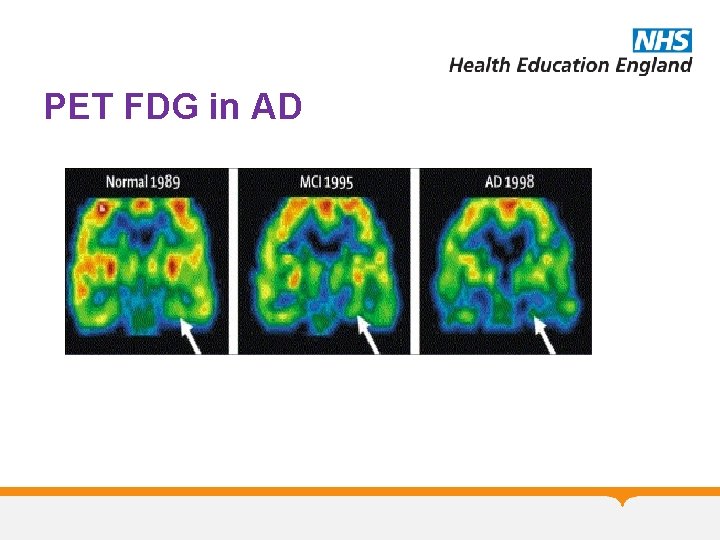
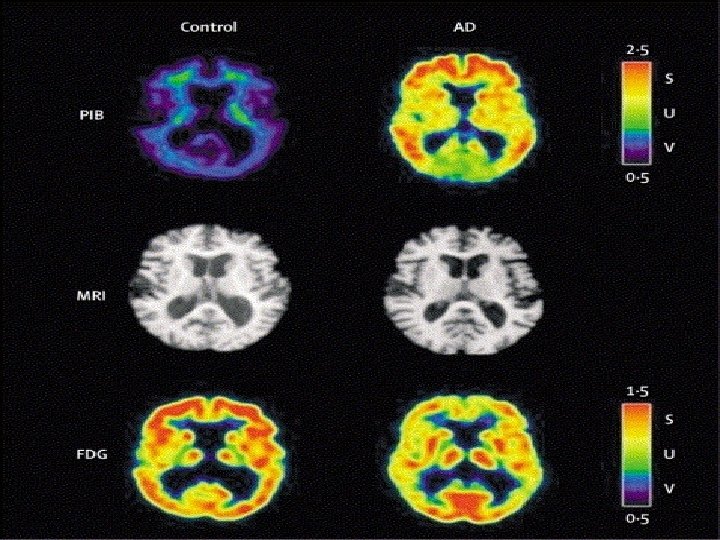
PET Imaging • Hypometabolism in temporoparietal regions • Helps differentiate AD from FTD which shows frontal hypometabolism
PET FDG in AD
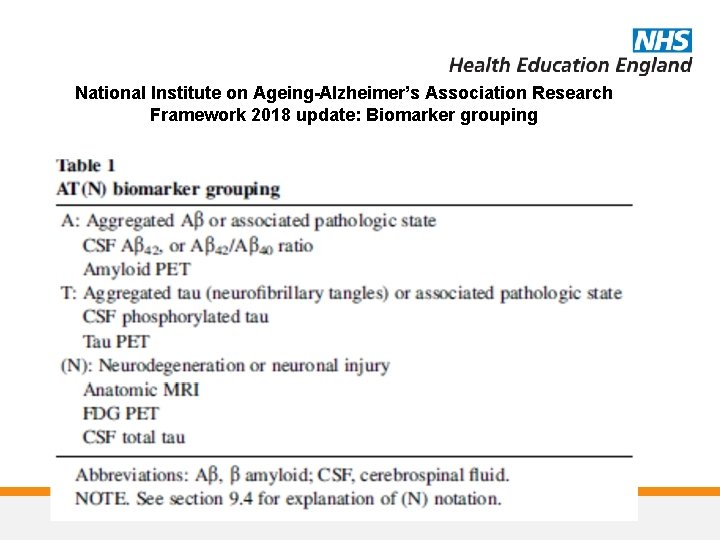
National Institute on Ageing-Alzheimer’s Association Research Framework 2018 update: Biomarker grouping
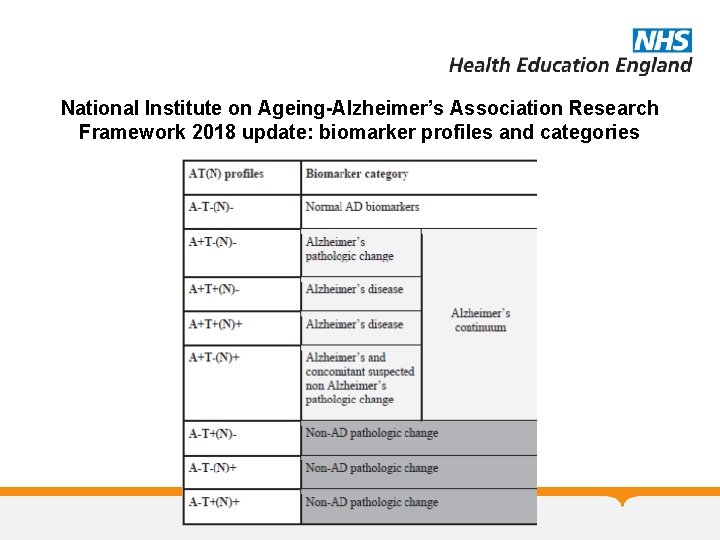
National Institute on Ageing-Alzheimer’s Association Research Framework 2018 update: biomarker profiles and categories
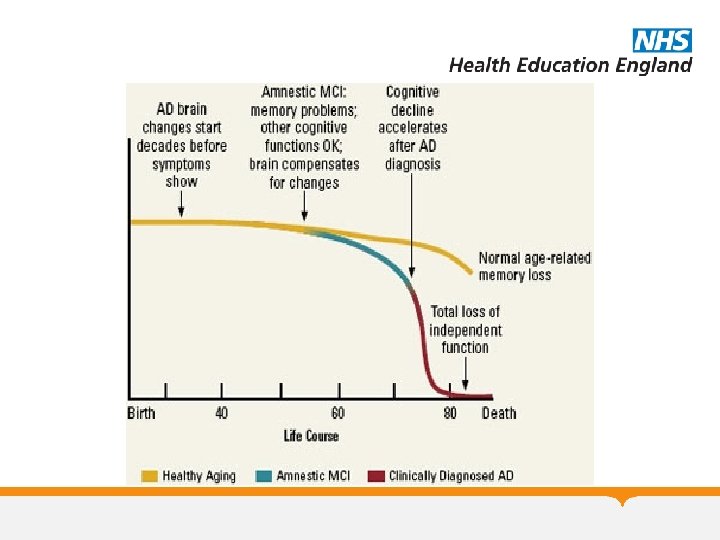
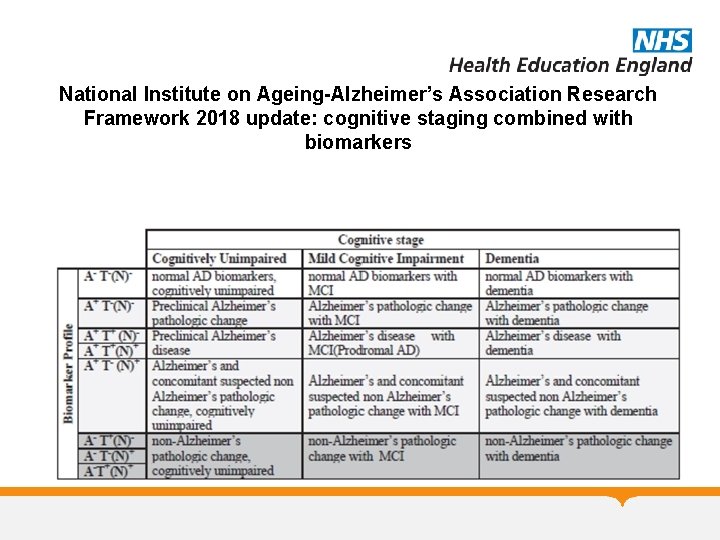
National Institute on Ageing-Alzheimer’s Association Research Framework 2018 update: cognitive staging combined with biomarkers
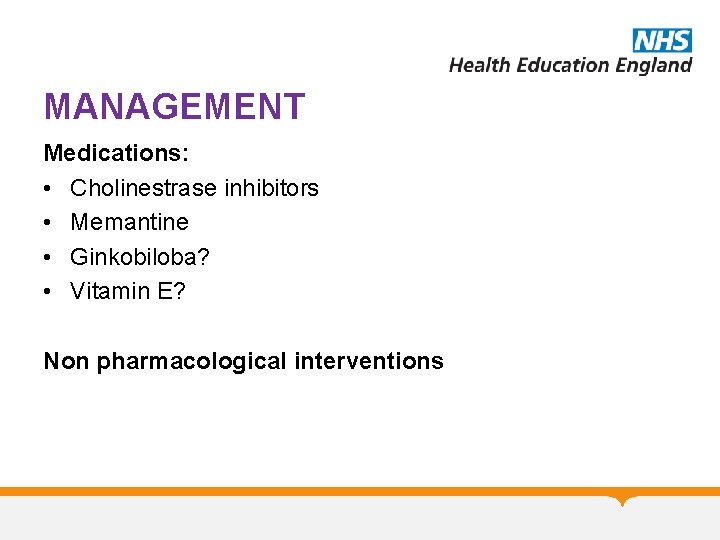
MANAGEMENT Medications: • Cholinestrase inhibitors • Memantine • Ginkobiloba? • Vitamin E? Non pharmacological interventions
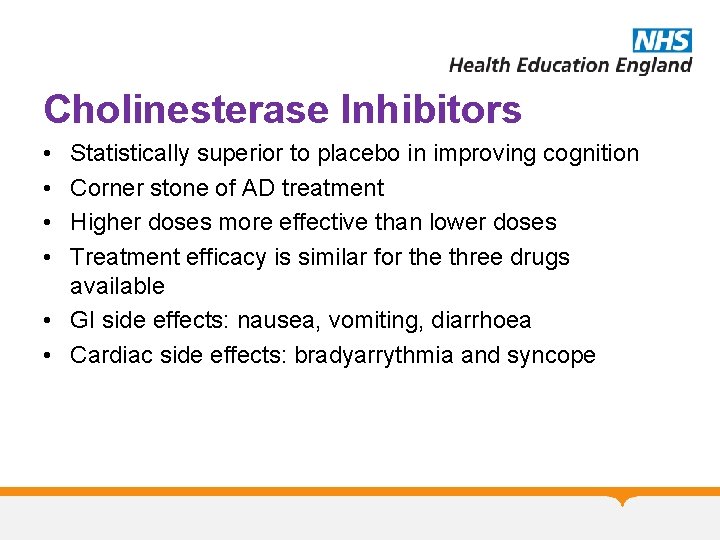
Cholinesterase Inhibitors • • Statistically superior to placebo in improving cognition Corner stone of AD treatment Higher doses more effective than lower doses Treatment efficacy is similar for the three drugs available • GI side effects: nausea, vomiting, diarrhoea • Cardiac side effects: bradyarrythmia and syncope
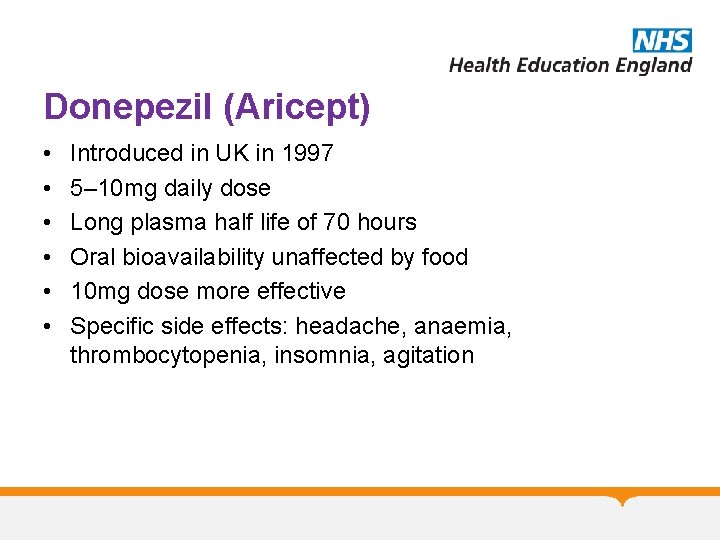
Donepezil (Aricept) • • • Introduced in UK in 1997 5– 10 mg daily dose Long plasma half life of 70 hours Oral bioavailability unaffected by food 10 mg dose more effective Specific side effects: headache, anaemia, thrombocytopenia, insomnia, agitation
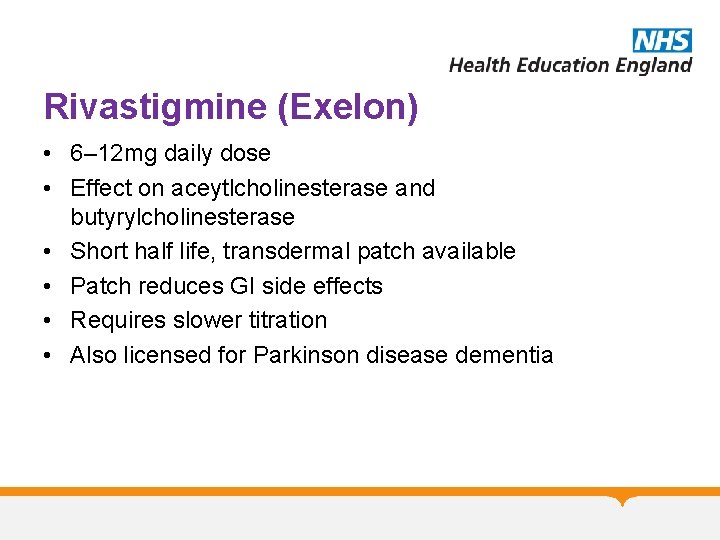
Rivastigmine (Exelon) • 6– 12 mg daily dose • Effect on aceytlcholinesterase and butyrylcholinesterase • Short half life, transdermal patch available • Patch reduces GI side effects • Requires slower titration • Also licensed for Parkinson disease dementia
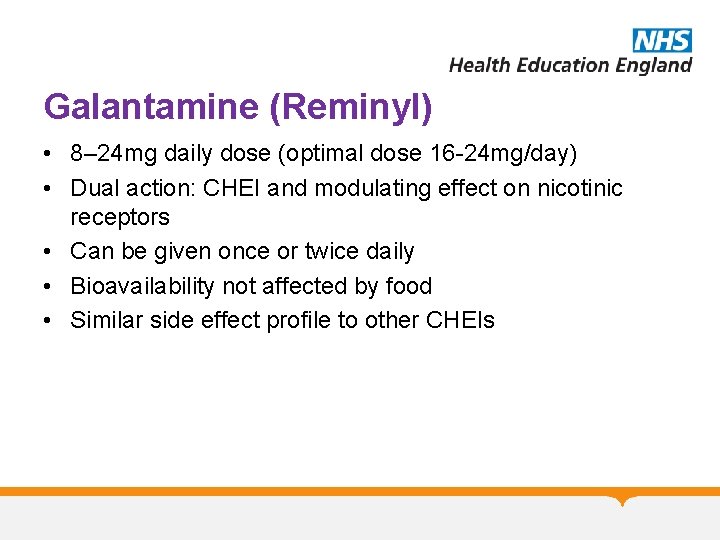
Galantamine (Reminyl) • 8– 24 mg daily dose (optimal dose 16 -24 mg/day) • Dual action: CHEI and modulating effect on nicotinic receptors • Can be given once or twice daily • Bioavailability not affected by food • Similar side effect profile to other CHEIs
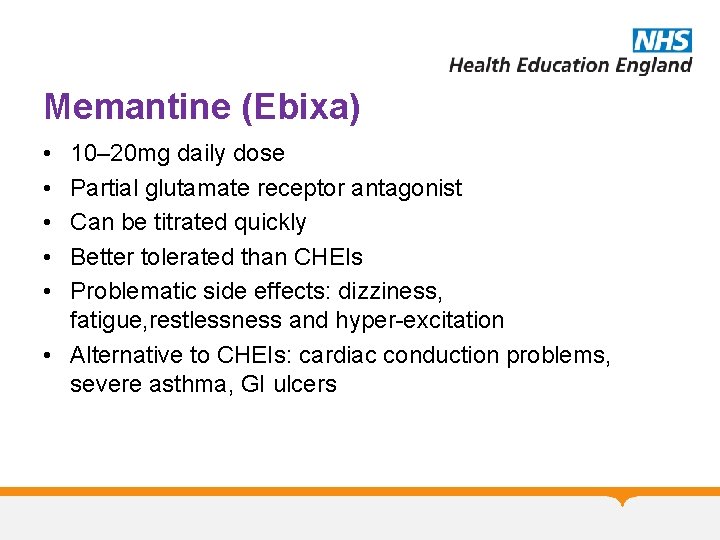
Memantine (Ebixa) • • • 10– 20 mg daily dose Partial glutamate receptor antagonist Can be titrated quickly Better tolerated than CHEIs Problematic side effects: dizziness, fatigue, restlessness and hyper-excitation • Alternative to CHEIs: cardiac conduction problems, severe asthma, GI ulcers
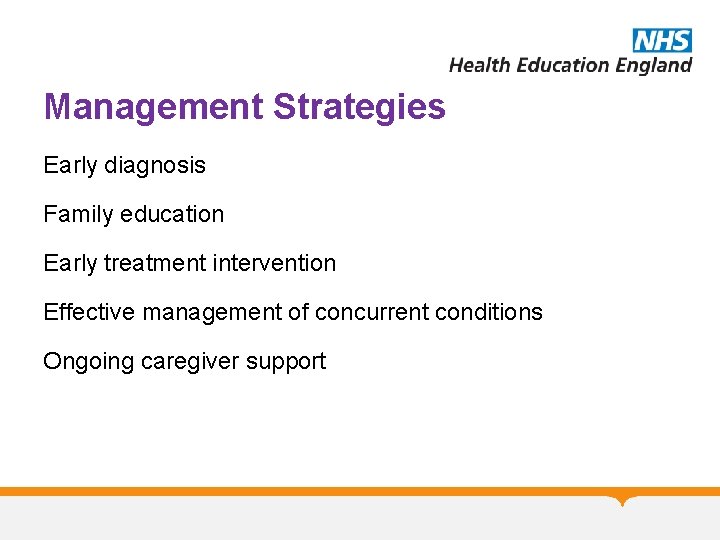
Management Strategies Early diagnosis Family education Early treatment intervention Effective management of concurrent conditions Ongoing caregiver support
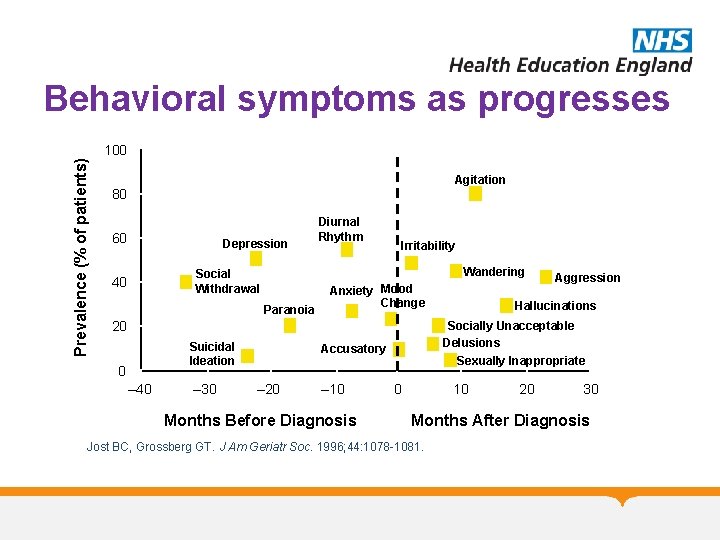
Behavioral symptoms as progresses Prevalence (% of patients) 100 Agitation 80 60 Depression Irritability Wandering Social Withdrawal 40 Diurnal Rhythm Paranoia Anxiety Mood Change 20 Suicidal Ideation 0 – 40 – 30 – 10 Months Before Diagnosis Hallucinations Socially Unacceptable Delusions Sexually Inappropriate Accusatory – 20 Aggression 0 10 20 30 Months After Diagnosis Jost BC, Grossberg GT. J Am Geriatr Soc. 1996; 44: 1078 -1081.
Behavior Management Principles Non-drug management generally provides better results How pharmacotherapy can be beneficial • Target medication to specific behavior • Avoid caregiver interpretation of PRN orders • Consider the patient's physical health status • Consider drug pharmacokinetic and pharmacodynamic properties
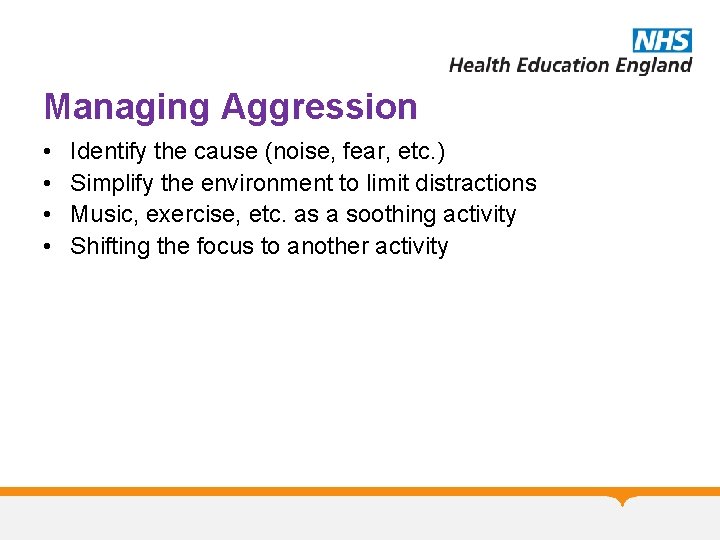
Managing Aggression • • Identify the cause (noise, fear, etc. ) Simplify the environment to limit distractions Music, exercise, etc. as a soothing activity Shifting the focus to another activity
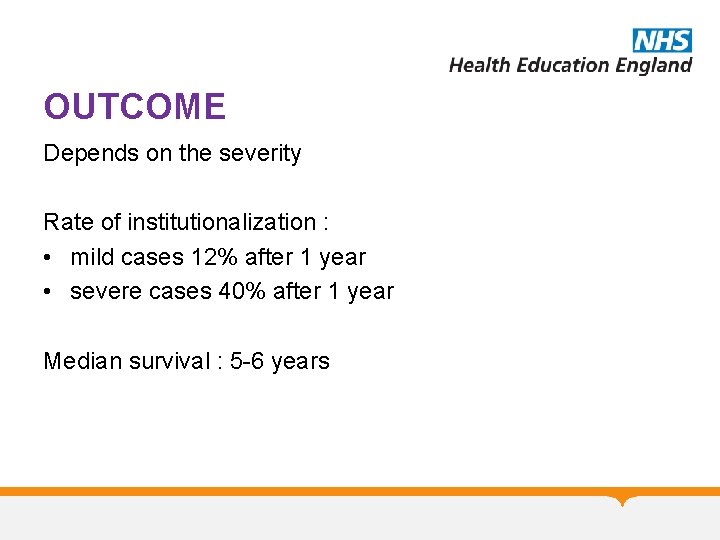
OUTCOME Depends on the severity Rate of institutionalization : • mild cases 12% after 1 year • severe cases 40% after 1 year Median survival : 5 -6 years
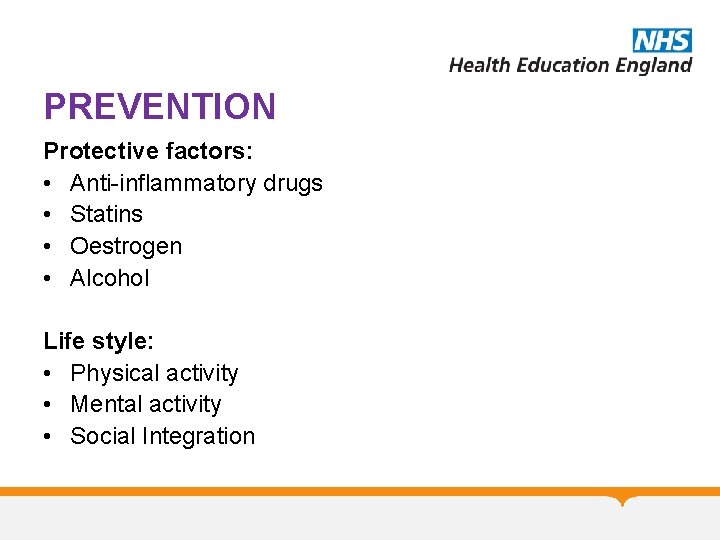
PREVENTION Protective factors: • Anti-inflammatory drugs • Statins • Oestrogen • Alcohol Life style: • Physical activity • Mental activity • Social Integration
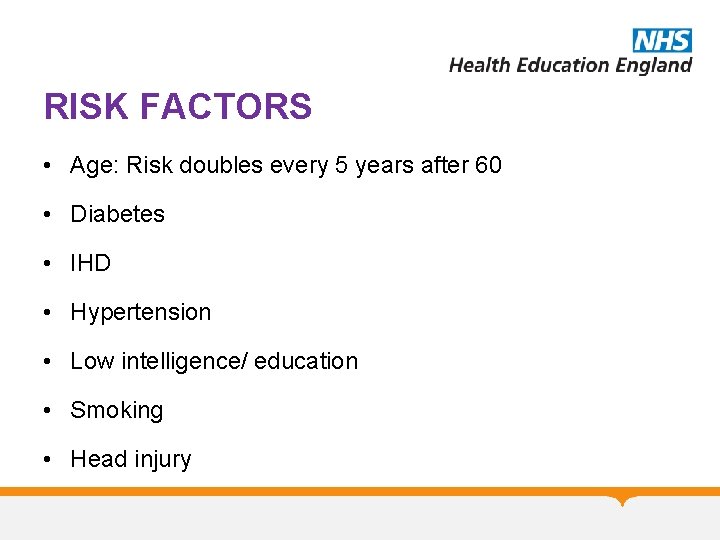
RISK FACTORS • Age: Risk doubles every 5 years after 60 • Diabetes • IHD • Hypertension • Low intelligence/ education • Smoking • Head injury
Please provide feedback/suggestions on this presentation to the module lead mark. worthington@lancashirecare. nhs. uk
OA Module: Alzheimer’s Any Questions? Thank you…. MCQs are next. . .
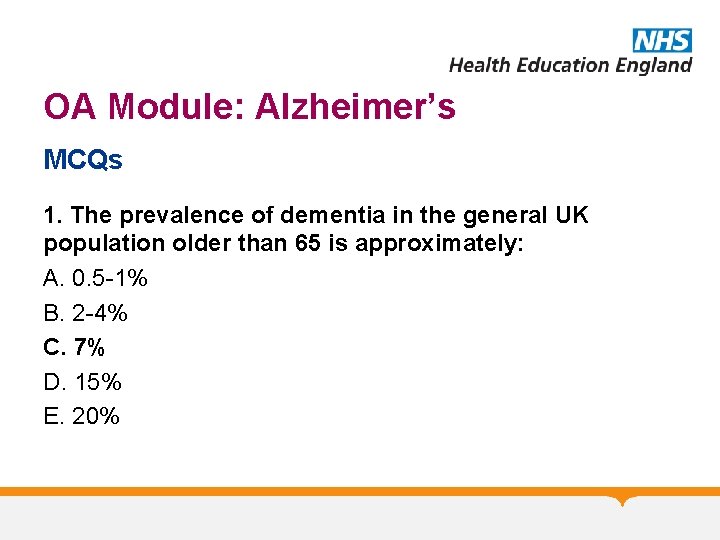
OA Module: Alzheimer’s MCQs 1. The prevalence of dementia in the general UK population older than 65 is approximately: A. 0. 5 -1% B. 2 -4% C. 7% D. 15% E. 20%
OA Module: Alzheimer’s MCQs 1. The prevalence of dementia in the general UK population older than 65 is approximately: A. 0. 5 -1% B. 2 -4% C. 7% D. 15% E. 20%
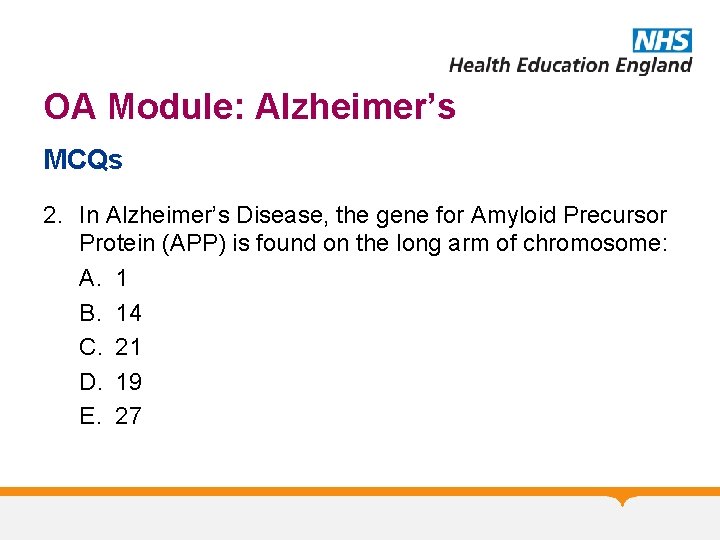
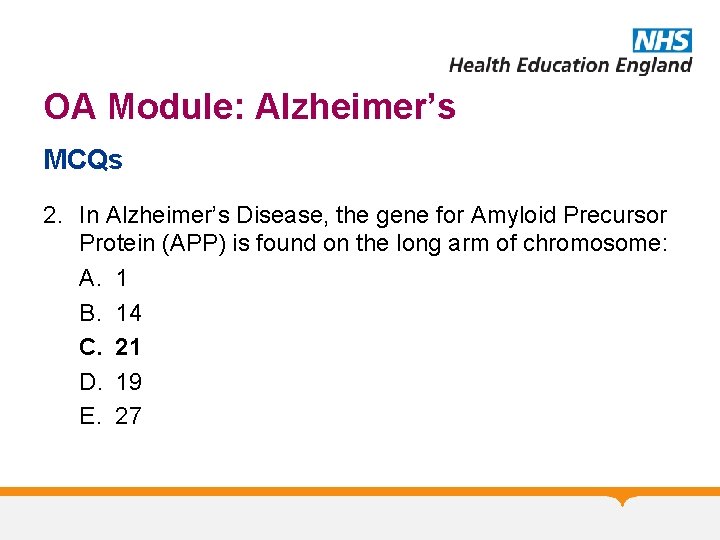
OA Module: Alzheimer’s MCQs 2. In Alzheimer’s Disease, the gene for Amyloid Precursor Protein (APP) is found on the long arm of chromosome: A. 1 B. 14 C. 21 D. 19 E. 27
OA Module: Alzheimer’s MCQs 2. In Alzheimer’s Disease, the gene for Amyloid Precursor Protein (APP) is found on the long arm of chromosome: A. 1 B. 14 C. 21 D. 19 E. 27
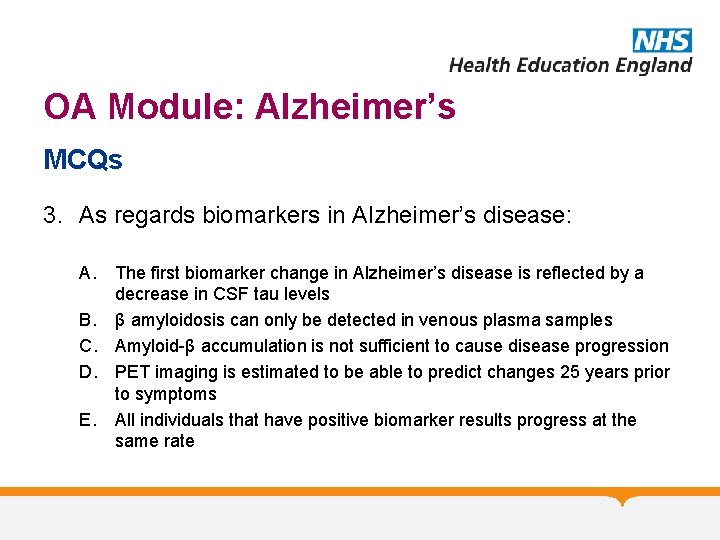
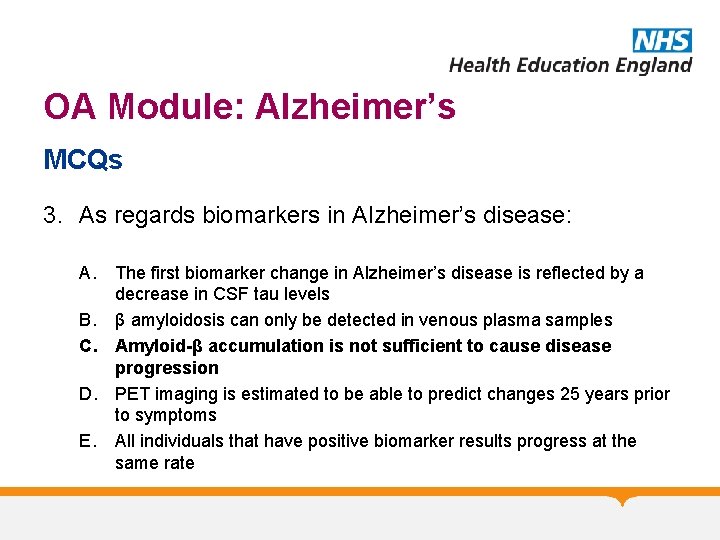
OA Module: Alzheimer’s MCQs 3. As regards biomarkers in Alzheimer’s disease: A. The first biomarker change in Alzheimer’s disease is reflected by a decrease in CSF tau levels B. β amyloidosis can only be detected in venous plasma samples C. Amyloid-β accumulation is not sufficient to cause disease progression D. PET imaging is estimated to be able to predict changes 25 years prior to symptoms E. All individuals that have positive biomarker results progress at the same rate
OA Module: Alzheimer’s MCQs 3. As regards biomarkers in Alzheimer’s disease: A. The first biomarker change in Alzheimer’s disease is reflected by a decrease in CSF tau levels B. β amyloidosis can only be detected in venous plasma samples C. Amyloid-β accumulation is not sufficient to cause disease progression D. PET imaging is estimated to be able to predict changes 25 years prior to symptoms E. All individuals that have positive biomarker results progress at the same rate
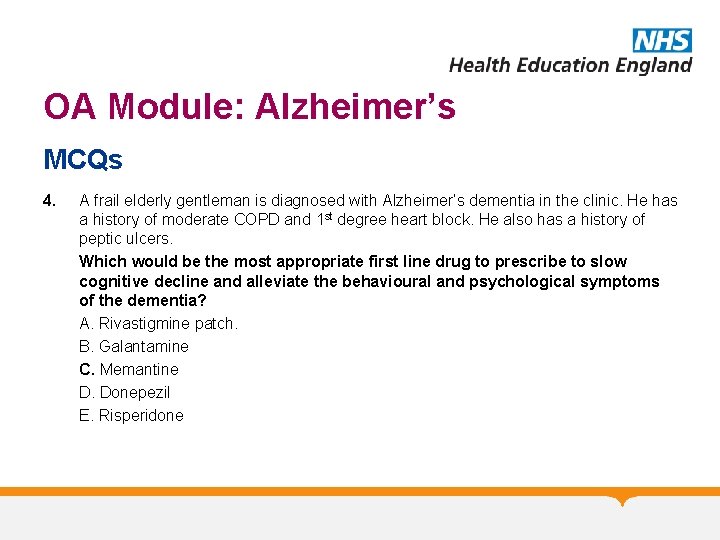
OA Module: Alzheimer’s MCQs 4. A frail elderly gentleman is diagnosed with Alzheimer’s dementia in the clinic. He has a history of moderate COPD and 1 st degree heart block. He also has a history of peptic ulcers. Which would be the most appropriate first line drug to prescribe to slow cognitive decline and alleviate the behavioural and psychological symptoms of the dementia? A. Rivastigmine patch. B. Galantamine C. Memantine D. Donepezil E. Risperidone
OA Module: Alzheimer’s MCQs 4. A frail elderly gentleman is diagnosed with Alzheimer’s dementia in the clinic. He has a history of moderate COPD and 1 st degree heart block. He also has a history of peptic ulcers. Which would be the most appropriate first line drug to prescribe to slow cognitive decline and alleviate the behavioural and psychological symptoms of the dementia? A. Rivastigmine patch. B. Galantamine C. Memantine D. Donepezil E. Risperidone
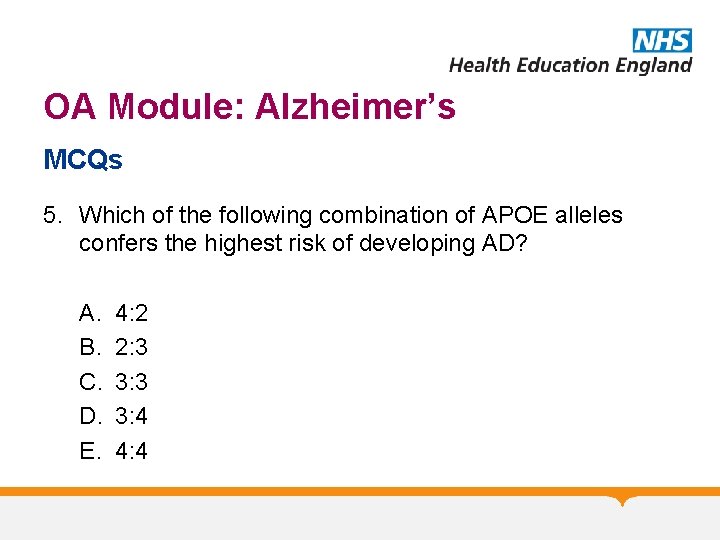
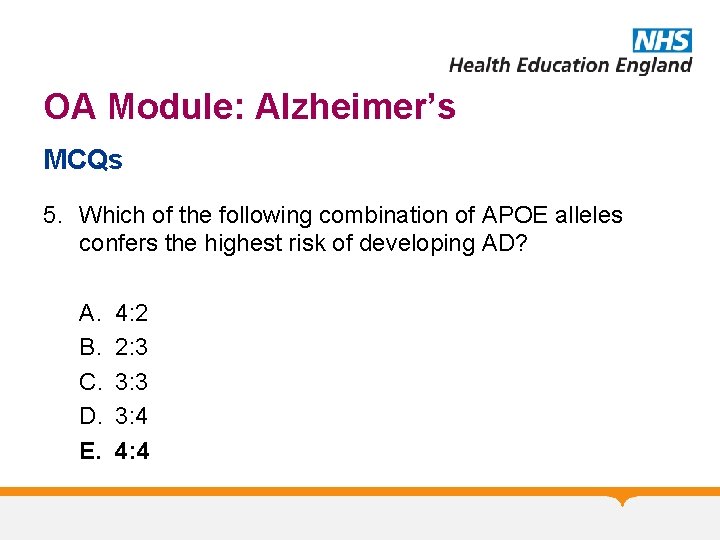
OA Module: Alzheimer’s MCQs 5. Which of the following combination of APOE alleles confers the highest risk of developing AD? A. B. C. D. E. 4: 2 2: 3 3: 4 4: 4
OA Module: Alzheimer’s MCQs 5. Which of the following combination of APOE alleles confers the highest risk of developing AD? A. B. C. D. E. 4: 2 2: 3 3: 4 4: 4
OA Module: Alzheimer’s Any Questions? Thank you