
Moving Up The Organizational Ladder Leadership and Management
- Slides: 30
Moving Up! The Organizational Ladder Leadership and Management Program for Technology Professionals (LAMP)
Learning Objectives • Identify Strengths • Identify career goals • Learn tactics/skills to achieve career goals • Identify potential barriers to career goals and practical solutions • Understand begin to develop a personal branding plan • What do you want to get out of today?
Introduction • What is Career Management?
Introduction: WANTED Activity (Personal Branding Icebreaker) • Make a “WANTED 4 Promotion” poster representing your Personal Brand • Each Person will have 1 poster and markers • 15 Minutes • 5 Parts (See Example) • Art Gallery Exhibit
What is Successful Career Management? • What are the Common Barriers • SUCCESS PERSONAL BRANDING
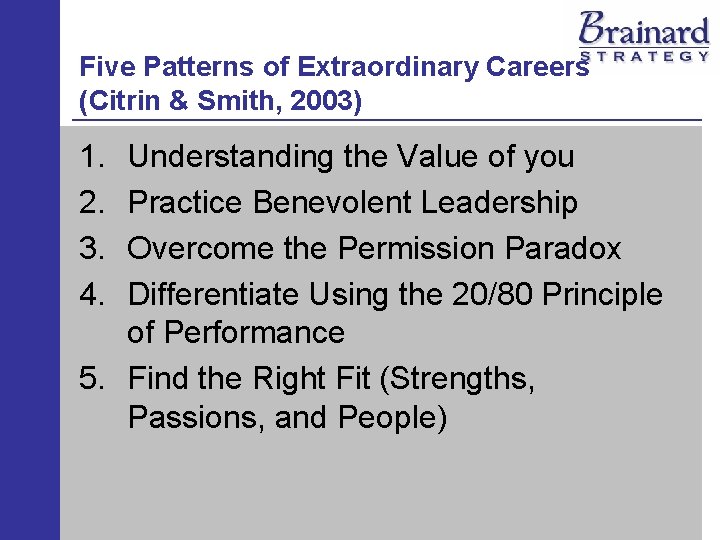
Five Patterns of Extraordinary Careers (Citrin & Smith, 2003) 1. 2. 3. 4. Understanding the Value of you Practice Benevolent Leadership Overcome the Permission Paradox Differentiate Using the 20/80 Principle of Performance 5. Find the Right Fit (Strengths, Passions, and People)
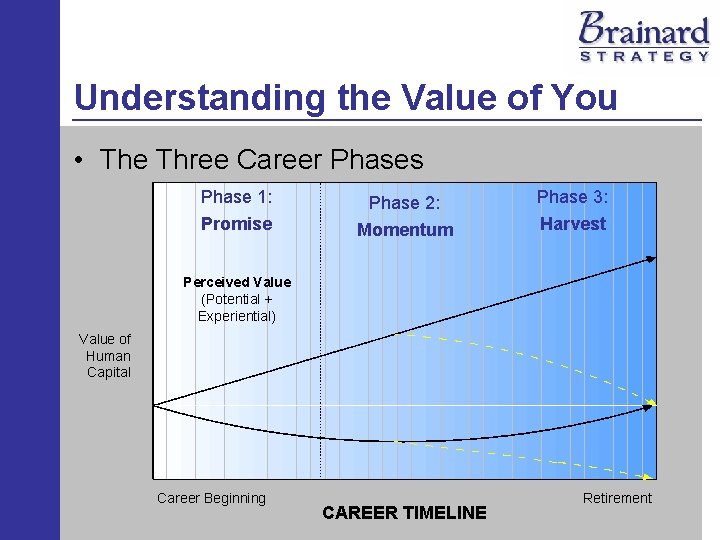
Understanding the Value of You • The Three Career Phases Phase 1: Promise Phase 2: Momentum Phase 3: Harvest Perceived Value (Potential + Experiential) Value of Human Capital Career Beginning CAREER TIMELINE Retirement
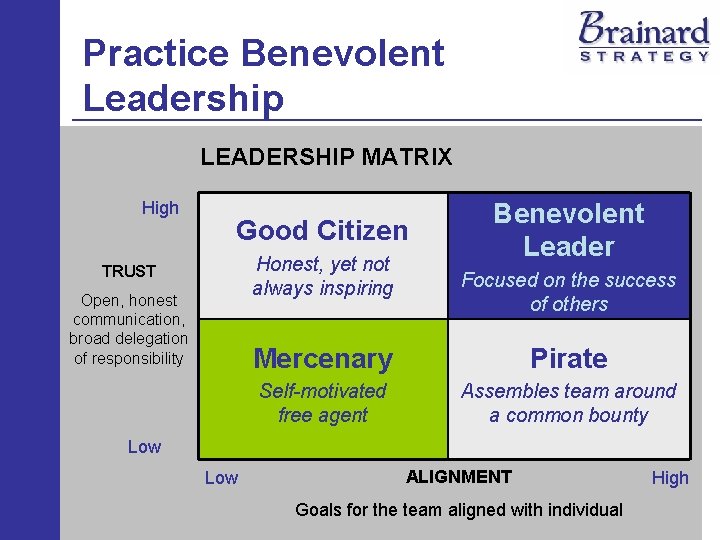
Practice Benevolent Leadership LEADERSHIP MATRIX High Good Citizen Honest, yet not always inspiring TRUST Open, honest communication, broad delegation of responsibility Benevolent Leader Focused on the success of others Mercenary Pirate Self-motivated free agent Assembles team around a common bounty Low ALIGNMENT Goals for the team aligned with individual High
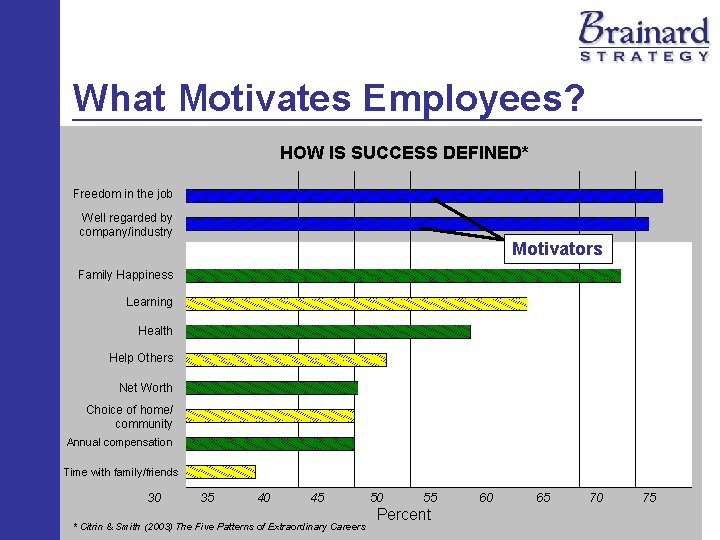
What Motivates Employees? HOW IS SUCCESS DEFINED* Freedom in the job Well regarded by company/industry Motivators Family Happiness Learning Health Help Others Net Worth Choice of home/ community Annual compensation Time with family/friends 30 35 40 45 * Citrin & Smith (2003) The Five Patterns of Extraordinary Careers 50 55 Percent 60 65 70 75
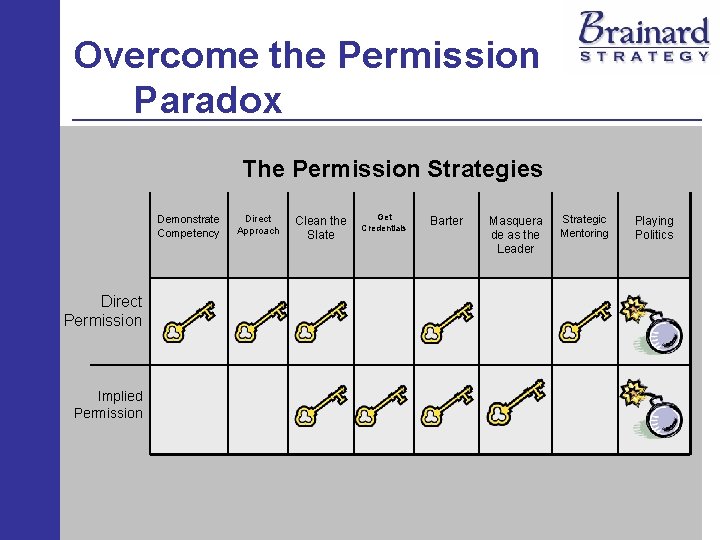
Overcome the Permission Paradox The Permission Strategies Demonstrate Competency Direct Permission Implied Permission Direct Approach Clean the Slate Get Credentials Barter Masquera de as the Leader Strategic Mentoring Playing Politics
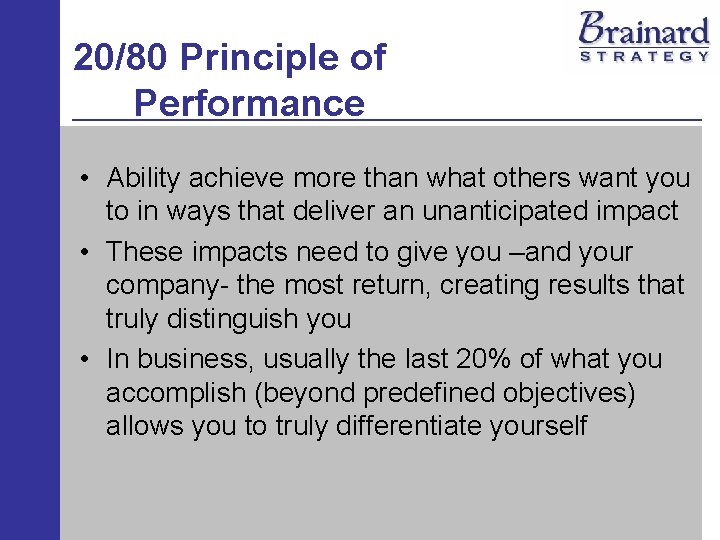
20/80 Principle of Performance • Ability achieve more than what others want you to in ways that deliver an unanticipated impact • These impacts need to give you –and your company- the most return, creating results that truly distinguish you • In business, usually the last 20% of what you accomplish (beyond predefined objectives) allows you to truly differentiate yourself
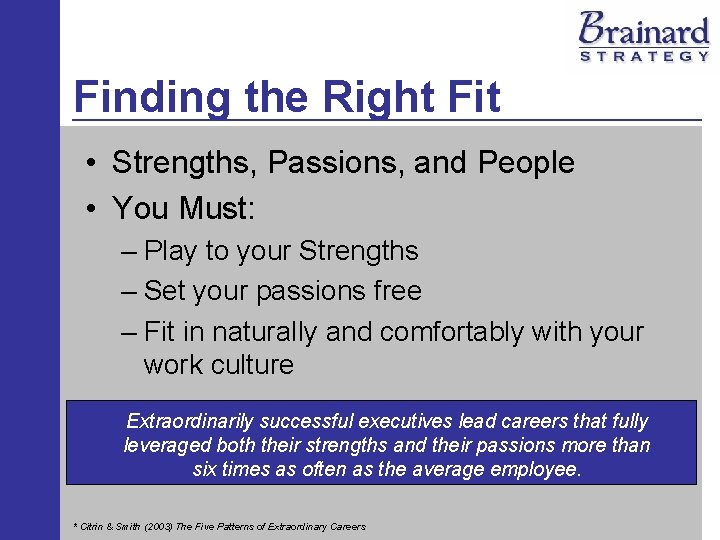
Finding the Right Fit • Strengths, Passions, and People • You Must: – Play to your Strengths – Set your passions free – Fit in naturally and comfortably with your work culture Extraordinarily successful executives lead careers that fully leveraged both their strengths and their passions more than six times as often as the average employee. * Citrin & Smith (2003) The Five Patterns of Extraordinary Careers
Introduction to Personal Branding • Story of Personal Branding
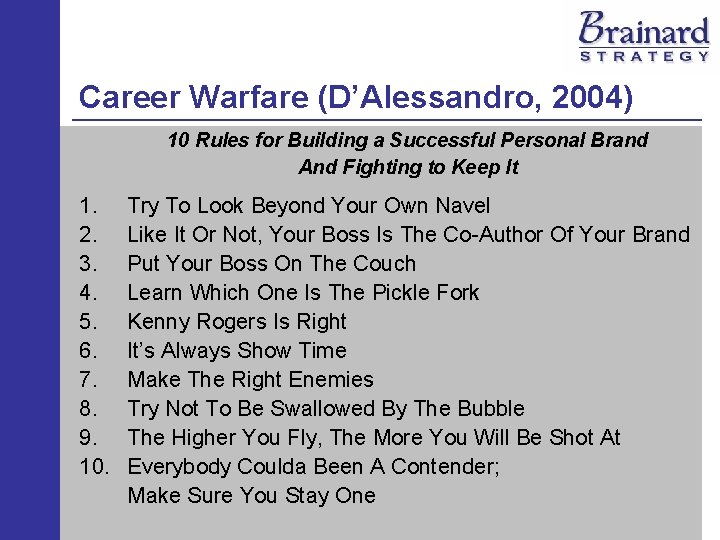
Career Warfare (D’Alessandro, 2004) 10 Rules for Building a Successful Personal Brand And Fighting to Keep It 1. 2. 3. 4. 5. 6. 7. 8. 9. 10. Try To Look Beyond Your Own Navel Like It Or Not, Your Boss Is The Co-Author Of Your Brand Put Your Boss On The Couch Learn Which One Is The Pickle Fork Kenny Rogers Is Right It’s Always Show Time Make The Right Enemies Try Not To Be Swallowed By The Bubble The Higher You Fly, The More You Will Be Shot At Everybody Coulda Been A Contender; Make Sure You Stay One
#1 Try To Look Beyond Your Own Navel • • It ALL Starts with SELF-AWARENESS Everyone has a natural tendency to make excuses for their behavior (Fundamental Attribution Error) Don’t make excuses for yours. People will decide who you are on the basis of the things you do 5 key qualities to display: 1. Earning the organization money 2. Telling the truth 3. Being discreet 4. Keeping your promises 5. Making people want to work for you
#2 Like It Or Not, Your Boss Is The Co-Author Of Your Brand • To a great extent your boss controls your personal brand • Bosses want 3 things: 1. Loyalty 2. Good Advice 3. To have their personal brands polished
#3 Put Your Boss On The Couch • Types of Bosses: – The Mentor – The Wastrel – The Pariah – The One-Way User – The Wimp – The Know-It-All
#3 Put Your Boss On The Couch (cont. ) • 4 Types of Power that you have against a boss who wants to stop you from building a brand 1. The power to avoid an obvious disaster 2. The power to impress other powerful people 3. The power to leave 4. The power to someday influence the boss’s reputation the way he/she once influenced yours
#4 Learn Which One Is The Pickle Fork • Good manners are about: – Compassion and Respect – Knowledge – Patience • Good manners are essential to a good personal brand for 2 reasons 1. They will show that you belong in the world of senior management 2. They will demonstrate your compassion and respect for the people around you, a quality that good leaders must have
#5 Kenny Rogers Is Right “You got to know when to hold’em, know when to fold’em. ” • It is important to pick your battles and avoid spending time and energy that will never move your brand forward…
#6 It’s Always Show Time • You are always on display. When it comes to your brand, there is no such thing as a transaction that doesn’t count • Your day-to-day behaviors in business are what shape your brand: – – – How you deal with people How you make decisions What your work habits are What you seem to be good at What you seem to be bad at
#6 It’s Always Show Time (cont. ) • Meetings are the stage on which you positively or negatively impact your brand • 3 types of meetings: 1. The staff meeting 2. The get-something-done meeting 3. The combat meeting
#7 Make The Right Enemies • • • You will make enemies in organizational life, and the more successful you are, the more enemies you will make Your enemies will rarely confront you directly. Instead, they will try you hurt you with out leaving fingerprints (typically through gossip) Some Telltale Signs: – It take longer for phone call to be returned – People you used to see are now frequently busy – People greet you with a super-sympathetic “How are you these days? ” – Since people tend to repeat the bad things they’ve heard, suddenly they are all using the same metaphors about you
#8 Try Not To Be Swallowed By The Bubble • • Now you have to get ready for one of the greatest dangers of all: SUCCESS Six rules for avoiding the bubble: 1. Be Skeptical of your own genius 2. Surround yourself with equally skeptical people 3. Keep the friends who remind you that your human 4. Have some sympathy for your victims 5. Develop interests other than golf 6. Remember who feeds your family
#9 The Higher You Fly, The More You Will Be Shot At • Once you have received a certain level in any field bad press comes with the territory • When you are the subject of bad press, you are not a sympathetic figure. So don’t try to blame your troubles on: – Anyone close to you – A conspiracy of unnamed enemies – The press itself • Don’t let them see you sweat – If you handle it well, bad press will give you a chance to prove how resilient you are and you will wind up enhancing your brand
#10 Everybody Coulda Been A Contender; Make Sure You Stay One • Ten suggests for keeping the momentum going… 1. Don’t be a generic, Be Tylenol 2. Get back on the horse 3. It never hurts to ask 4. Never sell your brand for short money 5. If lighting is about to strike, make sure you are standing in an open field 1. Gamble Shrewdly 2. Create a brain trust 3. Tinker with success 4. Do NOT cross the lines of integrity 5. Understand that the unexamined reputation is not worth having
Personal Brand Action Plan • ACTIVITY: Create a Personal Brand Action Plan
Personal Branding Roundtable • Groups of 5 • Discuss the following: – Each person share the biggest challenges you face in developing your personal brand? – Group – Provide suggestions/ recommendations for how to remove they can remove those barriers • Come back together to debrief
Learning Objectives • Identify Strengths • Identify career goals • Learn tactics/skills to achieve career goals • Identify potential barriers to career goals and practical solutions • Understand begin to develop a personal branding plan • What do you want to get out of today?
Questions/Comments… Personal Branding is Your Everyday Job! THANK YOU!