
Moving to De Rotterdam building A compelling event
Moving to De Rotterdam building A compelling event to change commuting habits Juliët van Drumpt | Mu. Consult Gert Jan Polhuijs | Municipality of Rotterdam
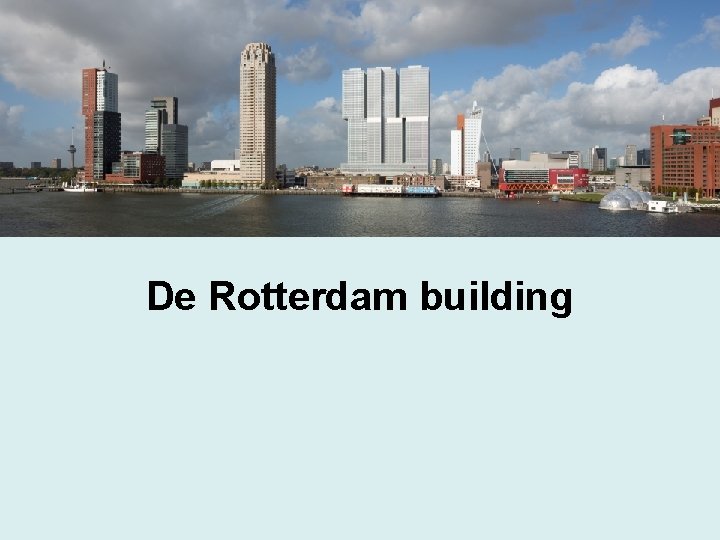
De Rotterdam building

Contents • Background – The Verkeersonderneming – Demand-driven approach – Marketplace for Mobility • Project objectives • Process • Application of behaviour change theory • Key findings • Follow up
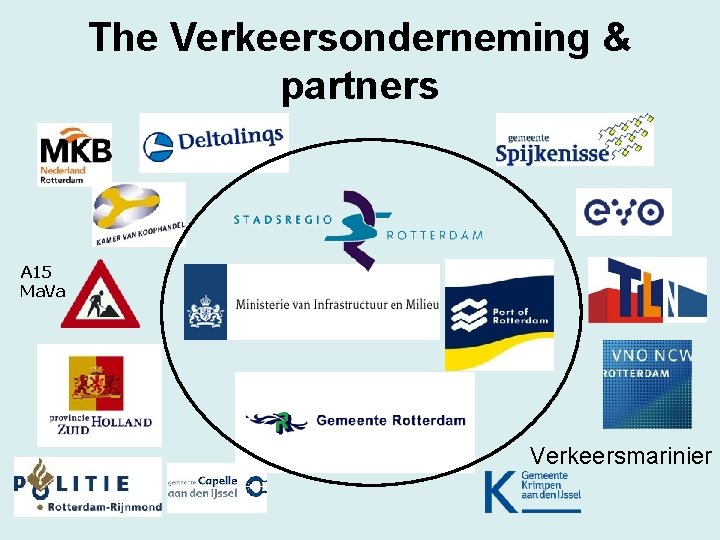
The Verkeersonderneming & partners A 15 Ma. Va Verkeersmarinier

Demand-driven approach Employers Employees Inhabitants Visitors Customer approach in 10 different areas to: - Create a ‘buzz’ (in search of intrinsic motivation) Find interactive platforms for crowdsourcing and communication Facilitate networks of employers Give mobility service providers access to customer groups
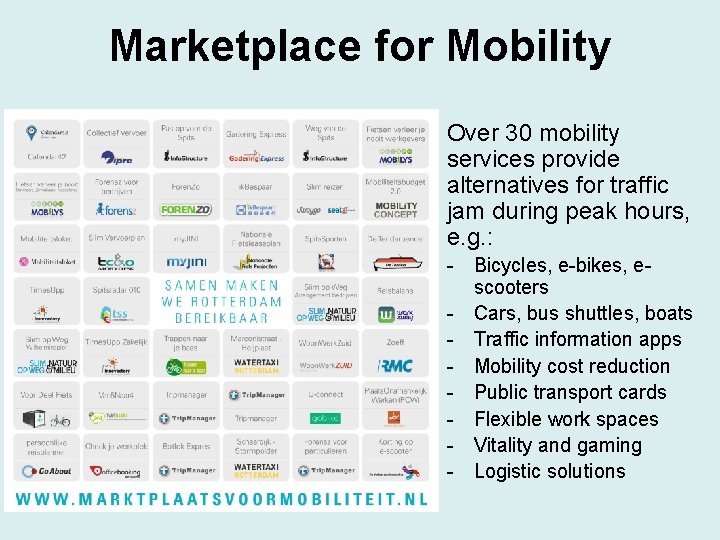
Marketplace for Mobility Over 30 mobility services provide alternatives for traffic jam during peak hours, e. g. : - Bicycles, e-bikes, escooters - Cars, bus shuttles, boats - Traffic information apps - Mobility cost reduction - Public transport cards - Flexible work spaces - Vitality and gaming - Logistic solutions
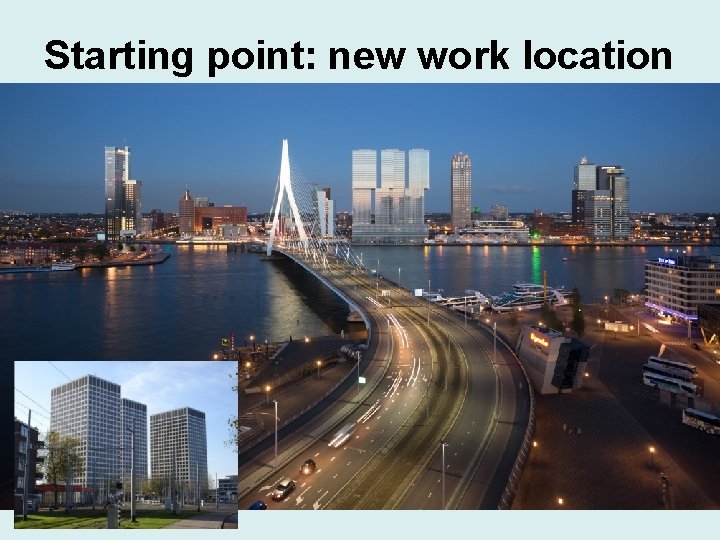
Starting point: new work location
Project objectives • • • Creating awareness among employees Providing insight into (changes in) commuting behaviour Identifying barriers and motivators to change Generating ideas for solutions Bringing together stakeholders within the municipality
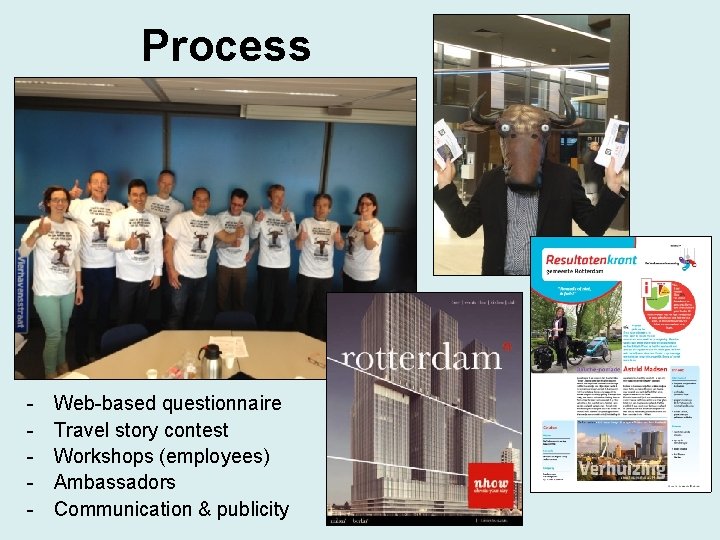
Process - Web-based questionnaire Travel story contest Workshops (employees) Ambassadors Communication & publicity
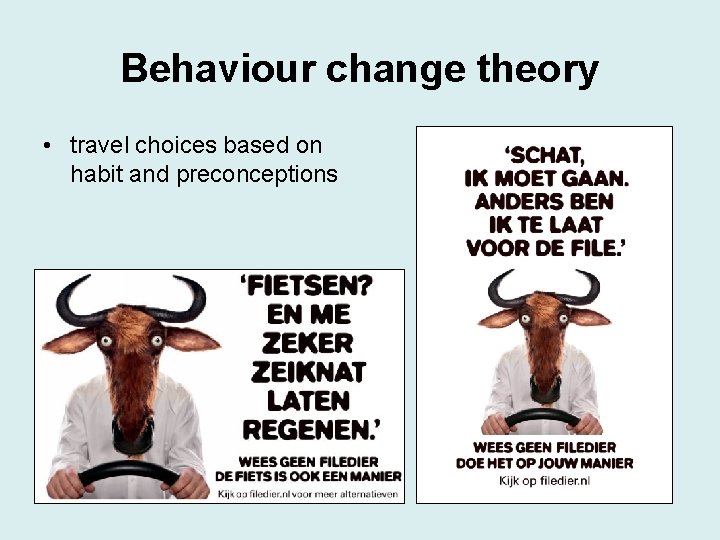
Behaviour change theory • travel choices based on habit and preconceptions
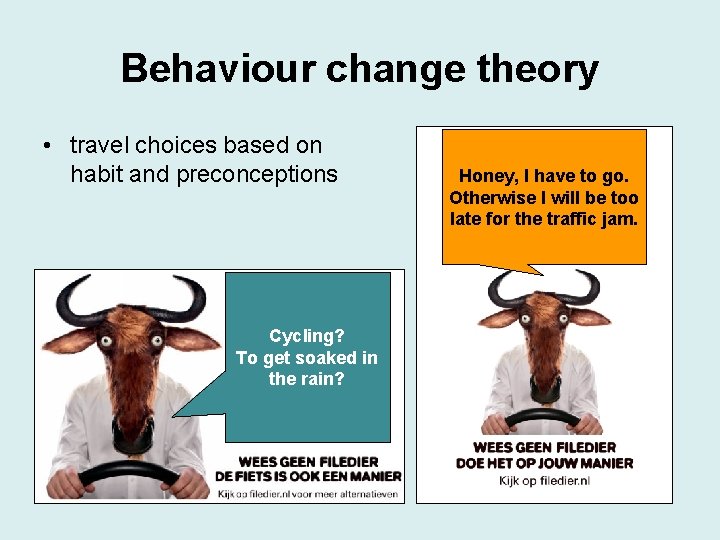
Behaviour change theory • travel choices based on habit and preconceptions Cycling? To get soaked in the rain? Honey, I have to go. Otherwise I will be too late for the traffic jam.
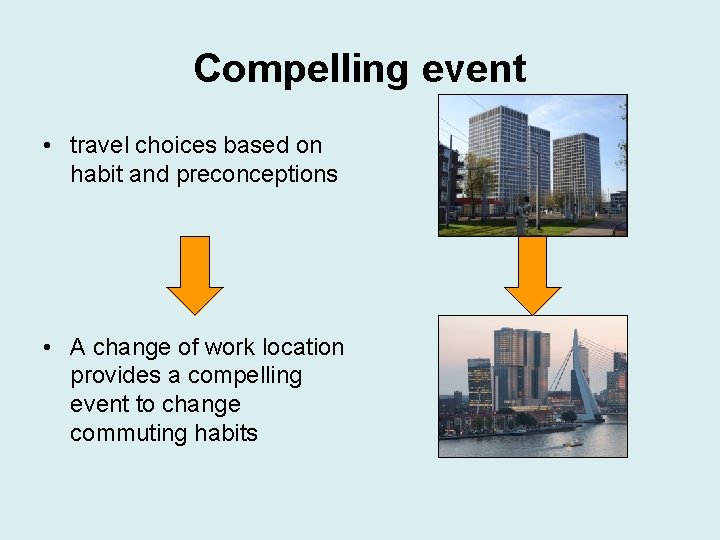
Compelling event • travel choices based on habit and preconceptions • A change of work location provides a compelling event to change commuting habits
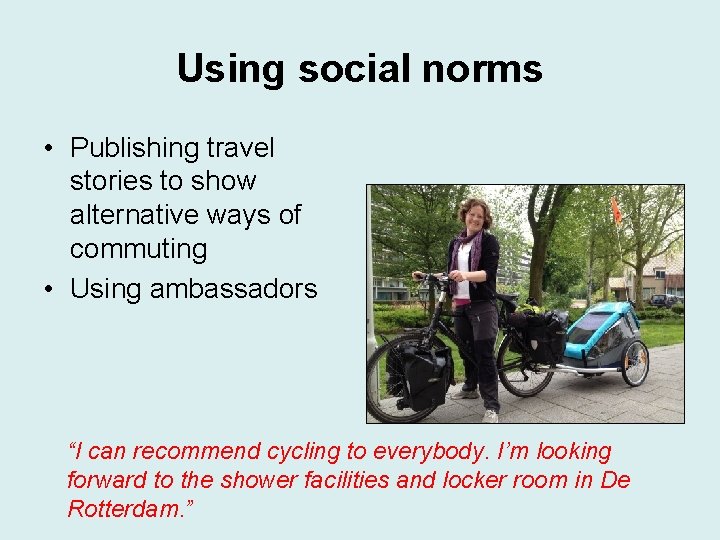
Using social norms • Publishing travel stories to show alternative ways of commuting • Using ambassadors “I can recommend cycling to everybody. I’m looking forward to the shower facilities and locker room in De Rotterdam. ”
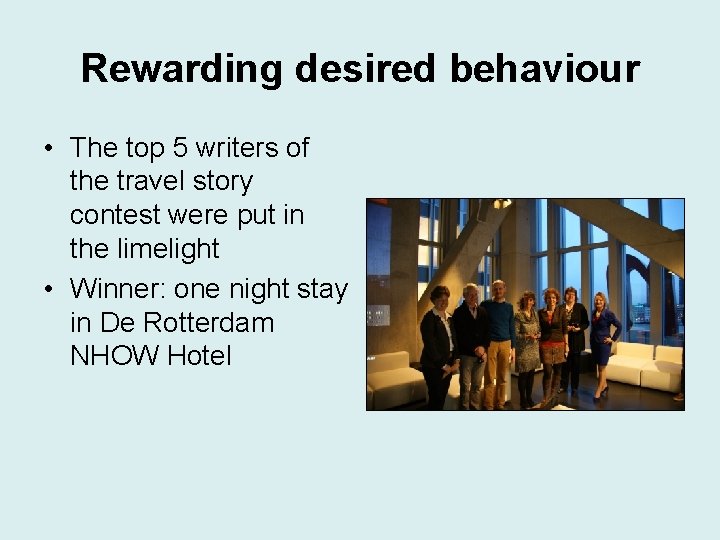
Rewarding desired behaviour • The top 5 writers of the travel story contest were put in the limelight • Winner: one night stay in De Rotterdam NHOW Hotel
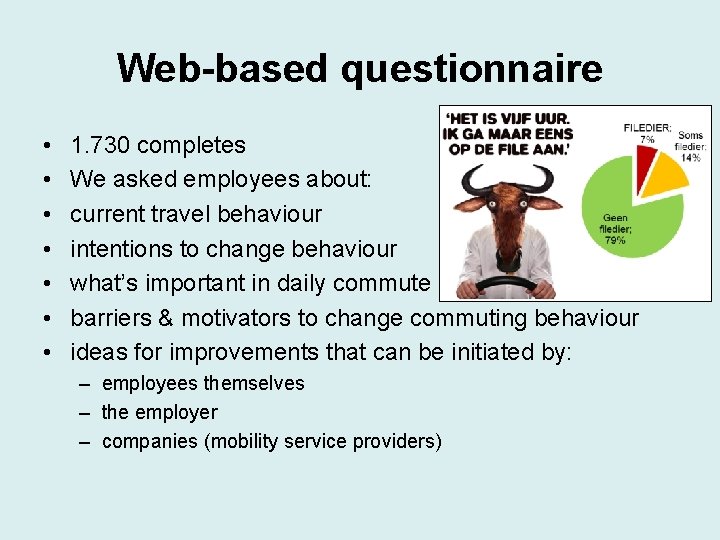
Web-based questionnaire • • 1. 730 completes We asked employees about: current travel behaviour intentions to change behaviour what’s important in daily commute barriers & motivators to change commuting behaviour ideas for improvements that can be initiated by: – employees themselves – the employer – companies (mobility service providers)
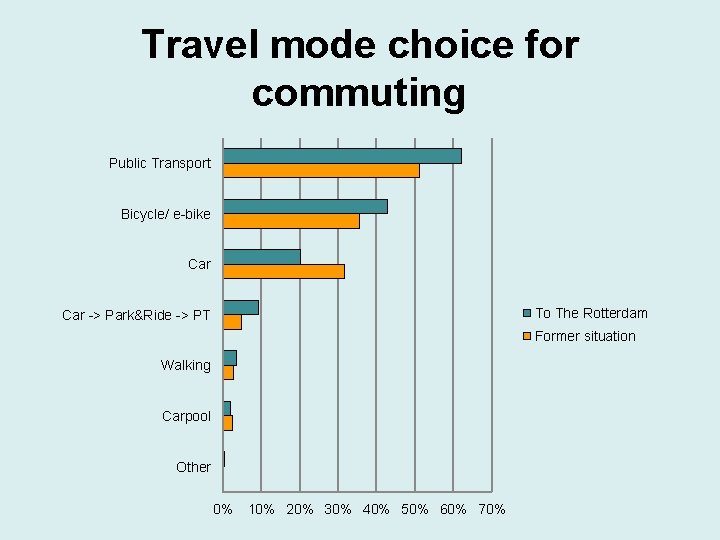
Travel mode choice for commuting Public Transport Bicycle/ e-bike Car To The Rotterdam Car -> Park&Ride -> PT Former situation Walking Carpool Other 0% 10% 20% 30% 40% 50% 60% 70%
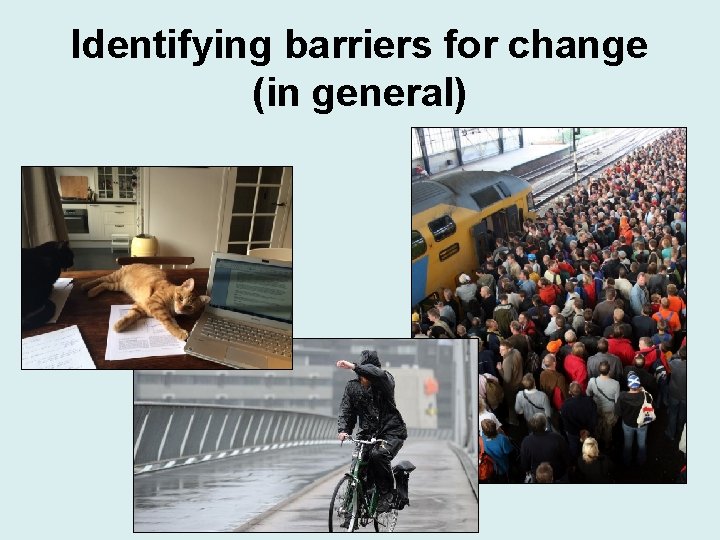
Identifying barriers for change (in general)
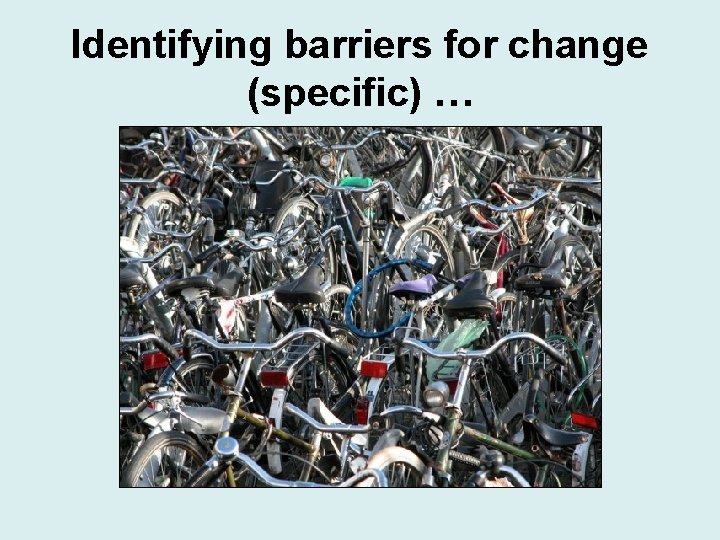
Identifying barriers for change (specific) …
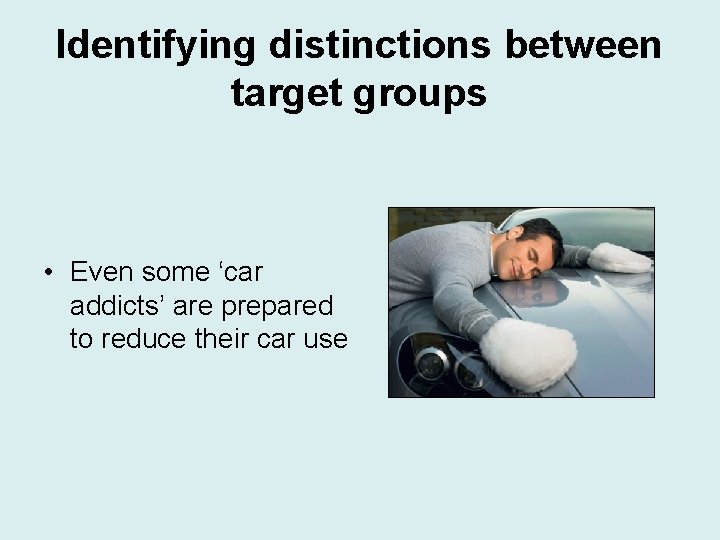
Identifying distinctions between target groups • Even some ‘car addicts’ are prepared to reduce their car use
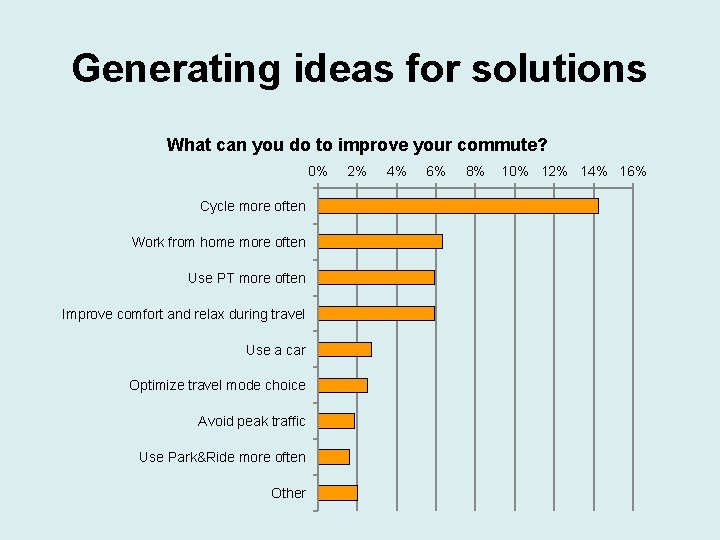
Generating ideas for solutions What can you do to improve your commute? 0% Cycle more often Work from home more often Use PT more often Improve comfort and relax during travel Use a car Optimize travel mode choice Avoid peak traffic Use Park&Ride more often Other 2% 4% 6% 8% 10% 12% 14% 16%
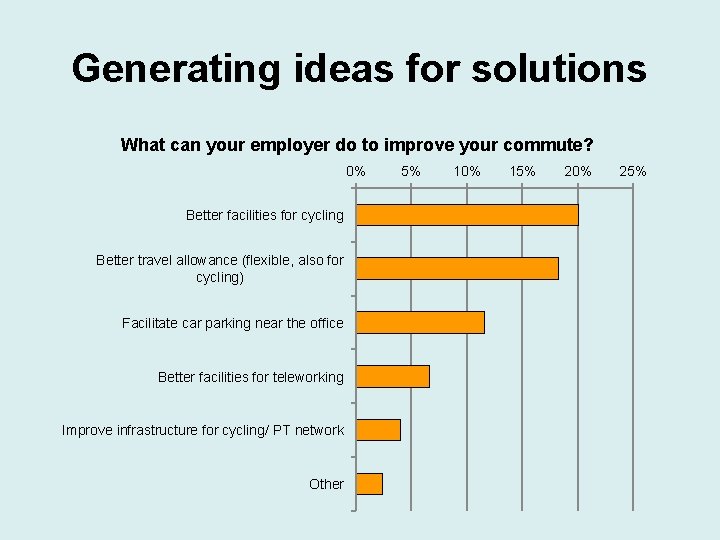
Generating ideas for solutions What can your employer do to improve your commute? 0% Better facilities for cycling Better travel allowance (flexible, also for cycling) Facilitate car parking near the office Better facilities for teleworking Improve infrastructure for cycling/ PT network Other 5% 10% 15% 20% 25%
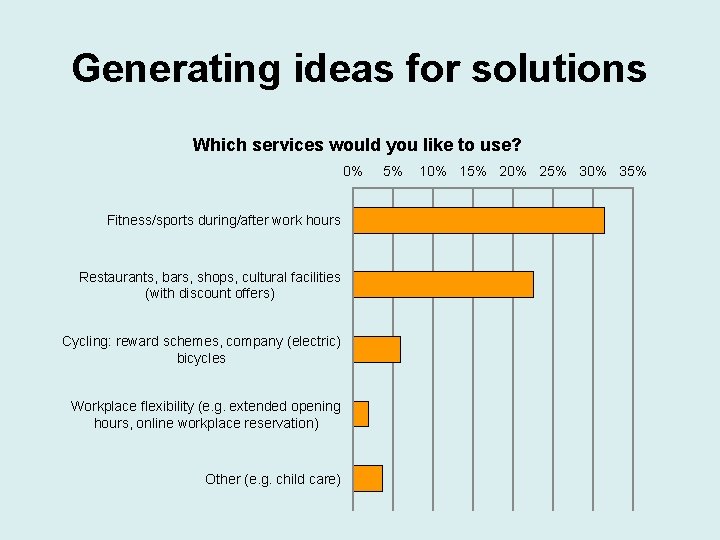
Generating ideas for solutions Which services would you like to use? 0% Fitness/sports during/after work hours Restaurants, bars, shops, cultural facilities (with discount offers) Cycling: reward schemes, company (electric) bicycles Workplace flexibility (e. g. extended opening hours, online workplace reservation) Other (e. g. child care) 5% 10% 15% 20% 25% 30% 35%
In summary… • The project applied behaviour change theory by: – – – Using a compelling event to change commuting habits Using social norms Rewarding desired behaviour Identifying barriers and motivators for change Identifying distinctions between target groups
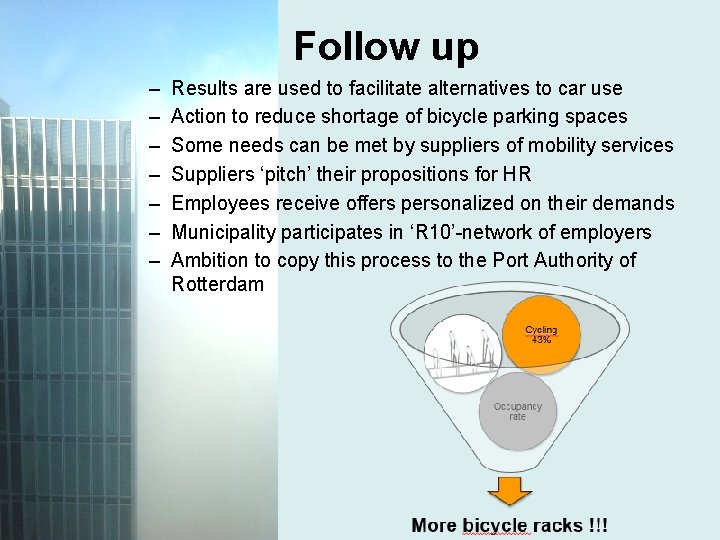
Follow up – – – – Results are used to facilitate alternatives to car use Action to reduce shortage of bicycle parking spaces Some needs can be met by suppliers of mobility services Suppliers ‘pitch’ their propositions for HR Employees receive offers personalized on their demands Municipality participates in ‘R 10’-network of employers Ambition to copy this process to the Port Authority of Rotterdam
Thank you! Questions? Juliët van Drumpt | Mu. Consult Gert Jan Polhuijs | Municipality of Rotterdam
- Slides: 26