
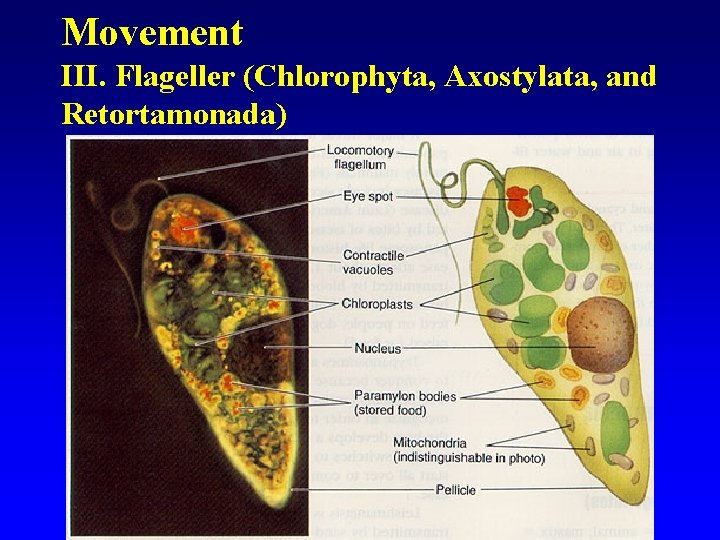
Movement III Flageller Chlorophyta Axostylata and Retortamonada Cilia
- Slides: 49
Movement III. Flageller (Chlorophyta, Axostylata, and Retortamonada)
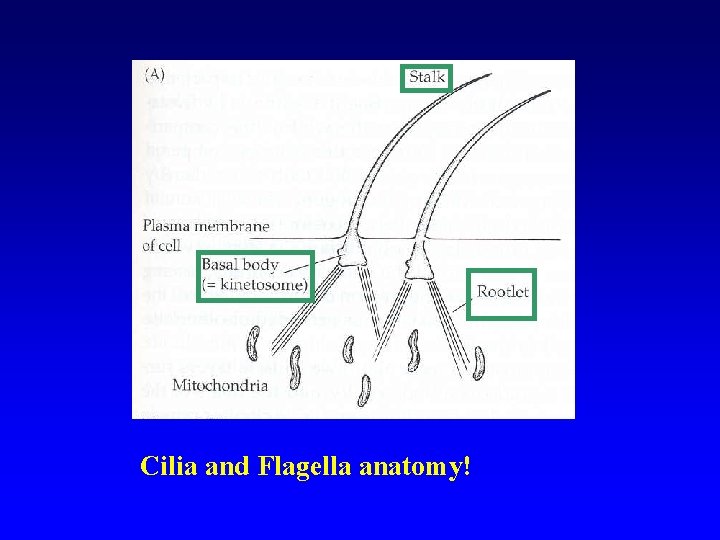
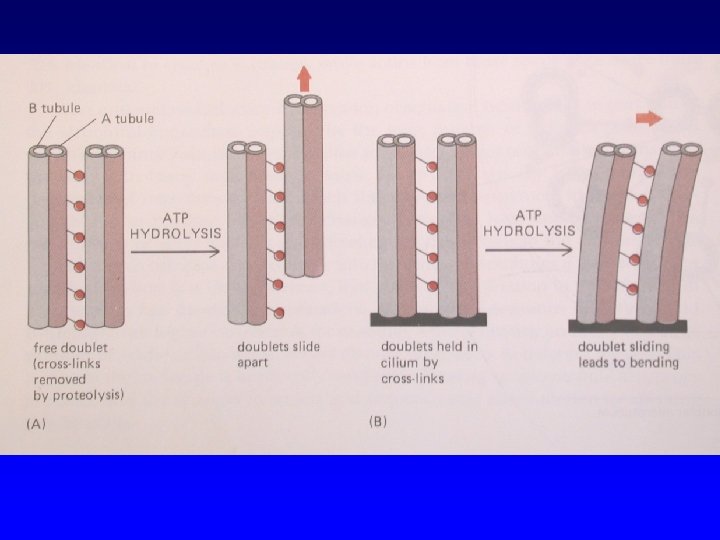
Cilia and Flagella anatomy!
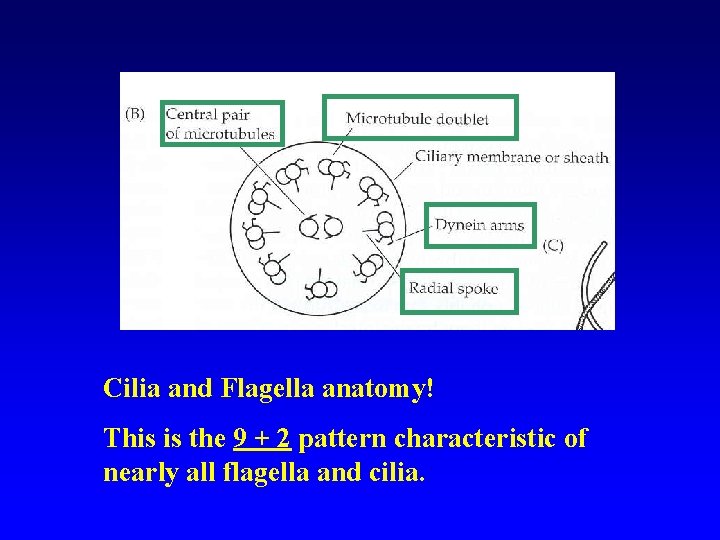
Cilia and Flagella anatomy! This is the 9 + 2 pattern characteristic of nearly all flagella and cilia.
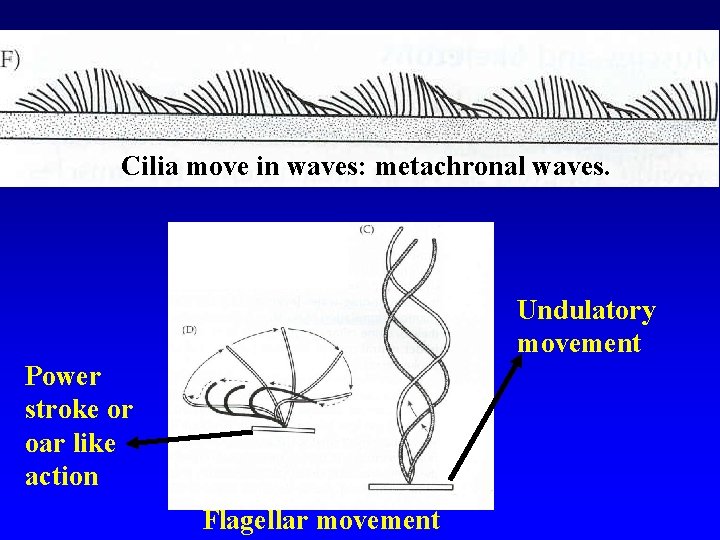
Cilia move in waves: metachronal waves. Undulatory movement Power stroke or oar like action Flagellar movement
The Big Picture • Protists are a group of paraphyletic, protoplasmic organisms. • Three types of movement are common among protists • Cilia and flagella have a 9 + 2 arrangement
Protozoa II Chapter 11
Outline • Protection • Feeding strategies • Reproduction – Sexual – Asexual • Life cycle
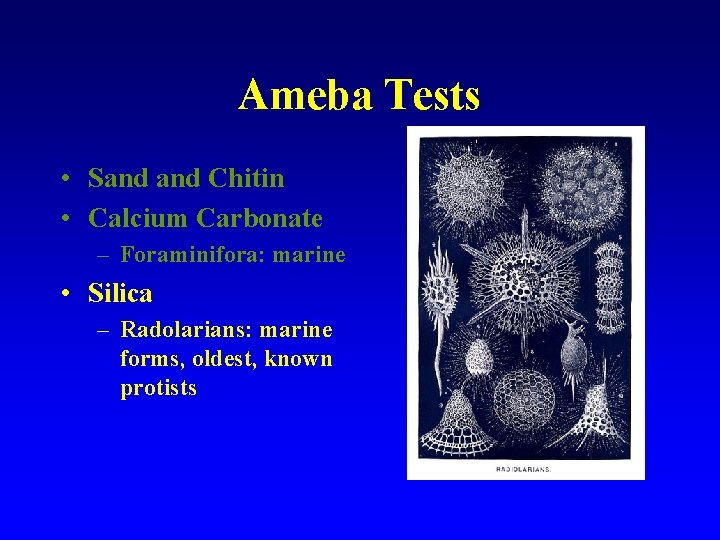
Ameba Tests • Sand Chitin • Calcium Carbonate – Foraminifora: marine • Silica – Radolarians: marine forms, oldest, known protists
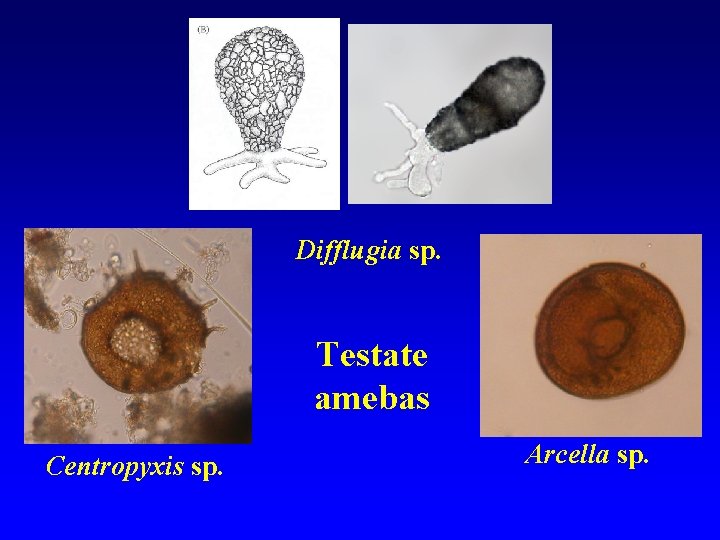
Difflugia sp. Testate amebas Centropyxis sp. Arcella sp.
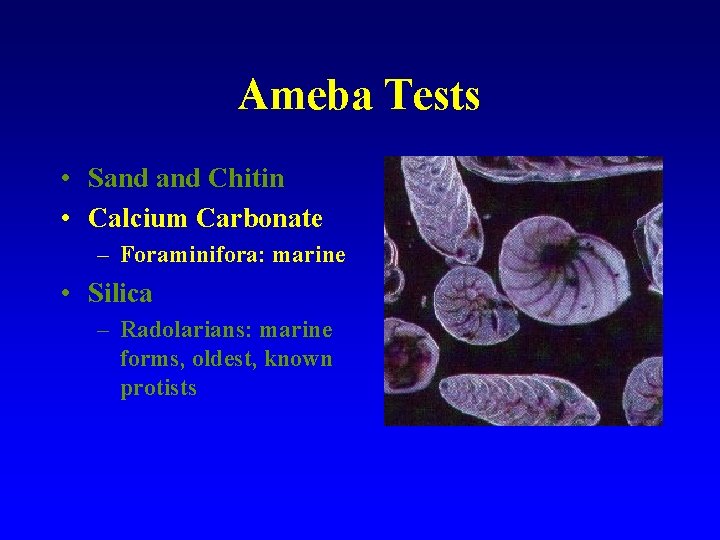
Ameba Tests • Sand Chitin • Calcium Carbonate – Foraminifora: marine • Silica – Radolarians: marine forms, oldest, known protists
Ameba Tests • Sand Chitin • Calcium Carbonate – Foraminifora: marine • Silica – Radolarians: marine forms, oldest, known protists
Feeding Strategies 1. Autotrophs- synthesize their own food 2. Heterotrophs- consume food made by others --Osmotrophs-ingest food in soluble form. --Phagotrophs-ingest visible particles of food.
Phagotrophs I. Sucking II. Feeding currents III. Pseudopods
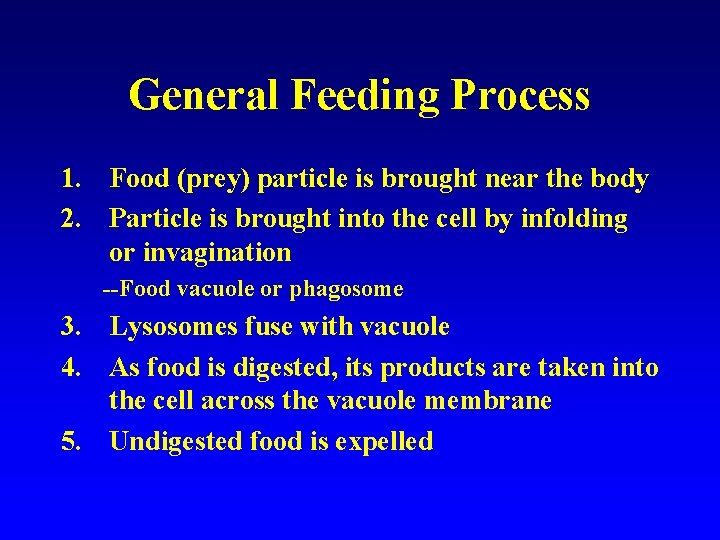
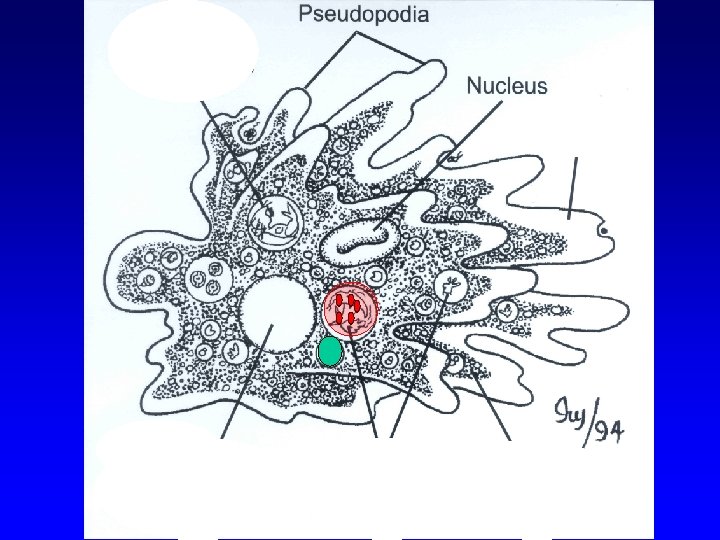
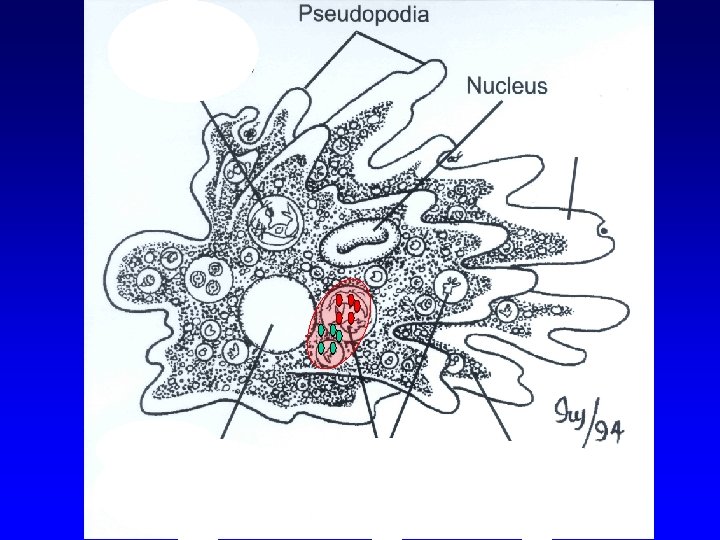
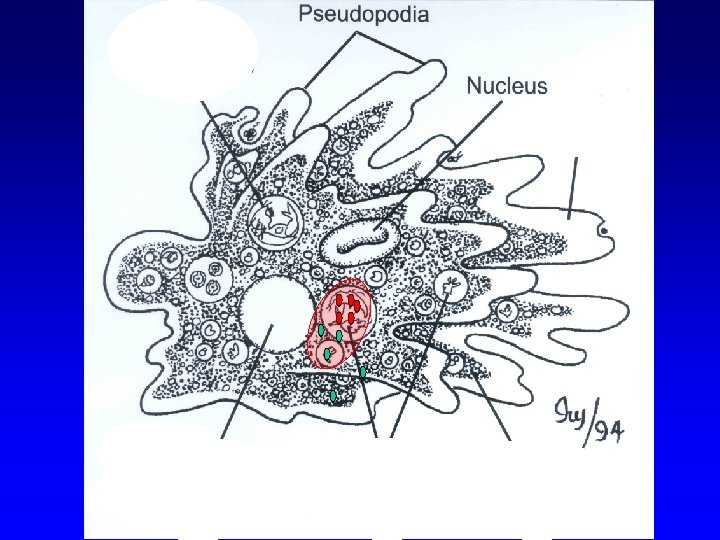
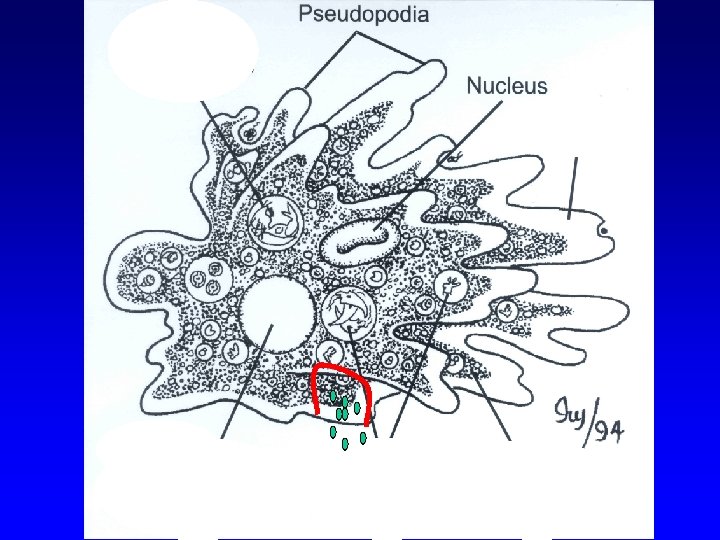
General Feeding Process
General Feeding Process 1. Food (prey) particle is brought near the body
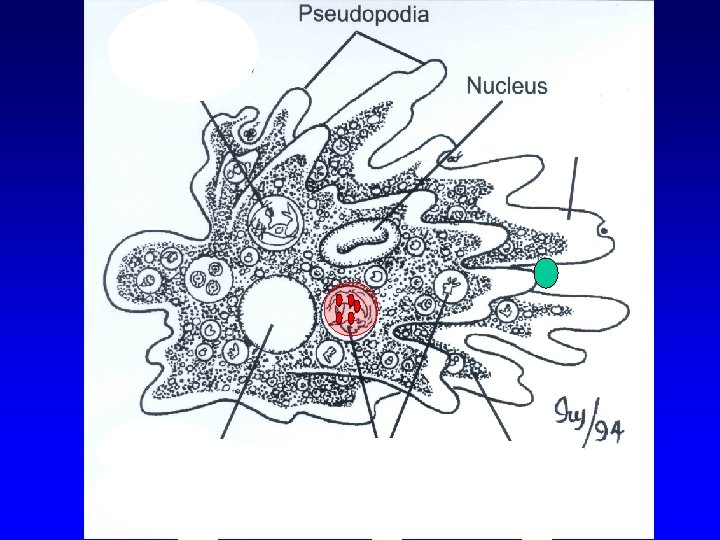
General Feeding Process 1. Food (prey) particle is brought near the body 2. Particle is brought into the cell by infolding or invagination --Food vacuole or phagosome
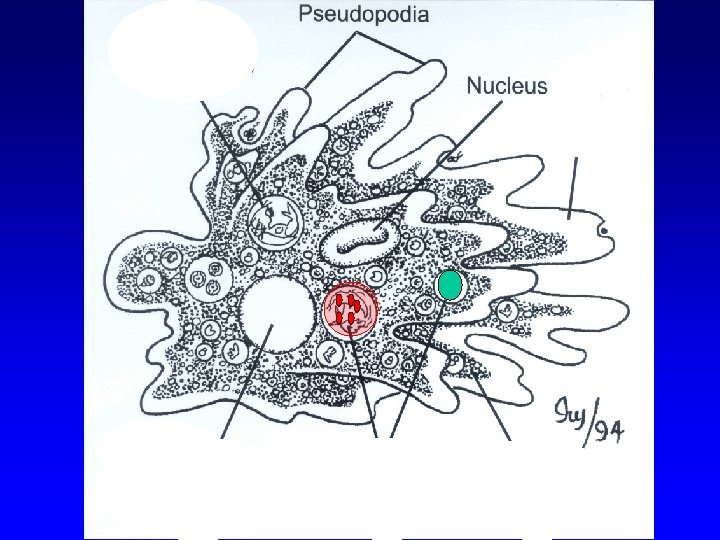
General Feeding Process 1. Food (prey) particle is brought near the body 2. Particle is brought into the cell by infolding or invagination --Food vacuole or phagosome 3. Lysosomes fuse with vacuole
General Feeding Process 1. Food (prey) particle is brought near the body 2. Particle is brought into the cell by infolding or invagination --Food vacuole or phagosome 3. Lysosomes fuse with vacuole 4. As food is digested, its products are taken into the cell across the vacuole membrane
General Feeding Process 1. Food (prey) particle is brought near the body 2. Particle is brought into the cell by infolding or invagination --Food vacuole or phagosome 3. Lysosomes fuse with vacuole 4. As food is digested, its products are taken into the cell across the vacuole membrane 5. Undigested food is expelled
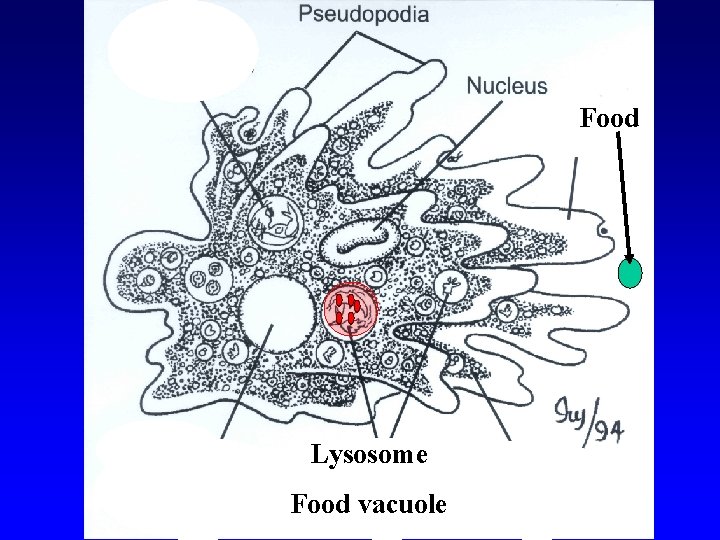
Food Lysosome Food vacuole
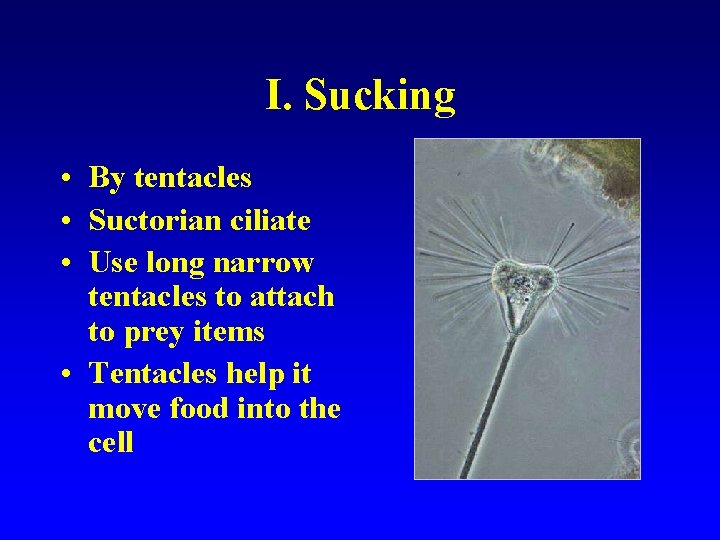
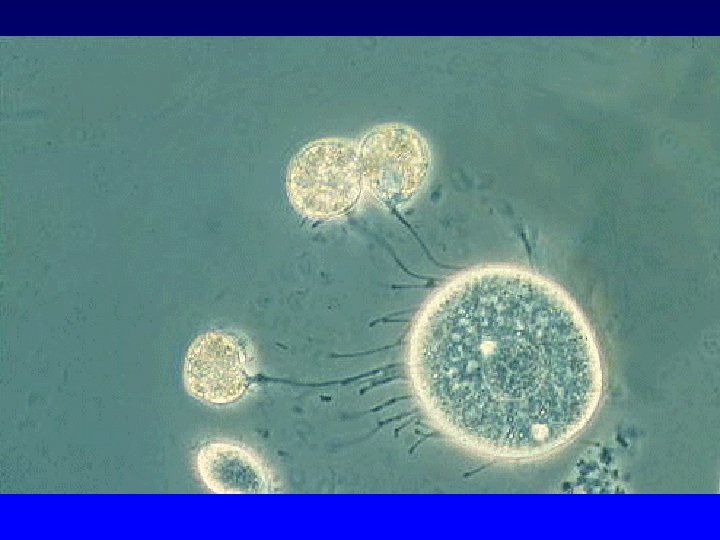
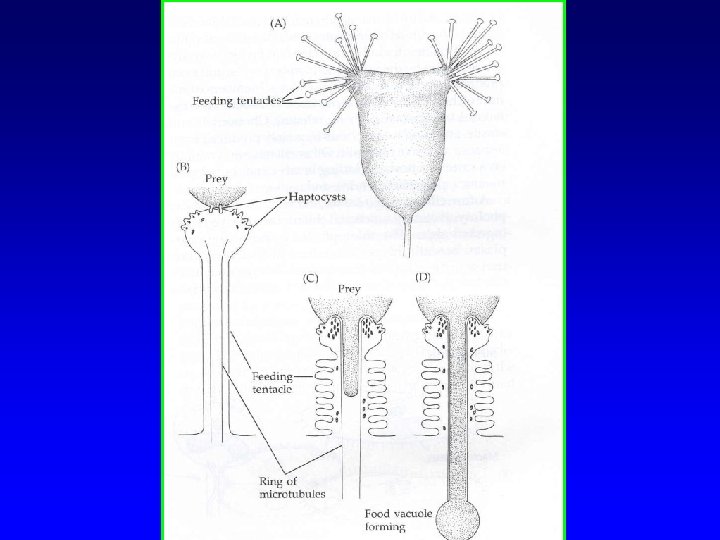
I. Sucking • By tentacles • Suctorian ciliate • Use long narrow tentacles to attach to prey items • Tentacles help it move food into the cell
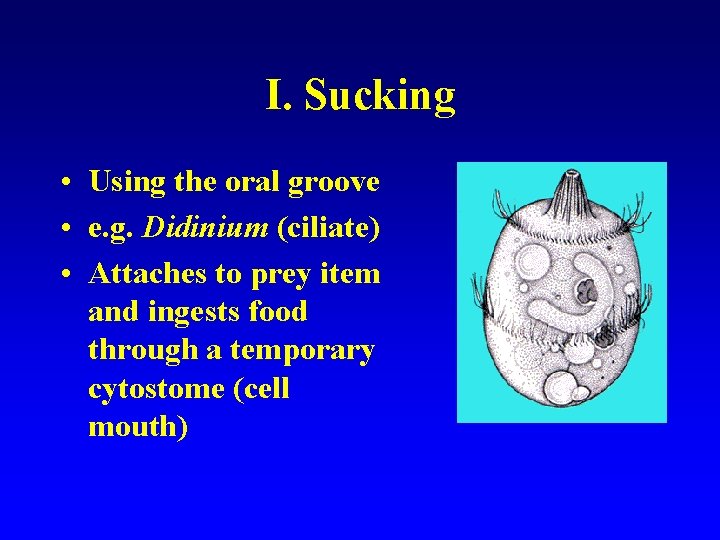
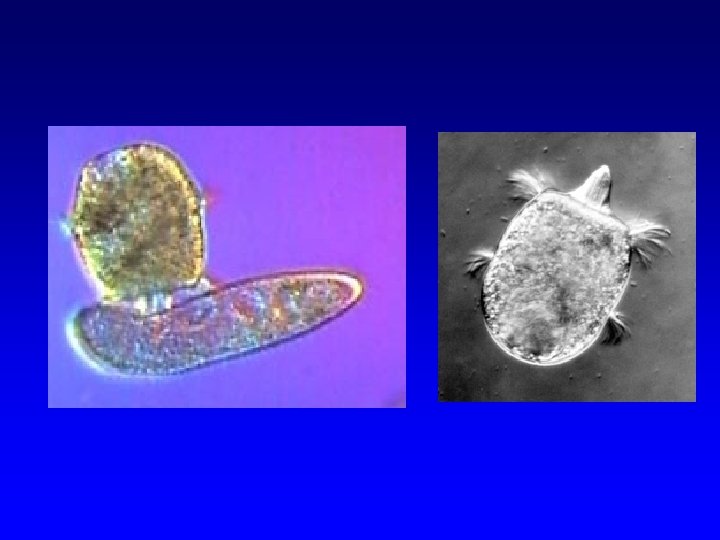
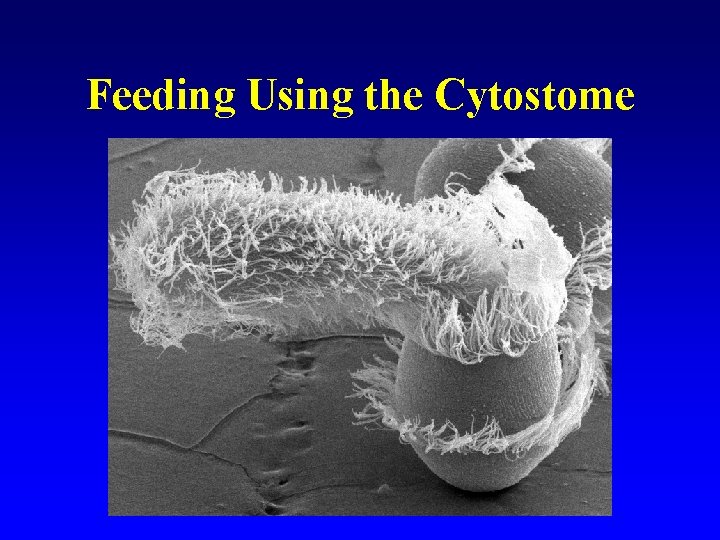
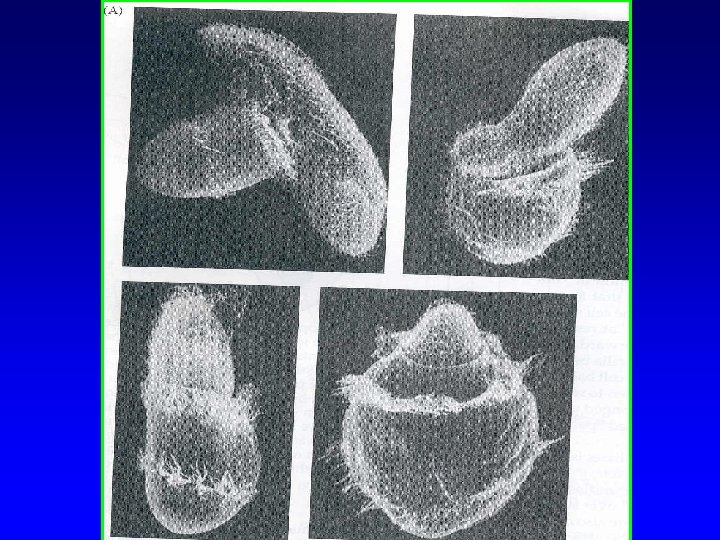
I. Sucking • Using the oral groove • e. g. Didinium (ciliate) • Attaches to prey item and ingests food through a temporary cytostome (cell mouth)
Feeding Using the Cytostome
II. Feeding Currents • This is a semi-passive feeding mechanism in which food is brought to the oral opening by creating water currents • Used by ciliates and flagellates • Organism usually sessile
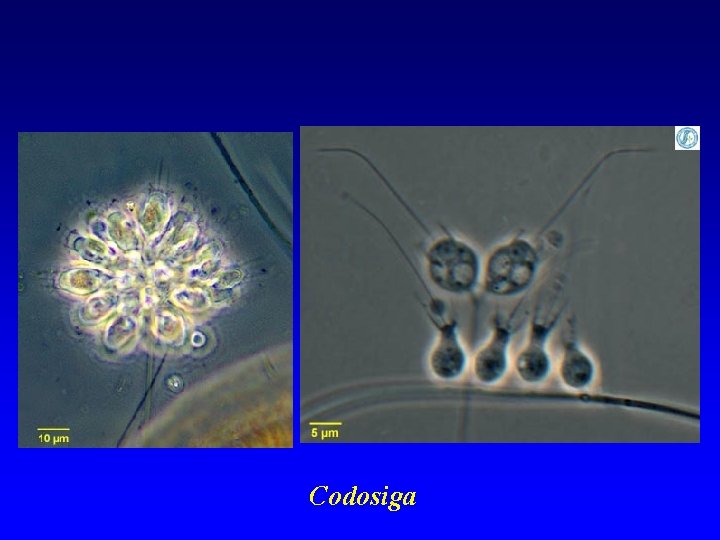
Codosiga
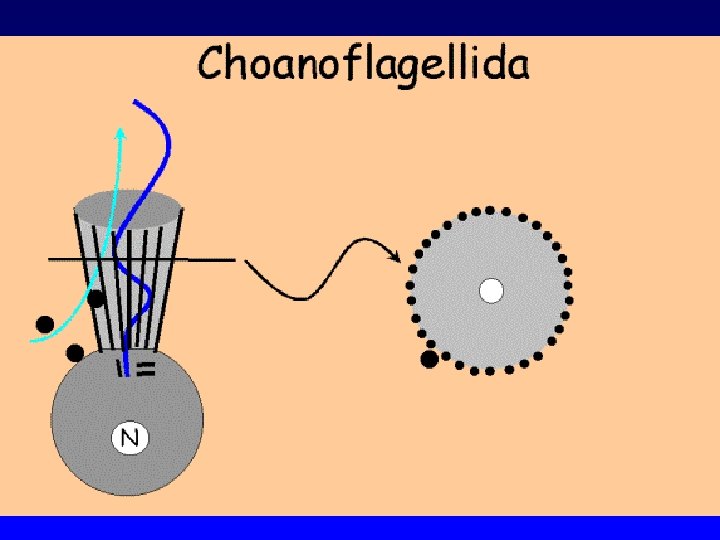
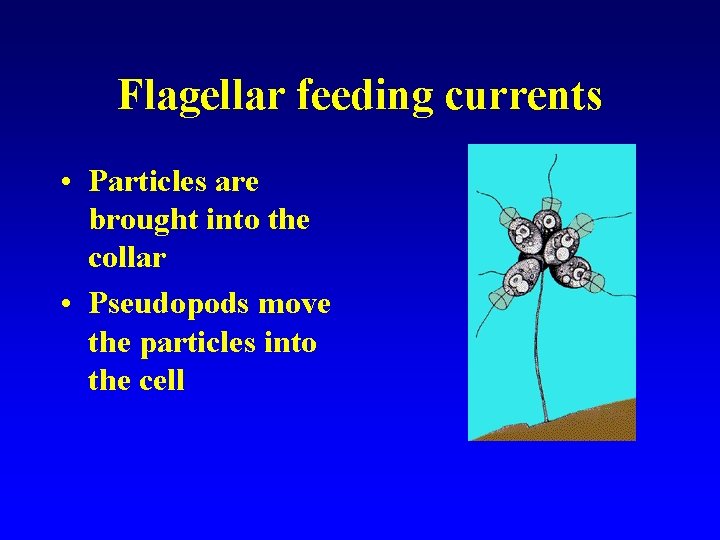
Flagellar feeding currents • Particles are brought into the collar • Pseudopods move the particles into the cell
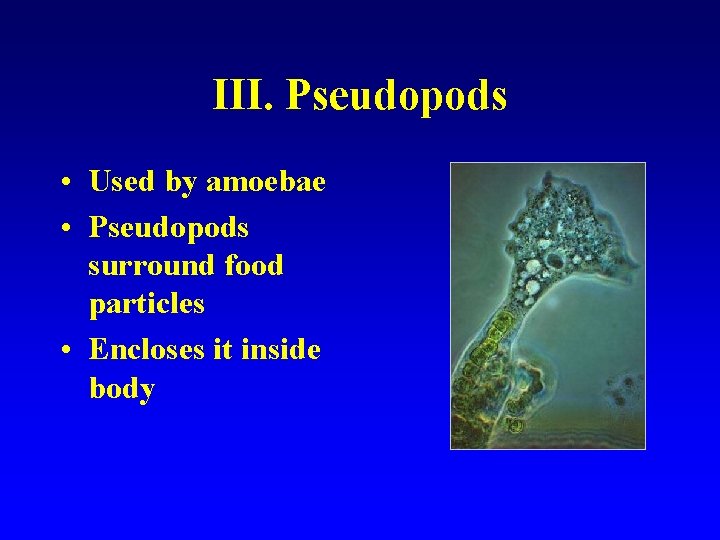
III. Pseudopods • Used by amoebae • Pseudopods surround food particles • Encloses it inside body
Protozoan Reproduction • Asexual 1. Binary fission 2. Budding 3. Multiple fission
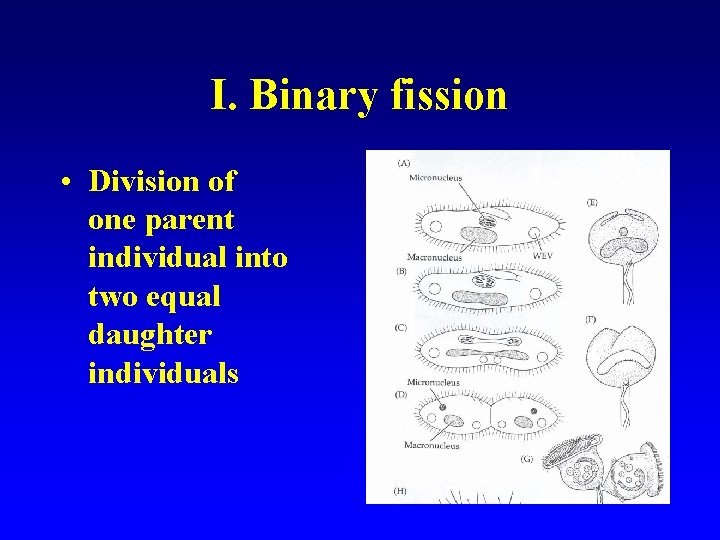
I. Binary fission • Division of one parent individual into two equal daughter individuals
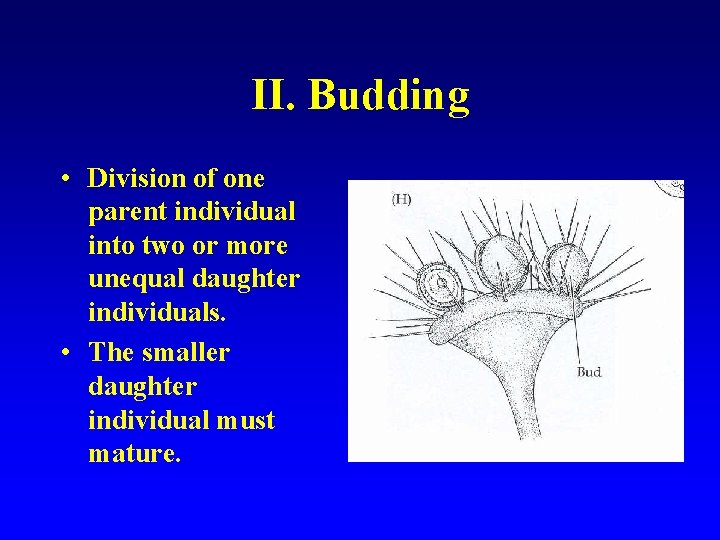
II. Budding • Division of one parent individual into two or more unequal daughter individuals. • The smaller daughter individual must mature.
III. Multiple fission • Division of one parent individual into numerous individuals, simultaneously.
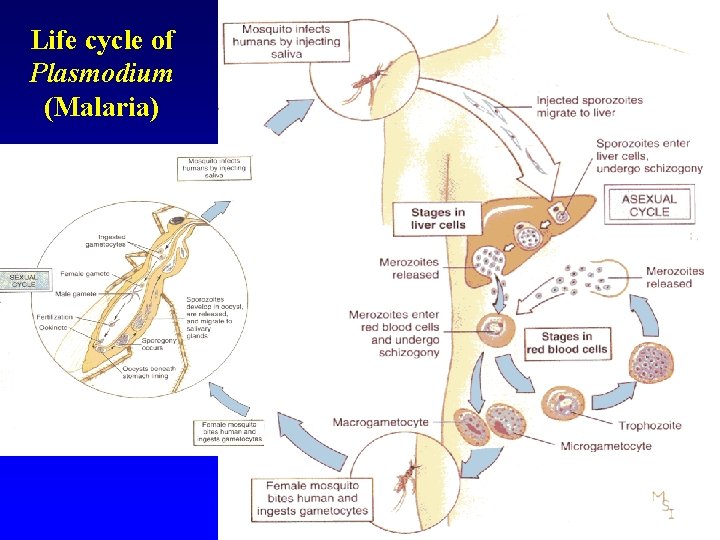
Life cycle of Plasmodium (Malaria)
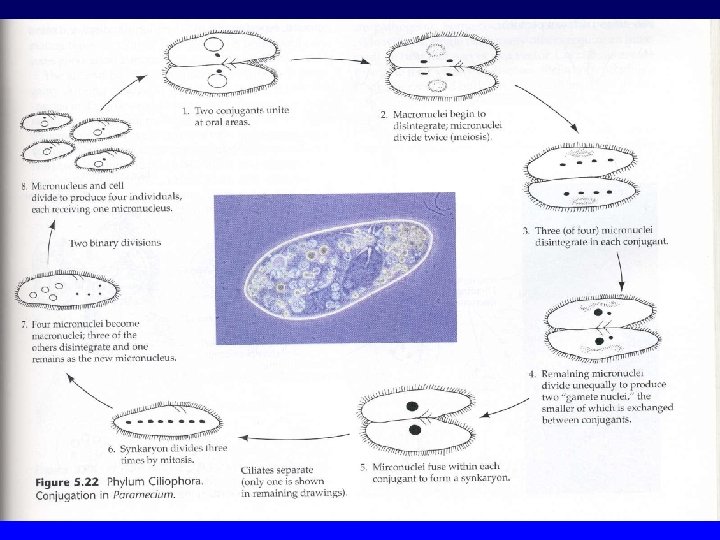
Ciliate life cycle • Life cycles include – Asexual binary fission – Conjugations (sexual): temporary union of two individuals for the function of exchanging genetic material
The Big Picture • Protists can be divided into two main groups depending on feeding strategy. • Phagocytosis is a common type of feeding strategy • How phagocytic protists feed differs widely • Reproduction in protists is mainly by binary fission, ciliates and apicomplexans have sexual reproduction!