
Moulding Split Pattern Moulding What is Mould A
- Slides: 20
Moulding Split Pattern Moulding
What is Mould? • A mold is made by shaping a suitable sand mixture around a pattern of the desired form. • A metal or wood box (flask) is used to retain the sand, has two parts Cope & Drag.
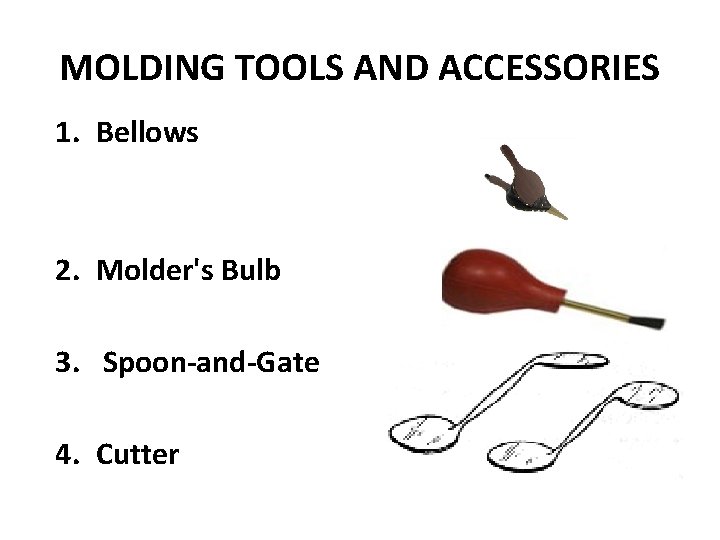
MOLDING TOOLS AND ACCESSORIES 1. Bellows 2. Molder's Bulb 3. Spoon-and-Gate 4. Cutter
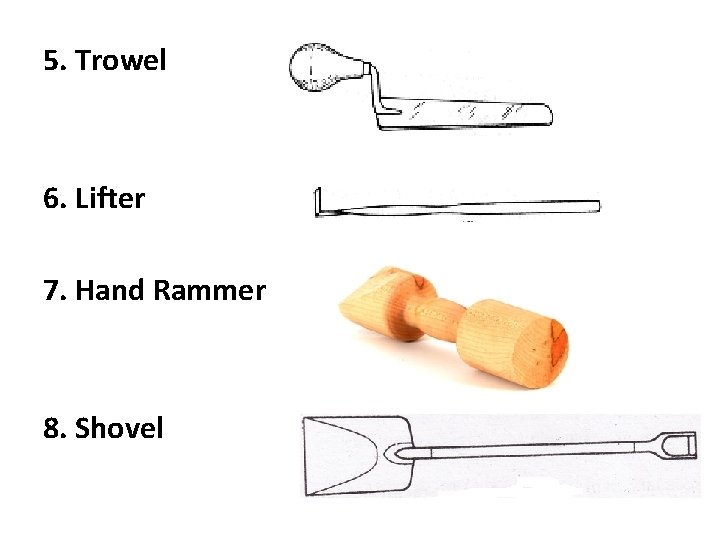
5. Trowel 6. Lifter 7. Hand Rammer 8. Shovel
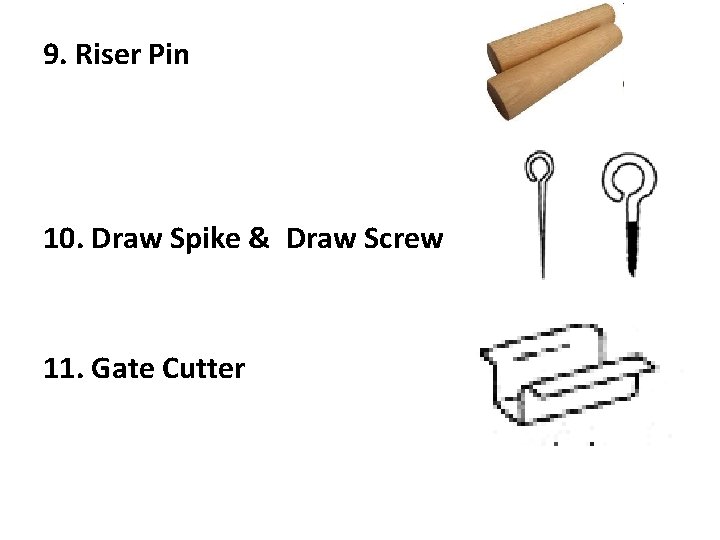
9. Riser Pin 10. Draw Spike & Draw Screw 11. Gate Cutter
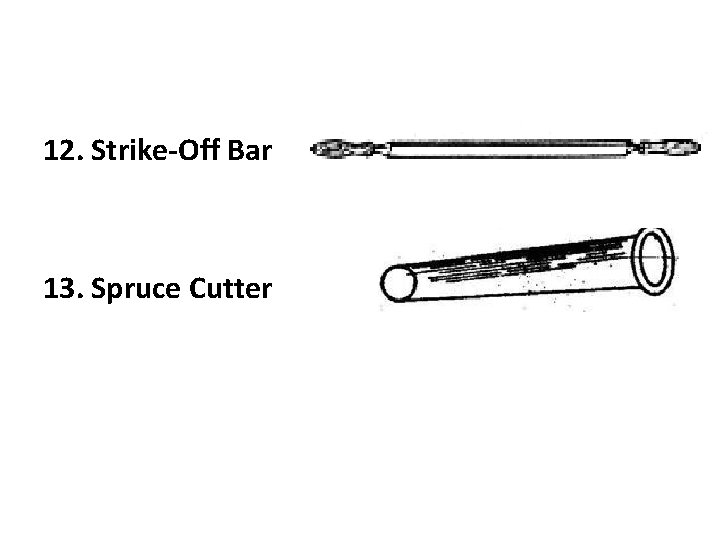
12. Strike-Off Bar 13. Spruce Cutter
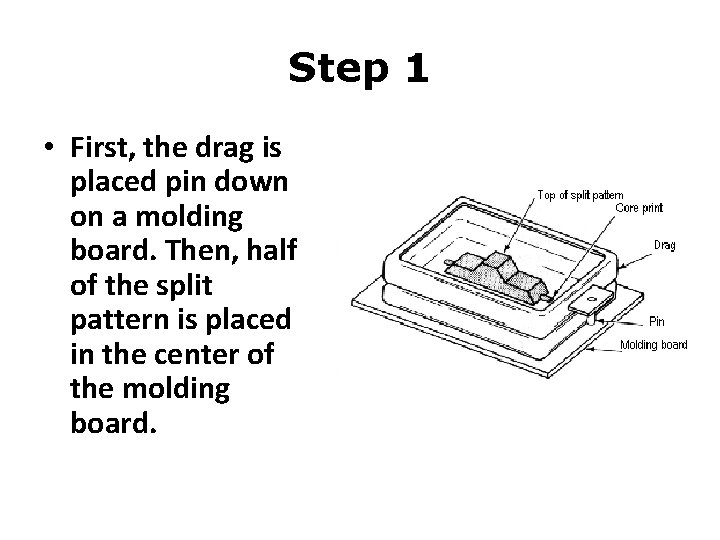
Step 1 • First, the drag is placed pin down on a molding board. Then, half of the split pattern is placed in the center of the molding board.
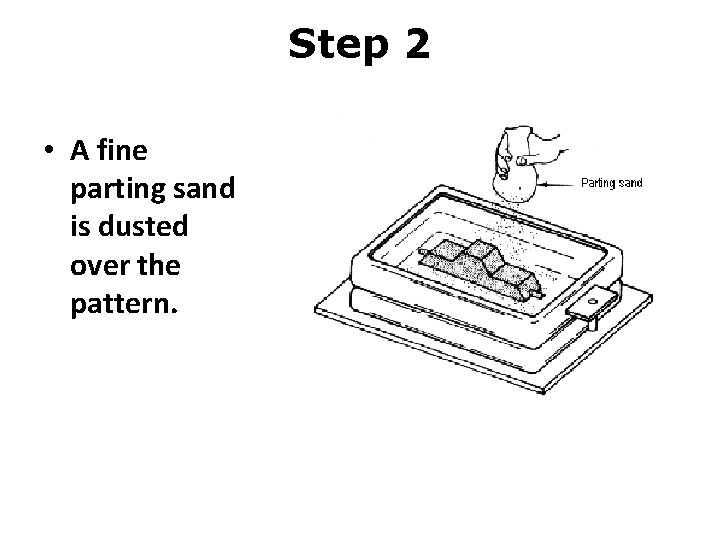
Step 2 • A fine parting sand is dusted over the pattern.
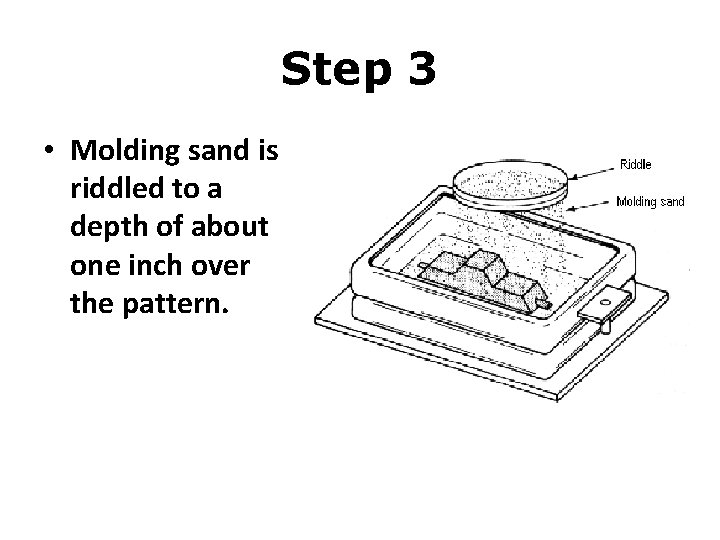
Step 3 • Molding sand is riddled to a depth of about one inch over the pattern.
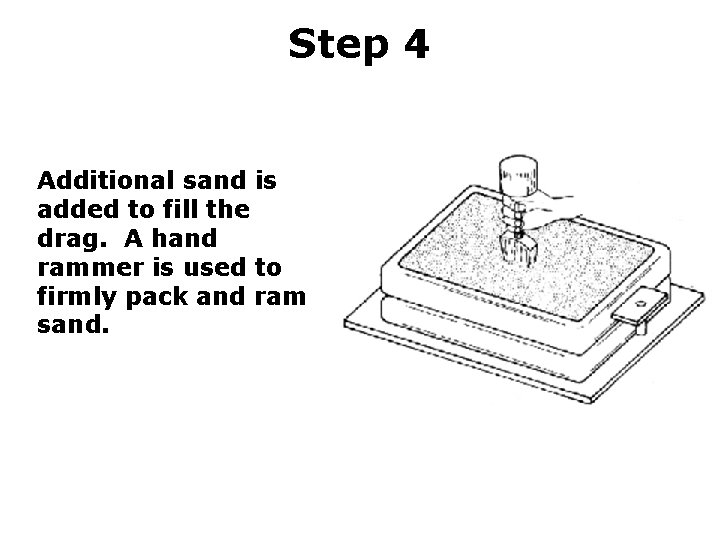
Step 4 Additional sand is added to fill the drag. A hand rammer is used to firmly pack and ram sand.
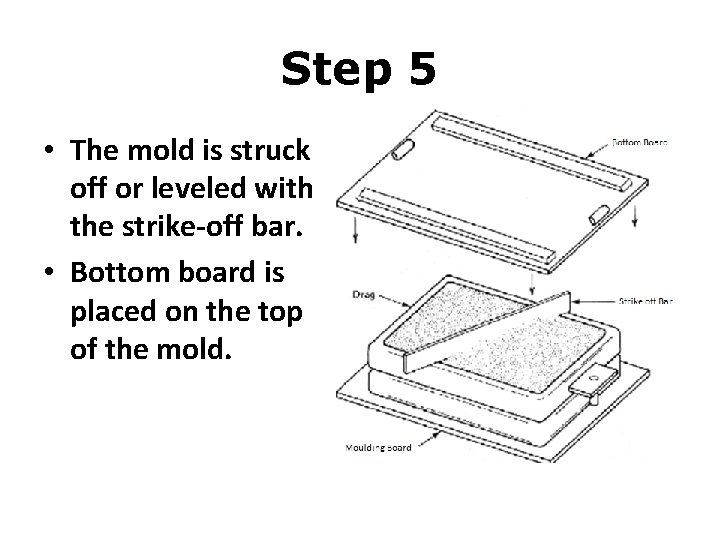
Step 5 • The mold is struck off or leveled with the strike-off bar. • Bottom board is placed on the top of the mold.
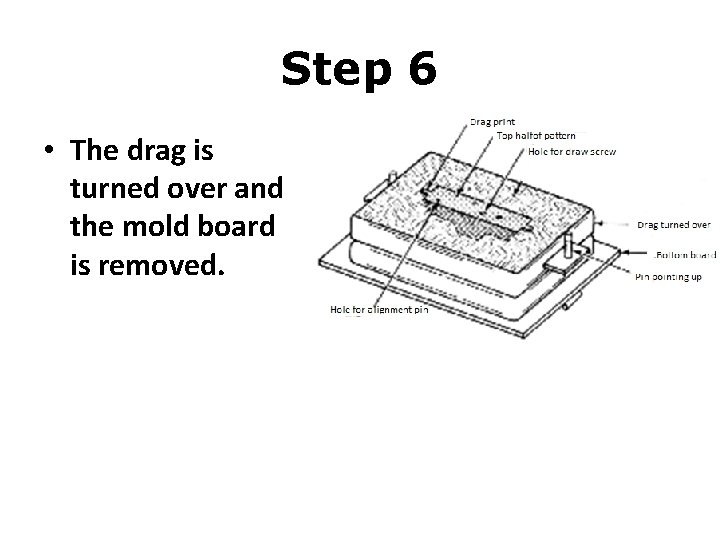
Step 6 • The drag is turned over and the mold board is removed.
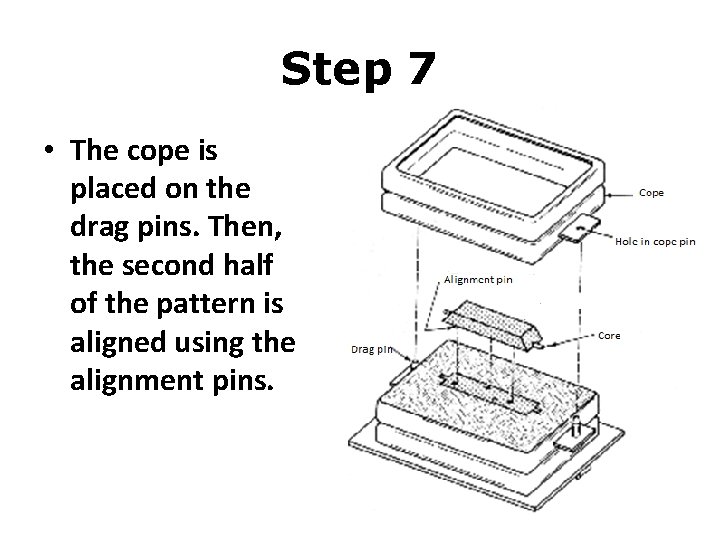
Step 7 • The cope is placed on the drag pins. Then, the second half of the pattern is aligned using the alignment pins.
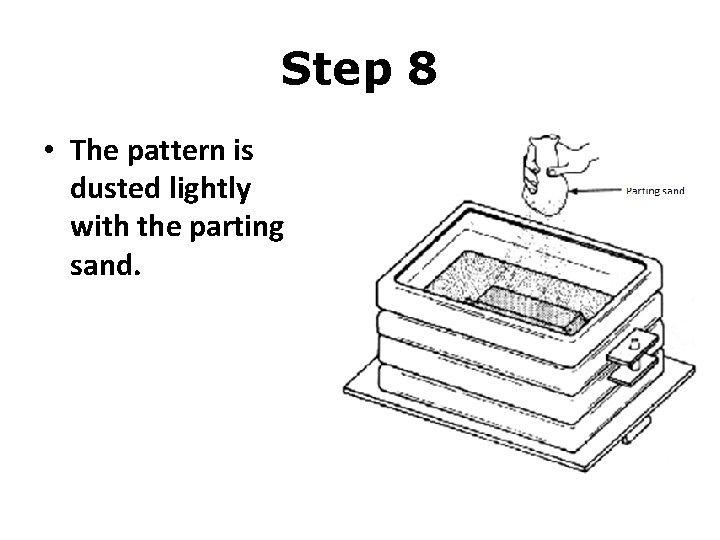
Step 8 • The pattern is dusted lightly with the parting sand.
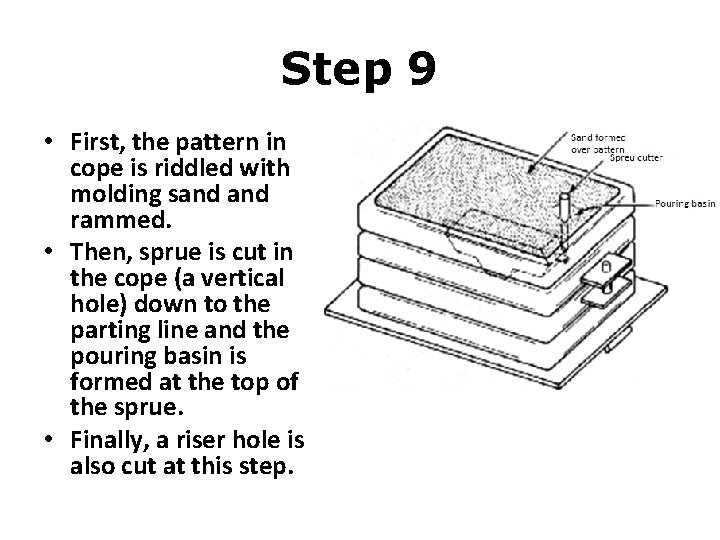
Step 9 • First, the pattern in cope is riddled with molding sand rammed. • Then, sprue is cut in the cope (a vertical hole) down to the parting line and the pouring basin is formed at the top of the sprue. • Finally, a riser hole is also cut at this step.
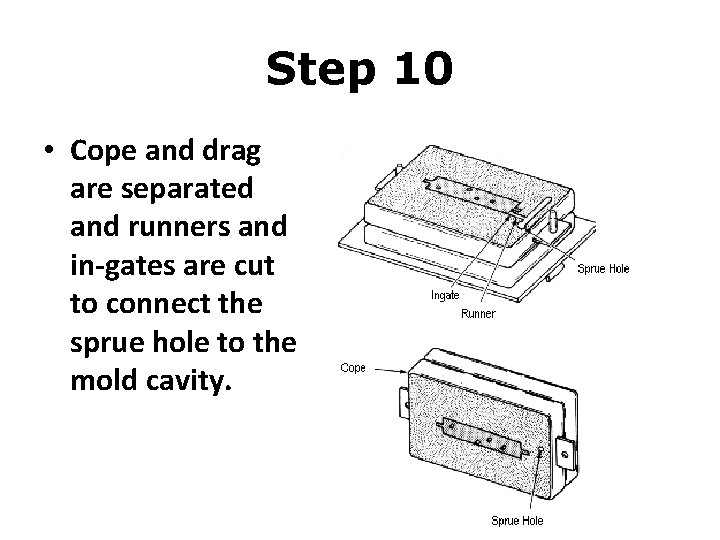
Step 10 • Cope and drag are separated and runners and in-gates are cut to connect the sprue hole to the mold cavity.
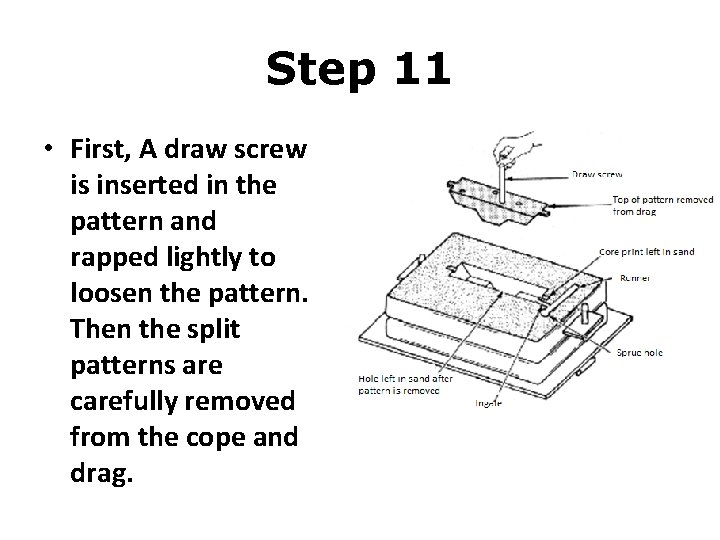
Step 11 • First, A draw screw is inserted in the pattern and rapped lightly to loosen the pattern. Then the split patterns are carefully removed from the cope and drag.
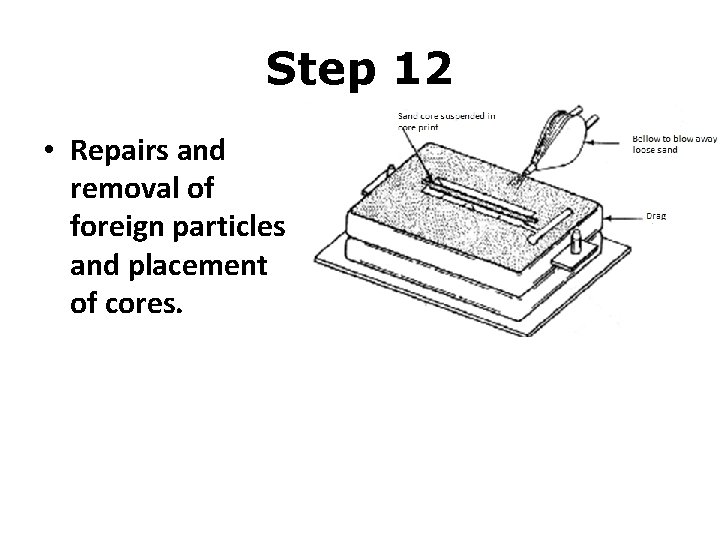
Step 12 • Repairs and removal of foreign particles and placement of cores.
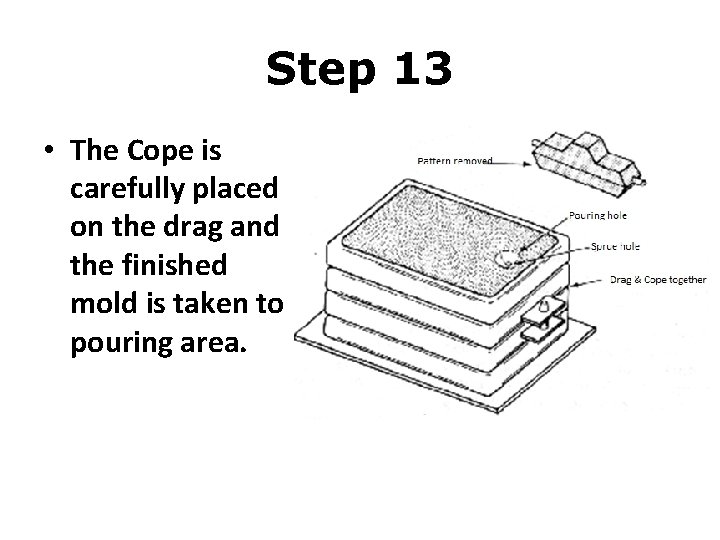
Step 13 • The Cope is carefully placed on the drag and the finished mold is taken to pouring area.
Assignment • Now you are going to make a spilt pattern mould in the shop.