
Motivation Movement and Migration The Earliest Humans How


- Slides: 49
Motivation, Movement, and Migration
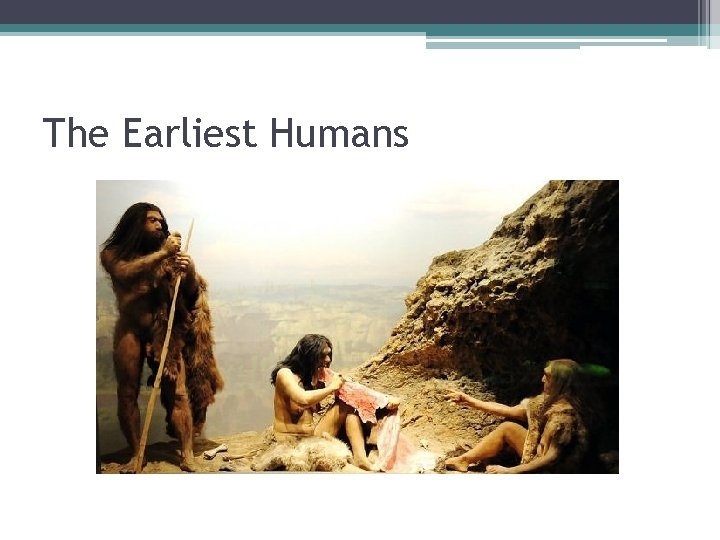
The Earliest Humans
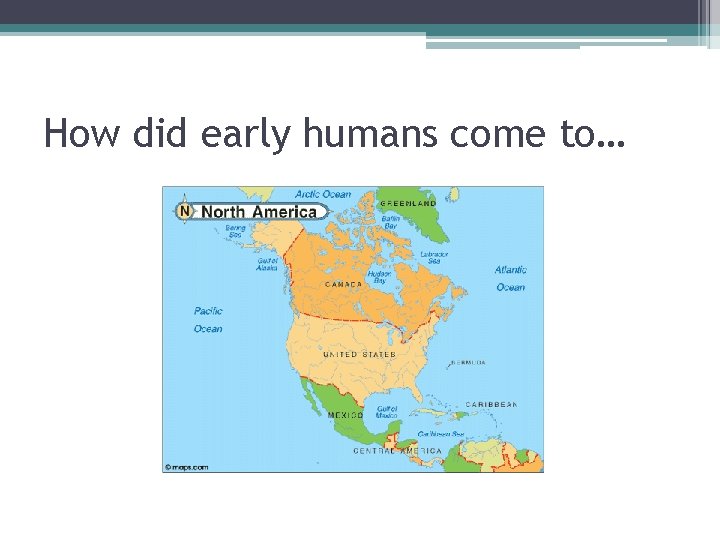
How did early humans come to…
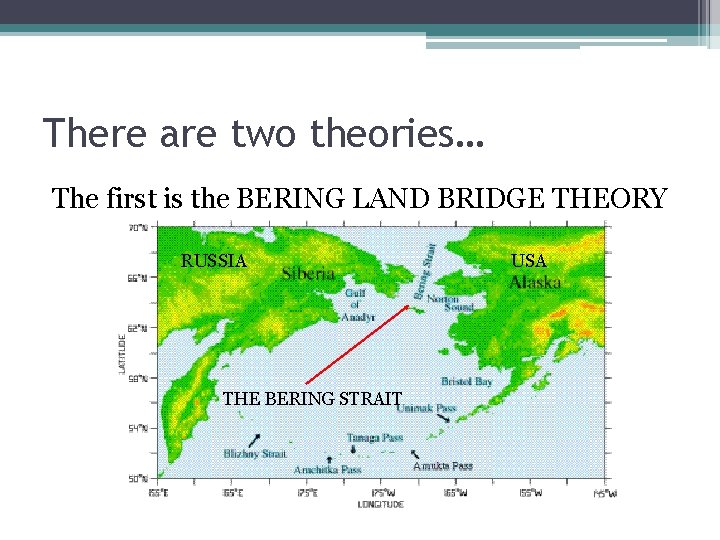
There are two theories… The first is the BERING LAND BRIDGE THEORY RUSSIA THE BERING STRAIT USA
Scientists believe that… Around 10, 000 B. C. , During the last ICE AGE (a period of GLOBAL COOLING in which extremely cold temperatures cause the oceans to freeze solid for hundreds, or even thousands of years) Russia (Asian Continent) and the United States (North American Continent) were fused together by a narrow bridge of land exposed by the receding and frozen ocean waters. The bridge was 750 miles wide, and exposed due to the fact that sea levels were almost 300 lower than modern times The bridge was the perfect environment for large animals such as mammoths, bison, reindeer, horses, camels, and saiga (a goat-like antelope), so an excellent environment for nomadic, early humans
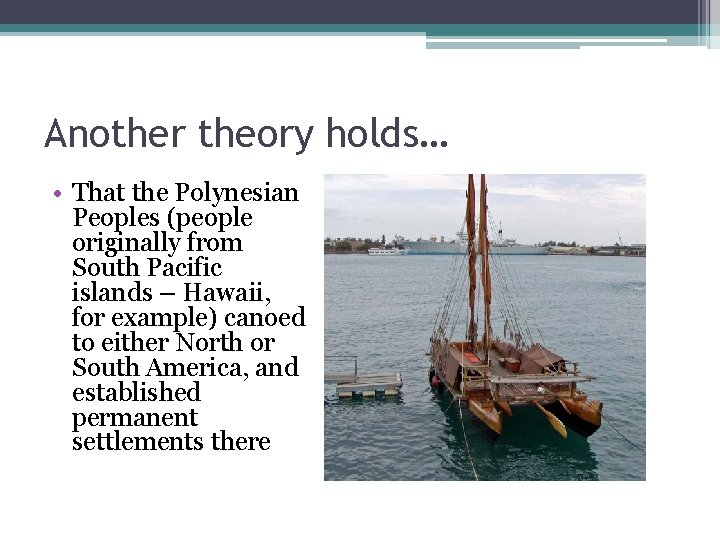
Another theory holds… • That the Polynesian Peoples (people originally from South Pacific islands – Hawaii, for example) canoed to either North or South America, and established permanent settlements there
The most probable, or likely, theory… • Is the Bering Land Bridge Theory. • According to DNA genetic research, Native American peoples in the Western Hemisphere today hold the same genetic material as those of people living in the Asian continent, without ever having interbred or mingled with these cultures.
What motivated these people to… • MIGRATE? • Migration is typically defined as the movement of humans, in large numbers, from one area to another. • Typically these migrations are nomadic. • NOMADS (meaning shepherd) are groups of people who move, either with livestock, or following large wild herds of animals as they search for grazing. Characterized by the need to move due to the overexploitation of resources.
What are resources, and why do humans need them to survive? • Resources: A source or supply of something from which a benefit is produced • For example: When you eat food, you produce energy. That energy can then be used to complete tasks. • So why do people migrate? • FOR FOOD, SHELTER, and WATER. The basic resources that are necessary for human beings to survive.
However, once the migrants reached North America… • The Earth went through a period of Global Warming, resulting in a massive melting of ice. • The land bridge by which the early humans arrived was flooded by the melting ice water • This resulted in genetic isolation, meaning that the people stranded in North America interbred with one another, producing unique characteristics that are now typical of Native American peoples: dark hair, darker skin, etc. ,
Migration Patterns • One of the groups that migrated to the Pacific Northwest were known as the Athapascan or Na. Dene people • These ancestors of the Navajo and Apache tribes eventually migrated to the Southwest, the traditional home of these groups • A third migration of Inuits or Eskimos began around 3000 BC; this group primarily colonized the arctic regions • Each of these groups has its own unique “creation” story – we will read some of these today.
• Based on family groups, Native American populations spread throughout the North American continent, some even leaving North America for Central, and eventually South America • As they spread, the different groups focused their search for resources on their ecological area: i. e. , the wildlife, livestock, etc. , that grew locally • Migrants quickly adapted to the new materials available to them in their new home; the Clovis tradition resulted in the creation of sophisticated fluted blades, arrows, and lance points • Clovis People were nomadic communities of foragers, averaging 30 -50 individuals that traveled following the herds. They hunted mammoth, camel, horses, giant armadillo, and giant sloths. • As grazing lands shrank following the melting of the ice caps, warmer weather provided a more hospitable climate for these nomadic hunters. Unfortunately, these individuals gradually hunted the thirty-two classes of large New World mammals into extinction; this is known as the Pleistocene Overkill. • Many tribes, therefore, became heavily reliant on smaller game, such as the American Bison/Buffalo, antelope, elk, and reindeer • Hunters quickly developed better technology for acquiring these quicker, smaller types of prey. Buffalo were often stampeded off of cliffs, for example. The natives also created ways to preserve large quantities of meat, and to work together in complex groups to survive harsh conditions.
Migration Continues • Some tribes specialized their survival techniques for special climates • Around 10, 000 -2, 500 years ago, during the Archaic Period people moved to the deserts of Utah and Nevada • Desert culture is based on the pursuit of small game and intensified foraging of plant based foods • These small communities of natives would migrate as the exhausted the resources from one region, and would collect seeds, fibers, and prickly pears from Yucca plants on season, then they would moved to the mesas or plateus for grass seed, juniper berries, and pinion nuts. Another year they would focus on primarily on fishing • The Shoshone, Ute, Pueblo, and Anasazi communities were some of the most sophisticated of the times. • These tribes had little need for accumulation of possessions • Over time, these groups split into other bands, migrating to California and the Northwest Pacific Coast
Forest Communities • Before Columbus arrived, the entire East coast of the United States was a dense forest • “Forest efficiency” is a term used by archaeologists to describe early native peoples that lived in these forests • Their extensive knowledge of plants and resources allowed them to both live within and conserve the wilderness around them • They also mastered the technique of the controlled burn, allowing them to create pastures to attract game as well as places to farm; they also fished extensively in the rivers
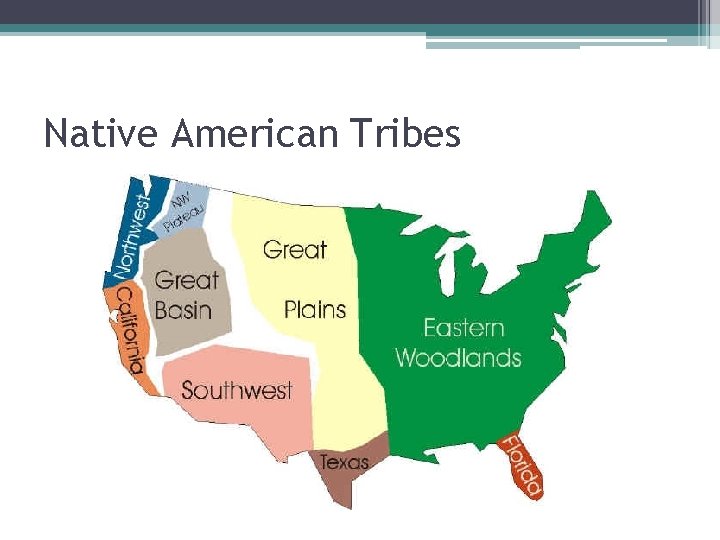
Native American Tribes
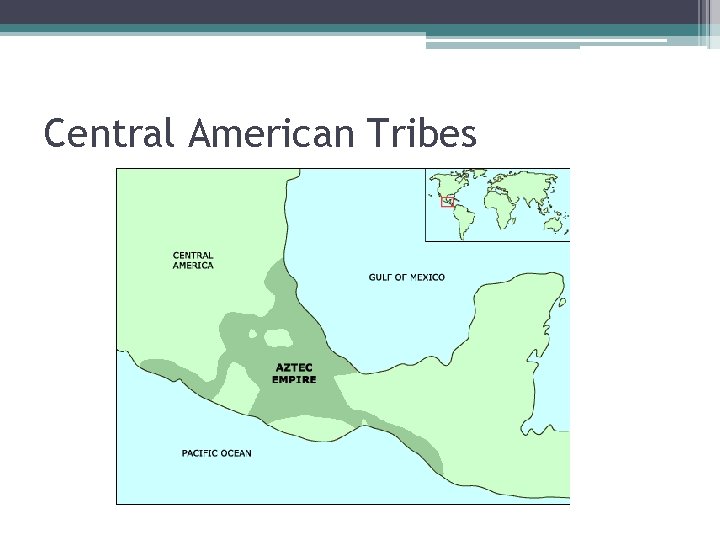
Central American Tribes
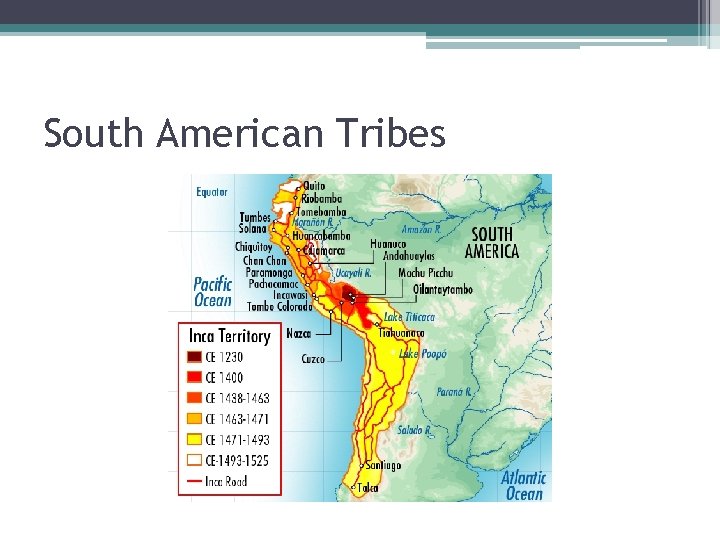
South American Tribes
Some tribes… - Remained hunter-gatherers. They lived a nomadic lifestyle hunting game and gathering local plant life to supplement their diets. - However, some Native Americans developed the ability to domesticate crops. This is known as AGRICULTURE - It is estimated that cultivation of crops such as maize, potatoes, avocados, cocoa, and vanilla began around 5, 000 years ago
The onset of agriculture results in… • Larger and more stable populations due to a stable source of food • The need for stabilized (non-nomadic) city-centers where people could live, work, and store their supplies during autumn and winter • The material basis for much greater social complexity • As families grew, so did “clan” structure, creating a division/specialization of labor • Most Indian communities also divided work by gender; in nomadic cultures women took care of children and domestic activities while men hunted, in new agricultural cultures, both men and women worked in the fields • With agriculture comes the development of CIVILIZATIONS • To be considered a civilization, a culture must have ten unique characteristics:
The characteristics of civilization: Urban Society- Living together in communities. Religion- Beliefs that provide answers to "unanswerable" questions. Literacy/Language- The ability to read and write and communicate freely. Government-Having a set of rules, leaders or organization to society. Specialization- Using unique skills to benefit all. Social Classes- Groups of people with common characteristic Tool-making- The ability to problem-solve Concept of Time- Understanding of patterns like the seasons, sunrise and sunset or tides can be used to you benefit. • Leisure- Recognizing the value of the arts and entertainment. • Education/criticism- Striving to improve as an individual or as a culture. • •
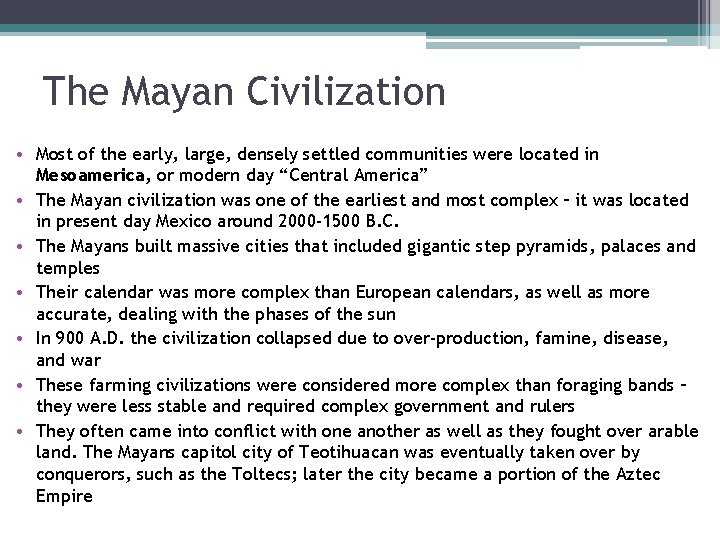
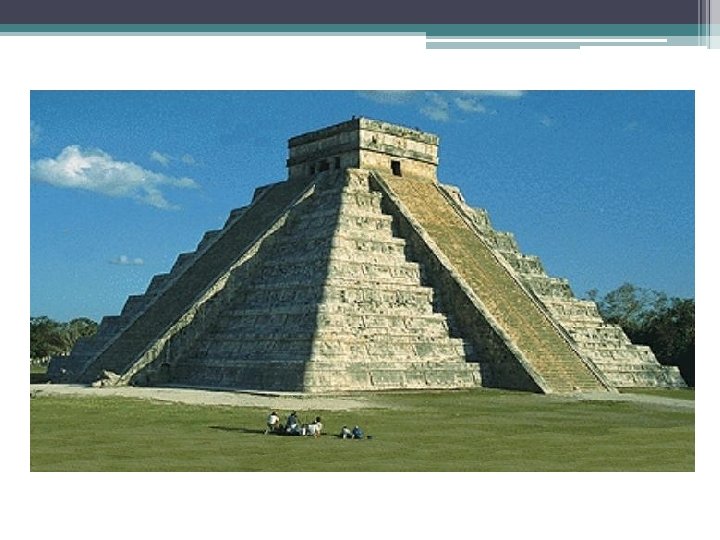
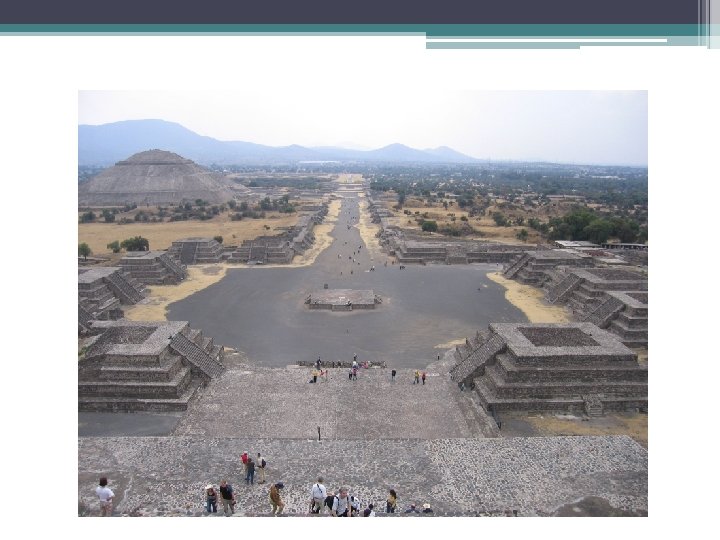
The Mayan Civilization • Most of the early, large, densely settled communities were located in Mesoamerica, or modern day “Central America” • The Mayan civilization was one of the earliest and most complex – it was located in present day Mexico around 2000 -1500 B. C. • The Mayans built massive cities that included gigantic step pyramids, palaces and temples • Their calendar was more complex than European calendars, as well as more accurate, dealing with the phases of the sun • In 900 A. D. the civilization collapsed due to over-production, famine, disease, and war • These farming civilizations were considered more complex than foraging bands – they were less stable and required complex government and rulers • They often came into conflict with one another as well as they fought over arable land. The Mayans capitol city of Teotihuacan was eventually taken over by conquerors, such as the Toltecs; later the city became a portion of the Aztec Empire
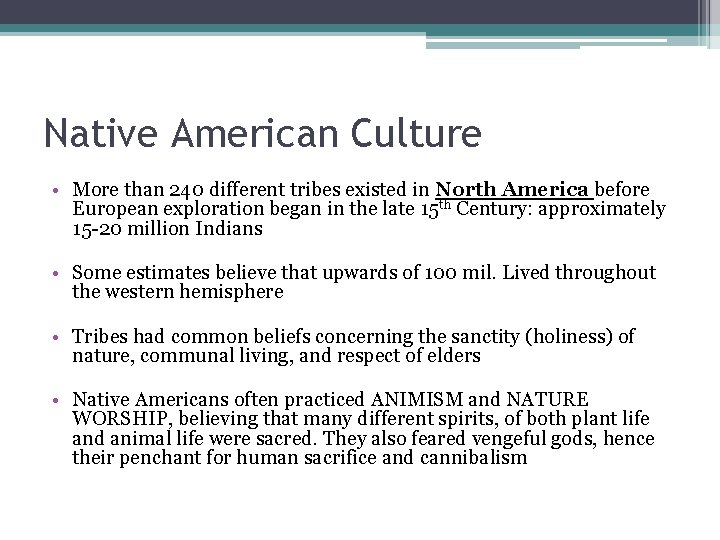
Native American Culture • More than 240 different tribes existed in North America before European exploration began in the late 15 th Century: approximately 15 -20 million Indians • Some estimates believe that upwards of 100 mil. Lived throughout the western hemisphere • Tribes had common beliefs concerning the sanctity (holiness) of nature, communal living, and respect of elders • Native Americans often practiced ANIMISM and NATURE WORSHIP, believing that many different spirits, of both plant life and animal life were sacred. They also feared vengeful gods, hence their penchant for human sacrifice and cannibalism
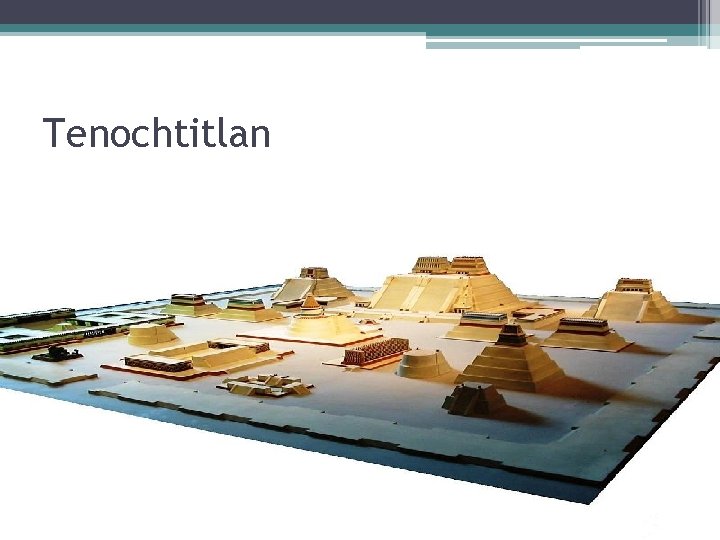
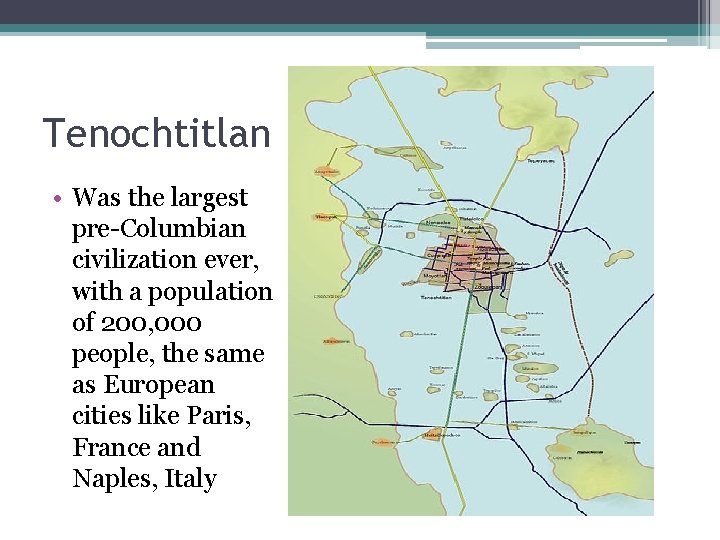
The Rise of the Aztecs • The Aztecs (people from Aztlan, the city of the gods) were originally a nomadic band of war-like Indians who, much like the Empire of Rome, gradually conquered and absorbed the cultures of other Native civilizations around them • By the late 1400 s, the Aztec Empire controlled almost all of Central America. They built elaborate temples, pyramids, and had built a floating capitol city called Tenochtitlan in the middle of Lake Texcoco
Tenochtitlan
Tenochtitlan • Was the largest pre-Columbian civilization ever, with a population of 200, 000 people, the same as European cities like Paris, France and Naples, Italy
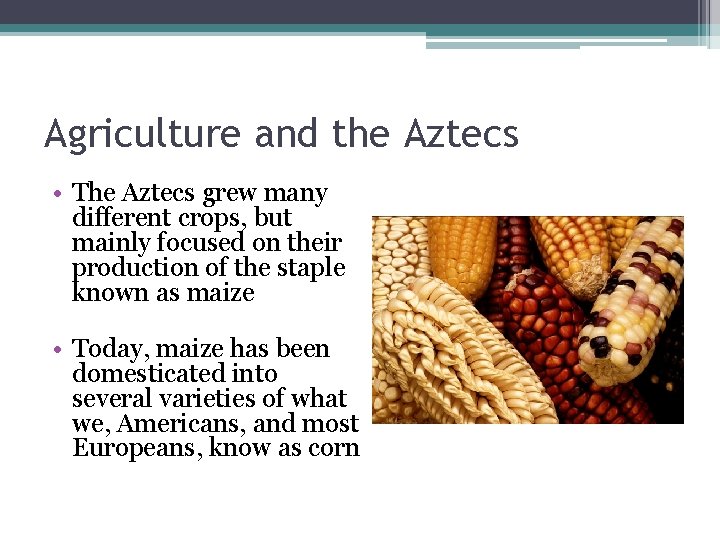
Agriculture and the Aztecs • The Aztecs grew many different crops, but mainly focused on their production of the staple known as maize • Today, maize has been domesticated into several varieties of what we, Americans, and most Europeans, know as corn
Human Sacrifice • In order to appease the sun god, and insure a good harvest, Aztecs often ritually sacrificed captured peoples to keep him happy • They did this by removing the still-beating heart from their victim’s chest, then burning it. Beat of Life + Heat = Symbolism for the Sun • This caused their enemies to fear them • This barbaric practice later made it very difficult for European civilizations to see the Native peoples as anything “like” them
So, human sacrifice anyone? http: //vimeo. com/51497919
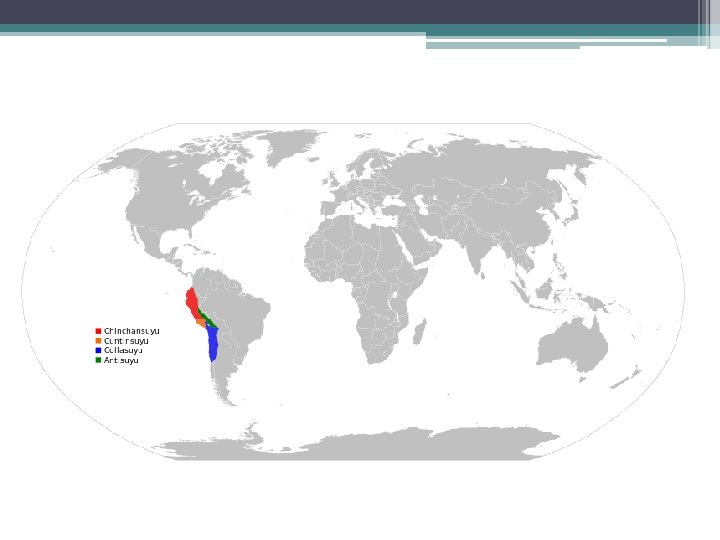
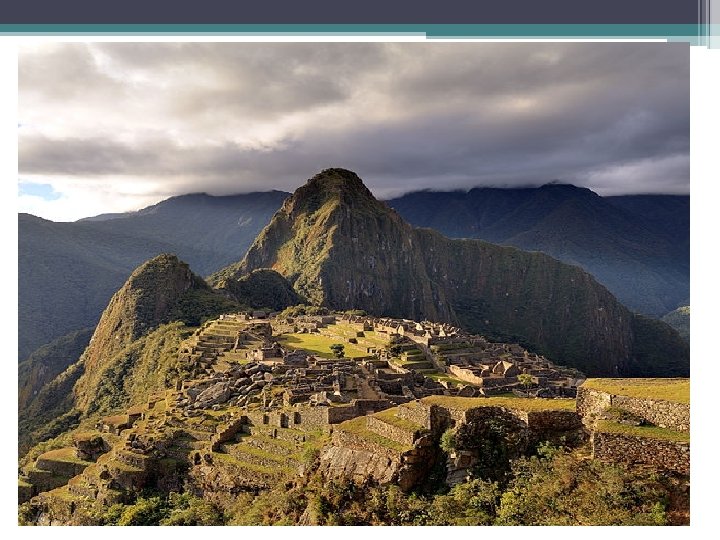
Another successful Pre-Columbian civilization… • Were the Incas • The Incas, or Incans, were the largest empire in pre-Columbian America (largest empire, not the largest city) • They controlled most of the Pacific coastline of South America from the 13 th century until the arrival of the Spaniards in the 16 th century • Possessed a wealth of natural resources, including precious metals such as gold, silver, and turquoise • The Incan capitol at Cusco was covered in a thin layer of gold, leading to the popular stories of the city of gold, known as El Dorado, that has tempted travelers and explorers ever since
The Incans’… • Capitol city was located at Cusco (anyone ever seen the Emperor’s New Groove? ) • The term “Inca” means ruler, or lord, and is suitable for a group of people who want to control an entire continent • The Incans built complex temples, worshipping many animal gods located in the jungles around Peru
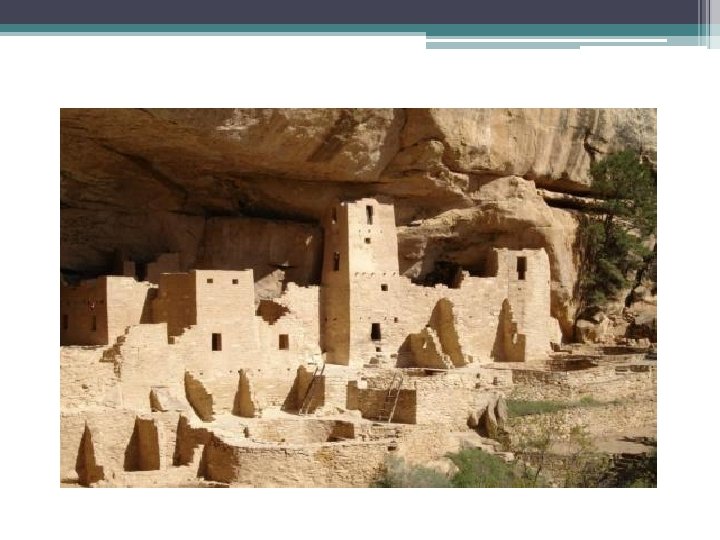
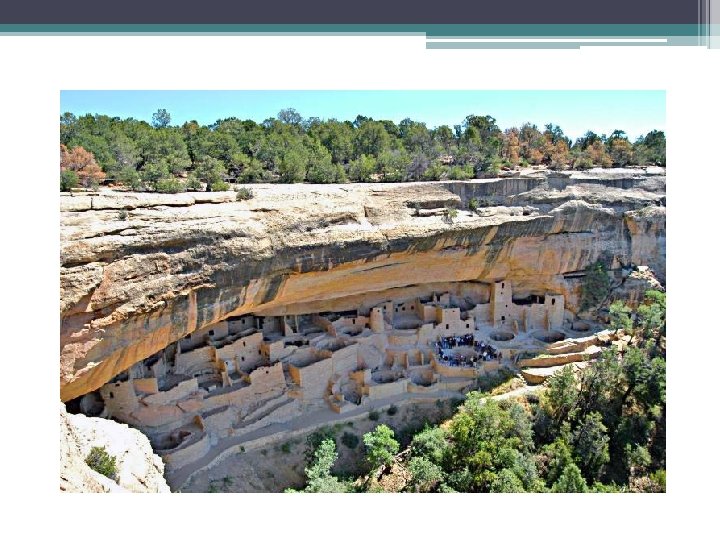
Southwest Indian Tribes • Around 1, 000 BCE, many tribes of Native Americans popped up in the Southwest United States • The Mogollon and Hohokam flourished near the floodplains of the Salt and Gila rivers in southern Arizona • The Hohokam built the first irrigation system for crops in the new world • They were also mound-builders, and had complex religious ceremonies • Artifacts have been found in these southwest cultures indicating they may have traded as far south as the Incan empire
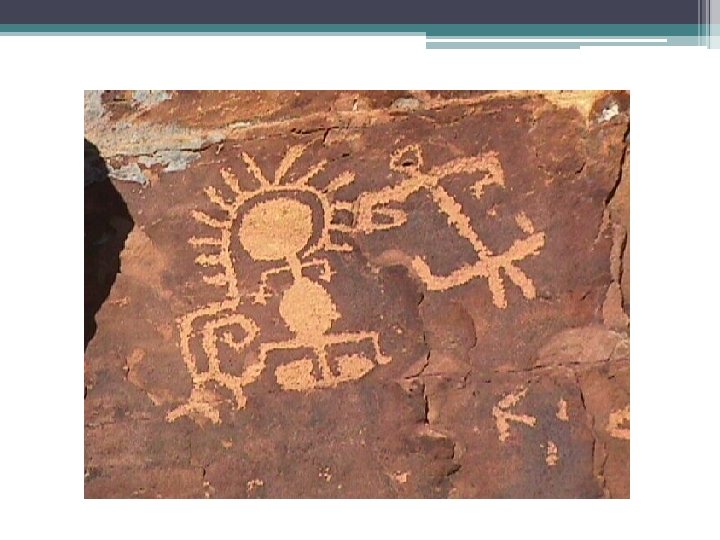
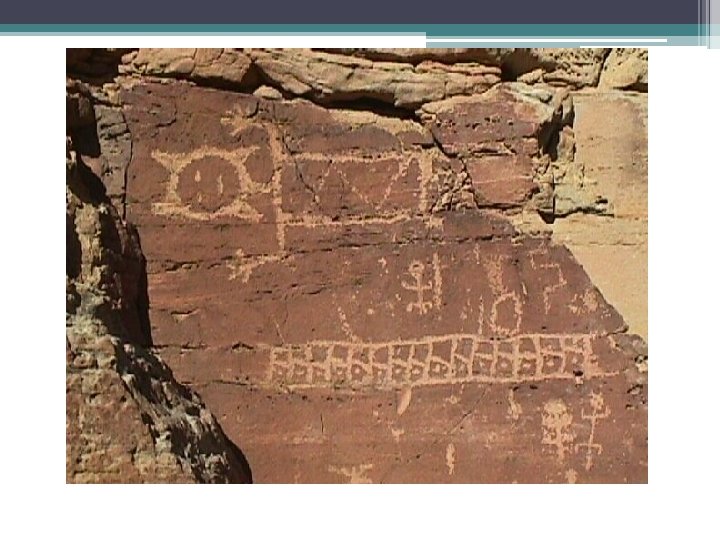
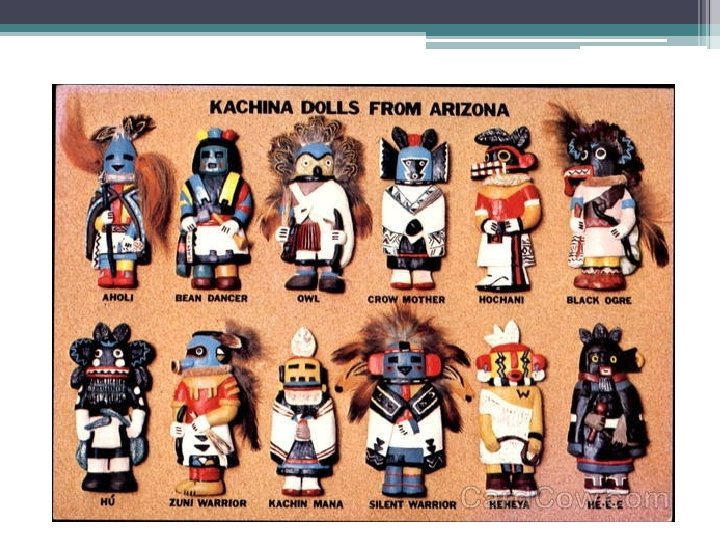
SW Indian Tribes Cont. • The Anasazis (developing in the Four Corners area where Arizona, New Mexico, Utah, and Colorado meet) grew corn and began to use the bow and arrow to hunt game, a technological advancement • The Anasazis rose to the height of the strength around 1276 -1293 AD; their civilization, centered at Chaco Canyon, then began to overuse resources; they were forced to abandon their homes, some forced out by warfare. They mixed with other peoples living near the Rio Grande, forming the Pueblo people – a mix of the Anasazi and Hopi (Peaceful) peoples • The Pueblo people had more than fifty villages spread across modern day Mexico when the Spanish arrived in 1492, today, their descendants still live in these villages, making them the oldest continually occupied dwellings in the United States • These groups held elaborate religious ceremonies, including ancestor worship, animism, and used kachina dolls to represent the moods of these ancestral spirits
Eastern Woodland Civilizations • Many complex civilizations lived in the Eastern Woodlands of the United States • Some lived in the Ohio River Valley; these individuals were trappers, cultivated subsistence crops – focusing on sunflowers as well as corn • Many woodland farmers also grew tobacco, which was grown from the Caribbean all the way to the Canadian border • The Hopewell Indians in this region were famous for their elaborate trade network, which stretched down the Mississippi and connected thousands of different indigenous populations with one another
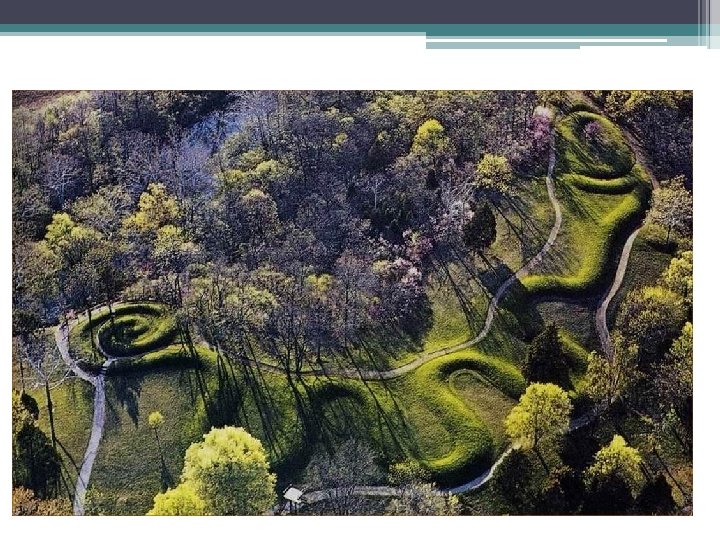
The Mississippian Society • When Hopewell culture collapsed around the 5 th Century, new technological innovations helped change and create a new people • New hunting techniques and the continued development of maize called the Northern Flint variety allowed agricultural communities to move even farther northward • The Mississippians lived in large communities in the flood plains of the Mississippi Valley • Also known as “Mound Builders” they built massive trading posts and numbered in the thousands • One of the most famous mounds was the “Great Serpent Mound” located today in Southern Ohio
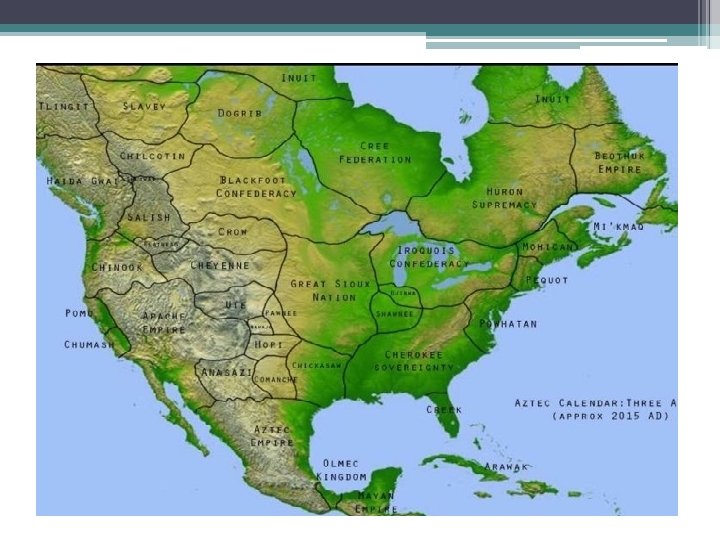
Northeast Indian Tribes • In the Northeast, the Iroquois lived for about 4, 500 years • They were an agricultural people; most of their settlements were centered around permanent dwellings, such as longhouses • Some longhouses were 400 feet long, and housed dozens of families • These villages were surrounded by palisades, or fortresses, indicating that the groups probably engaged in warfare with one another quite often • The five main tribes, known as the Five Nations of the Iroquois, were the Mohawks, Oneidas, Onondagas, Cayugas, and Senecas • These groups were famous because under the guidance of Chief Deganawida (Chief who “blocks out the sun”) they created the Iroquois Confederacy, a union of the 5 tribes that controlled violence, prevented warfare, encouraged trade, and had its own written constitution in 1451 • All five nations were convinced to join by legendary native Hiawatha • They produced crops like corn, beans, squash, and sunflowers, and were a matriarchal society
Northeast Indian Tribes Cont. • Another major language group in the northeast was the Algonquian, which made up 50 distinct cultures • These tribes were the Mikmaq, Crees, Montagnais, Ojibwas (*Chippewas), the Massachusetts (people of the big hill), the Pequot, the Wampanoag (people of the first light), Narrangansetts, Delawares, Shawnees, Kickapoos, and Potawatomies • These groups were constantly in conflict with the Iroquois Confederacy
Summarizing the Change over Time • In short, following the migratory patterns of prey, nomadic hunter gatherers arrived in North America around 10, 000 BC • These people gradually spread across North America in search of resources, and developed unique tribal characteristics, agriculture, and due to agriculture’s success, complex civilizations • Prior to the arrival of Columbus, around 100 million Native Americans lived spread across the North American, Central American, and South American continents/areas • These societies were complex civilizations with elaborate systems of trade, specialization of labor, organized systems of government, and advanced technology for mining, hunting, etc. • Native peoples did not live in “harmony” with the land, they changed the landscapes via terraforming, irrigation, controlled burns, etc. , to help them survive. The idea that native peoples lived in harmony with nature is called the “myth of the ecological Indian”
Regional American Indian Cultures • In the American Southwest native culture was characterized by pueblo and stone buildings • They hunted and used irrigation to grow crops • American Northwest Indians relied on hunting, fishing, and foraging, sedentary communities with social stratification and complex gov. • Great Basin and Great Plains Indians were nomadic, hunted large, migratory game (bison/buffalo) lived in “Tee-Pees” • American Northeast and Atlantic Seaboard were agricultural, supplementing with wild game, had complex systems of government and trade