
Most combustion related problems in coalfired firetube boilers
Most combustion related problems in coal-fired fire-tube boilers are caused by too much air
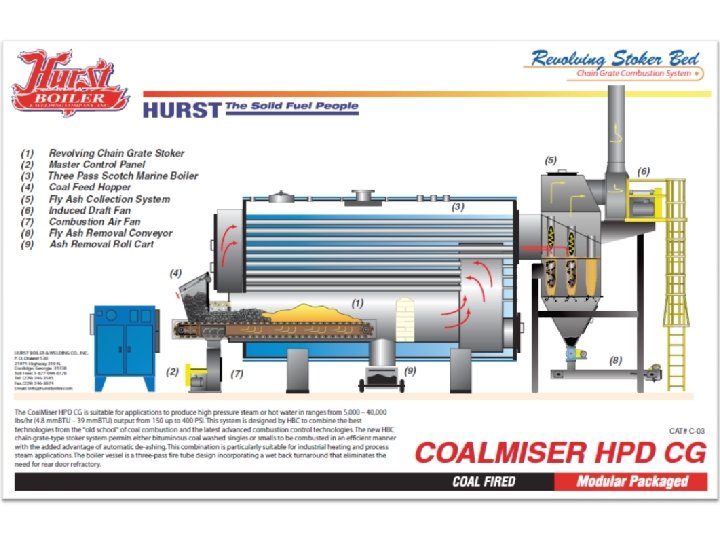
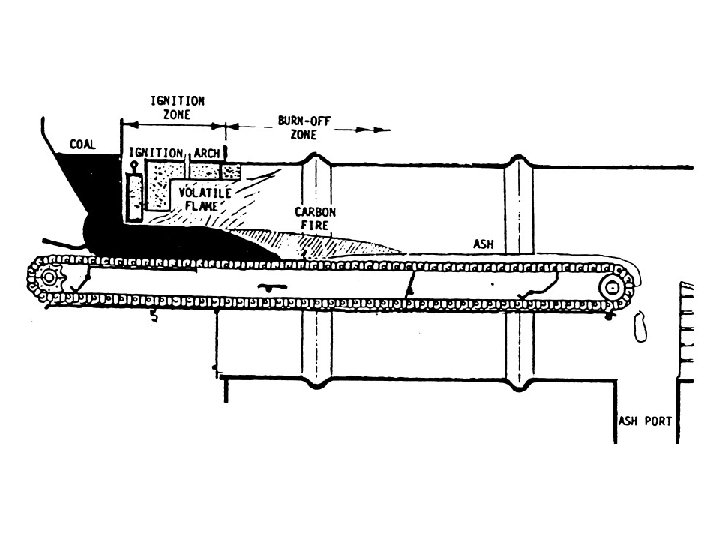
Common problems with coal combustion • Clinker – Forms at the trailing edge of the base of the ignition arch; removal often damages the arch refractory – Forms large sheets on the stoker which bridge the chain grate and block the ash port • Fireside fouling – “Bird nesting” in entrance to first tube pass – Excessive fly ash causing blockages and equipment erosion
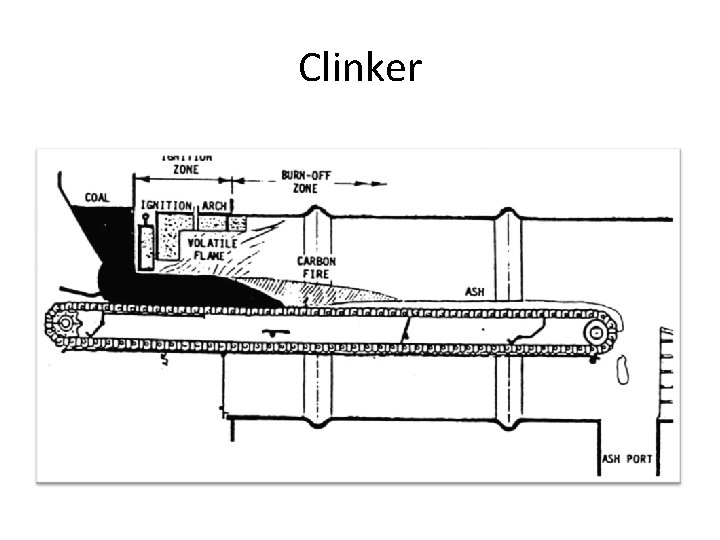
Clinker
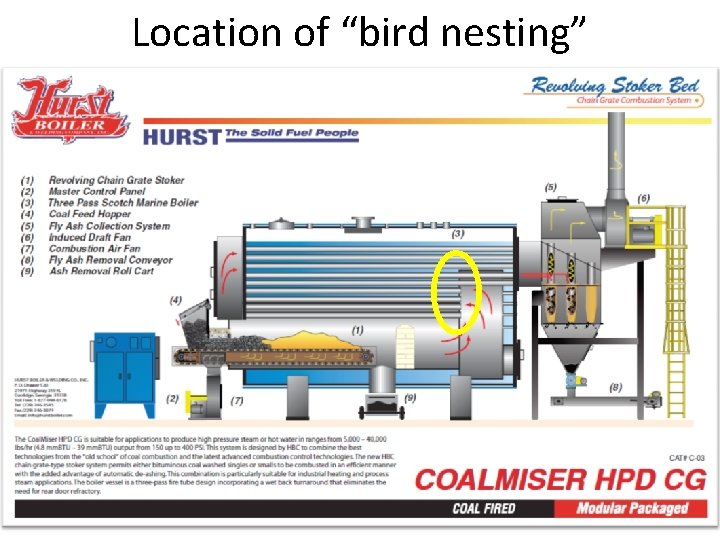
Location of “bird nesting”

“Bird nesting” and fouling
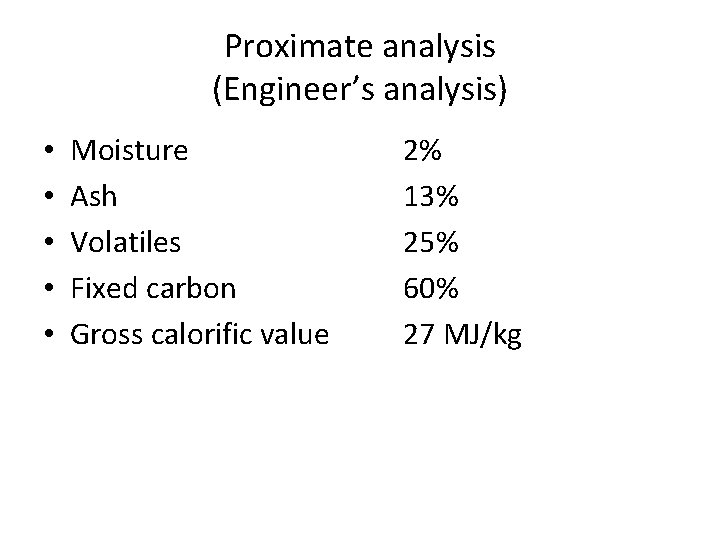
Proximate analysis (Engineer’s analysis) • • • Moisture Ash Volatiles Fixed carbon Gross calorific value 2% 13% 25% 60% 27 MJ/kg
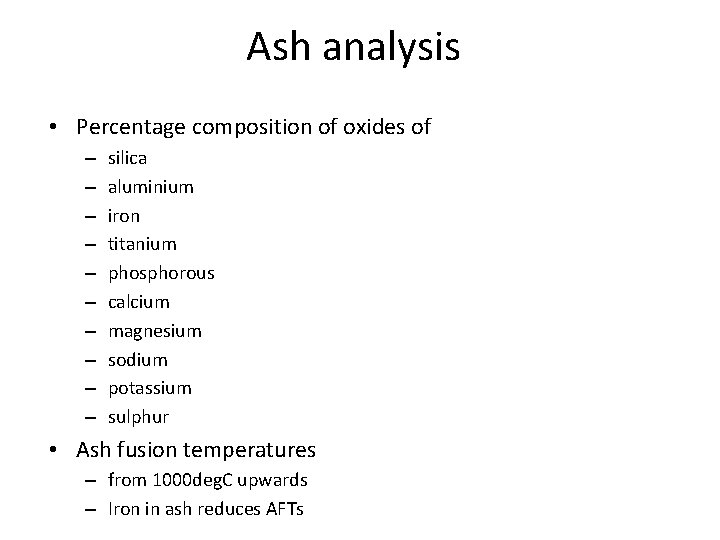
Ash analysis • Percentage composition of oxides of – – – – – silica aluminium iron titanium phosphorous calcium magnesium sodium potassium sulphur • Ash fusion temperatures – from 1000 deg. C upwards – Iron in ash reduces AFTs
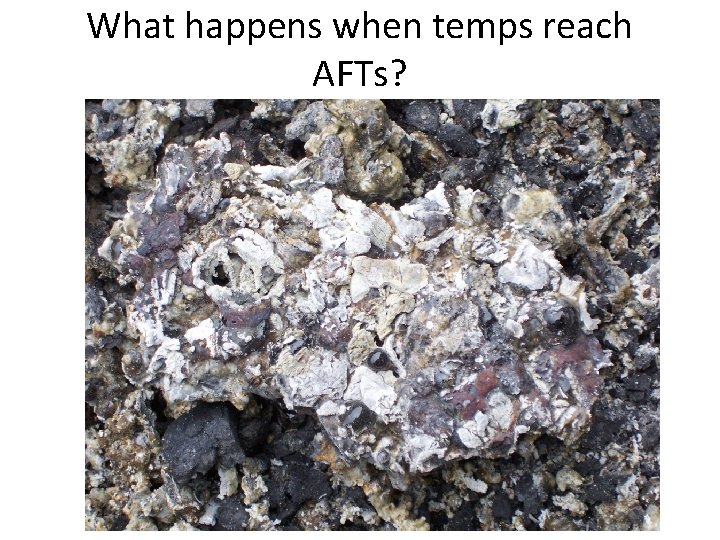
What happens when temps reach AFTs?
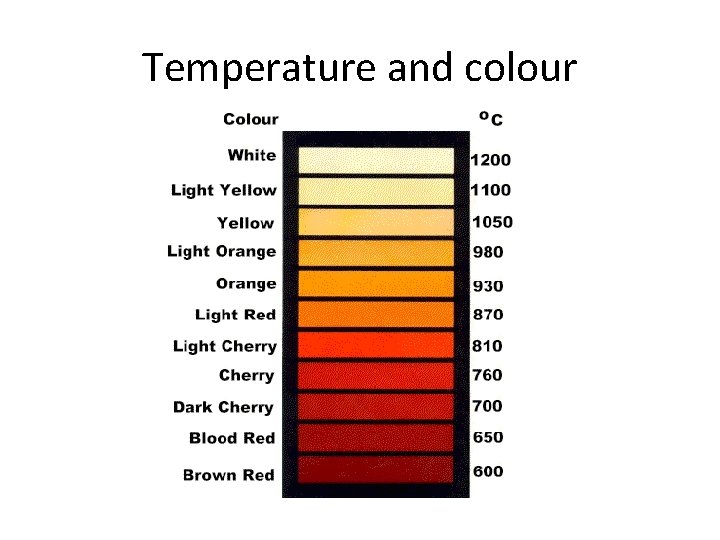
Temperature and colour
How much air is ideal? • Generally, 50% excess of stoichiometric requirement is considered ideal • How do you know that 50% is left over?
Excess air • Air contains 21% oxygen (approx. ) by volume • At 50% excess air, 14% O 2 used in combustion, 7% O 2 remains in flue gases • If flue gas at 14%O 2, only 7%O 2 used in combustion - 200% excess air!! • Why are boilers run with too much excess air?
- Slides: 13