
MORE THAN MEDICINE Dr Patti Giebink September 2016
MORE THAN MEDICINE Dr. Patti Giebink September 2016
PAKISTAN Khyber-Puktoonwha (Formerly NWFP)
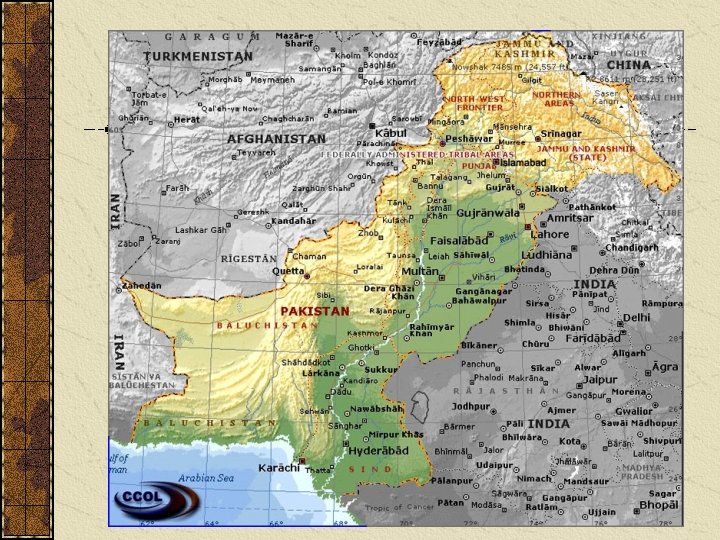
Islamic Republic of Pakistan 162 million people Size: Nevada+Utah+Colorado Religion: 97% Muslim Capital: Islamabad Largest city: Karachi 5 Provincial Areas Official language: Urdu Other dialects: Pashto, Hinko etc
Scenery and people Both men and women, girls and boys wear “Shalwar Kamiz” Women wear Dupatta (head scarf) or full Chader; men a ‘Pakhol’
T. E. A. M.
TEAM. org Established 1890 Built hospitals where maternal & infant mortality are extreme such as Zimbabwe, Bahrain, UAE, Pakistan and others. Looking for nurses, midwives, doctors, PTs, community health workers, and non-medical.
BACH CHRISTIAN HOSPITAL (BCH) • Built in 1956 by TEAM. • Named for Thomas J. Bach: missionary & director TEAM 1928 -1946 • 60 beds; 2 ORs; 1500 deliveries/yr; 200 surgeries/mo; lab/ultrasound; PT; pharmacy; clinic Mon-Fri. • 3 -9 doctors + med. Students. • 9 -12 midwives, mostly Pakistani.
INSIDE THE HOSPITAL Postpartum ward Labor and delivery Midwives: Lubna and Jasmine Charge nurses The OR/surgery building Teatime
Dr. Elspeth Paterson Scottish OB/GYN OB at BCH since 2000 Developed OB/GYN protocols (see notebooks on the table) Updates protocols per BJOG Trained in the UK Only permanent OB missionary at BCH
Challenges in Labor & Delivery Malnutrition Anemia Transportation issues Lack of education Consent issues Outside influences Outdated equipment Lack of medications Electricity cuts out Staffing No blood bank Grand multiparity ‘Dai’ handled Prior c-sections ‘Fits’ Language difficulties including dialects PPH
NORMAL NURSERY NICU
OR Building Ø 2 operating rooms ØSterilizing & break room ØRe-use, re-cycle ØPhotos c-sections: Breech Twins and baby warmer
STAFF Doctors Anesthetists Resident doctors (nurses and midwives in previous slides)
CLINIC Segregated like the hospital 400 patients per day 4 -7 doctors working each day OB summary in patient “chart” Name this disease
Barriers to Health Care in Pakistan Lack of education Lack of transportation Lack of income (few can afford Rhogam) Lack of safe water and sanitation Language barriers: Urdu and dialects such as Pashto, Hinko… • Malnutrition • Diseases: Tb, polio, measles, anemia, diabetes, hypertension, etc. • • •
Barriers continued: Lack of electricity and fuel for heat No blood bank: “standing donor” or blood from Bazaar (store) Lack of bona fide medical facilities with adequately trained personnel. Limited medications available Limited cancer screening: no Pap or mammograms for most people Lack of medical equipment
Cultural Barriers: Large families-many grand multips Pressure to have sons Folklore/traditions Status of women: cannot give consent Different calendar “Dai handled”- lay midwives Very remote, inaccessible areas Tribal society Can have up to 3 wives at a time
SOME SOLUTIONS:
Goals for decreasing maternal and infant mortality in 3 rd world countries: Education, education! Community health programs & providers Trained birth attendants Centralized places to deliver known high risk pregnancies: primiparous, grand multips, PIH, etc.
“In a community where girls are educated through 5 th grade, infant mortality drops after a single generation. ” African saying: If you teach a boy, you educate an individual; but if you teach a girl, you educate a community.
Some positives: Sweet people Relational culture Hospitality Women don’t smoke or do drugs Not drug seeking Simpler life style since EQ accepting of more change No EMR! Make a real difference
What can you do? ü Find time to go on a mission trip: 7 days, 2 weeks, 1 -2 months… CMDA. org TEAM. org doctorswithoutborders. org ü Save equipment and donate. ü Educate and inform yourself: many books and articles. ü Consider becoming a full-time missionary.
- Slides: 23