
Mood Disorders Archetypes Depression Major Depression Mania Bipolar
Mood Disorders
Archetypes • Depression – Major Depression • Mania – Bipolar Disorder (Manic-Depression)
Phenomenology: The Mental Status Exam • • • General Appearance Emotional Thought Cognition Judgment and Insight Reliability
General Appearance • Depression • Mania
Emotions: Depression • Mood – Dysphoric – Irritable, angry – Apathetic • Affect – Blunted, sad, constricted
Emotions: Mania • Mood – Euphoric – Irritable • Affect – Heightened, dramatic, labile
Thought: Depression • Process – Slowed processing • Thought blocking • Content • Everything’s awful • Guilty, self-deprecating • Delusional
Thought: Mania • Process – Rapid – Pressured speech – Loosening of Associations • Content – Grandiose – Delusions
Cognition • Depression – – Poor attention Registration Effort “Pseudodementia” • Mania – Distractible – Concentration – May seem brighter, more clever
Insight and Judgment • Depression – Unrealistically negative • Mania – Unrealistically positive – Or just plain bad
Diagnosis and Criteria • Episodes Versus Disorders
Episodes • • Major depressive Manic Mixed Hypomanic
Major Depressive Episode • Time – 2 weeks • Change – From previous functioning • Symptoms – 5 or more – 1 has to be depressed mood or anhedonia • Global Criteria
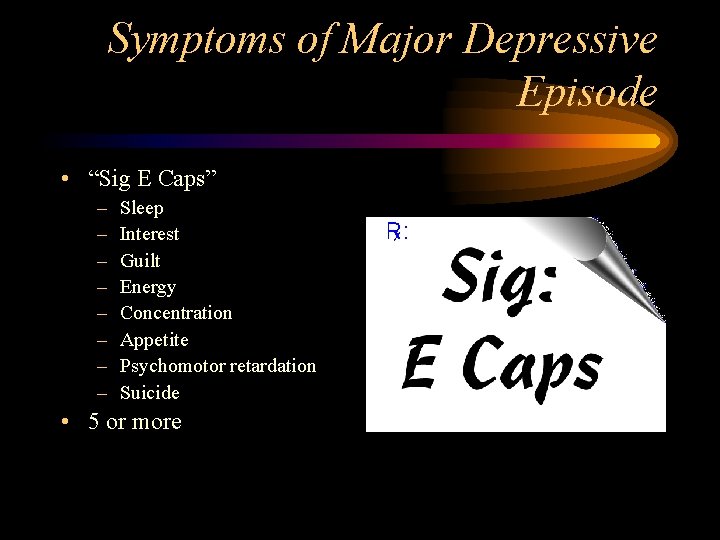
Symptoms of Major Depressive Episode • “Sig E Caps” – – – – Sleep Interest Guilt Energy Concentration Appetite Psychomotor retardation Suicide • 5 or more
Manic Episode • Time – 1 week • Symptom list – 3 or more • Global Criteria
Symptoms of Manic Episode – Grandiosity – Decreased need for sleep – Pressured Speech – Flight of Ideas – Distractibility – Increased Activity/Agitation – Risky Activities • 3 or more
The Disorders
Major Depressive Disorder • “Classic Depression” • Major Depressive Episode • Rule outs – Some other disorder – History of mania/hypomania
Bipolar Disorder I • Classic “Manic-Depression” • At least one – Manic or, – Mixed episode
Epidemiology • Depression – – 5 -7% 2: 1 ♀: ♂ $53 billion/year in US World: most costly (developed)
Epidemiology • Bipolar Disorders – 1% – ~1: 1 ♀: ♂

Etiology and Pathophysiology
Genetics • Family studies – Higher rates – Breed true? • Twin Studies – Mono: Di ~4: 1 • Linkage studies – Numerous (? Consistency) – Recent: Zubenko, Am J Genetics
Social/Environmental • Response to Loss – ex. Animal models • Other stress – Ex. Learned helplessness • What is role of social stress? – Ex. Nemeroff et al.
Neurotransmission • Neurochemical hypotheses – Catecholamine hypothesis • Norepinephrine – Ex. Axelrod – Depletions models • Serotonin – Refinements • Imbalances • Receptors • 2 nd messengers
Neuroimaging • Stroke data – Dominant frontal – Basal ganglia • Fx Imaging
Other Physiological Findings • Neurophysiology – Circadian rhythms and sleep • Neuroendocrine – HPA axis • DST
Differential Diagnosis “We’re not living happily ever after any more”
Differential Diagnosis • • Psychiatric Disorders Medical Disorders Substance Induced Reactive disorders – Adjustment disorders – Normal reactions
Comorbidity • • • Anxiety disorders Substance abuse Psychotic disorders Personality disorders Depression in the medically ill.
Comorbidity
Course and Prognosis of Mood Disorders
Course and Prognosis of Mood Disorders • Recovery • Relapse • Recurrence
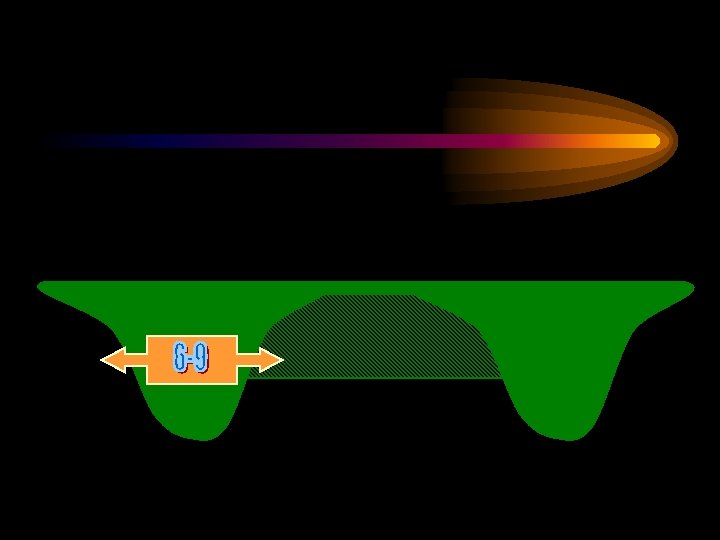
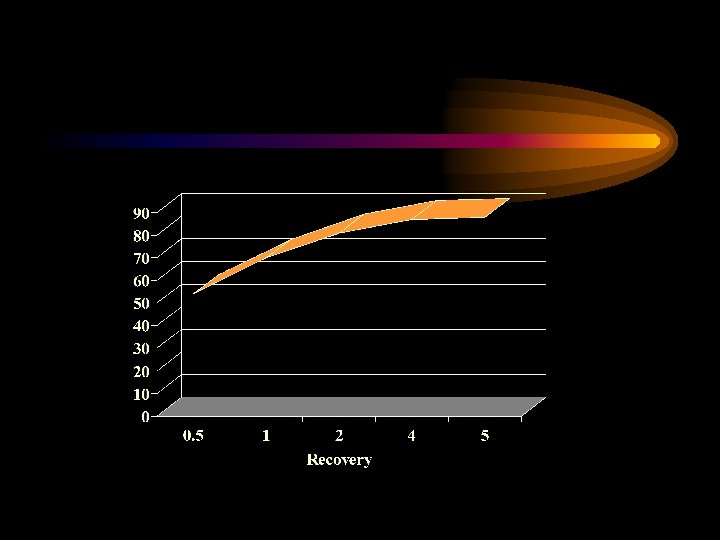
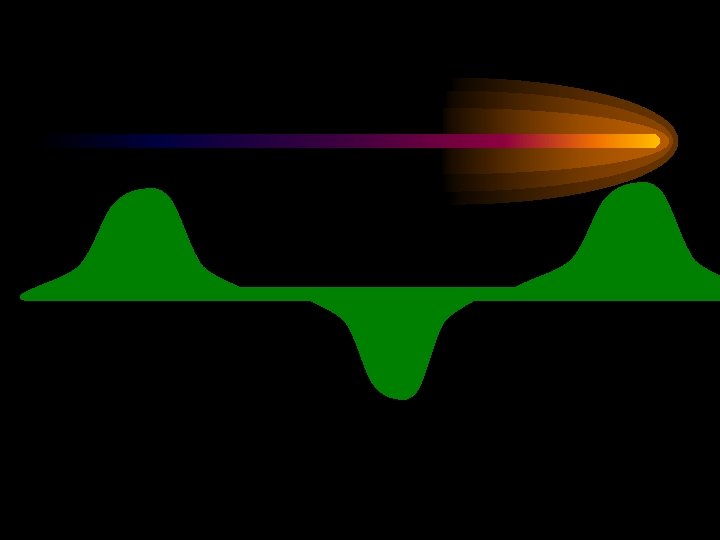
Predictors • # Episodes • Length of episodes • Symptoms – # and type • Comorbidity
Risk of Suicide • Depression – 10 -15% severe (hosp) pts
Treatment “It is unfortunate that I didn’t get your care earlier, Mrs. Perkins. ”
Treatment • Depression – Pharmacological – Psychotherapy – Other somatic treatments
Antidepressants
Antidepressants • 1 st generation – Monoamine Oxidase Inhibitors (MAOIs) – Tricyclic Antidepressants (TCAs) • 2 nd – Serotonin reuptake Inhibitors (SSRIs) – Other specifics (Buproprion, Trazodone) • 3 rd – Venlafaxine, Mirtazapine, Nefazodone
Mechanisms of action • Monoamine Action – Increase • Norepinephrine • Serotonin – Various mechanisms • Inhibition of catabolism (MAOIs) • Reuptake inhibition (TCAs, SSRIs, Venlafaxine) • Direct effects (agonism/antagonism) (some 3 rd gen)
Side effects • Predicable – Anticholinergic – Antihistaminic – Serotonergic • Idiopathic
Choice of antidepressant • Best? • Fastest? • Predictors of response – Past history – Family history • Major difference – Side effects
Treatment failure • Inadequate dose • Inadequate time • Nonadherence
Strategies for failure • Choices – Increase dose? – Augment? – New drug? Lithium Thyroid hormone Stimulants Atypical Antipsychotics 2 nd Antidepressant
Long term treatment • • Recurrent depression (3+) Chronic depression (2 years) Double depression Others
Psychotherapy • Cognitive behavioral therapy • Interpersonal therapy • Others
Medications versus therapy • • Severe depression Moderate depression Combination treatment Prevention
Other treatments • ECT • TMH • Vagal nerve stimulation
ECT • Maybe the best. • Medication failure • Real serious depression • Time sensitive • So why don’t we give everybody ECT?
Bipolar Disorder • Lithium • Antipsychotics • Anticonvulsants
Lithium • • • First line Best for mania 2 weeks for effect Therapeutic index Side effects Acute and preventive
Anticonvulsants • • Sodium Valproate Carbamazapine Lamotrigine Gabapentin Antimanic Antidepressant Prevention Side effects
Antipsychotics • • Atypical (olanzapine) Classic May be as effective Early and late effect
Sedatives • Acute use
Other Diagnoses
Other Episodes • Mixed • Hypomanic
Other Mood Disorders • • • Dysthymic Disorder Cyclothymic Disorder Bipolar II Due to a generalized medical condition Substance Induced NOS
- Slides: 66