
Monotype vs Monoprint A monoprint is one of
- Slides: 13
Monotype vs. Monoprint: A monoprint is one of a series—therefore, not wholly unique. A monoprint begins with an etched plate, a serigraph, lithograph or collograph. This underlying image remains the same and is common to each print in a given series. Other means of adding pigment or design are then employed to make each print in the series slightly different. The series of monoprints has a limited number of prints and each is numbered. A monotype is one of a kind, a unique piece of artwork. It is the simplest form of printmaking, requiring only pigments, a surface on which to apply them, paper and some form of press. -Collector’s Guide
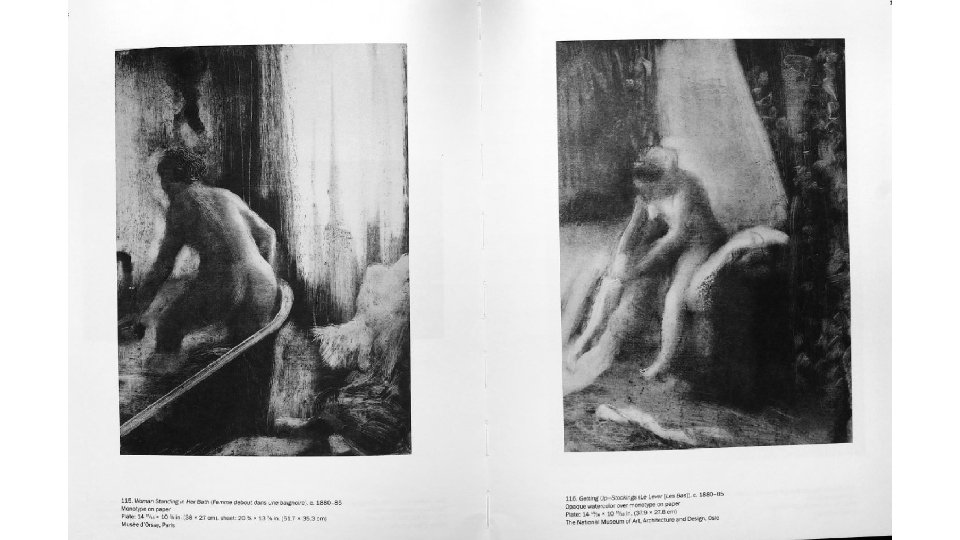
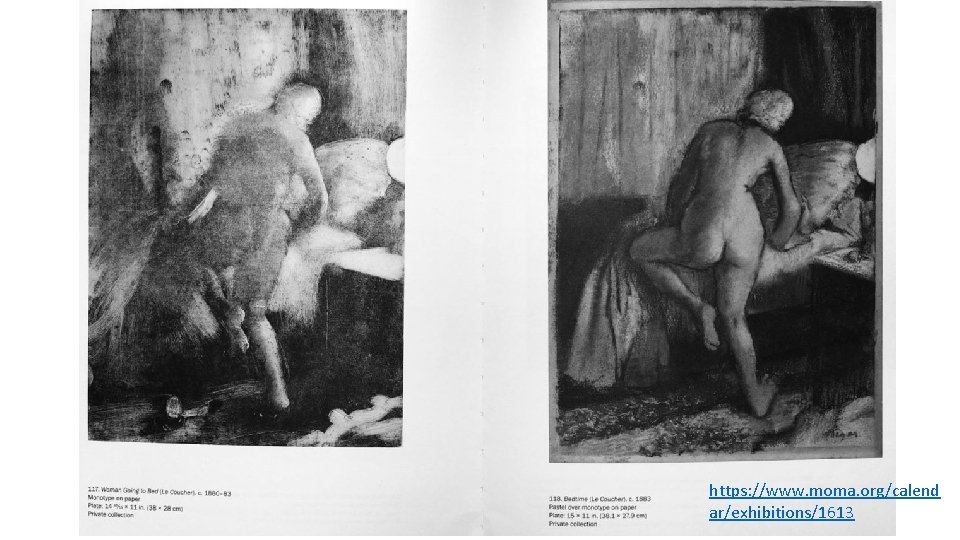
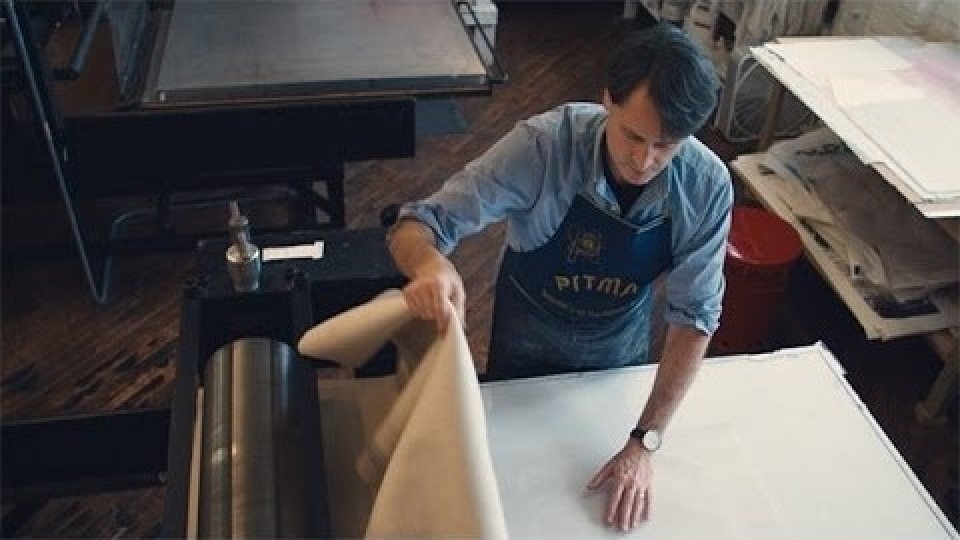
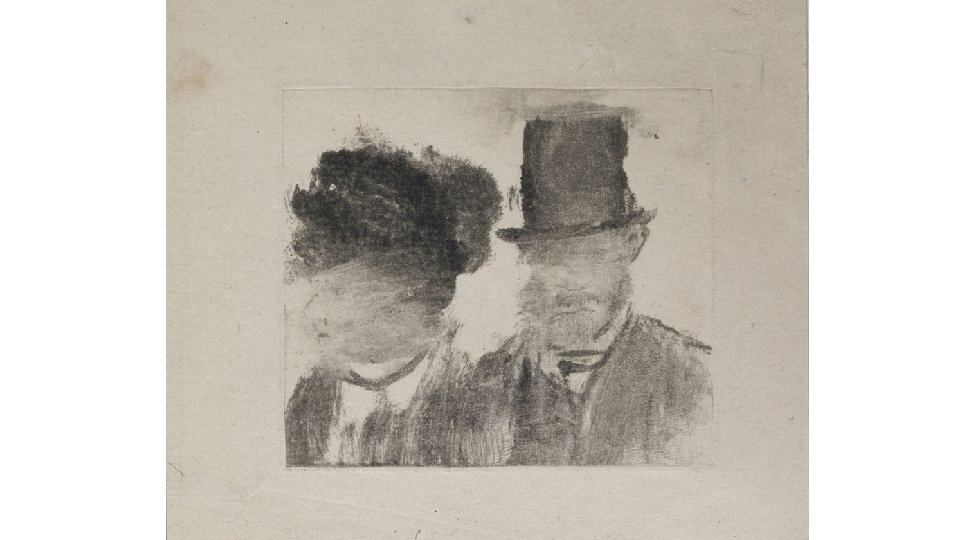
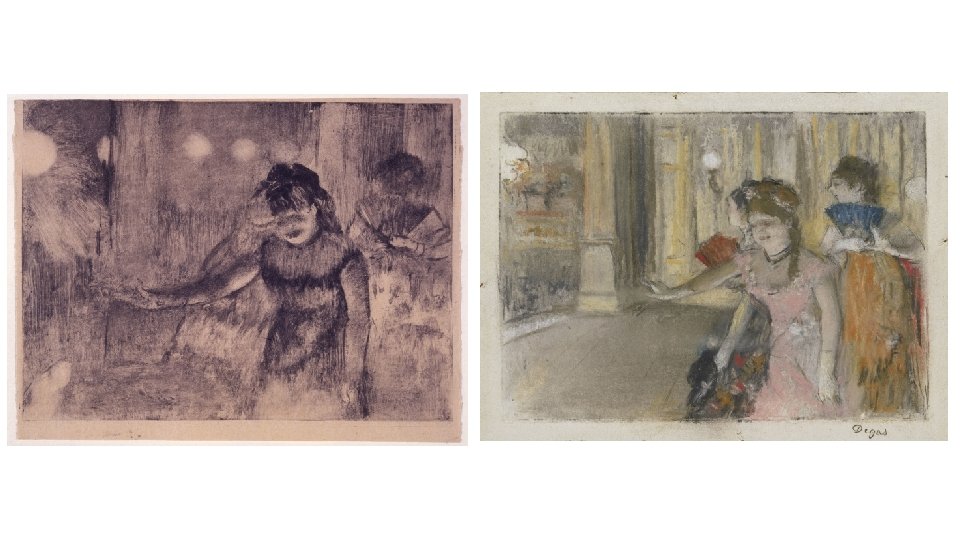
Monotypes are pulled impressions that were drawn or painted on a metal or plexiglass plate. The images are created through applications of ink that are rolled, brushed, daubed or otherwise applied and manipulated and then, with the material, usually paper, that is to accept an impression, are "pulled" with the use of a press. Monotypes are inherently unique because only one or two impressions may be pulled before the ink is used up. Although there may be a second impression, it is quite different from the first in that most of the ink was lifted from the plate in its first pass through the press. The second impression, called a ghost or cognate, is much lighter or thinner and is more of a suggestion of the first. Each pulled impression may be considered a finished work or it may be further enhanced by the application of additional drawing or color. . recent experimentations in the use of inks mixed with various viscosities of oil, applied in multiple layers on the same plate prior to printing have produced complex and exciting impressions. When technically well-executed, monotypes created in this manner are distinctly monotypes in their incredible fidelity to the artist's manipulations of ink, but have a remarkable transparent and "layered" quality that is not otherwise achievable. — from Frank Howell, Monotypes
https: //www. moma. org/calend ar/exhibitions/1613
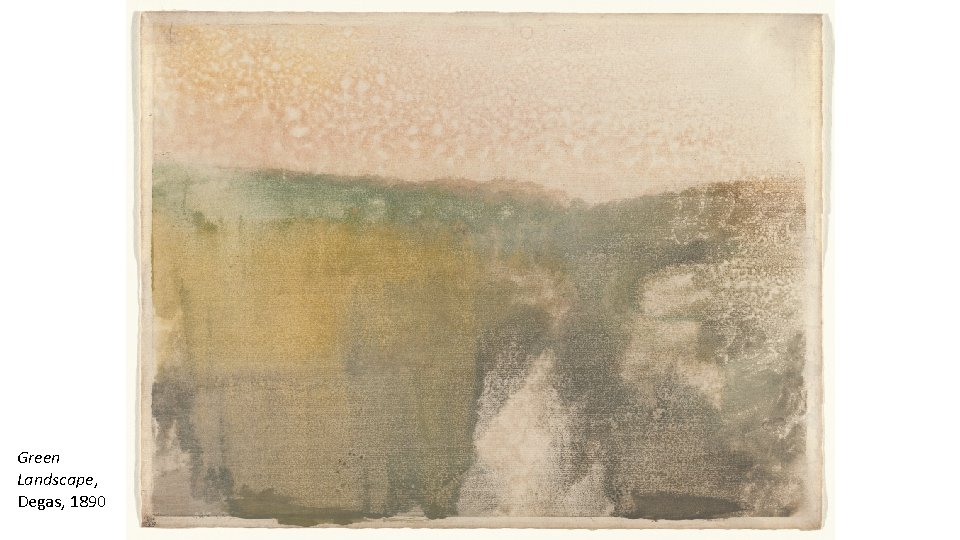
Green Landscape, Degas, 1890
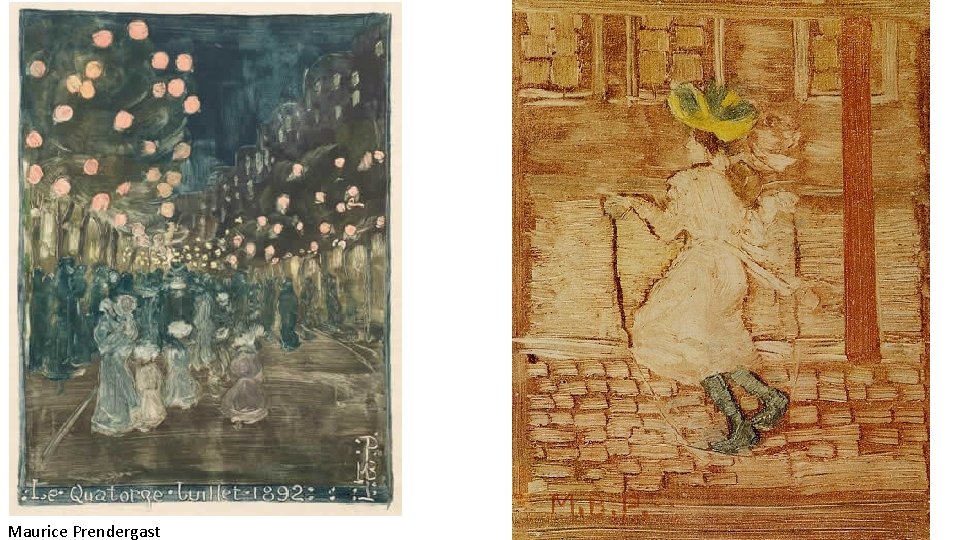
Maurice Prendergast
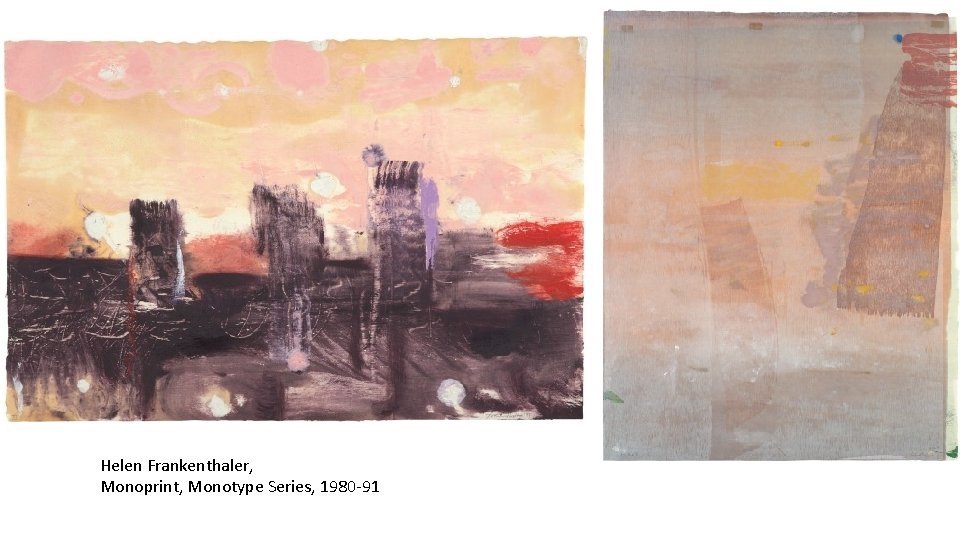
Helen Frankenthaler, Monoprint, Monotype Series, 1980 -91
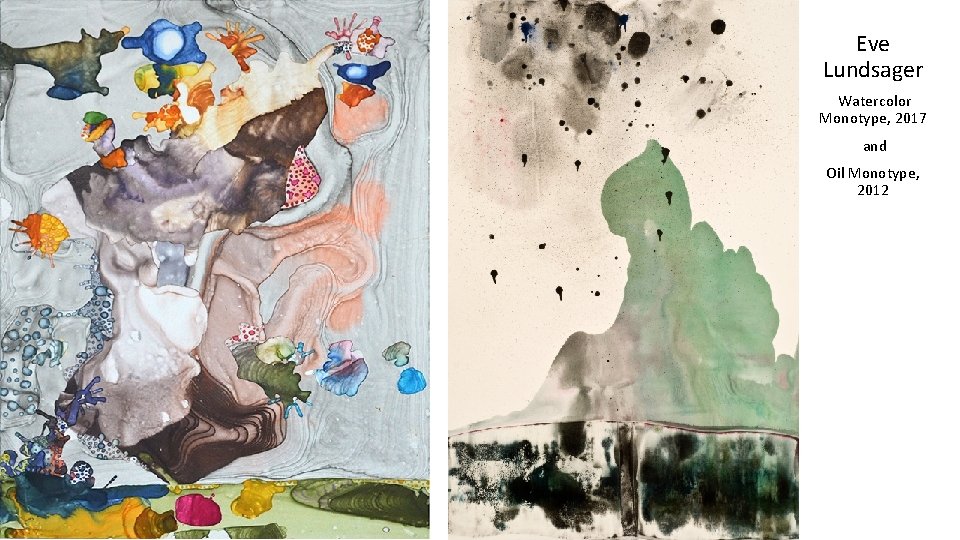
Eve Lundsager Watercolor Monotype, 2017 and Oil Monotype, 2012
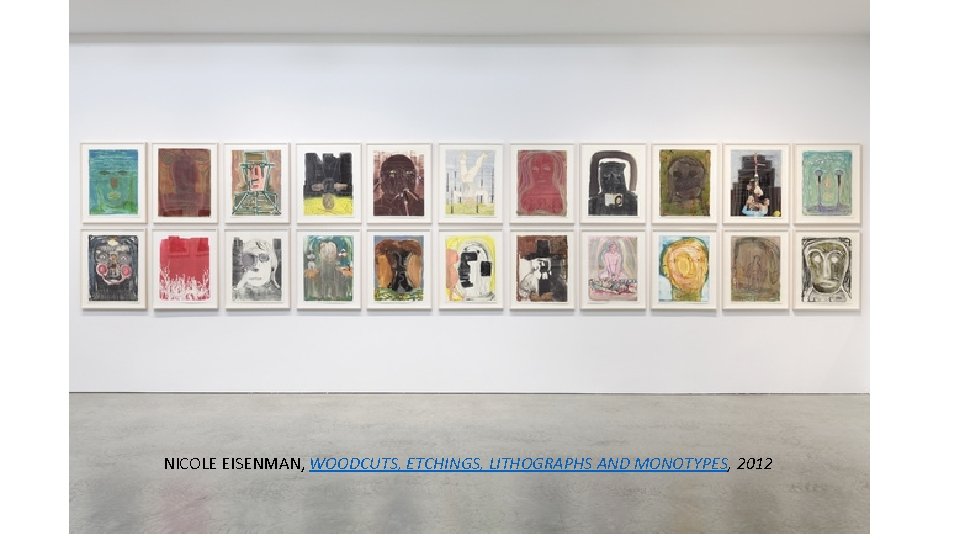
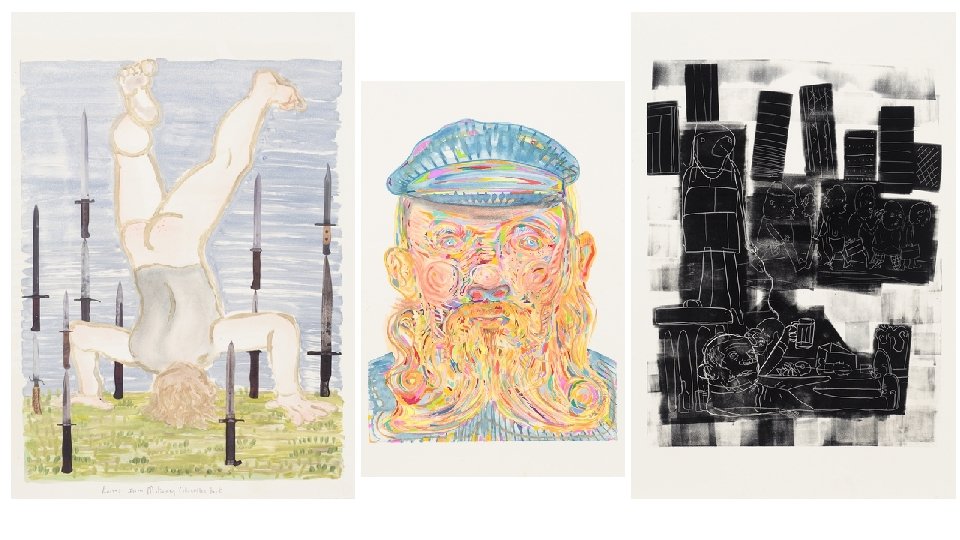
NICOLE EISENMAN, WOODCUTS, ETCHINGS, LITHOGRAPHS AND MONOTYPES, 2012