
Monoclonal Antibody By Dr Adel Gabr Terminology Target
Monoclonal Antibody By Dr. Adel Gabr
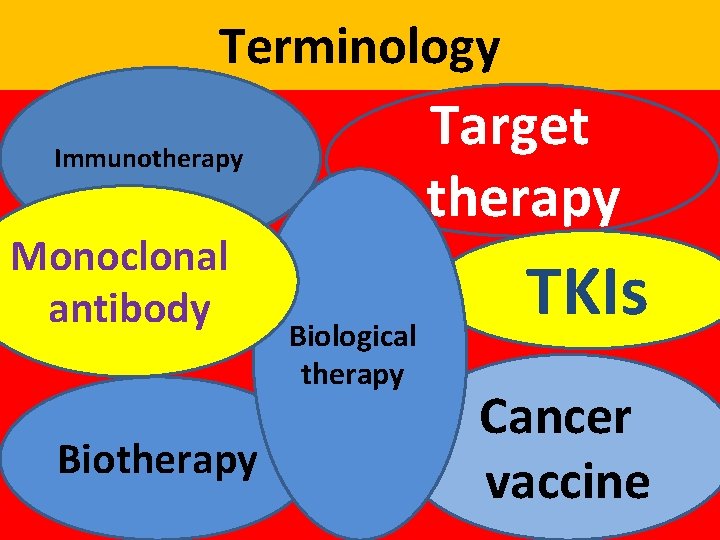
Terminology Target therapy Immunotherapy Monoclonal antibody Biotherapy Biological therapy TKIs Cancer vaccine

Types of targeted therapy used today • Today many different types of targeted therapies are used to treat cancer. • There are 2 main types of targeted therapy drugs: antibody drugs Large molecule and small-molecule drugs. Some targeted therapy drugs are actually antibodies —man-made versions of immune system proteins
immunotherapy • Immunotherapy is also sometimes called biologic therapy or biotherapy. It is treatment that uses certain parts of the immune system to fight diseases such as cancer. This can be done in a couple of ways: • Stimulating your own immune system to work harder or smarter to attack cancer cells • Giving you immune system components, such as man-made immune system proteins
Monoclonal Antibody Man Made immunity
MONOCLONAL ANTIBODY One way the immune system normally attacks foreign substances in the body is by making large numbers of different antibodies. An antibody is a “sticky” protein that targets a specific antigen. Antibodies circulate in the body until they find attach to the antigen. Once attached, they recruit other parts of the immune system to destroy the cells containing the antigen.
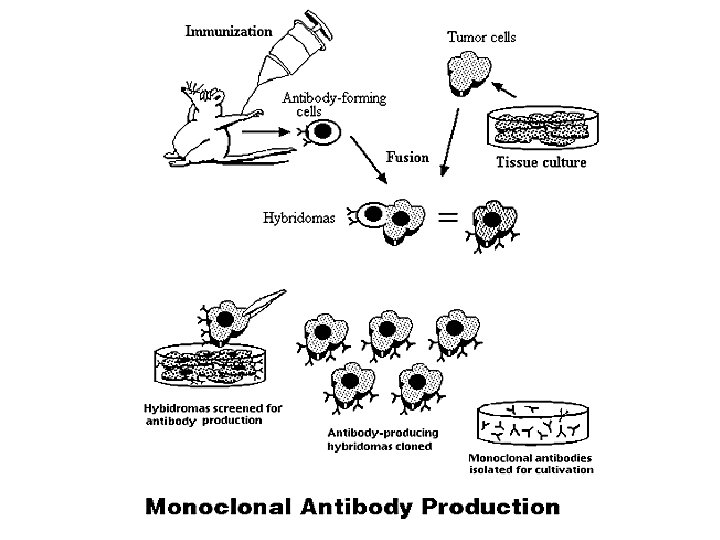
Hybridomas Technique m. ABs Production - B lymphocytes can mutate into tumor cells that result in a type of cancer termed myeloma. - Myeloma cells become “immortal” and will grow indefinitely in culture. - Fusion of a single activated B cell and a myeloma cell will create a hybridoma that can grow indefinitely in culture.
Hybridoma Selection The “HAT Trick” Myeloma cells have been genetically F engineered such that they can not use hypoxanthine, aminopterin, and thymidine (HAT medium) as a source for nucleic acid biosynthesis and will die in culture. Only B cells that have fused with the F engineered myeloma cells will survive in culture when grown in HAT medium.
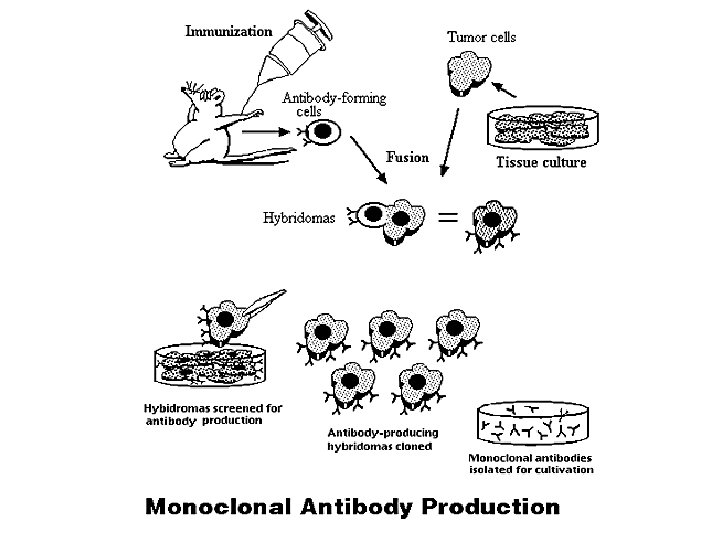
Producing Monoclonal Antibodies 1. Inject a mouse with a specific antigen to stimulate its immune system to produce necessary antibodies. 2. Extract mouse spleen cells (containing Blymphocytes) and culture them in the lab. 3. Extract mouse tumour cells, which grow continuously, and culture them in the lab. 4. Mix spleen cells and tumour cells on the same plate and culture.
Producing Monoclonal Antibodies 5. Add polyethylene glycol – this causes some Blymphocytes to fuse with tumour cells to produce a hybrid cell called a hybridoma. 6. Grow the cells under conditions that allow only hybridoma cells to survive. 7. Extract the cells, culture them separately and test the medium around each cell for the specific antibody of interest. 8. Culture the cells making the desired antibody and use as needed.
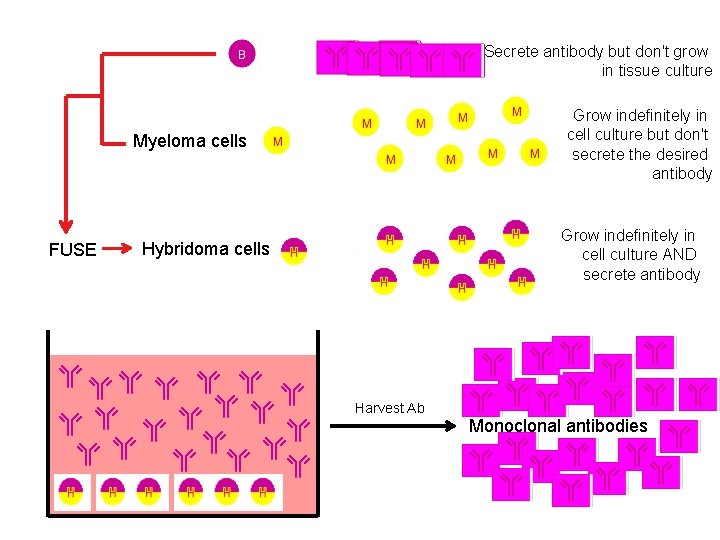
Secrete antibody but don't grow in tissue culture Grow indefinitely in cell culture but don't secrete the desired antibody Myeloma cells FUSE Grow indefinitely in cell culture AND secrete antibody Hybridoma cells Harvest Ab Monoclonal antibodies
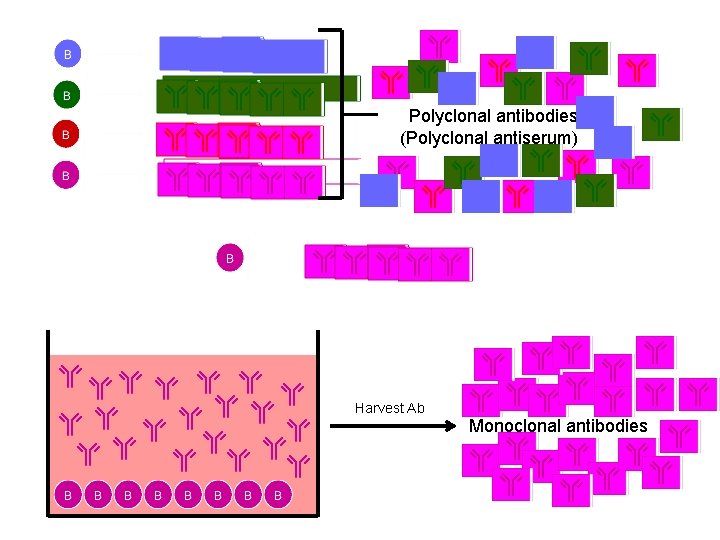
Polyclonal antibodies (Polyclonal antiserum) Harvest Ab Monoclonal antibodies
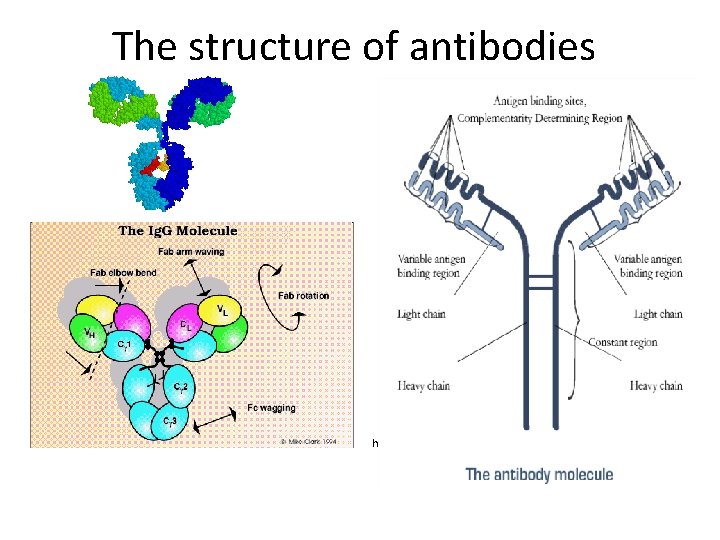
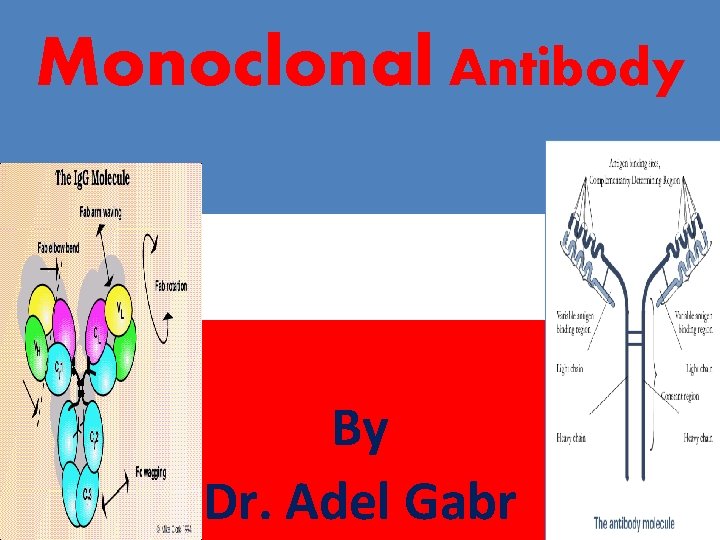
The structure of antibodies http: //www. path. cam. ac. uk/~mrc 7/igs/mikeimages. html •
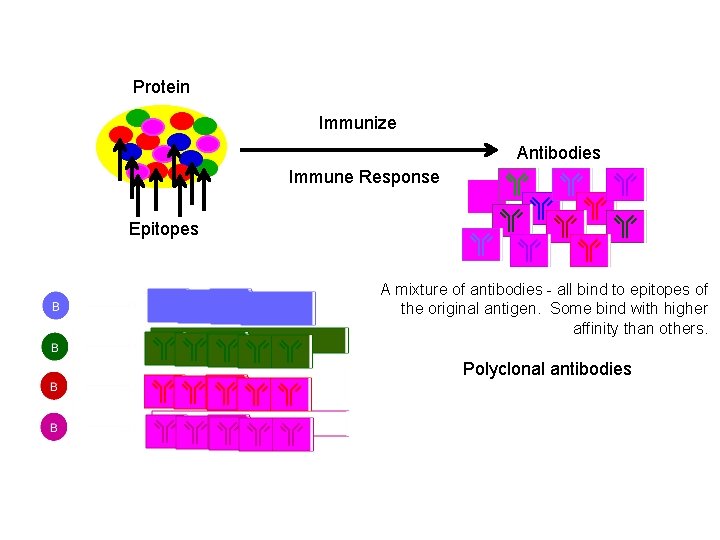
Protein Immunize Antibodies Immune Response Epitopes A mixture of antibodies - all bind to epitopes of the original antigen. Some bind with higher affinity than others. Polyclonal antibodies
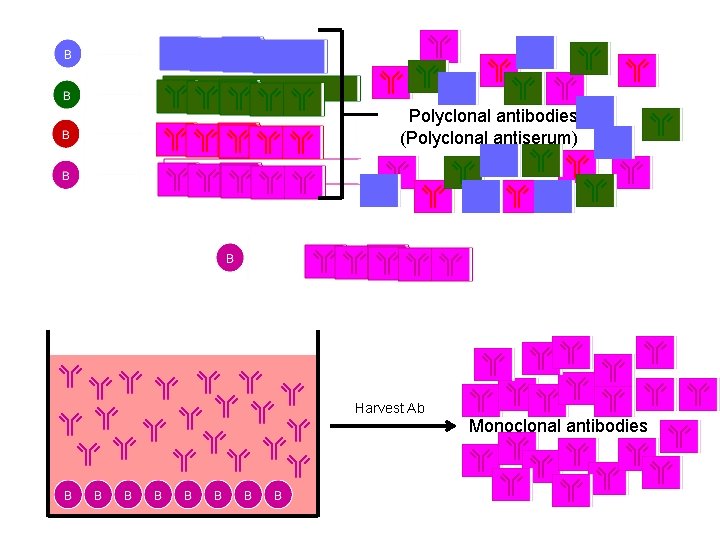
Polyclonal antibodies (Polyclonal antiserum) Harvest Ab Monoclonal antibodies
Nature of Antibody Omab Ximab Zumab

Hybridoma technology has been replaced by recombinant DNA technology, transgenic mice and phage
Types of monoclonal antibodies • Two types of monoclonal antibodies are used in cancer treatments: • Naked m. Abs : are antibodies that work by themselves. There is no drug or radioactive material attached to them. These are the most commonly used m. Abs at this time. • Conjugated m. Abs : are those joined to a chemotherapy drug, radioactive particle, or a toxin (a substance that poisons cells). These m. Abs work, at least in part, by acting as homing devices to take these substances directly to the cancer cells.
Naked monoclonal antibodies : • Naked m. Abs can work in different ways. • A- Some may boost a person’s immune response against cancer cells. • B- Others work by blocking specific proteins that help cancer cells grow. (Some may do both. ) • C- Some naked MAbs attach to cancer cells to act as a marker for the body's immune system to destroy them. An example of this is alemtuzumab • D- Some naked m. Abs work mainly by attaching to and blocking specific antigens that are important signals for cancer cells (or other cells that help cancer cells grow or spread).
Conjugated monoclonal antibodies • Monoclonal antibodies attached to a radioactive substance, drug, or toxin, are called conjugated m. Abs. The m. Ab is used as a homing device to take one of these substances directly to the cancer cells. The m. Ab circulates in the body until it can find and hook onto the target antigen. It then delivers the toxic substance where it is needed most. This lessens the damage to normal cells in other parts of the body. • Conjugated m. Abs are also sometimes referred to as tagged, labeled, or loaded antibodies. They can be divided into groups depending on what they are linked to.
• m. Abs with radioactive particles attached • are referred to as radiolabeled, and treatment with this type of antibody is known as radioimmunotherapy (RIT). • Radiolabeled antibodies: Radiolabeled antibodies have small radioactive particles attached to them. Ibritumomab tiuxetan (Zevalin®) and tositumomab (Bexxar®) are examples of radiolabeled m. Abs. Both of these are antibodies against the CD 20 antigen, but they each have a different radioactive particle attached. They deliver radioactivity directly to cancerous B cells and can be used to treat some types of non-Hodgkin lymphoma.
m. Abs with chemotherapy drugs attached (chemolabeled). Chemolabeled antibodies: These m. Abs have powerful chemotherapy drugs attached to them. (The chemotherapy drug is often too powerful to be used on its own – it would cause too many side effects if not attached to an m. Ab. ) • The only chemolabeled antibody approved by the FDA to treat cancer at this time is brentuximab vedotin (Adcetris). This drug is made up of an antibody that targets the CD 30 antigen (found on B cells and T cells), attached to a chemo drug called MMAE. It is used to treat Hodgkin lymphoma and anaplastic large cell lymphoma that is no longer responding to other treatments.
m. Abs attached to cell toxins. • Immunotoxins: These m. Abs have cell poisons (toxins) attached to them, which makes them similar in many ways to chemolabeled m. Abs. At this time no immunotoxins are approved to treat cancer, although many are being studied. • However, a related drug known as denileukin diftitox (Ontak®) is being used to treat some cancers. It consists of an immune system protein known as interleukin-2 (IL-2) attached to a toxin from the germ that causes diphtheria. Although it’s not an m. Ab, IL-2 normally attaches to certain cells in the body that contain the CD 25 antigen, which makes it useful for delivering the toxin to these cells. Denileukin diftitox is used to treat lymphoma of the skin (also known as cutaneous T-cell lymphoma). It is also being studied to be used against a number of other cancers.

Does m. Abs work only for treatment only?
Uses Measuring protein and drug levels in serum Typing tissue and blood Identifying infectious agents Identifying clusters of differentiation for the classification and follow-up therapy of leukemias and lymphomas Identifying tumor metastasis Identifying and quantifying hormones Immunoaffinity Purification
Possible side effects of monoclonal antibodies Monoclonal antibodies are given intravenously (injected into a vein). Compared with the side effects of chemotherapy, the side effects of naked m. Abs are usually fairly mild and are often more like an allergic reaction. These are more common while the drug is first being given. Possible side effects can include: Fever, Chills, Weakness, Headache, Nausea Vomiting, Diarrhea, Low blood pressure, Rashes
Possible side effects of monoclonal antibodies Some m. Abs can also have other side effects that are related to the antigens they target. For example, bevacizumab (Avastin®), an m. Ab that targets tumor blood vessel growth, can cause side effects such as high blood pressure, bleeding, poor wound healing, blood clots, and kidney damage. Conjugated antibodies may pack more of a punch than naked m. Abs, but they often cause more side effects. The side effects depend on which type of substance they're attached to.

Thank you


Hybridoma Selection The “HAT Trick” Myeloma cells have been genetically F engineered such that they can not use hypoxanthine, aminopterin, and thymidine (HAT medium) as a source for nucleic acid biosynthesis and will die in culture. Only B cells that have fused with the F engineered myeloma cells will survive in culture when grown in HAT medium.
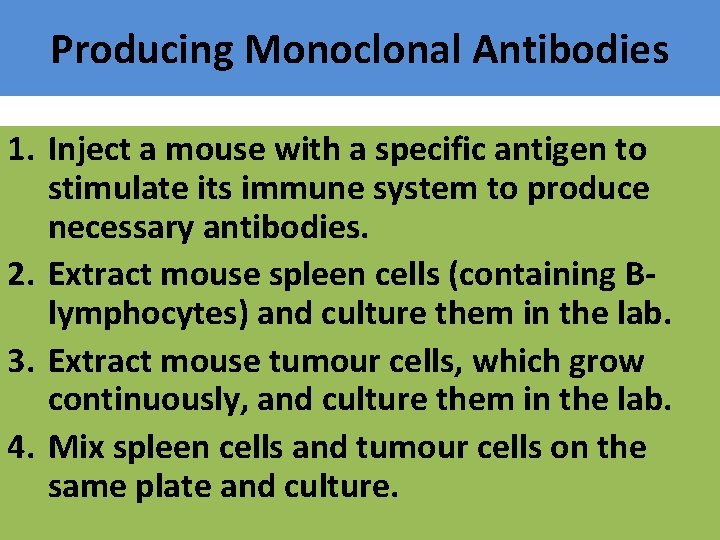
Producing Monoclonal Antibodies 1. Inject a mouse with a specific antigen to stimulate its immune system to produce necessary antibodies. 2. Extract mouse spleen cells (containing Blymphocytes) and culture them in the lab. 3. Extract mouse tumour cells, which grow continuously, and culture them in the lab. 4. Mix spleen cells and tumour cells on the same plate and culture.
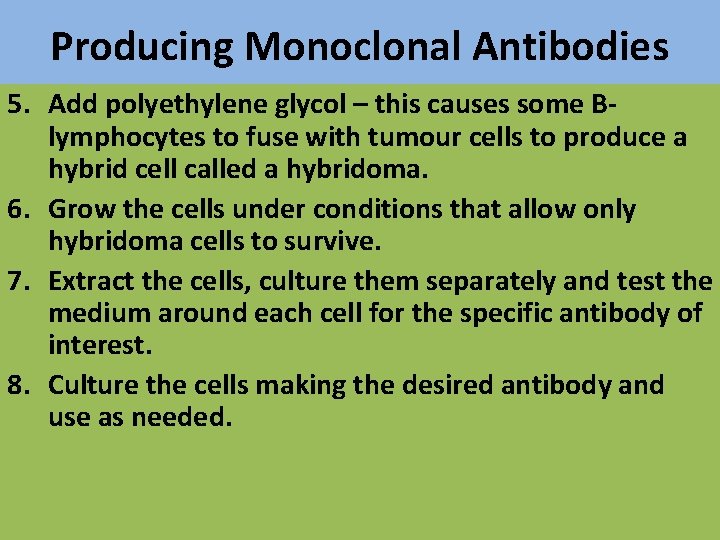
Producing Monoclonal Antibodies 5. Add polyethylene glycol – this causes some Blymphocytes to fuse with tumour cells to produce a hybrid cell called a hybridoma. 6. Grow the cells under conditions that allow only hybridoma cells to survive. 7. Extract the cells, culture them separately and test the medium around each cell for the specific antibody of interest. 8. Culture the cells making the desired antibody and use as needed.
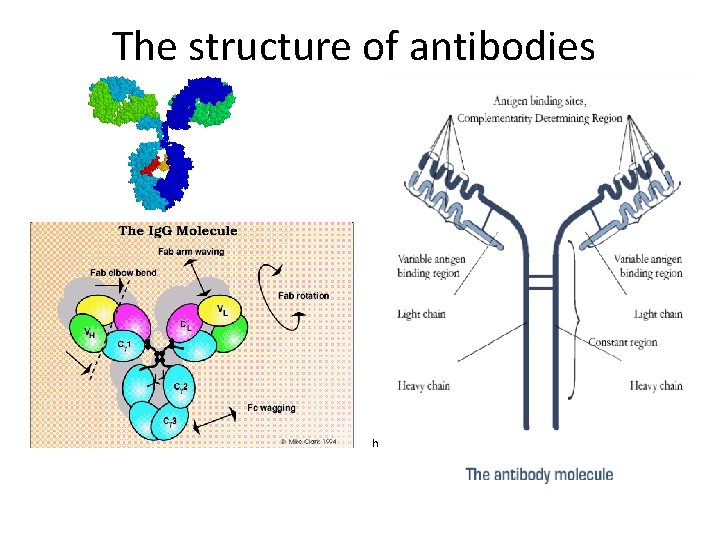
The structure of antibodies http: //www. path. cam. ac. uk/~mrc 7/igs/mikeimages. html •
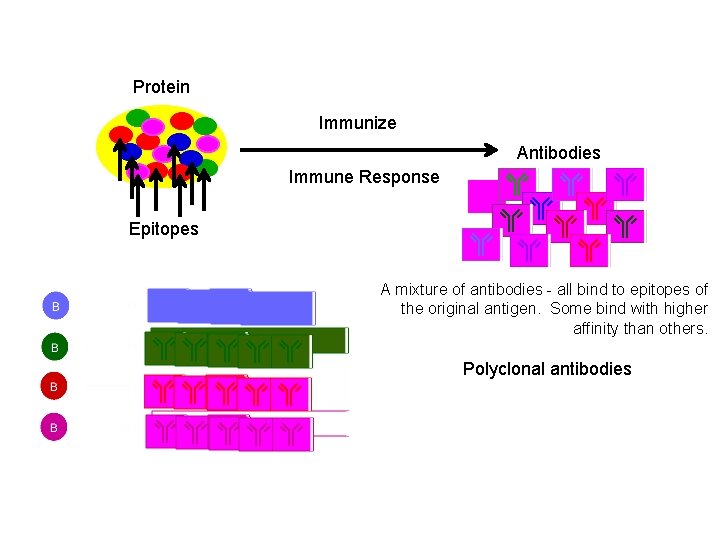
Protein Immunize Antibodies Immune Response Epitopes A mixture of antibodies - all bind to epitopes of the original antigen. Some bind with higher affinity than others. Polyclonal antibodies
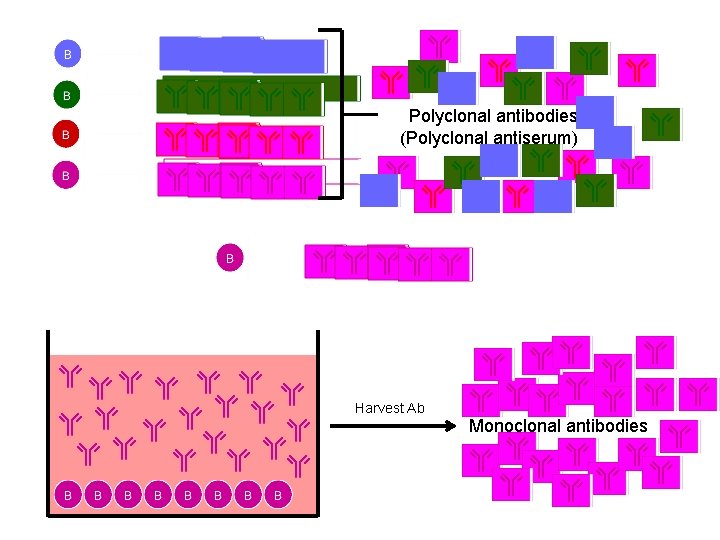
Polyclonal antibodies (Polyclonal antiserum) Harvest Ab Monoclonal antibodies
What Diseases to Target and How? Cancer cells express a variety of antigens that • are attractive targets for monoclonal antibody -based therapy. The development of monoclonal antibodies • against specific targets has been largely accomplished by immunizing mice against human tumor cells and screening the hybridomas for antibodies of interest.
Unfulfilled Promise? • The early promise of the use of antibodies in the treatment of disease initially went unfulfilled (more than two decades) for two reasons: 1. Early antibodies displayed insufficient activation of human effector functions (i. e. the antibodies did not kill the infecting organism or cell) 2. The early antibodies were of murine (mouse) origin, and thus triggered the production of human anti-mouse antibodies (HAMA).
Other obstacles to the use of monoclonal antibodies in cancer treatment Antigen distribution of malignant cells is highly • heterogeneous, so some cells may express tumor antigens, while others do not. Tumor blood flow is not always optimal • High interstitial pressure within the tumor can • prevent the passive monoclonal antibody from binding.
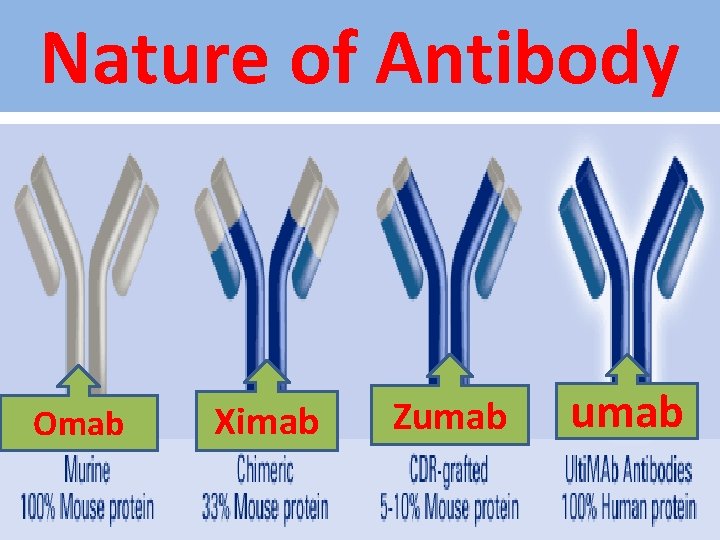
The types of m. Ab designed Murine source m. Abs: rodent m. Abs with excellent affinities and. A specificities, generated using conventional hydrioma technology. Clinical efficacy compromised by HAMA(human anti murine antibody) response, which lead to allergic or immune complex herpersensitivities. Chimeric m. Abs: chimers combine the human constant regions with the. B intact rodent variable regions. Affinity and specificity unchanged. Also cause human antichimeric antibody response (30% murine resource) Humanized m. Abs: contained only the CDRs of the rodent variable region. C grafted onto human variable region framework
Nomenclature of Therapeutic Antibodies • Terminate the name in –ximab for chimeric antibodies and –umab for humanized antibodies.
Common Chemotherapy in Treatment of Cancer Shortcomings: A. Nature of cytotoxin B. Lack of in vivo selectivity C. The mechanism of anti-proliferation on cells cycle, rather than specific toxicity directed towards particular cancer cell D. Host toxicity: treatment discontinued, most of them had bad side-effects, such as no appetites, omit, lose hair
http: //www. meds. com/immunotherapy/monoclonal_antibodies. html
Rituximab (Rituxan) Rituximab is a chimeric monoclonal antibody that targets the CD 20 B-cell antigen. This antigen is expressed on 90% of B-cell neoplasms The precise biological functions of CD 20 are uncertain, but the antibody is believed to function by flagging the B-cells for destruction by the body’s own immune system, including ADCC, CDC, and apoptosis. This antibody thus leads to the elimination of all B-cells from the body (including cancerous ones), allowing new, healthy B-cells to be produced from lymphoid stem cells. • •
Trastuzumab (Herceptin) Herceptin is an anti-cancer antibody that acts on HER 2/neu (erb. B 2) receptor, which is overexpressed in breast cancer. Only cells overexpressing this receptor are susceptible. Such cells, when treated with Herceptin, undergo arrest in the G 1 phase of the cell cycle and experience a reduction in proliferation. This can reduce the rate of relapse of breast cancer by 50% during the first year. The precise mechanism of action is still under investigation. • •
Monoclonal antibodies which deliver a toxin Monoclonal antibodies can be utilized to • selectively deliver a toxin to a malignant cell.
Gemtuzumab ozogamicin (Mylotarg) This monoclonal antibody is conjugated to the • cytotoxic agent calicheamycin It is used to treat acute myelogenous leukemia • (AML), which is a cancer of the myeloid line of blood cells. This monoclonal antibody attacks the CD 33 receptor, • which is found in most leukemic blast cells, but not in normal hematopoietic stem cells
Gemtuzumab ozogamicin (Mylotarg) Once bound to CD 33, the antibody-calicheamycin • complex is transported inside of the AML cells by lysosomes. To facilitate selective release inside of the cancer • cells, calicheamycin is connected to gemtuzumab by a chemical linker that is stable at physiologic p. H but is hydrolyzed in the acidic p. H of the lysosomes that transport the antibody-calicheamycin complex into the cell.
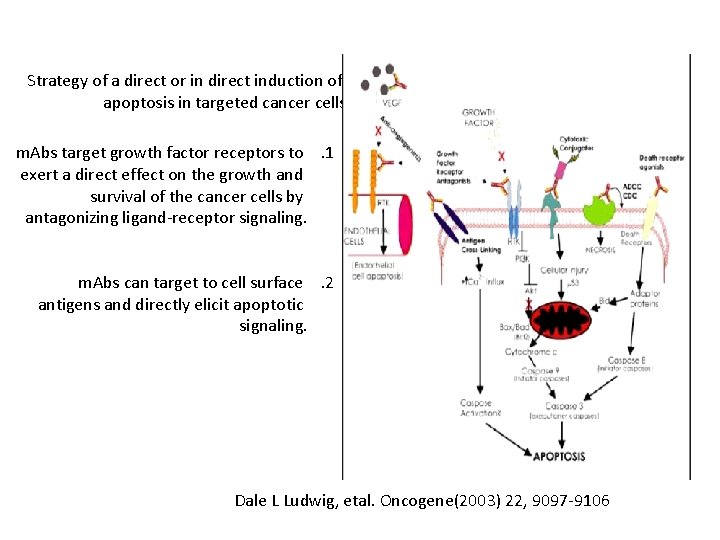
Strategy of a direct or in direct induction of apoptosis in targeted cancer cells m. Abs target growth factor receptors to. 1 exert a direct effect on the growth and survival of the cancer cells by antagonizing ligand-receptor signaling. m. Abs can target to cell surface. 2 antigens and directly elicit apoptotic signaling. Dale L Ludwig, etal. Oncogene(2003) 22, 9097 -9106
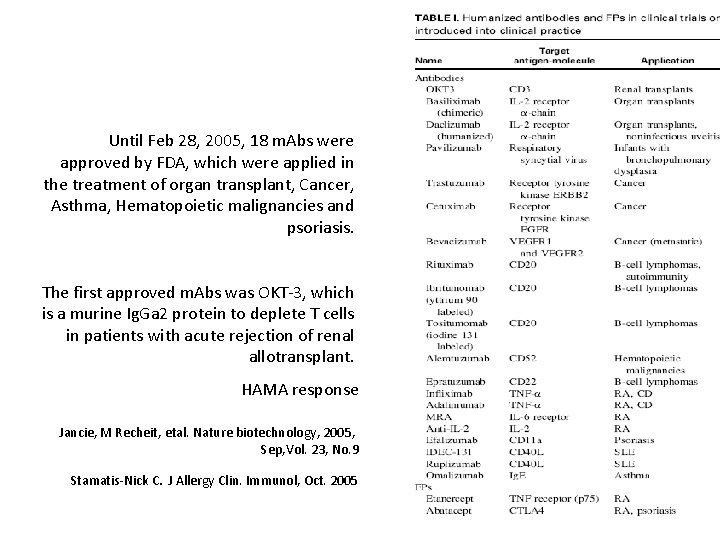
Until Feb 28, 2005, 18 m. Abs were approved by FDA, which were applied in the treatment of organ transplant, Cancer, Asthma, Hematopoietic malignancies and psoriasis. The first approved m. Abs was OKT-3, which is a murine Ig. Ga 2 protein to deplete T cells in patients with acute rejection of renal allotransplant. HAMA response Jancie, M Recheit, etal. Nature biotechnology, 2005, Sep, Vol. 23, No. 9 Stamatis-Nick C. J Allergy Clin. Immunol, Oct. 2005
m. Abs development Phage display library: construction of VH and VL gene libaries and . 1 Transgenic plants: transgenic tobacco plants to produce Ig. A. . 2 Transgenic animals: transgenic mouse to make humanized Ig. G. (Abgenix, CA) . 3 expression of them on a filamentous bacterophage. The phage expressing an antigen-bonding domain specific for a particular antigen to screen the m. Abs.
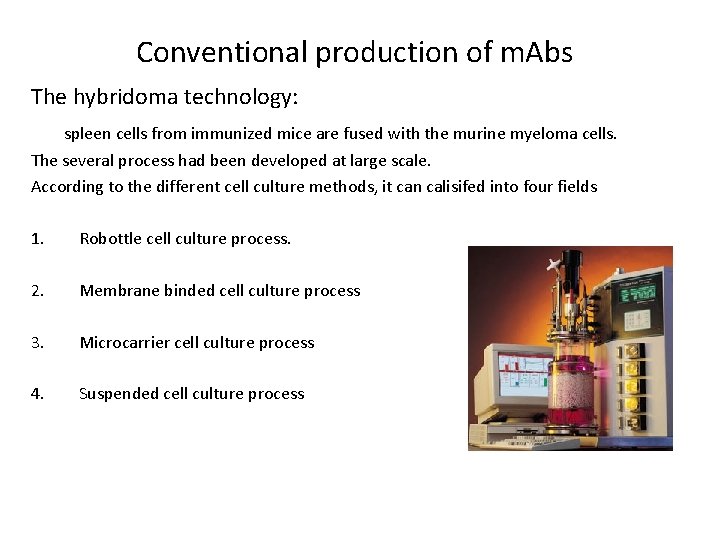
Conventional production of m. Abs The hybridoma technology: spleen cells from immunized mice are fused with the murine myeloma cells. The several process had been developed at large scale. According to the different cell culture methods, it can calisifed into four fields 1. Robottle cell culture process. 2. Membrane binded cell culture process 3. Microcarrier cell culture process 4. Suspended cell culture process
- Slides: 54