
MonitoringBased Commissioning what is it and how can
Monitoring-Based Commissioning what is it and how can I use in in LEED v 4 Administrated by
Credit(s) earned on completion of this course will be reported to AIA CES for AIA members. Certificates of Completion for both AIA members and non-AIA members are available upon request. for continuing professional education. As such, it does not include content that may be deemed or construed to be an approval or endorsement by the AIA of any material of construction or any method or manner of handling, using, distributing, or dealing in any material or product. ____________________ Questions related to specific materials, methods, and services will be addressed at the conclusion of this presentation. This course is registered with AIA CES
Learning Objective & What we will cover today • • Types of Commissioning Why Monitoring-Based Commissioning (MBCx) LEED v 4 What is important to the Customer MBCx made simple MBCx and ISO 50001 Summary Questions and Answer

Commissioning Process: Timeline Every commissioning project is unique, but there are key phases or stages these projects go through. Existing Building New Building üDesign üConstruction üAcceptance üWarranty 1 NB EB üRetro Commissioning üOngoing Commissioning üMonitoring-Based Commissioning

Monitoring Based Commissioning (MBCx) • ENERGY STAR tells you a basic score • MBCx tells you what to do and when to do it to keep the building(s) running efficiently. • MBCx when used in new construction as a tool can: – Get you as close to “ 0” defects as possible with your operational systems on a 24/7/365 basis – MBCx will catch all warranty tasks that must be performed by your controls contractor to ensure the sequence of operation! – History 2

MBCx: Helps you determine the greatest possible Value & Performance from your Building Systems Collect Data 24/7/365 MBCx: Bridges the gap between real time Systems & Equipment level information Monitor Results Ensures reliability, long life and cost efficiency M&V Process Owners Implementation 1. Owner’s Staff Reviews Evaluates Real Or Time Data 2. Engineering as a Service Recommends Action Information needed to take a Proactive rather Reactive Approach

New Construction Commissioning Process: Steps Warranty Acceptance (continued) Construction Design Scope ü Mechanical (HVAC&R and controls) ü Plumbing (DHW and pumps) ü Electrical • Service and distribution • Lighting, lighting controls and daylighting ü Renewable energy systems ü MBCx ü Building envelope (additional LEED credit) 1 ü ü + ü ü * Review OPR Review BOD Review SD and/or DD Review CDs Cx Specifications Training and Systems Manual Inclusion + Participate in Value Engineering ü Document comments and recommendations ü * + ü Cx plan Submittal review Controls coordination Construction observations ü Installation verification checklists ü Develop functional test procedures ü Log issues and track to resolution + Troubleshooting and problem Acceptance resolution ü Review completed installation verification + Verify O&M checklists manuals and + Review contractor testing and record drawings documentation * Verify systems + Review Test, Adjust & manual Balance (TAB) + Provide systems üFunctional training testing üLog issues and • All modes of track to operation resolution • Failure üDocumentation modes of Cx process and results • Retest * On-going Cx plan üSeasonal functional testing + Operational reviews * Near warranty end review • Monitoring of system operation • Operator and occupant issues • As-needed testing and troubleshoot ing

Retro-Commissioning (Retro-Cx) • • A systematic process of testing, validating and improving building systems to optimize performance without major changes in configurations Low- or no-cost changes to improve performance and lower energy and operational costs Combined with project assessments and planning, can improve system configurations to further enhance performance and efficiency with costeffective investments Next Step: On-Going Cx (Not very
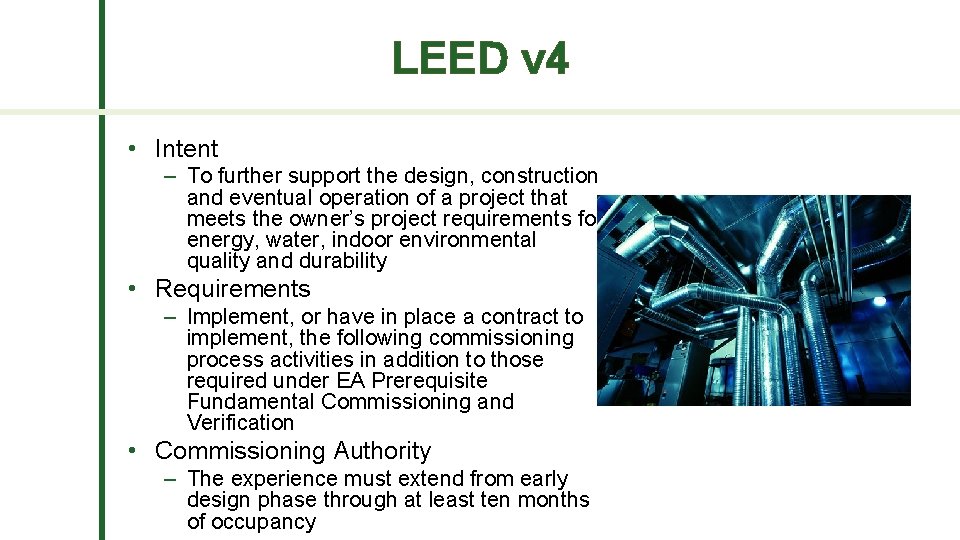
LEED v 4 • Intent – To further support the design, construction and eventual operation of a project that meets the owner’s project requirements for energy, water, indoor environmental quality and durability • Requirements – Implement, or have in place a contract to implement, the following commissioning process activities in addition to those required under EA Prerequisite Fundamental Commissioning and Verification • Commissioning Authority – The experience must extend from early design phase through at least ten months of occupancy
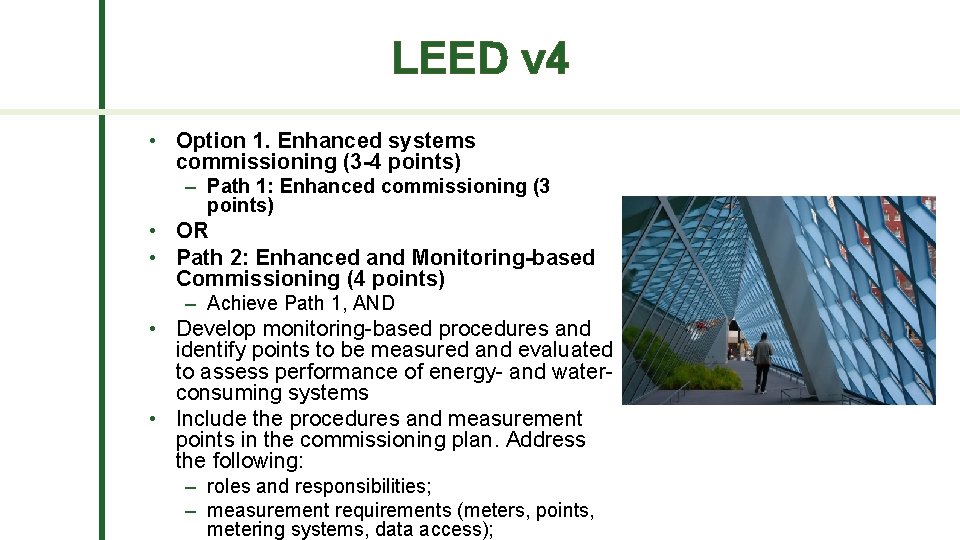
LEED v 4 • Option 1. Enhanced systems commissioning (3 -4 points) – Path 1: Enhanced commissioning (3 points) • OR • Path 2: Enhanced and Monitoring-based Commissioning (4 points) – Achieve Path 1, AND • Develop monitoring-based procedures and identify points to be measured and evaluated to assess performance of energy- and waterconsuming systems • Include the procedures and measurement points in the commissioning plan. Address the following: – roles and responsibilities; – measurement requirements (meters, points, metering systems, data access);
LEED v 4 – the points to be tracked, with frequency and duration for trend monitoring; – the limits of acceptable values for tracked points and metered values (where appropriate, predictive algorithms may be used to compare ideal values with actual values); – the elements used to evaluate performance, including conflict between systems, out-of-sequence operation of systems components, and energy and water usage profiles; – an action plan for identifying and correcting operational errors and deficiencies; – training to prevent errors; – planning for repairs needed to maintain performance; and – the frequency of analyses in the first year of occupancy (at least quarterly). – Update the systems manual with any modifications or new settings, and give the reason for any modifications from the original design. • AND/OR • Option 2. Envelope commissioning (2 points)
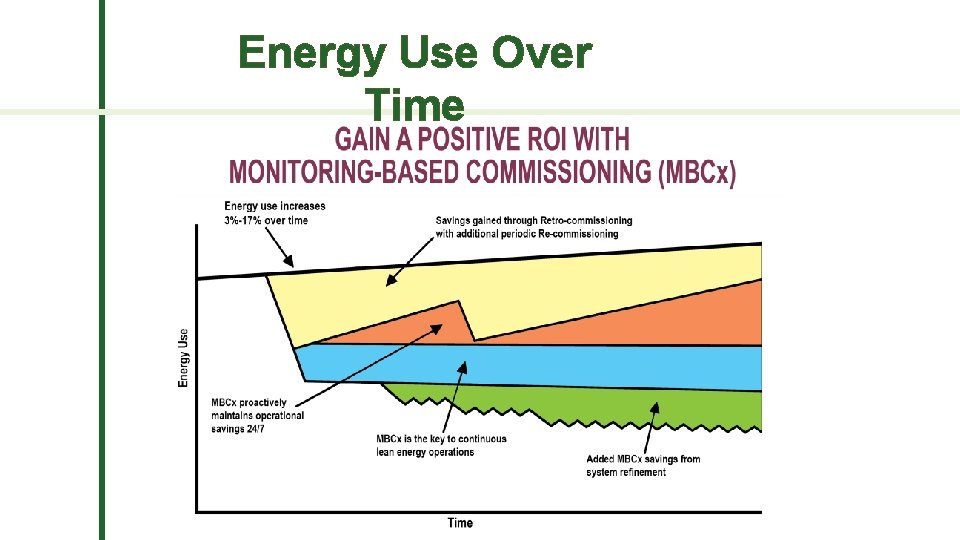
Energy Use Over Time
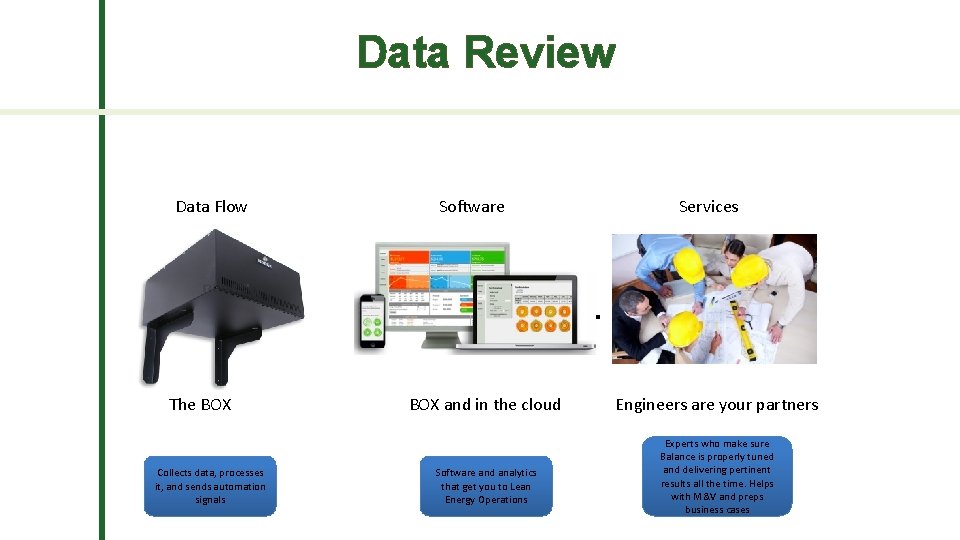
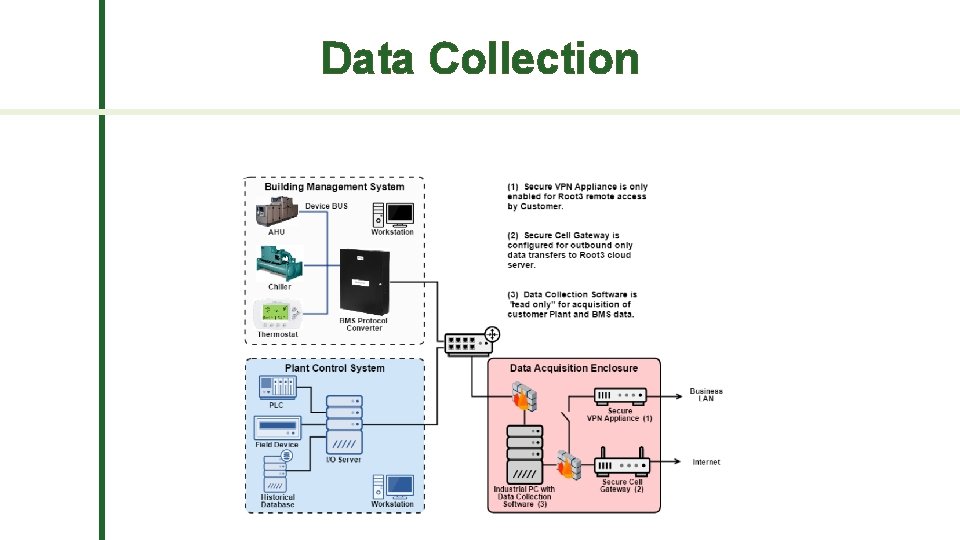
Data Review Data Flow The BOX Collects data, processes it, and sends automation signals Software BOX and in the cloud Software and analytics that get you to Lean Energy Operations Services Engineers are your partners Experts who make sure Balance is properly tuned and delivering pertinent results all the time. Helps with M&V and preps business cases

Customer’s Priorities
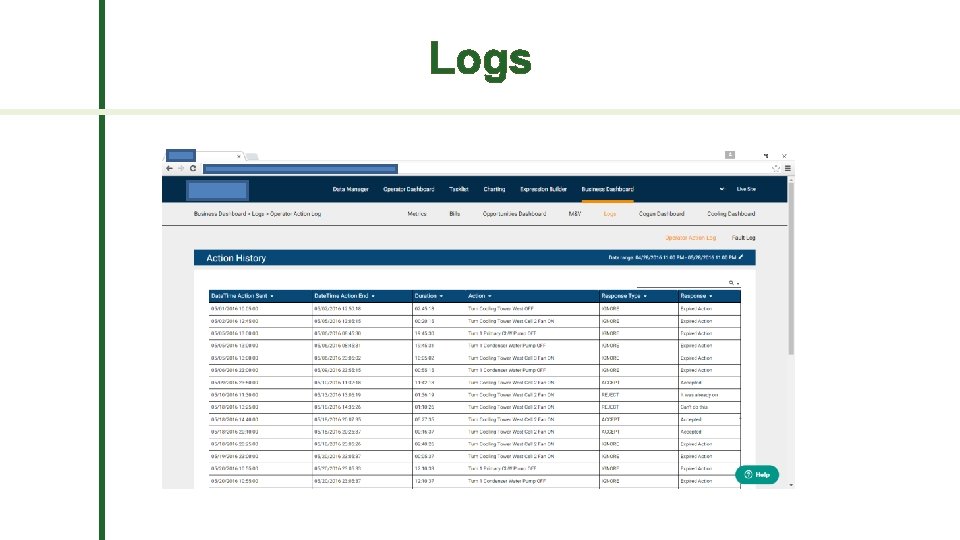
Business Dashboard • • Metrics Bills Opportunities Dashboard M&V Logs Cogen Dashboard Cooling Dashboard
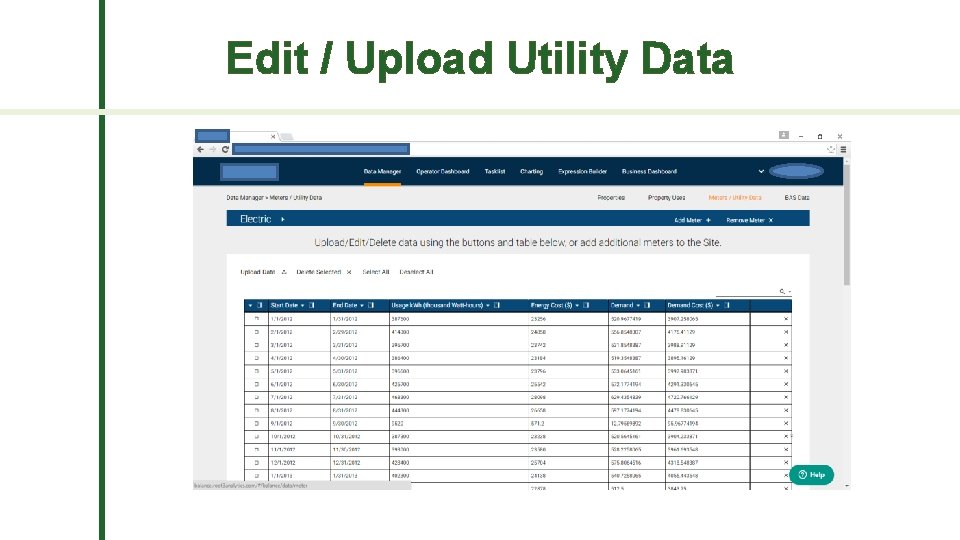
Edit / Upload Utility Data
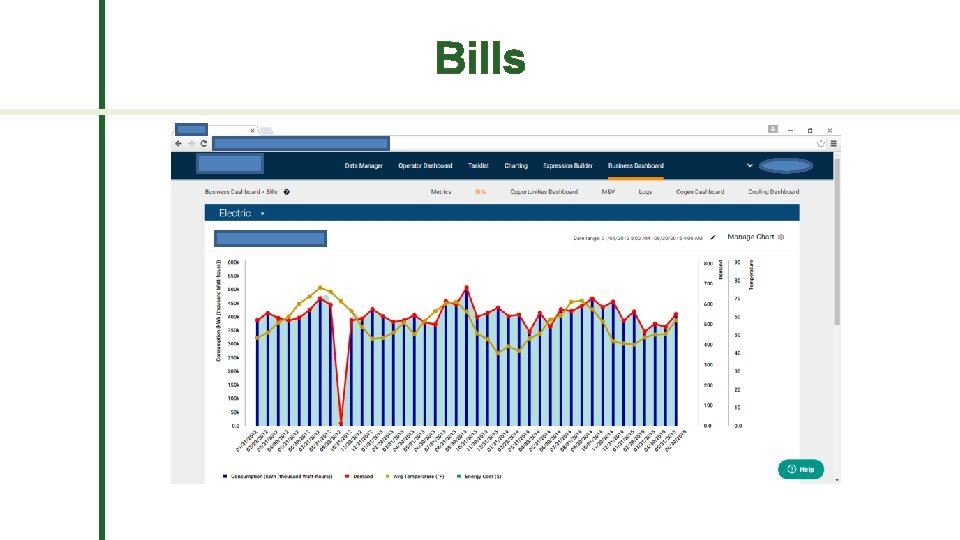
Bills
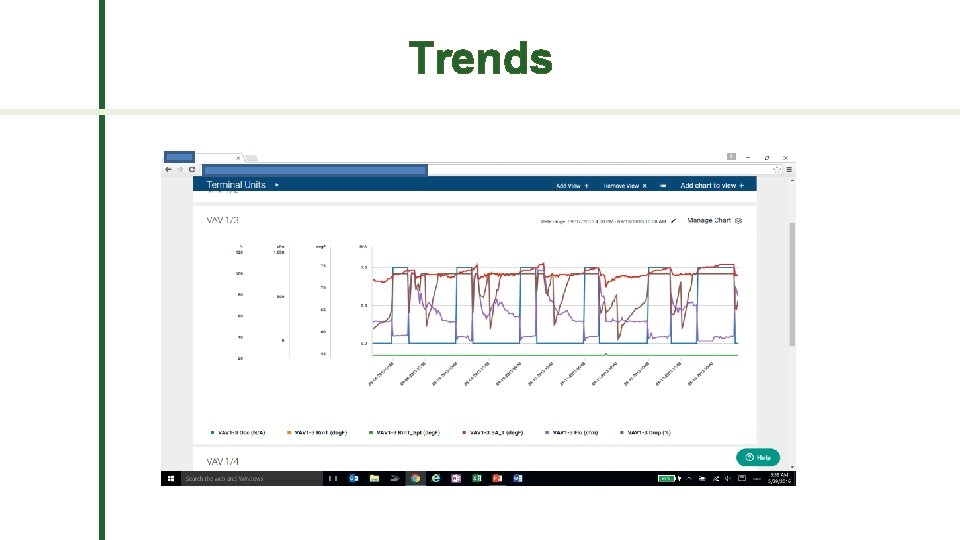
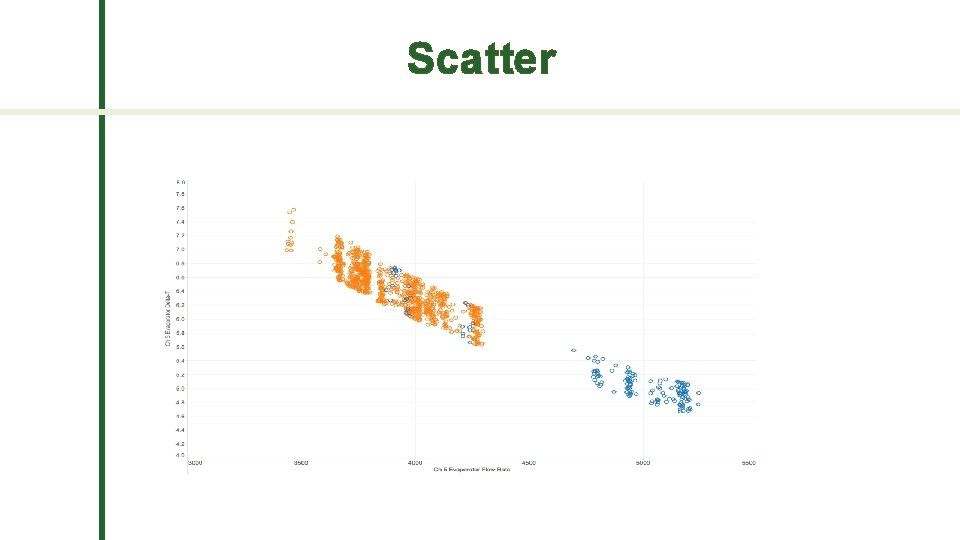
Charting • Trends • Scatter • Aggregation
Trends
Scatter
System Asset Types
Logs
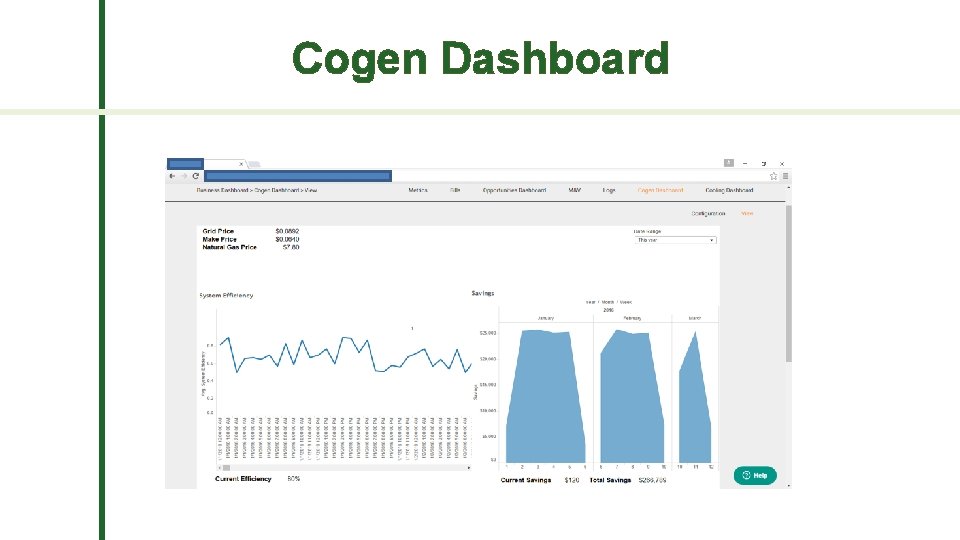
Cogen Dashboard
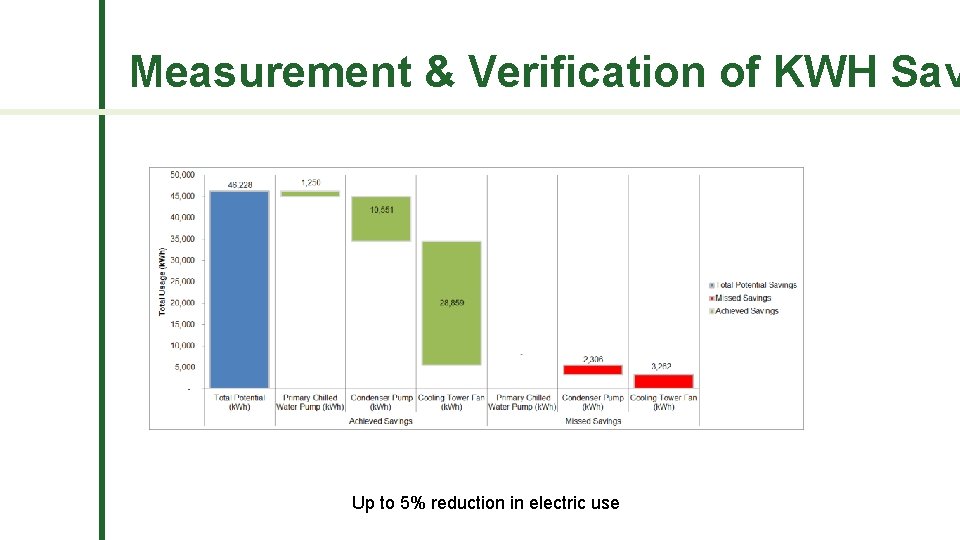
Measurement & Verification of KWH Sav Up to 5% reduction in electric use
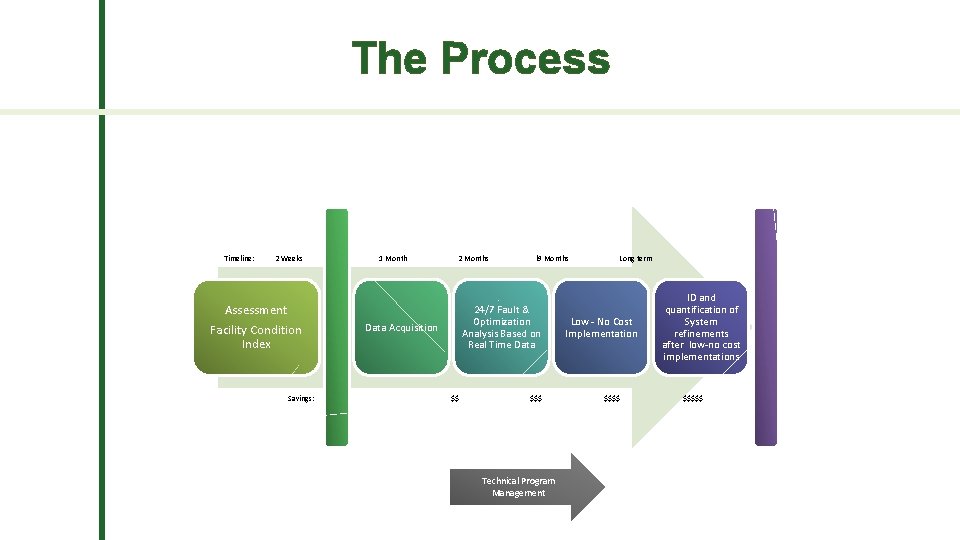
The Process Timeline: 2 Weeks Assessment Facility Condition Index Savings: 1 Month 2 Months l 9 Months 24/7 Fault & Optimization Analysis Based on Real Time Data Acquisition $$ $$$ Technical Program Management Long term Low - No Cost Implementation $$$$ ID and quantification of System refinements after low-no cost implementations $$$$$
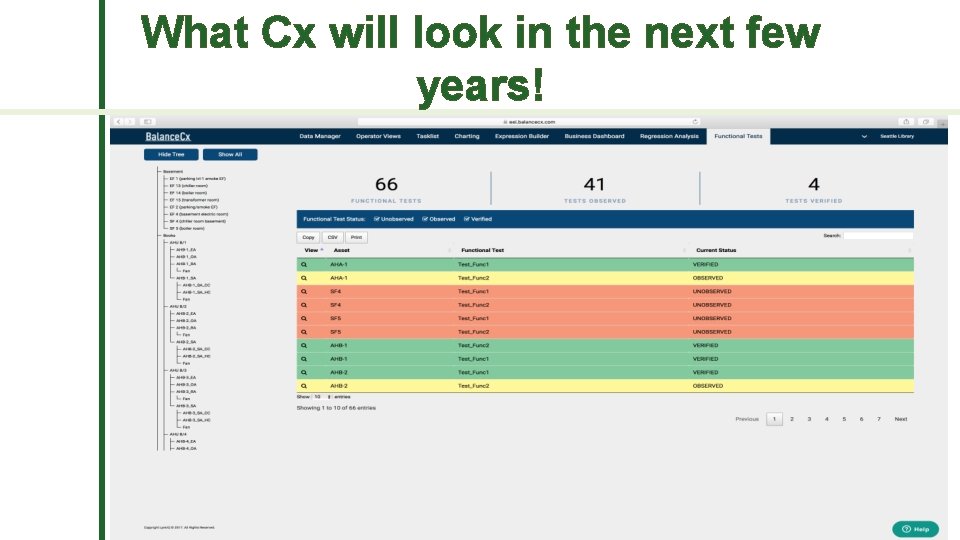
MBCx Differentiators • Continuous Monitoring and Analysis under difficult conditions • Measurement and Verification – Regular Reporting – Routine and Continuous Analysis of Data and Performance by Operating Staff – Operator Training based on Data, Review, and Action Planning – Expedited Awareness of Malfunctions and Opportunities – A lot less time fighting fires or looking for problems and a lot more time correcting the root
Data Collection
ISO 50001
ISO 50001 • The urgency to reduce greenhouse gas emissions, the reality of higher prices from reduced availability of fossil fuels and the need to promote efficiency and the use of renewable energy sources provide a strong rationale for the developing this new standard, building on the most advanced good practices and existing national or regional standards • Alan Bryden IOS Secretary-General • A Strategic plan that requires measurement, management, and documentation for the continuous improvement for the energy efficiency. • Identification of key performance indicators, unique to the company, that are tracked to measure progress. • How ready are you for ISO 50001?
What Cx will look in the next few years!
Summary • Improved Productivity From Your Workforce • Detect Anomalies • Continuous Improvement Of Operations • Program to Build to Sustain Operational Energy Efficiency so You Can Achieve Your Goals • Improves Facility and Equipment Reliability • Cost-effective Investments with Better
Balance is the key to lean energy operat
- Slides: 32