
Monitoring Deforestation in Amazonia Gilberto Cmara INPE Brazil
Monitoring Deforestation in Amazonia Gilberto Câmara, INPE, Brazil
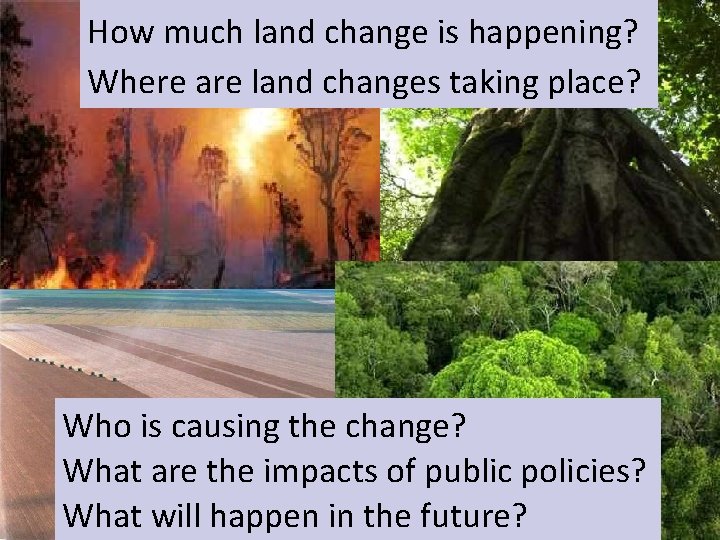
How much land change is happening? Global Change Where are land changes taking place? Who is causing the change? What are the impacts of public policies? What will happen in the future?
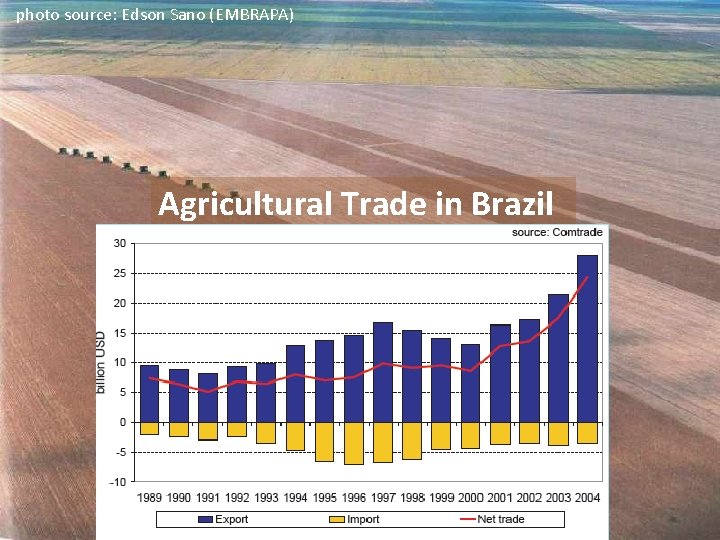
photo source: Edson Sano (EMBRAPA) Agricultural Trade in Brazil
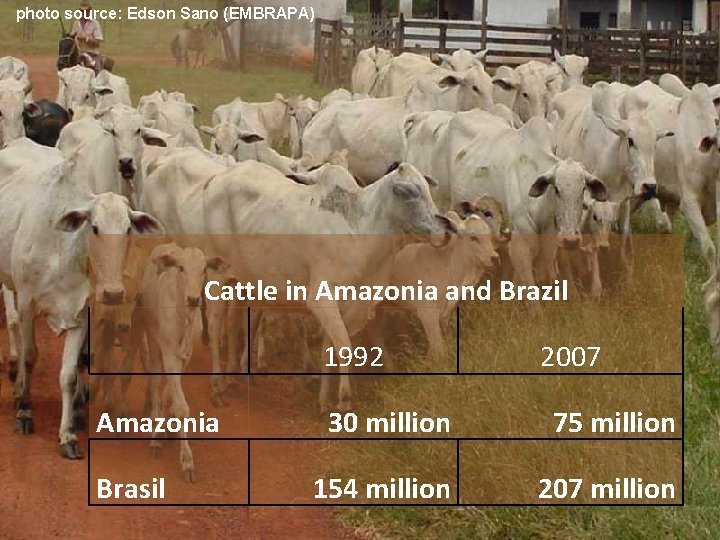
photo source: Edson Sano (EMBRAPA) Cattle in Amazonia and Brazil 1992 Amazonia Brasil 2007 30 million 75 million 154 million 207 million
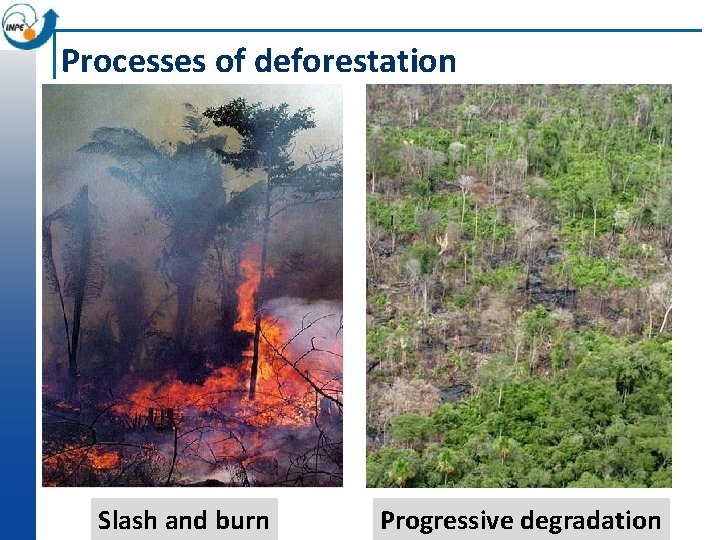
Processes of deforestation Slash and burn Progressive degradation
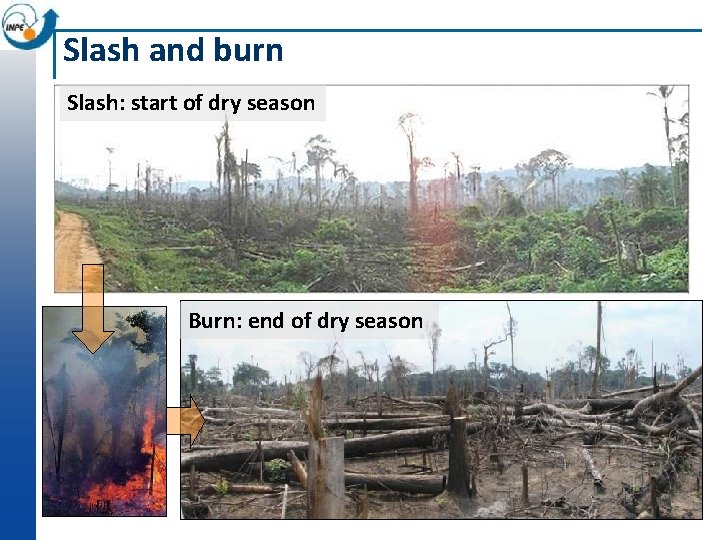
Slash and burn Slash: start of dry season Burn: end of dry season
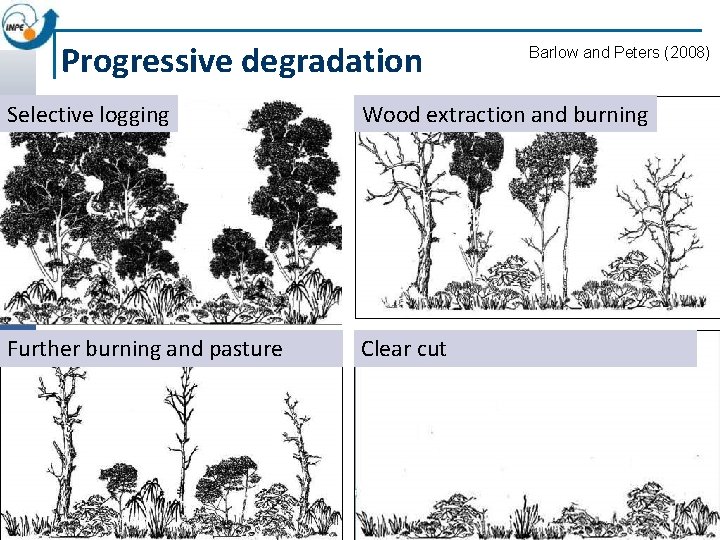
Progressive degradation Barlow and Peters (2008) Selective logging Wood extraction and burning Further burning and pasture Clear cut
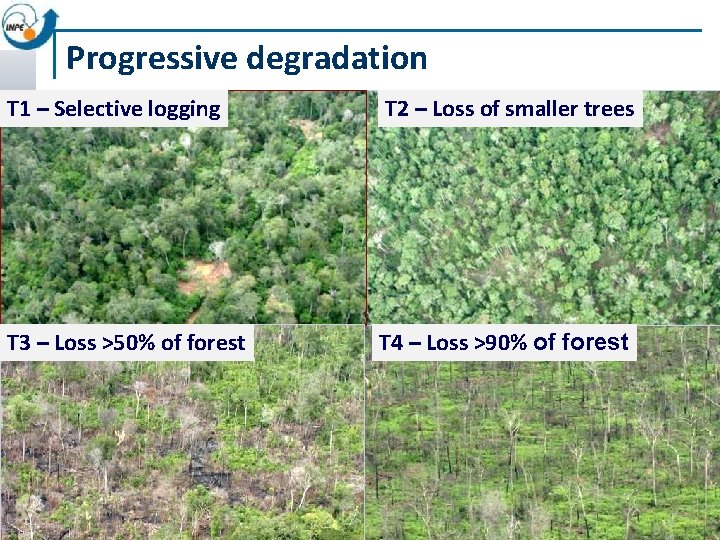
Progressive degradation T 1 – Selective logging T 2 – Loss of smaller trees T 3 – Loss >50% of forest T 4 – Loss >90% of forest
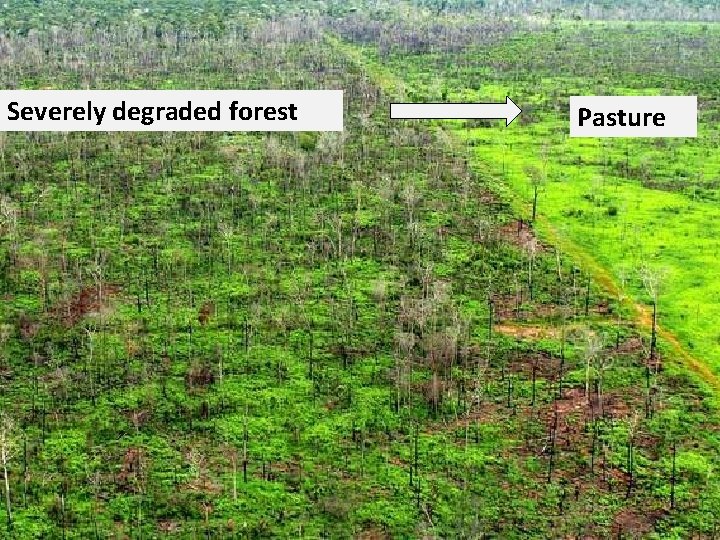
Severely degraded forest Pasture
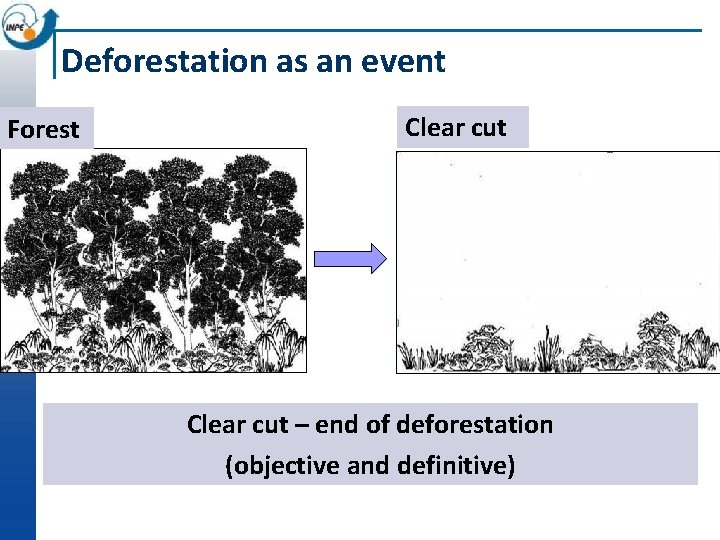
Deforestation as an event Forest Clear cut – end of deforestation (objective and definitive)
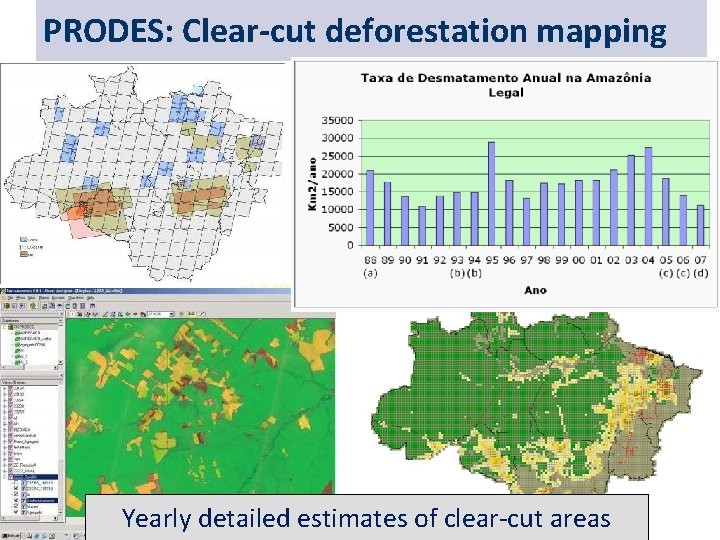
PRODES: Clear-cut deforestation mapping ~230 scenes Landsat/year Yearly detailed estimates of clear-cut areas
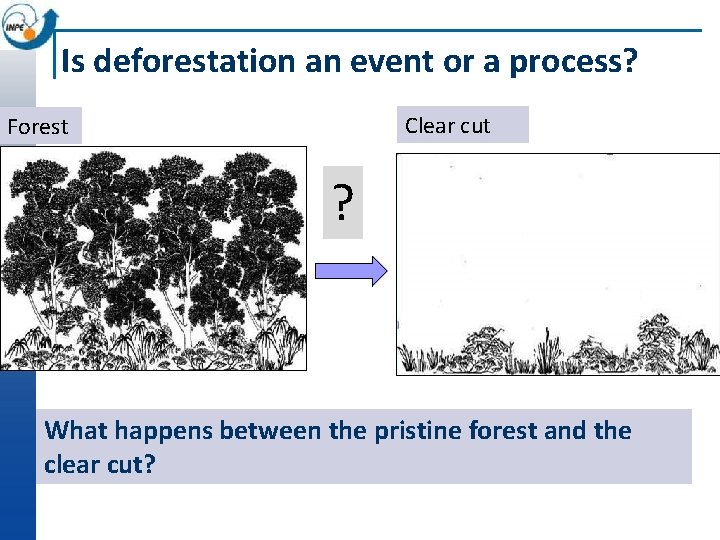
Is deforestation an event or a process? Clear cut Forest ? What happens between the pristine forest and the clear cut?
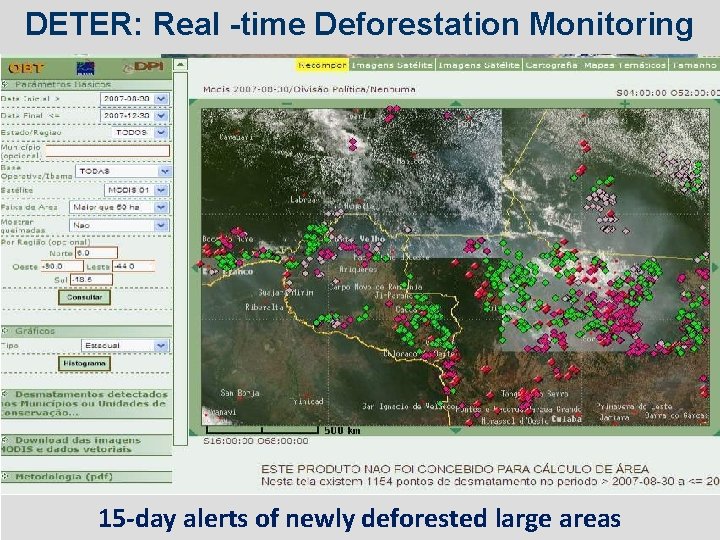
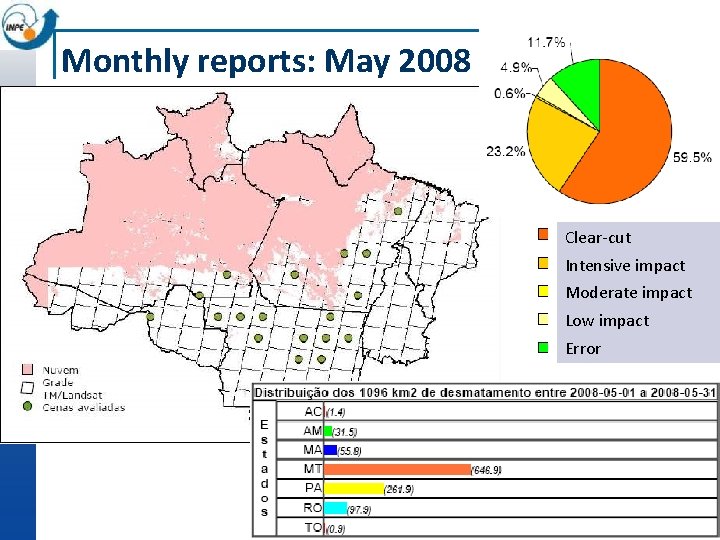
DETER: Real -time Deforestation Monitoring 15 -day alerts of newly deforested large areas
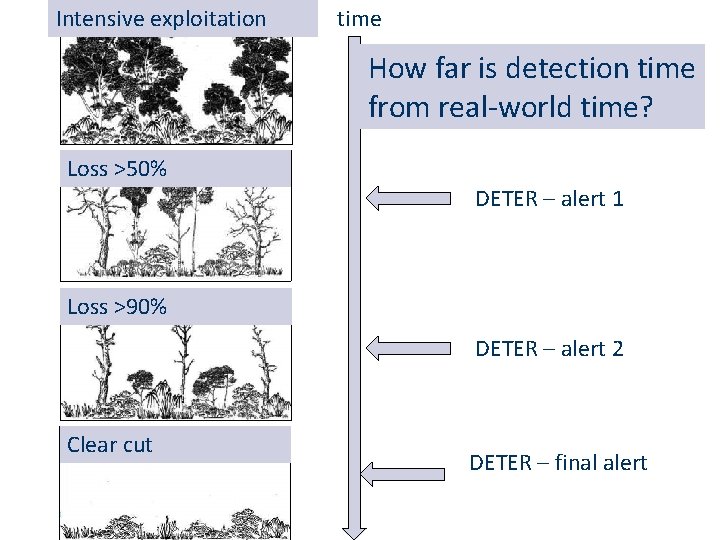
Exploração exploitation intensiva Intensive time How far is detection time from real-world time? Perda Loss >50%do dossel DETER – alert 1 Perda Loss >90%do dossel DETER – alert 2 Corte Clearraso cut Floresta DETER – final alert
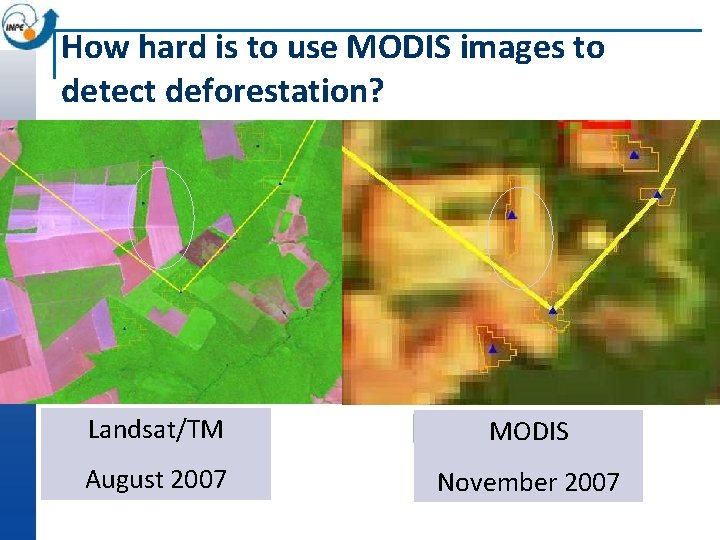
How hard is to use MODIS images to detect deforestation? Landsat/TM Alerta MODIS DETER nov-2007 August 2007 November 2007
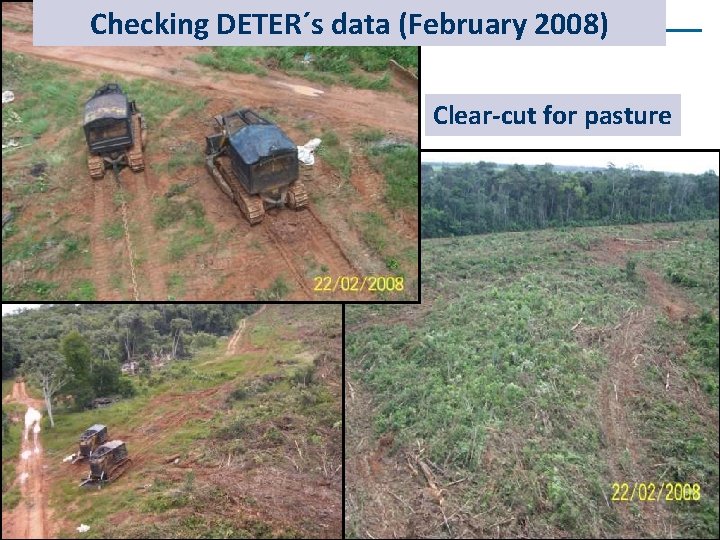
Checking DETER´s data (February 2008) Clear-cut for pasture
Monthly reports: May 2008 Clear-cut Intensive impact Moderate impact Low impact Error
Terra. Amazon – open source software for large-scale land change monitoring 116 -112 116 -113 166 -112 Spatial database (Postgre. SQL with vectors and images) 2004 -2008: 5 million polygons, 500 GB images
Comparison between Segmentation A comparison of segmentation programs for high resolution remote sensing data, G. Meinel, M. Neubert, ISPRS Congress, 2004
INPE’s space technology agenda “Global EO” – Brazil as global player in earth observation Bilateral agreements (China, Germany, UK) Multilateral Agreements (CEOS, GEO)
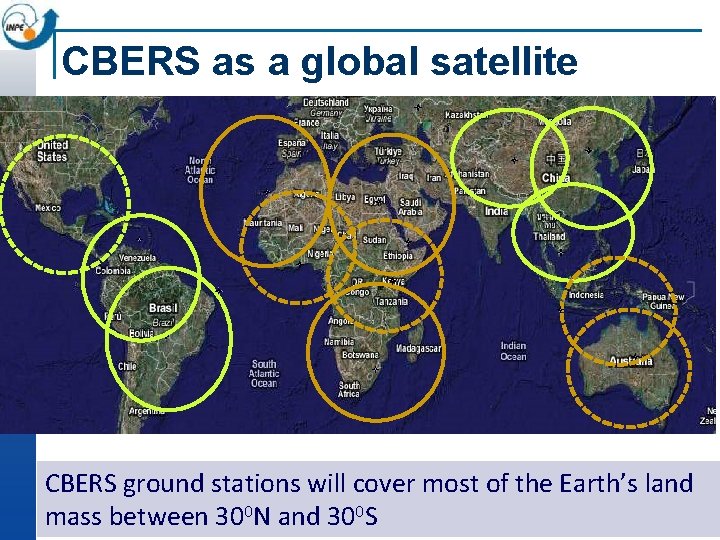
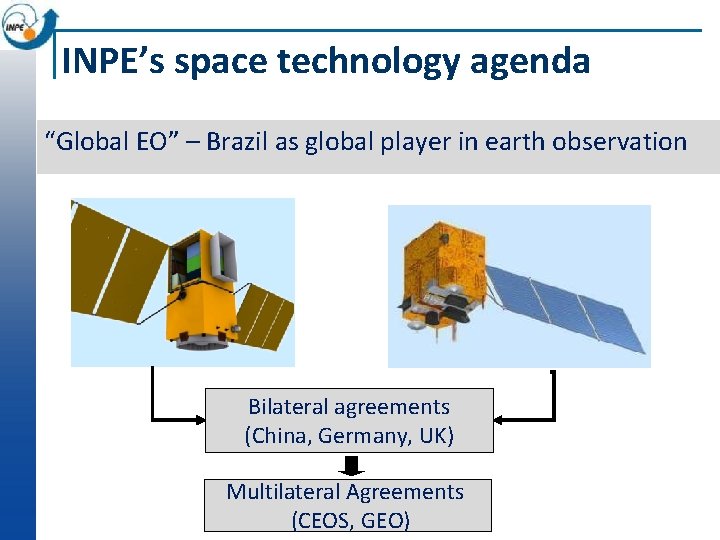
CBERS as a global satellite CBERS ground stations will cover most of the Earth’s land mass between 300 N and 300 S
“A few satellites can cover the entire globe, but there needs to be a system in place to ensure their images are readily available to everyone who needs them. Brazil has set an important precedent by making its Earth-observation data available, and the rest of the world should follow suit. ”
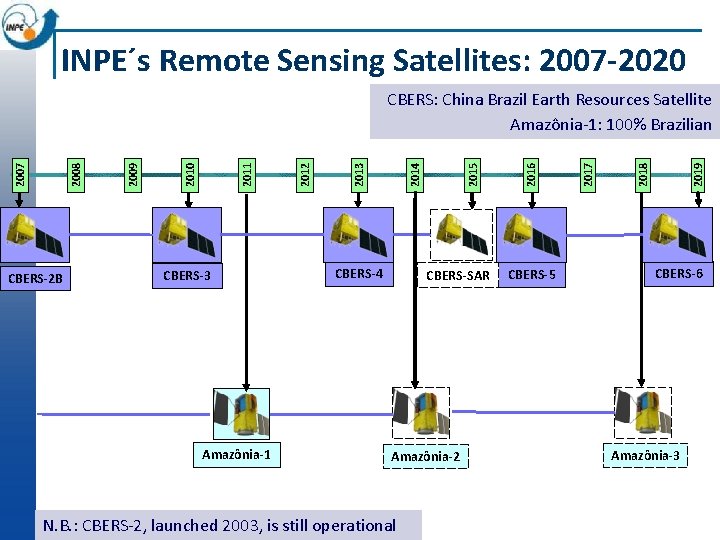
INPE´s Remote Sensing Satellites: 2007 -2020 CBERS-2 B CBERS-3 Amazônia-1 CBERS-4 CBERS-SAR Amazônia-2 N. B. : CBERS-2, launched 2003, is still operational CBERS-5 2019 2018 2017 2016 2015 2014 2013 2012 2011 2010 2009 2008 2007 CBERS: China Brazil Earth Resources Satellite Amazônia-1: 100% Brazilian CBERS-6 Amazônia-3
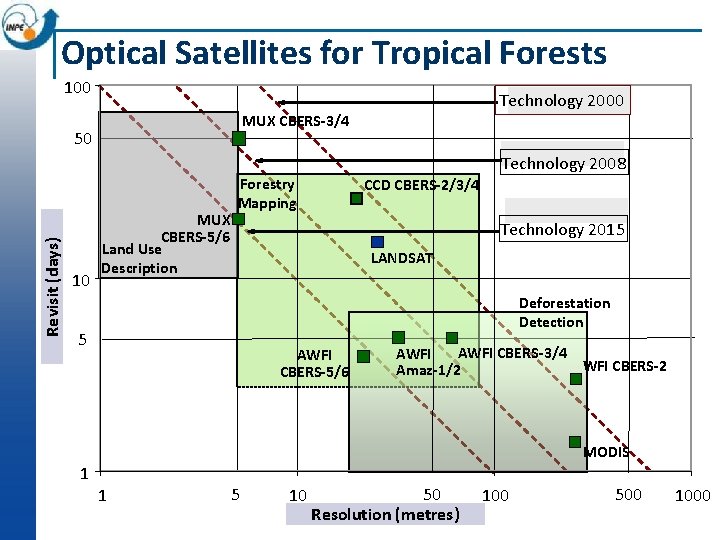
Optical Satellites for Tropical Forests 100 Technology 2000 MUX CBERS-3/4 Revisit (days) 50 10 MUX CBERS-5/6 Land Use Description Technology 2008 Forestry Mapping CCD CBERS-2/3/4 Technology 2015 LANDSAT Deforestation Detection 5 AWFI CBERS-5/6 AWFI CBERS-3/4 AWFI CBERS-2 Amaz-1/2 MODIS 1 1 5 10 50 Resolution (metres) 100 500 1000
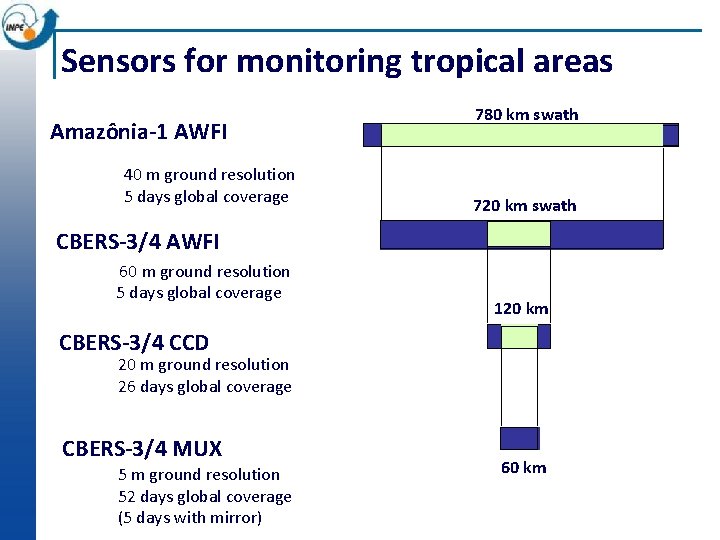
Sensors for monitoring tropical areas Amazônia-1 AWFI 40 m ground resolution 5 days global coverage 780 km swath 720 km swath CBERS-3/4 AWFI 60 m ground resolution 5 days global coverage 120 km CBERS-3/4 CCD 20 m ground resolution 26 days global coverage CBERS-3/4 MUX 5 m ground resolution 52 days global coverage (5 days with mirror) 60 km
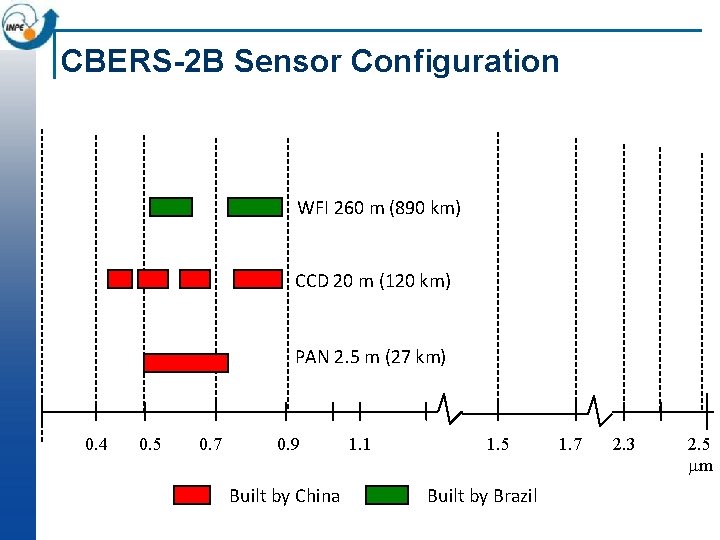
CBERS-2 B Sensor Configuration WFI 260 m (890 km) CCD 20 m (120 km) PAN 2. 5 m (27 km) 0. 4 0. 5 0. 7 0. 9 Built by China 1. 1 1. 5 Built by Brazil 1. 7 2. 3 2. 5 mm
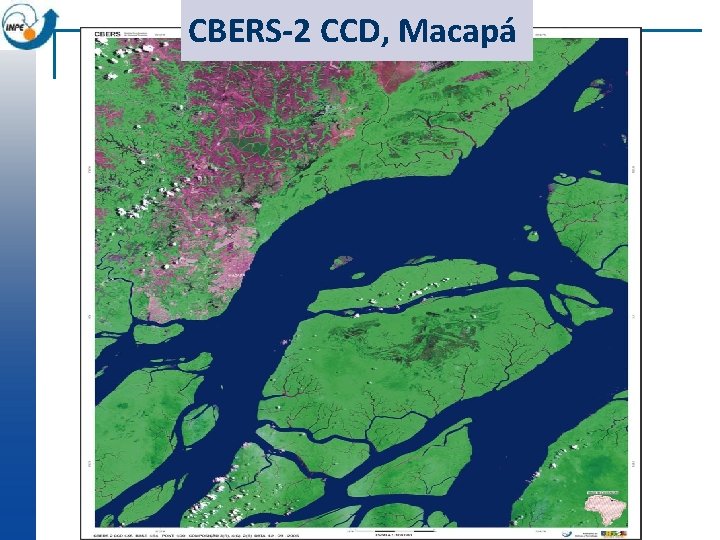
CBERS-2 CCD, Macapá
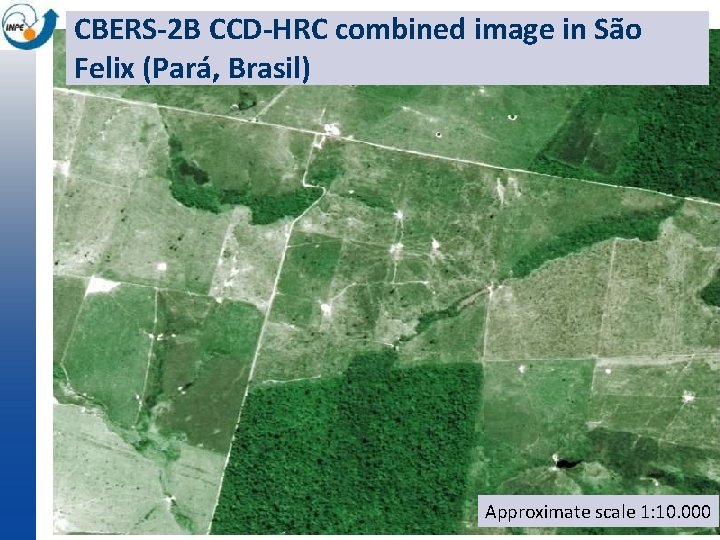
CBERS-2 B CCD-HRC combined image in São Felix (Pará, Brasil) Approximate scale 1: 10. 000
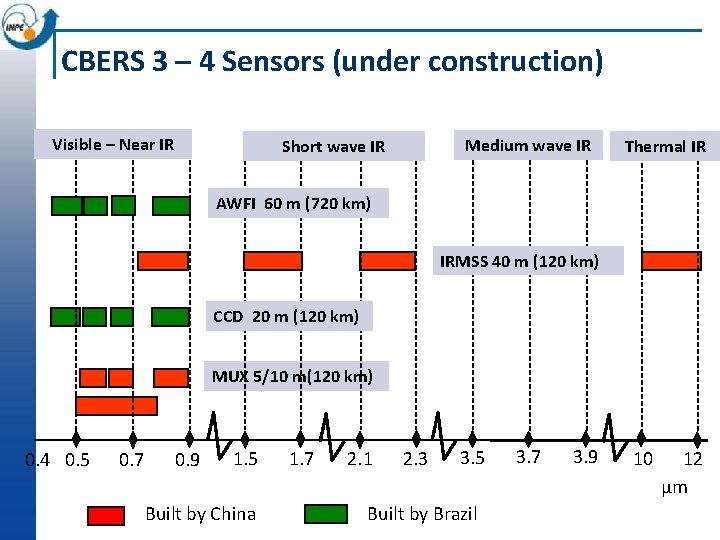
CBERS 3 – 4 Sensors (under construction) Visible – Near IR Medium wave IR Short wave IR Thermal IR AWFI 60 m (720 km) IRMSS 40 m (120 km) CCD 20 m (120 km) MUX 5/10 m(120 km) 0. 4 0. 5 0. 7 0. 9 1. 5 Built by China 1. 7 2. 1 2. 3 3. 5 Built by Brazil 3. 7 3. 9 10 12 µm
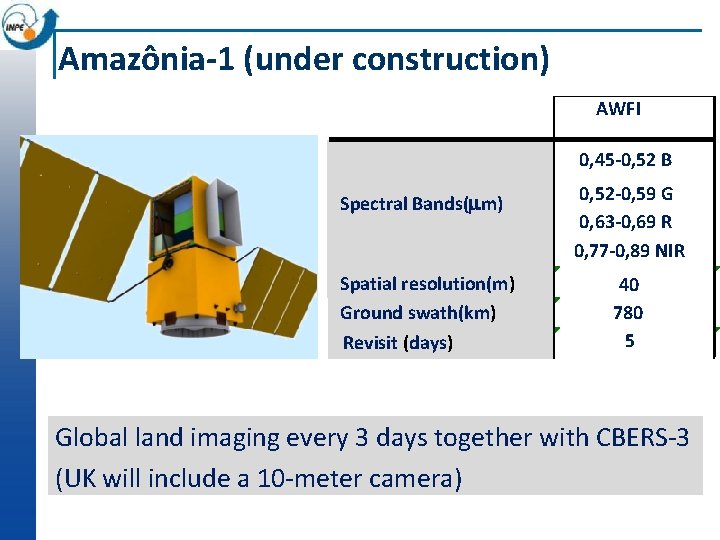
Amazônia-1 (under construction) AWFI 0, 45 -0, 52 B Spectral Bands( m) Spatial resolution(m) Ground swath(km) Revisit (days) 0, 52 -0, 59 G 0, 63 -0, 69 R 0, 77 -0, 89 NIR 40 780 5 Global land imaging every 3 days together with CBERS-3 (UK will include a 10 -meter camera)
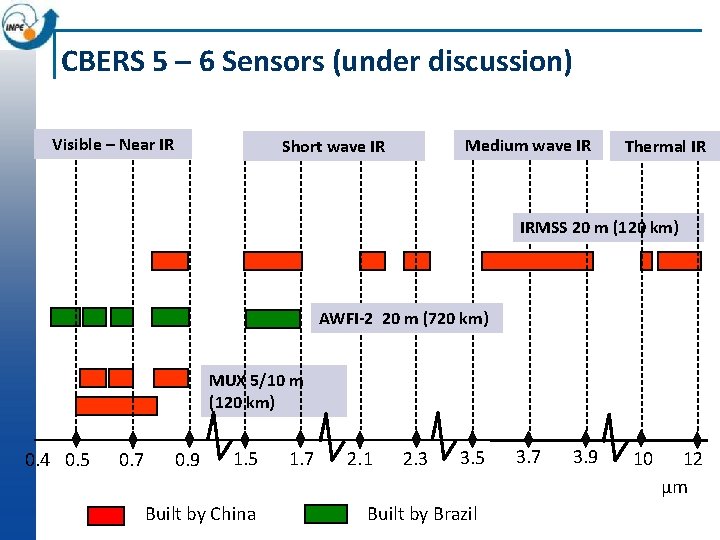
CBERS 5 – 6 Sensors (under discussion) Visible – Near IR Medium wave IR Short wave IR Thermal IR IRMSS 20 m (120 km) AWFI-2 20 m (720 km) MUX 5/10 m (120 km) 0. 4 0. 5 0. 7 0. 9 1. 5 Built by China 1. 7 2. 1 2. 3 3. 5 Built by Brazil 3. 7 3. 9 10 12 µm
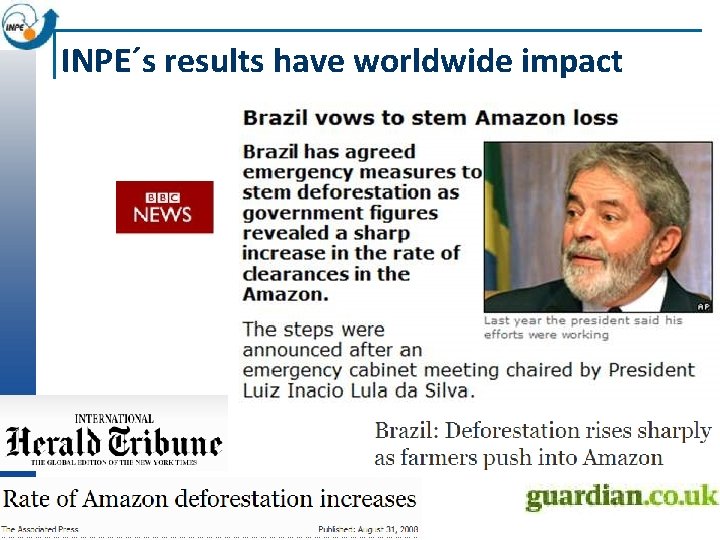
INPE´s results have worldwide impact
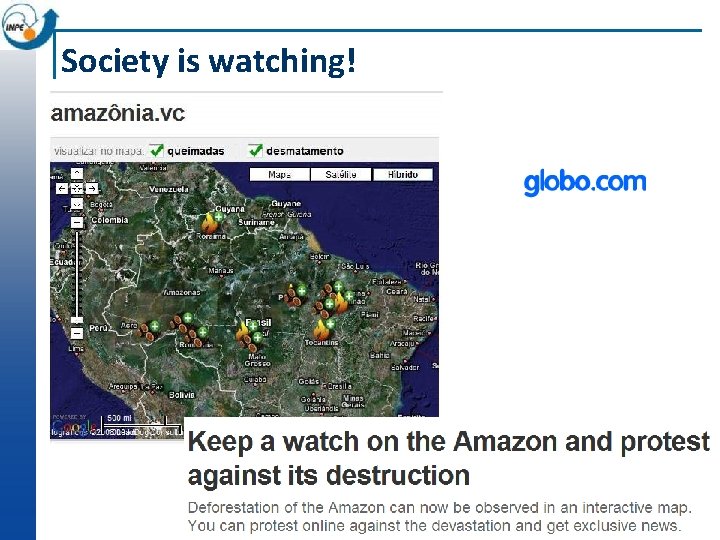
Society is watching!
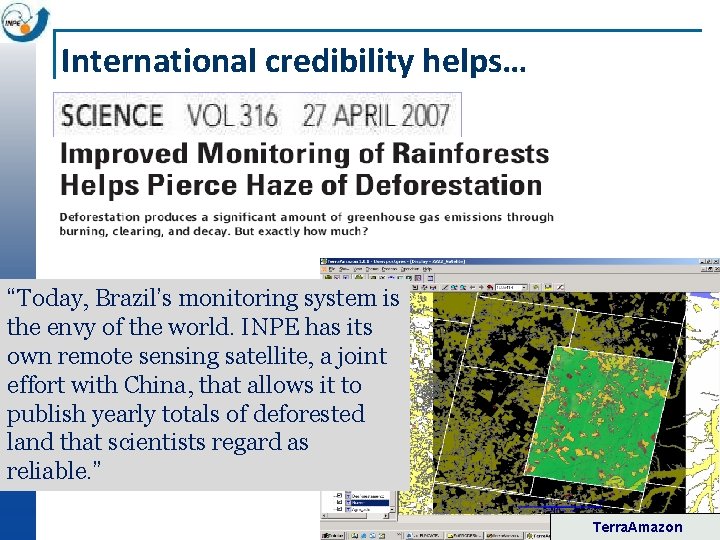
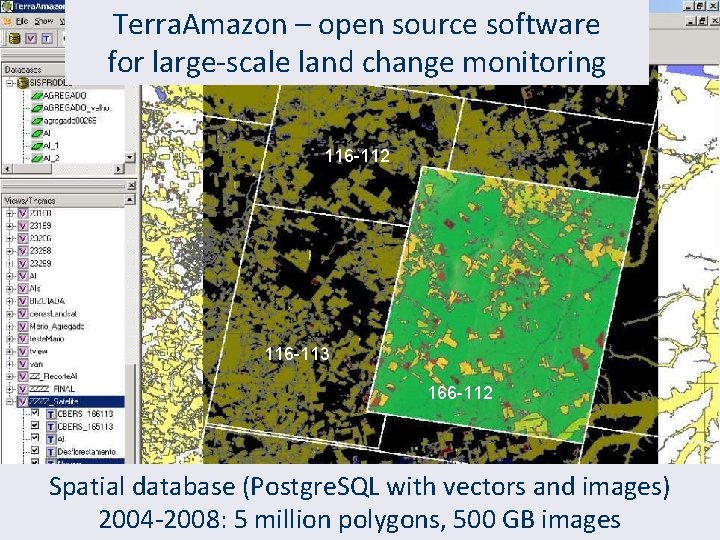
International credibility helps… “Today, Brazil’s monitoring system is the envy of the world. INPE has its own remote sensing satellite, a joint effort with China, that allows it to publish yearly totals of deforested land that scientists regard as reliable. ” Terra. Amazon
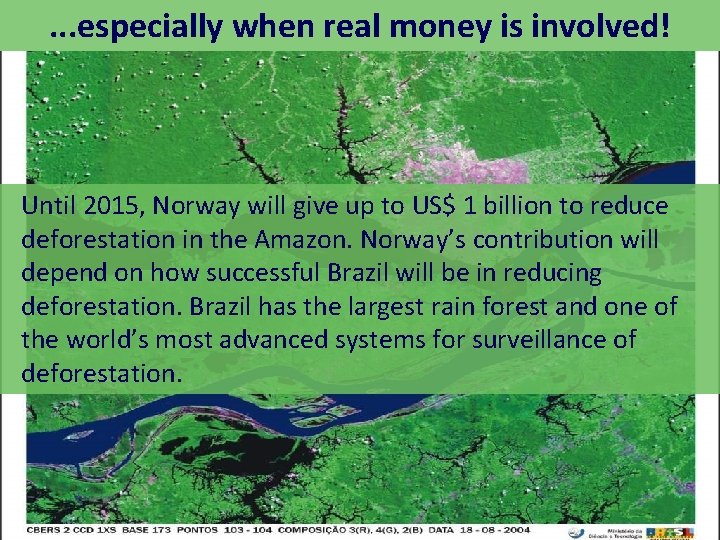
. . . especially when real money is involved! Until 2015, Norway will give up to US$ 1 billion to reduce deforestation in the Amazon. Norway’s contribution will depend on how successful Brazil will be in reducing deforestation. Brazil has the largest rain forest and one of the world’s most advanced systems for surveillance of deforestation.
- Slides: 35