
Molluscs Most Complex of the Invertebrates Molluscan Success
Molluscs Most Complex of the Invertebrates
Molluscan Success • Most closely related to Annelids ( segmented worms) based on protostome characteristics • Have a coelom, are triploblastic • Have declined dramatically with the rise of vertebrates, Currently 100, 000 living species • Subkingdom Lophotrochozoan along with annelids due to Larva (trochopore) and feeding structure
Molluscan Characteristics • Bilateral symmetry, two part body: Head- foot and Visceral Hump • Mantle- tissue surrounding visceral mass, secretes calcerous shell • Mantle cavity performs excretion, gas exchange, elimination, and reproductive cells • Open circulatory system in all but one class (Cephalopoda ) • Coelom surrounding heart and gonads

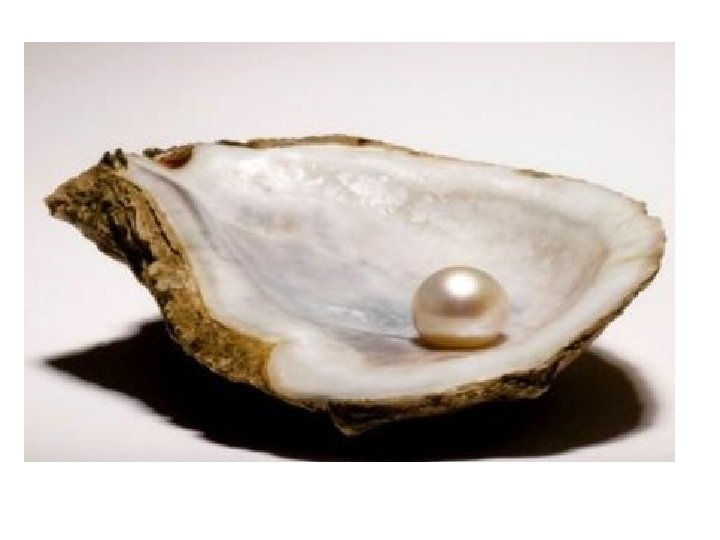
Molluscan Shell Structure • Shell secreted by Mantle, 3 Layers: • Periostracum- outer layer, rough, Protein • Prismatic- middle layer, thickest, calcium carbonate and organic material • Nacreous Layer- inner layer, thin sheets, calcium carbonate alternating with organic matter , Pearly layer • Some Molluscs have lost shell entirely or severely reduced
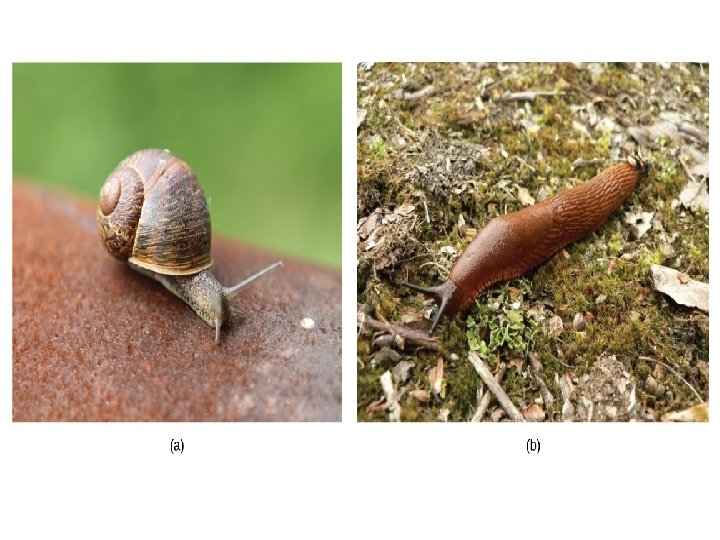
Gastropods (Stomach Footed) • Largest Class of Molluscs, Includes snails, limpets (Univalves) and slugs( Nudibranchs) • Marine, freshwater and Terrestrial varieties • Torsion of Body 180 degrees in shell- Positions gills, visceral mass and Anus just behind head • With torsion the head enters the shell first, foot last, covered by operculum (calcareous) • Digestive Tract U shaped, notches in shell allow wastes to escape

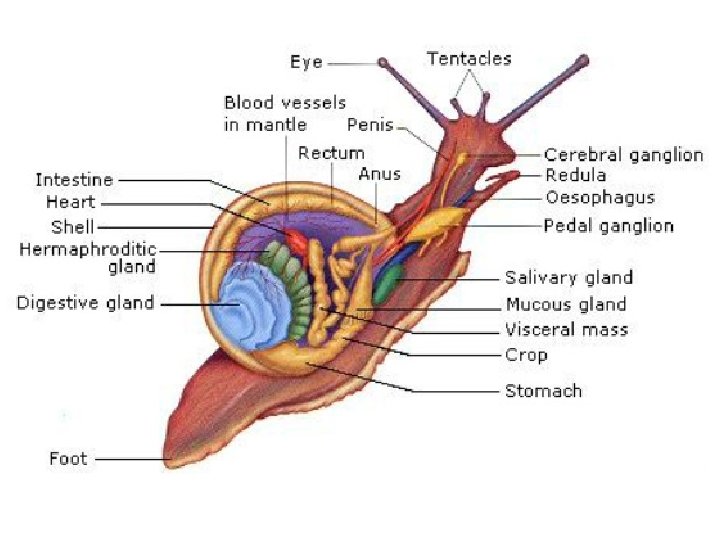
Gastropoda Structure • Shell Coiling- Asymmetrical in most modern snails, each successive coil larger than and ventral to the preceding coil, compact shell • Flattened foot, ciliated with gland cells, larger snails use muscular contractions to move • Modified foot in some for clinging (abalones, Limpets) or for swimming (Sea Hares)
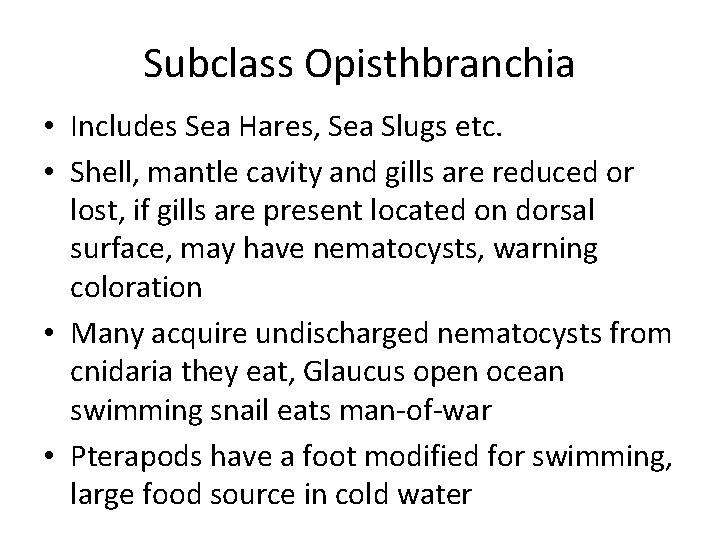
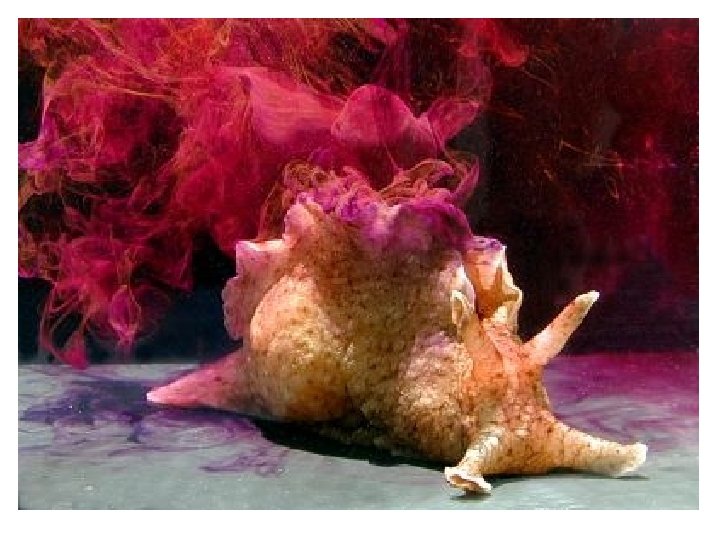
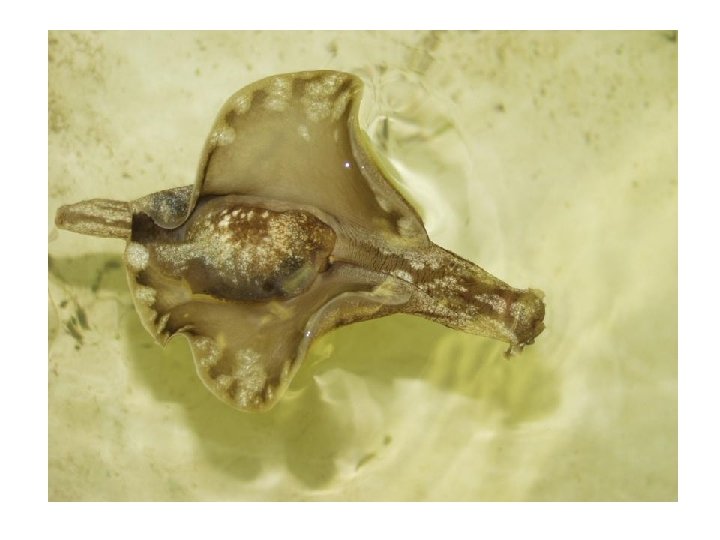
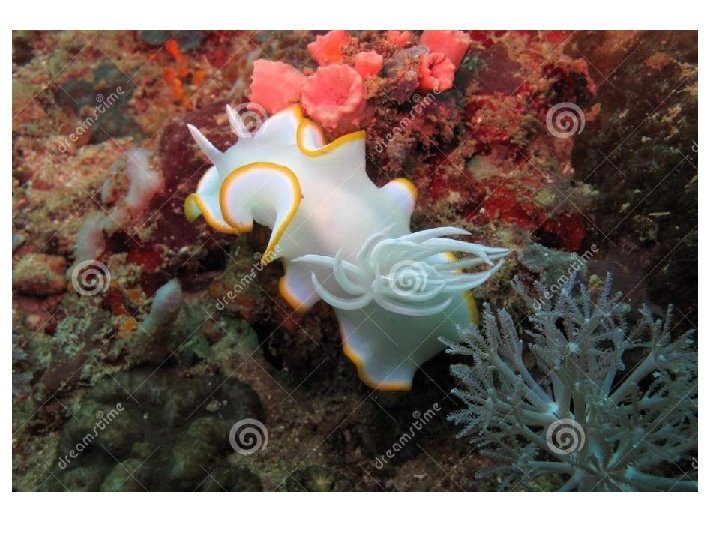
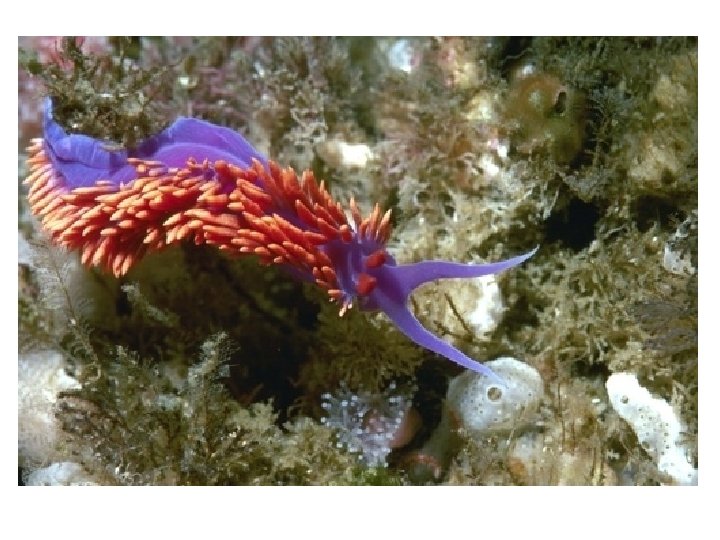
Subclass Opisthbranchia • Includes Sea Hares, Sea Slugs etc. • Shell, mantle cavity and gills are reduced or lost, if gills are present located on dorsal surface, may have nematocysts, warning coloration • Many acquire undischarged nematocysts from cnidaria they eat, Glaucus open ocean swimming snail eats man-of-war • Pterapods have a foot modified for swimming, large food source in cold water
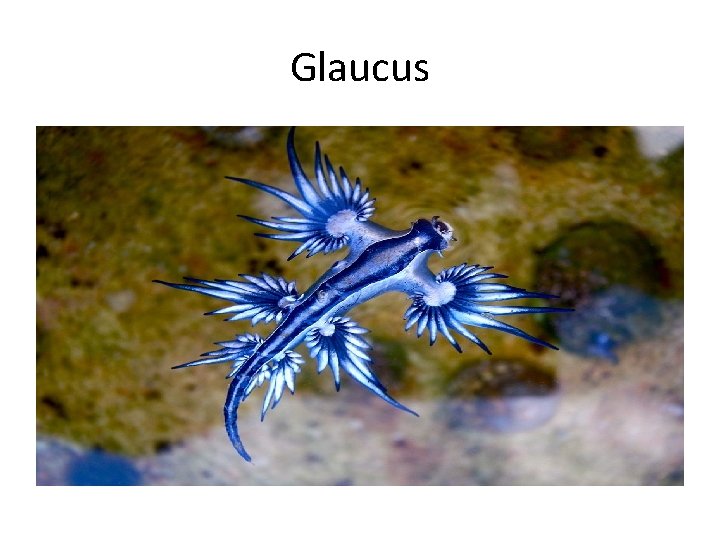
Glaucus

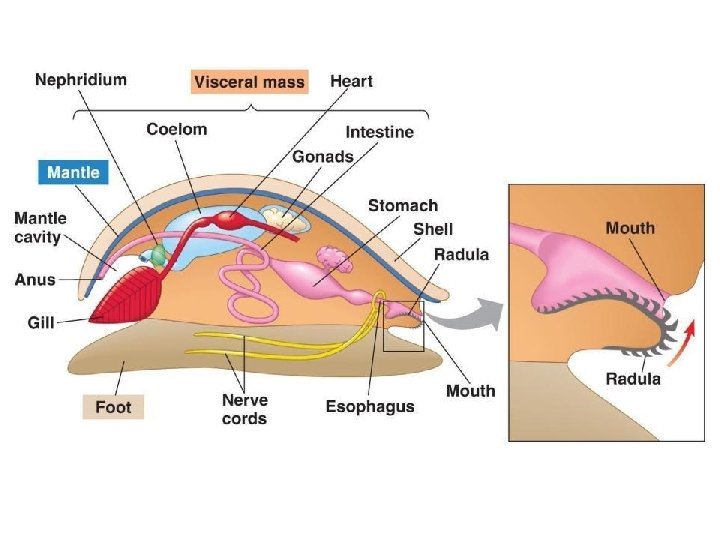
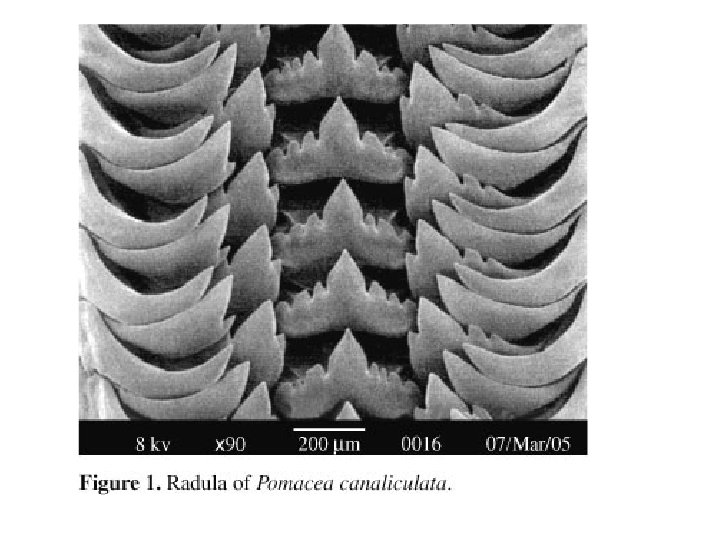
Gastropoda Feeding • Radula- Rasping structure chitinous belt with hooked teeth, muscles pull radula over a cartilage structure which can be extended from mouth. • Most feed by scraping Algae or small organisms from substrate (deposit feeders), some herbivores, scavengers, parasites and predators • Trap food on mucus strings which extend into stomach, rotated by cilia, digestion by enzymes
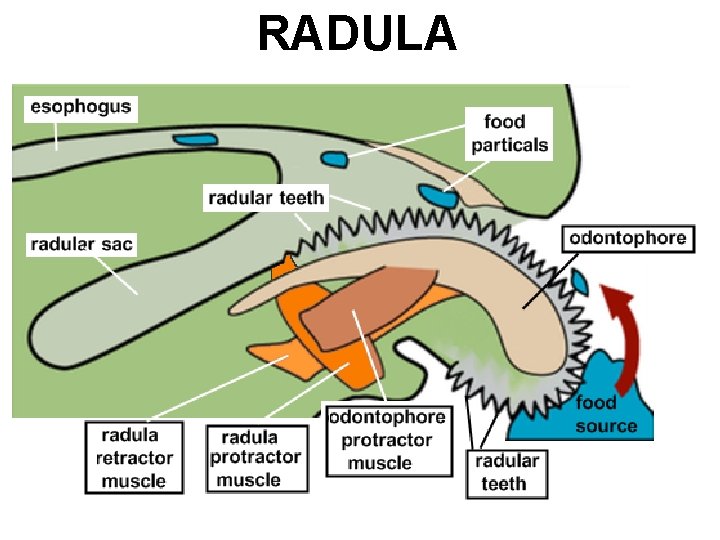
RADULA
Gastropod Anatomy • Carnivorous species have modified radula into a hollow Harpoon for injecting Tetrodoxin poison( causes respiratory paralysis) Cone snails • Siphon- a rolled extension of the mantle, extends out of shell, brings in water • Open circulatory system with 2 chambered Heart, Blood leaves blood vessels directly bathes tissues in sinuses
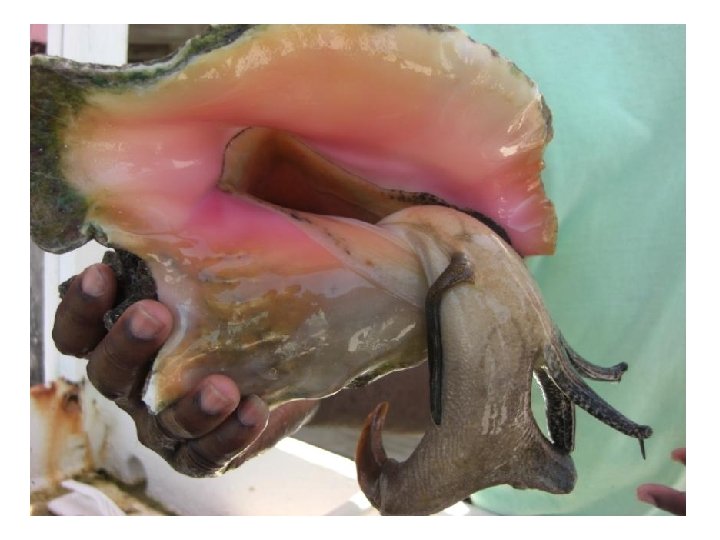
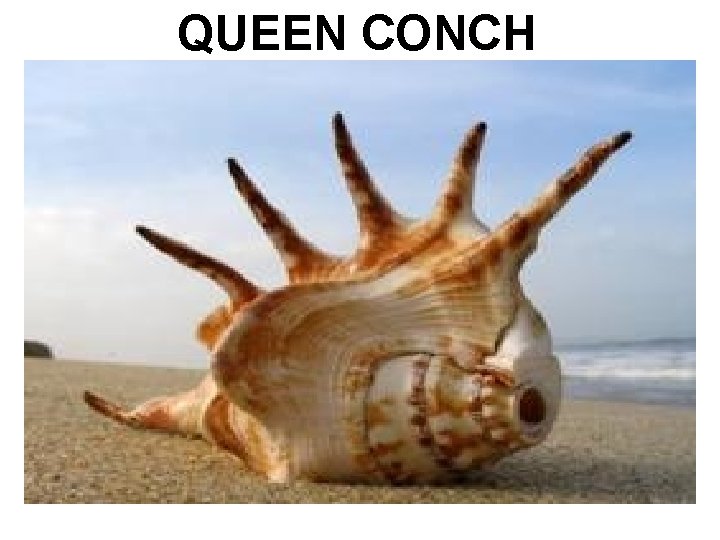
QUEEN CONCH
Gastropod Nervous System • Concentration of ganglia in Head • Eyes may be simple photoreceptors or may contain a Lens and Cornea, Stalked • Statocysts- balance organs • Osphridia- Chemoreceptors anterior wall of mantle cavity, Smell

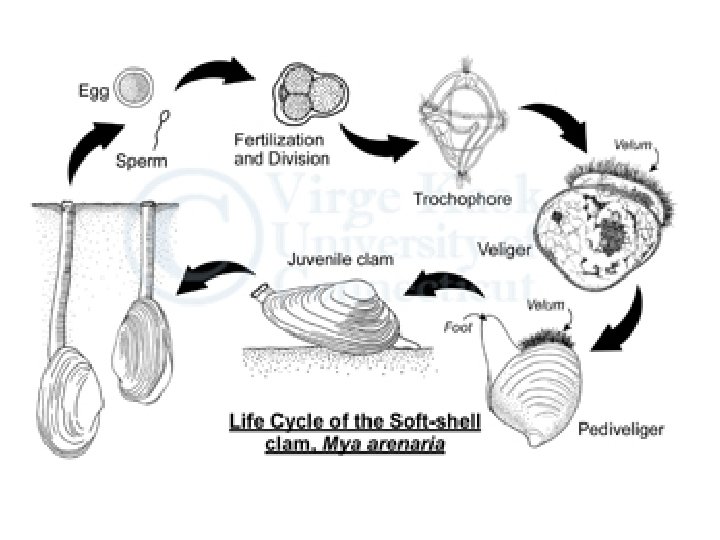
Gastropod Reproduction • Many are Dioecious, discharge gametes into sea, external fertilization • Some Monoecious, internal cross fertilization is the rule, some Protandric where testes develop first and degenerate, ovaries develop later • Trochophore Larva- free swimming • Veliger Larva- free swimming with foot, eyes, shell, settle on bottom undergo metamorphosis

TROCHOPHORE
Bivalve Class • Second largest Molluscan class, includes Clams, Oysters, mussels and scallops • Two convex halves to shell (valves), some produce pearls • Dorsal margin has proteinaceous hinge • Teeth- tongue and groove modifications to shell keep it from twisting • Most Filter feeders, Sedentary, clean bacteria from water
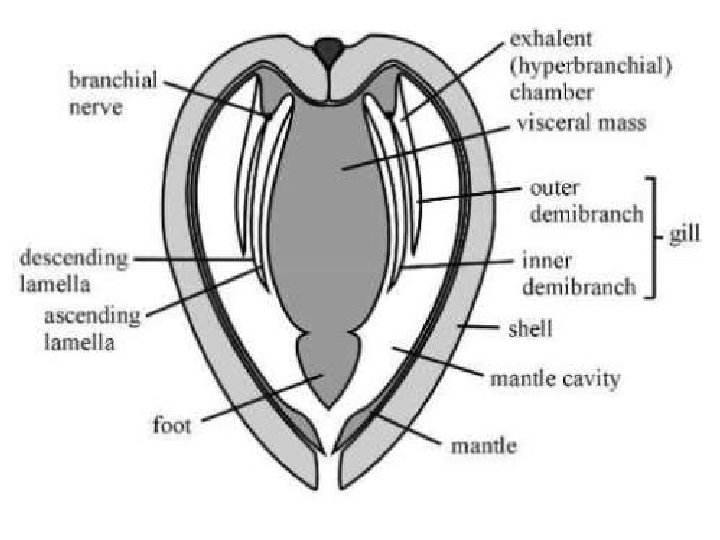
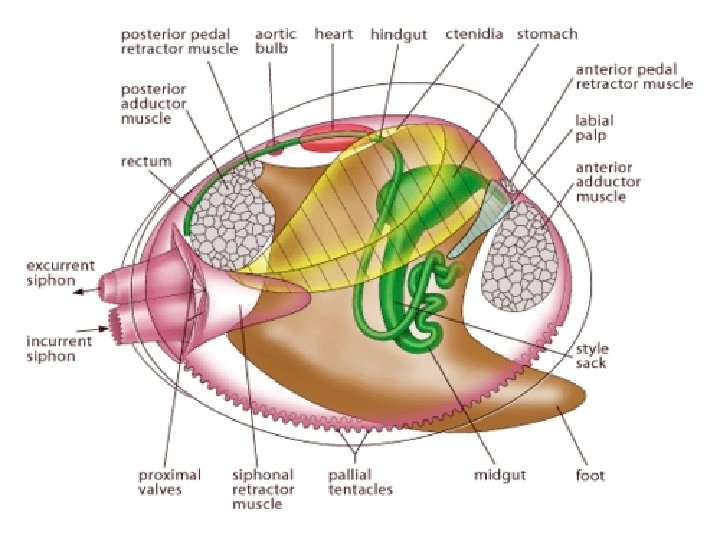
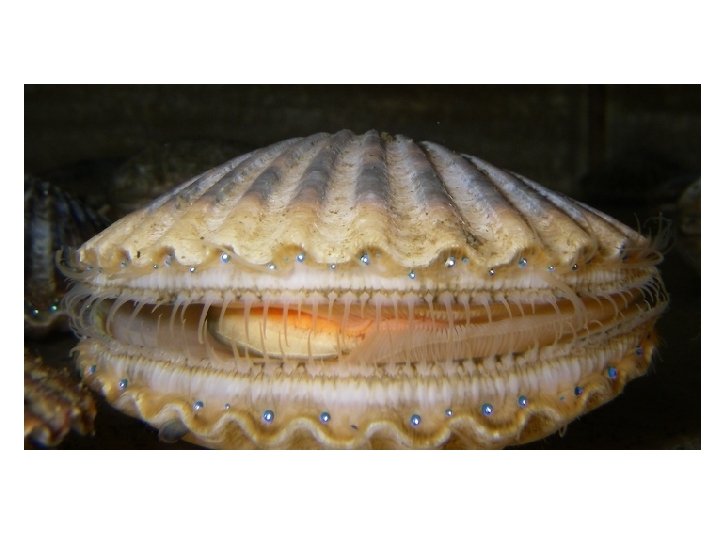
Bivalve Anatomy • Loss of Head and Radula, Expansion of cilia covered gills, Folded ( increase surface area) • Water enters mantle cavity thru incurrent siphon, movement of cilia does pumping, water circulates thru water tubes in gills exchange O 2 and CO 2 with blood, exits thru excurrent opening in mantle • Food is trapped by the gills and carried to the mouth by cilia who sort thru it, expell particles too large
Cephalopoda (head footed) • Includes octopus, squid, cuttlefish and nautilus • Anterior portion of foot modified into tentacles or arms used for capturing prey, attachment, locomotion and copulation • Foot incorporated into a funnel attached to the highly muscular mantle cavity used for jetting locomotion • Head in line with the visceral hump
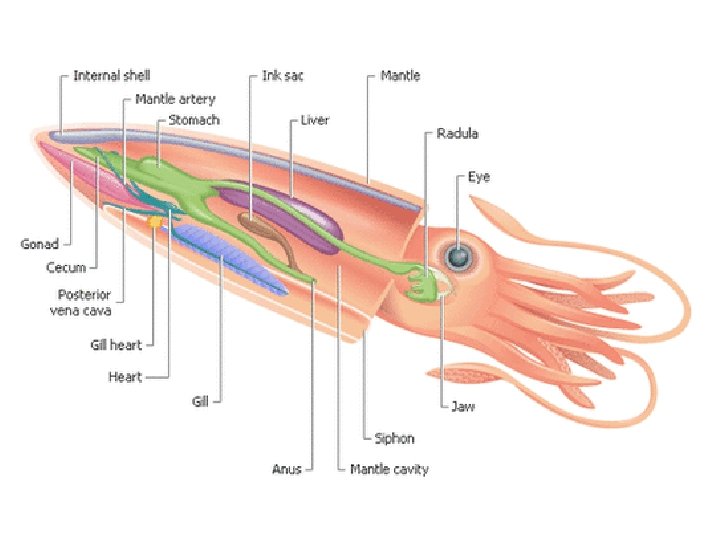
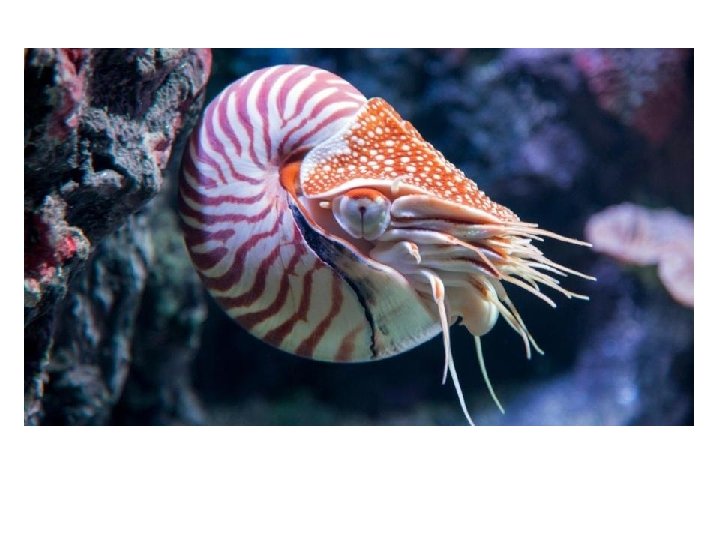
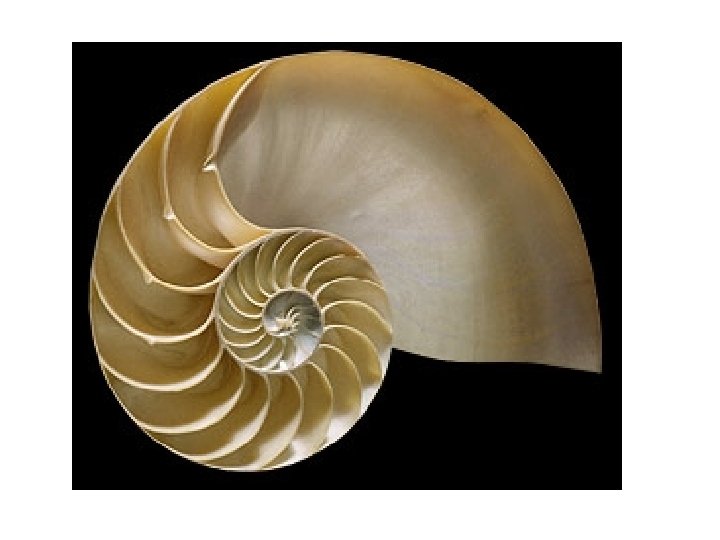
Shell • Nautilus is the only member with an external shell, last chamber only one occupied the rest are gas filled, control bouyancy • Cuttle fish- internal cuttle bone, made of thin layers • Squid- internal chitinous structure called a pen, two long thin rods, also have cartilage plates in the head, mantle wall, and neck for protection and support
Locomotion • Mantle contains radial and circular muscles, radial bring water in, circular expels it • Muscles attached to siphon control direction of animals movement • Posterior fins aid in steering, propulsion and stabilization • Octopus normally crawl over bottom, jet to escape predators
Feeding and Digestion • Excellent Vision, vertebrate like eye, locates prey, captured by tentacles or extensible arms • Tentacles equipped with suction cups, some have edge reinforced with tough protein and hooks • Mouth has jaws and a radula, Jaws are beak shaped and radula rasps food into mouth • Octopus have salivary glands that inject venom
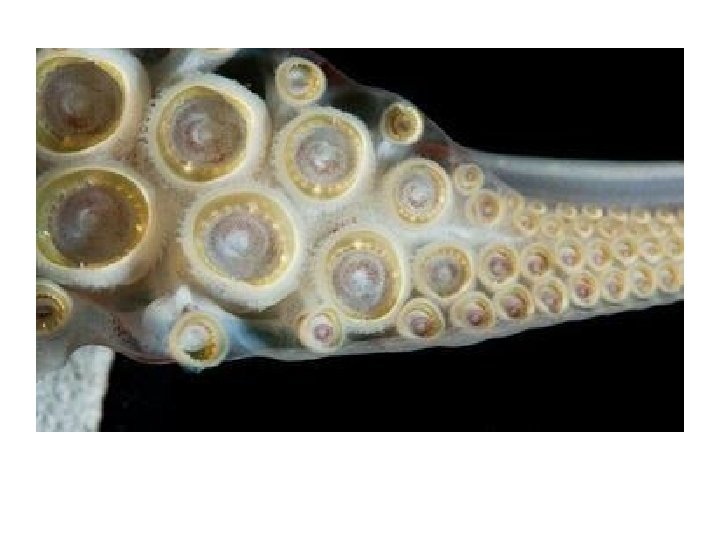
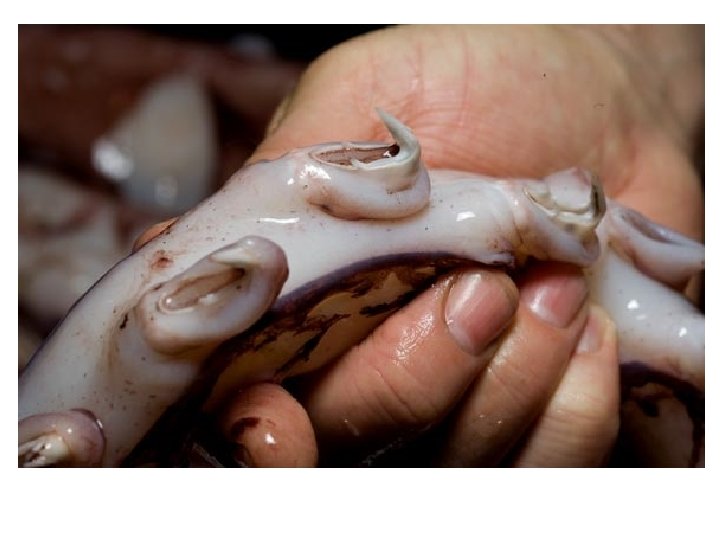
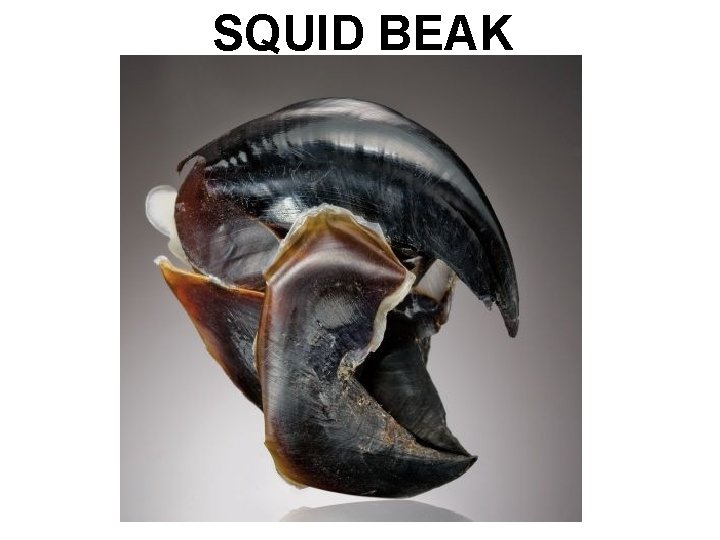
SQUID BEAK
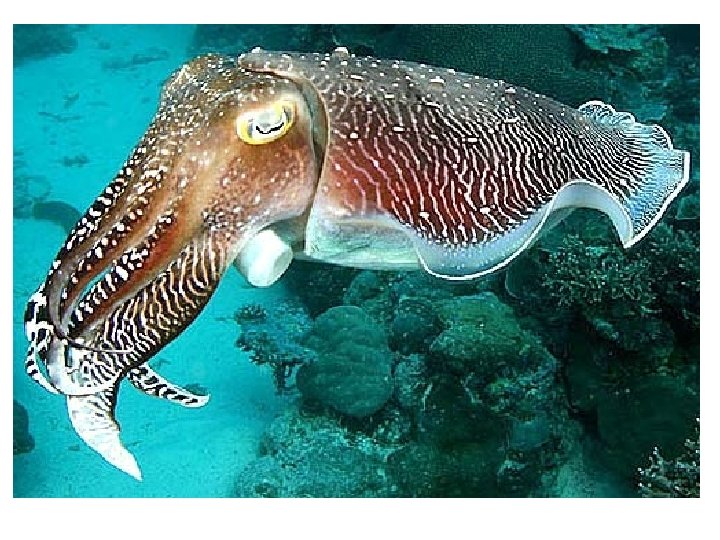
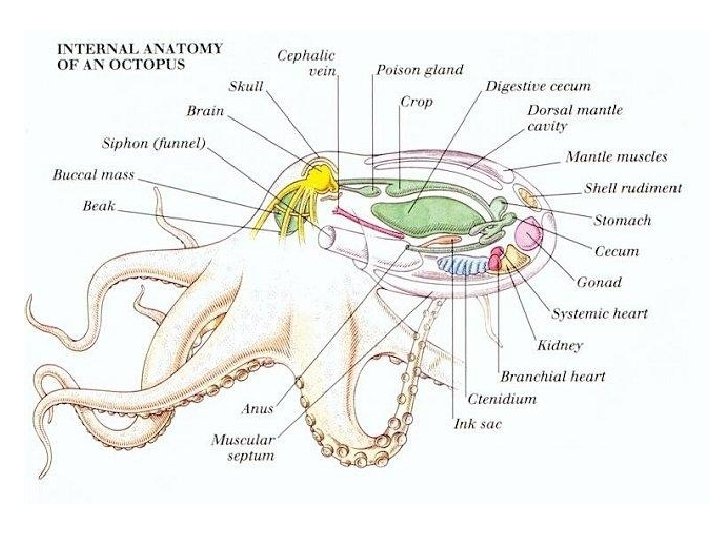
Cephalopod Anatomy • Closed circulatory System with arteries, veins and capillaries, 3 chambered heart • Brachial hearts at the base of each gill • Nephridia collect wastes directly from blood • Complex nervous system, statocyst, chemoreceptors • Chromatophores and irridophores change color of body, camoflage, warning coloration
Class Polyplacophora • Chitons- have a reduced head, flattened foot and a shell divided into 8 segments (valves) • Muscular mantle extends beyond shell covers foot • Muscular foot creates suction holds animal tight to rocks, if dislodged rolls into ball • Feed on attached algae with radula • Body Indicates early ancestral segmentation
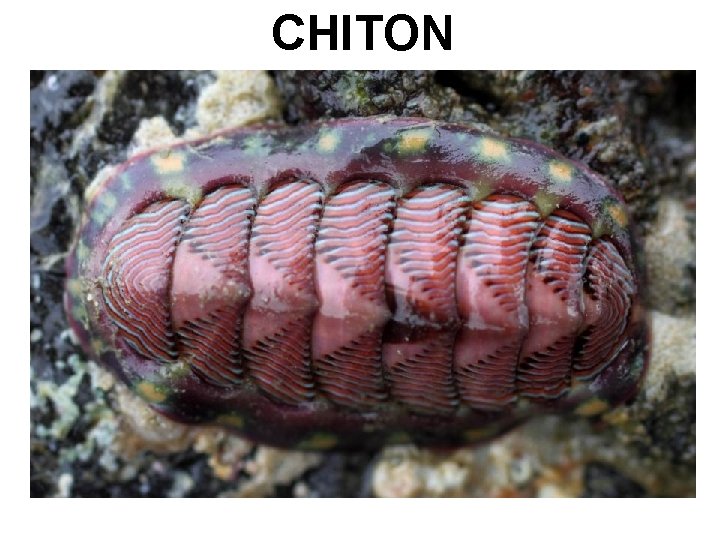
CHITON
- Slides: 47