
MOLECULES OF LIFE This lecture aims to introduce
- Slides: 12
MOLECULES OF LIFE This lecture aims to introduce: • The four major groups of organic compounds present in living systems. • The relationship between monomers and polymers. • Why carbon has specific advantages for building complex molecules. Purves et al Life: The Science of Biology Chapter 2: Small Molecules: Structure and Behavior Chapter 3: Macromolecules: Their Chemistry and Biology
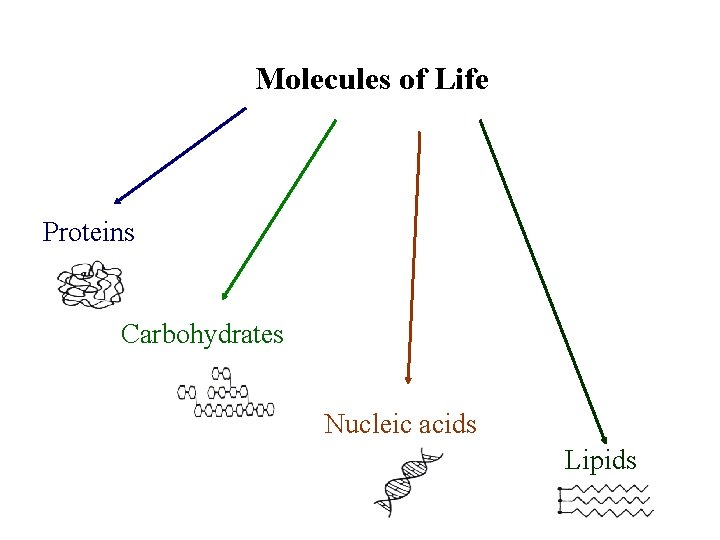
Molecules of Life Proteins Carbohydrates Nucleic acids Lipids
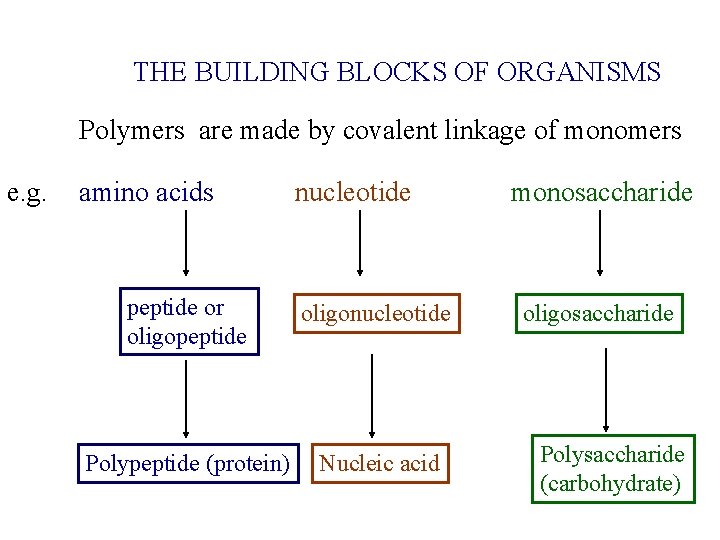
THE BUILDING BLOCKS OF ORGANISMS Polymers are made by covalent linkage of monomers e. g. amino acids nucleotide peptide or oligopeptide oligonucleotide Polypeptide (protein) Nucleic acid monosaccharide oligosaccharide Polysaccharide (carbohydrate)
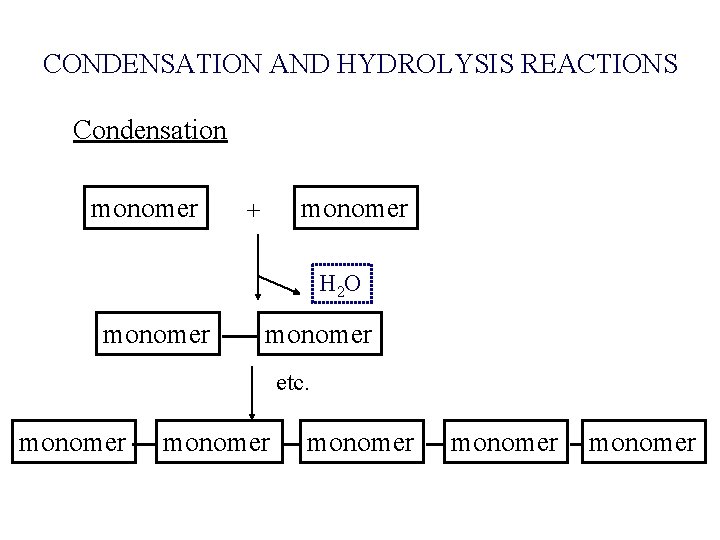
CONDENSATION AND HYDROLYSIS REACTIONS Condensation monomer + H 2 O monomer etc. monomer monomer
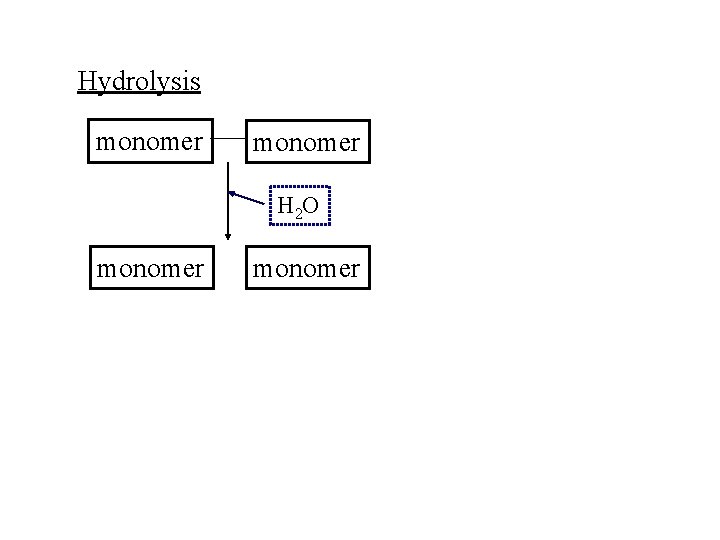
Hydrolysis monomer H 2 O monomer
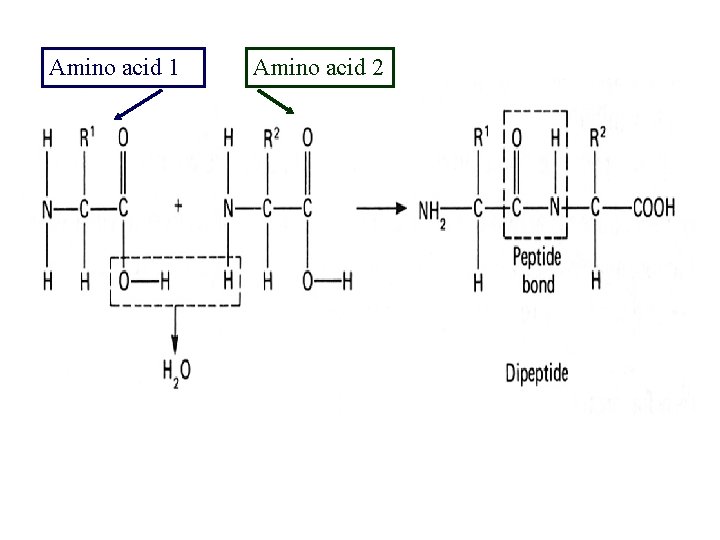
Amino acid 1 Amino acid 2
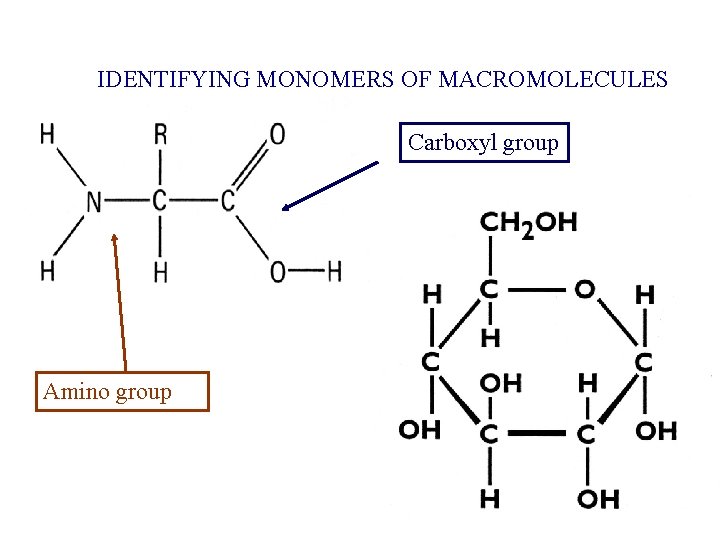
IDENTIFYING MONOMERS OF MACROMOLECULES Carboxyl group Amino group
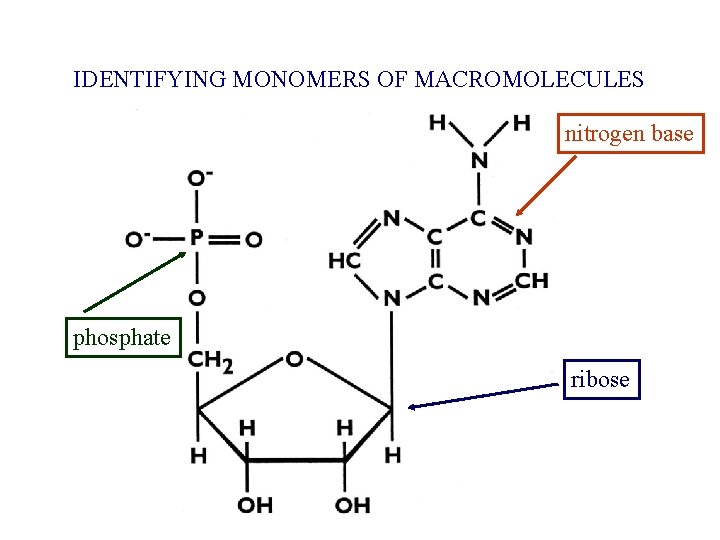
IDENTIFYING MONOMERS OF MACROMOLECULES nitrogen base phosphate ribose
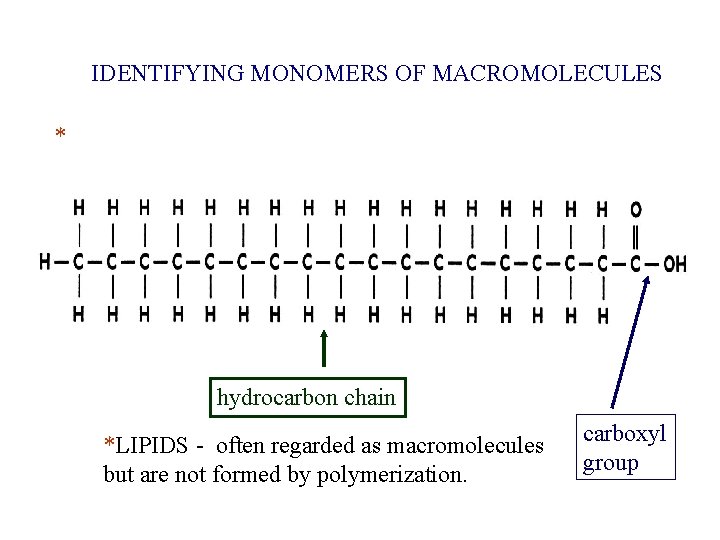
IDENTIFYING MONOMERS OF MACROMOLECULES * hydrocarbon chain *LIPIDS - often regarded as macromolecules but are not formed by polymerization. carboxyl group
THE IMPORTANCE OF CARBON Carbon forms covalent bonds with as many as four other atoms. Carbon in organic compounds can bond to a variety of other atoms.
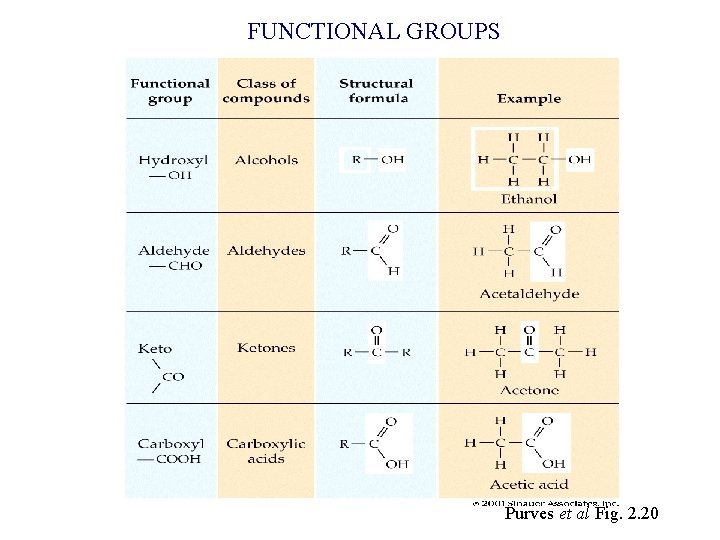
FUNCTIONAL GROUPS Purves et al Fig. 2. 20
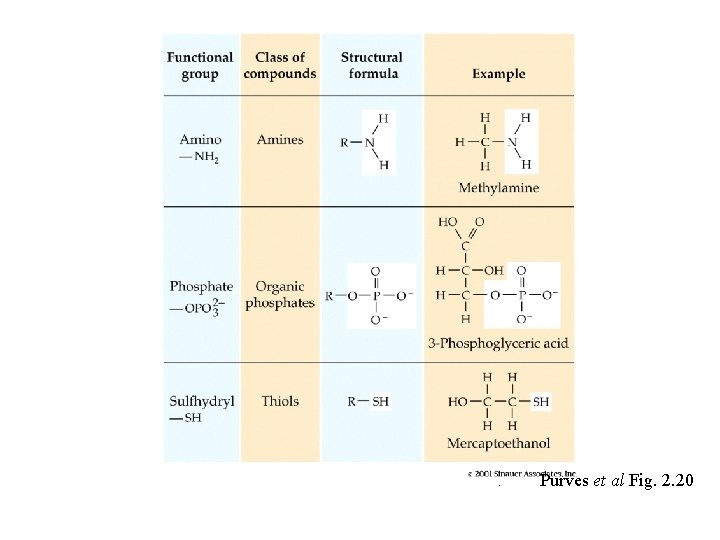
. Purves et al Fig. 2. 20