
Molecular Genetics of Neurological Disorders Said Ismail Faculty
- Slides: 45
Molecular Genetics of Neurological Disorders Said Ismail Faculty of Medicine University of Jordan
Outline: - Neurodegenerative disorders: - affecting movement - Parkinson's disease (PD) - memory loss and Dementia - Alzheimer - Tri-nucleotide repeat disorders: (CAG repeat disorders) - Infantile - Huntington’s Disease (HD) - Spinal Muscular Atrophy (SMA) - Other disorders: - Epilepsy - Schizophrenia - Fragile X syndrome - Future prospective (Also a Tri-nucleotide repeat disorder) - Diagnosis & Therapy
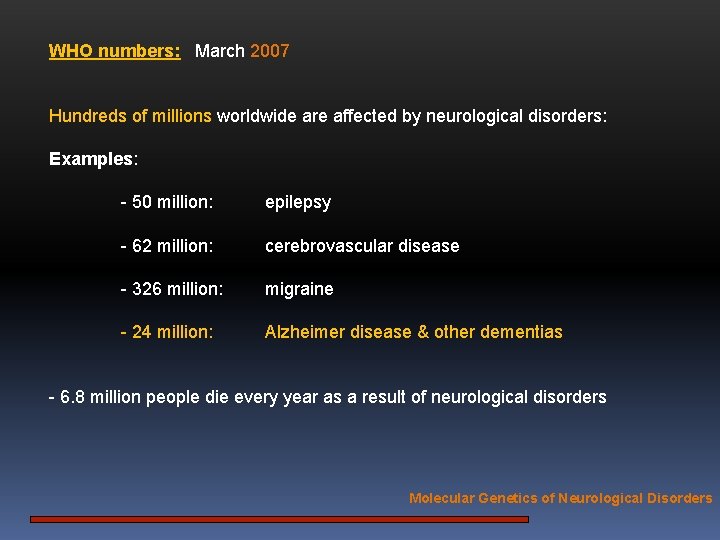
WHO numbers: March 2007 Hundreds of millions worldwide are affected by neurological disorders: Examples: - 50 million: epilepsy - 62 million: cerebrovascular disease - 326 million: migraine - 24 million: Alzheimer disease & other dementias - 6. 8 million people die every year as a result of neurological disorders Molecular Genetics of Neurological Disorders
Neurodegenerative disorders Molecular Genetics of Neurological Disorders
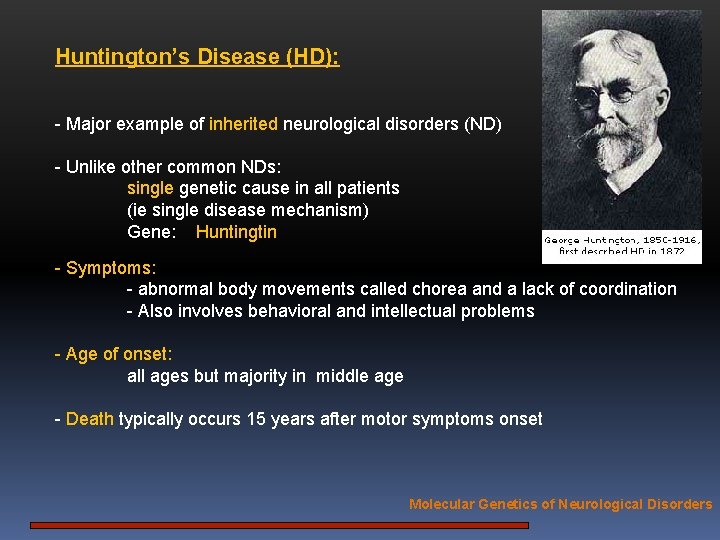
Huntington’s Disease (HD): - Major example of inherited neurological disorders (ND) - Unlike other common NDs: single genetic cause in all patients (ie single disease mechanism) Gene: Huntingtin - Symptoms: - abnormal body movements called chorea and a lack of coordination - Also involves behavioral and intellectual problems - Age of onset: all ages but majority in middle age - Death typically occurs 15 years after motor symptoms onset Molecular Genetics of Neurological Disorders
HD Inheritance and Genetics: - All cases: due to expansion of the CAG tri-nucleotide repeat in the HD gene - HD gene is found on short arm of chromosome 4 - Normally: 6 – 34 CAG units (>34 → HD) - In rare HD Heterozygotes, the longer repeat determines the age of onset (the second repeat has no effect): HD is autosomal dominant (at least in regard to age of onset) Molecular Genetics of Neurological Disorders
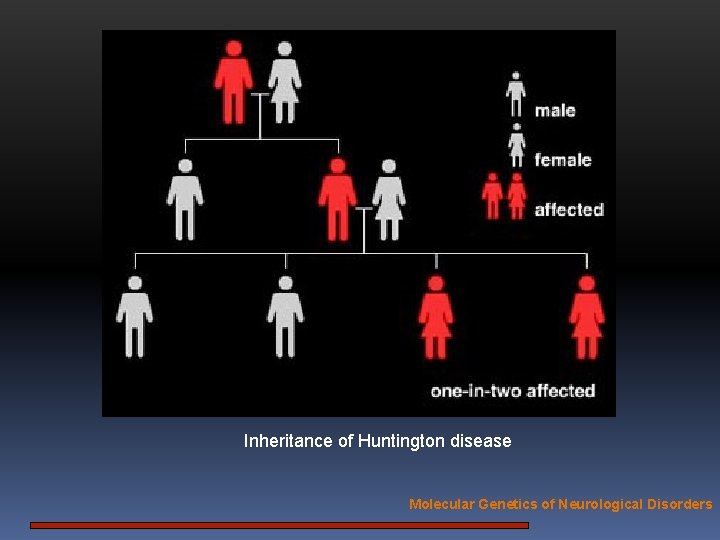
Inheritance of Huntington disease Molecular Genetics of Neurological Disorders
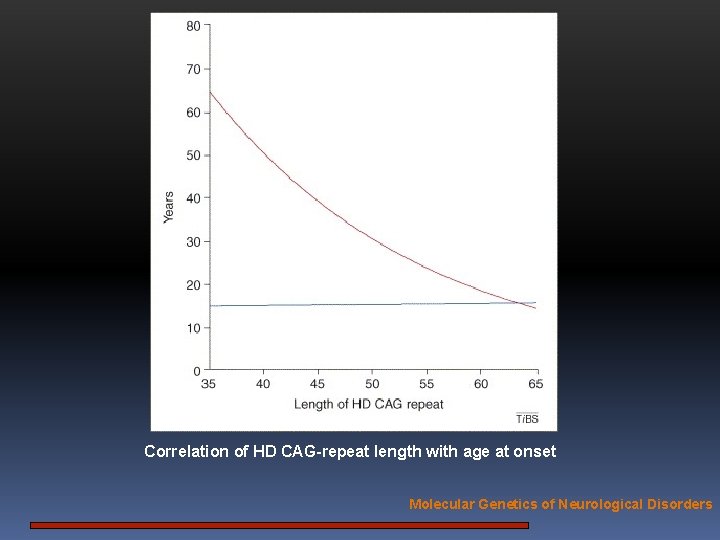
The extended CAG repeat: - ln coding sequence near 5’ end of HD gene - > 34: Inheritance is meiotically not stable (specially from father) - Instability is greater in spermatogenesis than oogenesis → Child has longer CAG region than father (earlier onset) called → Anticipation - Age of Onset: - depend largely on length of CAG repeat - (Longer CAG repeat = Younger age of onset) - Survival: - NO correlation bet. CAG length & Duration (onset → death) - Progression of symptoms: - Little correlation with CAG length Conclusion: Mechanism of disease onset might be different from mechanism of disease progression Molecular Genetics of Neurological Disorders
Correlation of HD CAG-repeat length with age at onset Molecular Genetics of Neurological Disorders
Cont. - CAG repeats: Encodes poly-Glutamine tract beginning 18 aa of the N-terminus - HD protein: “Huntingtin” large (> 3, 100 aa) - expressed in both neuronal and non-neuronal tissues - expression not limited to neurons affected in HD !! - Polyglutamine tract: - HD is caused by: causes misfolding of protein → loss of function - Loss of function of Normal proetin - toxic (bad !) function of mutated protein Molecular Genetics of Neurological Disorders
Toxic effect of HD polyglutamine tract: - Still not very clear - Only the N-terminus of Huntingtin is necessary for HD symptoms - General hypothesis: - HD is a conformational disease in which the pathogenic pathway is triggered In some manner by protein mis-folding and its consequences including Formation of aggregate structures Molecular Genetics of Neurological Disorders
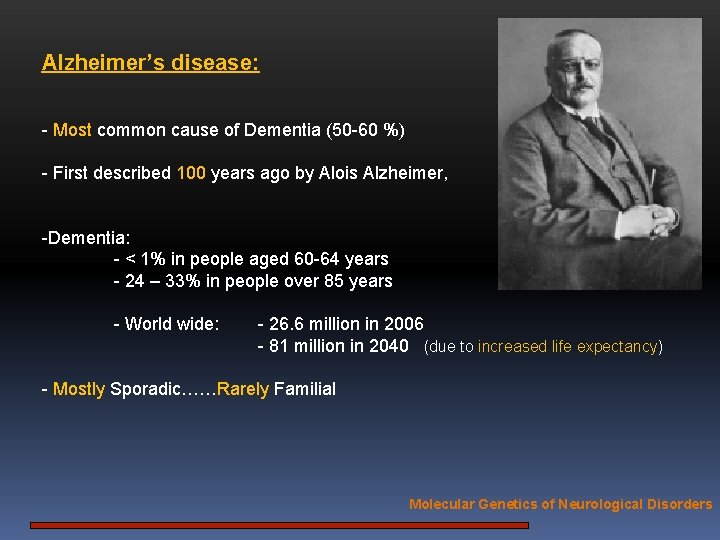
Alzheimer’s disease: - Most common cause of Dementia (50 -60 %) - First described 100 years ago by Alois Alzheimer, -Dementia: - < 1% in people aged 60 -64 years - 24 – 33% in people over 85 years - World wide: - 26. 6 million in 2006 - 81 million in 2040 (due to increased life expectancy) - Mostly Sporadic……Rarely Familial Molecular Genetics of Neurological Disorders
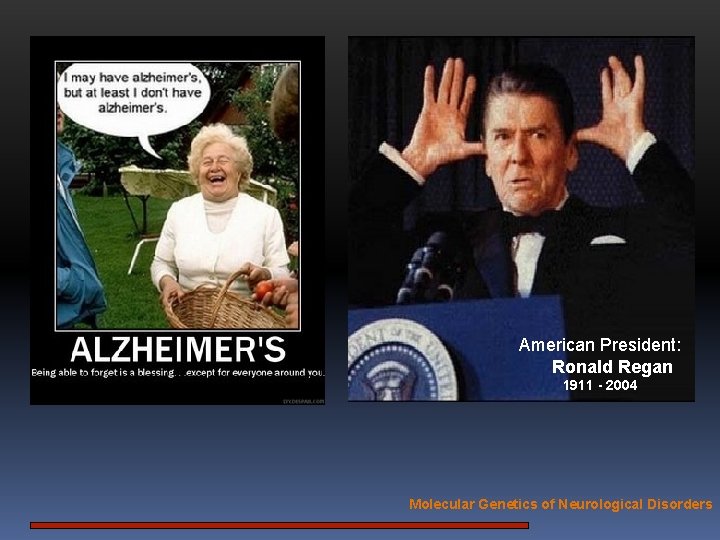
American President: Ronald Regan 1911 - 2004 Molecular Genetics of Neurological Disorders
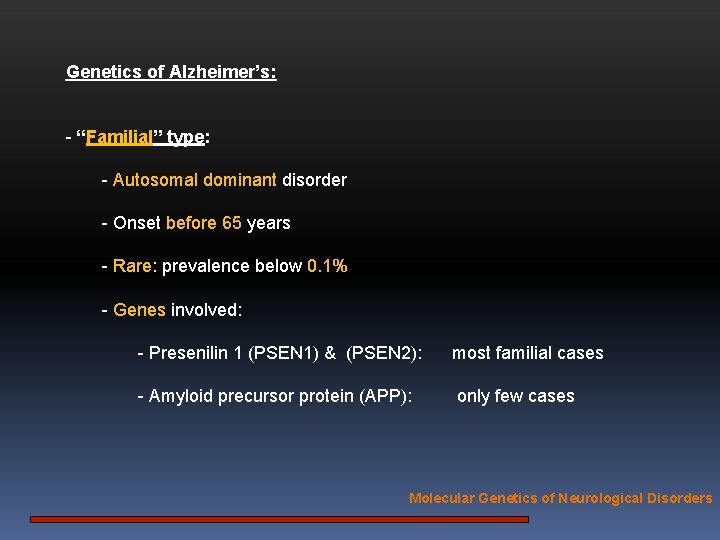
Genetics of Alzheimer’s: - “Familial” type: - Autosomal dominant disorder - Onset before 65 years - Rare: prevalence below 0. 1% - Genes involved: - Presenilin 1 (PSEN 1) & (PSEN 2): most familial cases - Amyloid precursor protein (APP): only few cases Molecular Genetics of Neurological Disorders
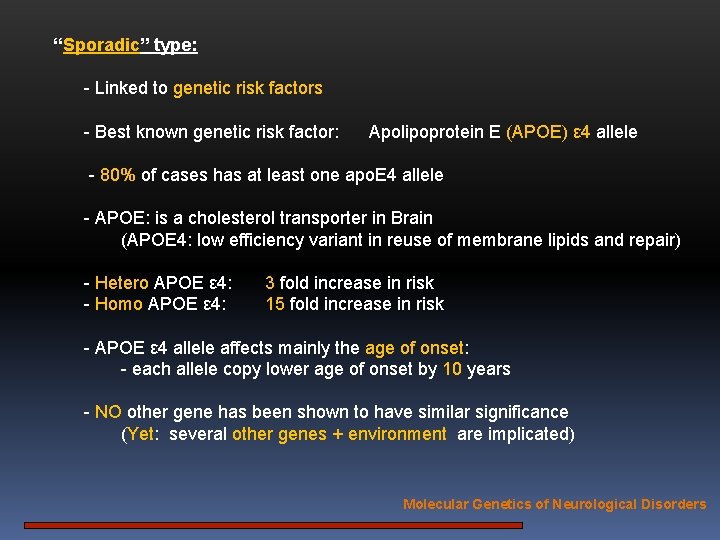
“Sporadic” type: - Linked to genetic risk factors - Best known genetic risk factor: Apolipoprotein E (APOE) ε 4 allele - 80% of cases has at least one apo. E 4 allele - APOE: is a cholesterol transporter in Brain (APOE 4: low efficiency variant in reuse of membrane lipids and repair) - Hetero APOE ε 4: - Homo APOE ε 4: 3 fold increase in risk 15 fold increase in risk - APOE ε 4 allele affects mainly the age of onset: - each allele copy lower age of onset by 10 years - NO other gene has been shown to have similar significance (Yet: several other genes + environment are implicated) Molecular Genetics of Neurological Disorders
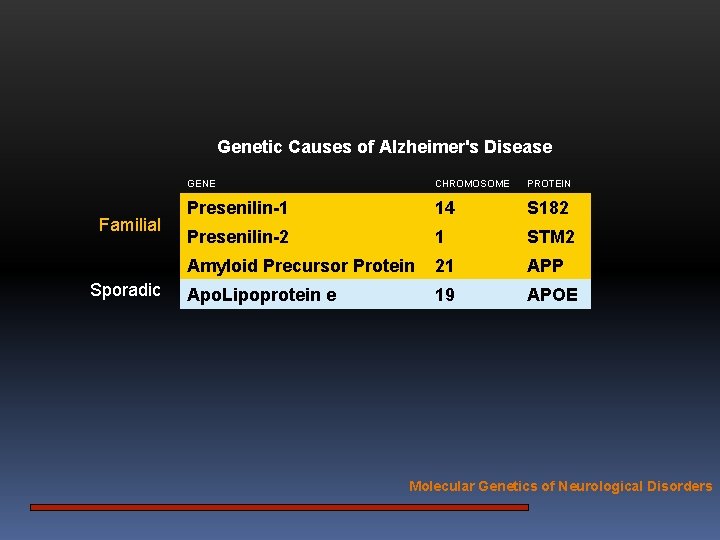
Genetic Causes of Alzheimer's Disease Familial Sporadic GENE CHROMOSOME PROTEIN Presenilin-1 14 S 182 Presenilin-2 1 STM 2 Amyloid Precursor Protein 21 APP Apo. Lipoprotein e 19 APOE Molecular Genetics of Neurological Disorders
Parkinson’s Disease (PD): - The second most common adult onset neurological condition - Affects over 1% of people over 65 years - Main symptoms: bradykinisia, tremor, and rigidity - Sporadic PD: Toxins + gentics - 15 % of patients have family history: example genes: LRRK 2, PARK 2, & 7, PINK 1, SNCA - Toxins acting via inhibition of mitochondrial respiratory chain leading to increase in oxidative stress, impairing dopamine-producing neurons Molecular Genetics of Neurological Disorders
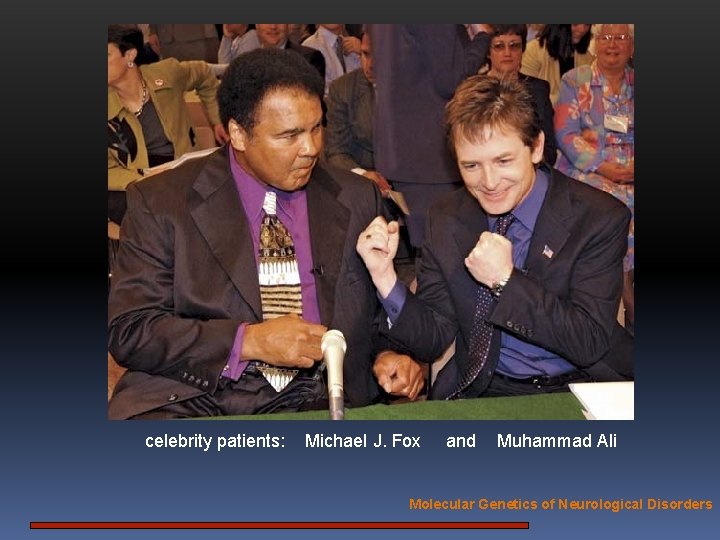
celebrity patients: Michael J. Fox and Muhammad Ali Molecular Genetics of Neurological Disorders
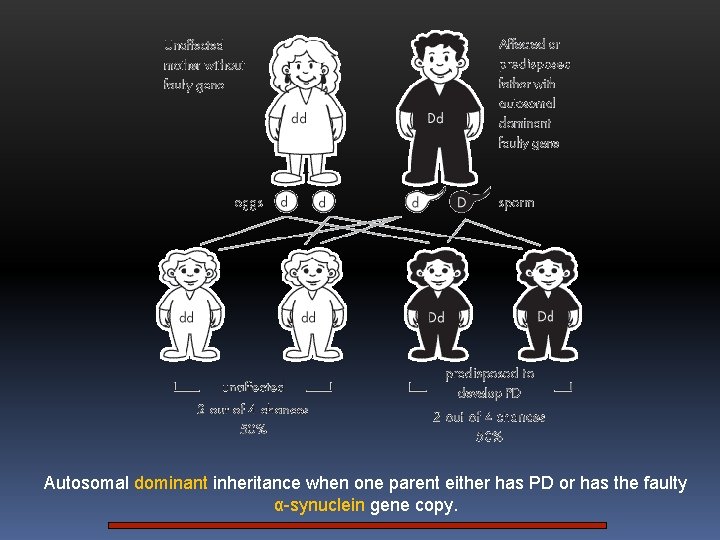
Familial PD: - Rare (and not all gene mutation effects in understood) - Different gene mutations → different inheritance patterns - DJ-1: - autosomal recessive - Normal DJ-1 appears to provide neuro-protection against oxidative stress caused by mitochondrial toxins - PINK 1 - PTEN Induced Kinase 1 - autosomal recessive - PARK 2 and PARK 7: - autosomal recessive - LRRK 2 and α-synuclein: - involved in juvenile and early-onset PD - LRRK 2 : autosomal dominant - α-synuclein: autosomal dominant Molecular Genetics of Neurological Disorders
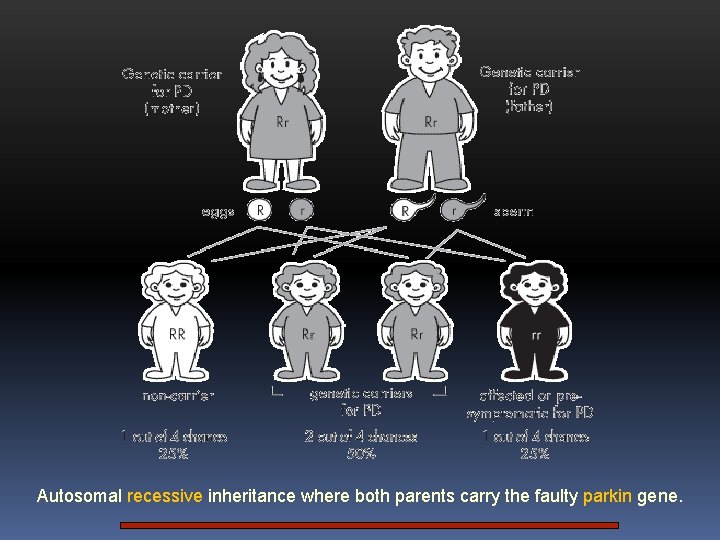
Autosomal recessive inheritance where both parents carry the faulty parkin gene.
Autosomal dominant inheritance when one parent either has PD or has the faulty α-synuclein gene copy.
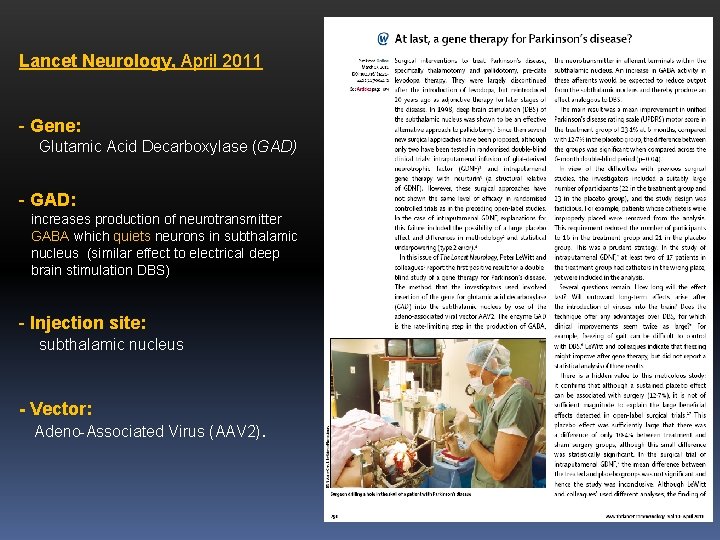
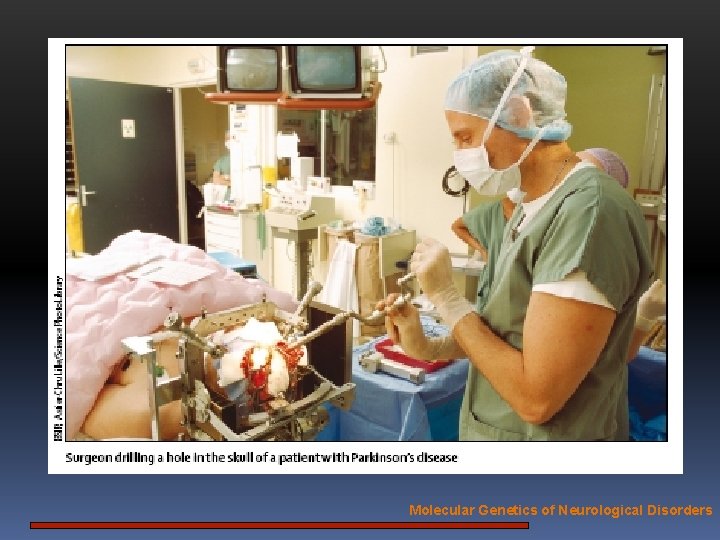
Lancet Neurology, April 2011 - Gene: Glutamic Acid Decarboxylase (GAD) - GAD: increases production of neurotransmitter GABA which quiets neurons in subthalamic nucleus (similar effect to electrical deep brain stimulation DBS) - Injection site: subthalamic nucleus - Vector: Adeno-Associated Virus (AAV 2).
Molecular Genetics of Neurological Disorders
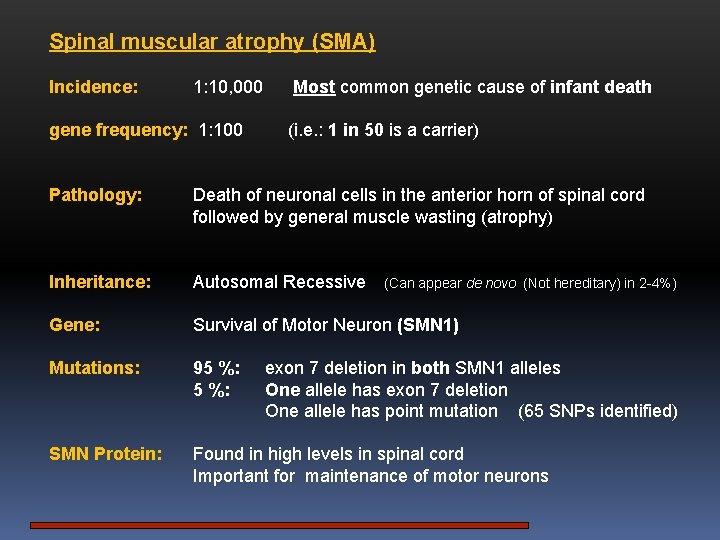
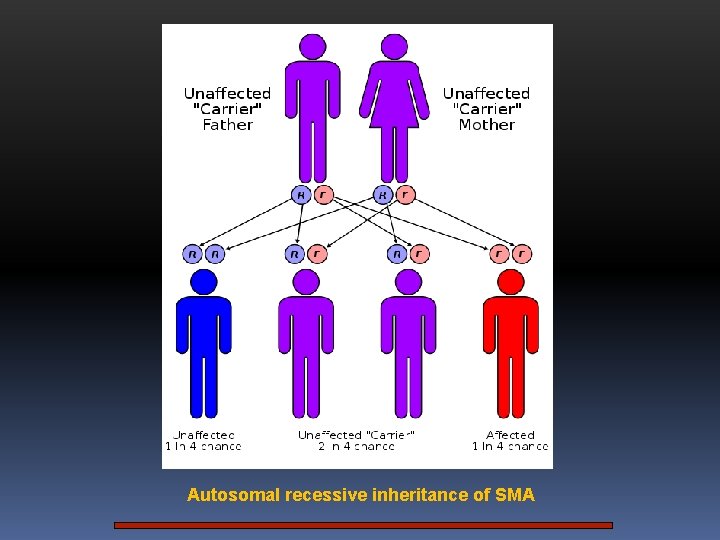
Spinal muscular atrophy (SMA) Incidence: 1: 10, 000 gene frequency: 1: 100 Most common genetic cause of infant death (i. e. : 1 in 50 is a carrier) Pathology: Death of neuronal cells in the anterior horn of spinal cord followed by general muscle wasting (atrophy) Inheritance: Autosomal Recessive Gene: Survival of Motor Neuron (SMN 1) Mutations: 95 %: SMN Protein: Found in high levels in spinal cord Important for maintenance of motor neurons (Can appear de novo (Not hereditary) in 2 -4%) exon 7 deletion in both SMN 1 alleles One allele has exon 7 deletion One allele has point mutation (65 SNPs identified)
Autosomal recessive inheritance of SMA
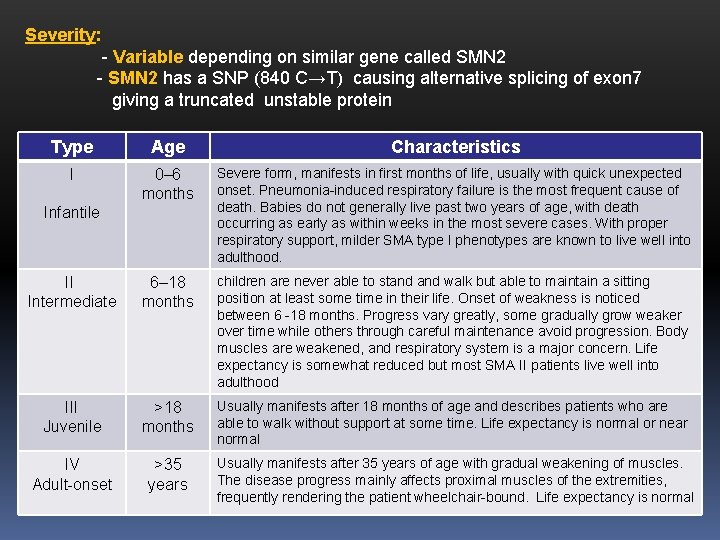
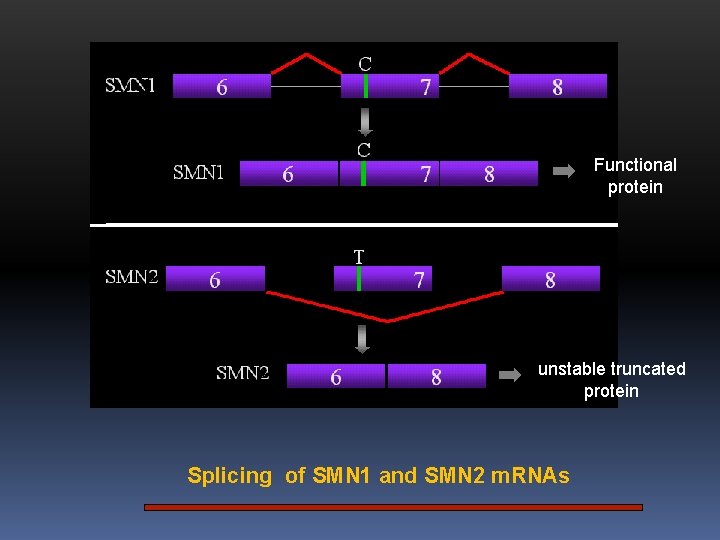
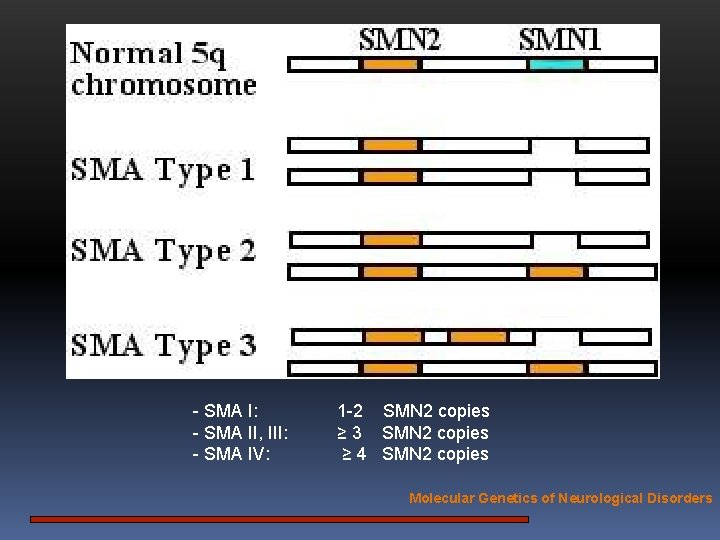
Severity: - Variable depending on similar gene called SMN 2 - SMN 2 has a SNP (840 C→T) causing alternative splicing of exon 7 giving a truncated unstable protein Type Age Characteristics I 0– 6 months Severe form, manifests in first months of life, usually with quick unexpected onset. Pneumonia-induced respiratory failure is the most frequent cause of death. Babies do not generally live past two years of age, with death occurring as early as within weeks in the most severe cases. With proper respiratory support, milder SMA type I phenotypes are known to live well into adulthood. II Intermediate 6– 18 months children are never able to stand walk but able to maintain a sitting position at least some time in their life. Onset of weakness is noticed between 6 -18 months. Progress vary greatly, some gradually grow weaker over time while others through careful maintenance avoid progression. Body muscles are weakened, and respiratory system is a major concern. Life expectancy is somewhat reduced but most SMA II patients live well into adulthood III Juvenile >18 months Usually manifests after 18 months of age and describes patients who are able to walk without support at some time. Life expectancy is normal or near normal IV Adult-onset >35 years Usually manifests after 35 years of age with gradual weakening of muscles. The disease progress mainly affects proximal muscles of the extremities, frequently rendering the patient wheelchair-bound. Life expectancy is normal Infantile
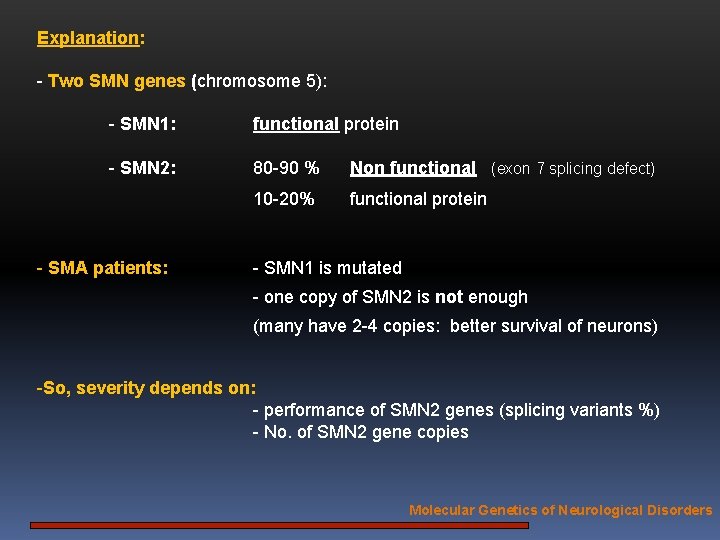
Explanation: - Two SMN genes (chromosome 5): - SMN 1: functional protein - SMN 2: 80 -90 % Non functional (exon 7 splicing defect) 10 -20% functional protein - SMA patients: - SMN 1 is mutated - one copy of SMN 2 is not enough (many have 2 -4 copies: better survival of neurons) -So, severity depends on: - performance of SMN 2 genes (splicing variants %) - No. of SMN 2 gene copies Molecular Genetics of Neurological Disorders
Functional protein unstable truncated protein Splicing of SMN 1 and SMN 2 m. RNAs
- SMA I: - SMA II, III: - SMA IV: 1 -2 SMN 2 copies ≥ 3 SMN 2 copies ≥ 4 SMN 2 copies Molecular Genetics of Neurological Disorders
Other Neurological disorders Molecular Genetics of Neurological Disorders
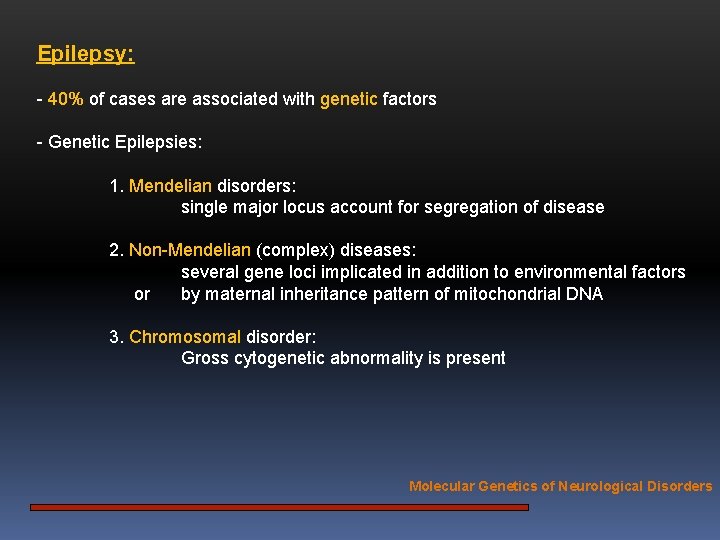
Epilepsy: - 40% of cases are associated with genetic factors - Genetic Epilepsies: 1. Mendelian disorders: single major locus account for segregation of disease 2. Non-Mendelian (complex) diseases: several gene loci implicated in addition to environmental factors or by maternal inheritance pattern of mitochondrial DNA 3. Chromosomal disorder: Gross cytogenetic abnormality is present Molecular Genetics of Neurological Disorders
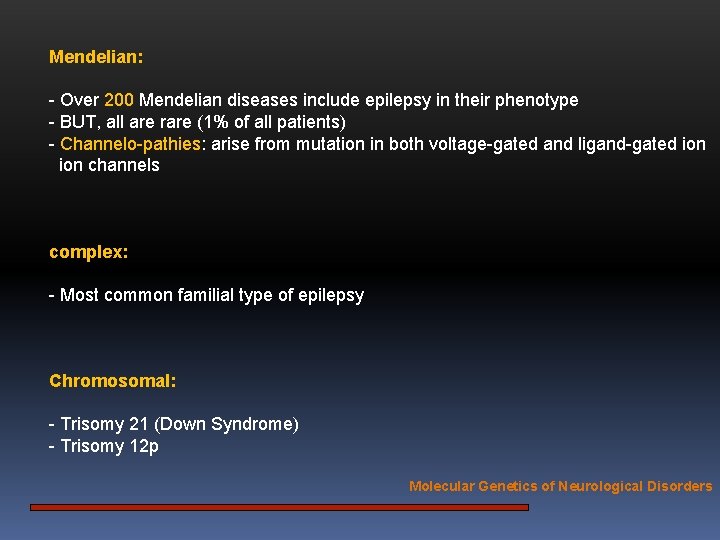
Mendelian: - Over 200 Mendelian diseases include epilepsy in their phenotype - BUT, all are rare (1% of all patients) - Channelo-pathies: arise from mutation in both voltage-gated and ligand-gated ion channels complex: - Most common familial type of epilepsy Chromosomal: - Trisomy 21 (Down Syndrome) - Trisomy 12 p Molecular Genetics of Neurological Disorders
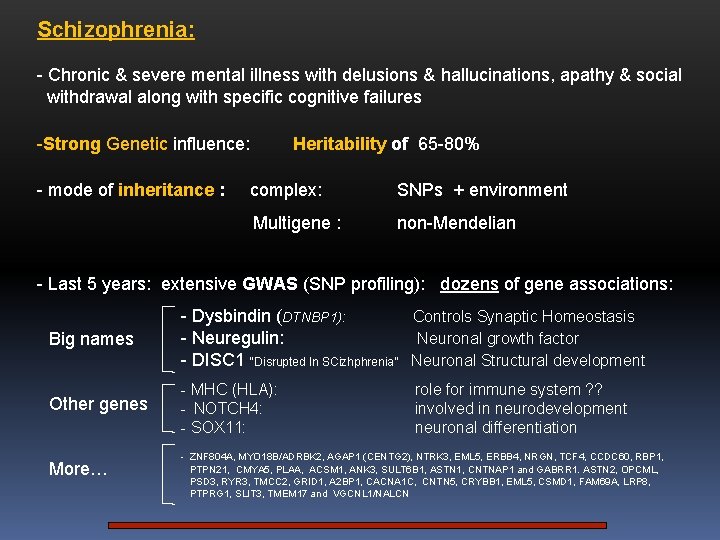
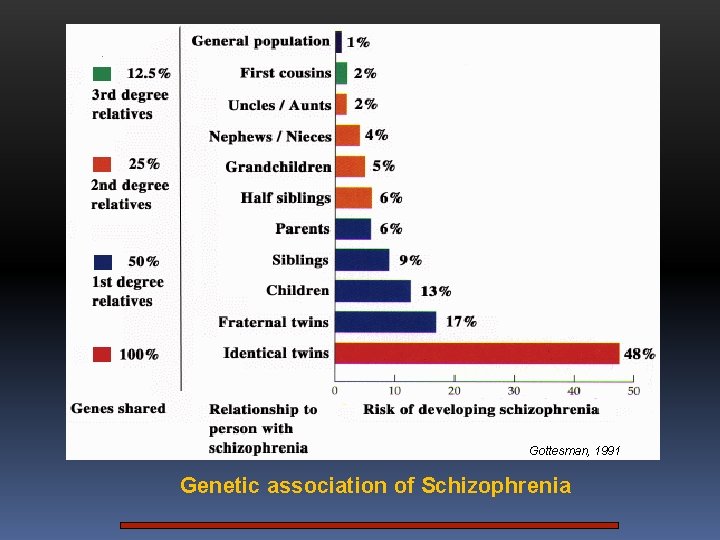
Schizophrenia: - Chronic & severe mental illness with delusions & hallucinations, apathy & social withdrawal along with specific cognitive failures -Strong Genetic influence: - mode of inheritance : Heritability of 65 -80% complex: SNPs + environment Multigene : non-Mendelian - Last 5 years: extensive GWAS (SNP profiling): dozens of gene associations: Big names - Dysbindin (DTNBP 1): Controls Synaptic Homeostasis - Neuregulin: Neuronal growth factor - DISC 1 “Disrupted In SCizhphrenia” Neuronal Structural development Other genes - MHC (HLA): - NOTCH 4: - SOX 11: More… role for immune system ? ? involved in neurodevelopment neuronal differentiation - ZNF 804 A, MYO 18 B/ADRBK 2, AGAP 1 (CENTG 2), NTRK 3, EML 5, ERBB 4, NRGN, TCF 4, CCDC 60, RBP 1, PTPN 21, CMYA 5, PLAA, ACSM 1, ANK 3, SULT 6 B 1, ASTN 1, CNTNAP 1 and GABRR 1. ASTN 2, OPCML, PSD 3, RYR 3, TMCC 2, GRID 1, A 2 BP 1, CACNA 1 C, CNTN 5, CRYBB 1, EML 5, CSMD 1, FAM 69 A, LRP 8, PTPRG 1, SLIT 3, TMEM 17 and VGCNL 1/NALCN
Gottesman, 1991 Genetic association of Schizophrenia
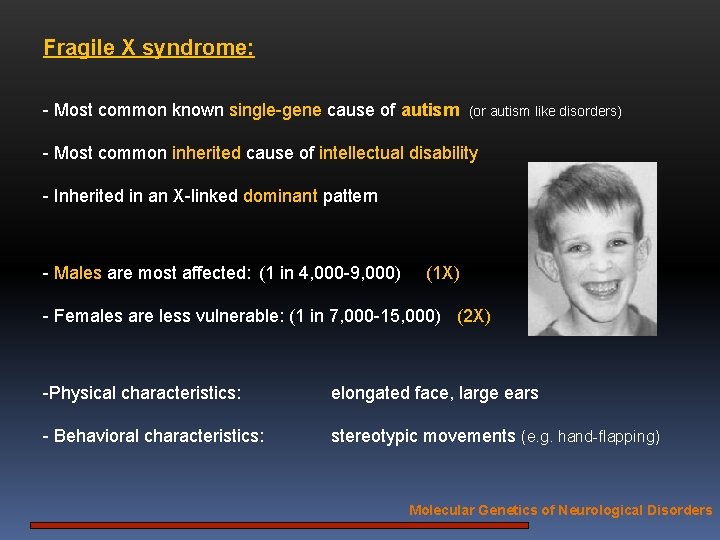
Fragile X syndrome: - Most common known single-gene cause of autism (or autism like disorders) - Most common inherited cause of intellectual disability - Inherited in an X-linked dominant pattern - Males are most affected: (1 in 4, 000 -9, 000) (1 X) - Females are less vulnerable: (1 in 7, 000 -15, 000) (2 X) -Physical characteristics: elongated face, large ears - Behavioral characteristics: stereotypic movements (e. g. hand-flapping) Molecular Genetics of Neurological Disorders
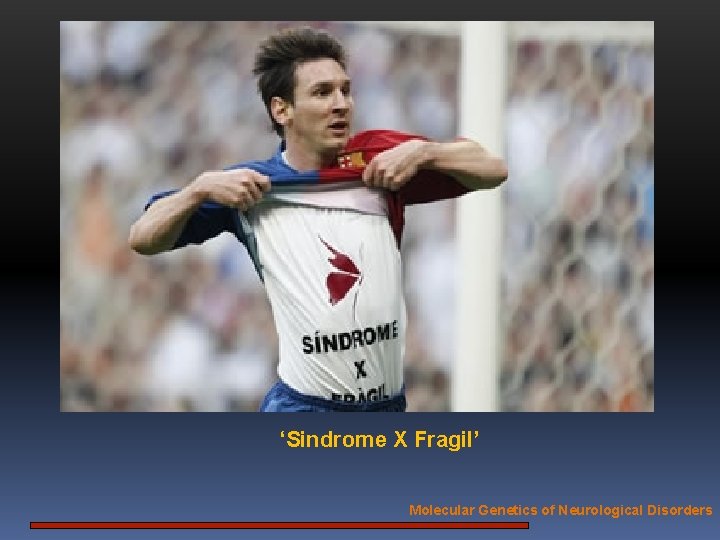
‘Sindrome X Fragil’ Molecular Genetics of Neurological Disorders
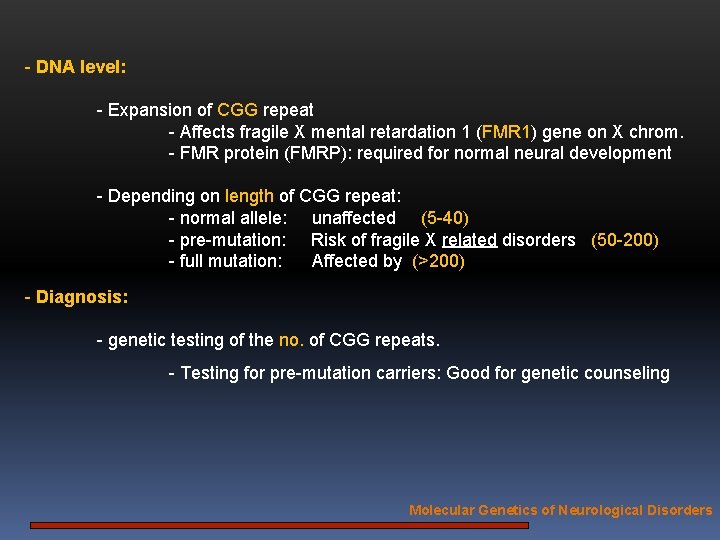
- DNA level: - Expansion of CGG repeat - Affects fragile X mental retardation 1 (FMR 1) gene on X chrom. - FMR protein (FMRP): required for normal neural development - Depending on length of CGG repeat: - normal allele: unaffected (5 -40) - pre-mutation: Risk of fragile X related disorders (50 -200) - full mutation: Affected by (>200) - Diagnosis: - genetic testing of the no. of CGG repeats. - Testing for pre-mutation carriers: Good for genetic counseling Molecular Genetics of Neurological Disorders
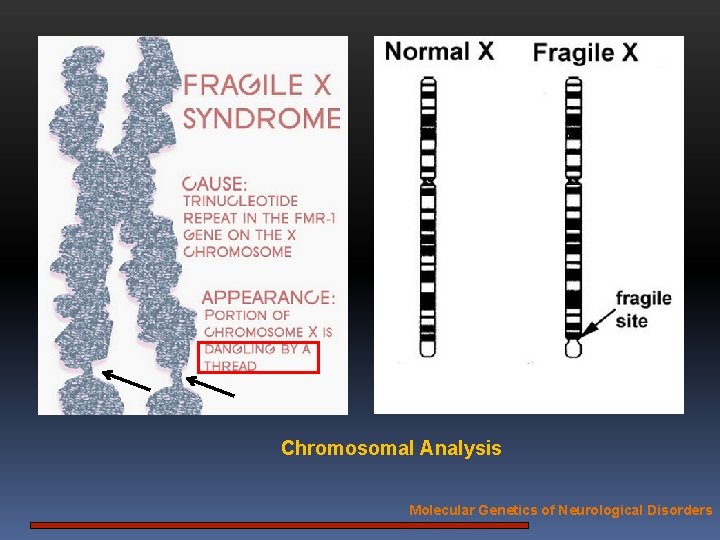
Chromosomal Analysis Molecular Genetics of Neurological Disorders
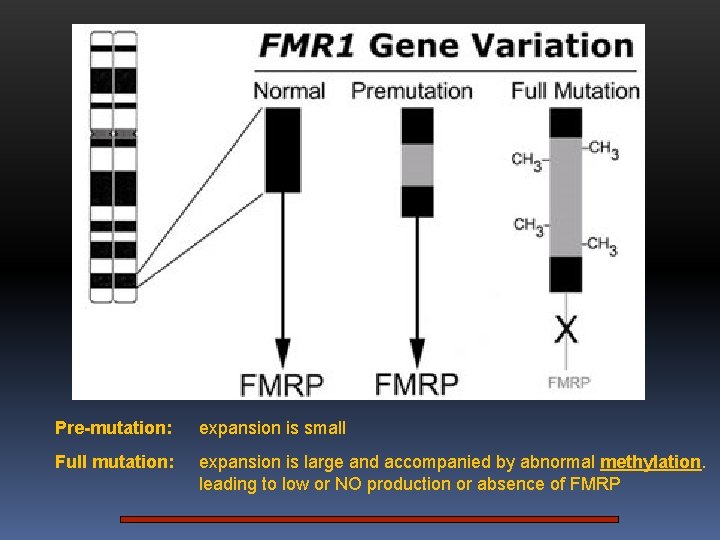
Pre-mutation: expansion is small Full mutation: expansion is large and accompanied by abnormal methylation. leading to low or NO production or absence of FMRP
Future prospective Molecular Genetics of Neurological Disorders
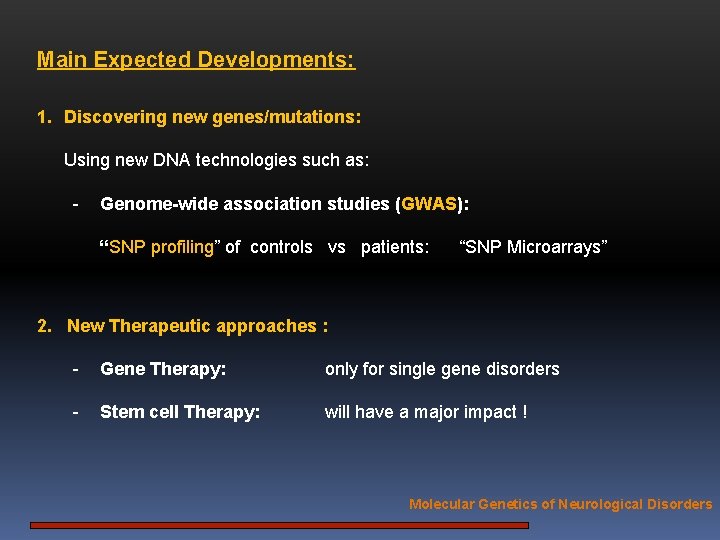
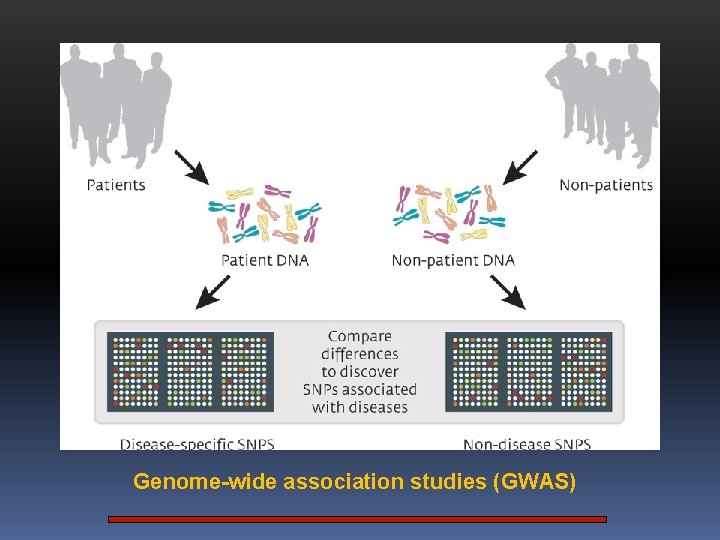
Main Expected Developments: 1. Discovering new genes/mutations: Using new DNA technologies such as: - Genome-wide association studies (GWAS): “SNP profiling” of controls vs patients: “SNP Microarrays” 2. New Therapeutic approaches : - Gene Therapy: only for single gene disorders - Stem cell Therapy: will have a major impact ! Molecular Genetics of Neurological Disorders
Genome-wide association studies (GWAS)
Genome-wide association studies (GWAS)
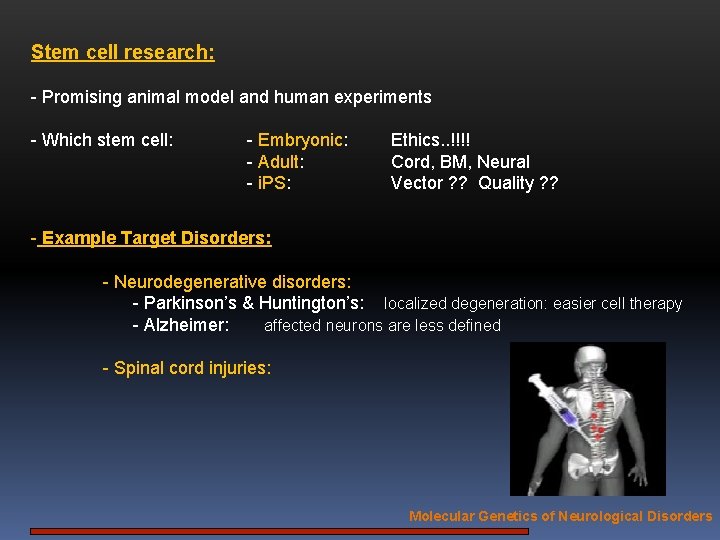
Stem cell research: - Promising animal model and human experiments - Which stem cell: - Embryonic: - Adult: - i. PS: Ethics. . !!!! Cord, BM, Neural Vector ? ? Quality ? ? - Example Target Disorders: - Neurodegenerative disorders: - Parkinson’s & Huntington’s: localized degeneration: easier cell therapy - Alzheimer: affected neurons are less defined - Spinal cord injuries: Molecular Genetics of Neurological Disorders
THANK YOU Molecular Genetics of Neurological Disorders