
Module VII System Performance Leverage Points and System







- Slides: 42
Module VII System Performance Leverage Points and System Change
Learning Objectives • Leverage points – What is a leverage point? – Why should we study leverage points? – How can we identify the many leverage points of systems? • How leverage points influence systems change
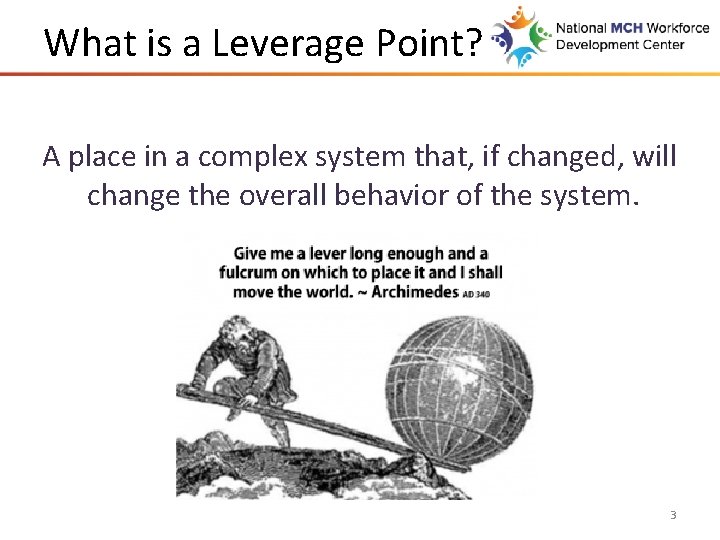
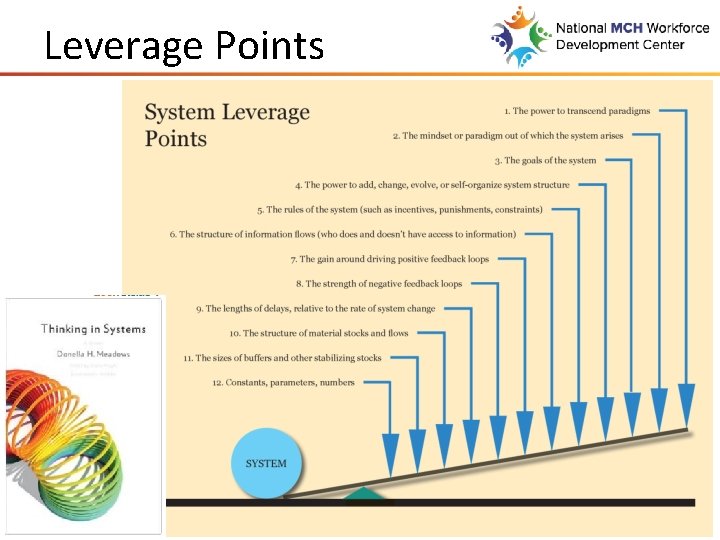
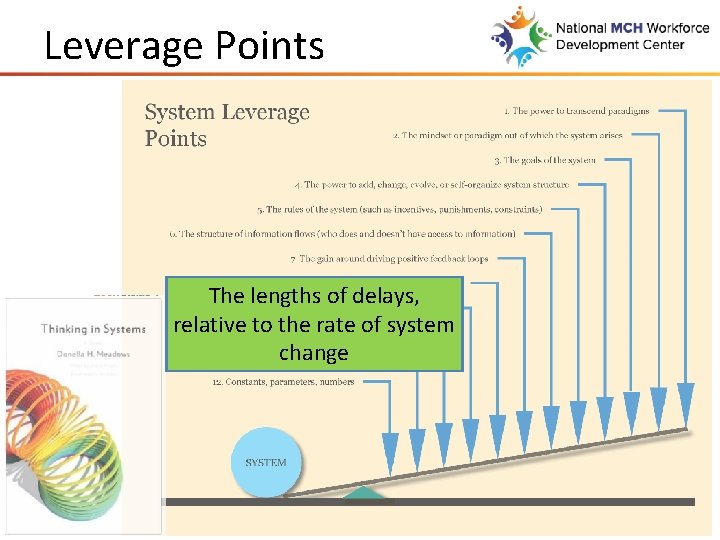
What is a Leverage Point? A place in a complex system that, if changed, will change the overall behavior of the system. 3
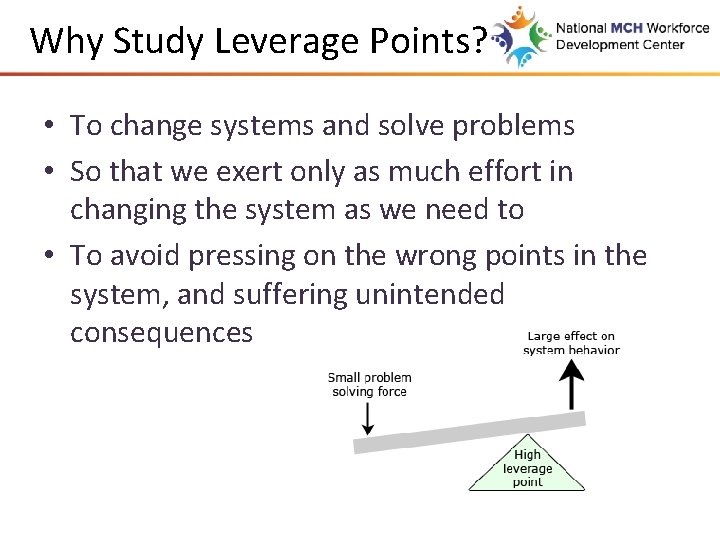
Why Study Leverage Points? • To change systems and solve problems • So that we exert only as much effort in changing the system as we need to • To avoid pressing on the wrong points in the system, and suffering unintended consequences
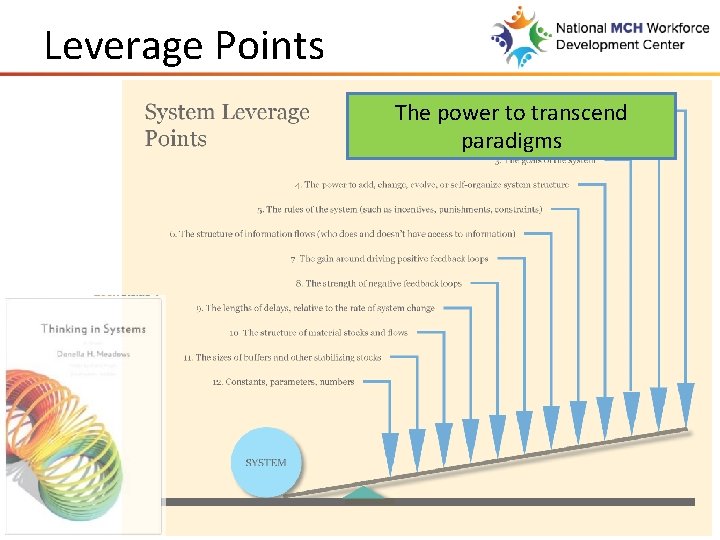
Leverage Points
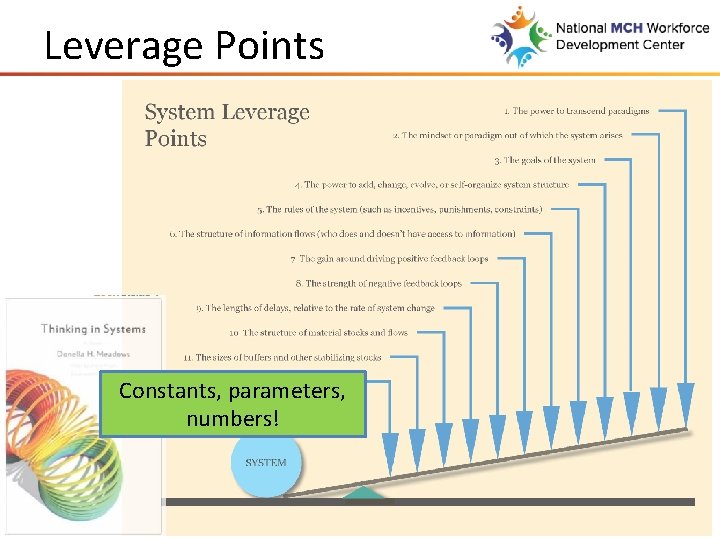
Leverage Points Constants, parameters, numbers!
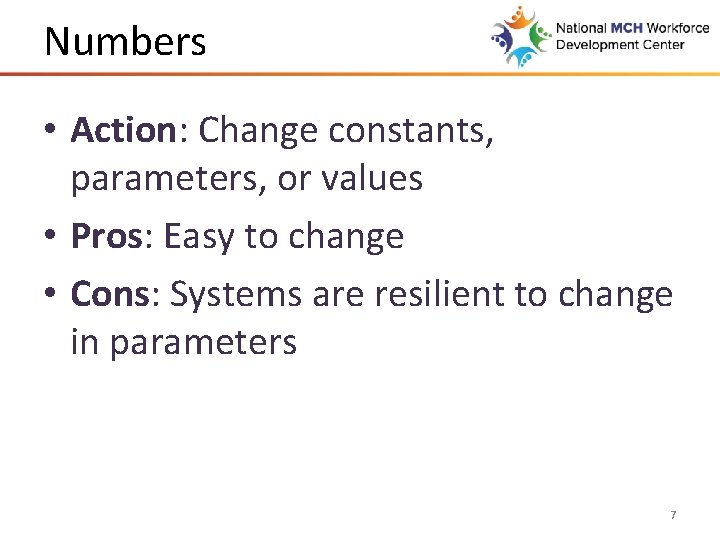
Numbers • Action: Change constants, parameters, or values • Pros: Easy to change • Cons: Systems are resilient to change in parameters 7
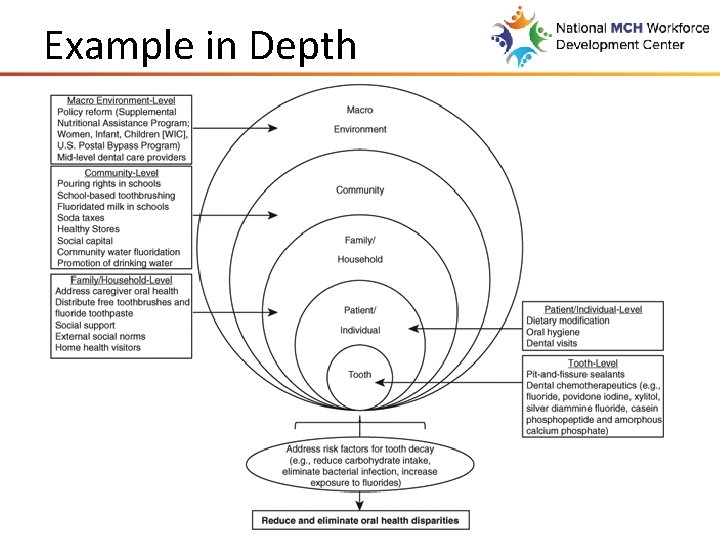
Example in Depth
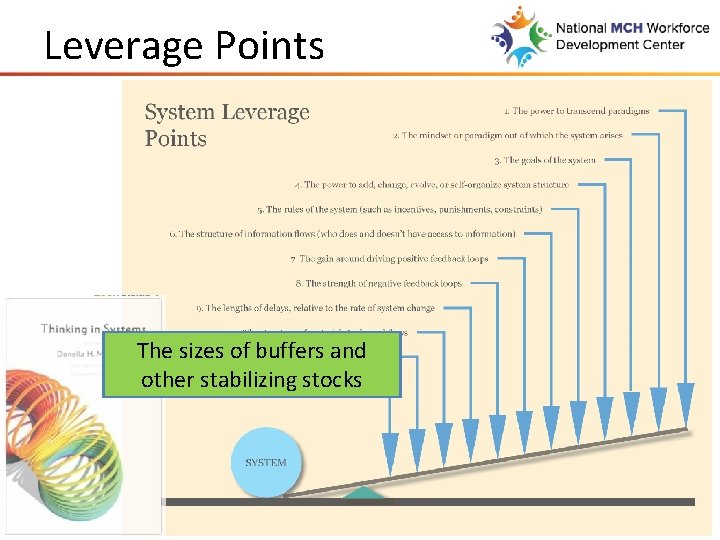
Leverage Points The sizes of buffers and other stabilizing stocks
Buffers • Action: Change the size of an accumulated variable relative to the arrows/flows changing the size of that variable • Pros: Increasing a buffer will stabilize a system • Cons: Difficult and expensive to change, and if the buffer becomes too large the system will be slow to respond to future changes in conditions 10
Example in Depth
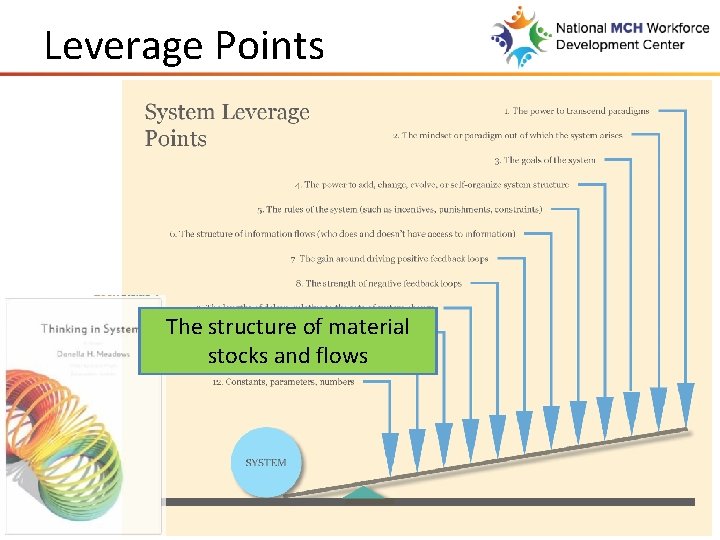
Leverage Points The structure of material stocks and flows
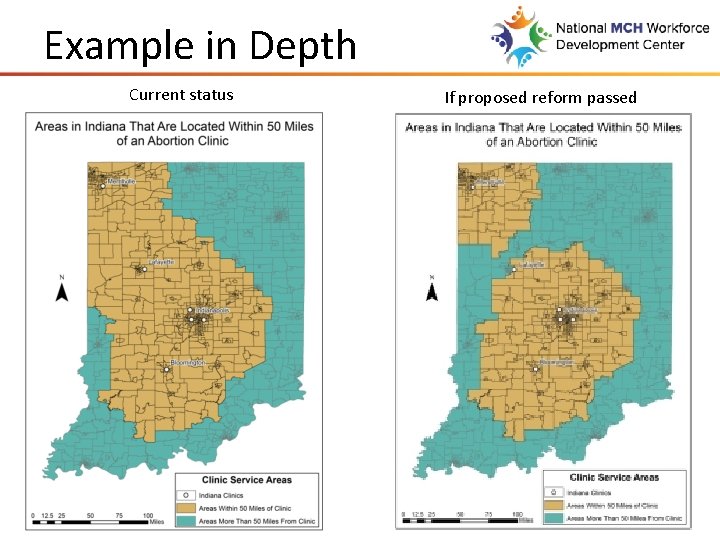
Physical System Structure • Action: Change the tangible physical manifestation of a system – stocks and flows – of people, places, and things • Pros: Enormous impacts on how the system behaves • Cons: Extremely expensive and timeconsuming to change 13
Example in Depth Current status If proposed reform passed 14
Leverage Points The lengths of delays, relative to the rate of system change
Delays • Action: Change the length of time something takes to happen, or to be perceived to have happened, relative to the rate at which the system changes • Pros: Help stabilize a system and reduce oscillation • Cons: Difficult to change/provide information 16
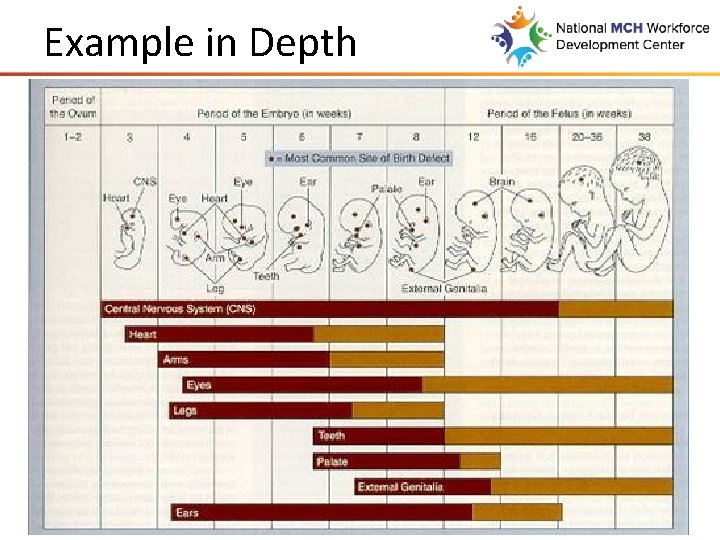
Example in Depth 17
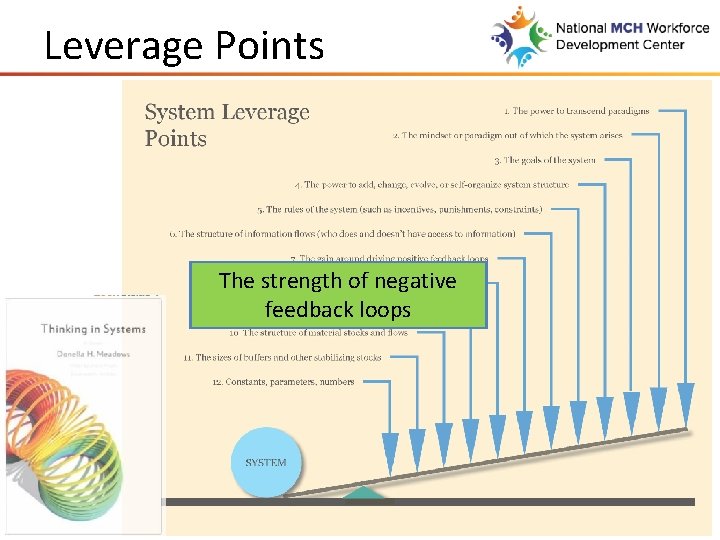
Leverage Points The strength of negative feedback loops
Weaken Undesirable Feedback Loops • Action: Weaken the reinforcing loop to slow undesirable exponential increases/decreases • Pros: Results are more immediate than waiting for naturally occurring balancing loops to kick in • Cons: Can be difficult to figure out how to do this
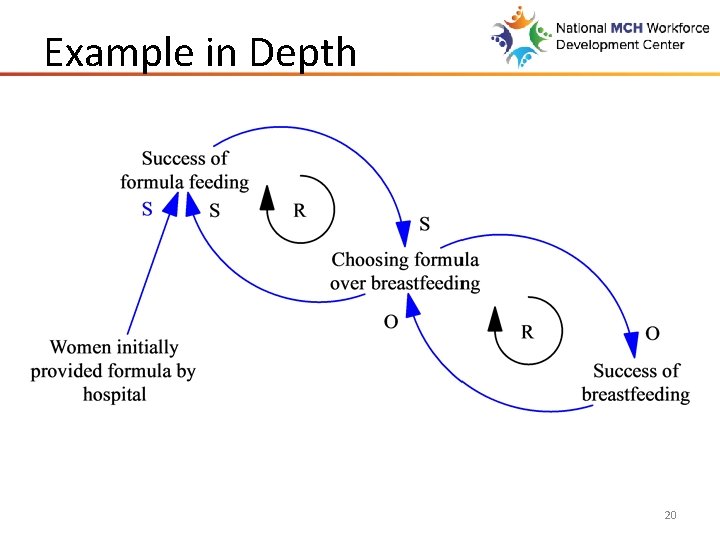
Example in Depth 20
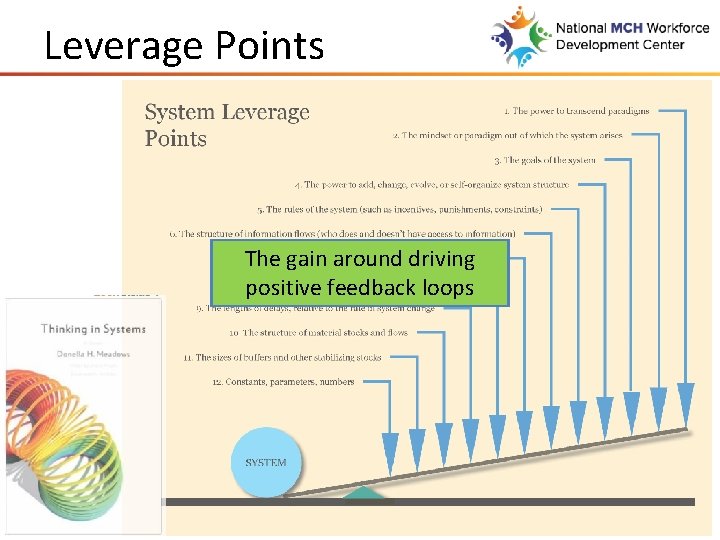
Leverage Points The gain around driving positive feedback loops
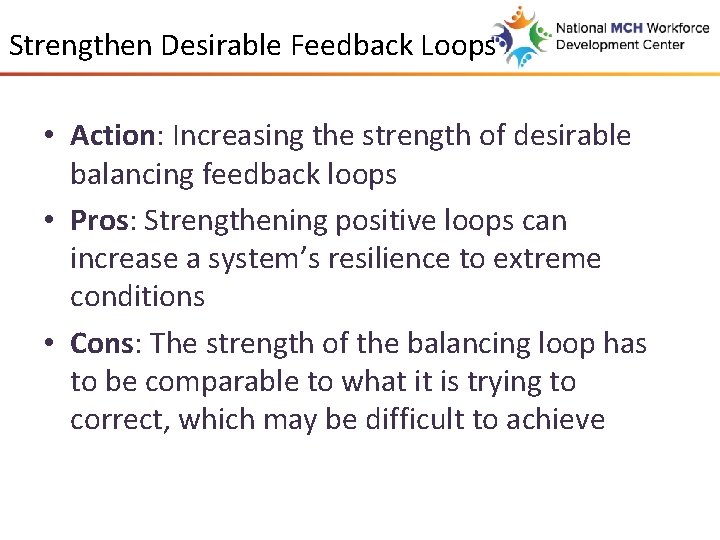
Strengthen Desirable Feedback Loops • Action: Increasing the strength of desirable balancing feedback loops • Pros: Strengthening positive loops can increase a system’s resilience to extreme conditions • Cons: The strength of the balancing loop has to be comparable to what it is trying to correct, which may be difficult to achieve
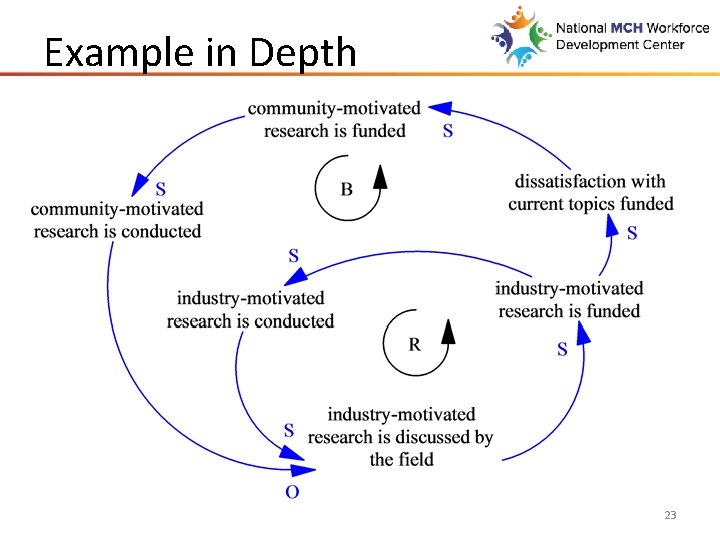
Example in Depth 23
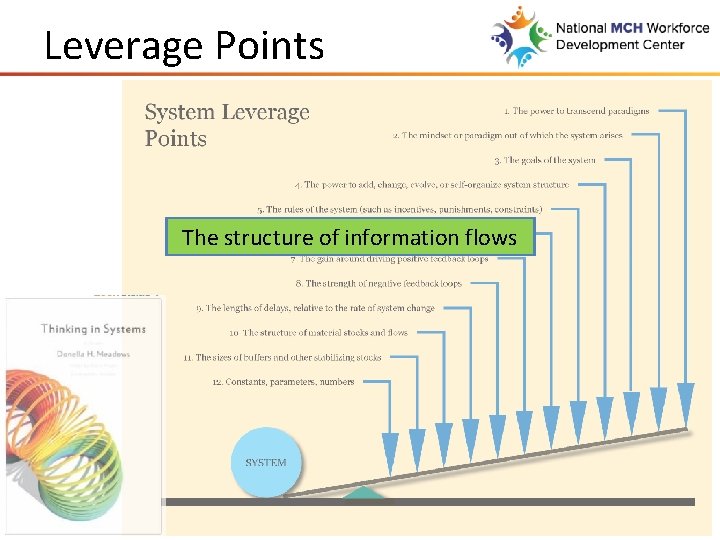
Leverage Points The structure of information flows
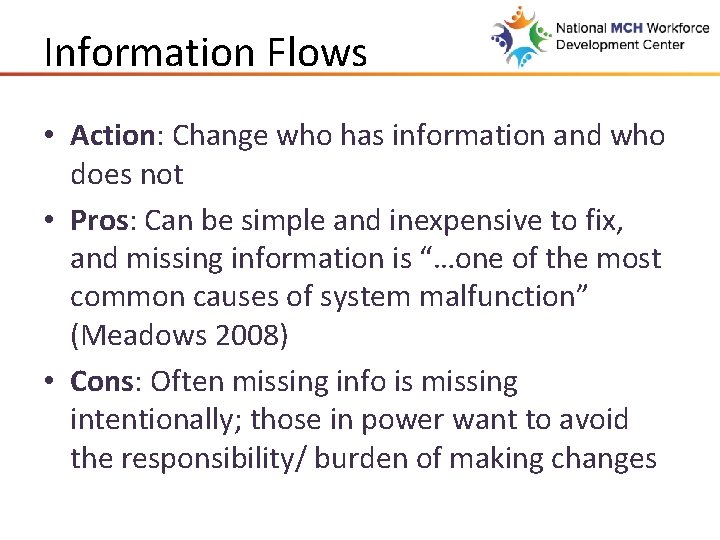
Information Flows • Action: Change who has information and who does not • Pros: Can be simple and inexpensive to fix, and missing information is “…one of the most common causes of system malfunction” (Meadows 2008) • Cons: Often missing info is missing intentionally; those in power want to avoid the responsibility/ burden of making changes
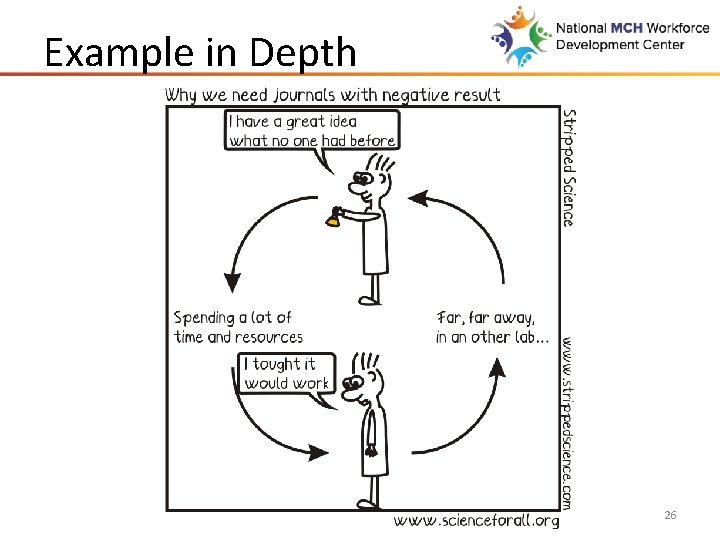
Example in Depth 26
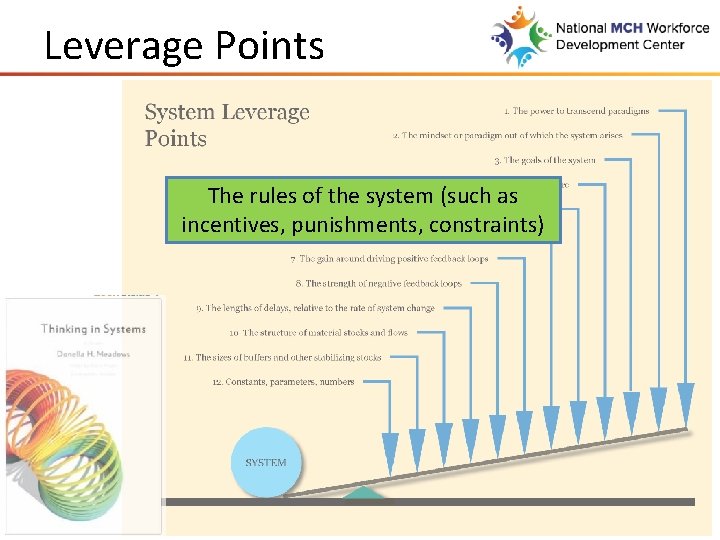
Leverage Points The rules of the system (such as incentives, punishments, constraints)
Rules • Action: Change “incentives, punishments, and constraints” (Meadows 2008) • Pros: Rules change the whole system • Cons: Rules tend to be written by those who already have power 28
Example in Depth 29
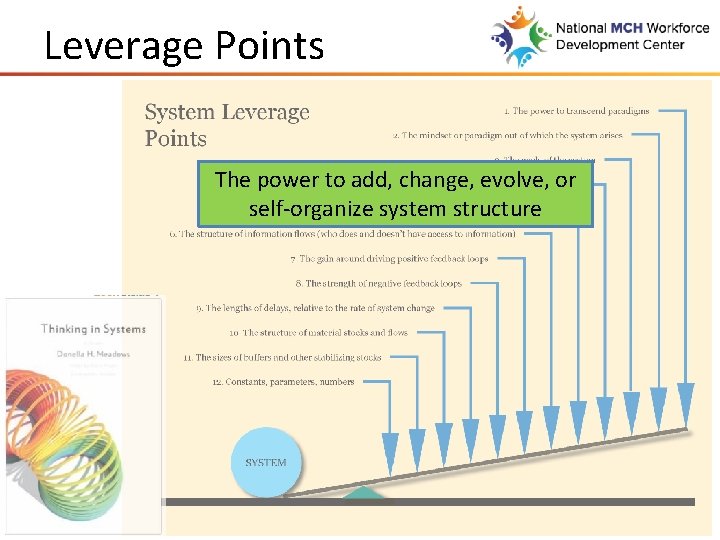
Leverage Points The power to add, change, evolve, or self-organize system structure
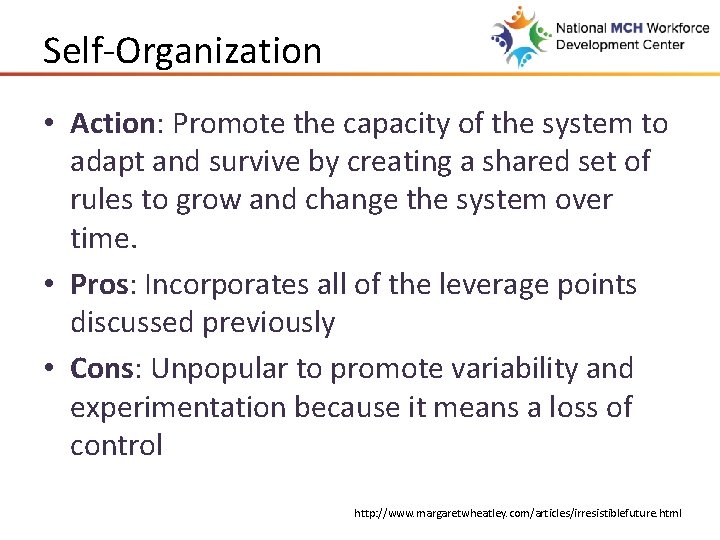
Self-Organization • Action: Promote the capacity of the system to adapt and survive by creating a shared set of rules to grow and change the system over time. • Pros: Incorporates all of the leverage points discussed previously • Cons: Unpopular to promote variability and experimentation because it means a loss of control http: //www. margaretwheatley. com/articles/irresistiblefuture. html
Example in Depth Title V Block Grant Transformation • Identity – Mission: Improve the health of all of America’s mothers and children – Vision: An America where all children and families are healthy, thriving, and able to achieve the American dream • Relationships – Partnership with State Title V leaders, families, other stakeholders and thought-leaders • Information – Webinars, virtual town halls, email input / ideas http: //mchb. hrsa. gov/blockgrant/index. html
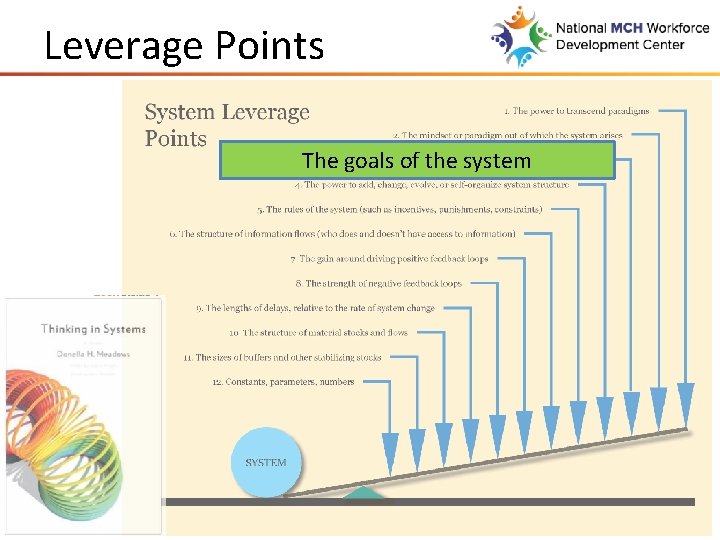
Leverage Points The goals of the system
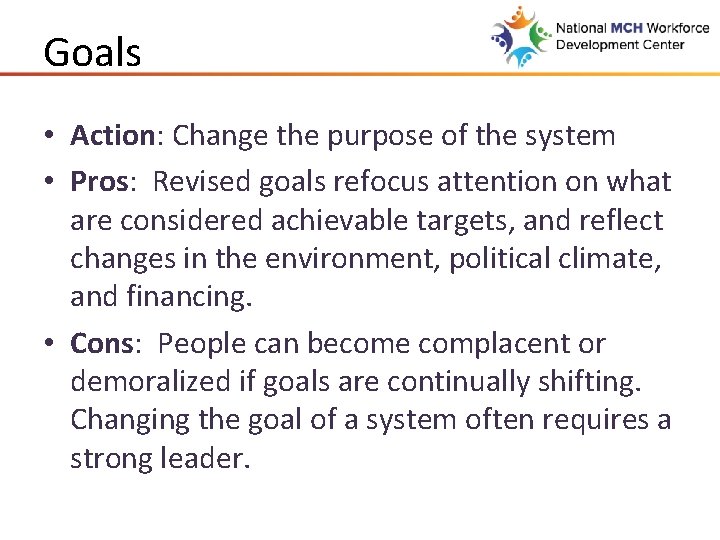
Goals • Action: Change the purpose of the system • Pros: Revised goals refocus attention on what are considered achievable targets, and reflect changes in the environment, political climate, and financing. • Cons: People can become complacent or demoralized if goals are continually shifting. Changing the goal of a system often requires a strong leader.
Example in Depth
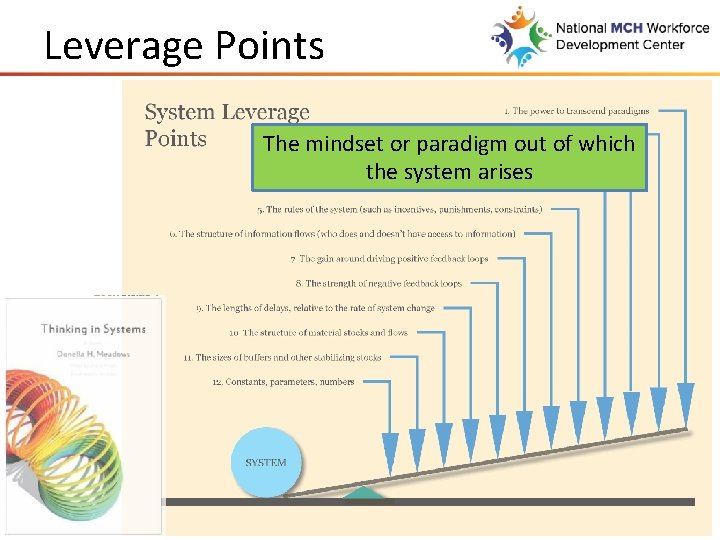
Leverage Points The mindset or paradigm out of which the system arises
Paradigms • Action: Change the mind-set that shapes the system • Pros: Paradigms shape what is possible – and determine what is impossible. Paradigm shifts create transformative change • Cons: Rarely done and extremely difficult to do, and systems deeply resist changes in paradigms
But how does it happen? “You keep pointing at the anomalies and failures in the old paradigm. You keep speaking and acting, loudly and with assurance, from the new one. You insert people with the new paradigm in places of public visibility and power. You don’t waste time with reactionaries; rather, you work with active change agents and with the vast middle ground of people who are open-minded. ” - Meadows 2008, paraphrasing Thomas Kuhn 1962 38
Example in Depth …moving from the concept of a 9 -month pregnancy to a 12 or even 18 -month pregnancy, where preconception and inter-conception are considered essential to promoting the health of mother and baby
Leverage Points The power to transcend paradigms
Transcending Paradigms • Action: Accept that all paradigms/world views have some merit and no single paradigm is right • Pro: Guaranteed transformation • Con: Have to attain enlightenment
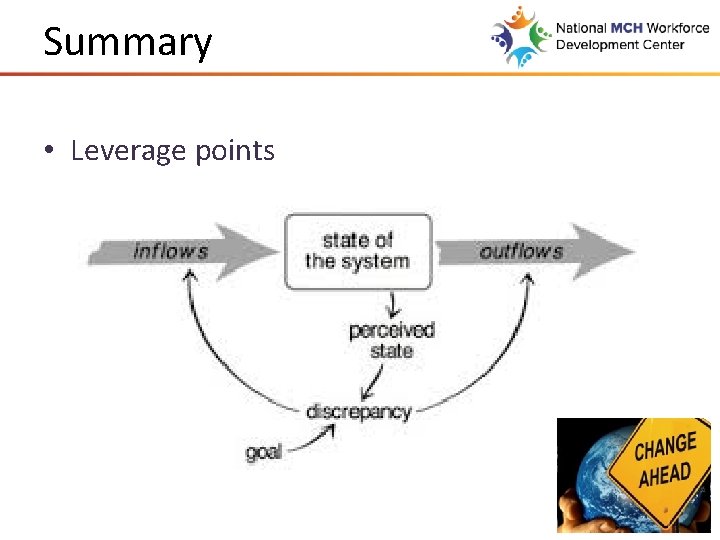
Summary • Leverage points