
MODULE 4 Review Guide LESSON 2 The Challenges



- Slides: 40
MODULE 4 Review Guide
LESSON 2 The Challenges of Urbanization
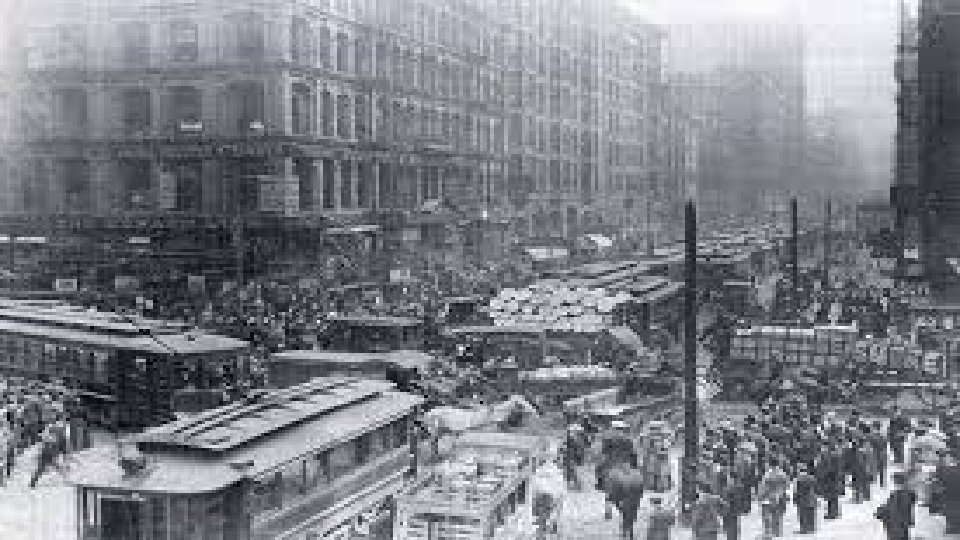
A. THE BIG IDEA The rapid growth of the cities forced people to deal with problems of housing, transportation, water, & sanitation
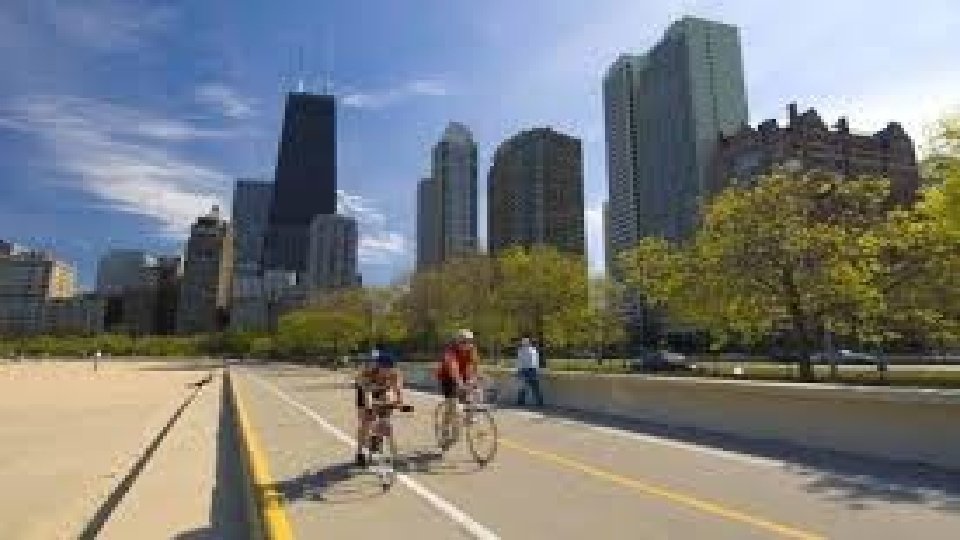
B. WHY IT MATTERS NOW Consequently, residents of U. S. cities today enjoy greatly improved living conditions
C. KEY TERMS & PEOPLE
A. URBANIZATION The technological boom of the late 1800 s contributed to the growing industrial strength of the U. S. , resulting in the rapid growth of cities (mostly in Northeast & Midwest)
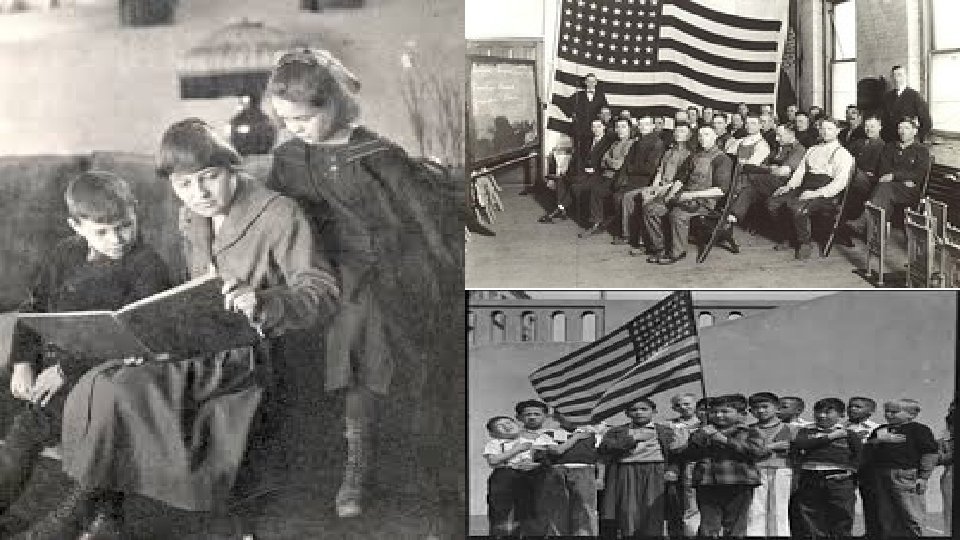
B. AMERICANIZATION MOVEMENT Designed to assimilate immigrants into the dominant American culture. Sponsored by the gov’t. & concerned nativists. Schools/voluntary associations provide programs to teach immigrants skills needed to participate in American democracy, such as learning our language, history, gov’t. , and how to cook and use social etiquette
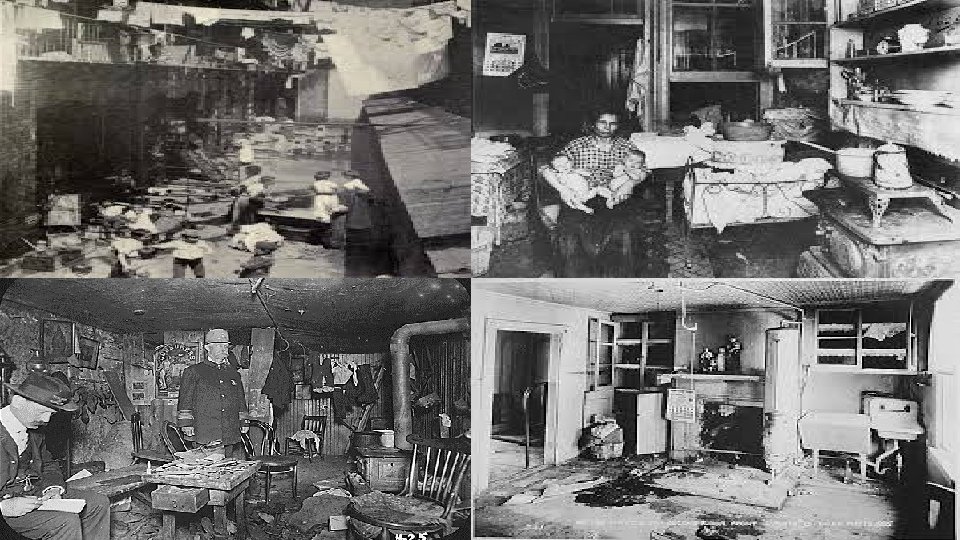
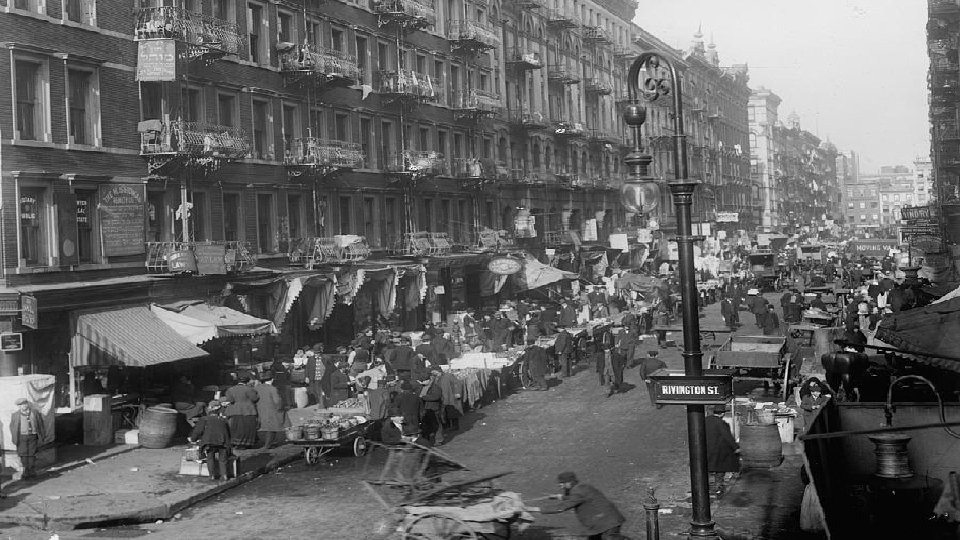
C. TENEMENT Multifamily urban dwellings in ghetto neighborhoods occupied by immigrant factory workers & their families. Overcrowded, unsanitary, poorly built structures
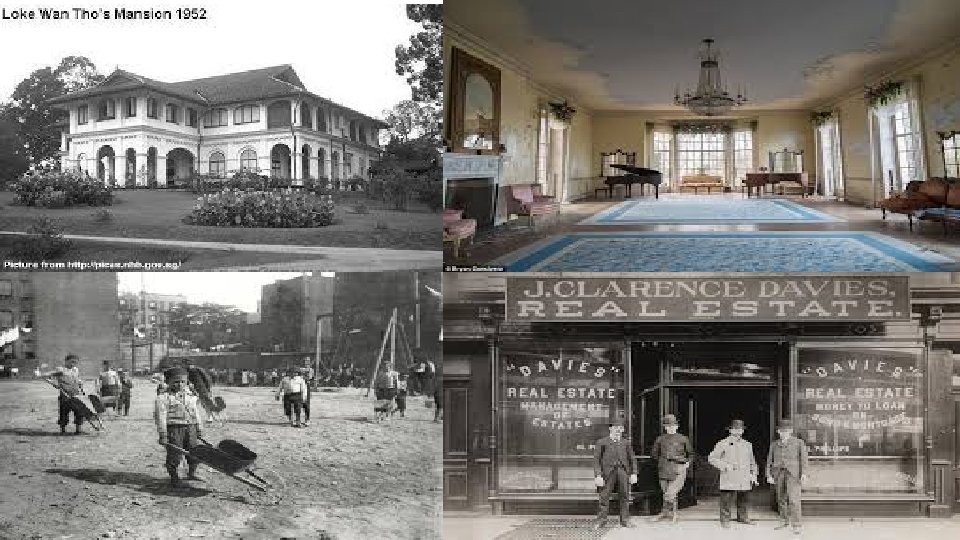
D. SOCIAL STRATIFICATION Organization of people into social classes by wealth. NYC was a great example with its grand mansions, working-class neighborhoods, & sprawling slums
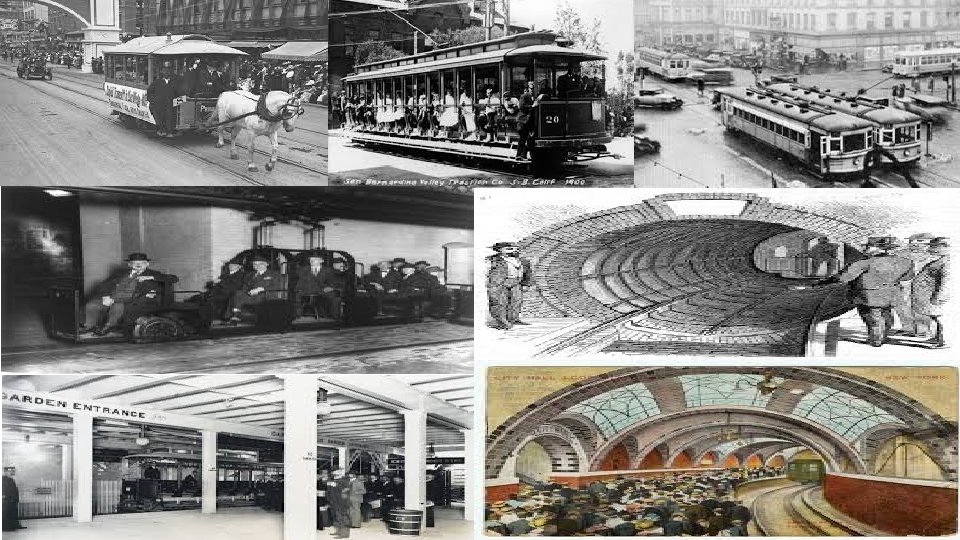
E. MASS TRANSIT Innovations in transportation systems designed to move large numbers of people along fixed routes, enabled workers to go to & from jobs more easily (Streetcars – San Francisco in 1873; electric subways – Boston in 1897
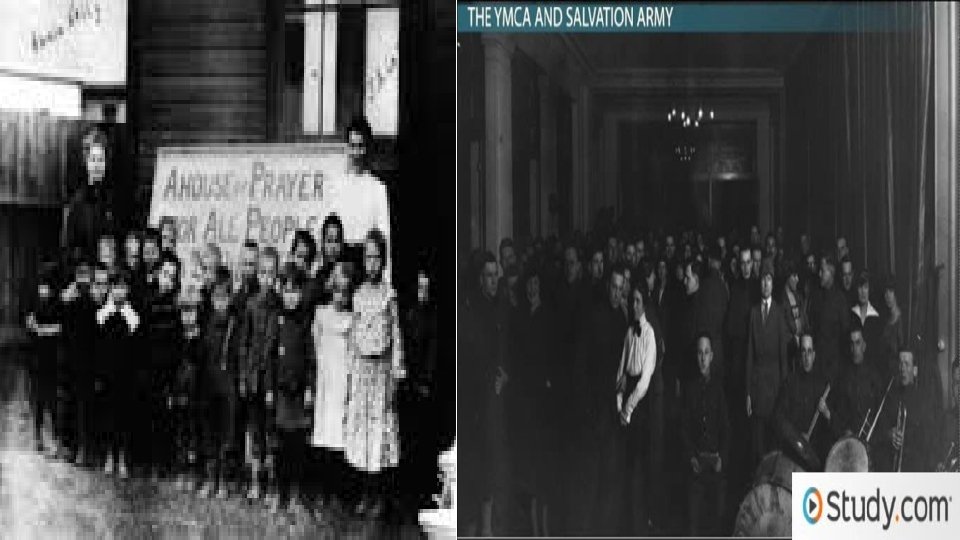
F. SOCIAL GOSPEL MOVEMENT Early reform programs started by local churches that preached salvation through service to the poor (moral duty to solve society’s problems)
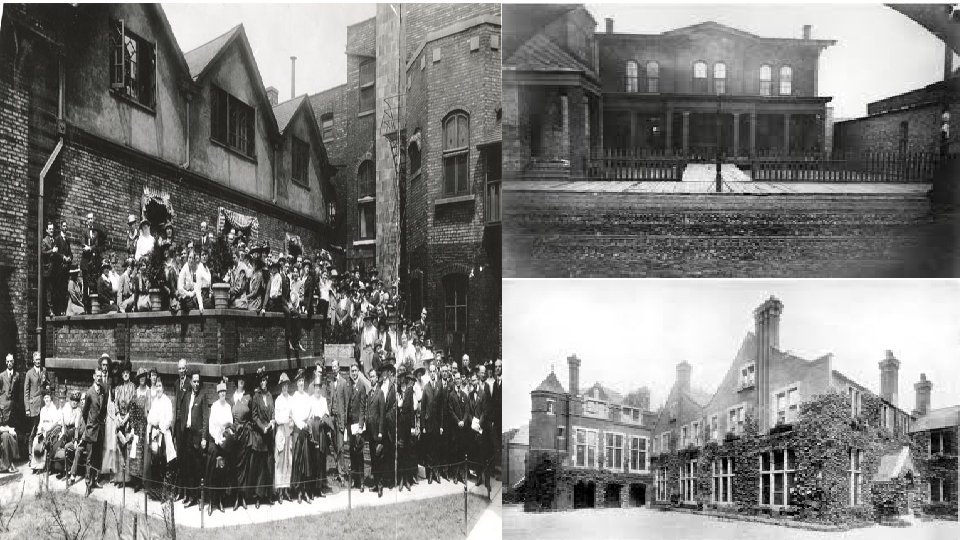
G. SETTLEMENT HOUSE Community centers in slum neighborhoods that provided assistance to immigrants (job training, day care, food/shelter)
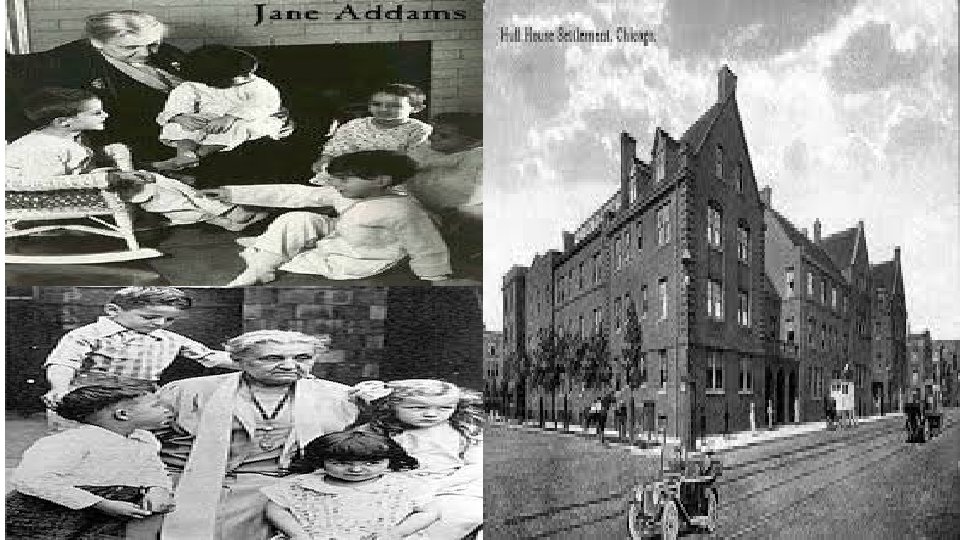
H. JANE ADDAMS Influential member of the Social Gospel Movement that co-founded Chicago’s Hull House (1889).
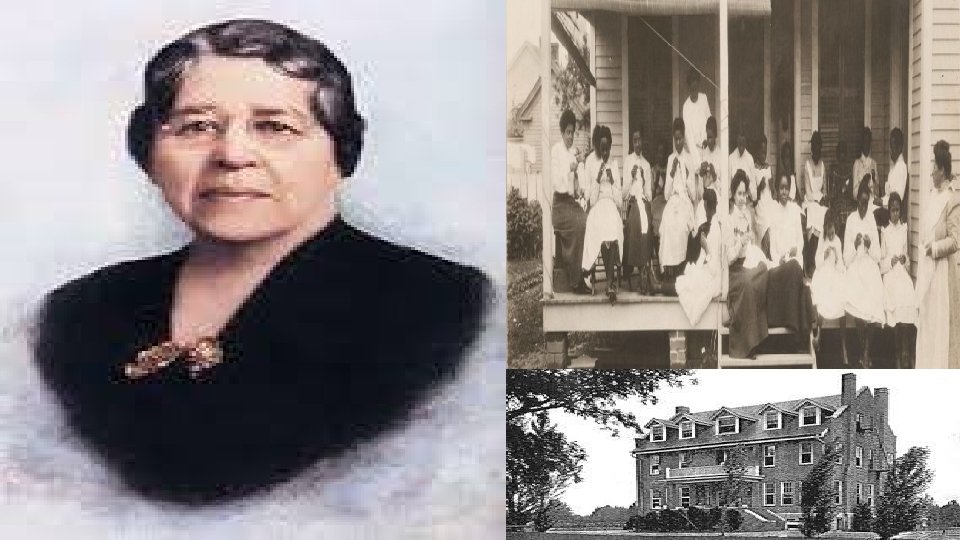
H. JANIE PORTER BARRETT Established the Locust St. Social Settlement in Hampton, VA as the st 1 settlement house for African Americans (1890)
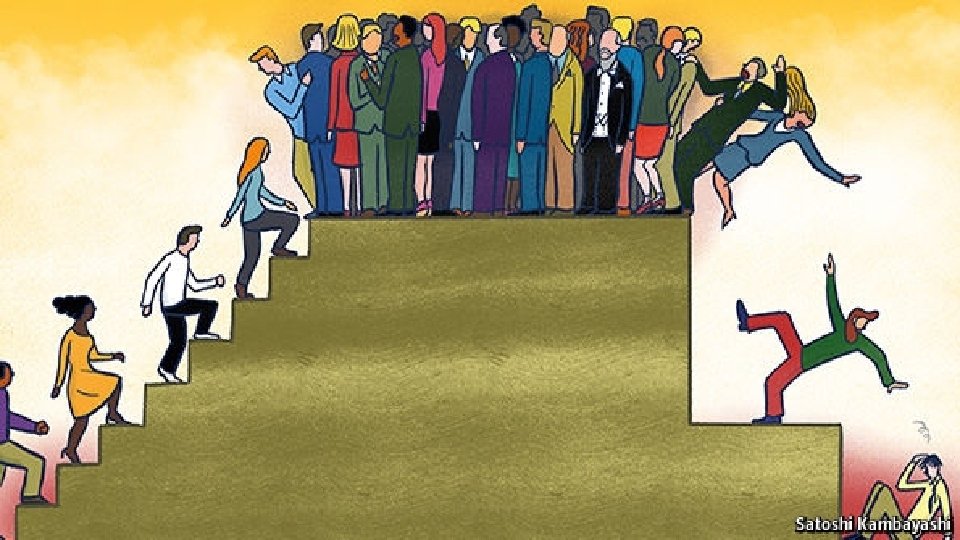
J. SOCIAL MOBILITY The ability of families or individuals to move into a higher social class
D. STUDY QUESTIONS
A. HOW DID MASS IMMIGRATION & MIGRATION HELP ACCELERATE URBANIZATION? §Immigration - By 1910, immigrants made up more than half of the population of 18 major American cities causing urban populations to explode §Migration - As our economy moved away from agriculture & towards manufacturing, many rural families moved to cities to find work because poverty exploded in the South
B. WHY DID MANY IMMIGRANTS CHOOSE TO SETTLE IN CITIES? Most immigrants swarmed to the cities because they were the cheapest/most convenient places to live (near the factories) & that was where other immigrants from their country of origin moved to
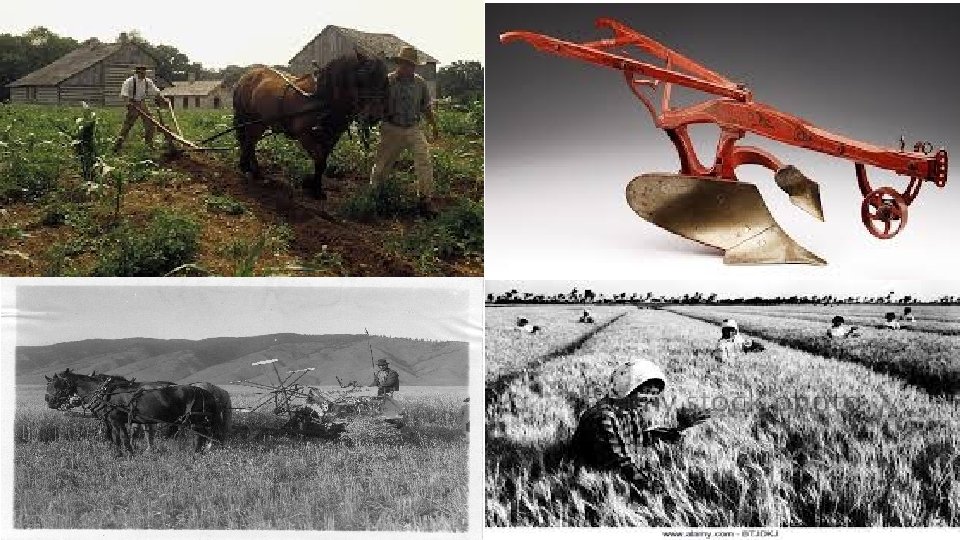
C. HOW DID MANY FARM WORKERS IN THE SOUTH REACT TO TECHNOLOGICAL & ECONOMIC CHANGES IN THE LATE 1800’S? Improved farming technology during the late 1800 s was good for some farmers but bad for others. The Mc. Cormick reaper & steel plow made farming more efficient but meant fewer laborers to work the farm, causing many to move north
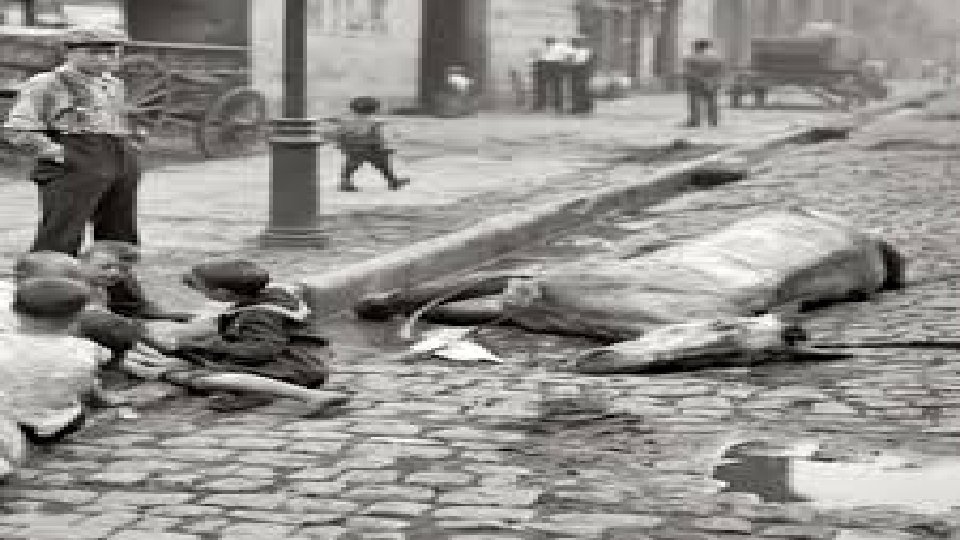
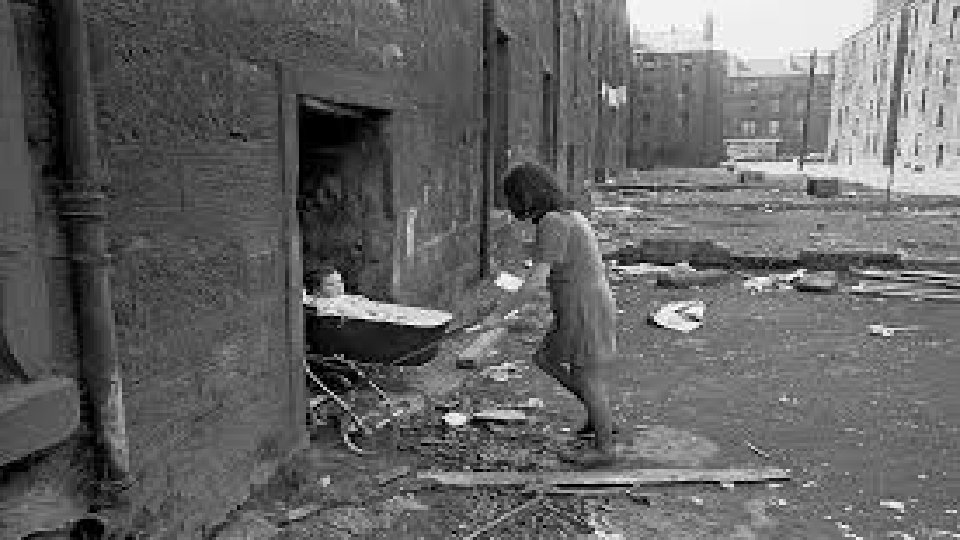
D. WHAT PROBLEMS DID RAPID GROWTH POSE FOR CITIES? City gov. was not ready/equipped to deal w/all the problems that come with rapid urbanization §Housing – not enough housing for the growing working class §Sanitation – most tenement slums didn’t have plumbing or electricity, garbage collection §Crime/Fire – overcrowding led to an increase in crime & construction of poorly built & highly flammable structures §Disease - poor sanitation, health services, overcrowding, & living near the factories led to the outbreak of many illnesses
E. WHAT SOLUTIONS TO URBAN PROBLEMS DID THE SETTLEMENT HOUSE MOVEMENT PROPOSE? They provided educational, cultural, & social services for the urban poor. These houses were run by middle class, college-educated women who often lived at the settlement house