
Module 34 Social Construction of Gender Sociology in


- Slides: 46
Module 34: Social Construction of Gender Sociology in Modules Richard T. Schaefer 3 rd edition
Many faces if stratification - Inequality in wealth • Federal reserve data – 2010 • White Americans held more than 88 percent of the country’s wealth– they made up 64% of the population. • Black Americans held 2. 7 percent of the country’s wealth, though they made up 13 percent of the population.
Racial wealth gap has increased • Institute of Assets and Social Policy 1984 -2010 • Since the civil rights era – the wealth gap between White and African American families has increased.
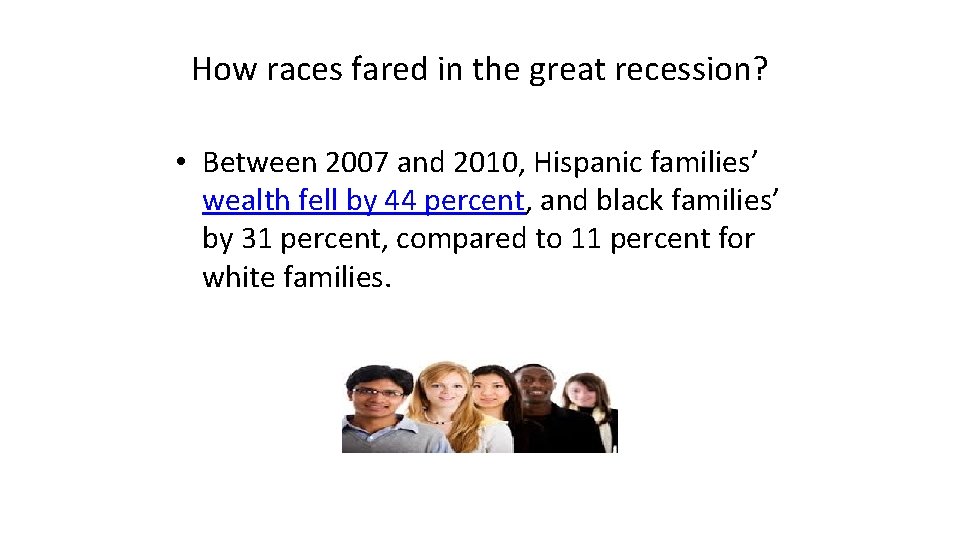
How races fared in the great recession? • Between 2007 and 2010, Hispanic families’ wealth fell by 44 percent, and black families’ by 31 percent, compared to 11 percent for white families.
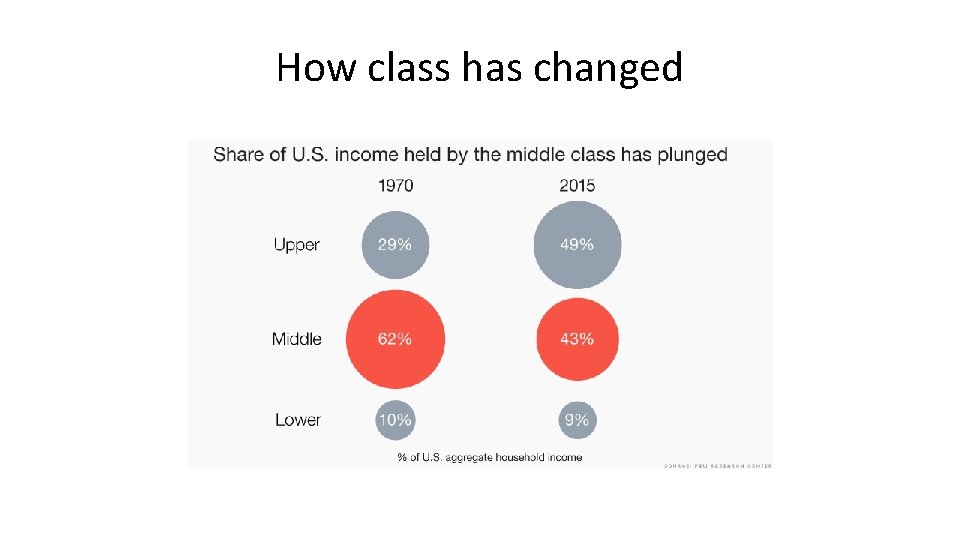
How class has changed
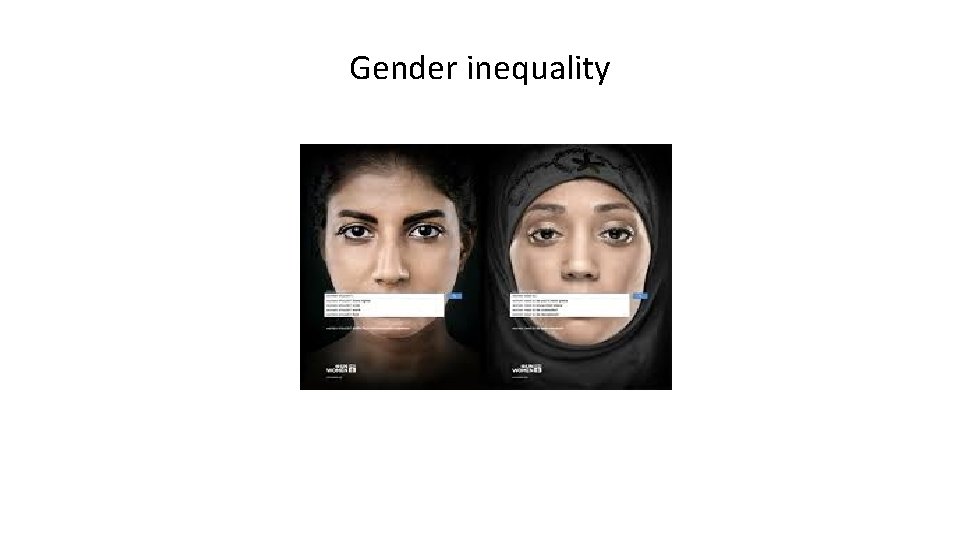
Gender inequality
Sex and Gender • Sex – biological • Gender – deeply held internal perception of his/her gender. – Gender varies greatly between different societies • Dressing in skirts • “The third gender” – Native Americans, India, Samoa
Social Construction of Gender • Gender roles: expectations regarding proper behavior, attitudes, and activities of males and females • Most people do not display strictly “masculine” or “feminine” qualities all the time • Socially construct behavior so as to create or exaggerate male/female differences
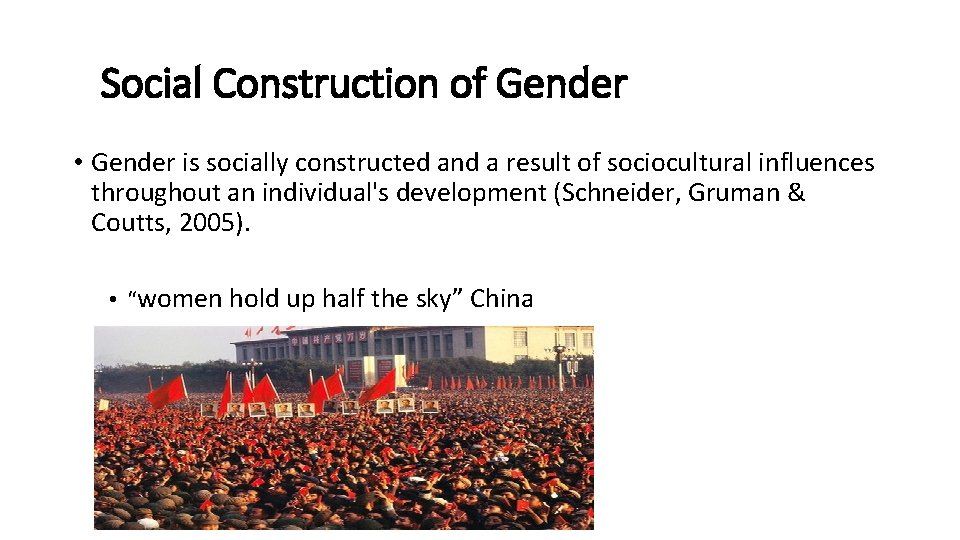
Social Construction of Gender • Gender is socially constructed and a result of sociocultural influences throughout an individual's development (Schneider, Gruman & Coutts, 2005). • “women hold up half the sky” China
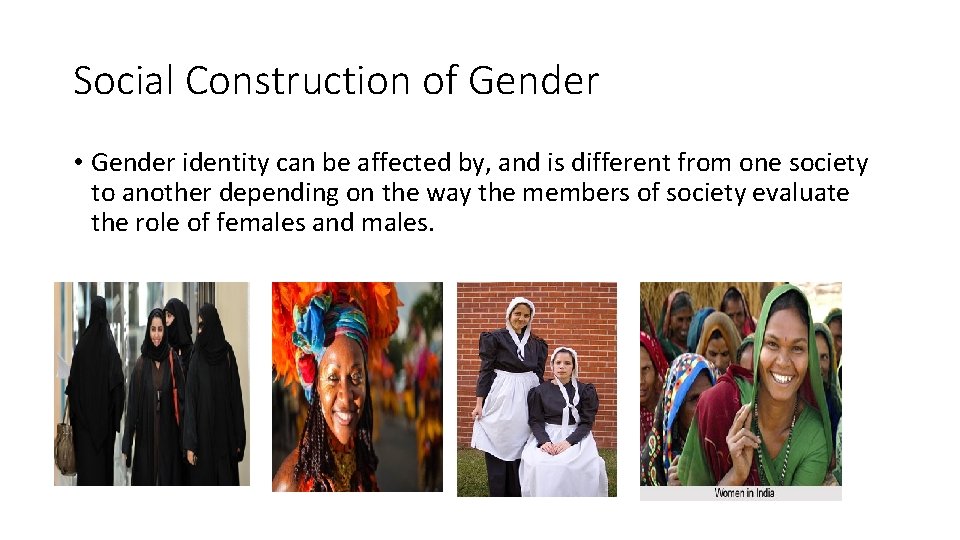
Social Construction of Gender • Gender identity can be affected by, and is different from one society to another depending on the way the members of society evaluate the role of females and males.
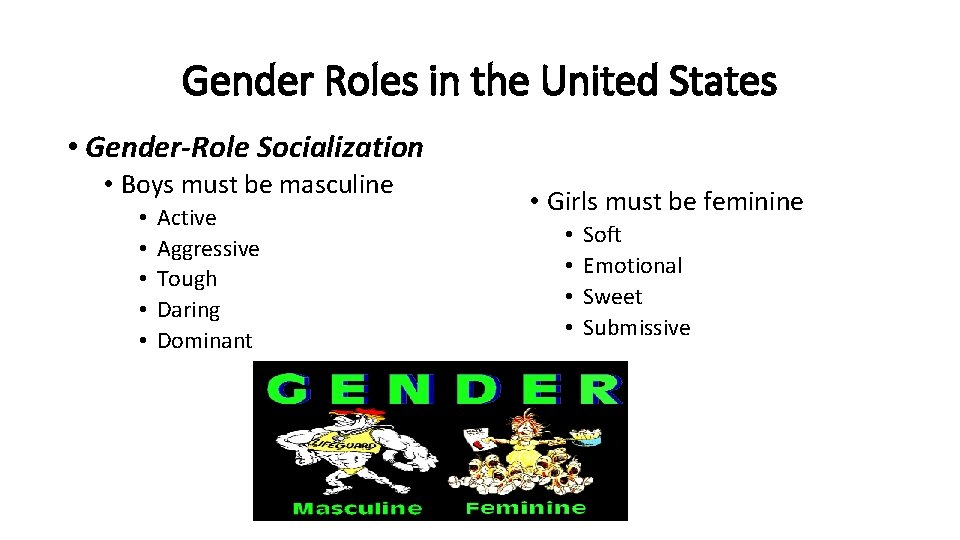
Gender Roles in the United States • Gender-Role Socialization • Boys must be masculine • • • Active Aggressive Tough Daring Dominant • Girls must be feminine • • Soft Emotional Sweet Submissive
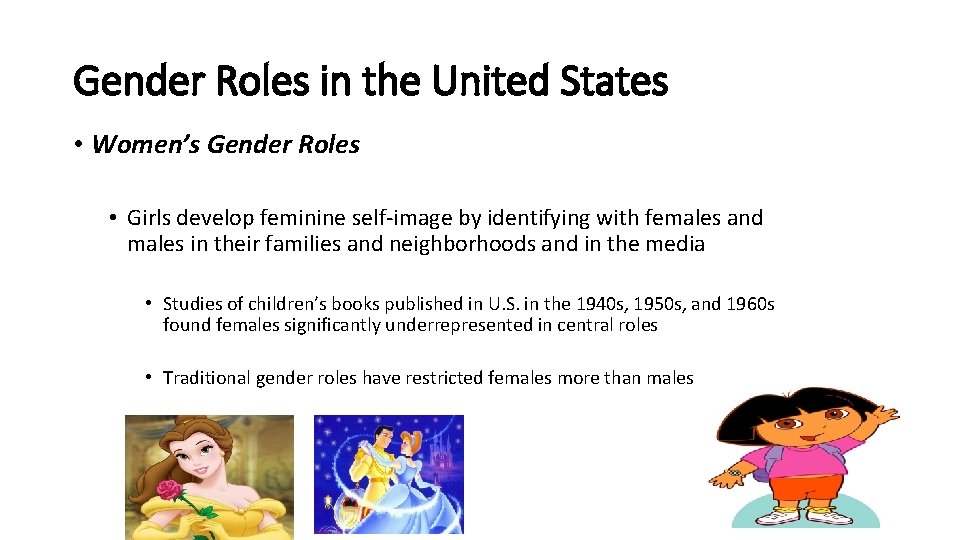
Gender Roles in the United States • Women’s Gender Roles • Girls develop feminine self-image by identifying with females and males in their families and neighborhoods and in the media • Studies of children’s books published in U. S. in the 1940 s, 1950 s, and 1960 s found females significantly underrepresented in central roles • Traditional gender roles have restricted females more than males
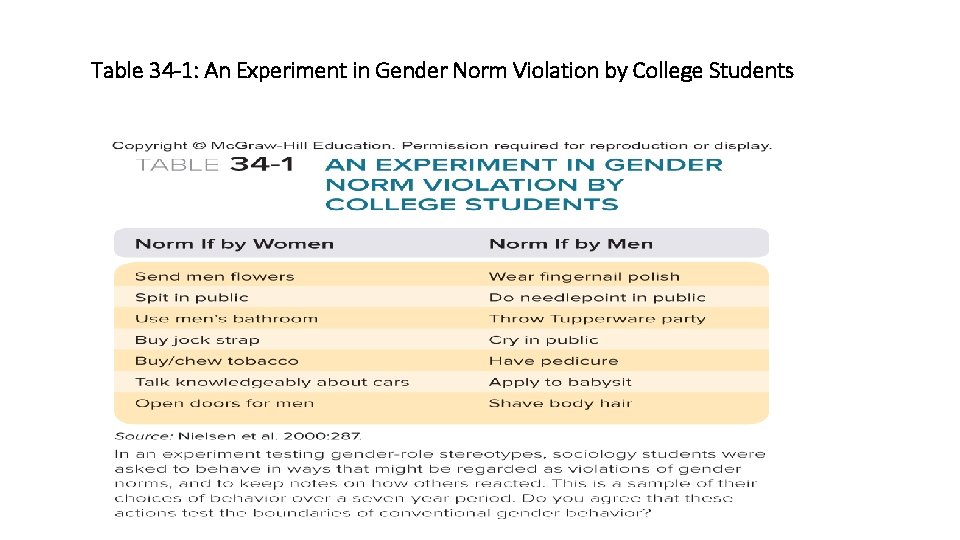
Table 34 -1: An Experiment in Gender Norm Violation by College Students
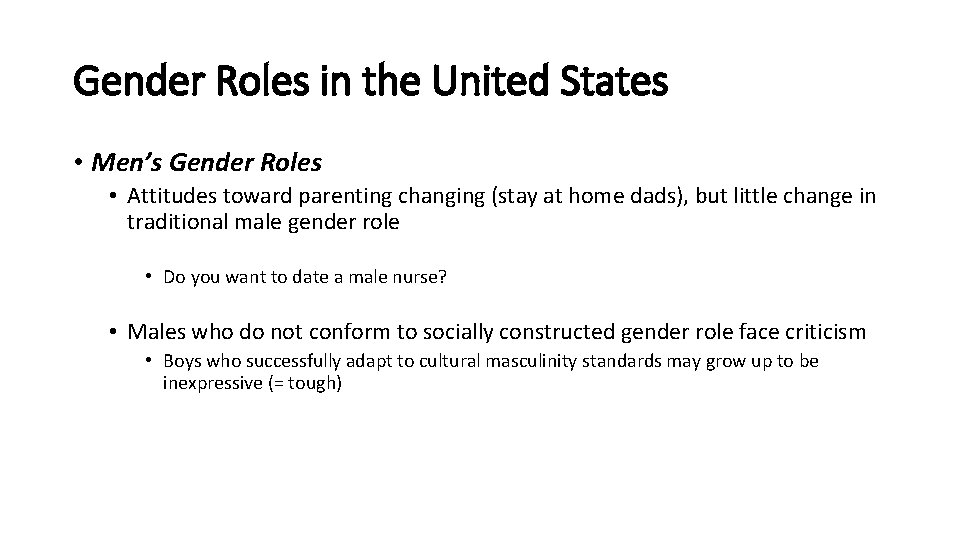
Gender Roles in the United States • Men’s Gender Roles • Attitudes toward parenting changing (stay at home dads), but little change in traditional male gender role • Do you want to date a male nurse? • Males who do not conform to socially constructed gender role face criticism • Boys who successfully adapt to cultural masculinity standards may grow up to be inexpressive (= tough)
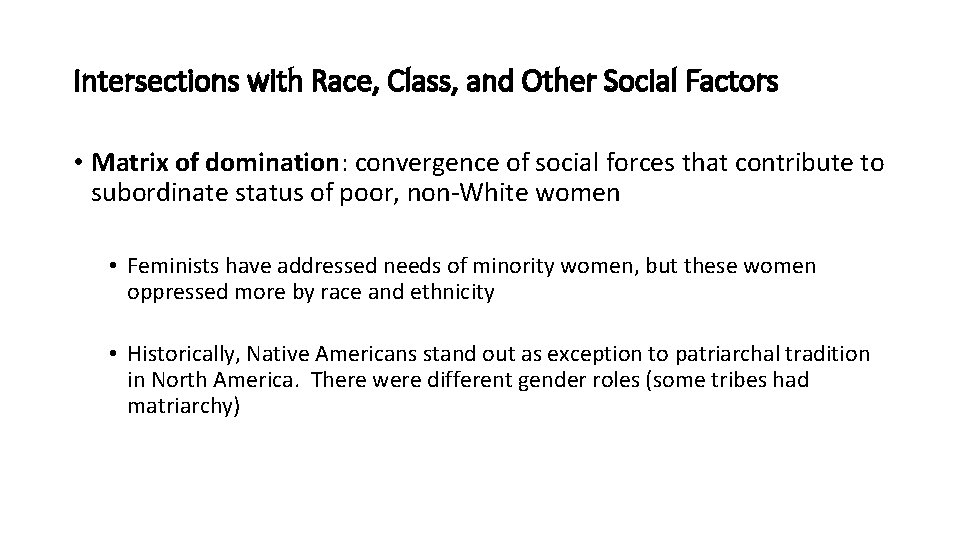
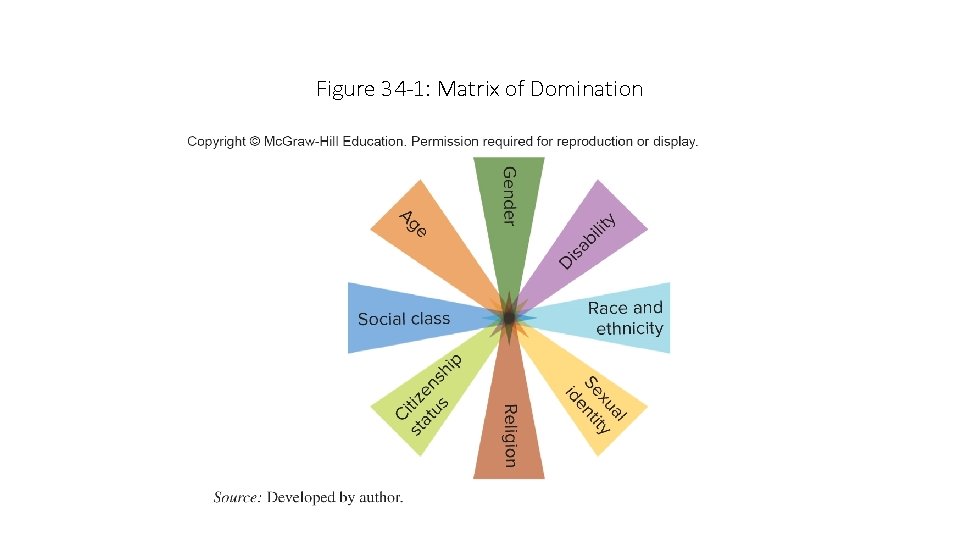
Intersections with Race, Class, and Other Social Factors • Matrix of domination: convergence of social forces that contribute to subordinate status of poor, non-White women • Feminists have addressed needs of minority women, but these women oppressed more by race and ethnicity • Historically, Native Americans stand out as exception to patriarchal tradition in North America. There were different gender roles (some tribes had matriarchy)
Figure 34 -1: Matrix of Domination
What is gender inequality Global Perspective Gender inequality refers to unequal treatment or perceptions of individuals based on their gender. It arises from differences in socially constructed gender roles.
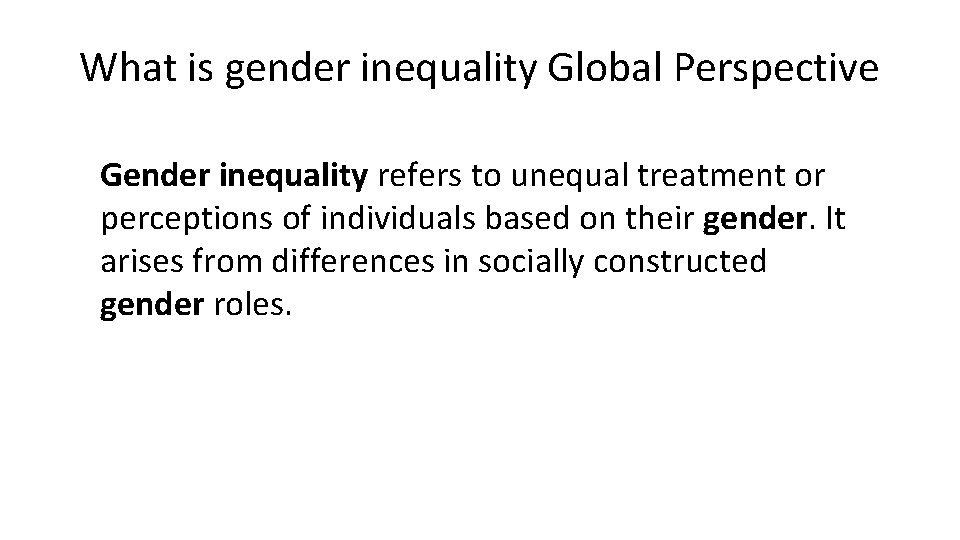
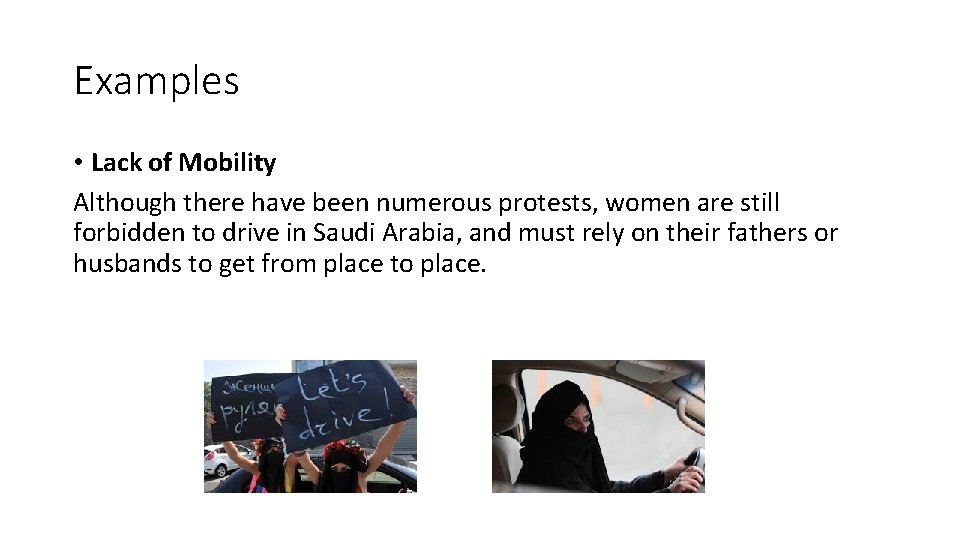
Examples • Lack of Mobility Although there have been numerous protests, women are still forbidden to drive in Saudi Arabia, and must rely on their fathers or husbands to get from place to place.
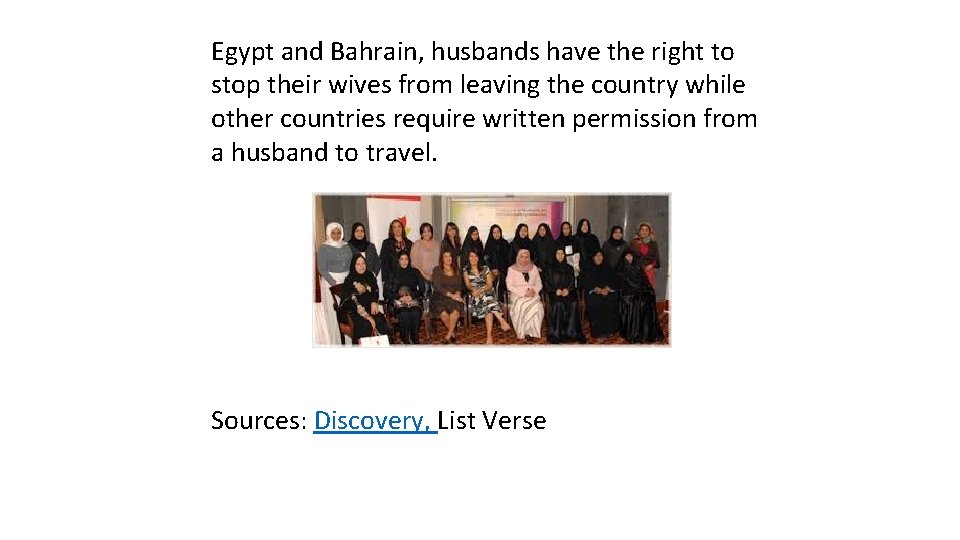
Egypt and Bahrain, husbands have the right to stop their wives from leaving the country while other countries require written permission from a husband to travel. Sources: Discovery, List Verse
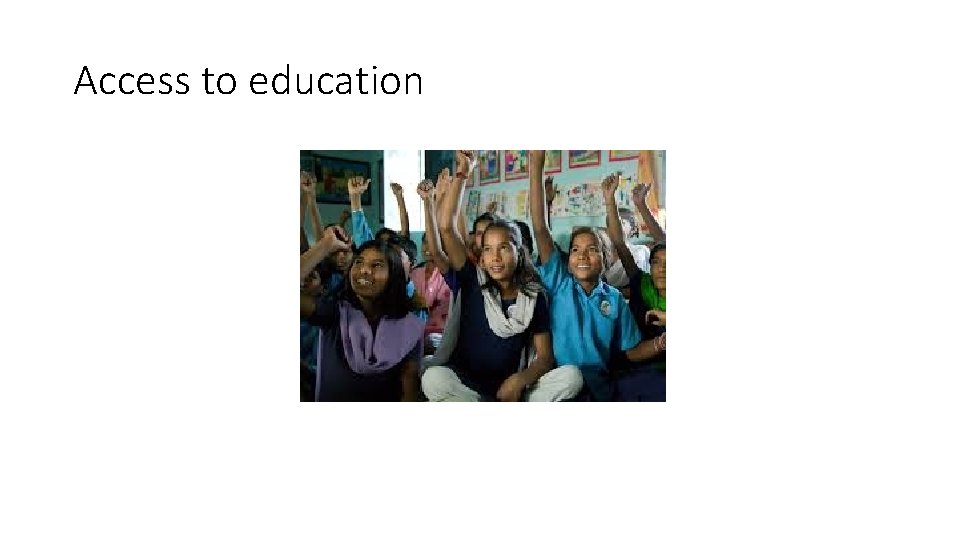
Access to education
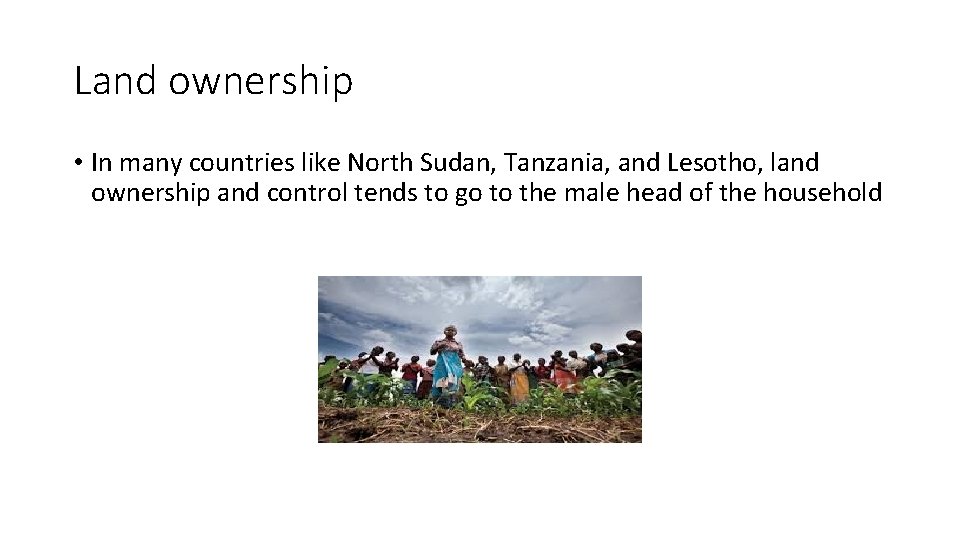
Land ownership • In many countries like North Sudan, Tanzania, and Lesotho, land ownership and control tends to go to the male head of the household
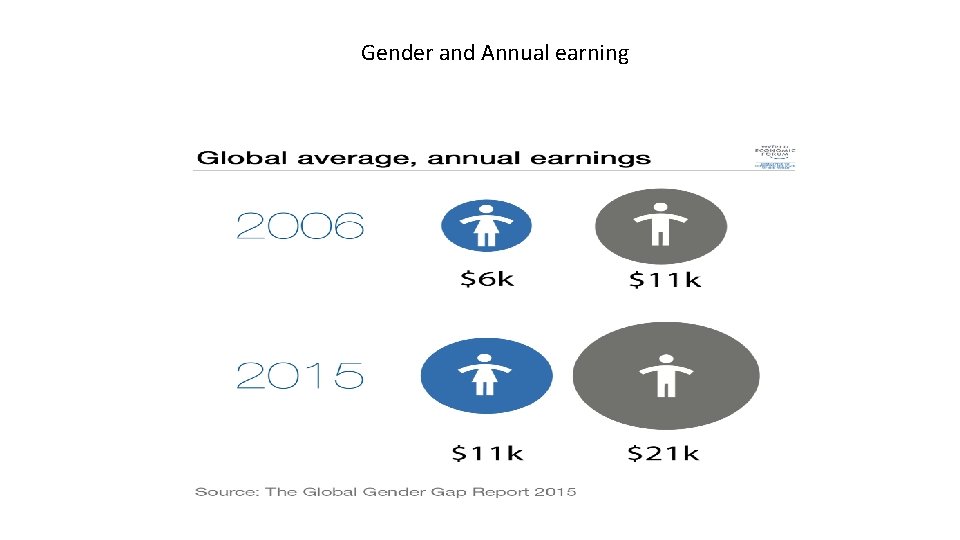
Gender and Annual earning
U. S. falls to 28 th on global gender equality list • The drop is mostly due to U. S. wage similarity for similar jobs dropping and fewer women in high government positions • Norway, Finland, Sweden and Ireland finished out the top five list. Rwanda was sixth and Philippines, 7. • Source: WEF Gender gap report, 2015
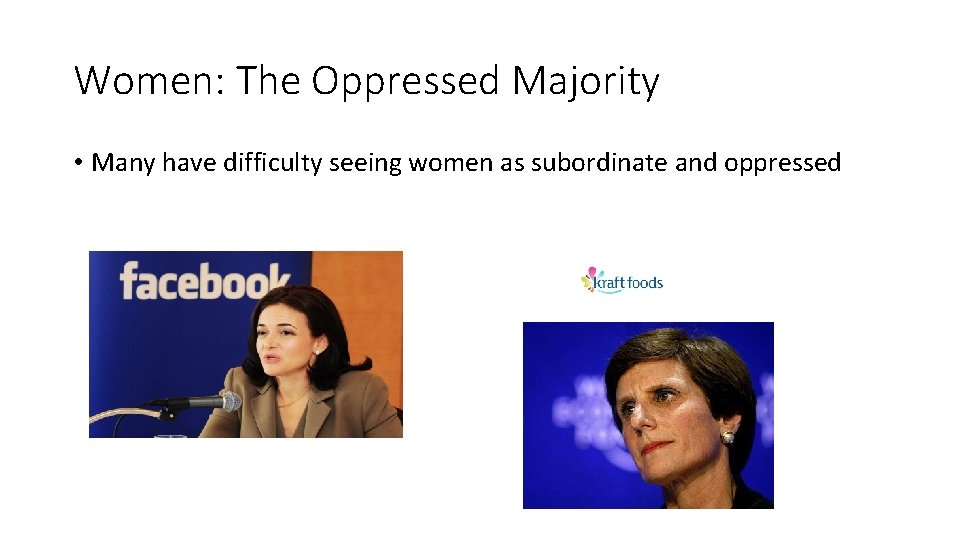
Women: The Oppressed Majority • Many have difficulty seeing women as subordinate and oppressed
President University of Houston
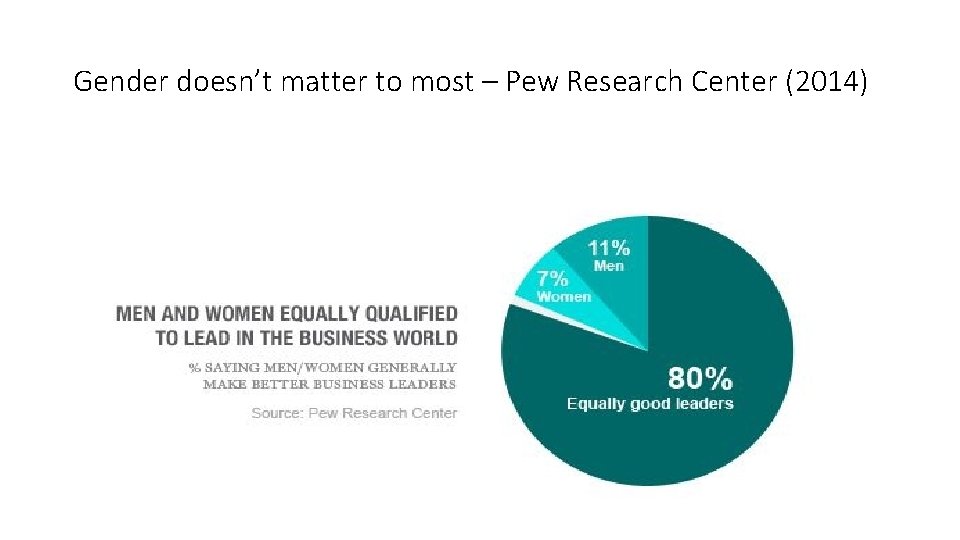
Gender doesn’t matter to most – Pew Research Center (2014)
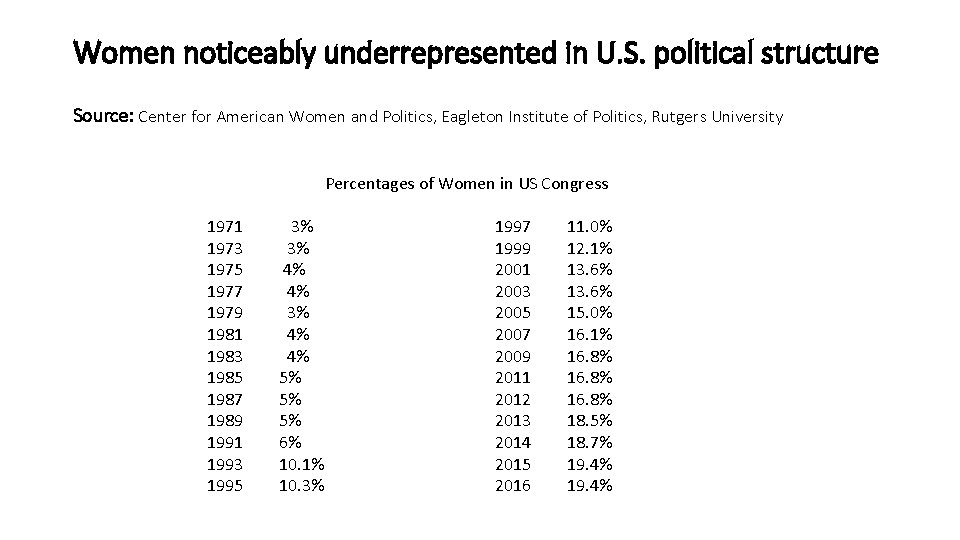
Women noticeably underrepresented in U. S. political structure Source: Center for American Women and Politics, Eagleton Institute of Politics, Rutgers University Percentages of Women in US Congress 1971 1973 1975 1977 1979 1981 1983 1985 1987 1989 1991 1993 1995 3% 3% 4% 4% 5% 5% 5% 6% 10. 1% 10. 3% 1997 1999 2001 2003 2005 2007 2009 2011 2012 2013 2014 2015 2016 11. 0% 12. 1% 13. 6% 15. 0% 16. 1% 16. 8% 18. 5% 18. 7% 19. 4%
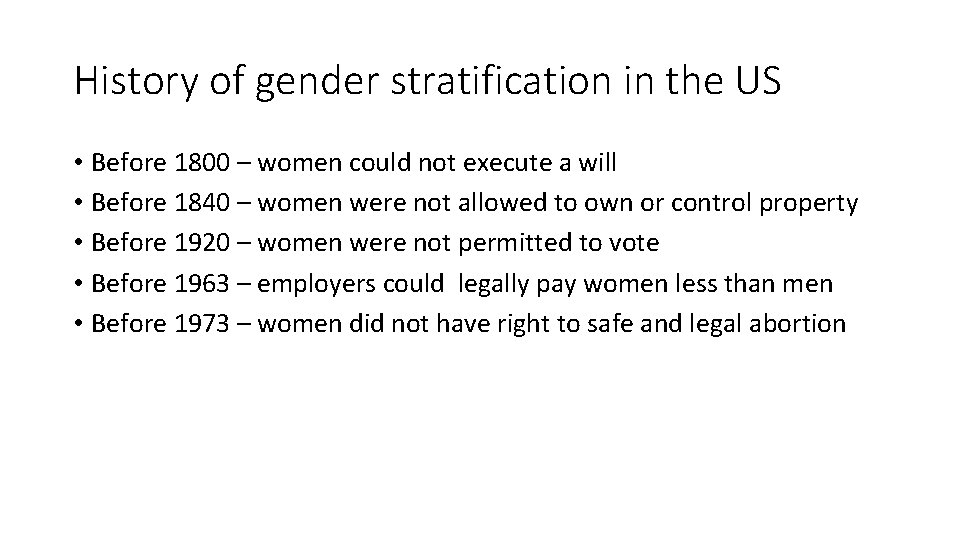
History of gender stratification in the US • Before 1800 – women could not execute a will • Before 1840 – women were not allowed to own or control property • Before 1920 – women were not permitted to vote • Before 1963 – employers could legally pay women less than men • Before 1973 – women did not have right to safe and legal abortion
Why the gap? • The median weekly earnings for full-time female workers in the US were about 80. 4 percent of men’s earnings, according to fourthquarter 2015 statistics by the U. S. Department of Labor. • African-American women were paid 63 percent of what white men earned in 2014, while Hispanic women were paid only 54 percent, the American Association of University Women, or AAUW reported.
Why the gap? • In 2014, the wage gap was smallest in Washington, D. C. , where women were paid 90 percent of what men earned, and largest in Louisiana, where women earned 65 percent of what men were paid, according to the U. S. Census Bureau's American Community Survey.
Sexism and Sex Discrimination • Sexism: ideology that one sex is superior to the other • Institutional Discrimination: denial of opportunities and equal rights as result of normal operations of society
Direct discrimination • Some women are paid less than men for doing the same job. This factor only explains a small part of the gender pay gap
Gender roles and socialization • Gender roles are taught from infancy through primary socialization, or the type of socialization that occurs in childhood and adolescence • Social norms pertaining to gender are developed through socialization, the lifelong process of inheriting, interpreting, and disseminating norms, customs, and ideologies.
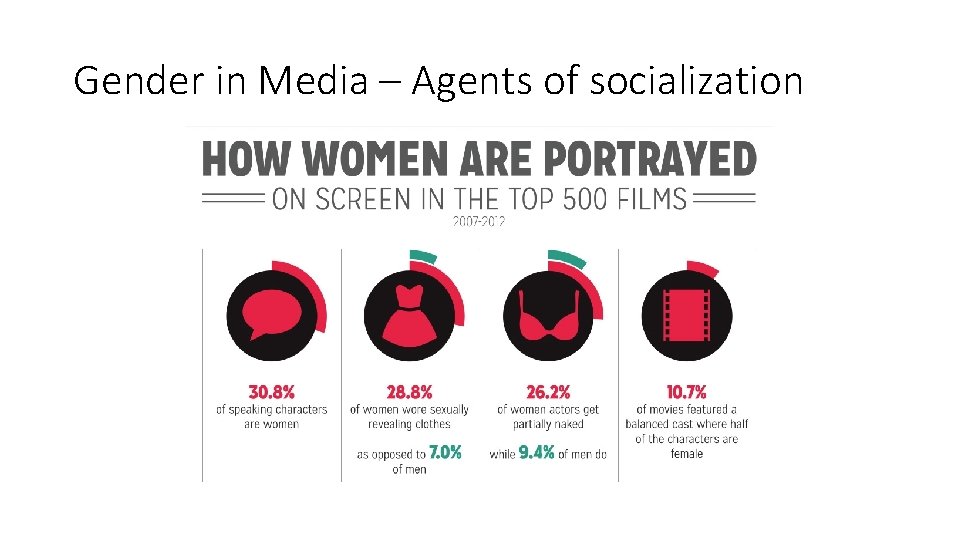
Gender in Media – Agents of socialization
The undervaluing of women's work • More frequently women earn less than men for doing jobs of equal value. One of the main causes is the way women's competences are valued compared to men's.
Segregation in the labor market • Women often work in sectors (for example in health administration, education, and public administration) where their work is lower valued and lower paid than those dominated by men. When we look at the health sector alone, 80% of those working in this sector are women.
Traditions and stereotypes • Segregation is frequently linked to traditions and stereotypes. Whilst in some cases this may reflect personal choices, traditions and stereotypes may influence, for example, the choice of educational paths and, consequently, professional careers that girls and women make. • While around 60% of new university graduates are women, they are a minority in fields like mathematics, computing and engineering
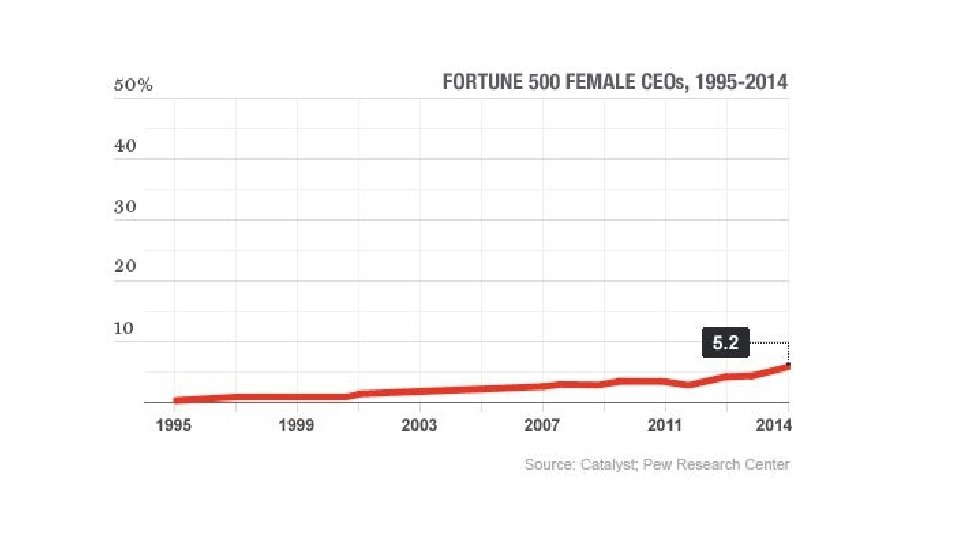
Labor force participation • Women’s participation in the paid labor force has increased steadily – 58% in 2011 • However, women are underrepresented in jobs traditionally defined as male jobs • Example – Pilot, civil engineers Glass ceiling – barriers that blocks the promotion of qualified individuals Globally, less than 1% women hold corporate managerial positions
Balancing work and private life • Family, care and domestic responsibilities are still not equally shared. The task of looking after dependent family members is largely borne by women. Far more women than men choose to take parental leave. This fact, together with the lack of facilities for childcare and elderly care, means that women are often forced to exit the labor market
Outcomes of gender gap 1. Power: Capacity to impose your will on others, regardless of any resistance 2. Material wellbeing: Involves access to economic resources required to pay for necessities of life and other possessions and advantages 3. Prestige: Average evaluation of occupational activities and positions arranged in a hierarchy
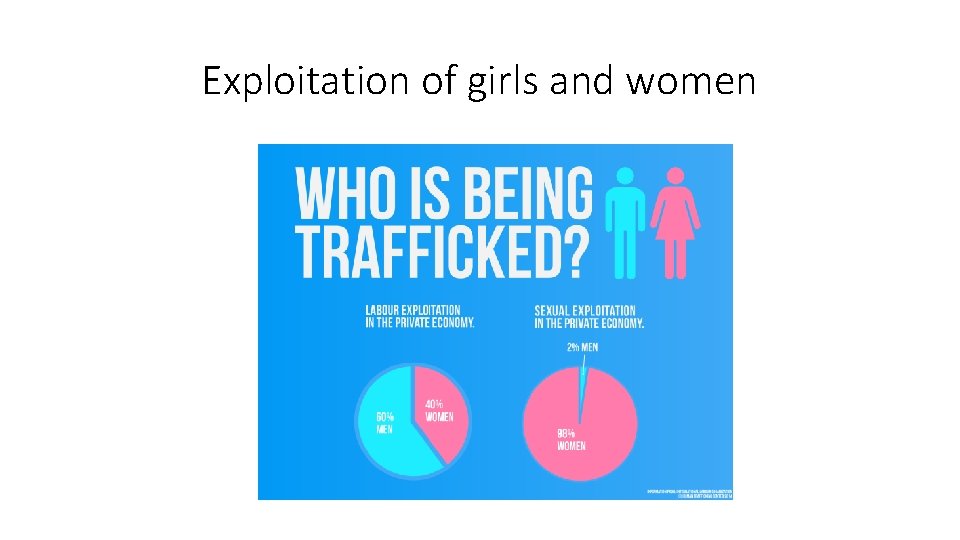
Exploitation of girls and women
Functionalist Perspective • Gender differentiation contributes to overall social stability • Expressiveness: maintenance of harmony and internal emotional affairs of family • Instrumentality: emphasis on tasks, focus on more distant goals, and concern for external relationship between one’s family and social institutions • Dividing tasks between spouses functional for the family as a unit
Conflict Perspective • Functionalist approach masks underlying power relations between men and women – how men and women’s work are valued? • Relationship between females and males traditionally one of unequal power • View gender differences as reflection of subjugation of one by another group
Feminist Perspective • Engels: women’s subjugation coincided with rise of private property • Many contemporary theorists view subordination as part of overall exploitation and injustice inherent in capitalist societies