
Module 3 5 Lipids in Heart Disease Cancer
- Slides: 43
Module 3. 5 Lipids in Heart Disease & Cancer By Jennifer Turley and Joan Thompson © 2013 Cengage
Presentation Overview Lipids in Heart Disease Incidence Contributing factors Prevention Blood lipids Dietary fat Oxidation & antioxidants Trans & omega 3 fatty acids Other factors Lipids in Cancer The cancer process Diet & lifestyle & disease risk P: S ratio Dietary lipids & disease risk
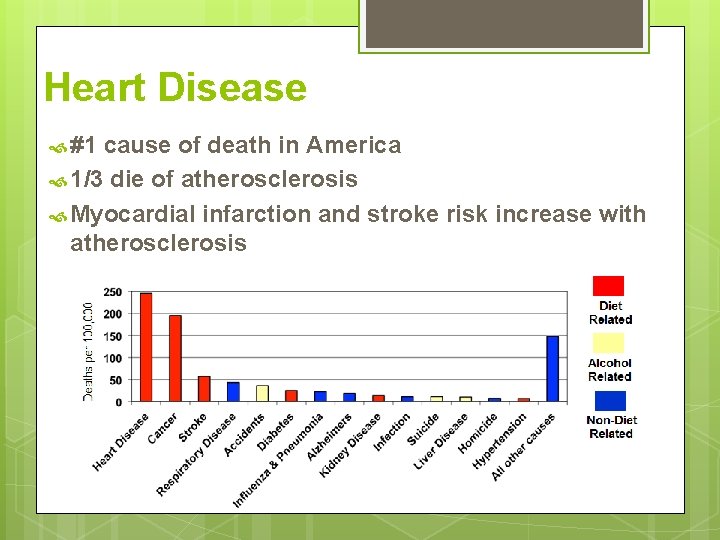
Heart Disease #1 cause of death in America 1/3 die of atherosclerosis Myocardial infarction and stroke risk increase with atherosclerosis
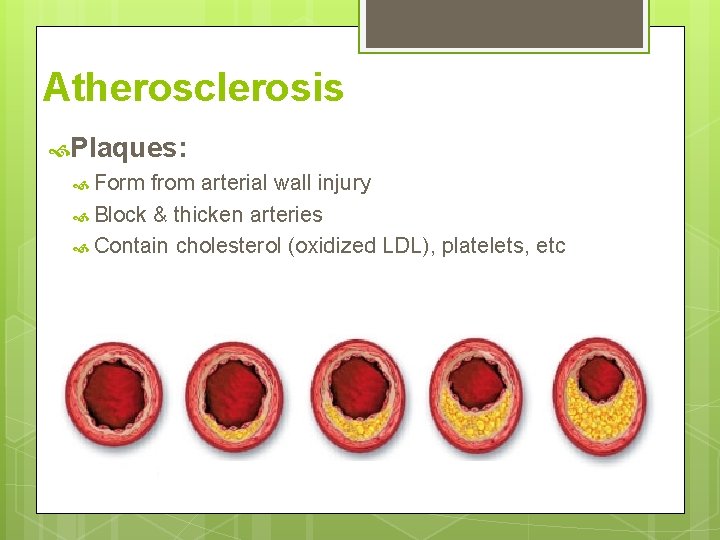
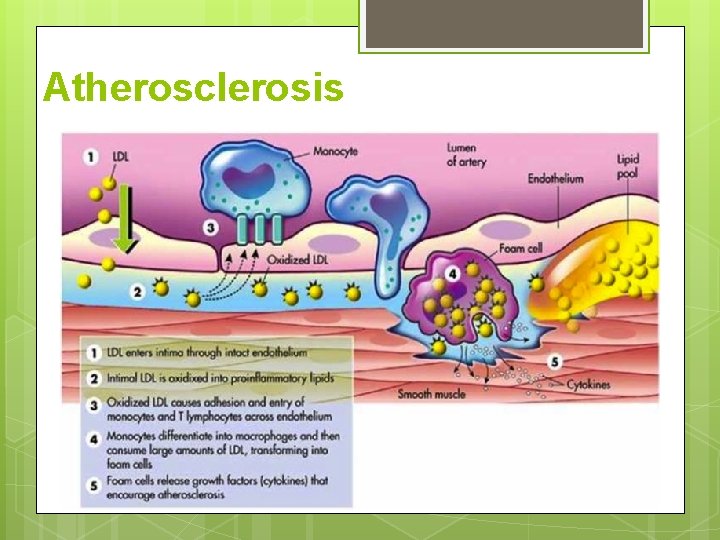
Atherosclerosis Plaques: Form from arterial wall injury Block & thicken arteries Contain cholesterol (oxidized LDL), platelets, etc
Atherosclerosis
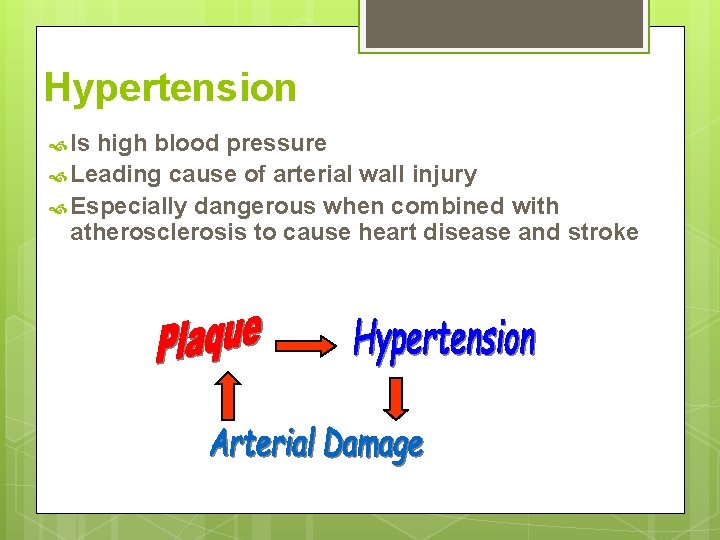
Hypertension Is high blood pressure Leading cause of arterial wall injury Especially dangerous when combined with atherosclerosis to cause heart disease and stroke
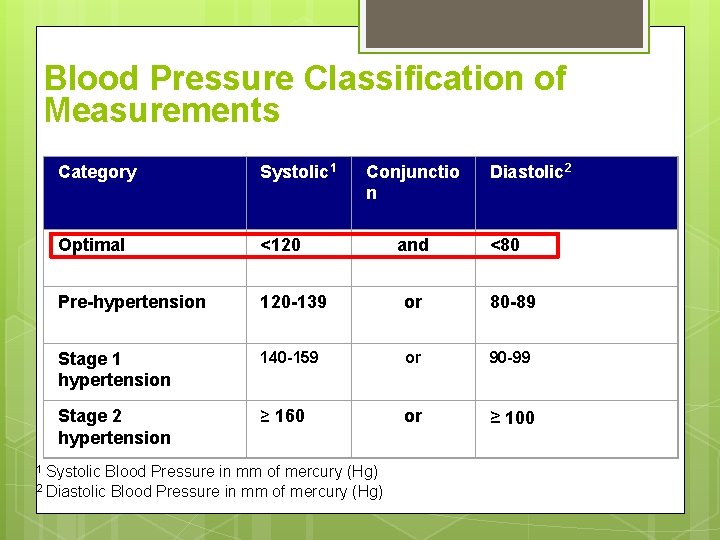
Blood Pressure Classification of Measurements Category Systolic 1 Optimal <120 Pre-hypertension 120 -139 or 80 -89 Stage 1 hypertension 140 -159 or 90 -99 Stage 2 hypertension ≥ 160 or ≥ 100 1 Systolic Conjunctio n Blood Pressure in mm of mercury (Hg) 2 Diastolic and Diastolic 2 <80
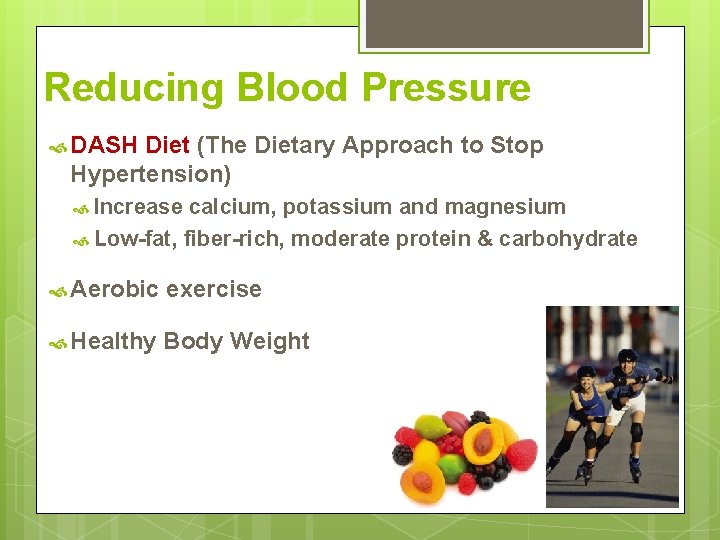
Reducing Blood Pressure DASH Diet (The Dietary Approach to Stop Hypertension) Increase calcium, potassium and magnesium Low-fat, fiber-rich, moderate protein & carbohydrate Aerobic exercise Healthy Body Weight
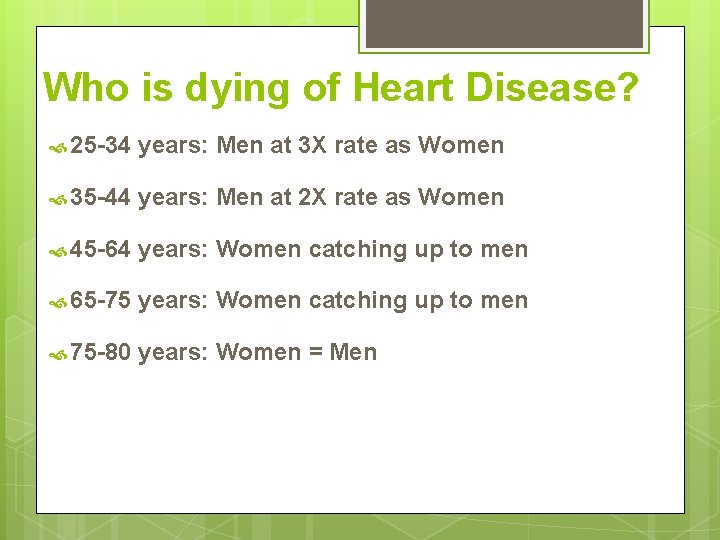
Who is dying of Heart Disease? 25 -34 years: Men at 3 X rate as Women 35 -44 years: Men at 2 X rate as Women 45 -64 years: Women catching up to men 65 -75 years: Women catching up to men 75 -80 years: Women = Men
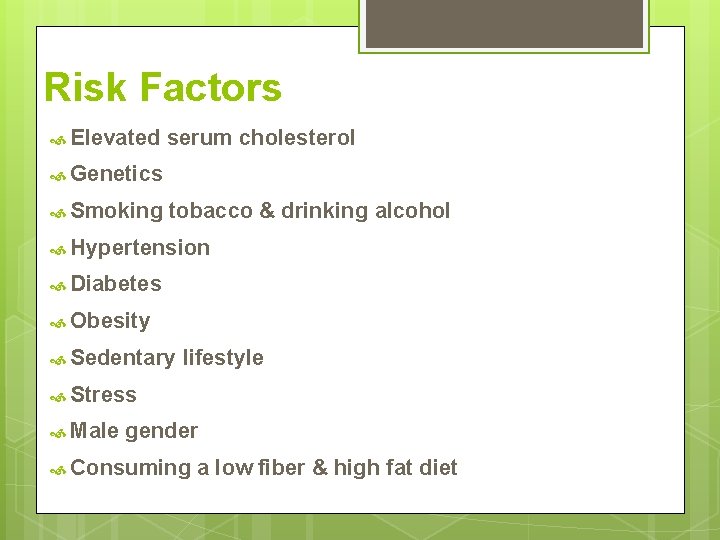
Risk Factors Elevated serum cholesterol Genetics Smoking tobacco & drinking alcohol Hypertension Diabetes Obesity Sedentary lifestyle Stress Male gender Consuming a low fiber & high fat diet
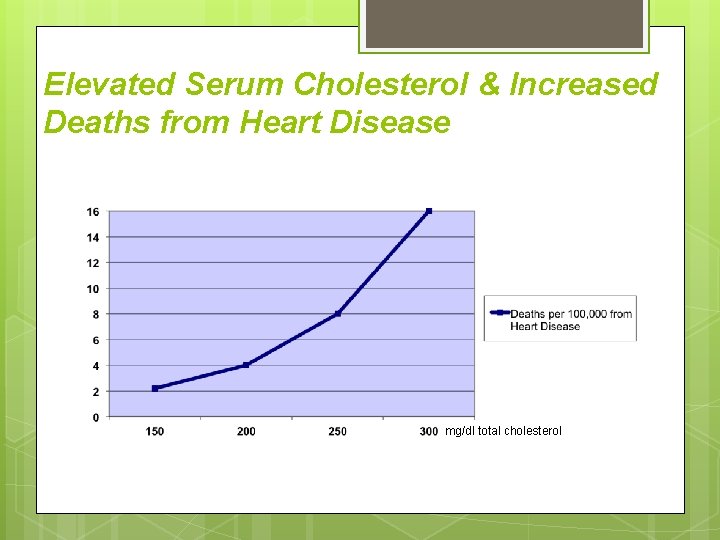
Elevated Serum Cholesterol & Increased Deaths from Heart Disease mg/dl total cholesterol
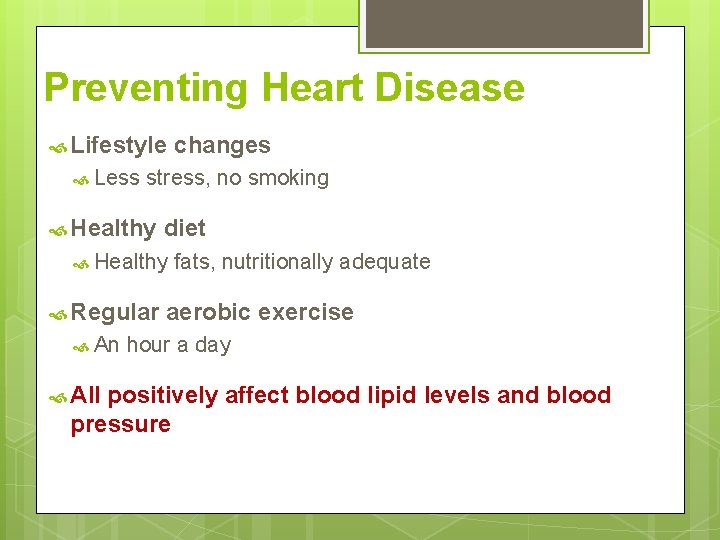
Preventing Heart Disease Lifestyle Less stress, no smoking Healthy diet Healthy Regular An All changes fats, nutritionally adequate aerobic exercise hour a day positively affect blood lipid levels and blood pressure
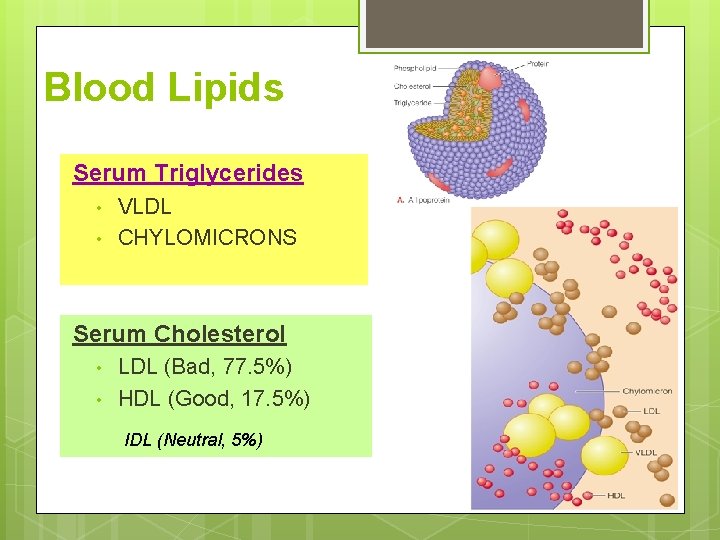
Blood Lipids Serum Triglycerides • • VLDL CHYLOMICRONS Serum Cholesterol • • LDL (Bad, 77. 5%) HDL (Good, 17. 5%) IDL (Neutral, 5%)
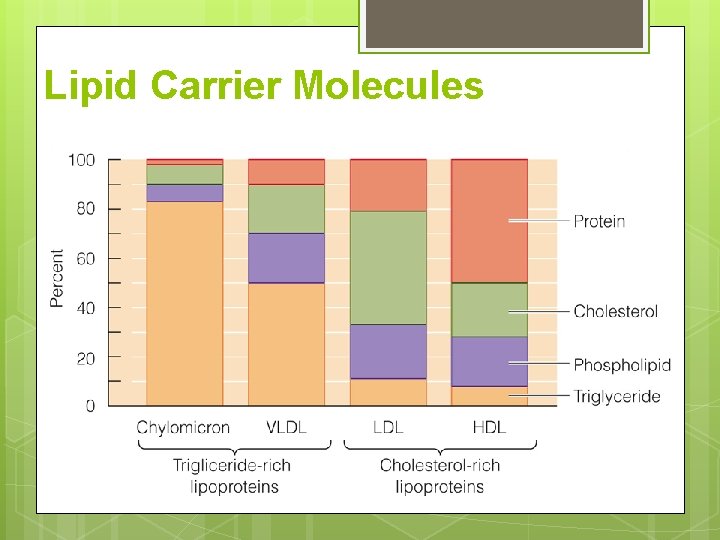
Lipid Carrier Molecules
Serum Triglycerides Elevated levels are associated with heart disease High triglyceride levels thicken the blood causing hypertriglyceridemia Triglycerides are packaged primarily in Chylomicrons and Very Low Density Lipoproteins (VLDL) A fasting 12 hour blood test is needed to determine an accurate triglyceride level <150 mg/dl is normal 450 mg/dl is like pumping ketchup, causes arterial damage contributing to heart disease and stroke
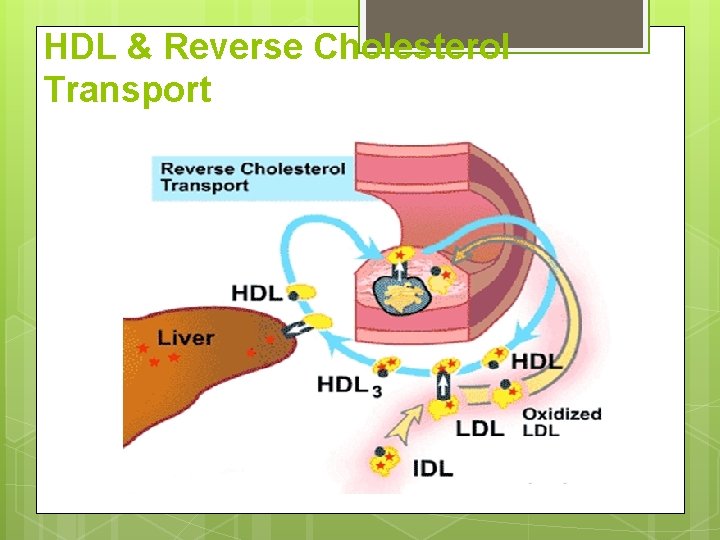
Serum Cholesterol Elevated levels are associated with atherosclerosis if 2 other risk factors exist Cholesterol is packaged as Low Density Lipoproteins (LDL) and High Density Lipoprotein (HDL). Intermediate Density Lipoprotein (IDL) is present to a minor extent HDL returns cholesterol to the liver for synthesis of bile, hormones, and vitamins LDL delivers cholesterol to tissue and therefore have a higher plaque effect
HDL & Reverse Cholesterol Transport
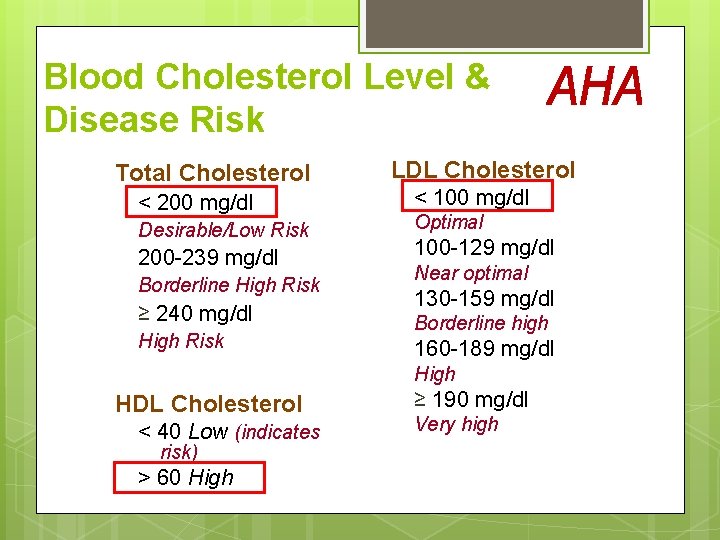
Blood Cholesterol Level & Disease Risk Total Cholesterol < 200 mg/dl Desirable/Low Risk 200 -239 mg/dl Borderline High Risk ≥ 240 mg/dl High Risk LDL Cholesterol < 100 mg/dl Optimal 100 -129 mg/dl Near optimal 130 -159 mg/dl Borderline high 160 -189 mg/dl High HDL Cholesterol < 40 Low (indicates risk) > 60 High ≥ 190 mg/dl Very high
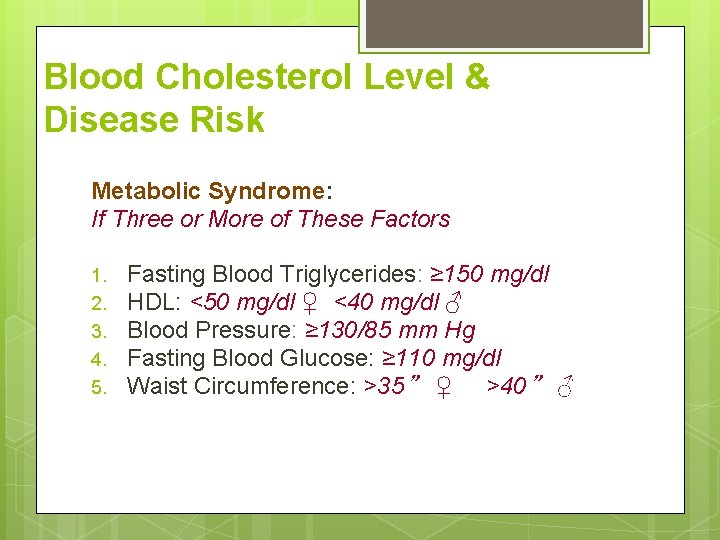
Blood Cholesterol Level & Disease Risk Metabolic Syndrome: If Three or More of These Factors 1. 2. 3. 4. 5. Fasting Blood Triglycerides: ≥ 150 mg/dl HDL: <50 mg/dl ♀ <40 mg/dl ♂ Blood Pressure: ≥ 130/85 mm Hg Fasting Blood Glucose: ≥ 110 mg/dl Waist Circumference: >35” ♀ >40” ♂
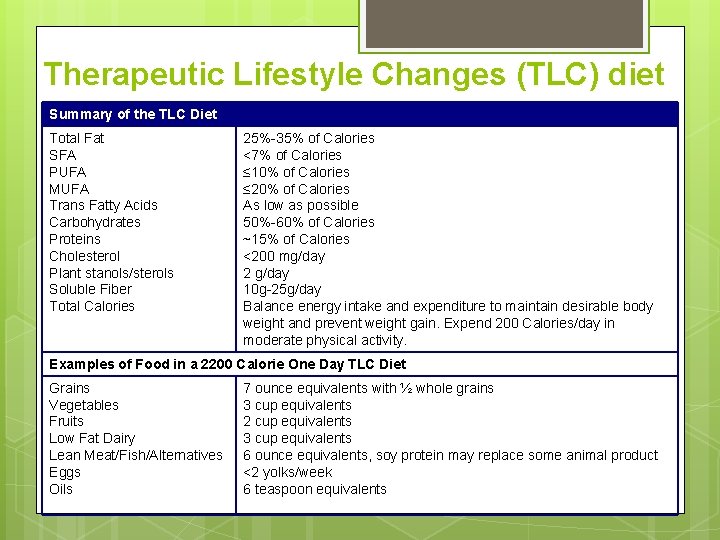
Therapeutic Lifestyle Changes (TLC) diet Summary of the TLC Diet Total Fat SFA PUFA MUFA Trans Fatty Acids Carbohydrates Proteins Cholesterol Plant stanols/sterols Soluble Fiber Total Calories 25%-35% of Calories <7% of Calories ≤ 10% of Calories ≤ 20% of Calories As low as possible 50%-60% of Calories ~15% of Calories <200 mg/day 2 g/day 10 g-25 g/day Balance energy intake and expenditure to maintain desirable body weight and prevent weight gain. Expend 200 Calories/day in moderate physical activity. Examples of Food in a 2200 Calorie One Day TLC Diet Grains Vegetables Fruits Low Fat Dairy Lean Meat/Fish/Alternatives Eggs Oils 7 ounce equivalents with ½ whole grains 3 cup equivalents 2 cup equivalents 3 cup equivalents 6 ounce equivalents, soy protein may replace some animal product <2 yolks/week 6 teaspoon equivalents
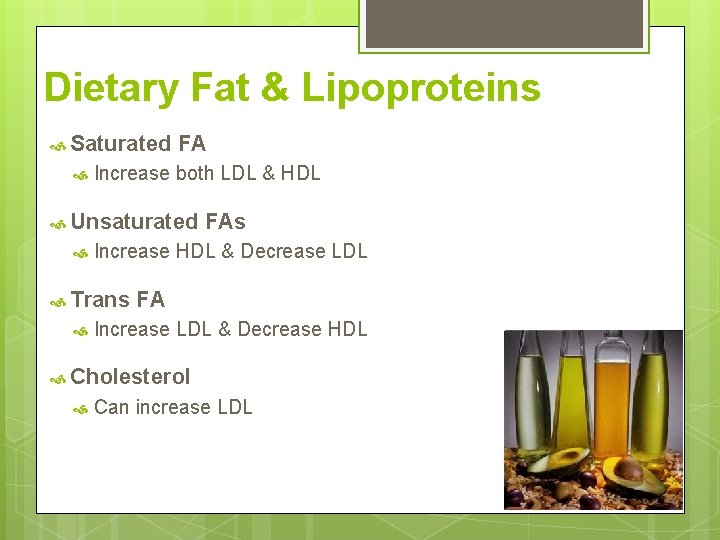
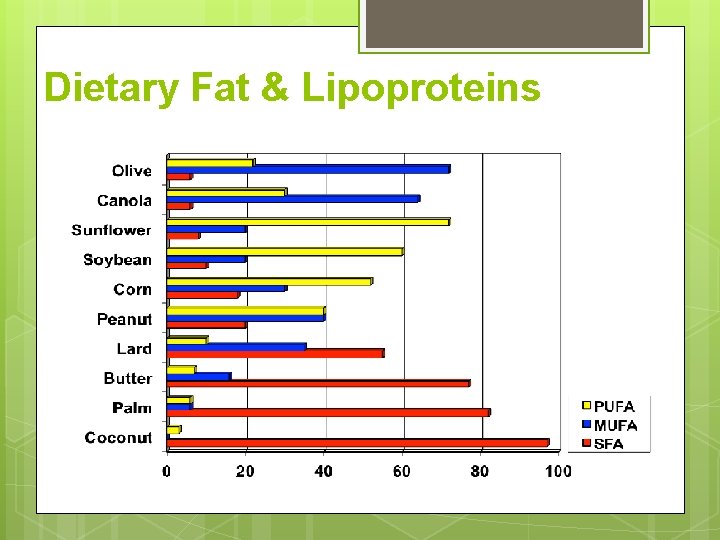
Dietary Fat & Lipoproteins Saturated FA Increase both LDL & HDL Unsaturated Increase HDL & Decrease LDL Trans FAs FA Increase LDL & Decrease HDL Cholesterol Can increase LDL
Dietary Fat & Lipoproteins
Antioxidants Antioxidants: Prevent oxidation reactions (i. e. LDL oxidation in arteries), react with oxygen radical species directly, & prevent heart disease Antioxidants vitamins include: vitamin E (alphatocopherol), vitamin C (L-ascorbic acid), beta-carotene (provitamin A) Minerals with antioxidant cofactor functions include: Zinc, Copper, & Iron
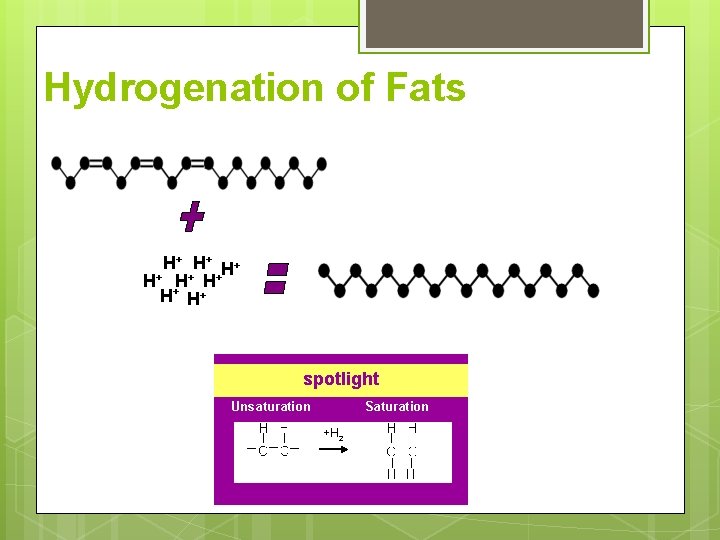
Hydrogenation of Fats Trans fatty acids levels are high in processed foods containing partially hydrogenated oils The double bonds from PUFA & MUFA are removed by hydrogenation (adding hydrogen) The fatty acid becomes more saturated Is used in the process of making margarine The softer the margarine the less trans fat Stick margarine & shortening are highly hydrogenated and partially hydrogenated
Hydrogenation of Fats H+ H+ spotlight Unsaturation Saturation +H 2
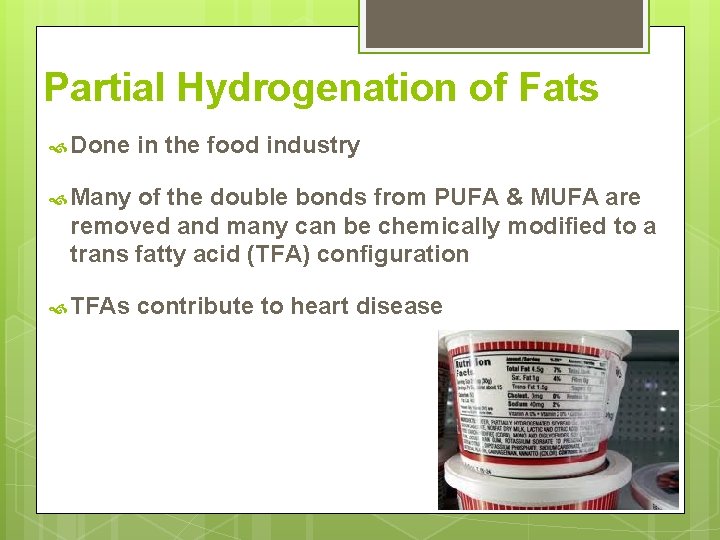
Partial Hydrogenation of Fats Done in the food industry Many of the double bonds from PUFA & MUFA are removed and many can be chemically modified to a trans fatty acid (TFA) configuration TFAs contribute to heart disease
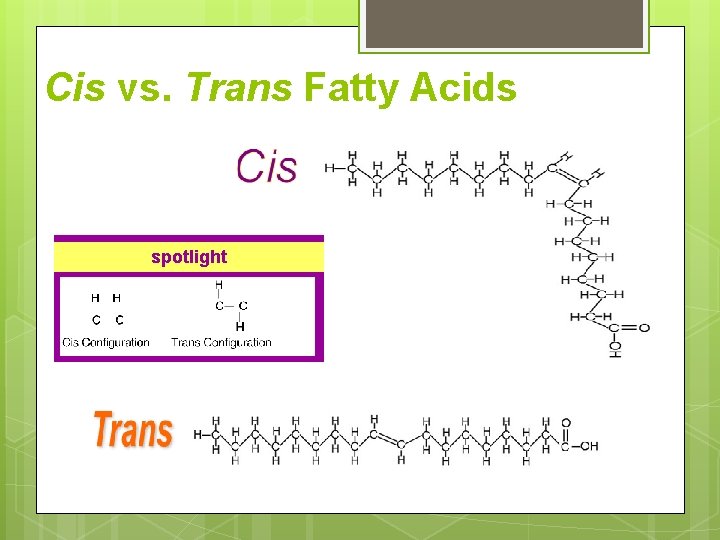
Cis vs. Trans Fatty Acids Cis: The naturally occurring configuration in PUFA & MUFA Hydrogen atoms are on the same side of the double bond in the fatty acid Carbon chain Trans: Form during the partial hydrogenation process A chemical “Fluke” Hydrogen atoms are on the opposite side of the double bond in the fatty acid Carbon chain
Cis vs. Trans Fatty Acids spotlight
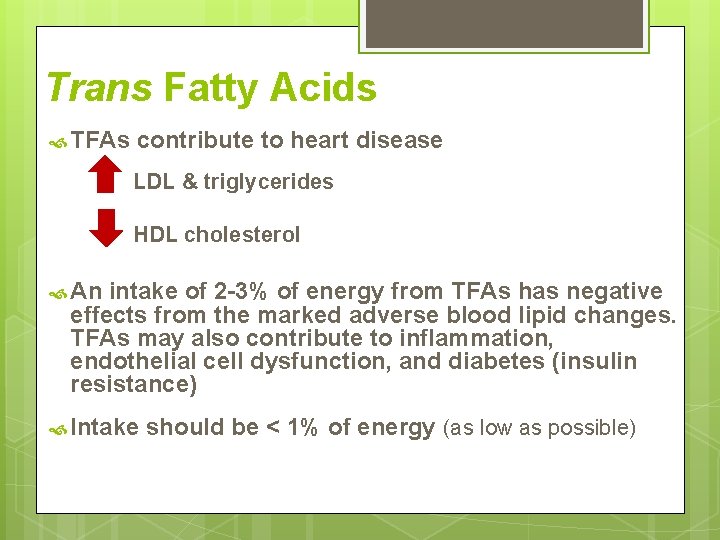
Trans Fatty Acids TFAs contribute to heart disease LDL & triglycerides HDL cholesterol An intake of 2 -3% of energy from TFAs has negative effects from the marked adverse blood lipid changes. TFAs may also contribute to inflammation, endothelial cell dysfunction, and diabetes (insulin resistance) Intake should be < 1% of energy (as low as possible)
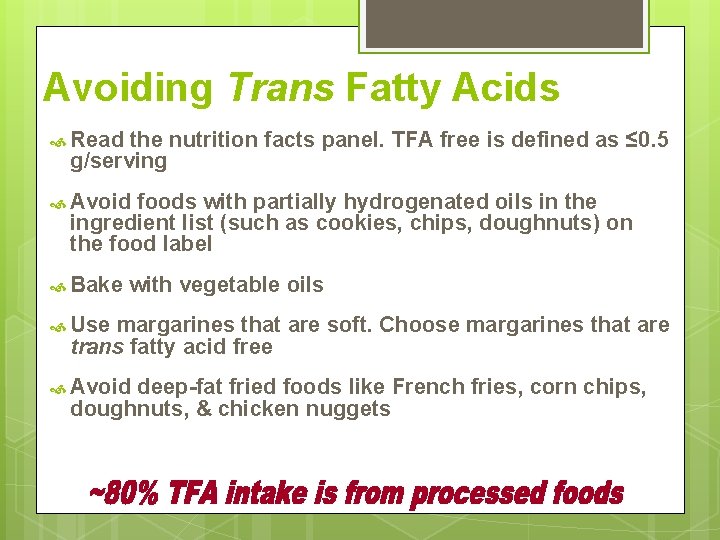
Avoiding Trans Fatty Acids Read the nutrition facts panel. TFA free is defined as ≤ 0. 5 g/serving Avoid foods with partially hydrogenated oils in the ingredient list (such as cookies, chips, doughnuts) on the food label Bake with vegetable oils Use margarines that are soft. Choose margarines that are trans fatty acid free Avoid deep-fat fried foods like French fries, corn chips, doughnuts, & chicken nuggets
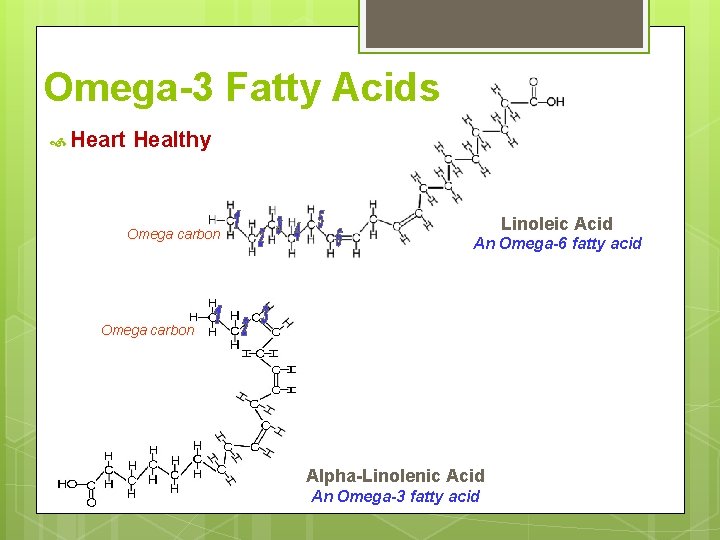
Omega-3 Fatty Acids Heart Healthy Omega carbon Linoleic Acid An Omega-6 fatty acid Omega carbon Alpha-Linolenic Acid An Omega-3 fatty acid
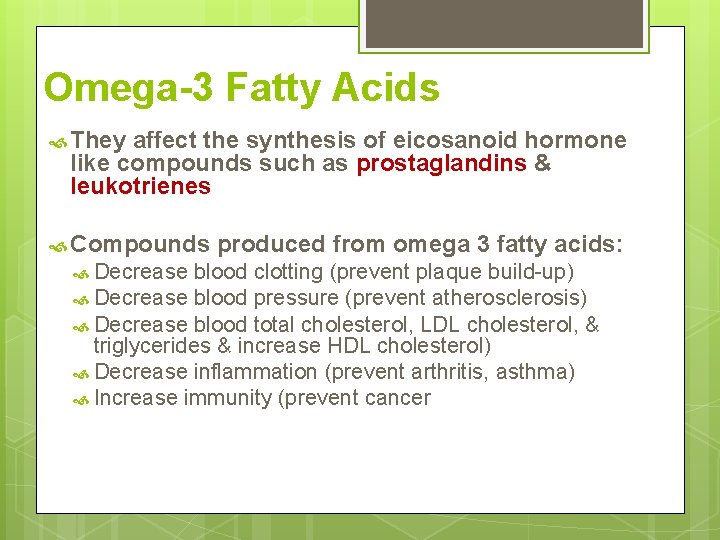
Omega-3 Fatty Acids They affect the synthesis of eicosanoid hormone like compounds such as prostaglandins & leukotrienes Compounds Decrease produced from omega 3 fatty acids: blood clotting (prevent plaque build-up) Decrease blood pressure (prevent atherosclerosis) Decrease blood total cholesterol, LDL cholesterol, & triglycerides & increase HDL cholesterol) Decrease inflammation (prevent arthritis, asthma) Increase immunity (prevent cancer
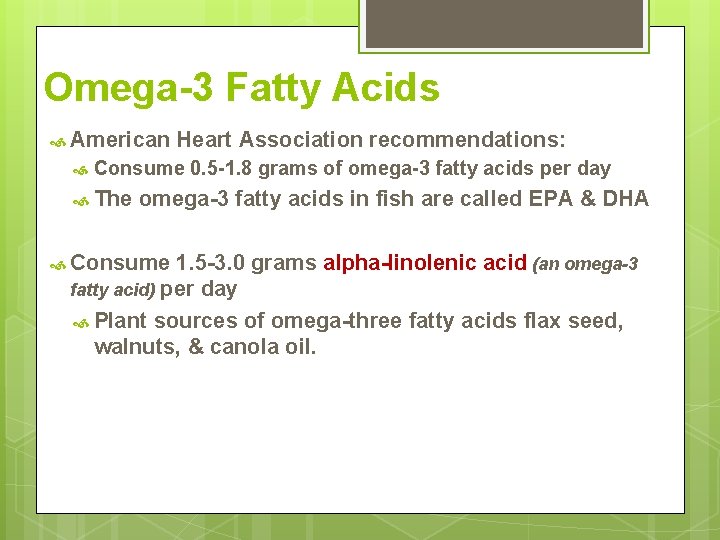
Omega-3 Fatty Acids American Heart Association recommendations: Consume 0. 5 -1. 8 grams of omega-3 fatty acids per day The omega-3 fatty acids in fish are called EPA & DHA Consume 1. 5 -3. 0 grams alpha-linolenic acid (an omega-3 fatty acid) per day Plant sources of omega-three fatty acids flax seed, walnuts, & canola oil.
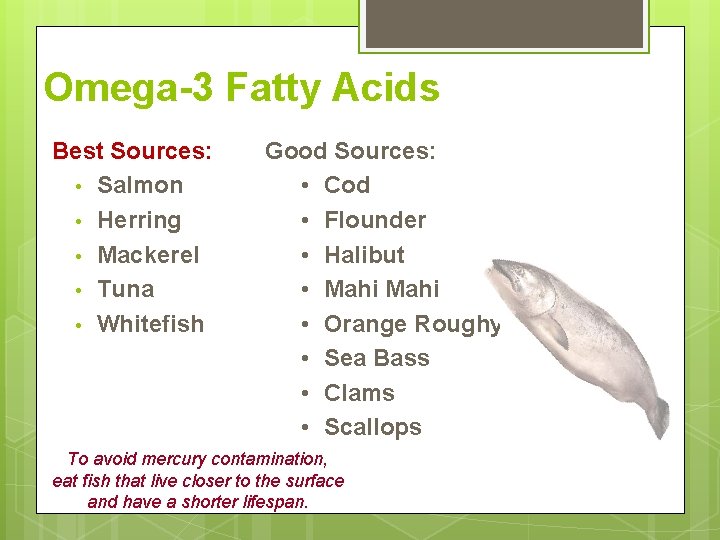
Omega-3 Fatty Acids Best Sources: • Salmon • Herring • Mackerel • Tuna • Whitefish Good Sources: • Cod • Flounder • Halibut • Mahi • Orange Roughy • Sea Bass • Clams • Scallops To avoid mercury contamination, eat fish that live closer to the surface and have a shorter lifespan.
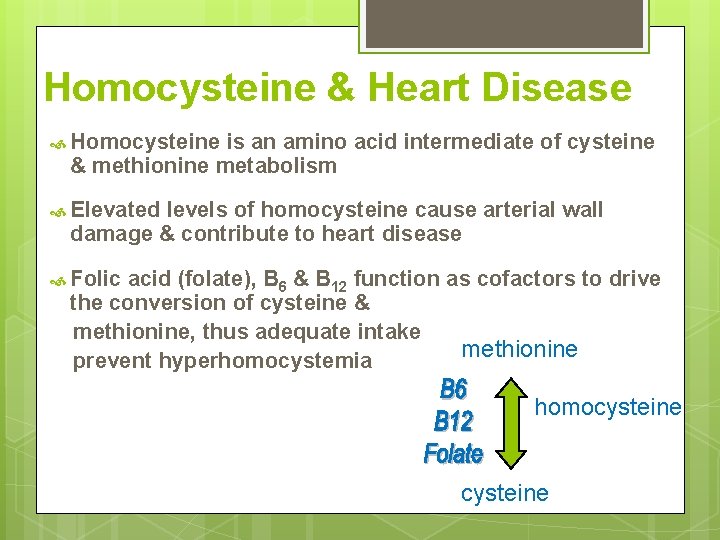
Homocysteine & Heart Disease Homocysteine is an amino acid intermediate of cysteine & methionine metabolism Elevated levels of homocysteine cause arterial wall damage & contribute to heart disease Folic acid (folate), B 6 & B 12 function as cofactors to drive the conversion of cysteine & methionine, thus adequate intake methionine prevent hyperhomocystemia homocysteine
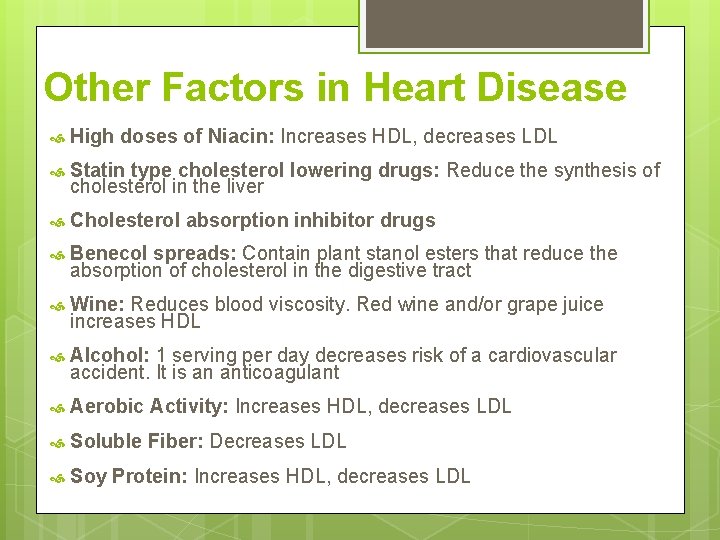
Other Factors in Heart Disease High doses of Niacin: Increases HDL, decreases LDL Statin type cholesterol lowering drugs: Reduce the synthesis of cholesterol in the liver Cholesterol absorption inhibitor drugs Benecol spreads: Contain plant stanol esters that reduce the absorption of cholesterol in the digestive tract Wine: Reduces blood viscosity. Red wine and/or grape juice increases HDL Alcohol: 1 serving per day decreases risk of a cardiovascular accident. It is an anticoagulant Aerobic Activity: Increases HDL, decreases LDL Soluble Fiber: Decreases LDL Soy Protein: Increases HDL, decreases LDL
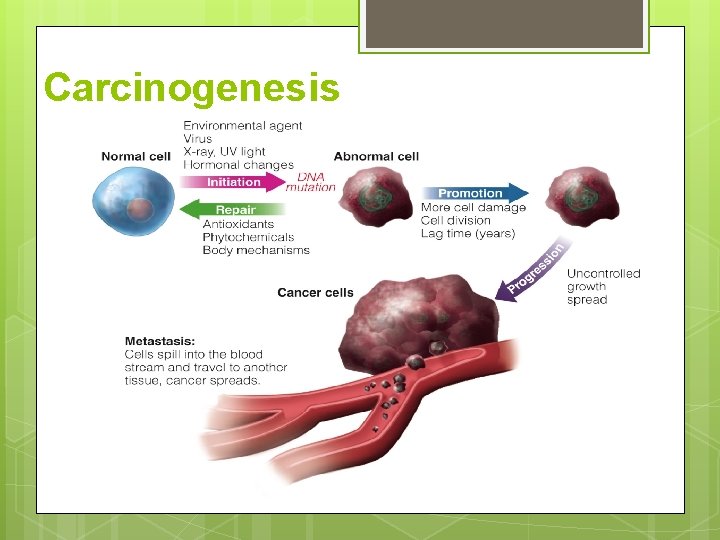
Lipids in Cancer is the 2 nd leading cause of death in Americans It is characterized by uncontrolled cell growth occurs through a process of initiation, promotion, and progression
Carcinogenesis
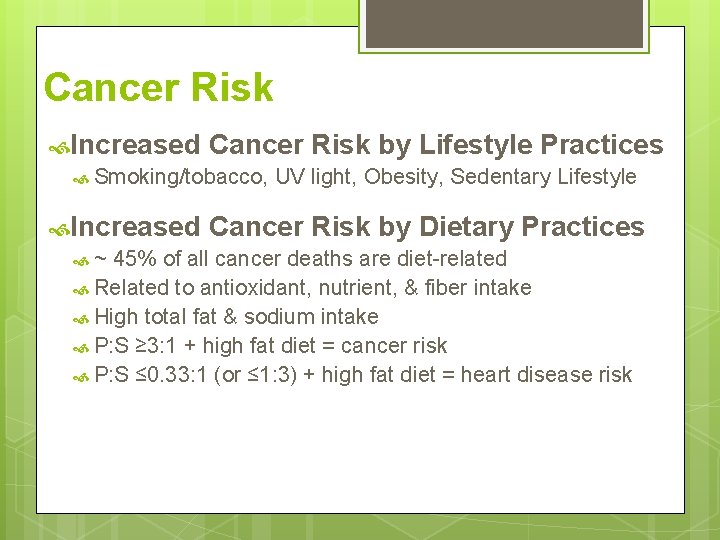
Cancer Risk Increased Cancer Risk by Lifestyle Practices Smoking/tobacco, UV light, Obesity, Sedentary Lifestyle Increased Cancer Risk by Dietary Practices ~ 45% of all cancer deaths are diet-related Related to antioxidant, nutrient, & fiber intake High total fat & sodium intake P: S ≥ 3: 1 + high fat diet = cancer risk P: S ≤ 0. 33: 1 (or ≤ 1: 3) + high fat diet = heart disease risk
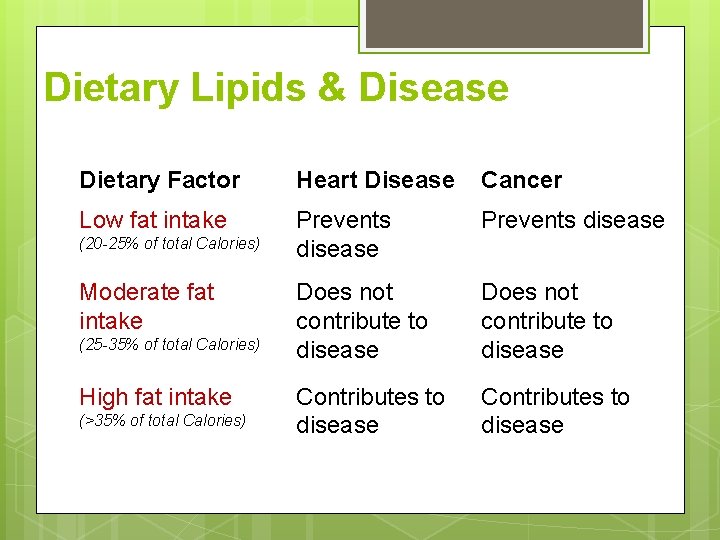
Dietary Lipids & Disease Dietary Factor Heart Disease Cancer Low fat intake Prevents disease Does not contribute to disease Contributes to disease (20 -25% of total Calories) Moderate fat intake (25 -35% of total Calories) High fat intake (>35% of total Calories)
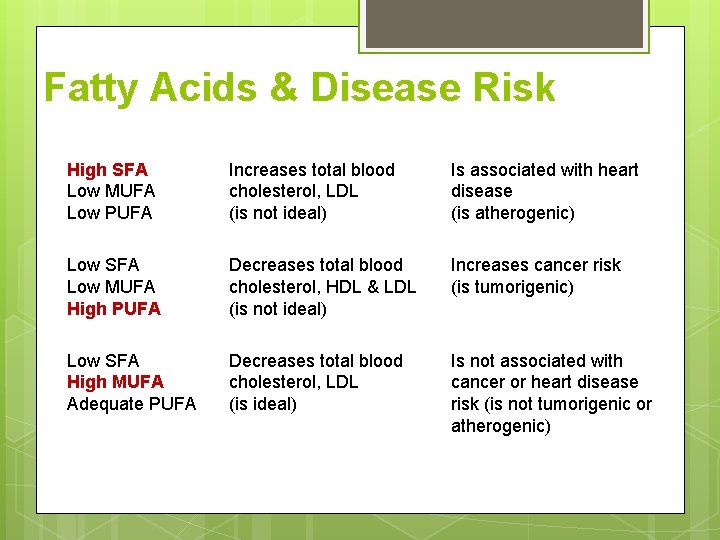
Fatty Acids & Disease Risk High SFA Low MUFA Low PUFA Increases total blood cholesterol, LDL (is not ideal) Is associated with heart disease (is atherogenic) Low SFA Low MUFA High PUFA Decreases total blood cholesterol, HDL & LDL (is not ideal) Increases cancer risk (is tumorigenic) Low SFA High MUFA Adequate PUFA Decreases total blood cholesterol, LDL (is ideal) Is not associated with cancer or heart disease risk (is not tumorigenic or atherogenic)
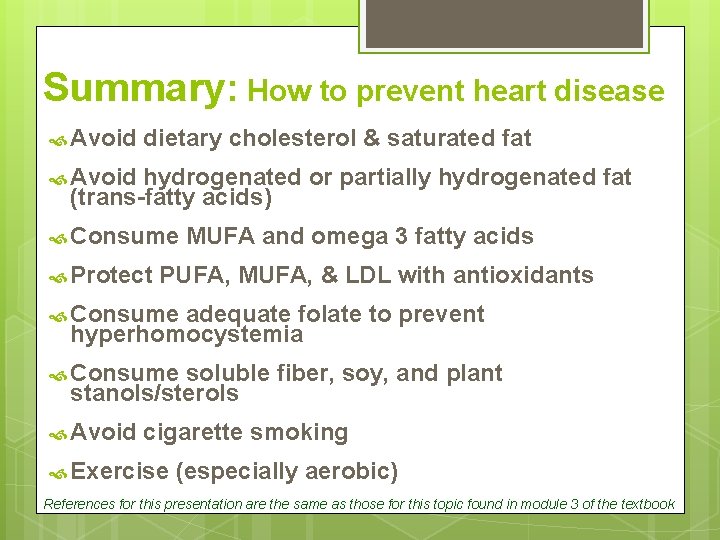
Summary: How to prevent heart disease Avoid dietary cholesterol & saturated fat Avoid hydrogenated or partially hydrogenated fat (trans-fatty acids) Consume Protect MUFA and omega 3 fatty acids PUFA, MUFA, & LDL with antioxidants Consume adequate folate to prevent hyperhomocystemia Consume soluble fiber, soy, and plant stanols/sterols Avoid cigarette smoking Exercise (especially aerobic) References for this presentation are the same as those for this topic found in module 3 of the textbook
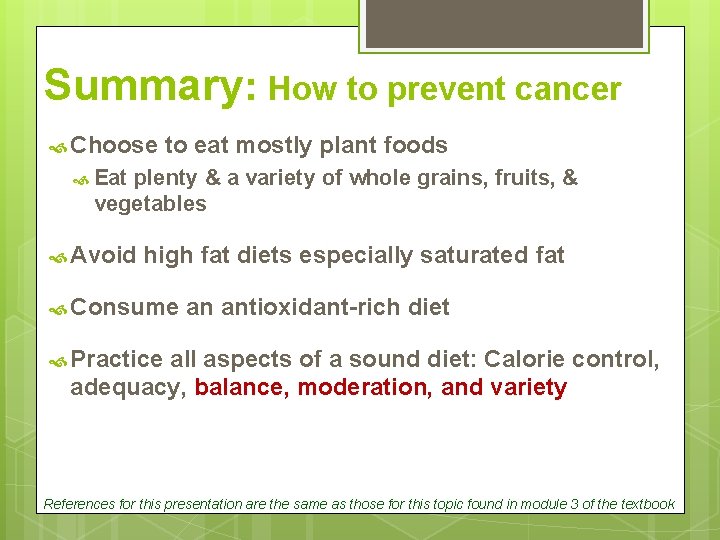
Summary: How to prevent cancer Choose to eat mostly plant foods Eat plenty & a variety of whole grains, fruits, & vegetables Avoid high fat diets especially saturated fat Consume an antioxidant-rich diet Practice all aspects of a sound diet: Calorie control, adequacy, balance, moderation, and variety References for this presentation are the same as those for this topic found in module 3 of the textbook