
Module 2 Achieving Excellence through others Refresher Core

- Slides: 32
Module 2 Achieving Excellence through others
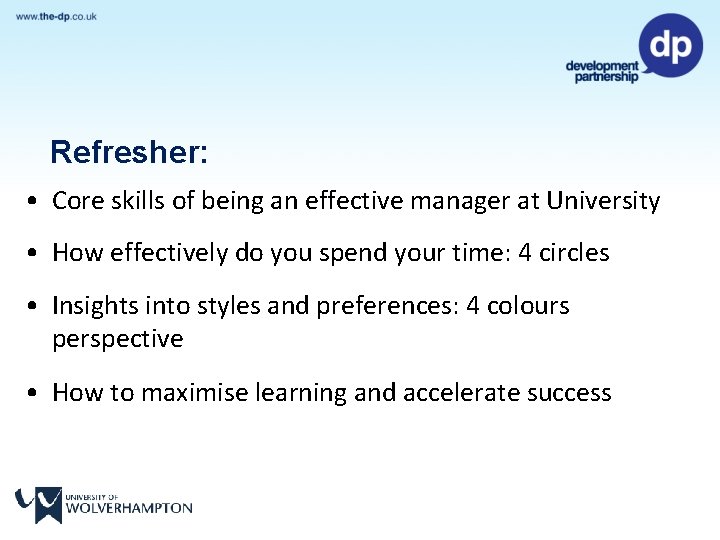
Refresher: • Core skills of being an effective manager at University • How effectively do you spend your time: 4 circles • Insights into styles and preferences: 4 colours perspective • How to maximise learning and accelerate success
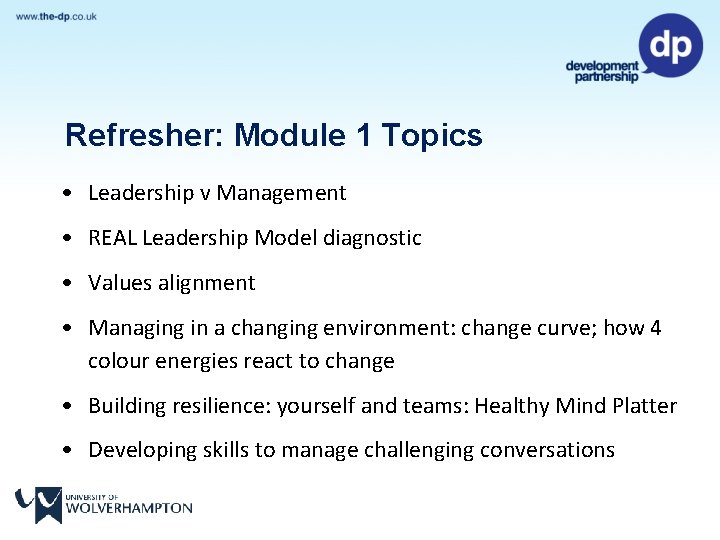
Refresher: Module 1 Topics • Leadership v Management • REAL Leadership Model diagnostic • Values alignment • Managing in a changing environment: change curve; how 4 colour energies react to change • Building resilience: yourself and teams: Healthy Mind Platter • Developing skills to manage challenging conversations
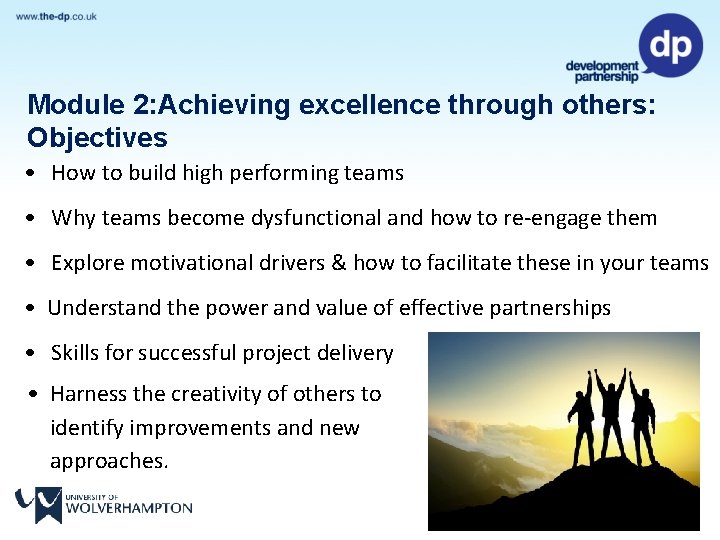
Module 2: Achieving excellence through others: Objectives • How to build high performing teams • Why teams become dysfunctional and how to re-engage them • Explore motivational drivers & how to facilitate these in your teams • Understand the power and value of effective partnerships • Skills for successful project delivery • Harness the creativity of others to identify improvements and new approaches.
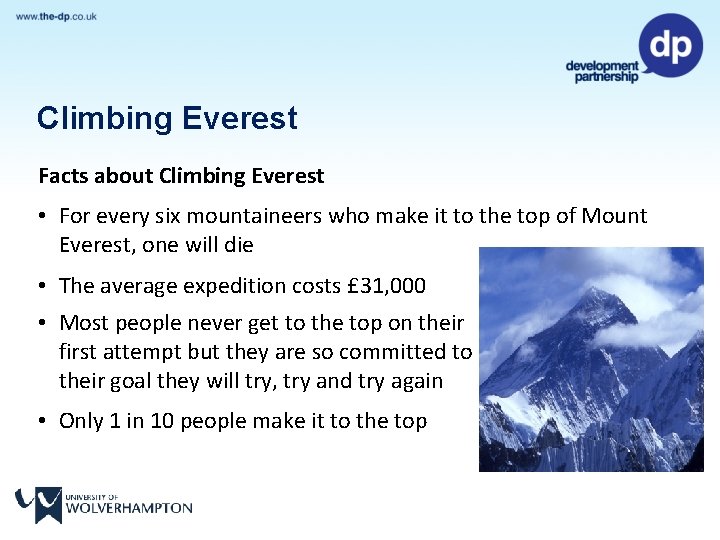
Climbing Everest Facts about Climbing Everest • For every six mountaineers who make it to the top of Mount Everest, one will die • The average expedition costs £ 31, 000 • Most people never get to the top on their first attempt but they are so committed to their goal they will try, try and try again • Only 1 in 10 people make it to the top
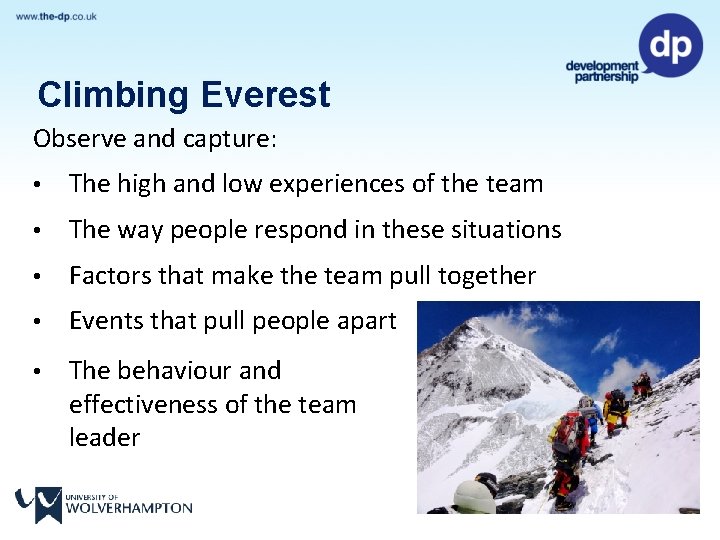
Climbing Everest Observe and capture: • The high and low experiences of the team • The way people respond in these situations • Factors that make the team pull together • Events that pull people apart • The behaviour and effectiveness of the team leader
Climbing Everest: Debrief Having watched the DVD: • What stood out for you? • What does this highlight in terms of what is important and needs to be considered to be part of a great team?
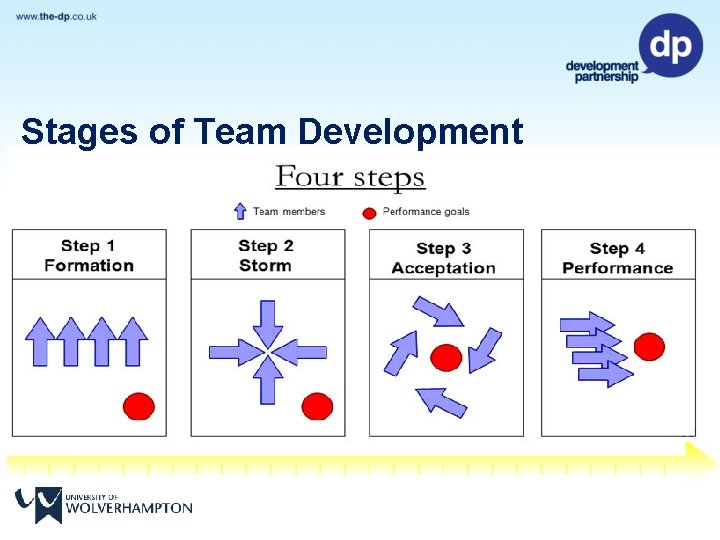
Stages of Team Development
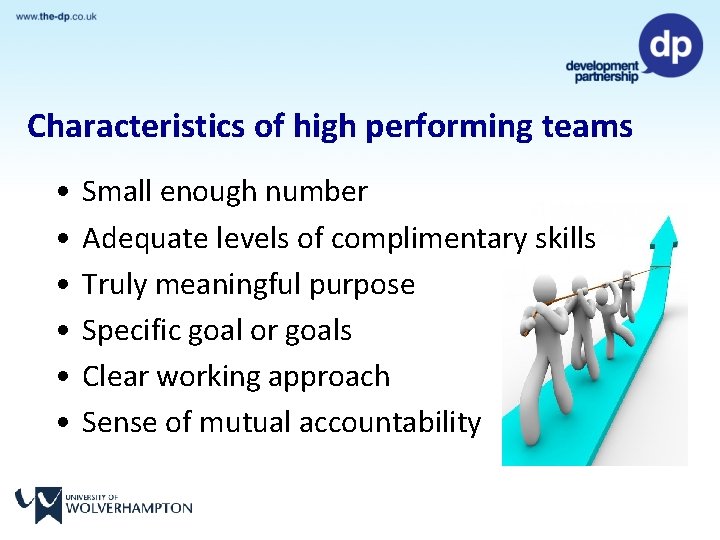
Characteristics of high performing teams • • • Small enough number Adequate levels of complimentary skills Truly meaningful purpose Specific goal or goals Clear working approach Sense of mutual accountability
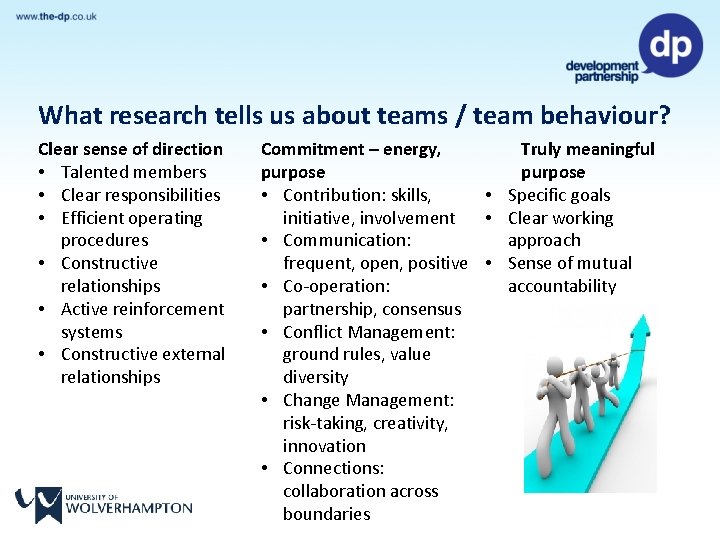
What research tells us about teams / team behaviour? Clear sense of direction • Talented members • Clear responsibilities • Efficient operating procedures • Constructive relationships • Active reinforcement systems • Constructive external relationships Commitment – energy, Truly meaningful purpose • Contribution: skills, • Specific goals initiative, involvement • Clear working • Communication: approach frequent, open, positive • Sense of mutual • Co-operation: accountability partnership, consensus • Conflict Management: ground rules, value diversity • Change Management: risk-taking, creativity, innovation • Connections: collaboration across boundaries
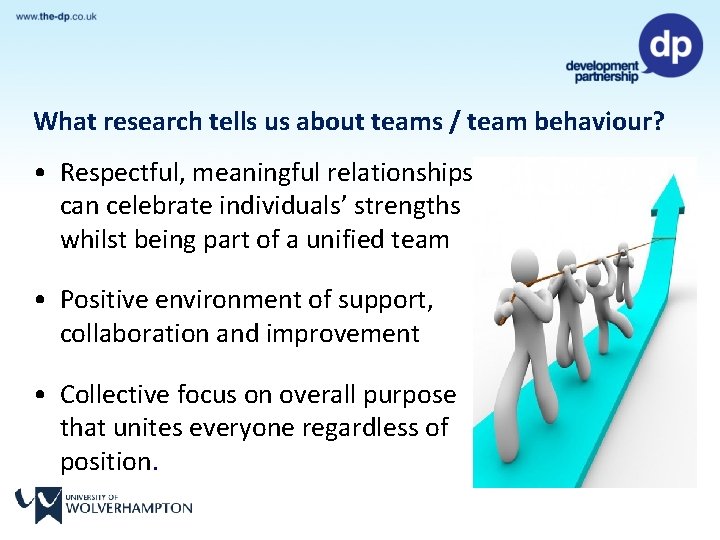
What research tells us about teams / team behaviour? • Respectful, meaningful relationships can celebrate individuals’ strengths whilst being part of a unified team • Positive environment of support, collaboration and improvement • Collective focus on overall purpose that unites everyone regardless of position.
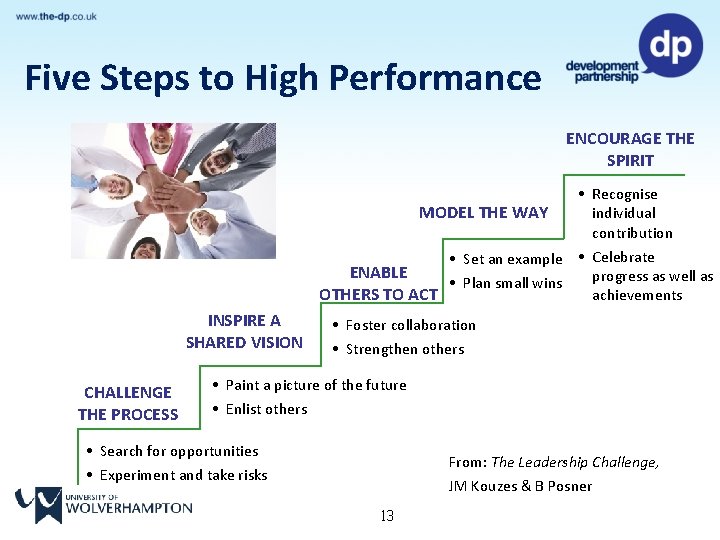
Five Steps to High Performance ENCOURAGE THE SPIRIT • Recognise individual MODEL THE WAY contribution • Set an example • Celebrate ENABLE progress as well as • Plan small wins achievements OTHERS TO ACT INSPIRE A SHARED VISION CHALLENGE THE PROCESS • Foster collaboration • Strengthen others • Paint a picture of the future • Enlist others • Search for opportunities • Experiment and take risks From: The Leadership Challenge, JM Kouzes & B Posner 13
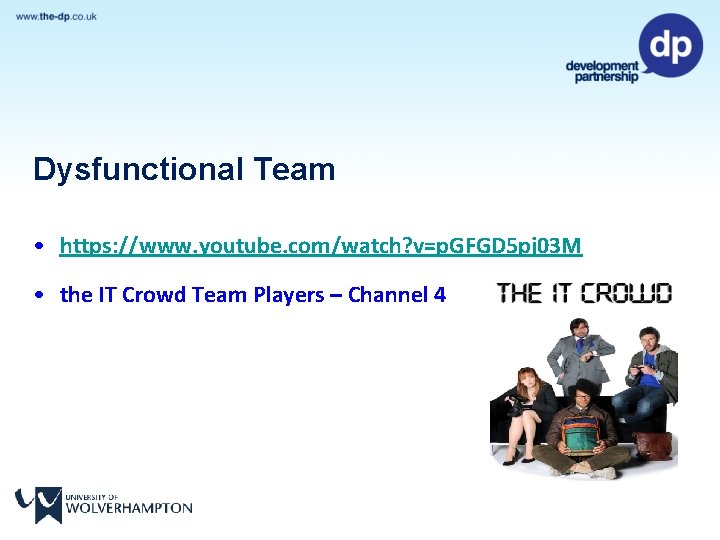
Dysfunctional Team • https: //www. youtube. com/watch? v=p. GFGD 5 pj 03 M • the IT Crowd Team Players – Channel 4
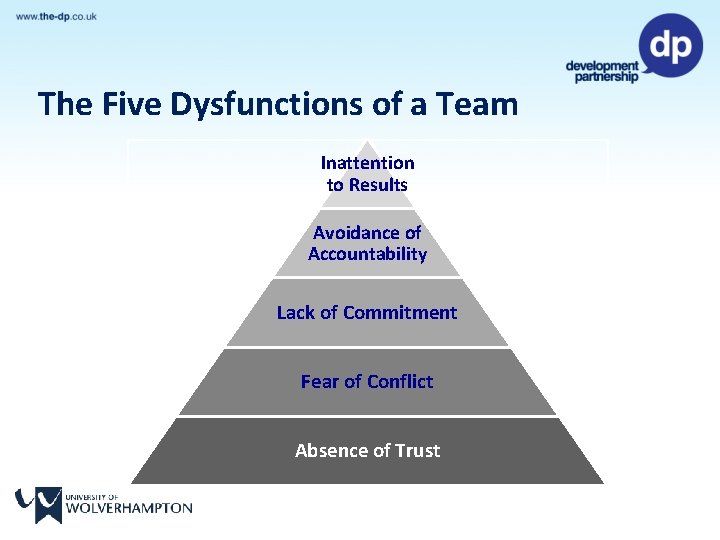
The Five Dysfunctions of a Team Inattention to Results Avoidance of Accountability Lack of Commitment Fear of Conflict Absence of Trust
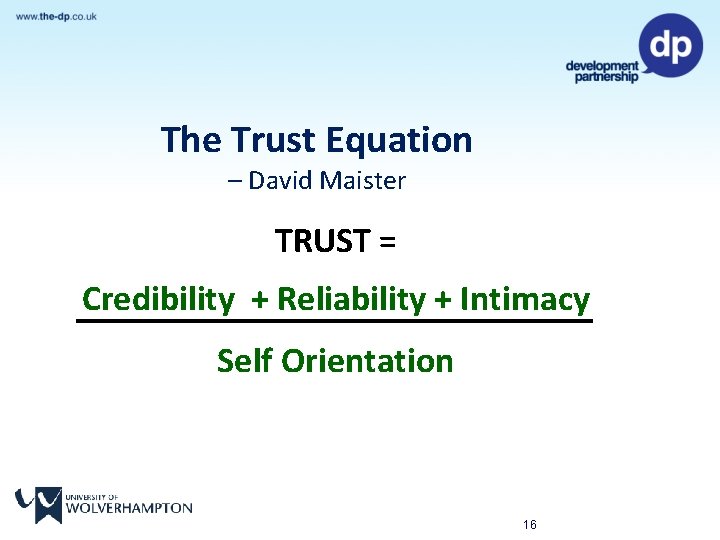
The Trust Equation – David Maister TRUST = Credibility + Reliability + Intimacy Self Orientation 16
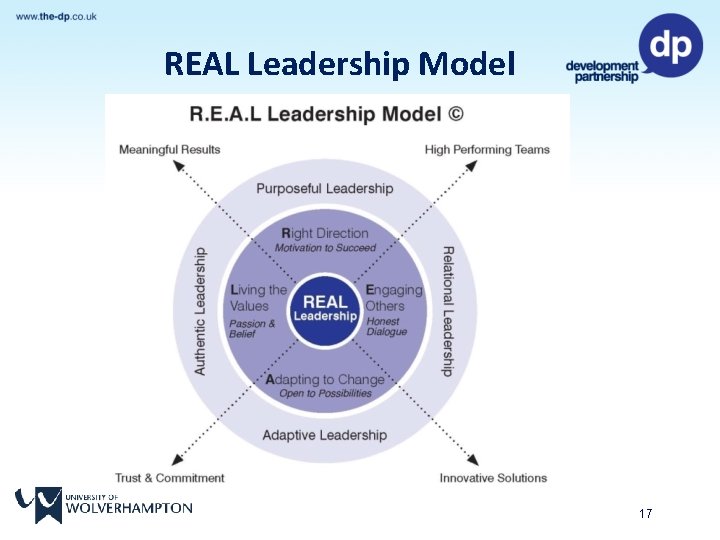
REAL Leadership Model 17
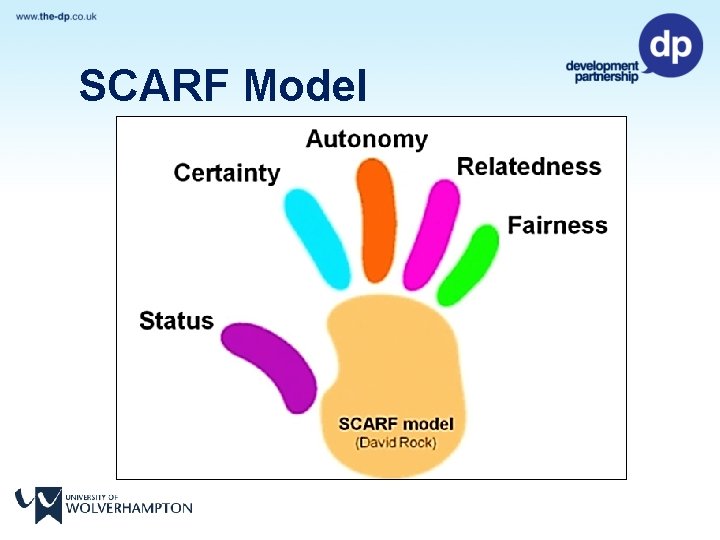
SCARF Model
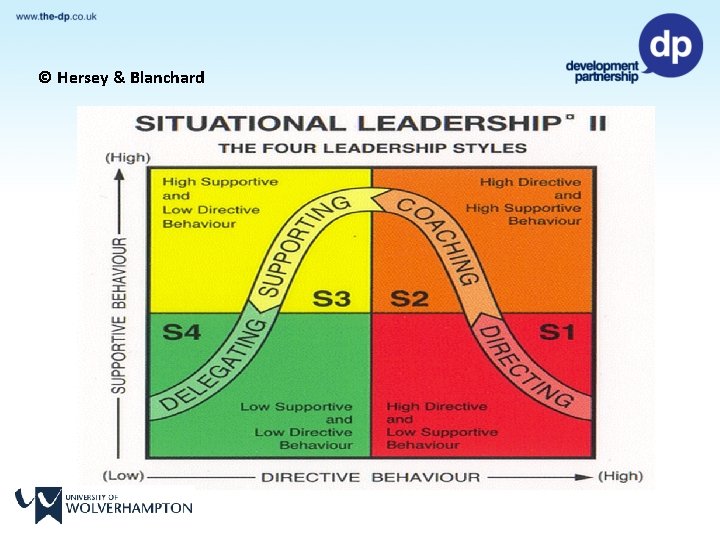
© Hersey & Blanchard
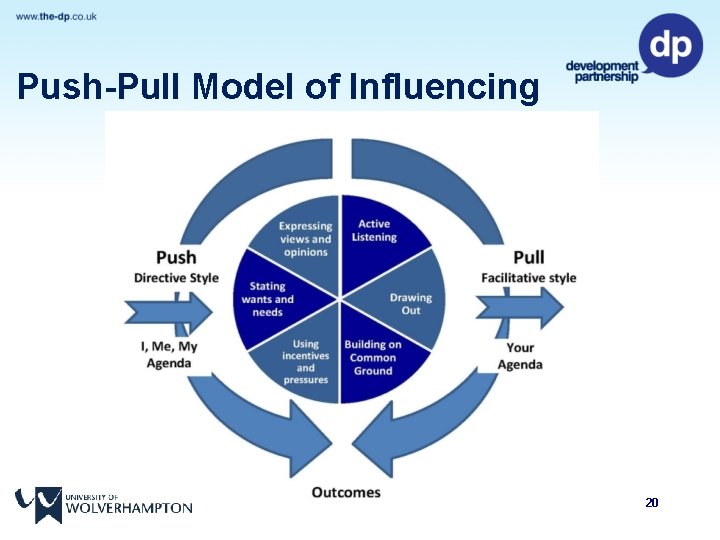
Push-Pull Model of Influencing 20
The surprising truth about what motivates us Click here to view
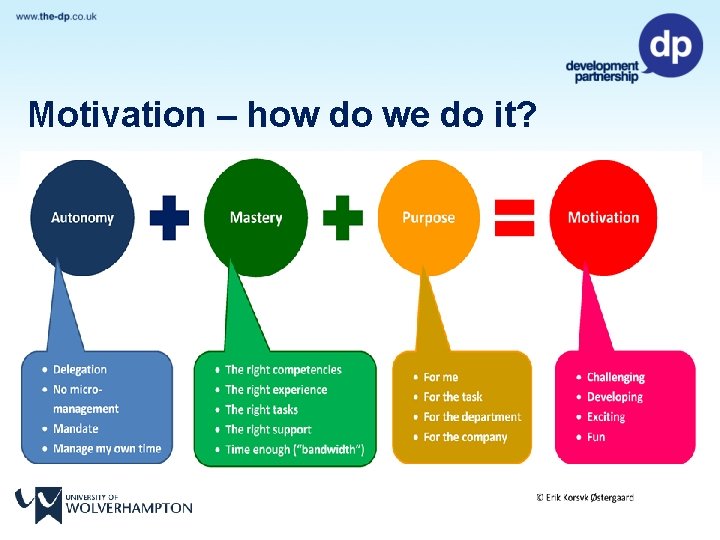
Motivation – how do we do it?
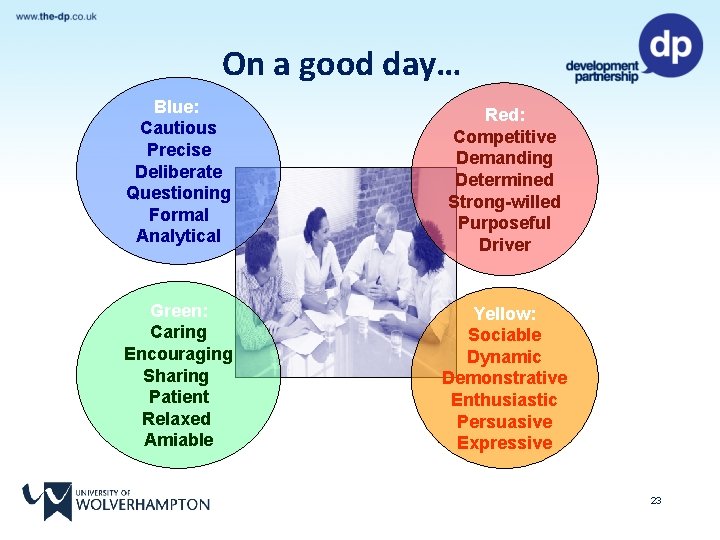
On a good day… Blue: Cautious Precise Deliberate Questioning Formal Analytical Red: Competitive Demanding Determined Strong-willed Purposeful Driver Green: Caring Encouraging Sharing Patient Relaxed Amiable Yellow: Sociable Dynamic Demonstrative Enthusiastic Persuasive Expressive 23
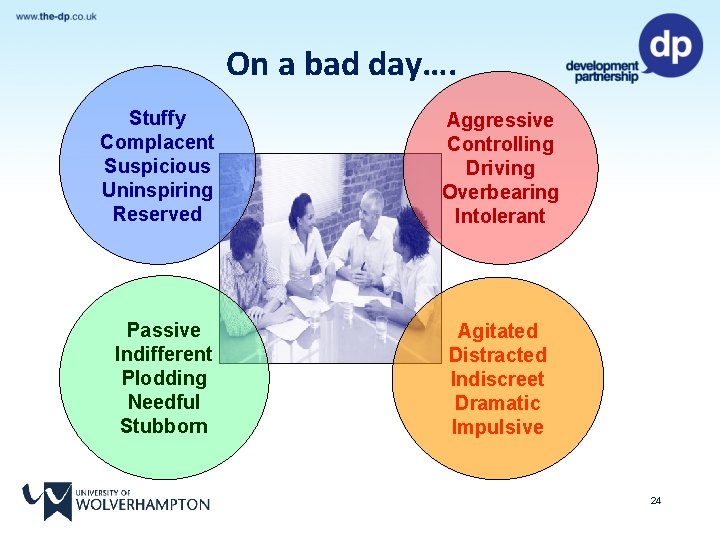
On a bad day…. Stuffy Complacent Suspicious Uninspiring Reserved Passive Indifferent Plodding Needful Stubborn Aggressive Controlling Driving Overbearing Intolerant Agitated Distracted Indiscreet Dramatic Impulsive 24
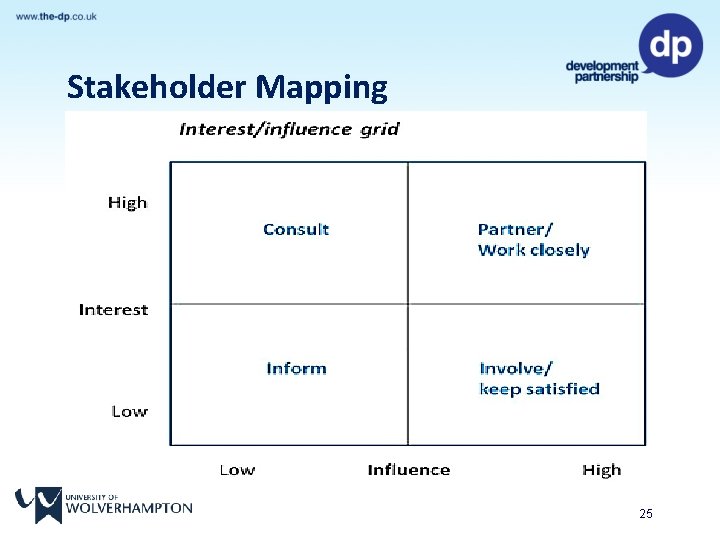
Stakeholder Mapping 25
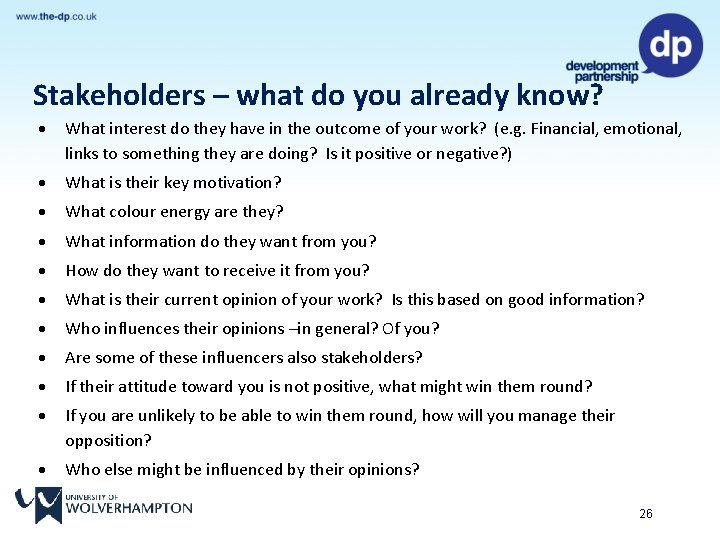
Stakeholders – what do you already know? What interest do they have in the outcome of your work? (e. g. Financial, emotional, links to something they are doing? Is it positive or negative? ) What is their key motivation? What colour energy are they? What information do they want from you? How do they want to receive it from you? What is their current opinion of your work? Is this based on good information? Who influences their opinions –in general? Of you? Are some of these influencers also stakeholders? If their attitude toward you is not positive, what might win them round? If you are unlikely to be able to win them round, how will you manage their opposition? Who else might be influenced by their opinions? 26
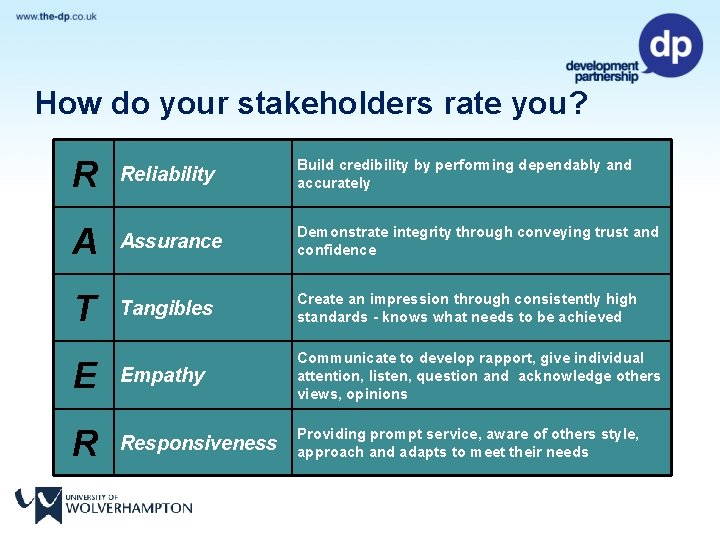
How do your stakeholders rate you? R Reliability Build credibility by performing dependably and accurately A Assurance Demonstrate integrity through conveying trust and confidence T Tangibles Create an impression through consistently high standards - knows what needs to be achieved E Empathy Communicate to develop rapport, give individual attention, listen, question and acknowledge others views, opinions R Responsiveness Providing prompt service, aware of others style, approach and adapts to meet their needs
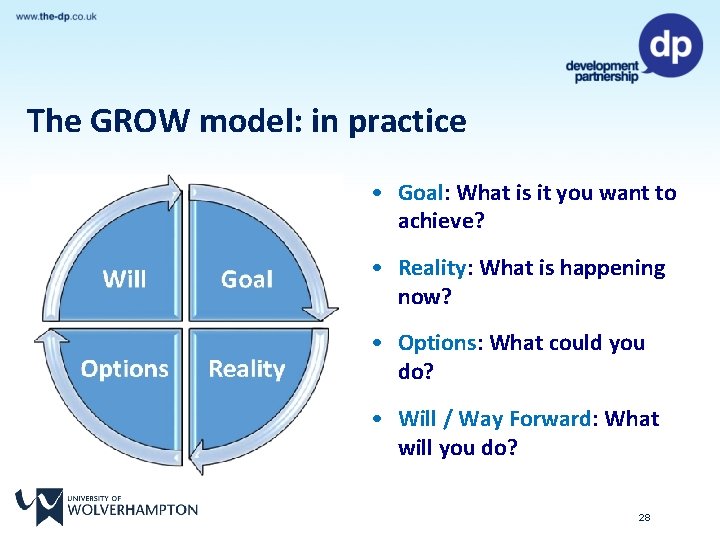
The GROW model: in practice • Goal: What is it you want to achieve? • Reality: What is happening now? • Options: What could you do? • Will / Way Forward: What will you do? 28
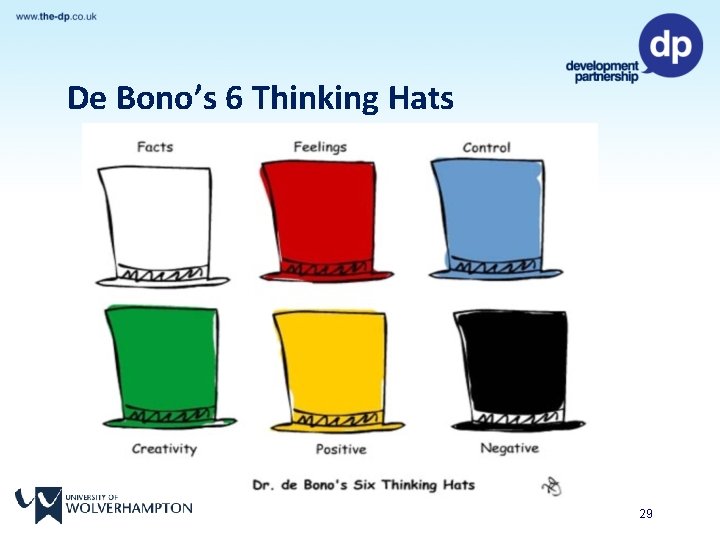
De Bono’s 6 Thinking Hats 29
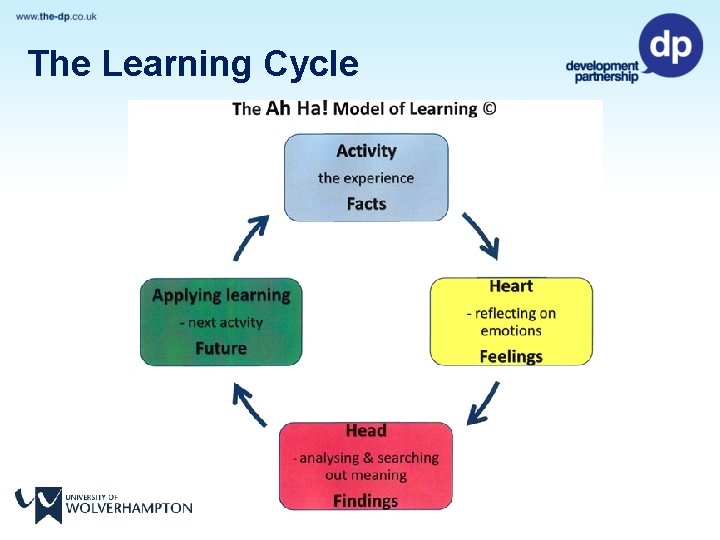
The Learning Cycle
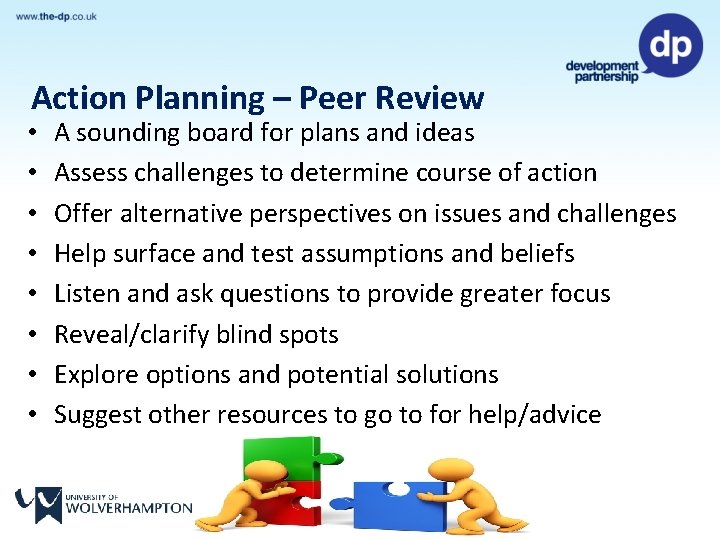
Action Planning – Peer Review • • A sounding board for plans and ideas Assess challenges to determine course of action Offer alternative perspectives on issues and challenges Help surface and test assumptions and beliefs Listen and ask questions to provide greater focus Reveal/clarify blind spots Explore options and potential solutions Suggest other resources to go to for help/advice
Review & Next steps for ALS 2 • Sharing of commitments and actions • Process for the ALS 2 on 21 st March • Pre-work before ALS: Review actions and outcomes from Module 2; what personal successes have you experienced so far? • Project progress review: what’s working well; what can be improved; how can we be even more effective as a team? • Insights from today