
Modern Environmental History 1 Friday I illustrated the
- Slides: 43
Modern Environmental History 1. Friday I illustrated the “modern” mind set, sometimes called “reductionism” where we understand the world by reducing it into smaller and smaller bits. 2. I suggested this was a root of many environmental problems and that a “holistic” approach is what we need. 3. This was illustrated by contrasting “eco” versus “techno” centricism, with eco-centricims illustrated by Leopold’s “Land Ethic” and Lovelock’s Gaia. 4. I suggested this reflects an ethical shift that accounts for why there are more students today studying “the environment” and less studying about resource extraction.
Session Objectives • Today, I will continue this discussion with some more details on the history of the last thirty (+) years. • Draw trends out of the past thirty years (plus some older things) to suggest where history provides us with guidance. • Reasons why modern environmental movement has grown. • Identify some of the key events that have shaped the environmental movement over the last 4 decades. • Where to find information.
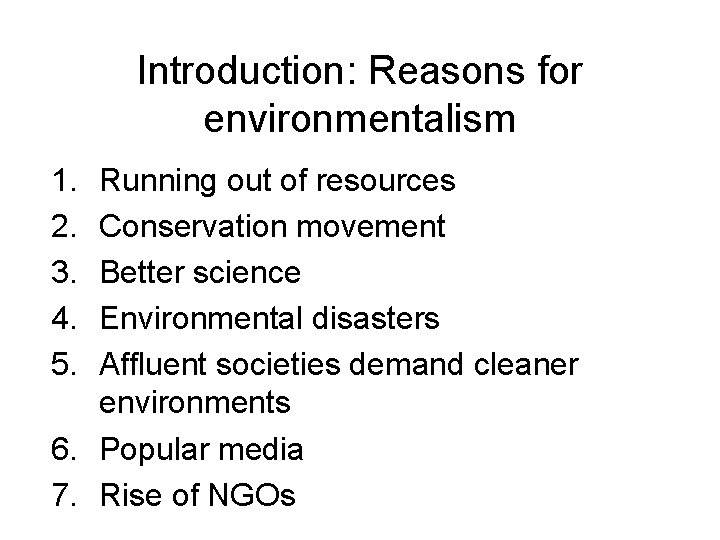
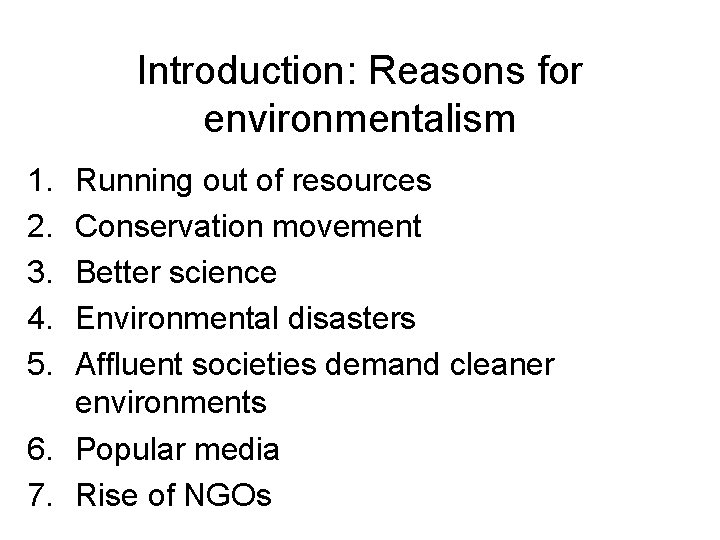
Introduction: Reasons for environmentalism 1. 2. 3. 4. 5. Running out of resources Conservation movement Better science Environmental disasters Affluent societies demand cleaner environments 6. Popular media 7. Rise of NGOs
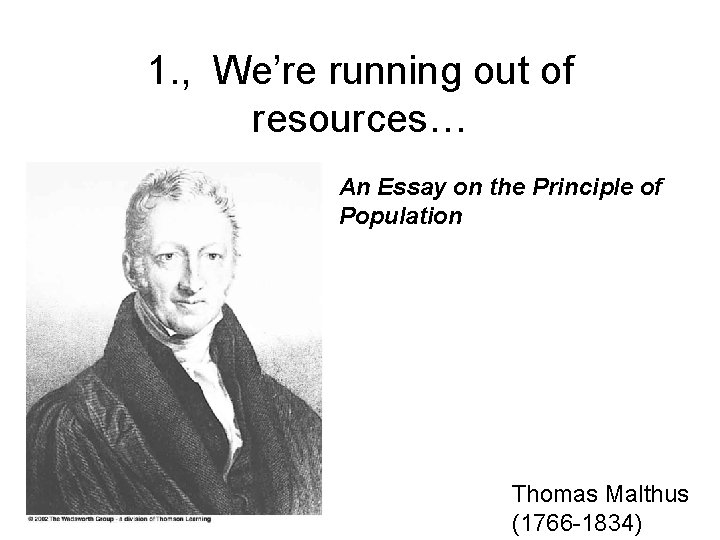
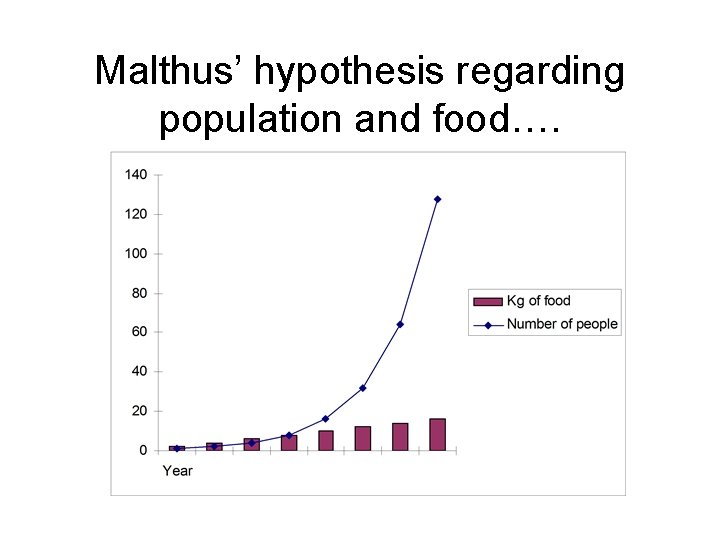
1. , We’re running out of resources… An Essay on the Principle of Population Thomas Malthus (1766 -1834)
Malthus’ hypothesis regarding population and food….
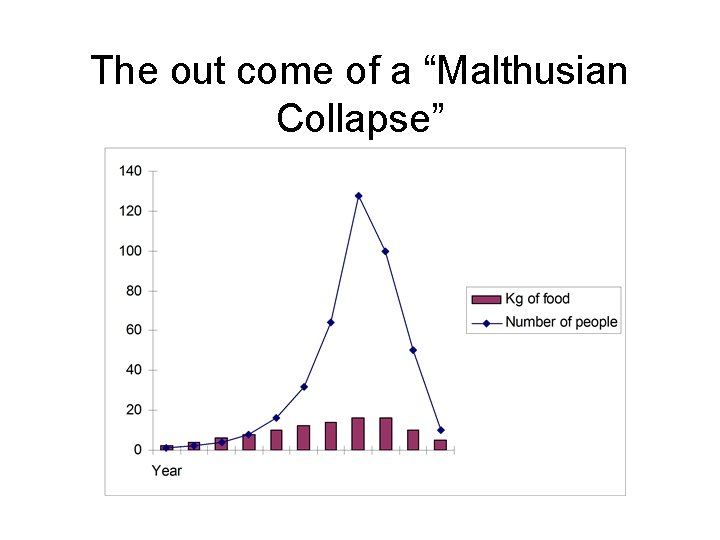
The out come of a “Malthusian Collapse”
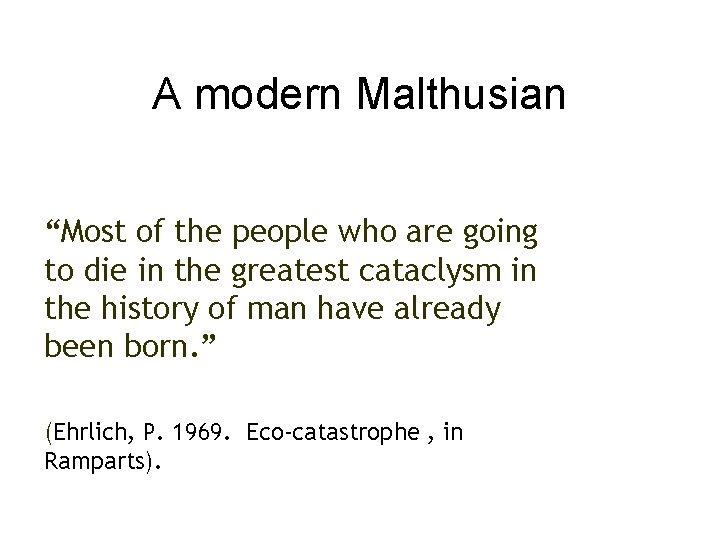
A modern Malthusian “Most of the people who are going to die in the greatest cataclysm in the history of man have already been born. ” (Ehrlich, P. 1969. Eco-catastrophe , in Ramparts).
Population Bomb
Population Bomb
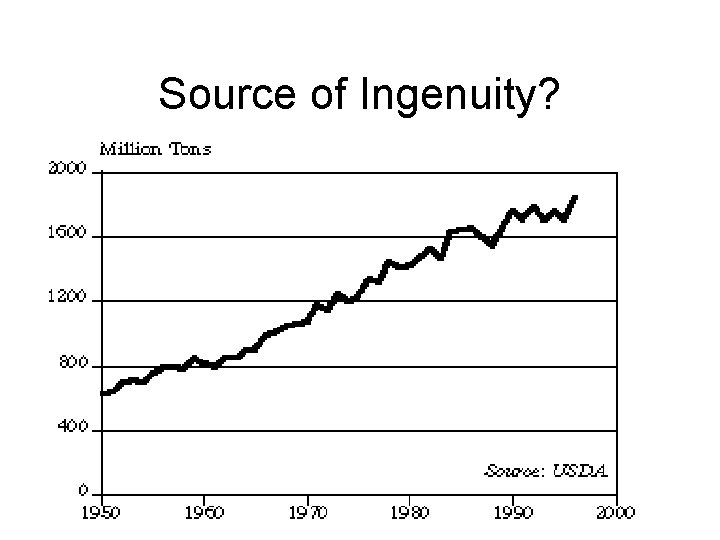
Source of Ingenuity? “The increase in the world's population represents our victory over death. In the 19 th Century the earth could sustain only one billion people. Ten thousand years ago, only 1 million could keep themselves alive. Now, 5 billion people are living longer and more healthily than ever before, on average. ” (Simon, J. 1996 The Ultimate Resource, V. 2. )
Source of Ingenuity?
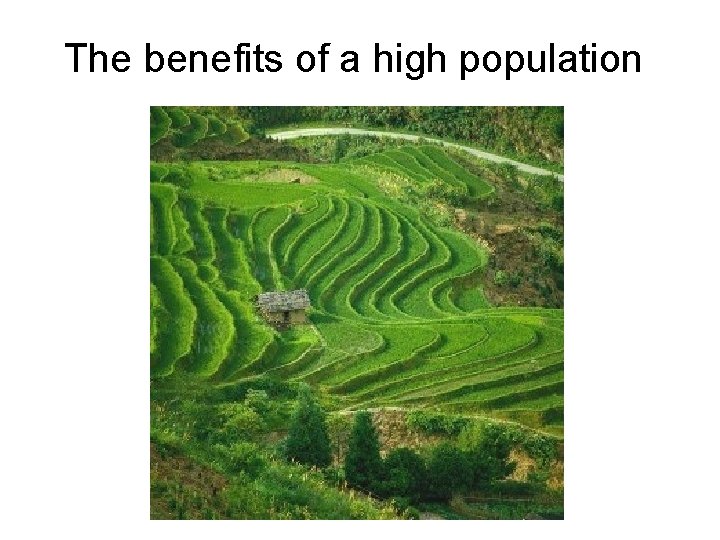
The benefits of a high population
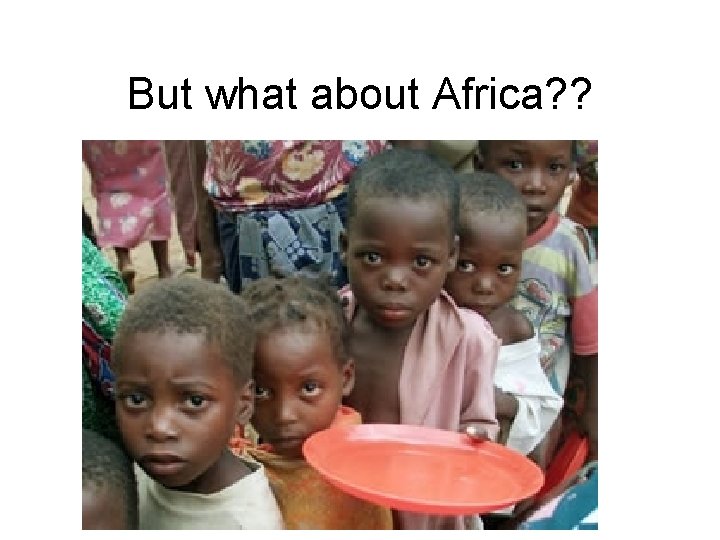
But what about Africa? ?
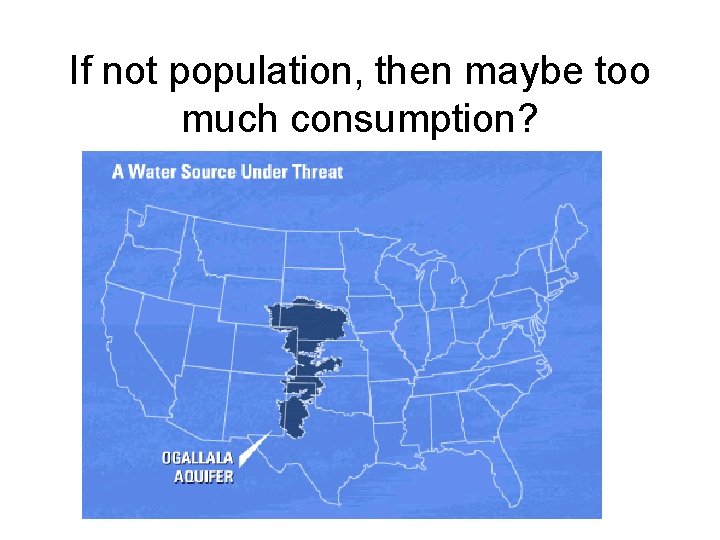
If not population, then maybe too much consumption?
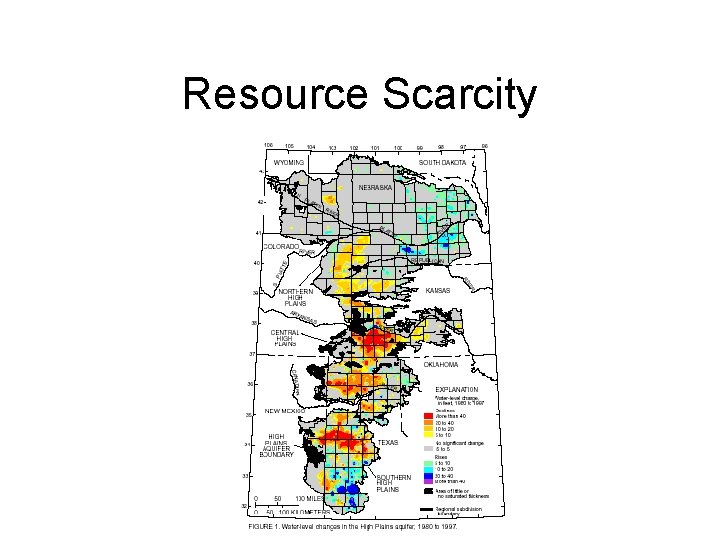
Resource Scarcity
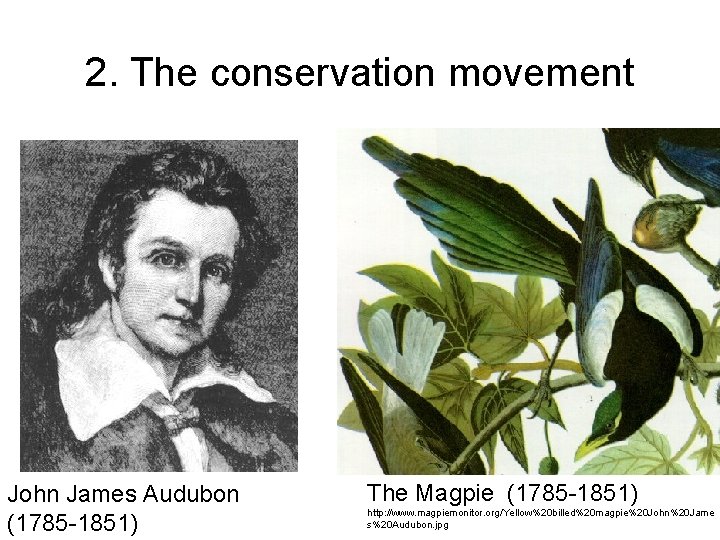
2. The conservation movement John James Audubon (1785 -1851) The Magpie (1785 -1851) http: //www. magpiemonitor. org/Yellow%20 billed%20 magpie%20 John%20 Jame s%20 Audubon. jpg
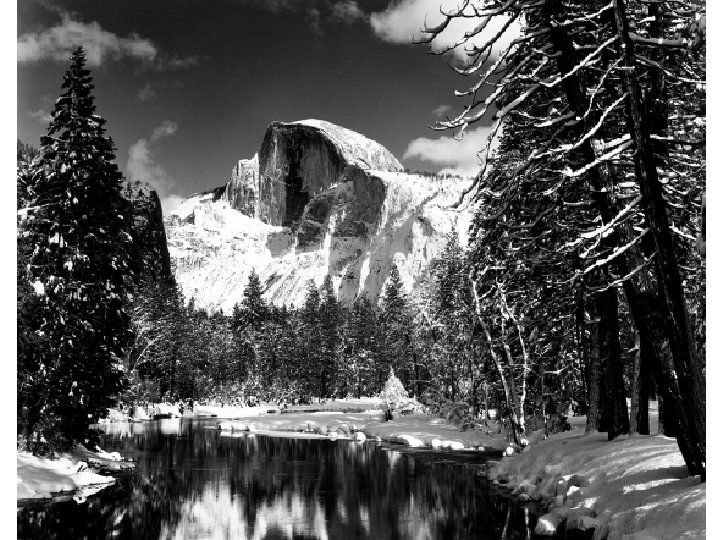
National Parks…Yellowstone (1872) (subsequent photograph by Ansel Adams)
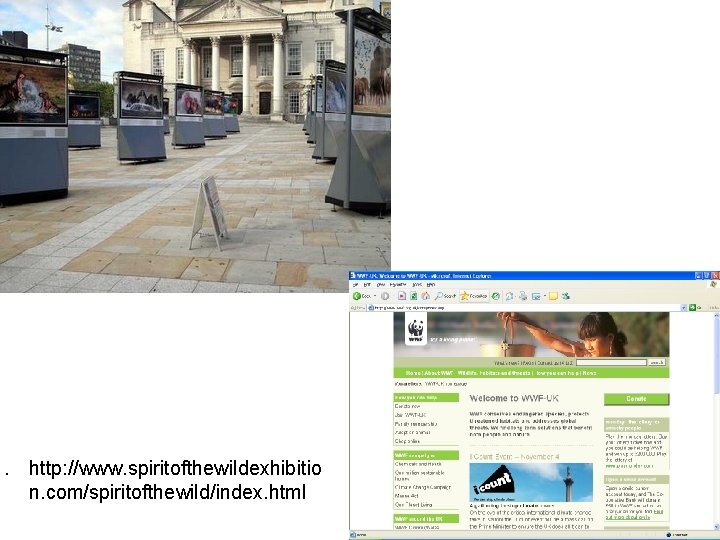
1. http: //www. spiritofthewildexhibitio n. com/spiritofthewild/index. html
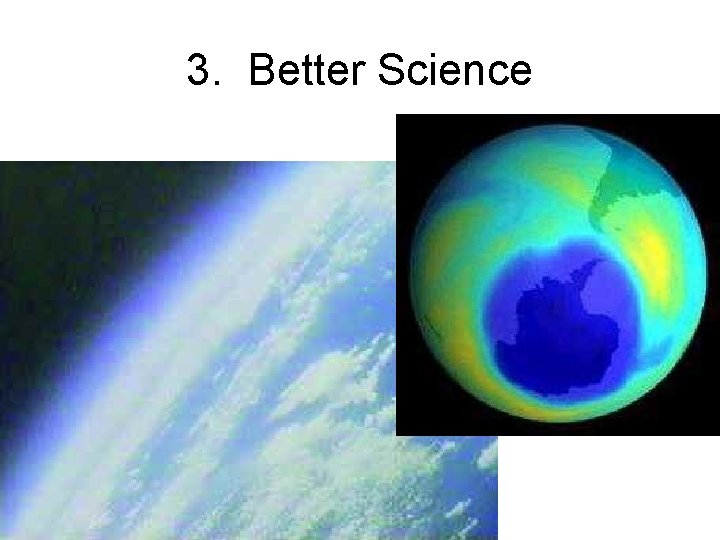
3. Better Science
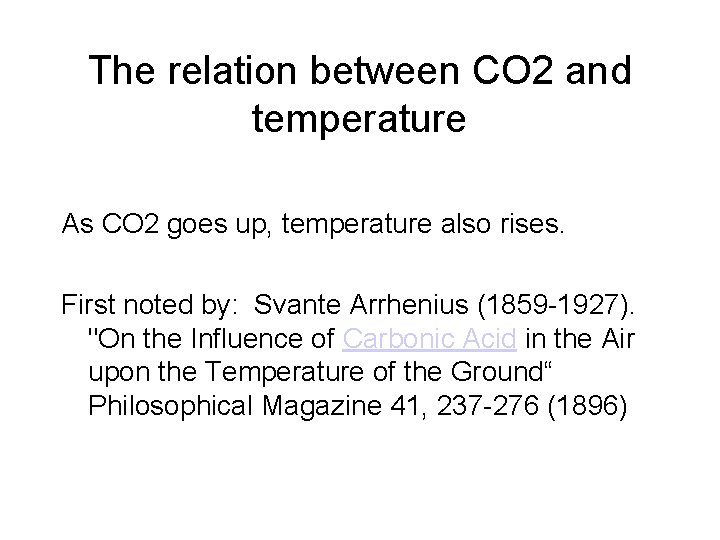
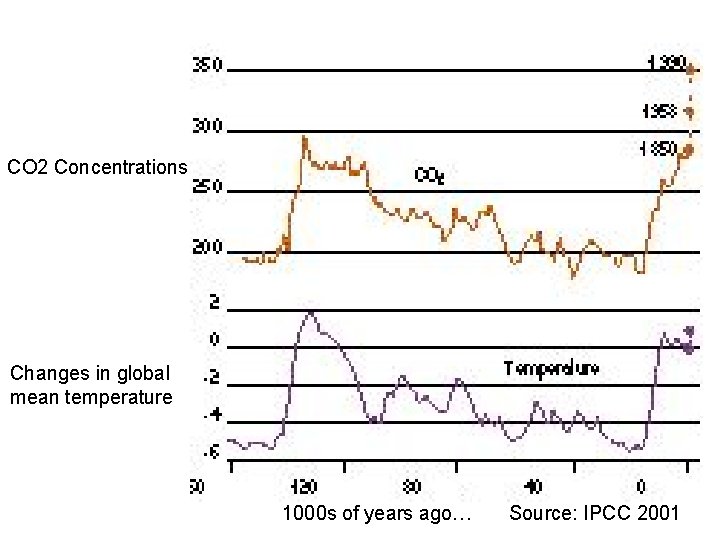
The relation between CO 2 and temperature As CO 2 goes up, temperature also rises. First noted by: Svante Arrhenius (1859 -1927). "On the Influence of Carbonic Acid in the Air upon the Temperature of the Ground“ Philosophical Magazine 41, 237 -276 (1896)
CO 2 Concentrations Changes in global mean temperature 1000 s of years ago… Source: IPCC 2001
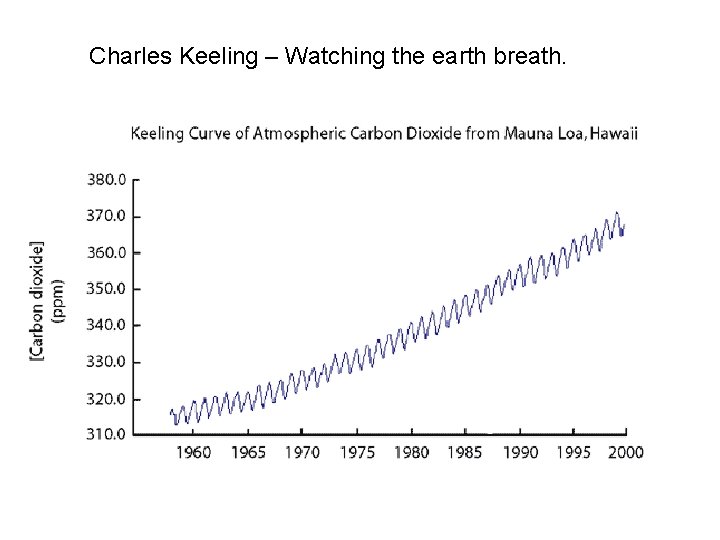
Charles Keeling – Watching the earth breath.
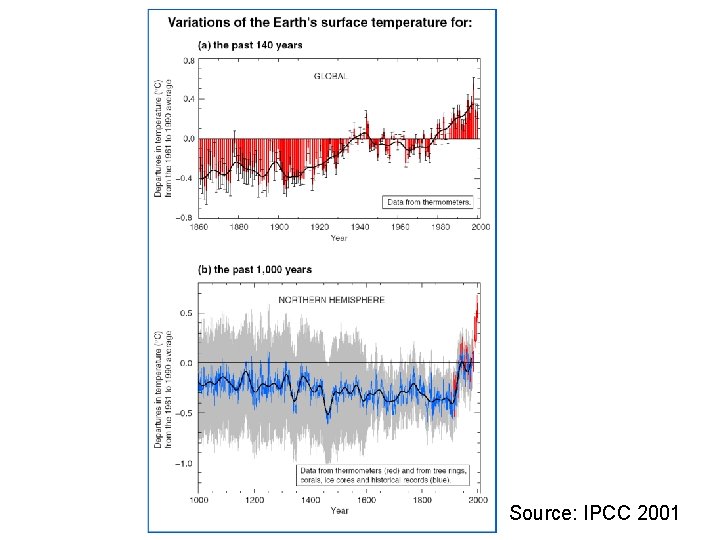
Source: IPCC 2001
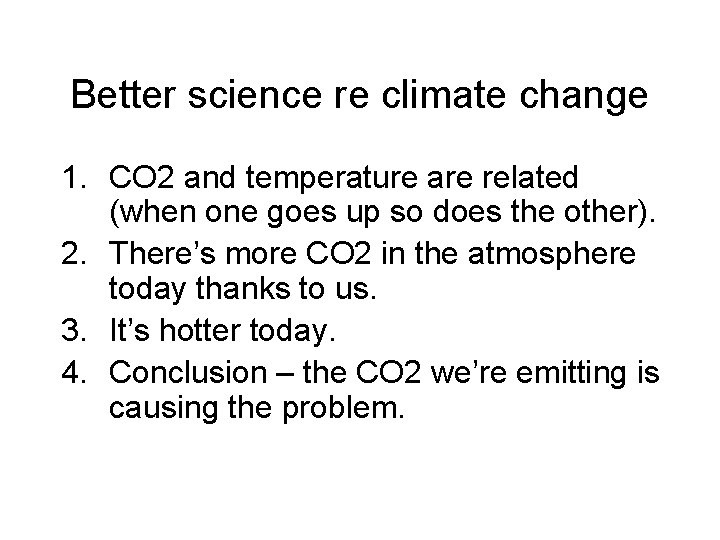
Better science re climate change 1. CO 2 and temperature are related (when one goes up so does the other). 2. There’s more CO 2 in the atmosphere today thanks to us. 3. It’s hotter today. 4. Conclusion – the CO 2 we’re emitting is causing the problem.
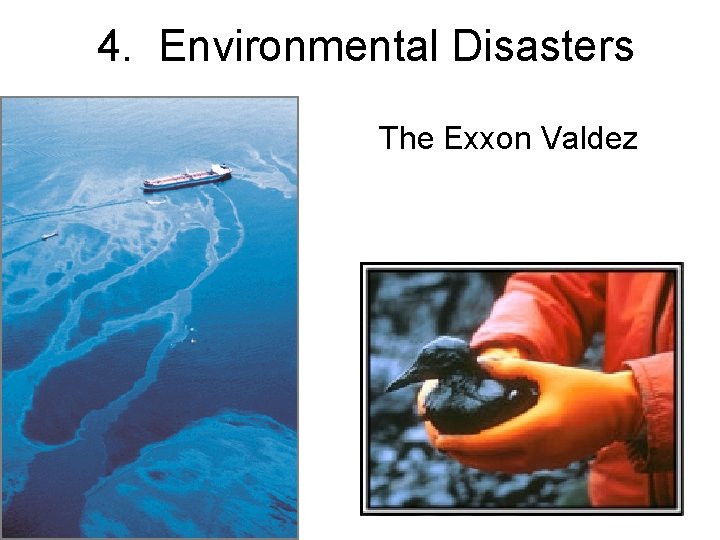
4. Environmental Disasters The Exxon Valdez
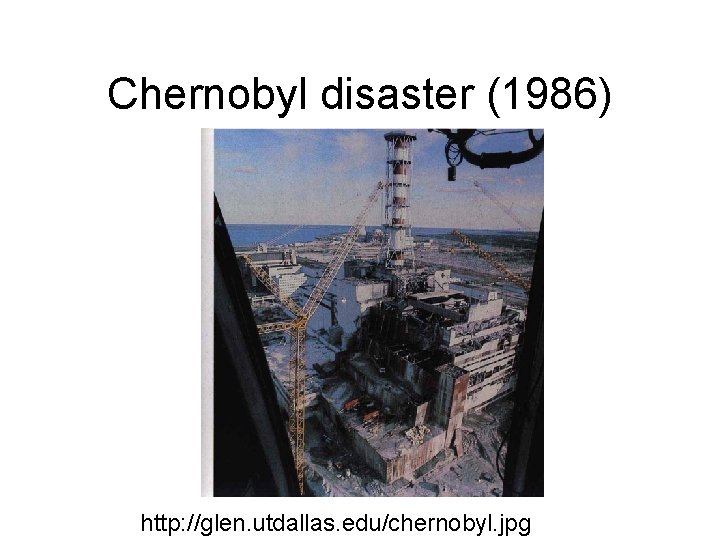
Chernobyl disaster (1986) http: //glen. utdallas. edu/chernobyl. jpg
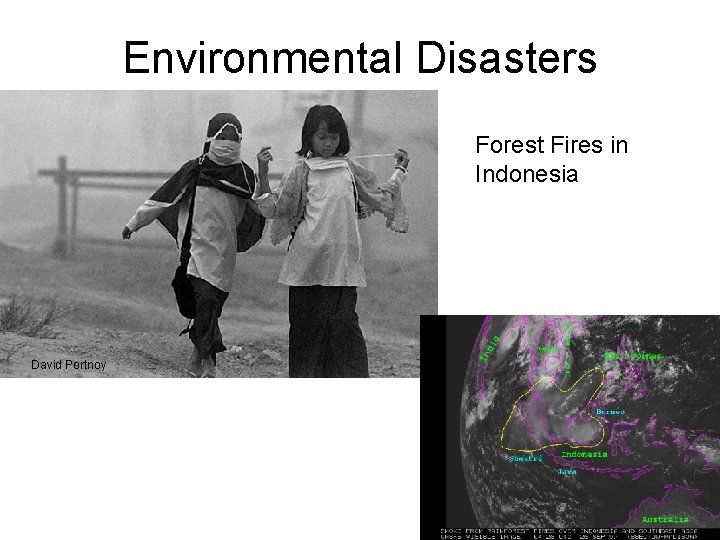
Environmental Disasters Forest Fires in Indonesia David Portnoy
• On the night of Dec. 2 nd and 3 rd, 1984, a Union Carbide plant in Bhopal, India, began leaking 27 tons of the deadly gas methyl isocyanate. None of the six safety systems designed to contain such a leak were operational, allowing the gas to spread throughout the city of Bhopal. [1] Half a million people were exposed to the gas and 20, 000 have died to date as a result of their exposure. More than 120, 000 people still suffer from ailments caused by the accident and the subsequent pollution at the plant site. • http: //www. bhopal. net/
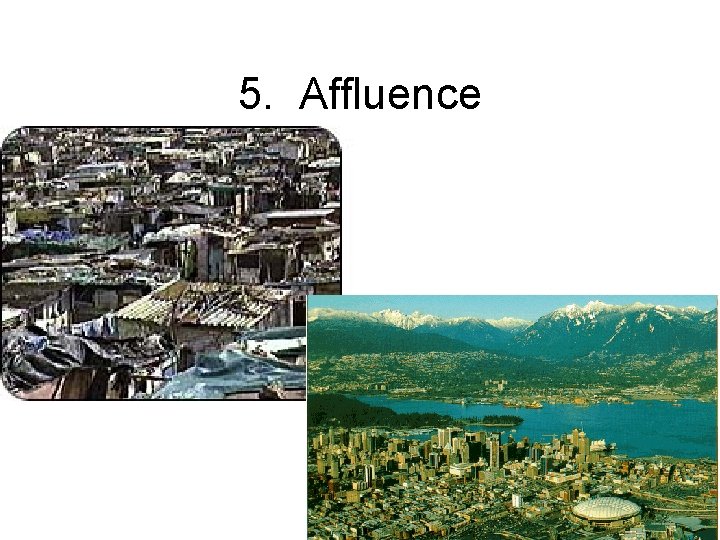
5. Affluence
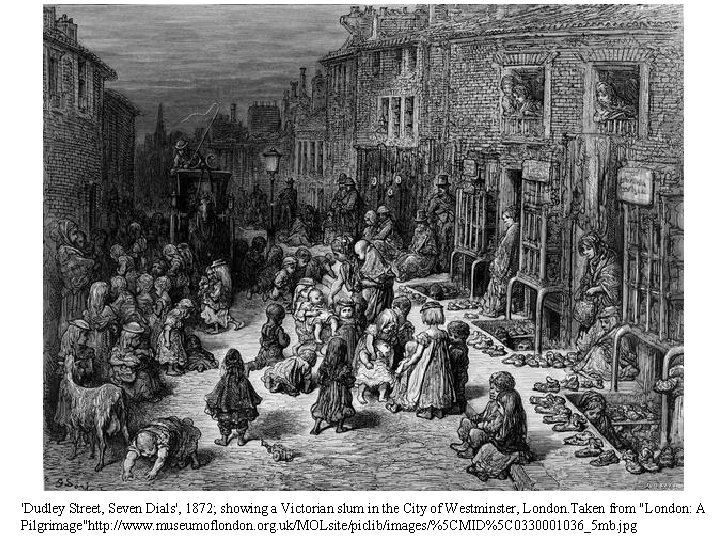
'Dudley Street, Seven Dials', 1872; showing a Victorian slum in the City of Westminster, London. Taken from "London: A Pilgrimage"http: //www. museumoflondon. org. uk/MOLsite/piclib/images/%5 CMID%5 C 0330001036_5 mb. jpg
http: //www. hotelclassify. com/uk-hotels/images/046884 A. jpg
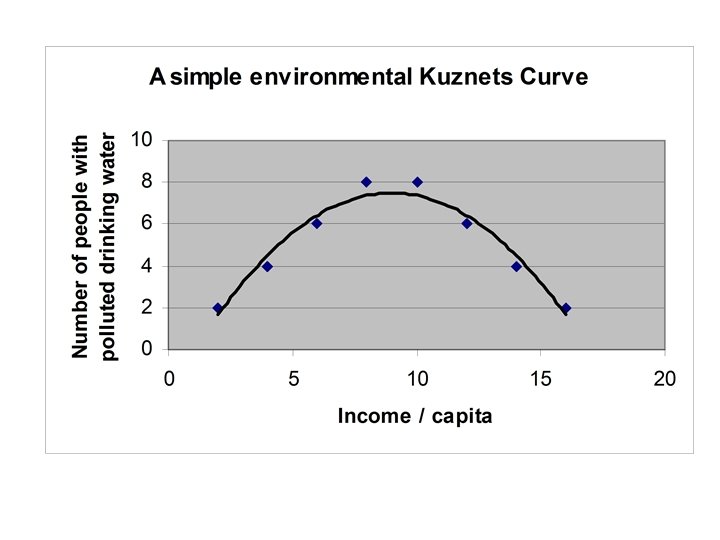
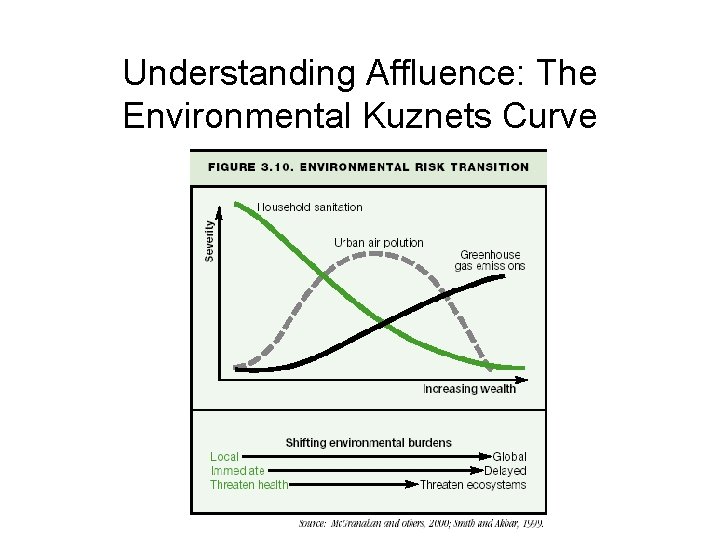
Understanding Affluence: The Environmental Kuznets Curve
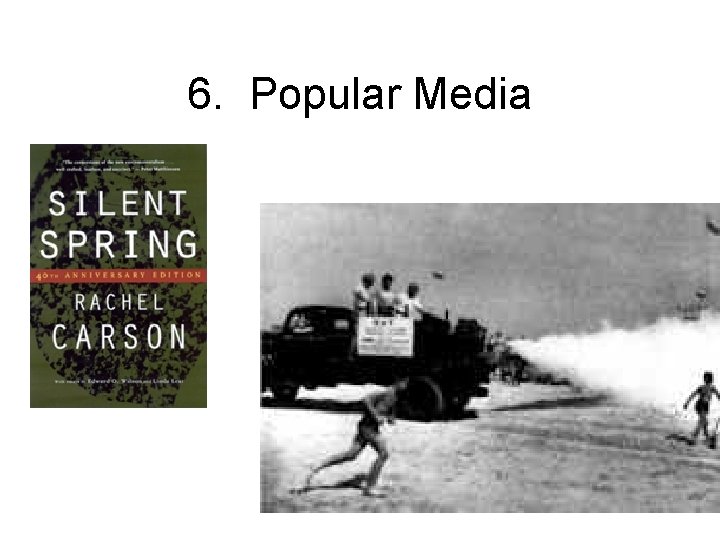
6. Popular Media
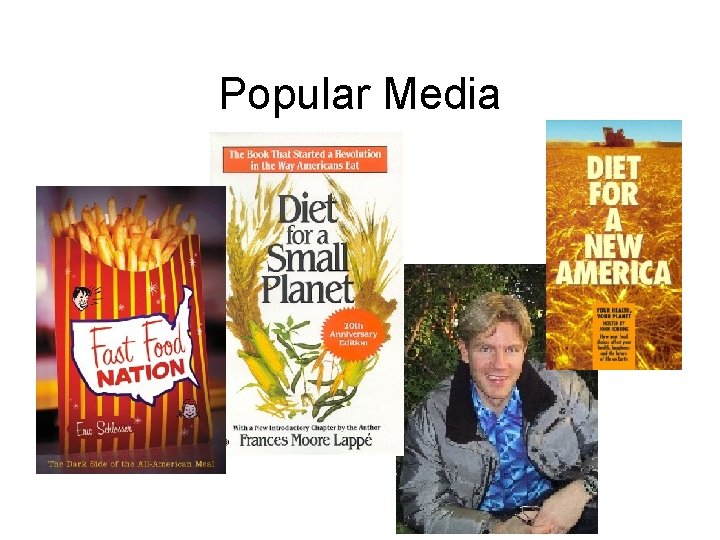
Popular Media
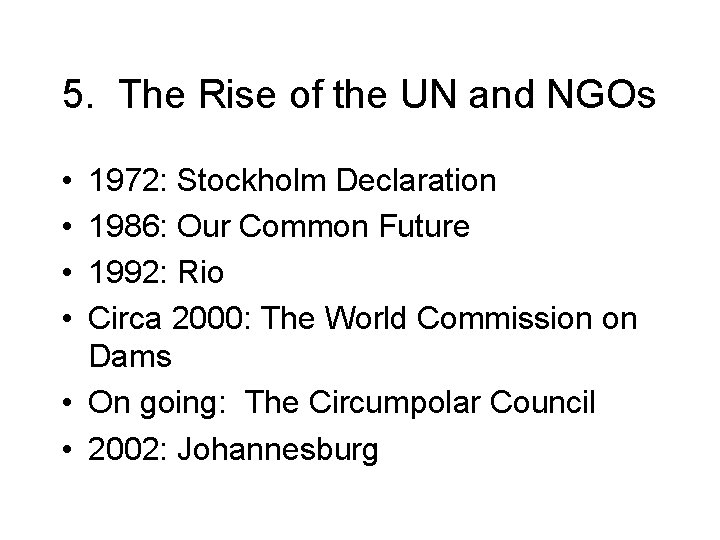
5. The Rise of the UN and NGOs • • 1972: Stockholm Declaration 1986: Our Common Future 1992: Rio Circa 2000: The World Commission on Dams • On going: The Circumpolar Council • 2002: Johannesburg
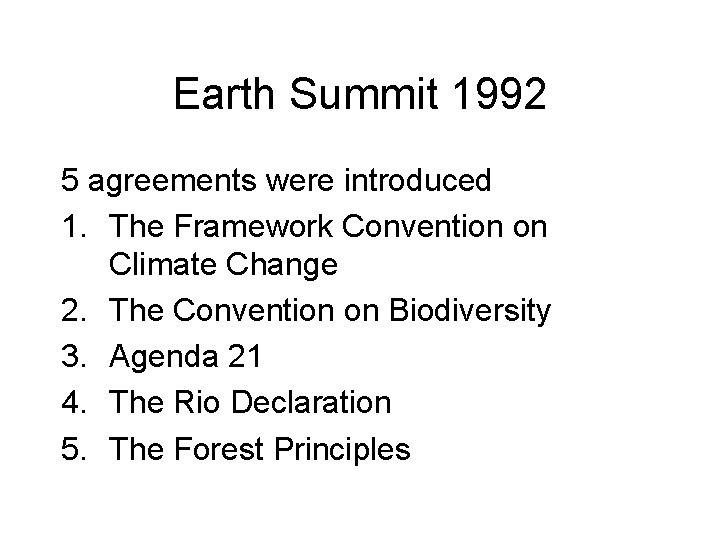
Earth Summit 1992 5 agreements were introduced 1. The Framework Convention on Climate Change 2. The Convention on Biodiversity 3. Agenda 21 4. The Rio Declaration 5. The Forest Principles
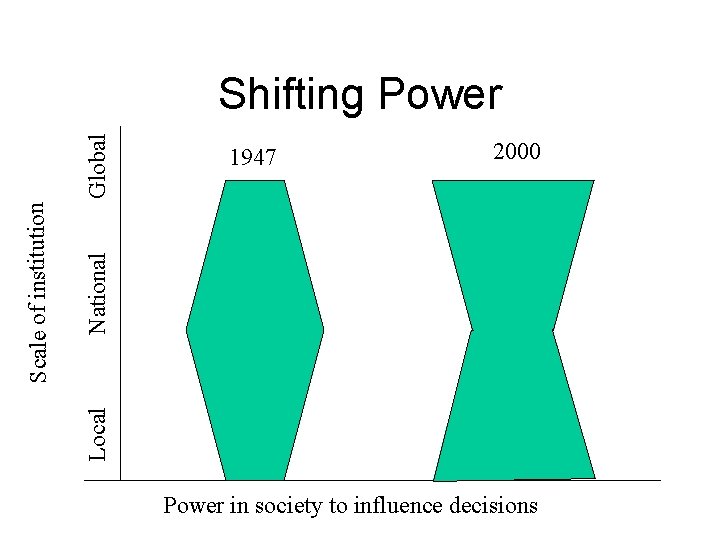
2000 National 1947 Local Scale of institution Global Shifting Power in society to influence decisions
Introduction: Reasons for environmentalism 1. 2. 3. 4. 5. Running out of resources Conservation movement Better science Environmental disasters Affluent societies demand cleaner environments 6. Popular media 7. Rise of NGOs
Timelines http: //www. iisd. org/pdf/2002/sd_timeline 2002. pdf http: //www. time. com/time/2002/greencentury/ http: //www. sovereignty. net/p/gov/timeline. html
So What? If we can understand the historical events and ideas that have shaped where we are today it may help us to understand where we are going tomorrow and how future events may influence the environmental movement.
Session Objectives • Draw trends out of the past thirty years to suggest where history provides us with guidance. • Reasons why modern environmental movement has grown. • Identify some of the key events that have shaped the environmental movement over the last 4 decades. • Where to find information.