
Modeling How the Human Body Handles Drugs and
Modeling How the Human Body Handles Drugs and Toxicants Crispin Pierce, Ph. D. UWEC Faculty / Academic Staff Forum 27 October 2004 http: //www. uwec. edu/piercech/model. ppt

UWEC Student-Faculty Research Mia Jewell, Laura Schrage, Julie Friedhoff, Alison Deneen, and Ashley La. Casse
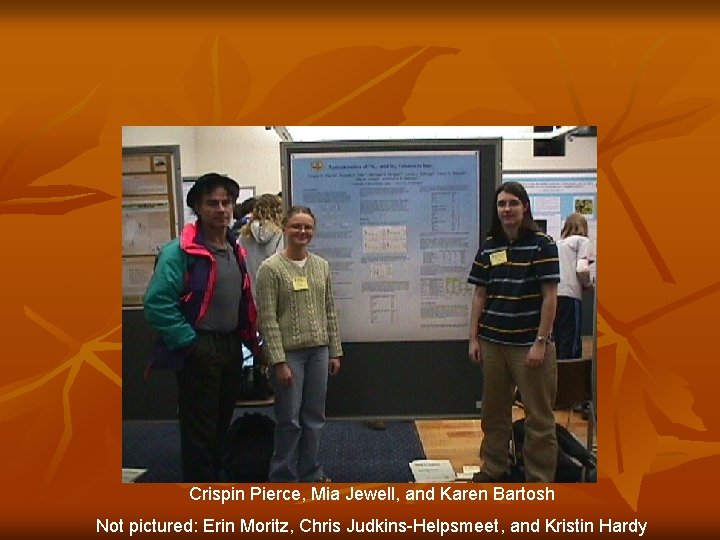
Crispin Pierce, Mia Jewell, and Karen Bartosh Not pictured: Erin Moritz, Chris Judkins-Helpsmeet, and Kristin Hardy

Acknowledgements n n n Michael Morgan and Russell Dills, University of Washington, Seattle UWEC Office of Research and Sponsored Programs NIOSH SERCA Grant 5 K 01 OH 00164 Superfund Basic Research program, NIEHS ES 04696 NIH/ NIBIB Grant 2 P 41 EB 001975

We Are Exposed to 1, 000’s of Chemicals Every Day
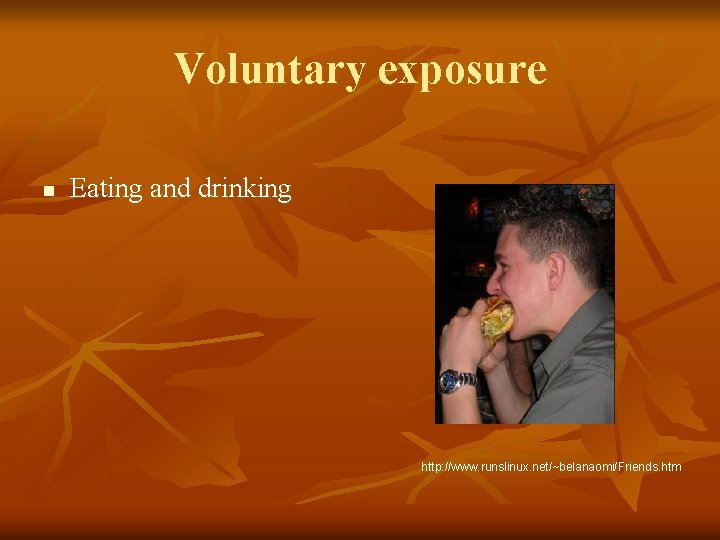
Voluntary exposure n Eating and drinking http: //www. runslinux. net/~belanaomi/Friends. htm

n Smoking
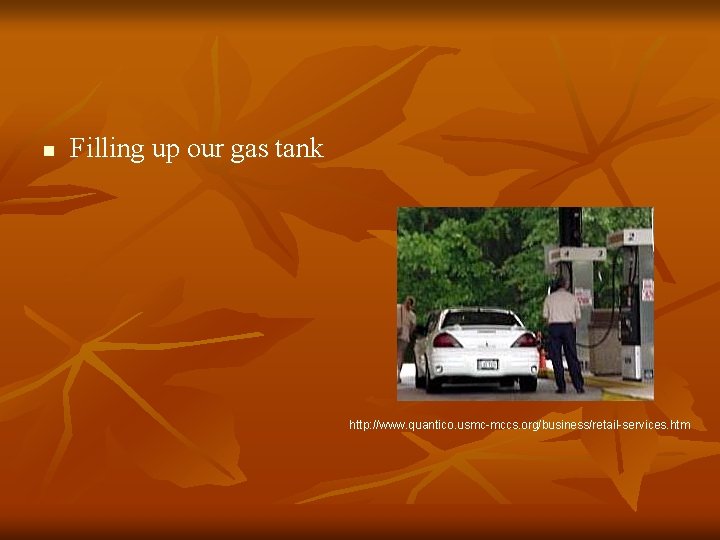
n Filling up our gas tank http: //www. quantico. usmc-mccs. org/business/retail-services. htm
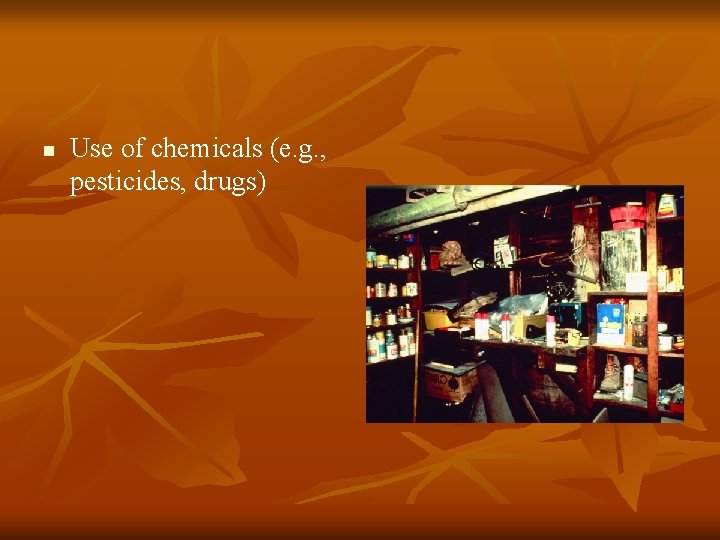
n Use of chemicals (e. g. , pesticides, drugs)
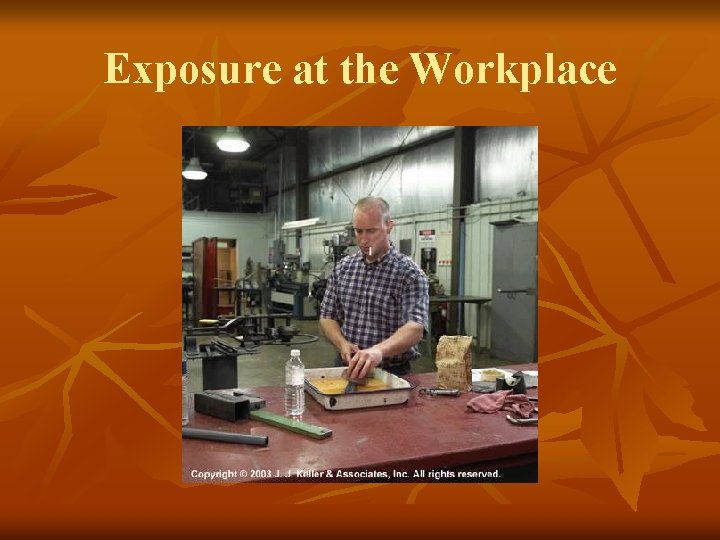
Exposure at the Workplace
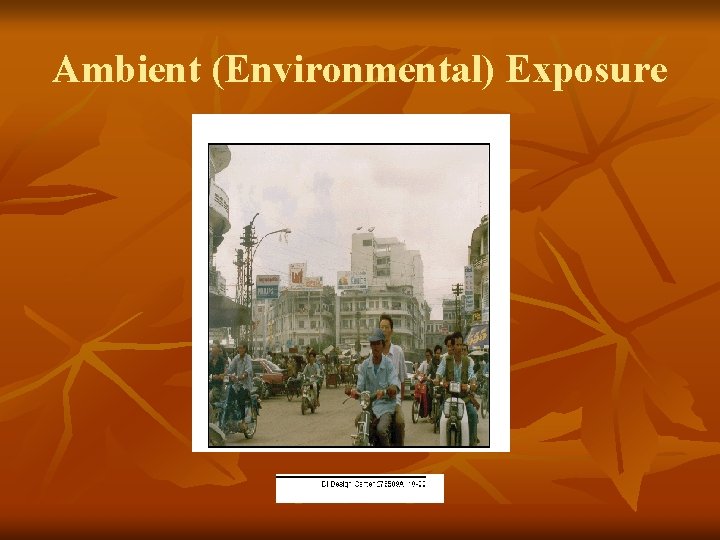
Ambient (Environmental) Exposure
How Do We Predict the Effects of These Chemicals? n Empirical Observations n n Exposure to air pollution reduces lung function in children. “I take two aspirin to relieve pain. ” Regular dosing with folic acid during the first trimester of pregnancy lowers risk of fetal health risks. Chronic consumption of fatty meats raises risks of cardiovascular disease and cancer.

Dose-Response Relationships n We use animal dosing experiments and results from epidemiological studies to make observations about doseresponse relationships. http: //homepage. psy. utexas. edu/Home. Page/class/Psy 3 08/salinas/Psychopharmacology/Psychopharm. html
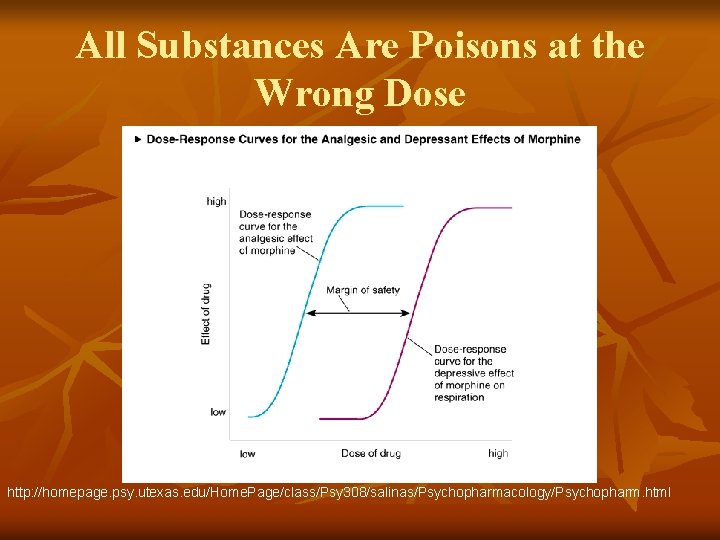
All Substances Are Poisons at the Wrong Dose http: //homepage. psy. utexas. edu/Home. Page/class/Psy 308/salinas/Psychopharmacology/Psychopharm. html

Can We Open Up This “Black Box”?
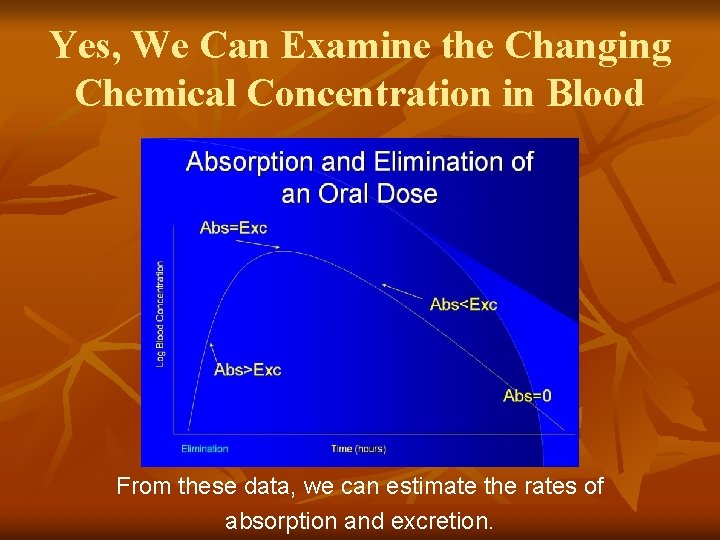
Yes, We Can Examine the Changing Chemical Concentration in Blood From these data, we can estimate the rates of absorption and excretion.
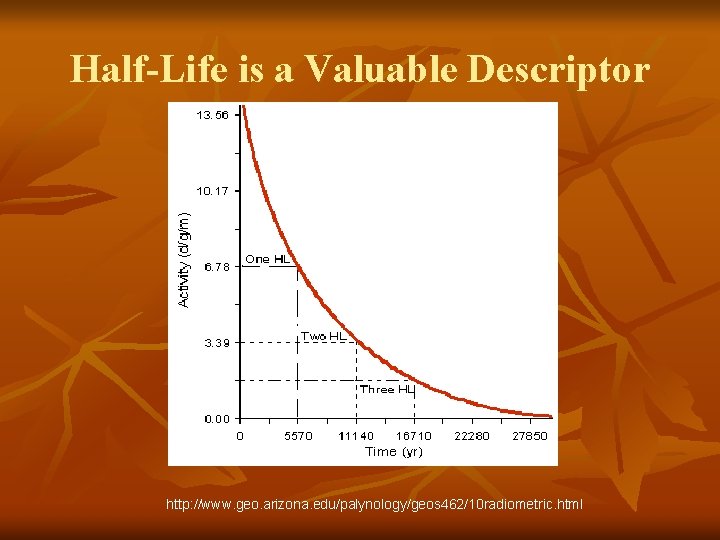
Half-Life is a Valuable Descriptor http: //www. geo. arizona. edu/palynology/geos 462/10 radiometric. html
We Can Also Create Models for How the Body Eliminates Chemicals n The Georgia Center for Continuing Education
Why Would We Want to Understand How the Body Handles the Chemical? n To answer the following questions: n n Why are some chemicals more toxic to test animals than humans, and vice versa? Are cancer risks that we measure at very high doses in animal studies linear down to the low exposures that we receive? Can we make drugs more effective and less toxic? Can we develop new antidotes to poisons?
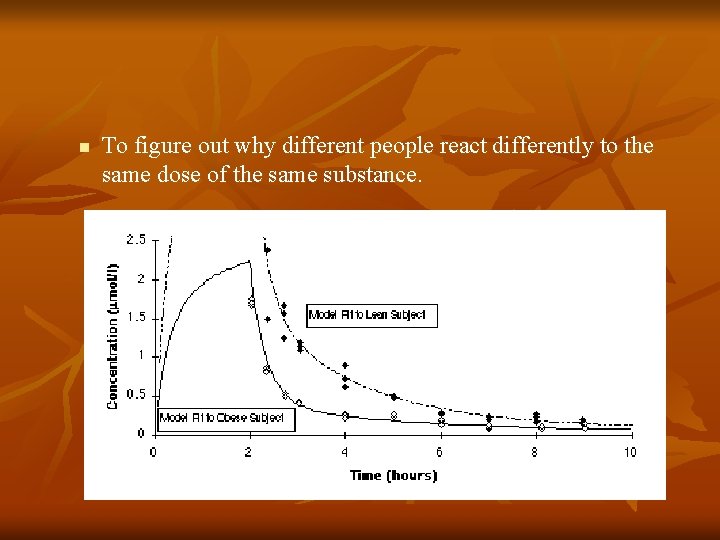
n To figure out why different people react differently to the same dose of the same substance.

Student Project 1: Toxicokinetics of Toluene n n n “Toxicokinetics” = toxicon (poison) + kinetic (movement) = movement of poisons throughout the body. Toluene is the most widely-used industrial solvent. An understanding of how the body handles toluene, a less toxic substance, can help us understand the much higher risks from similar substances such as benzene, which causes cancer.
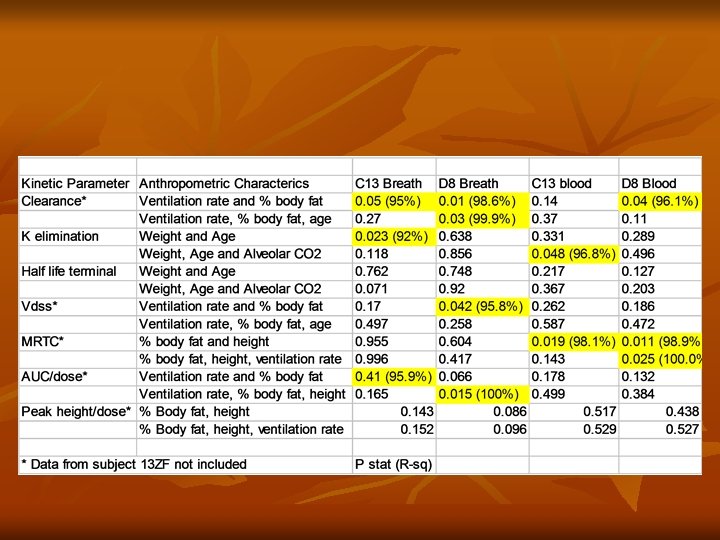
n Goal: To see if anthropometric characteristics, including body weight, body fat percentage, height and age are predictive of how the body handles toluene.
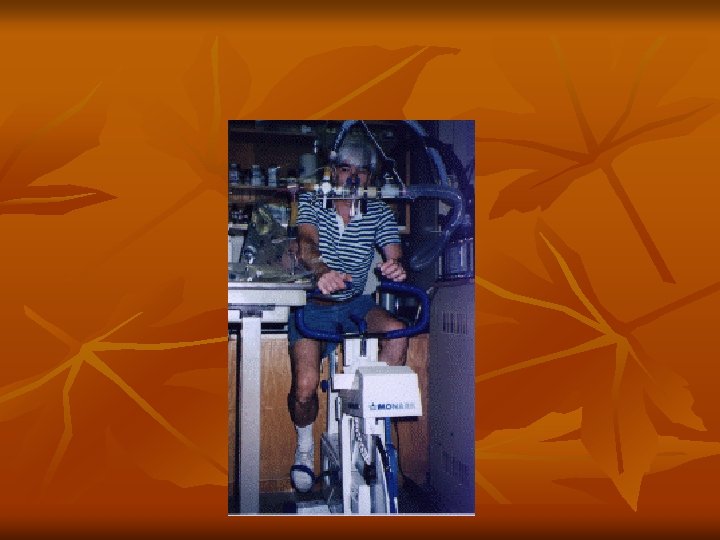
n Methods: Seven males inhaled 50 ppm of 13 Cand 2 H-toluene over a two hour period. Blood, breath, and urine samples were collected for up to 100 hr post-exposure and were analyzed for parent and metabolite concentrations. This portion of the study took place at the University of Washington and was approved by the Human Subjects Division.
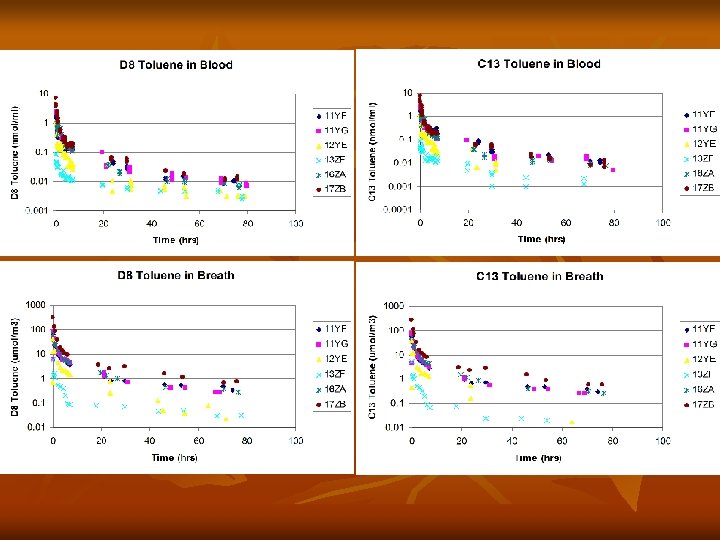
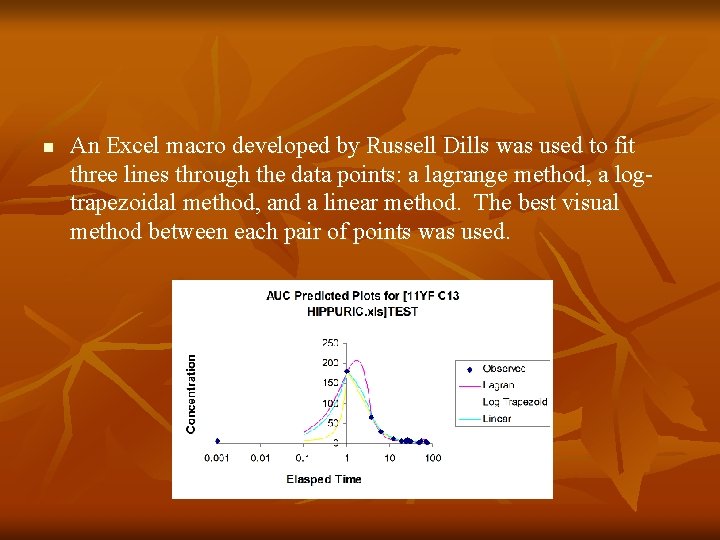
n An Excel macro developed by Russell Dills was used to fit three lines through the data points: a lagrange method, a logtrapezoidal method, and a linear method. The best visual method between each pair of points was used.

n This macro determined the kinetic parameters of k-elimination, terminal half-life, area under the curve (AUC), clearance (Cl), mean residence time for the central compartment (MRTC), and volume of distribution at a steady state (Vdss).
n Multiple regressions were used to determine which anthropometric characteristic were predictors of clearance, terminal half life, Vdss(the volume into which toluene distributes), MRTC (the average time a chemical spends in the body), maximum peak height/dose, and AUC/dose (how quickly the body gets rid of toluene).
What About the Mechanism of How the Body Handles Chemicals?
Student Project 2: Examining MTBE Risk
What Are MTBE and ETBE? n Fuel additives that increase O 2 in gasoline n 1990 Clean Air Act Amendments n Reduce carbon monoxide & ozone components in air pollution n 30% of U. S. gasoline is “oxygenated” n 87% of oxygenated gas contains MTBE
Problems With MTBE n Associated with complaints of headaches, nausea, disorientation n Ubiquitous in urban areas n Unpleasant odor and taste n Leaks into drinking water n Contaminated ground water in all 50 states n Possible human carcinogen
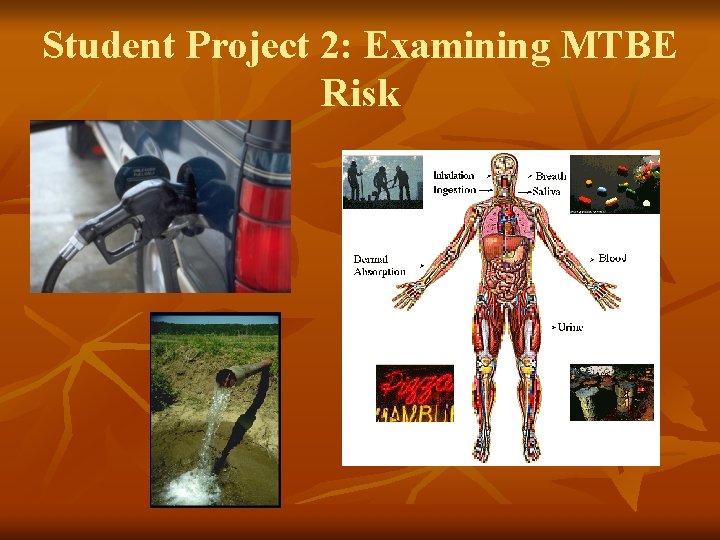
Methods of Exposure n Contaminated Water n n n Drinking Showering Inhalation n At the gas pump While driving Work environments
Previous Experiment n n n 10 Healthy Caucasian volunteers: 5 women, 5 men. Target inhaled concentrations of 2. 5 ppm 2 H 12 MTBE and 2. 5 ppm ETBE. Two hours of exposure with alternating periods of 30 min 50 W exercise and 15 min rest.
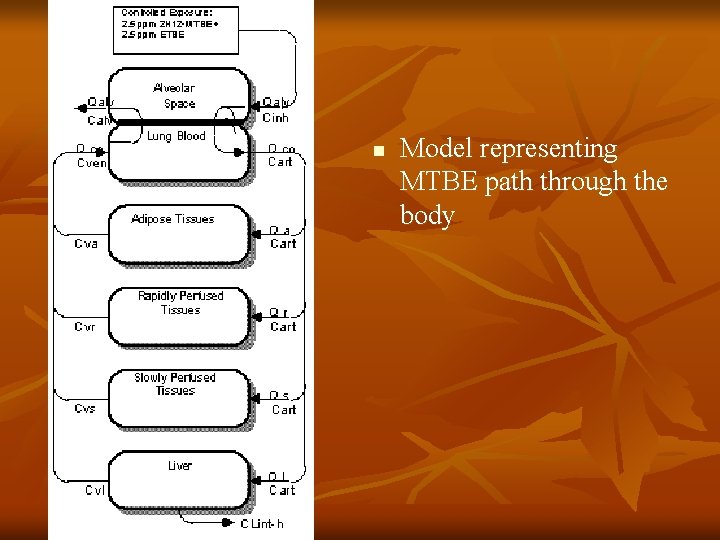
n Model representing MTBE path through the body
Experimental Goals n n Statistical testing of MTBE, ETBE, and TBA models Risk assessment based on cancer- AUC
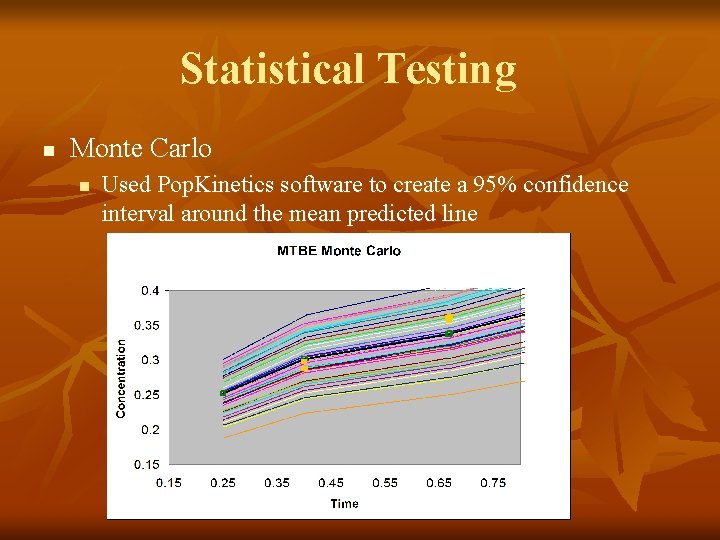
Statistical Testing n Monte Carlo n Used Pop. Kinetics software to create a 95% confidence interval around the mean predicted line
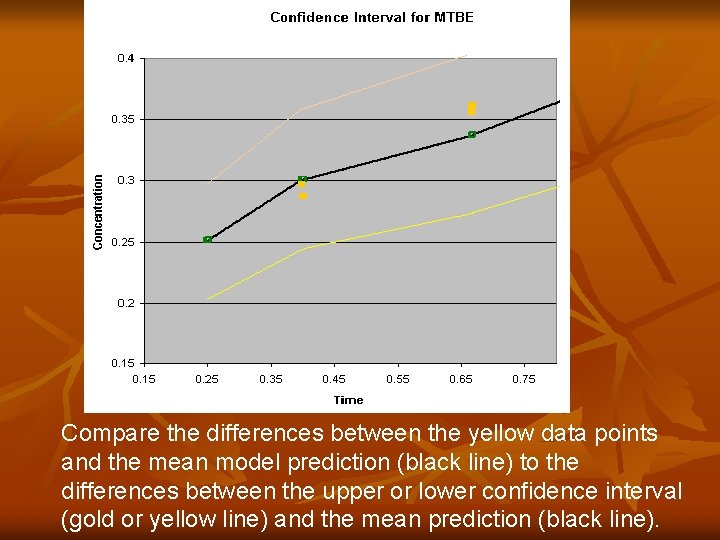
Compare the differences between the yellow data points and the mean model prediction (black line) to the differences between the upper or lower confidence interval (gold or yellow line) and the mean prediction (black line).
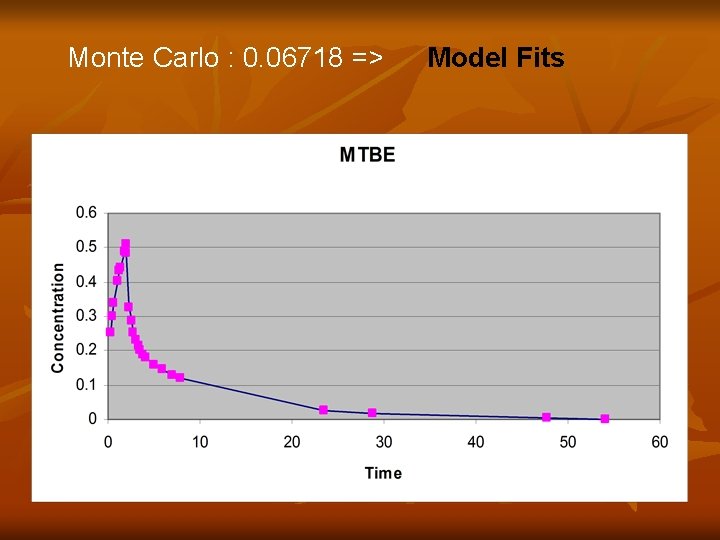
Monte Carlo : 0. 06718 => Model Fits
Risk Determination n Used lowest literature standards for MTBE n n n Inhalation Drinking water Calculated a dose based on above values Ran models with calculated dose as input Determined overall risk n Used SAAM’s AUC
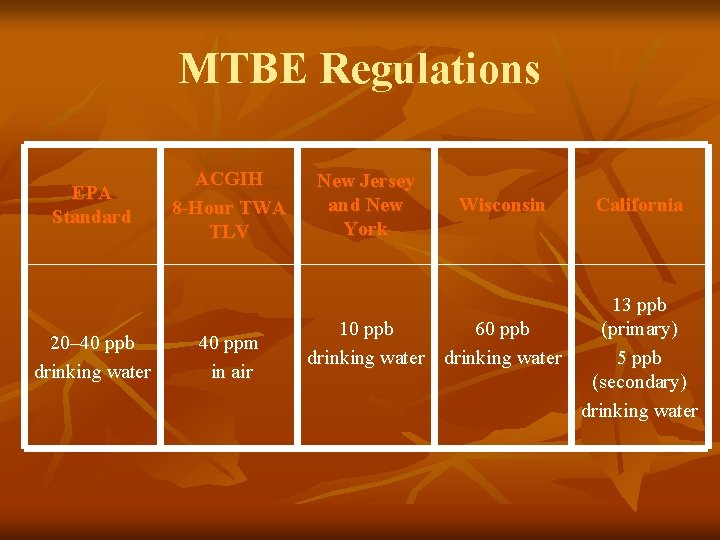
MTBE Regulations EPA Standard 20– 40 ppb drinking water ACGIH 8 -Hour TWA TLV 40 ppm in air New Jersey and New York Wisconsin California 13 ppb 10 ppb 60 ppb (primary) 5 ppb drinking water (secondary) drinking water
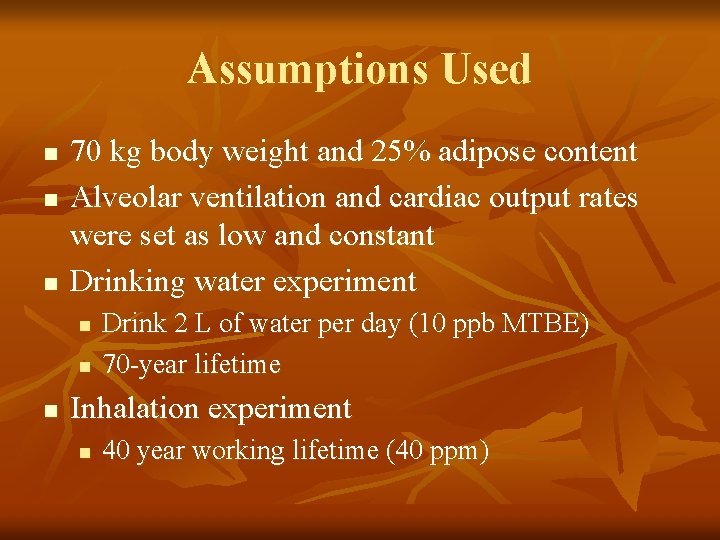
Assumptions Used n n n 70 kg body weight and 25% adipose content Alveolar ventilation and cardiac output rates were set as low and constant Drinking water experiment n n n Drink 2 L of water per day (10 ppb MTBE) 70 -year lifetime Inhalation experiment n 40 year working lifetime (40 ppm)
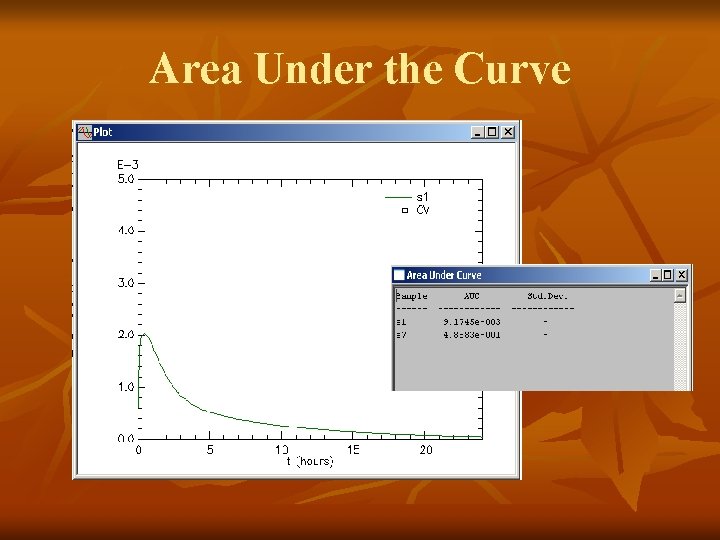
Area Under the Curve
Results: Single-day AUCs n Typical daily exposure n n n Drinking water: 9. 17 e-3 umol-hr/L Inhalation (Gas pump): 1. 36 e-1 umol-hr/L 15 times higher risk from gas pump exposure
Results: Lifetime AUCs n Based on standards n n n Drinking water: 2. 44 e 2 umol-hr/L Inhalation (Work exposure): 2. 18 e 6 umol-hr/L 9, 000 times higher risk from work exposure.
Conclusions n n n Empirical and mechanistic approaches can be used to understand how the body handles chemicals Anthropometric characteristics affect how different people handle a chemical. Models can be used to predict risk of toxicity from different kinds of chemical exposures.

- Slides: 48