
Mobility and Immobility chapter 47 322021 NRS 320
Mobility and Immobility chapter 47 3/2/2021 NRS 320 S 2010 1
The Nature of Movement Coordination between the musculoskeletal system and the nervous system. � Alignment and Balance � The positioning of the joints, tendons, ligaments and muscles. � Gravity and Friction � Gravity is the force of weight downward � Friction opposes movement 3/2/2021 NRS 105. 320 S 2009 2
Physiology and Regulation of Movement � Please review Anatomy and Physiology text � Musculoskeletal � Nervous 3/2/2021 system NRS 105. 320 S 2009 3
Pathological Influences on Mobility � � 3/2/2021 Postural abnormalities Impaired Muscle development and strength Damage to the Central Nervous System Trauma to the Musculoskeletal System NRS 105. 320 S 2009 4
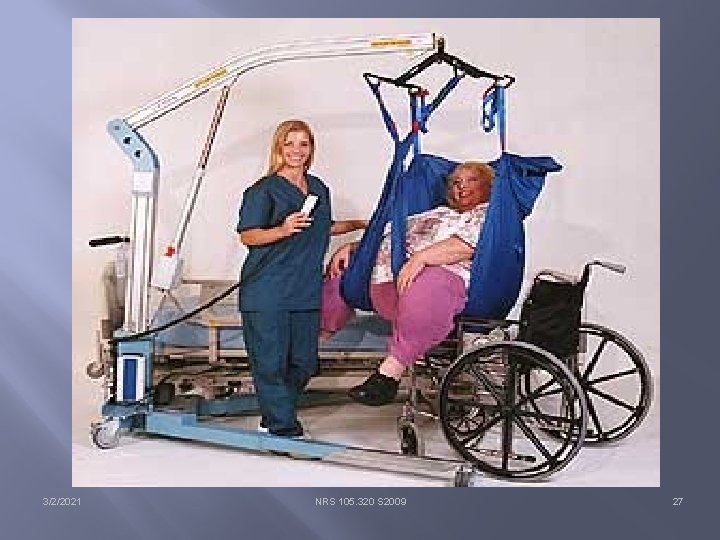
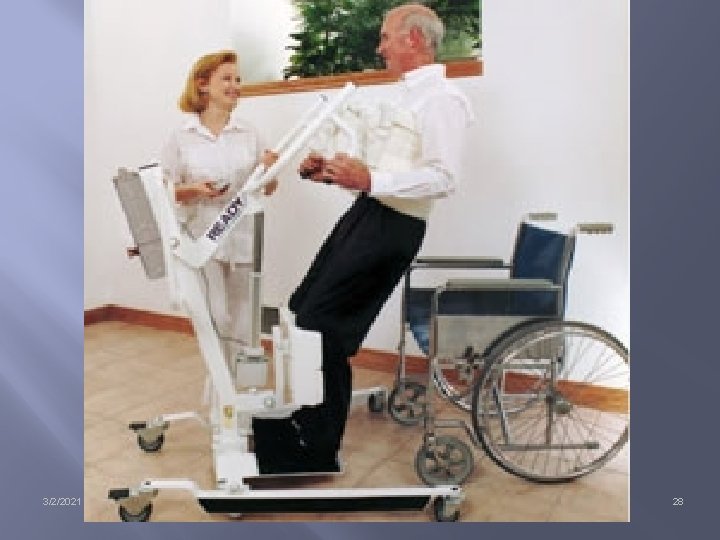
Safe Patient Handling � � � Protecting the Patient and Health Care worker No lift policies Plan ahead based on patient assessment � how much help do you need? � Equipment? 3/2/2021 NRS 105. 320 S 2009 5
Mobility and Immobility � The effects of Immobility � Metabolic changes � Respiratory changes � Cardiovascular changes � Musculoskeletal changes � Changes in urinary elimination � Integumentary [skin] changes 3/2/2021 NRS 105. 320 S 2009 6
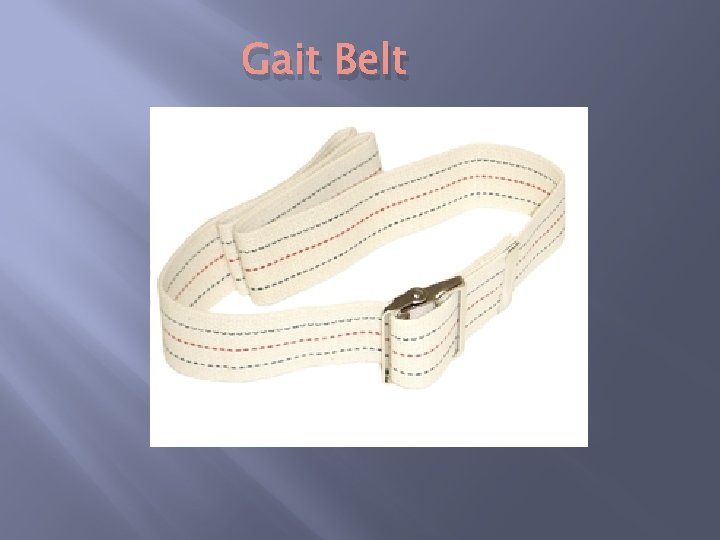
Gait Belt
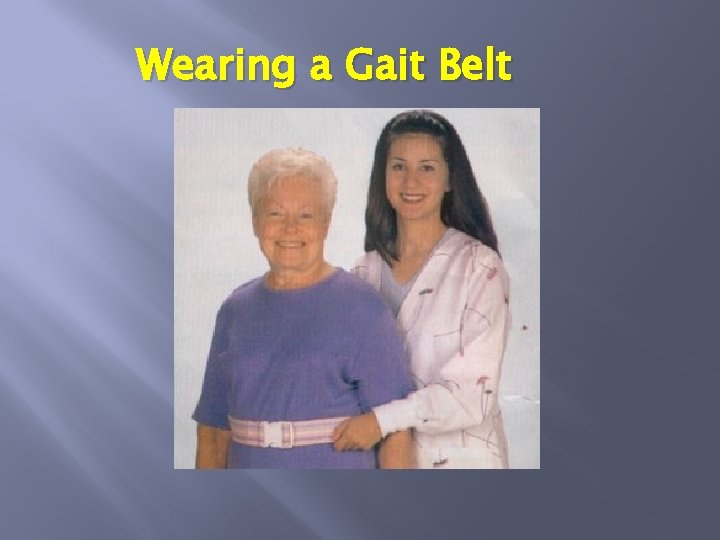
Wearing a Gait Belt
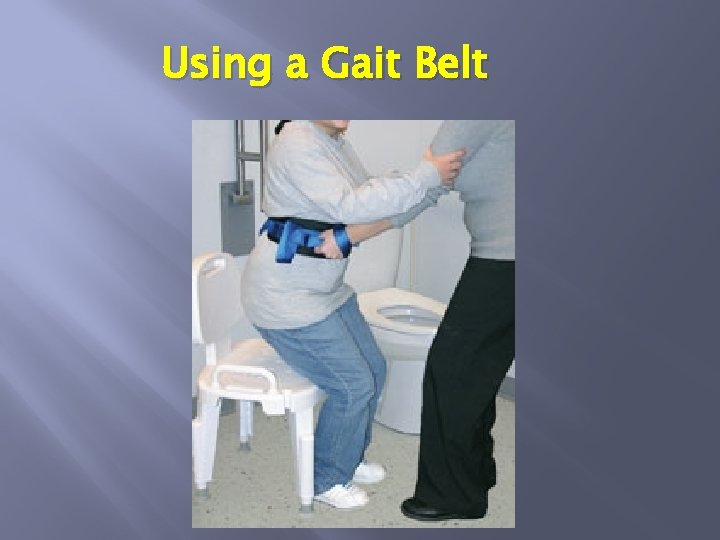
Using a Gait Belt
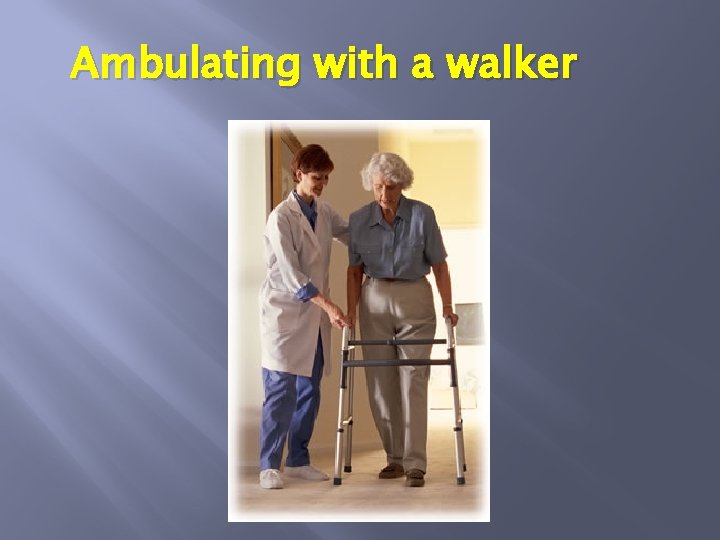
Ambulating with a walker
What does it feel like? � � � Effort Fear Do people treat you differently? Time involved Obstacles

Positioning
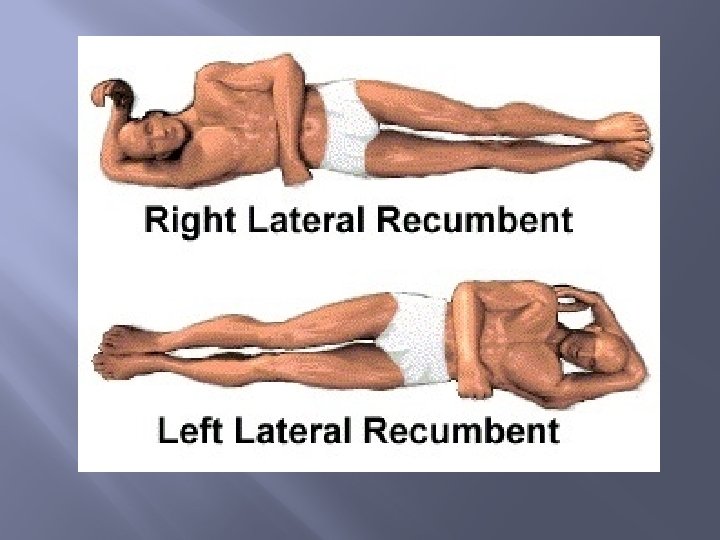
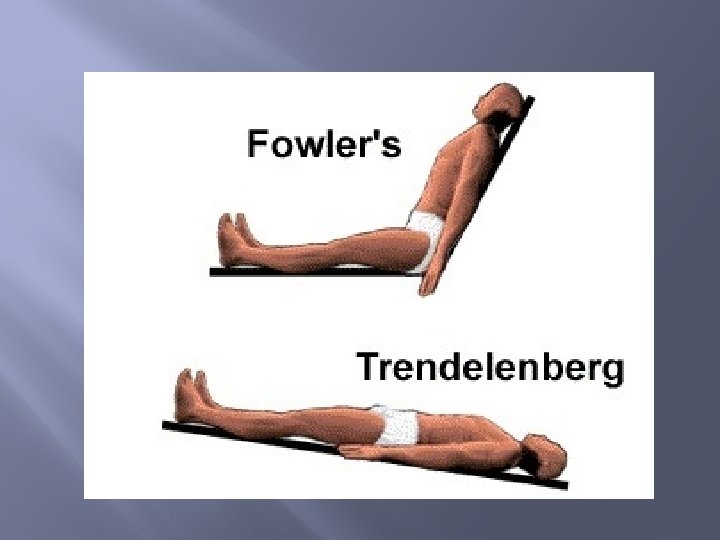

Semi Fowler’s Position
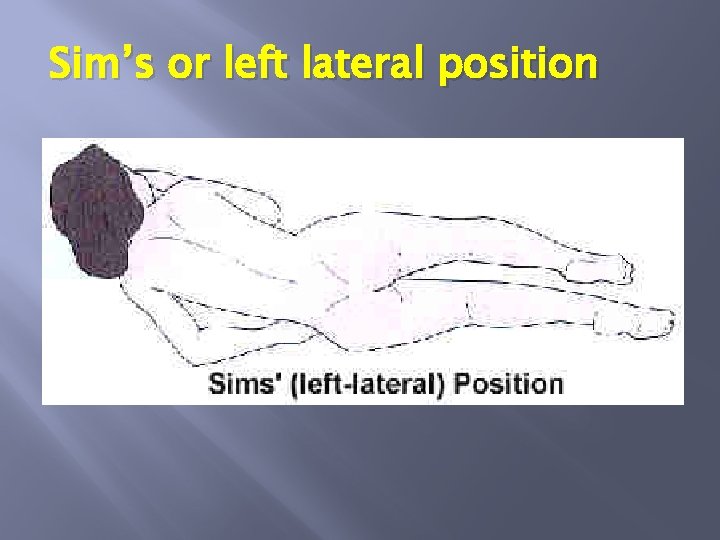
Sim’s or left lateral position
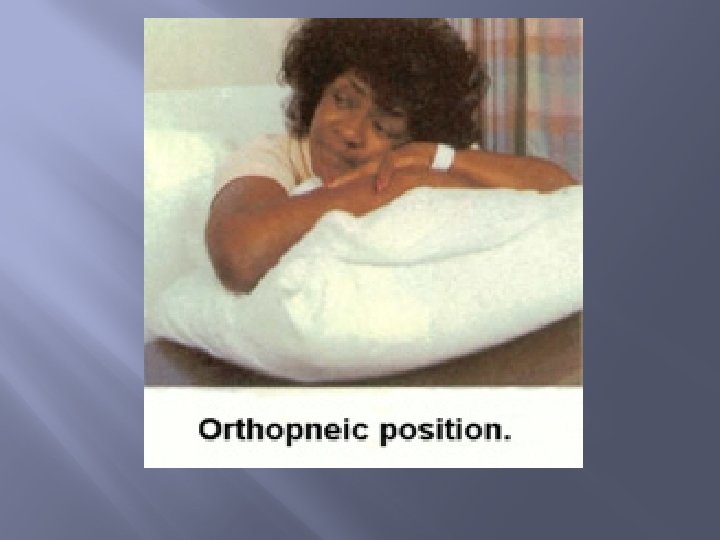
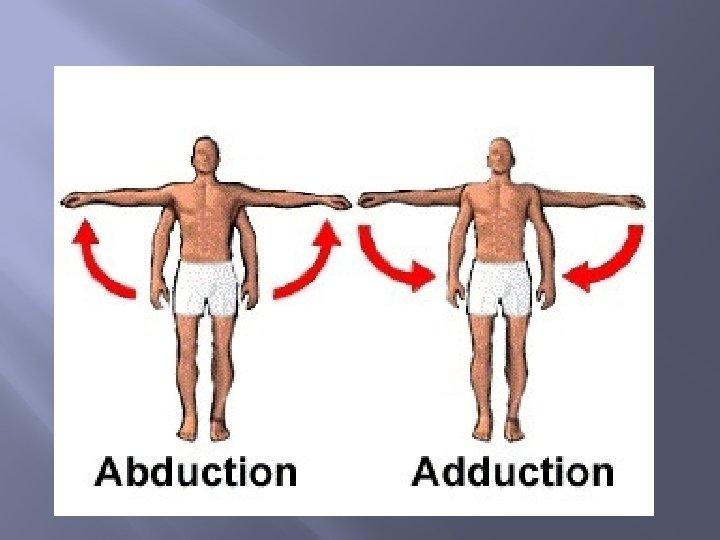
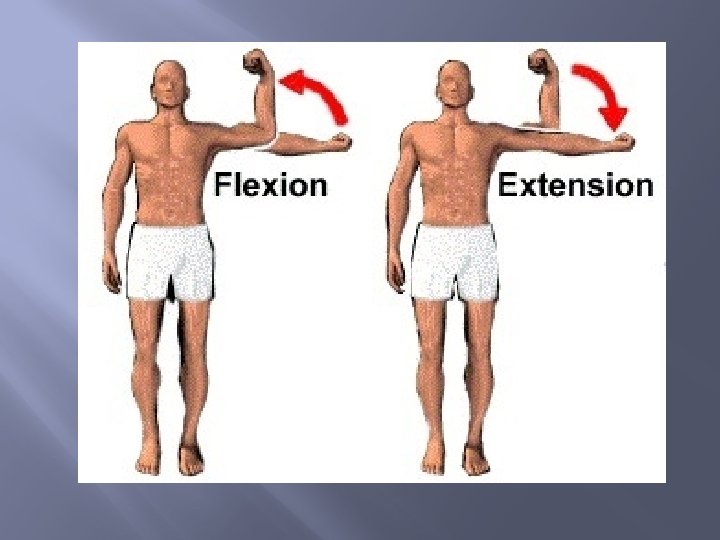
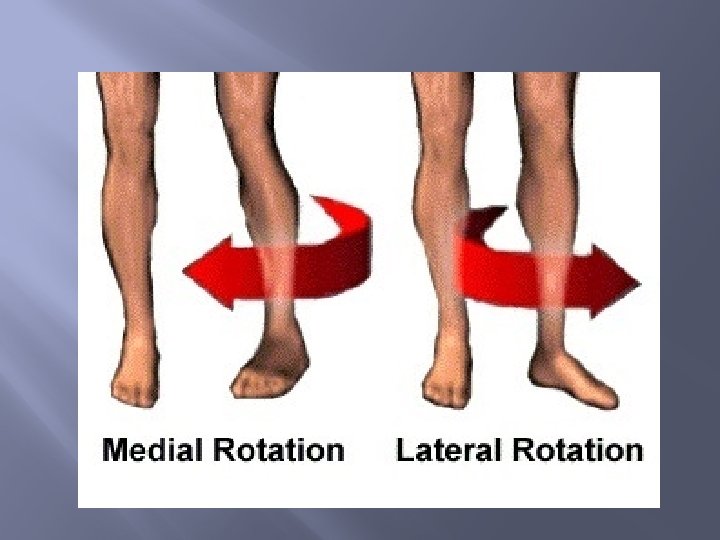
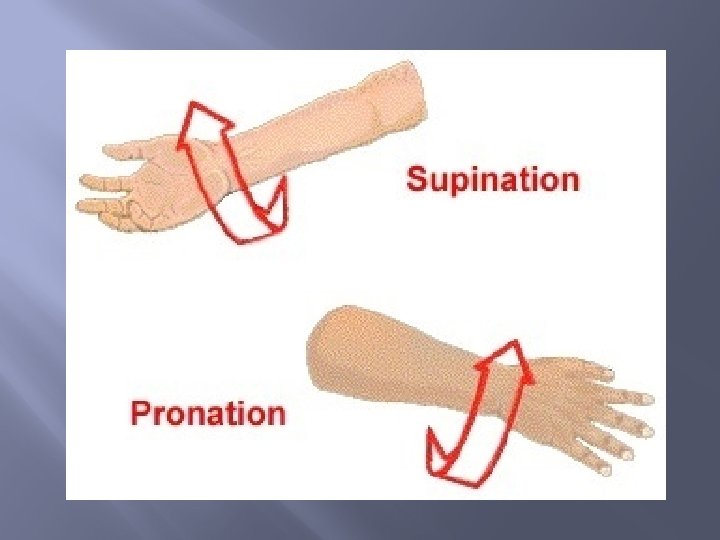
Range of Motion
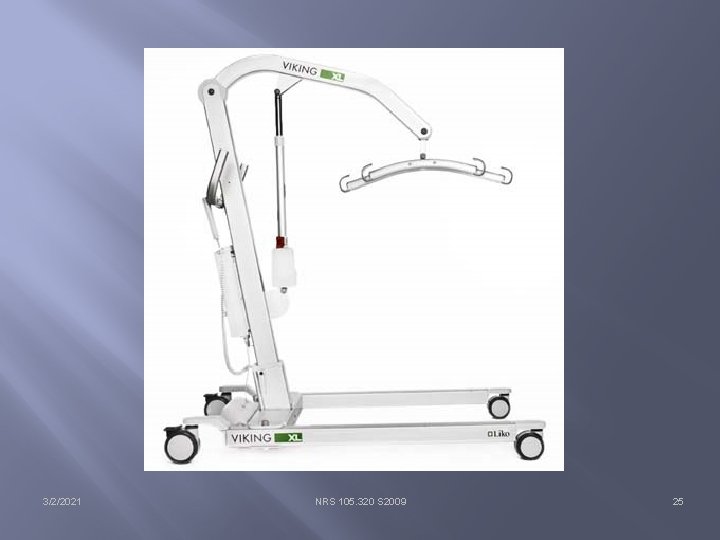
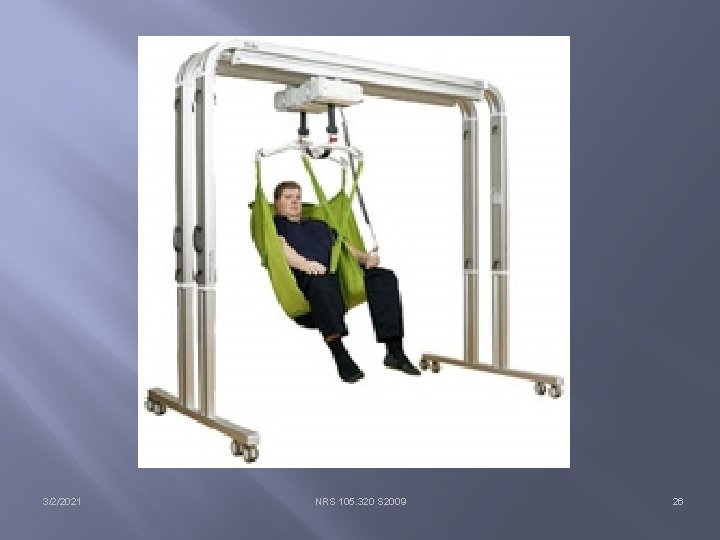
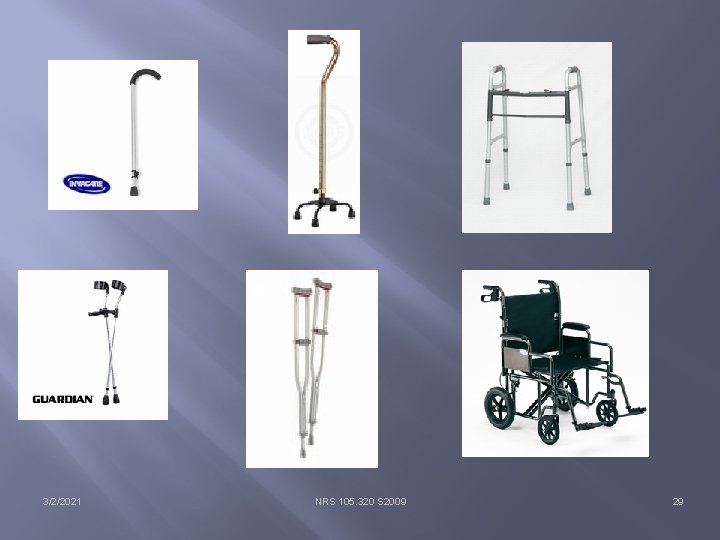
Assistive Devices for Patient Movement � Canes Walkers Wheel chairs � All Devices must be appropriate for patient � � � Weight limit � Reason for Device � Measured to patient 3/2/2021 NRS 105. 320 S 2009 24
3/2/2021 NRS 105. 320 S 2009 25
3/2/2021 NRS 105. 320 S 2009 26
3/2/2021 NRS 105. 320 S 2009 27
3/2/2021 NRS 105. 320 S 2009 28
3/2/2021 NRS 105. 320 S 2009 29
3/2/2021 NRS 105. 320 S 2009 30
3/2/2021 NRS 105. 320 S 2009 31
3/2/2021 NRS 105. 320 S 2009 32
![Risks of ↓ Mobility � Immobility � Unable � Impaired Perception [numbness, paralysis] �](http://slidetodoc.com/presentation_image_h/1e0af7c51f05a8d990c81a8e8568cb5b/image-33.jpg "Risks of ↓ Mobility � Immobility � Unable � Impaired Perception [numbness, paralysis] �")
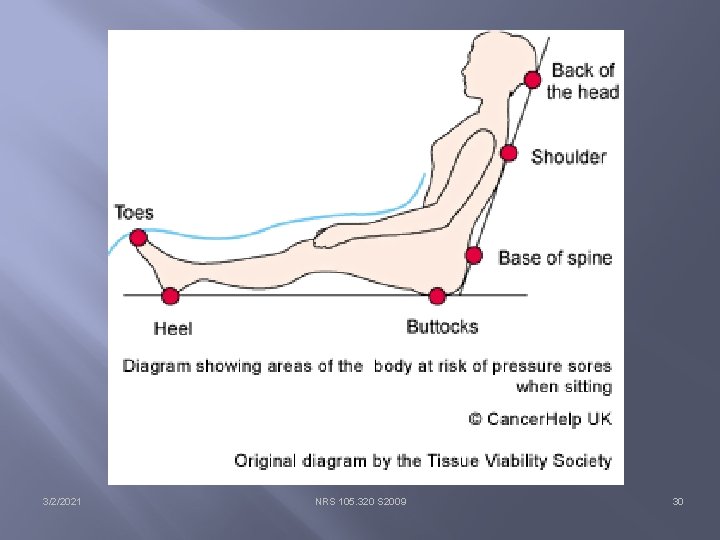
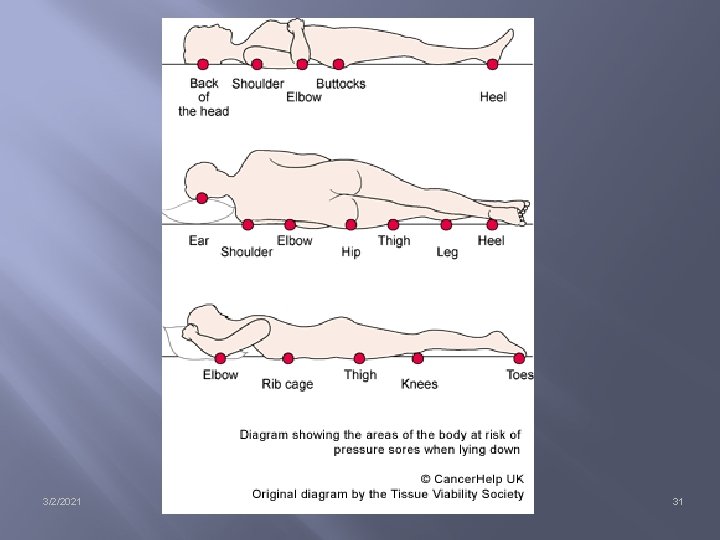
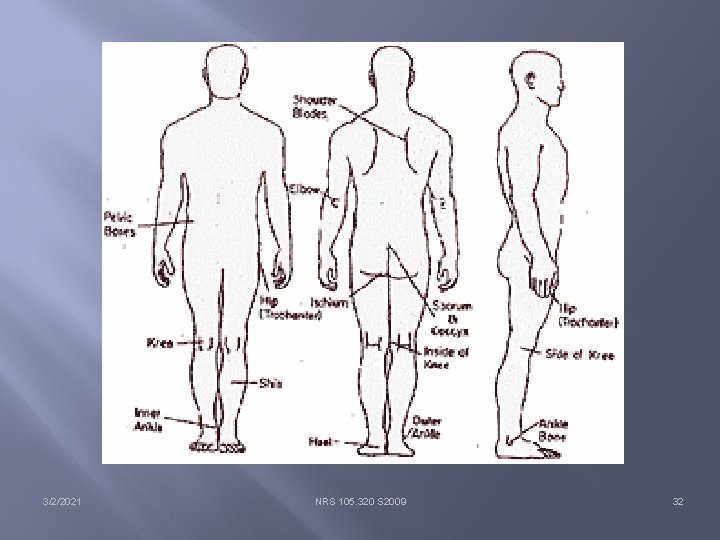
Risks of ↓ Mobility � Immobility � Unable � Impaired Perception [numbness, paralysis] � Unable � to move independently to sense pain/pressure Altered LOC � Confused – perceive pressure/pain but can’t communicate/ relieve pressure � Coma: no perception + immobility →↑ risk for pressure ulcers
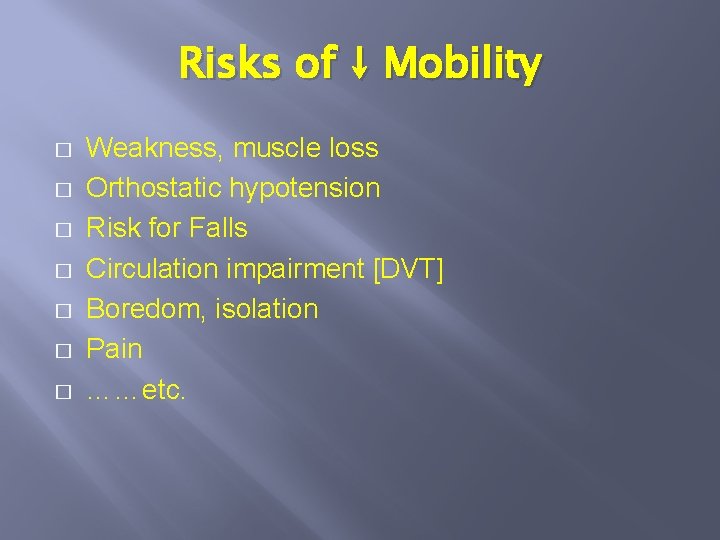
Risks of ↓ Mobility � � � � Weakness, muscle loss Orthostatic hypotension Risk for Falls Circulation impairment [DVT] Boredom, isolation Pain ……etc.
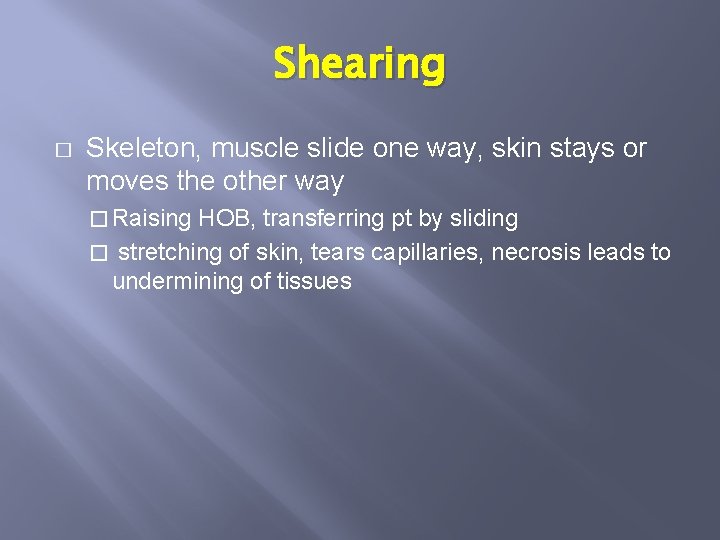
Shearing � Skeleton, muscle slide one way, skin stays or moves the other way � Raising HOB, transferring pt by sliding � stretching of skin, tears capillaries, necrosis leads to undermining of tissues
Friction � � � Top layers of skin Sliding across coarse linens, seats Position changes w/o lifts
Nursing Process for Impaired Mobility � � � Assessment Nursing Diagnosis Planning Implementation Evaluation 3/2/2021 NRS 105. 320 S 2009 37
Pressure Ulcer � Impaired skin integrity (damage to the skin) related to unrelieved, prolonged pressure. �AKA: Pressure sore, decubitus ulcer, bedsore 3/2/2021 NRS 105. 320 S 2009 38
Nursing Diagnosis � Impaired Skin Integrity r/t immobility as evidenced by stage III decubitus ulcer on coccyx 3/2/2021 NRS 105. 320 S 2009 39
Plan (stage I ulcer) On-going skin assessment � Nutritional assessment � Pressure relief for affected areas � Preventative care for intact skin � 3/2/2021 NRS 105. 320 S 2009 40
Goals 1. 2. 3. 4. Pressure ulcer will not increase in size during hospitalization Infection will not develop in pressure during hospitalization Pt will eat a balanced, high protein diet while in facility Patient and family will develop a plan (with assistance of nursing) for preventing further skin breakdown. 3/2/2021 NRS 105. 320 S 2009 41
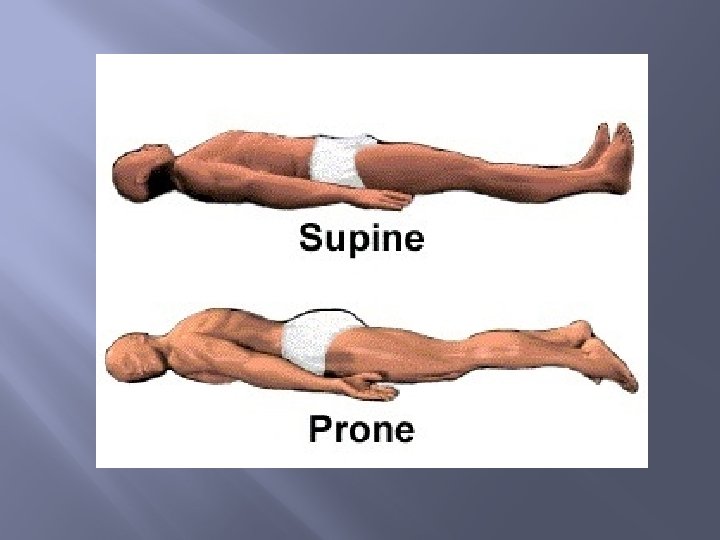
Interventions � � RN to assess skin q shift Dietician to complete nutritional assessment and recommend a diet within 24 hours Offer health shake/ protein cup between meals Assistive personnel to reposition patient q 2 hours using the following schedule � 8 am supine � 10 am left side [6 o degrees with pillows] � 12 noon prone � 2 pm right side [6 o degrees with pillows]… 3/2/2021 NRS 105. 320 S 2009 42
Rationales (with Citations) � � � Decreasing the duration of pressure on skin will prevent further skin breakdown. (Perry and Potter, p. 1281) Wound healing requires proper nutrition. (Perry and Potter, p. 1290) Family caregivers require education and counseling to be effective. (MSU by Joan 2009) 3/2/2021 NRS 105. 320 S 2009 43
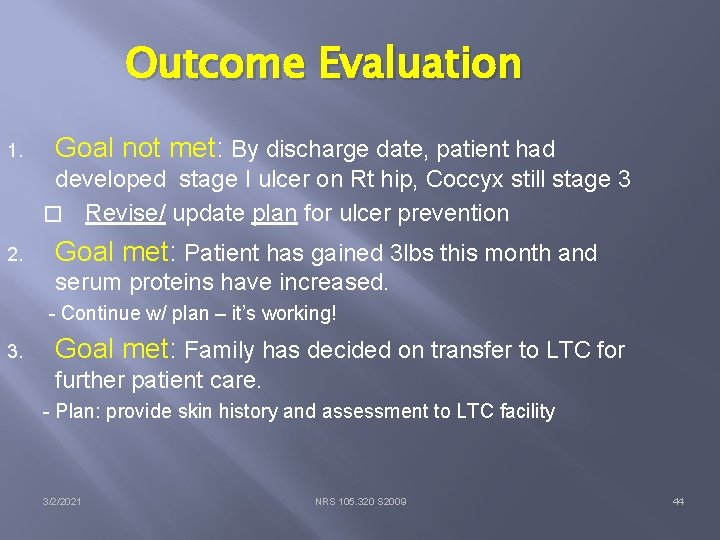
Outcome Evaluation 1. Goal not met: By discharge date, patient had developed stage I ulcer on Rt hip, Coccyx still stage 3 � Revise/ update plan for ulcer prevention 2. Goal met: Patient has gained 3 lbs this month and serum proteins have increased. - Continue w/ plan – it’s working! 3. Goal met: Family has decided on transfer to LTC for further patient care. - Plan: provide skin history and assessment to LTC facility 3/2/2021 NRS 105. 320 S 2009 44
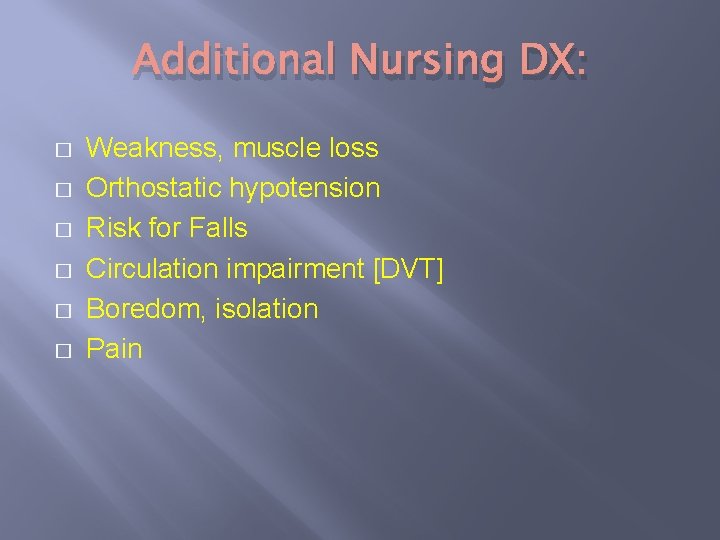
Additional Nursing DX: � � � Weakness, muscle loss Orthostatic hypotension Risk for Falls Circulation impairment [DVT] Boredom, isolation Pain
- Slides: 45