
MN Physical Geography Minnesota from Space Minnesotas Natural



- Slides: 69
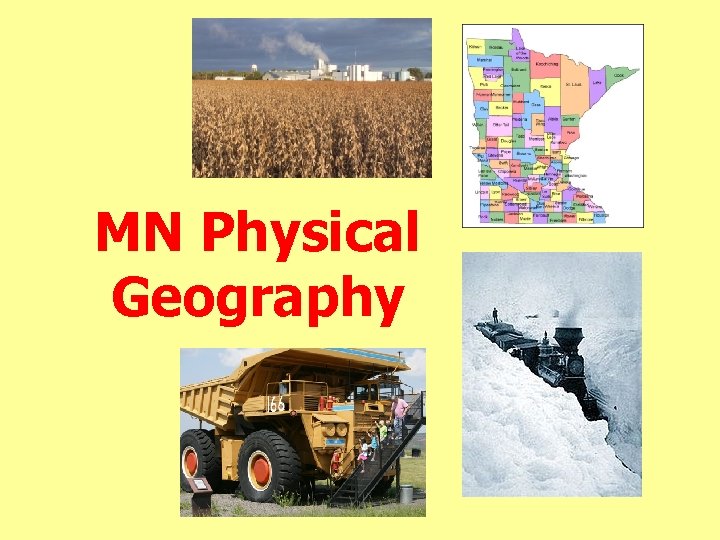
MN Physical Geography
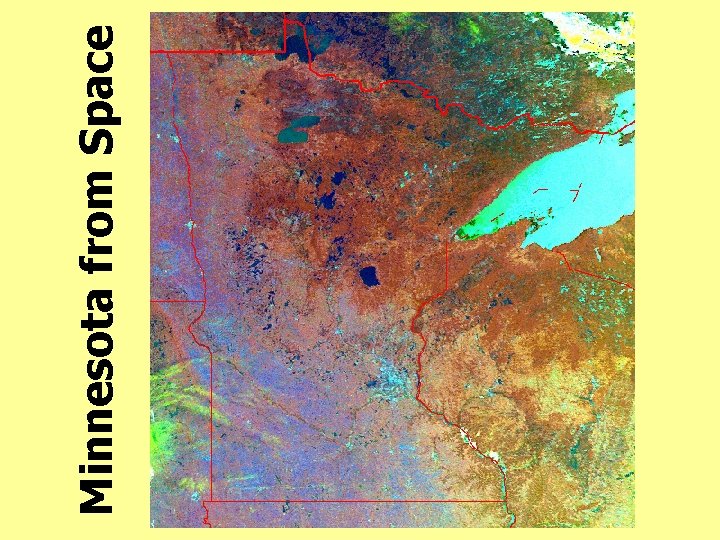
Minnesota from Space
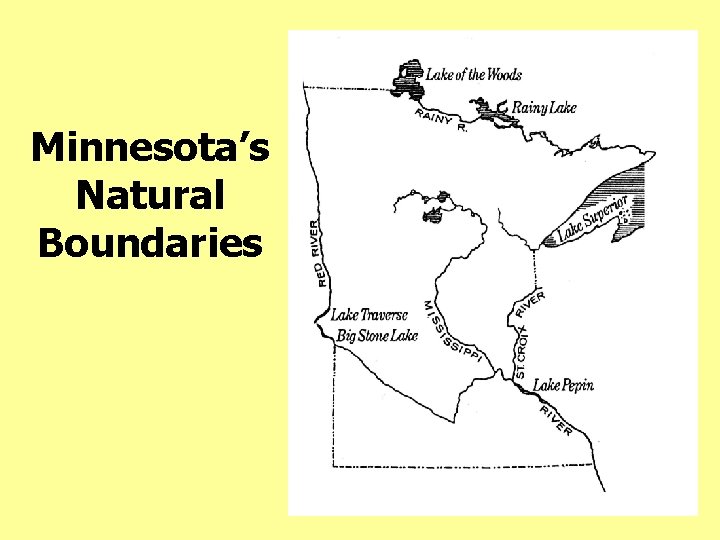
Minnesota’s Natural Boundaries
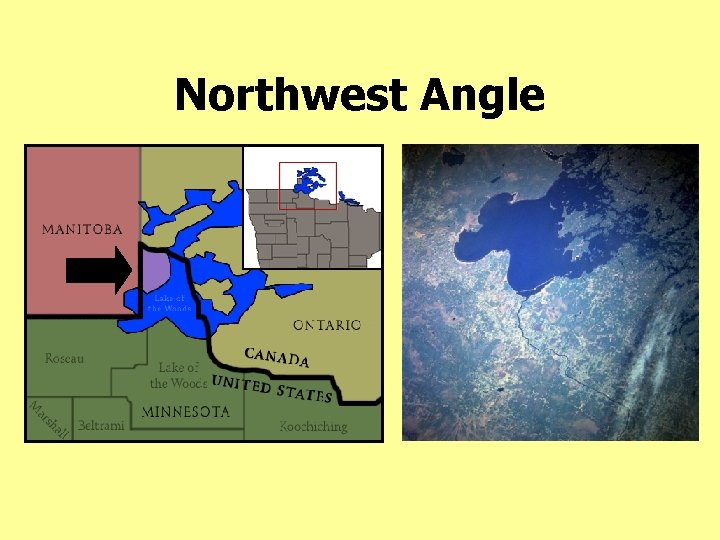
Northwest Angle
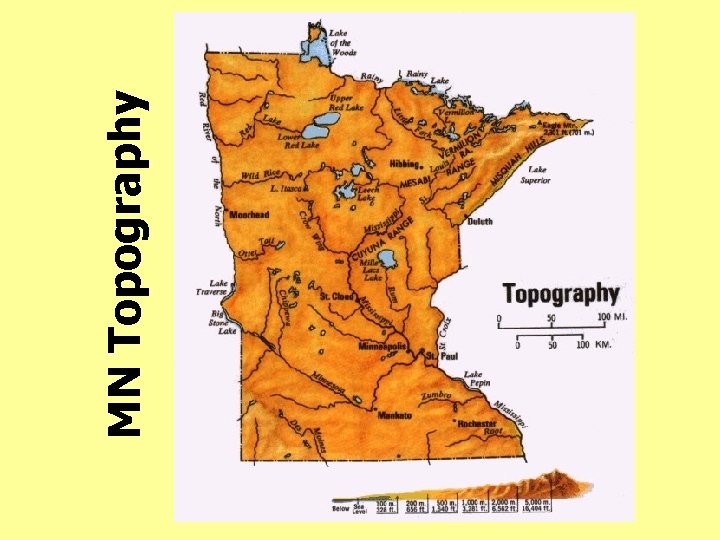
Minnesota’s Topography
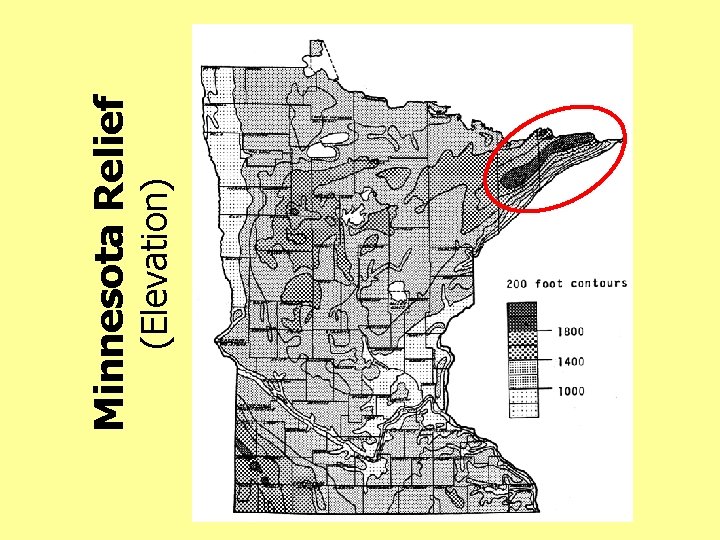
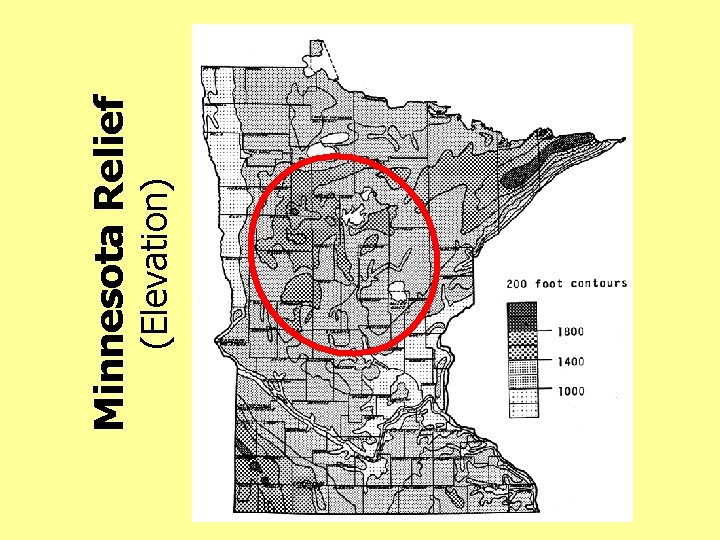
(Elevation) Minnesota Relief
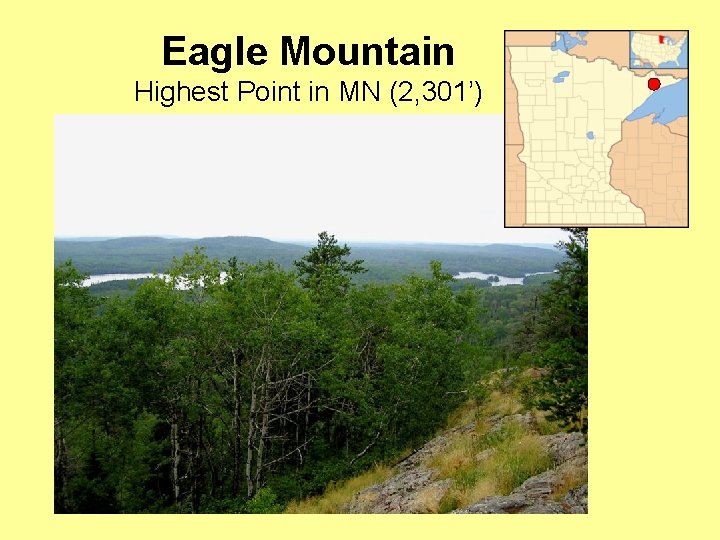
Eagle Mountain Highest Point in MN (2, 301’)
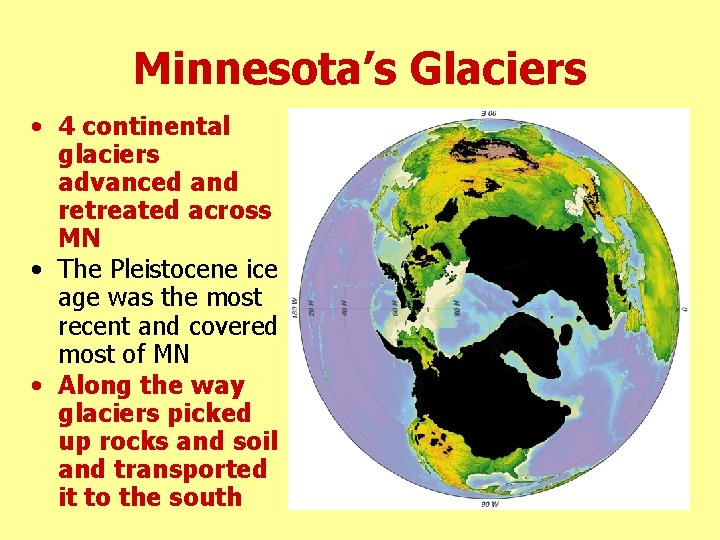
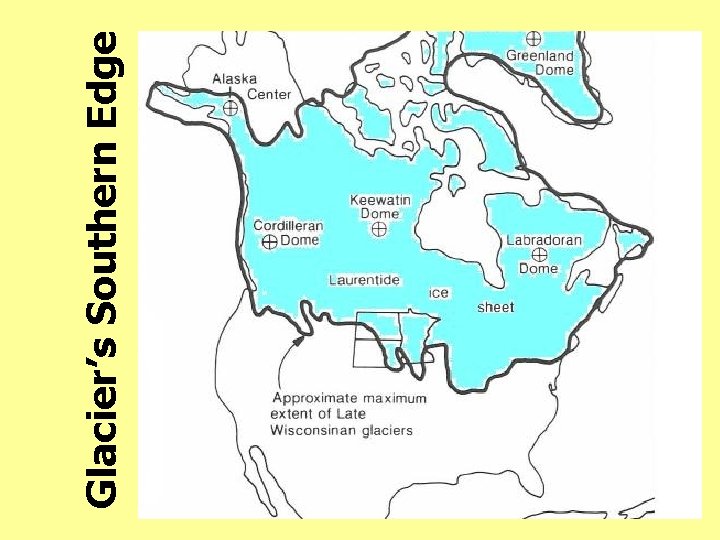
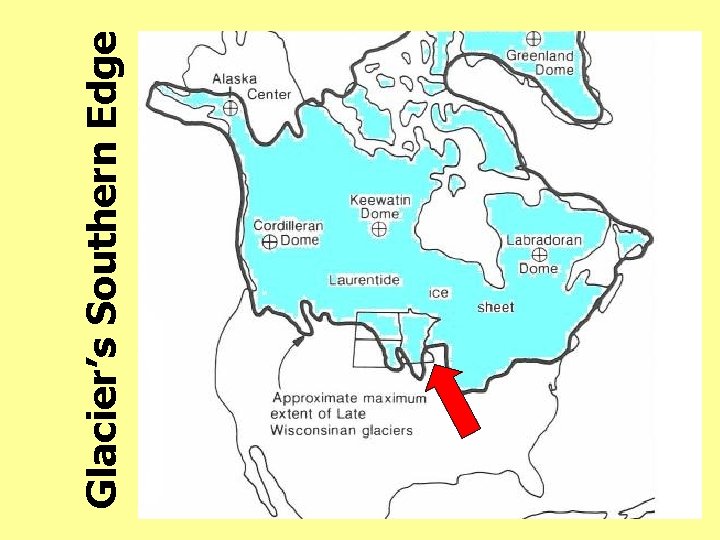
Minnesota’s Glaciers • 4 continental glaciers advanced and retreated across MN • The Pleistocene ice age was the most recent and covered most of MN • Along the way glaciers picked up rocks and soil and transported it to the south
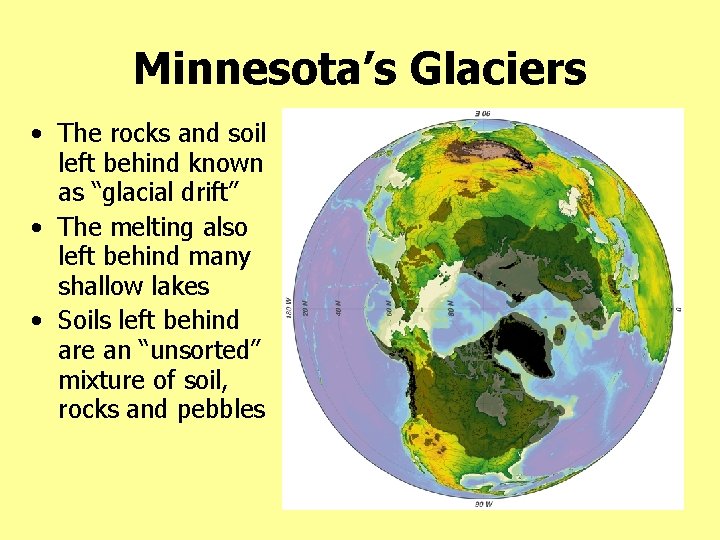
Minnesota’s Glaciers • The rocks and soil left behind known as “glacial drift” • The melting also left behind many shallow lakes • Soils left behind are an “unsorted” mixture of soil, rocks and pebbles
Glacier’s Southern Edge
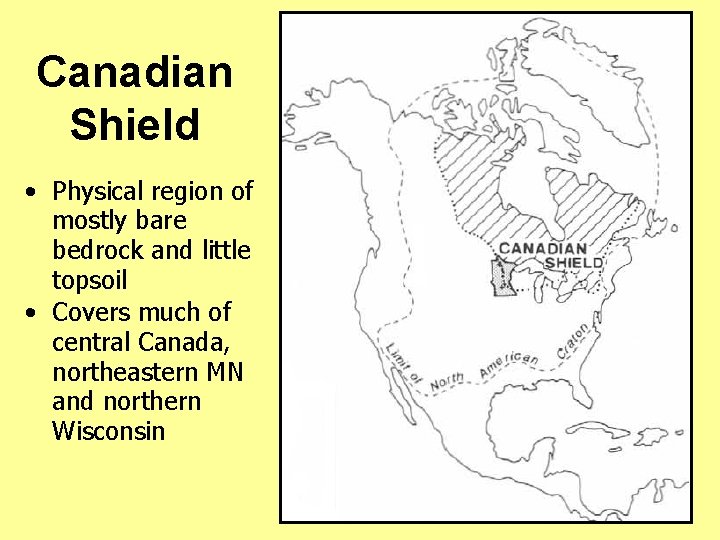
Canadian Shield • Physical region of mostly bare bedrock and little topsoil • Covers much of central Canada, northeastern MN and northern Wisconsin
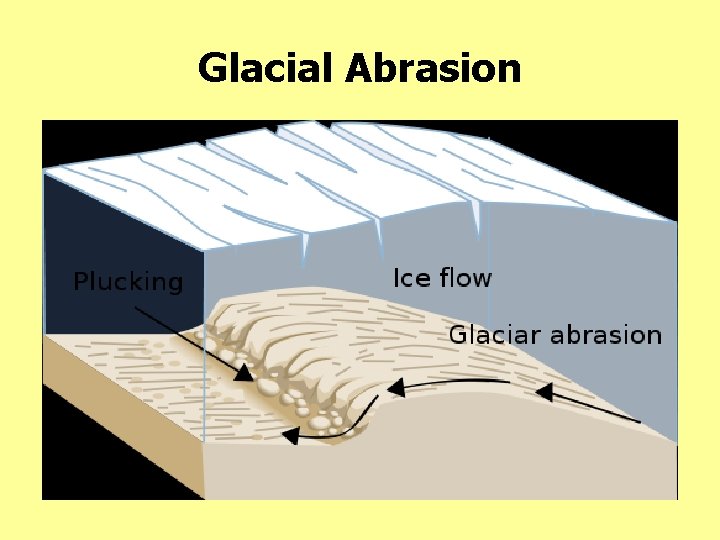
Glacial Abrasion
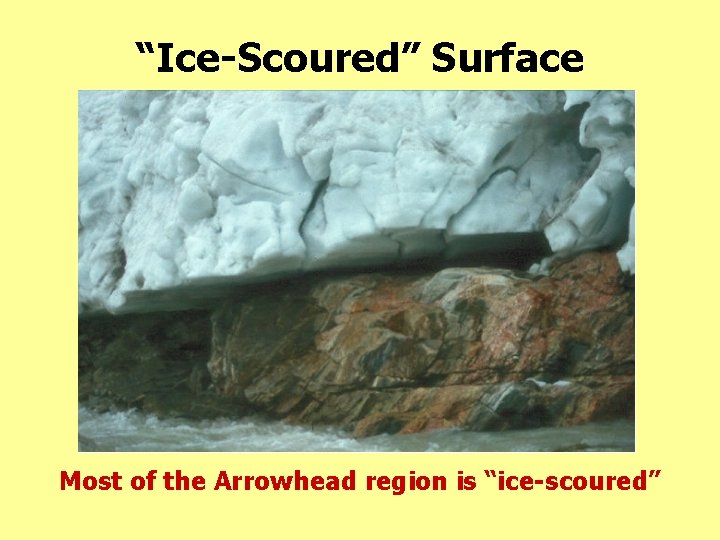
“Ice-Scoured” Surface Most of the Arrowhead region is “ice-scoured”
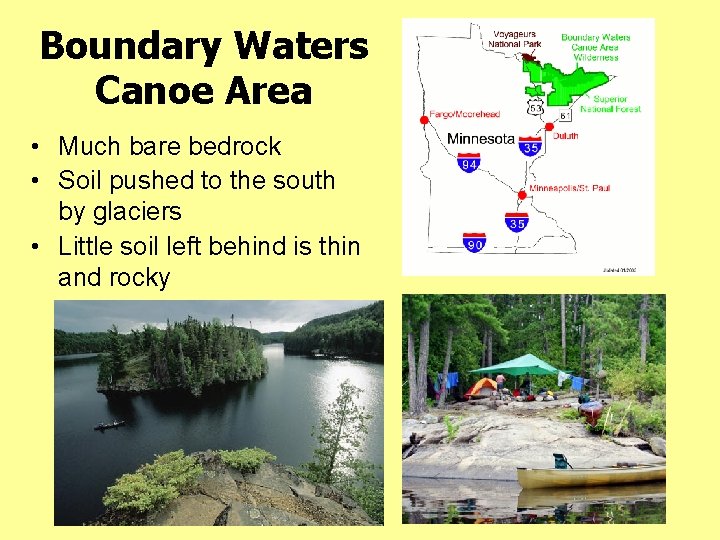
Boundary Waters Canoe Area • Much bare bedrock • Soil pushed to the south by glaciers • Little soil left behind is thin and rocky
(Elevation) Minnesota Relief
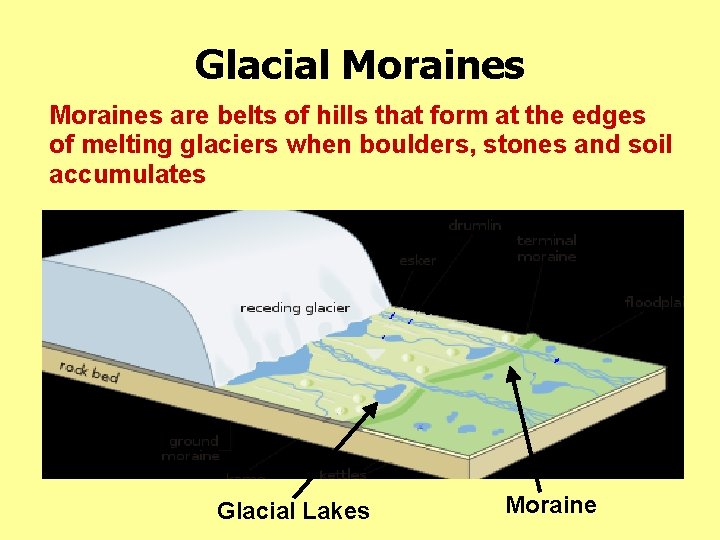
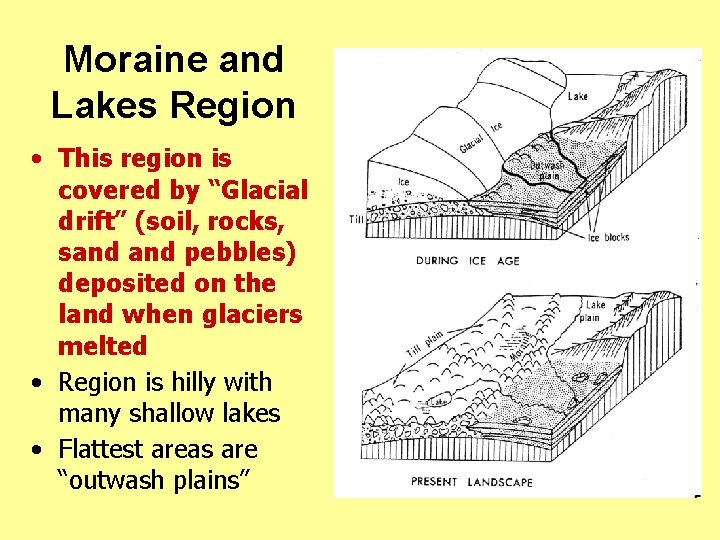
Glacial Moraines are belts of hills that form at the edges of melting glaciers when boulders, stones and soil accumulates Glacial Lakes Moraine
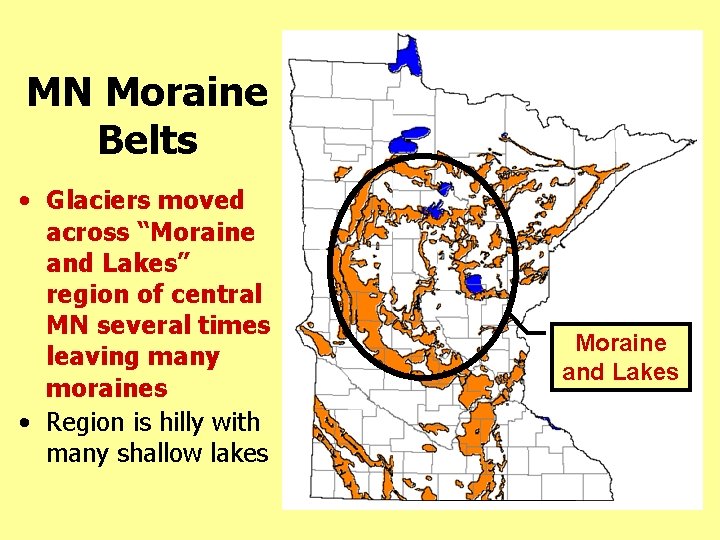
MN Moraine Belts • Glaciers moved across “Moraine and Lakes” region of central MN several times leaving many moraines • Region is hilly with many shallow lakes Moraine and Lakes
Moraine and Lakes Region • This region is covered by “Glacial drift” (soil, rocks, sand pebbles) deposited on the land when glaciers melted • Region is hilly with many shallow lakes • Flattest areas are “outwash plains”
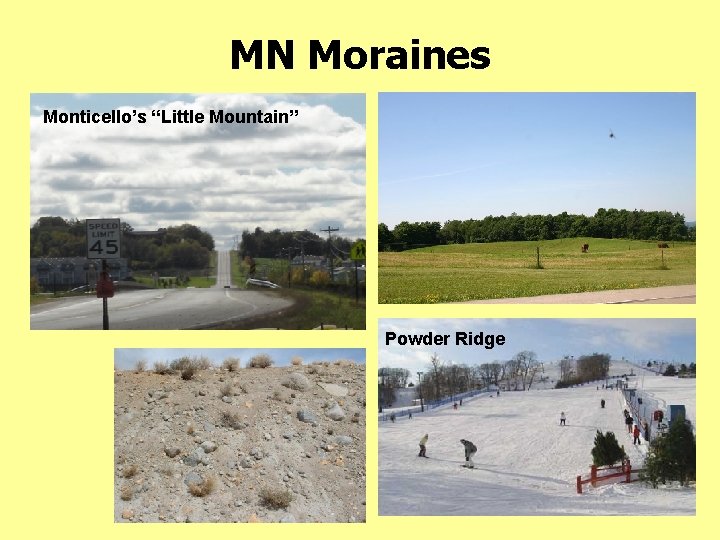
MN Moraines Monticello’s “Little Mountain” Powder Ridge
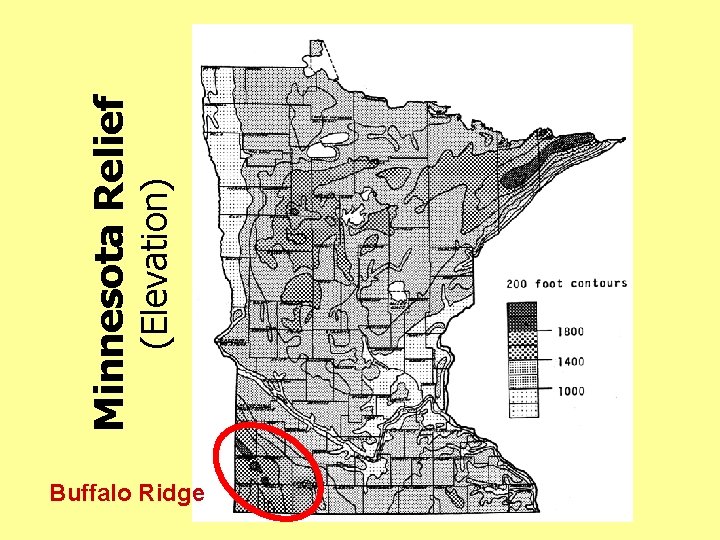
Buffalo Ridge (Elevation) Minnesota Relief
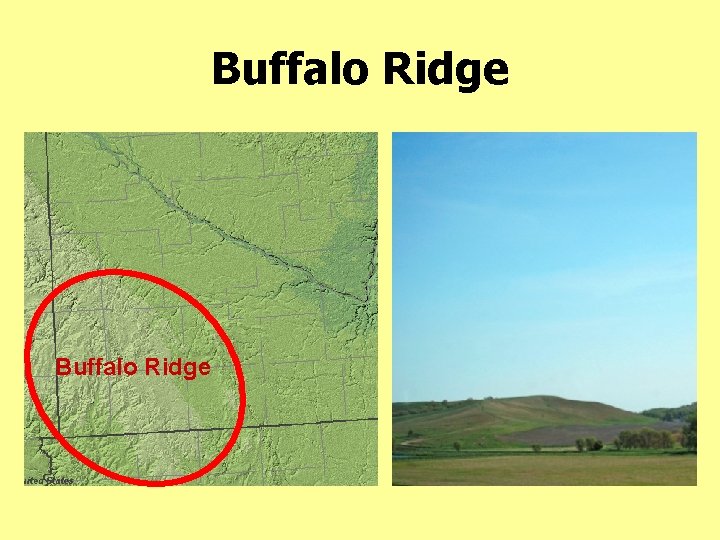
Buffalo Ridge
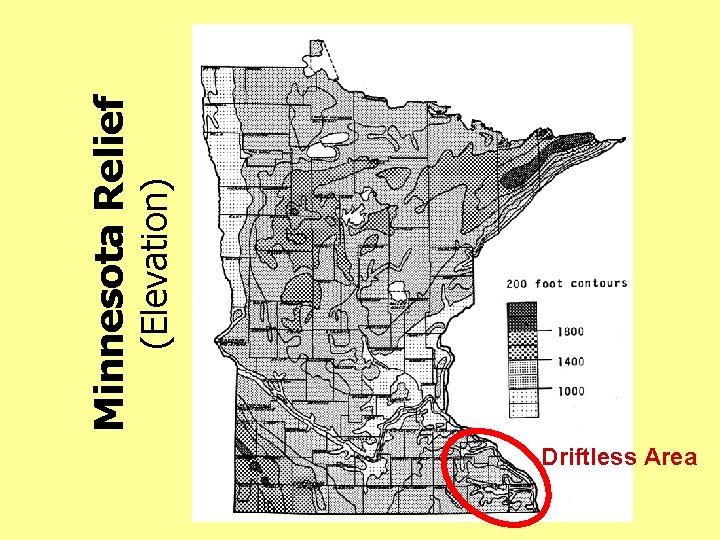
Driftless Area (Elevation) Minnesota Relief
Glacier’s Southern Edge
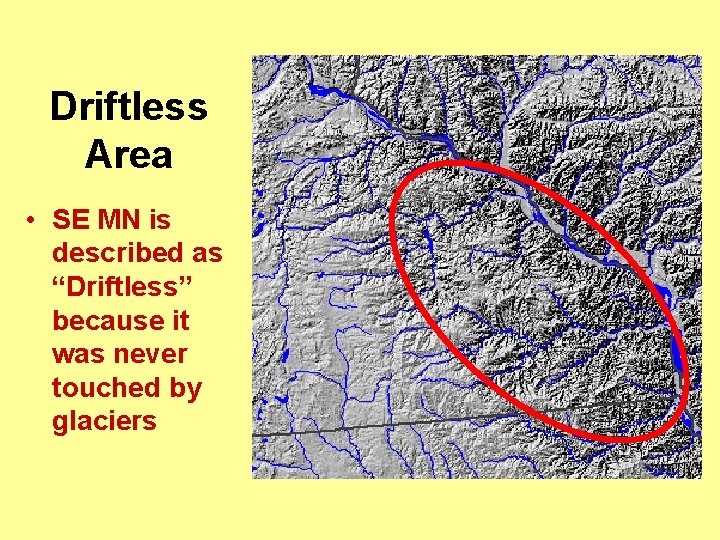
Driftless Area • SE MN is described as “Driftless” because it was never touched by glaciers
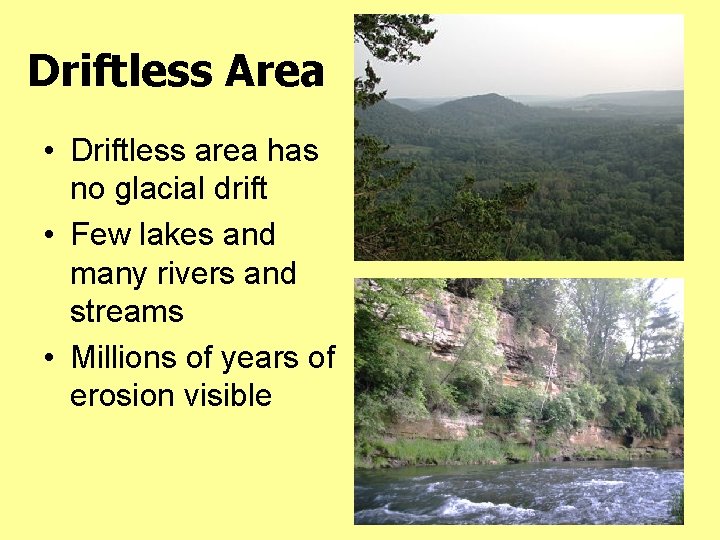
Driftless Area • Driftless area has no glacial drift • Few lakes and many rivers and streams • Millions of years of erosion visible
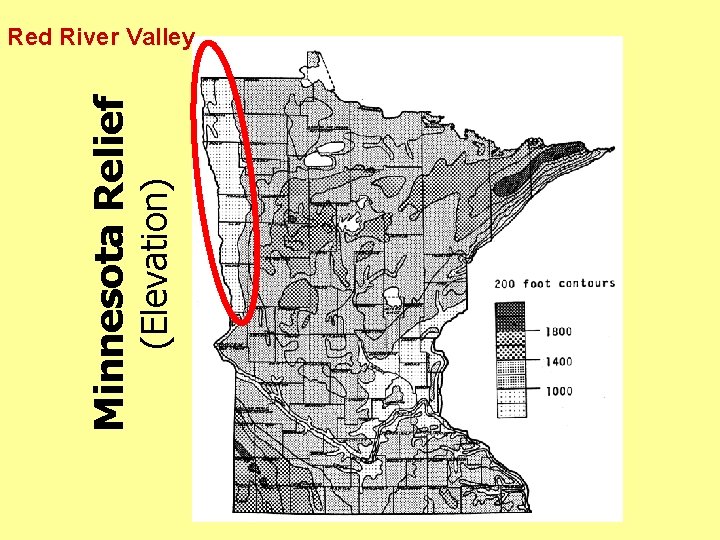
(Elevation) Minnesota Relief Red River Valley
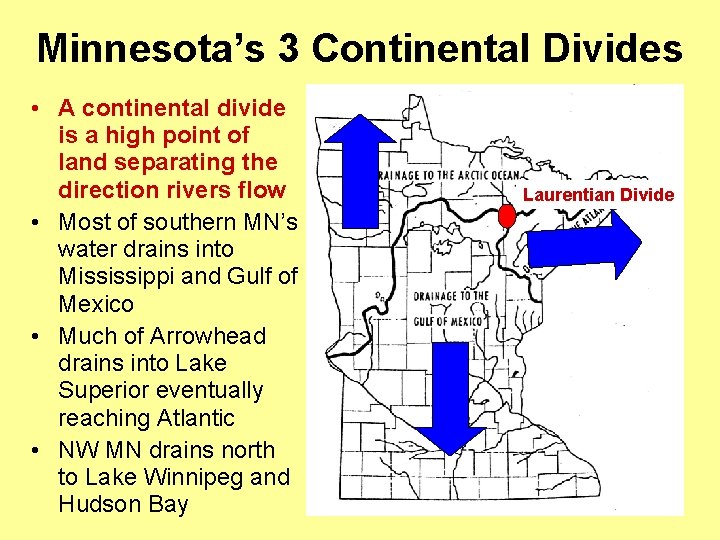
Minnesota’s 3 Continental Divides • A continental divide is a high point of land separating the direction rivers flow • Most of southern MN’s water drains into Mississippi and Gulf of Mexico • Much of Arrowhead drains into Lake Superior eventually reaching Atlantic • NW MN drains north to Lake Winnipeg and Hudson Bay Laurentian Divide
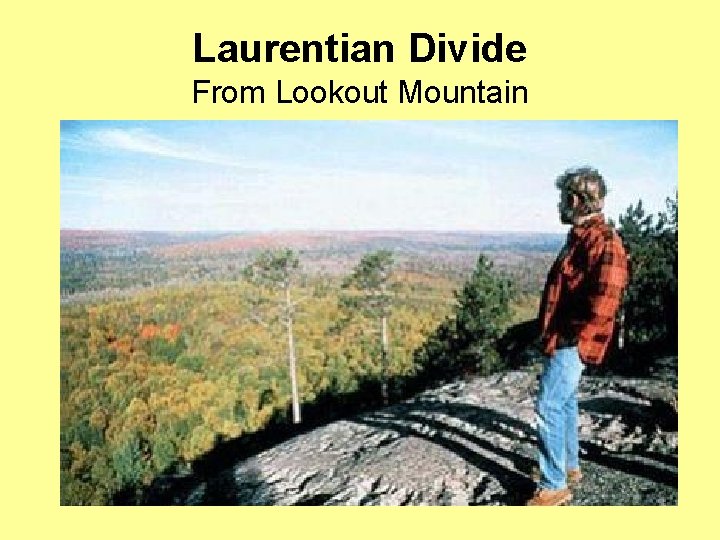
Laurentian Divide From Lookout Mountain
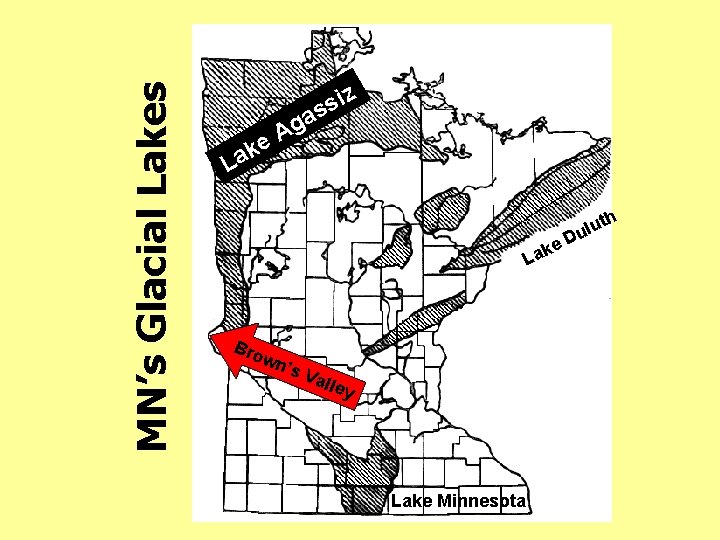
MN’s Glacial Lakes iz s s e k a a g A L th k ulu D e La Bro w n’s Val ley Lake Minnesota
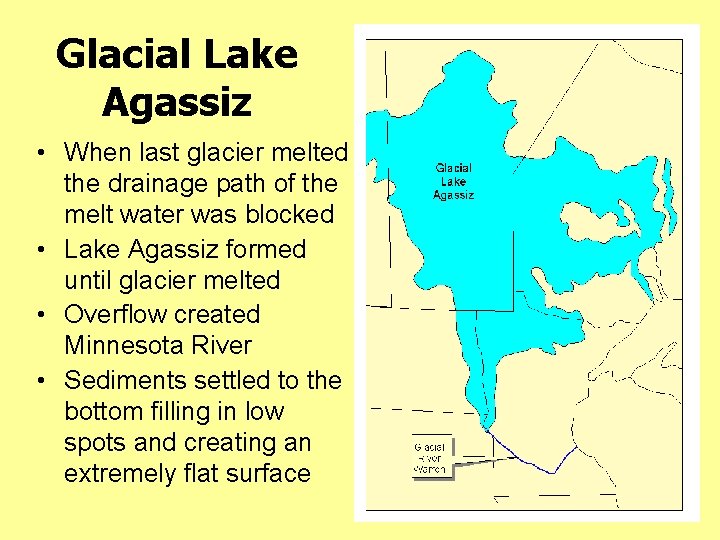
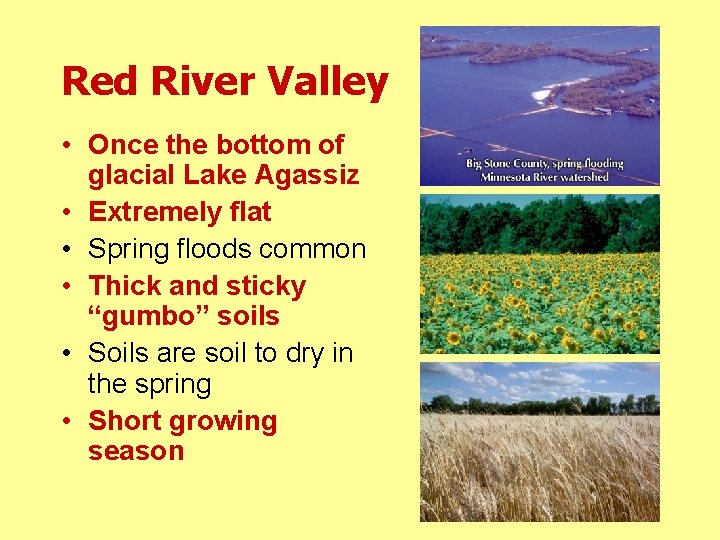
Glacial Lake Agassiz • When last glacier melted the drainage path of the melt water was blocked • Lake Agassiz formed until glacier melted • Overflow created Minnesota River • Sediments settled to the bottom filling in low spots and creating an extremely flat surface
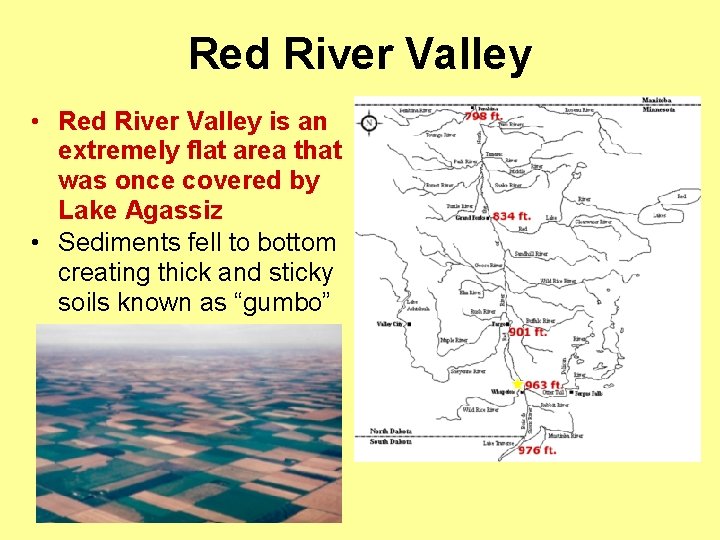
Red River Valley • Red River Valley is an extremely flat area that was once covered by Lake Agassiz • Sediments fell to bottom creating thick and sticky soils known as “gumbo”
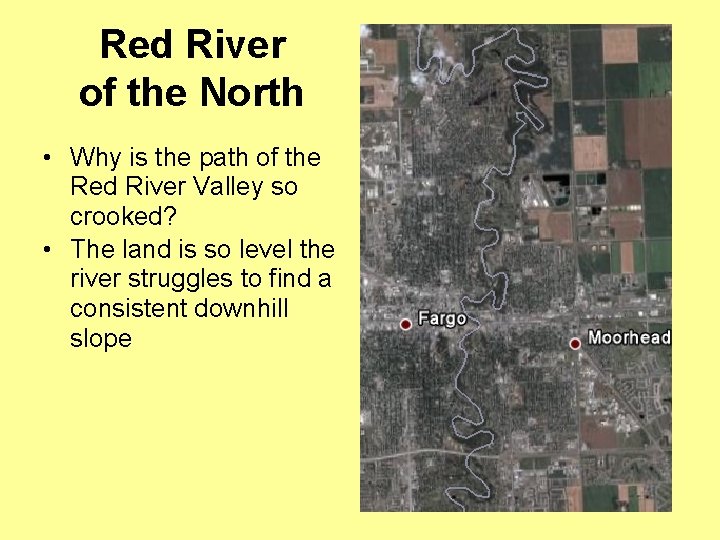
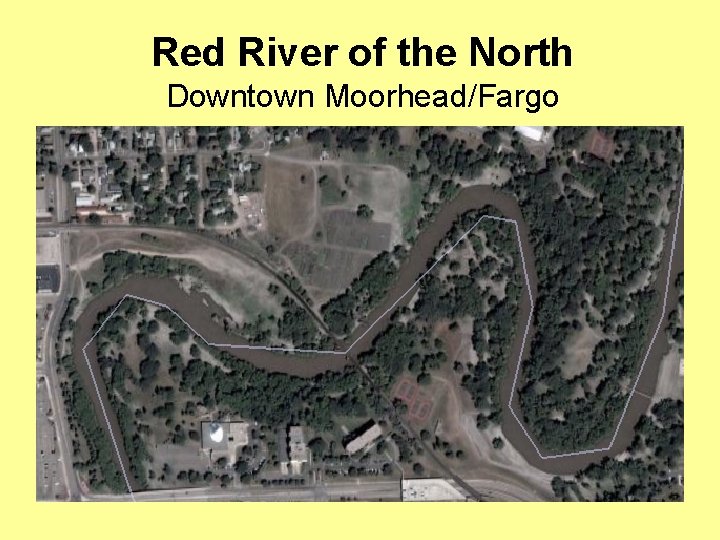
Red River of the North • Why is the path of the Red River Valley so crooked? • The land is so level the river struggles to find a consistent downhill slope
Red River of the North Downtown Moorhead/Fargo
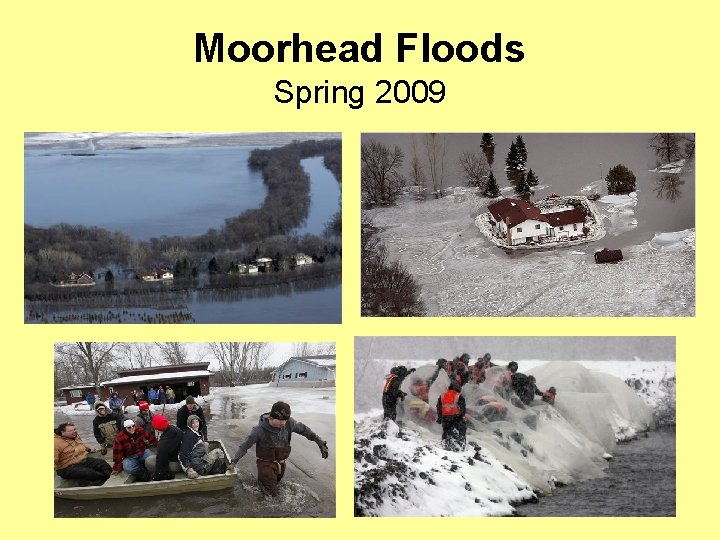
Moorhead Floods Spring 2009
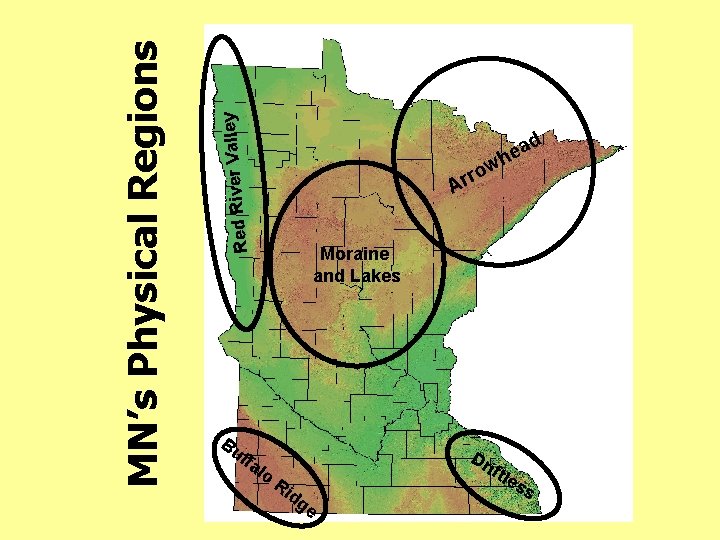
lley Red River Va MN’s Physical Regions d Bu a he w ro r A ffa Moraine and Lakes lo Ri d Dr if ge tle s s
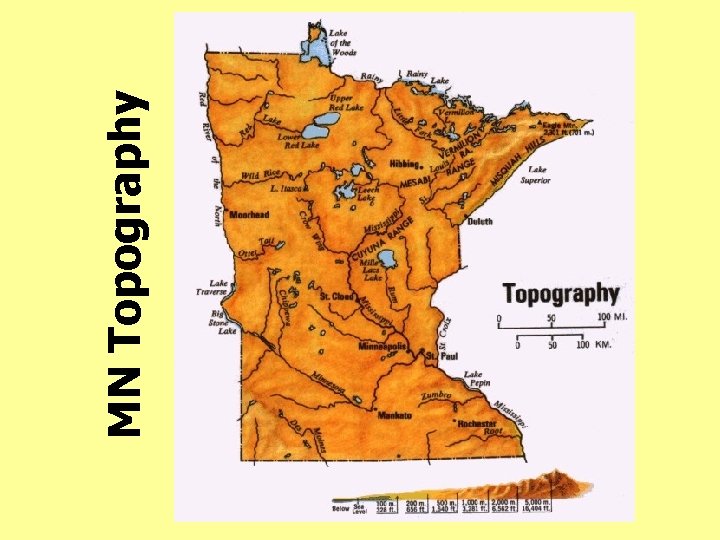
MN Topography
Minnesota’s Climate
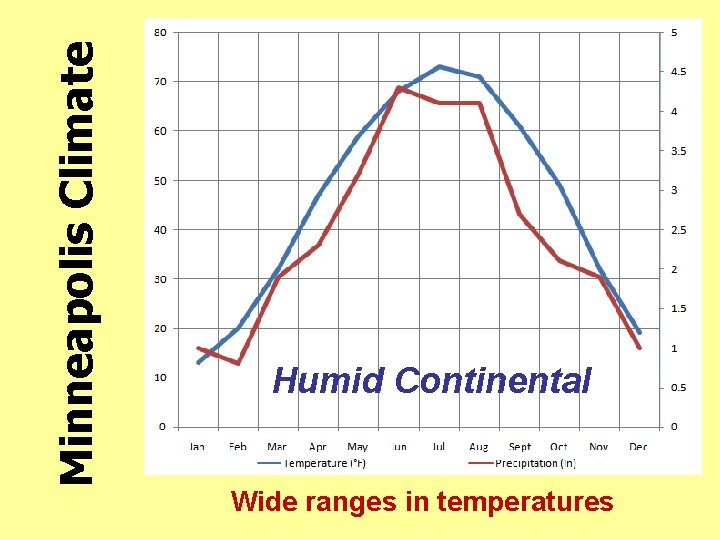
Minneapolis Climate Humid Continental Wide ranges in temperatures
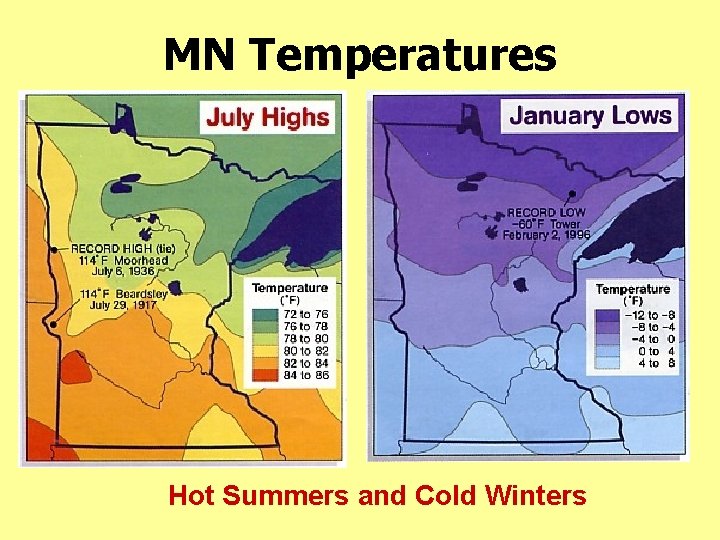
MN Temperatures Hot Summers and Cold Winters
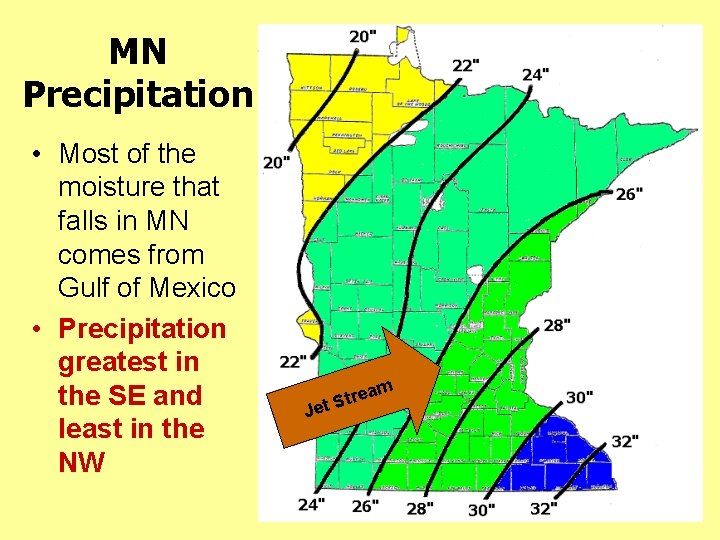
MN Precipitation • Most of the moisture that falls in MN comes from Gulf of Mexico • Precipitation greatest in the SE and least in the NW m J ea r t S et
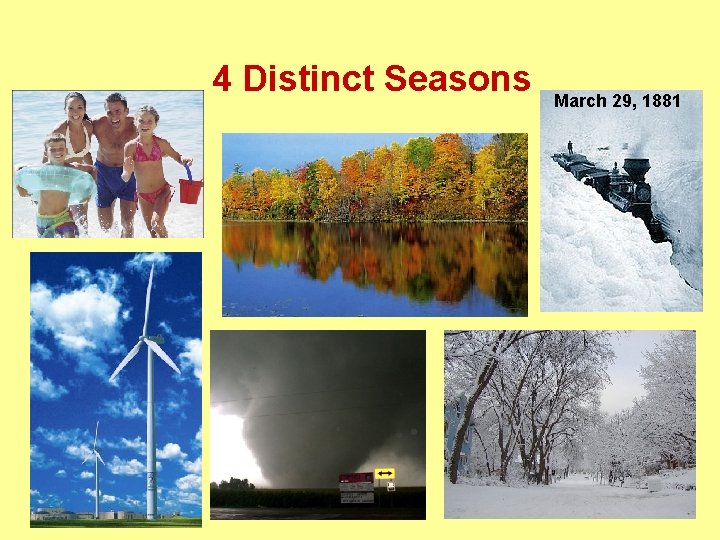
4 Distinct Seasons March 29, 1881
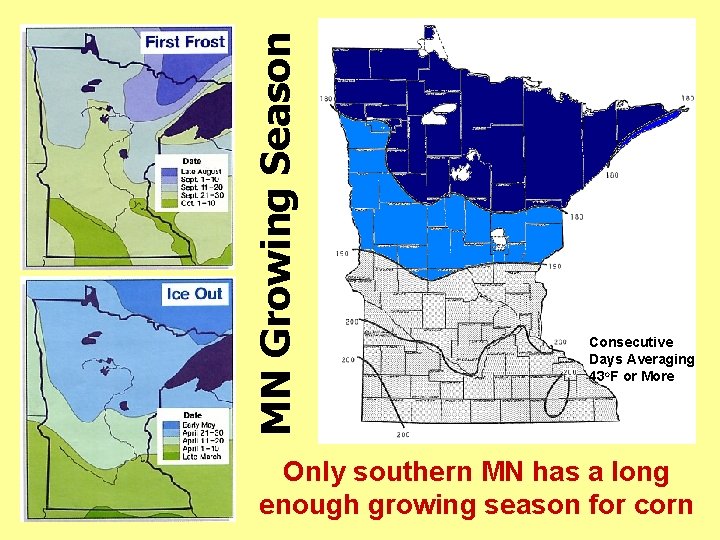
MN Growing Season Consecutive Days Averaging 43 o. F or More Only southern MN has a long enough growing season for corn
Minnesota’s Natural Vegetation
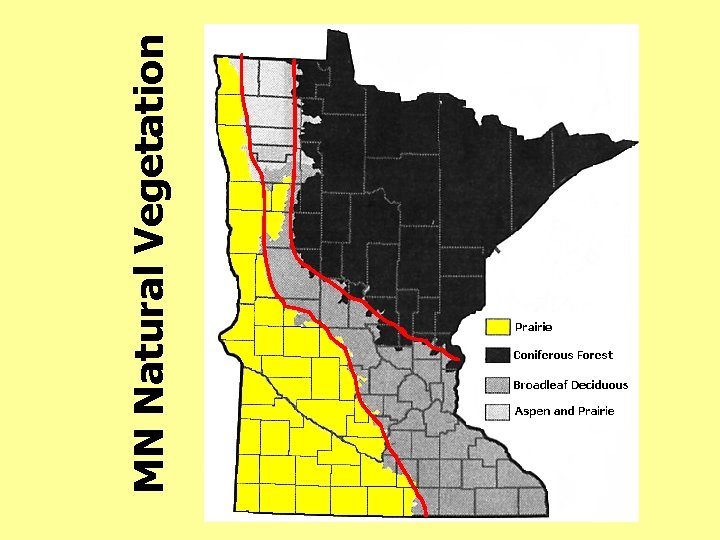
MN Natural Vegetation
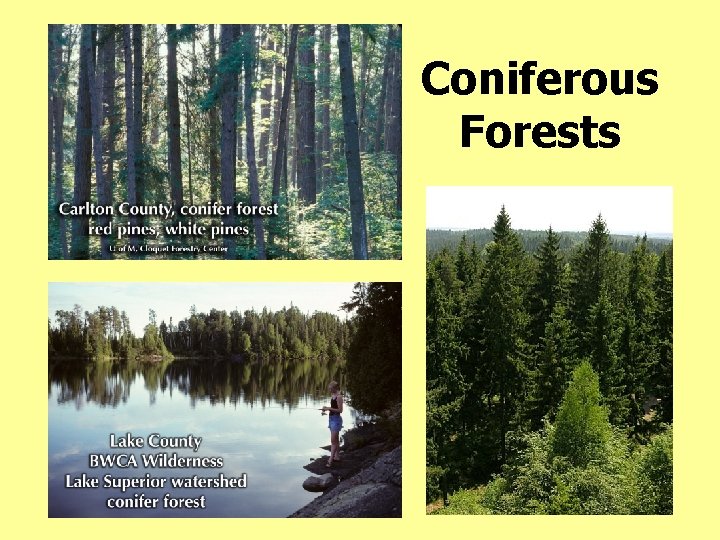
Coniferous Forests
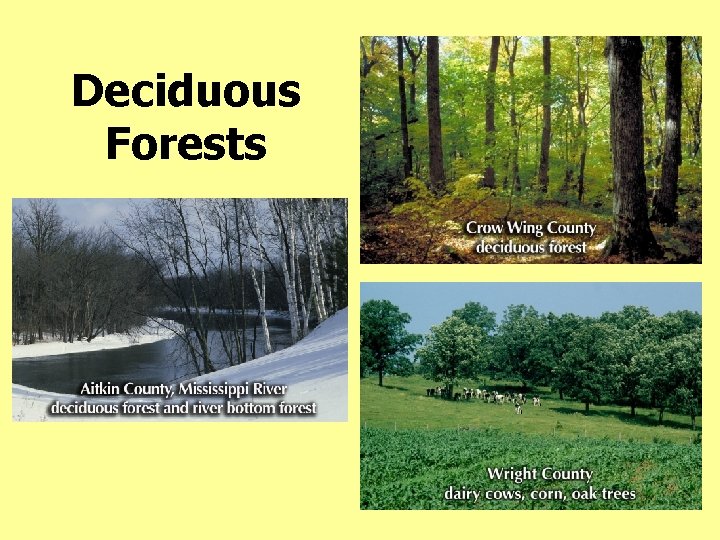
Deciduous Forests
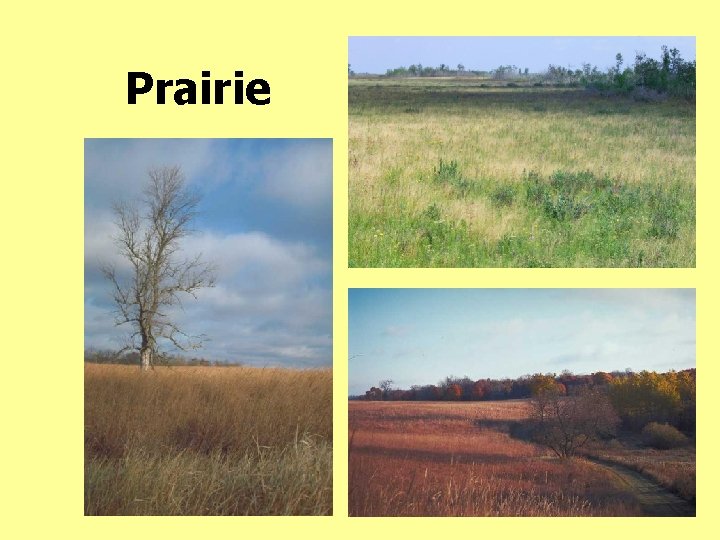
Prairie
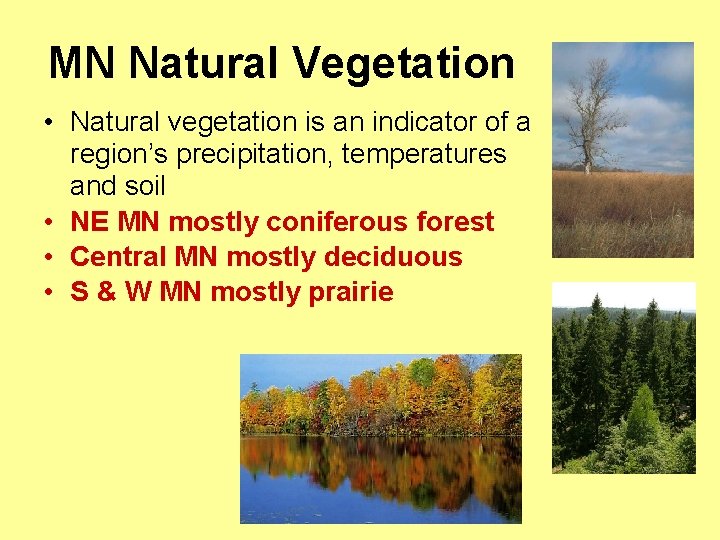
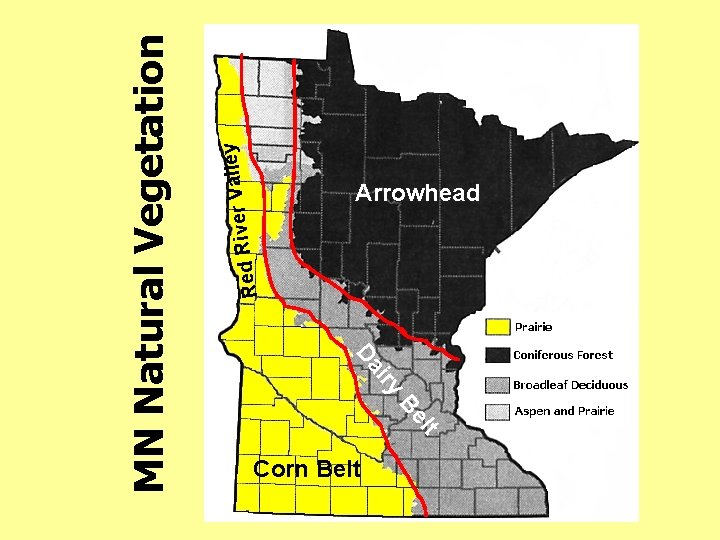
MN Natural Vegetation • Natural vegetation is an indicator of a region’s precipitation, temperatures and soil • NE MN mostly coniferous forest • Central MN mostly deciduous • S & W MN mostly prairie
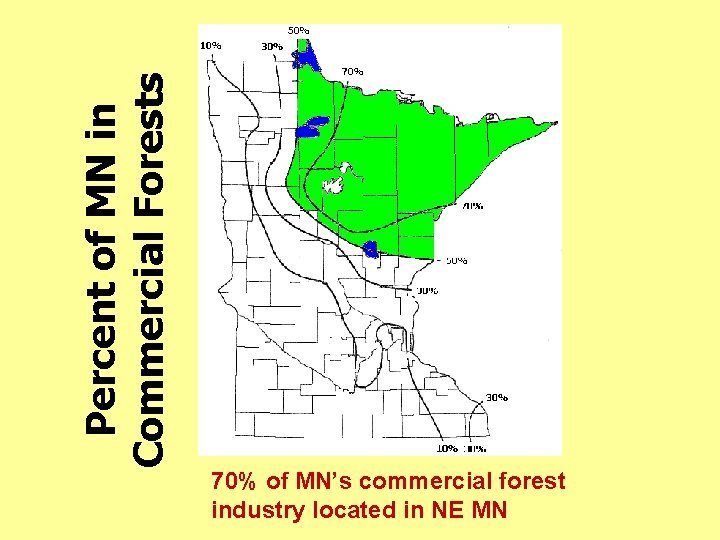
Percent of MN in Commercial Forests 70% of MN’s commercial forest industry located in NE MN
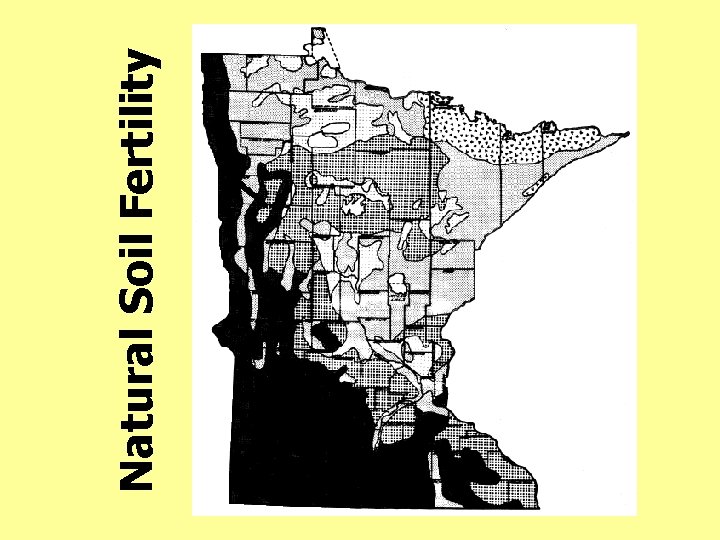
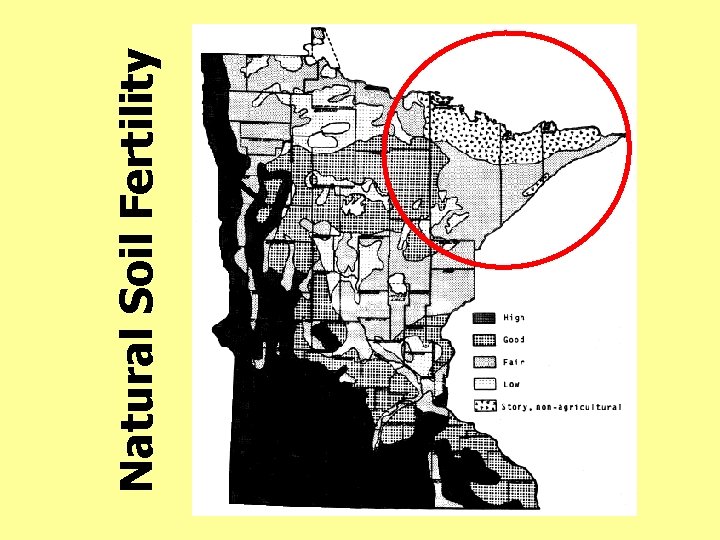
Natural Soil Fertility
MN Soil Fertility • Best soils are found in the southern and western MN • Least fertile soils are found in northeast MN (thin, rocky and acidic podzol soils)
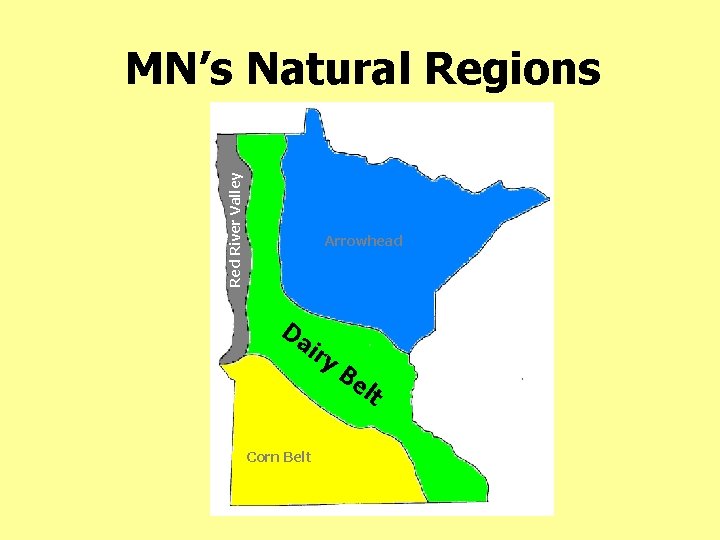
Minnesota’s Natural Regions
iry Da lt Be er Va v i R d e R lley MN Natural Vegetation Arrowhead Corn Belt
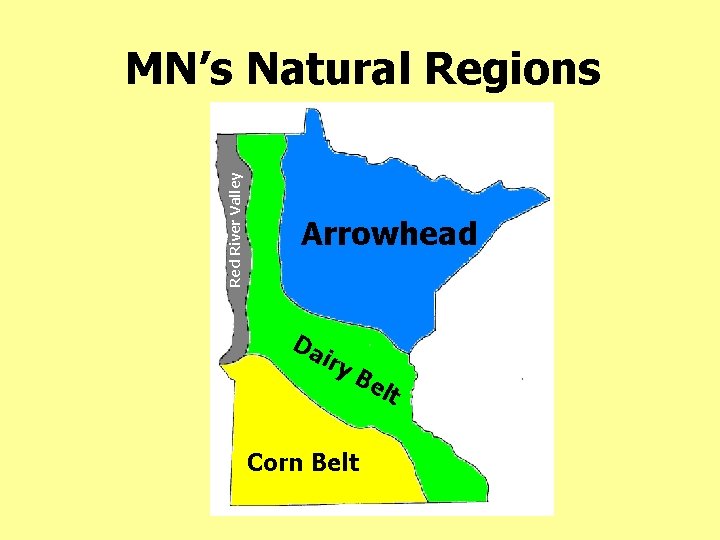
Red River Valley MN’s Natural Regions Arrowhead Da iry Be Corn Belt lt
MN Topography
Natural Soil Fertility
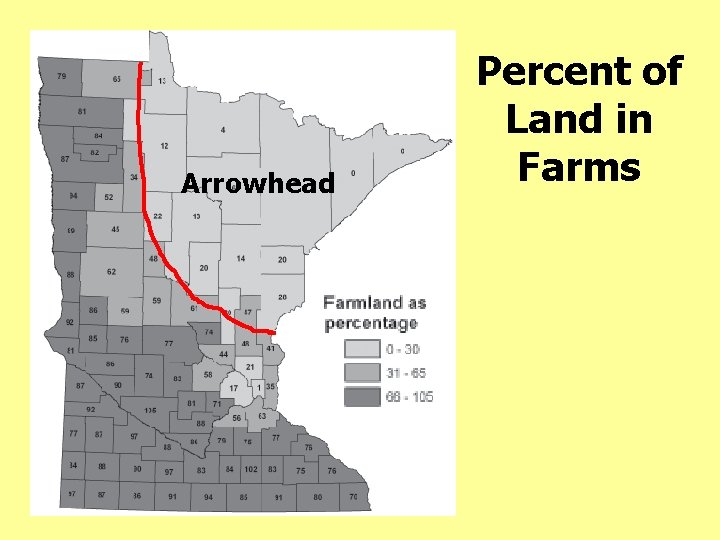
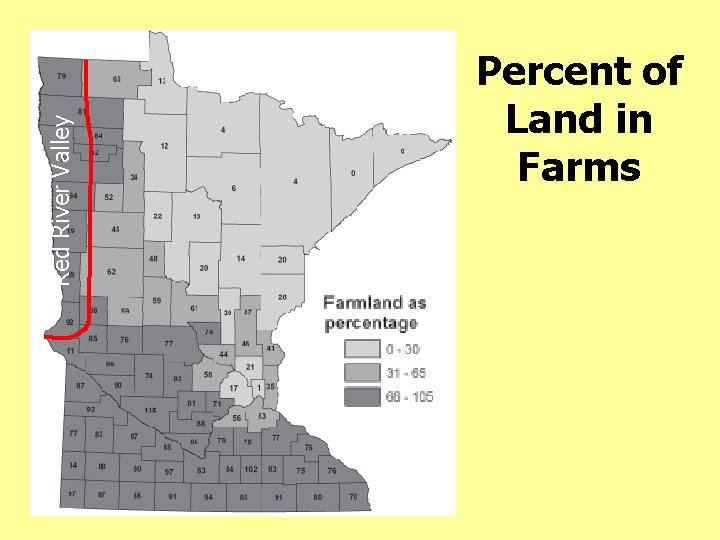
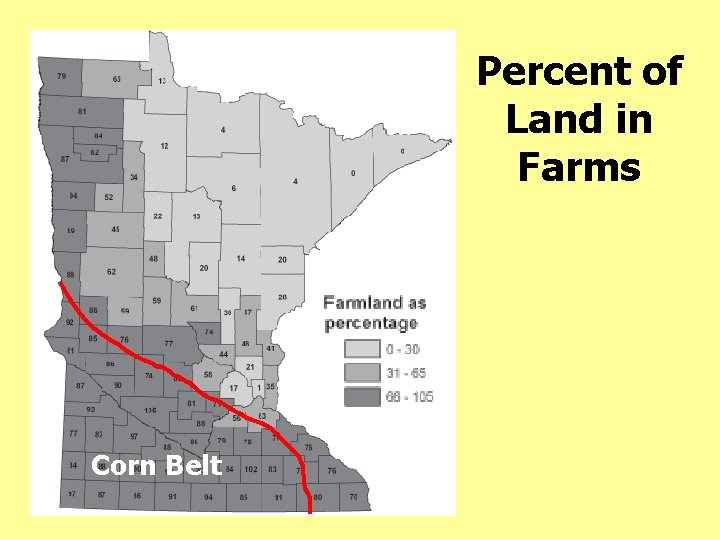
Arrowhead Percent of Land in Farms
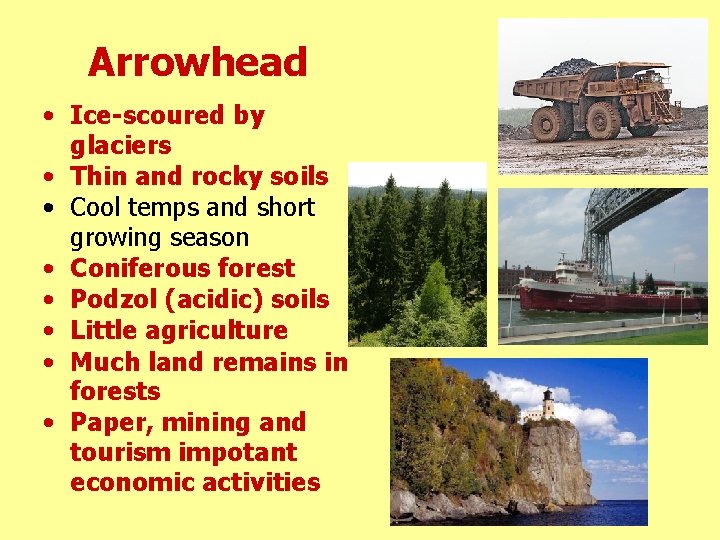
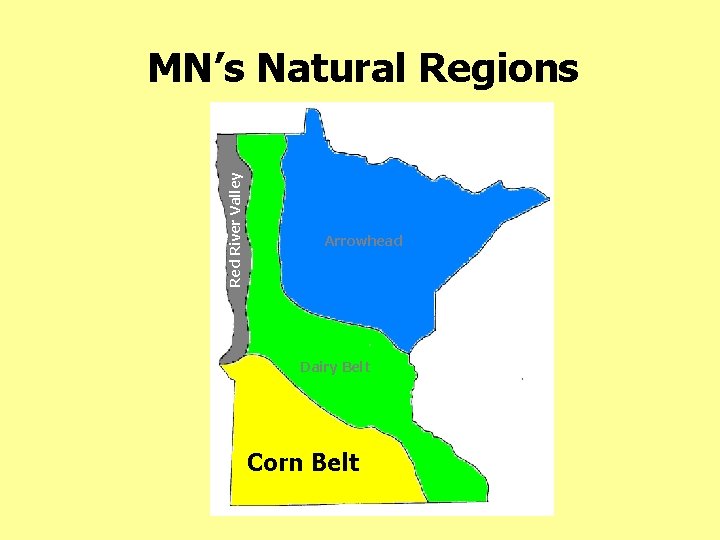
Arrowhead • Ice-scoured by glaciers • Thin and rocky soils • Cool temps and short growing season • Coniferous forest • Podzol (acidic) soils • Little agriculture • Much land remains in forests • Paper, mining and tourism impotant economic activities
Red River Valley MN’s Natural Regions Arrowhead Da iry Corn Belt Be lt
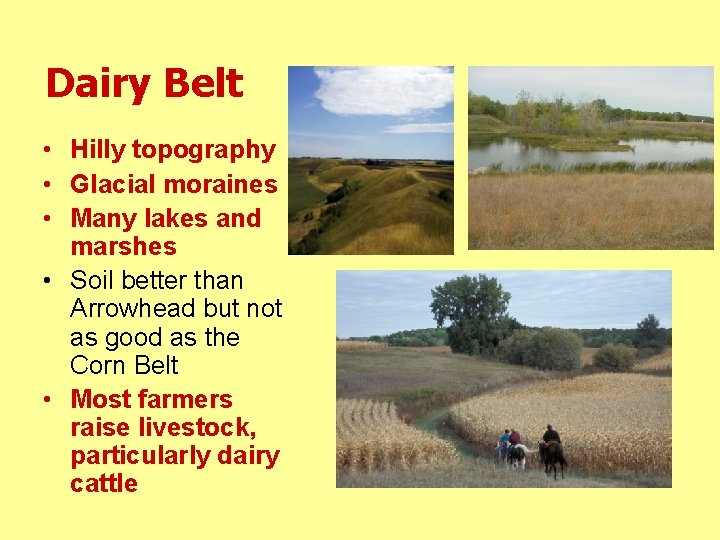
Dairy Belt • Hilly topography • Glacial moraines • Many lakes and marshes • Soil better than Arrowhead but not as good as the Corn Belt • Most farmers raise livestock, particularly dairy cattle
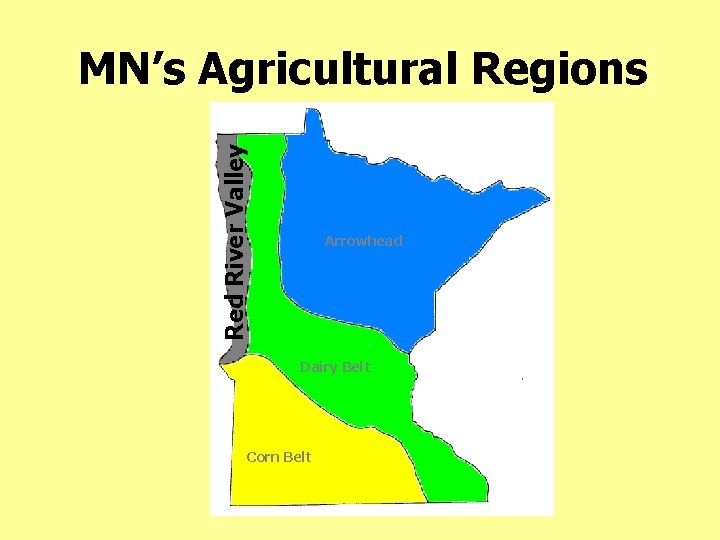
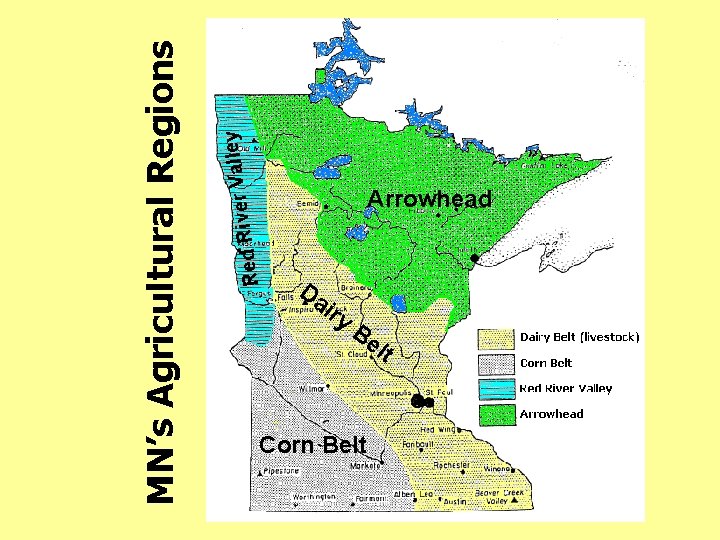
Red River Valley MN’s Agricultural Regions Arrowhead Dairy Belt Corn Belt
Red River Valley Percent of Land in Farms
Red River Valley • Once the bottom of glacial Lake Agassiz • Extremely flat • Spring floods common • Thick and sticky “gumbo” soils • Soils are soil to dry in the spring • Short growing season
Red River Valley MN’s Natural Regions Arrowhead Dairy Belt Corn Belt
Percent of Land in Farms Corn Belt
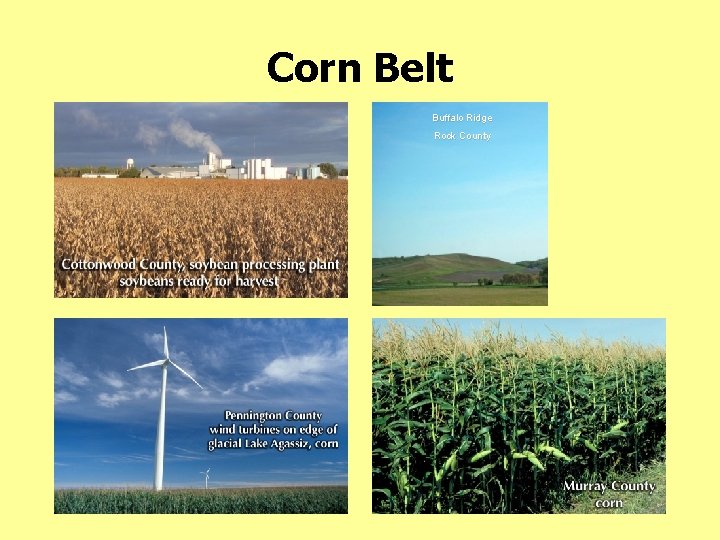
Corn Belt Buffalo Ridge Rock County
Corn Belt • Relatively flat topography except “Buffalo Ridge” in southwest corner • Thick, black soils • Long growing season • Adequate precipitation • One of the best agricultural regions in the nation
lley a V r e v i Red R MN’s Agricultural Regions Arrowhead iry Da lt Be Corn Belt