
Mitosis to meiosis and everything in between All
Mitosis to meiosis and everything in between
§ All cells come from existing cells § Cells do not reproduce like other organismic. They divide § The four types of cell division you will learn are: Binary Fission, budding, Mitosis, and Meiosis.
§ In Unicellular organism, cell division is used for reproduction. § Prokaryote cells § Binary fission § budding § In Multicellular organisms use cell division for both reproduction and growing and repairing § Eukaryote cells § Mitosis and meiosis
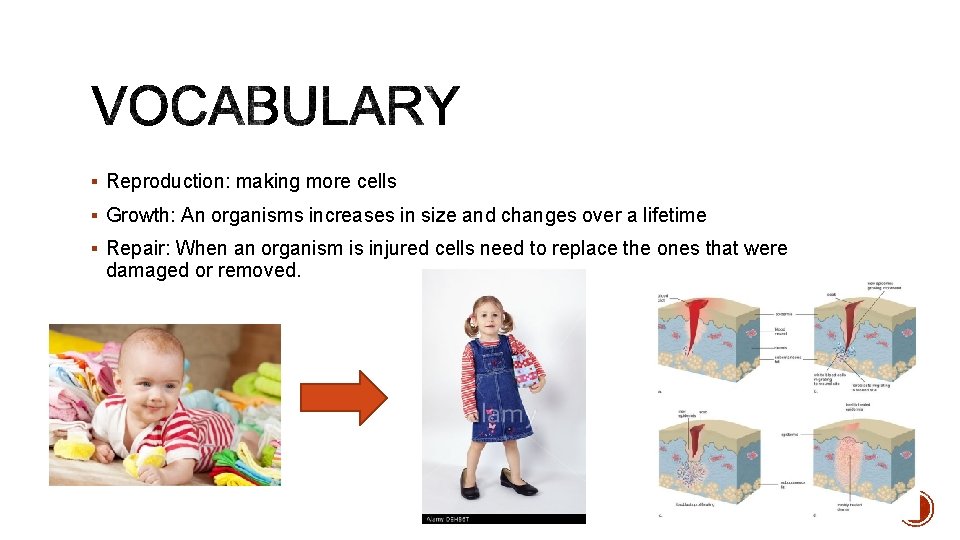
§ Reproduction: making more cells § Growth: An organisms increases in size and changes over a lifetime § Repair: When an organism is injured cells need to replace the ones that were damaged or removed.
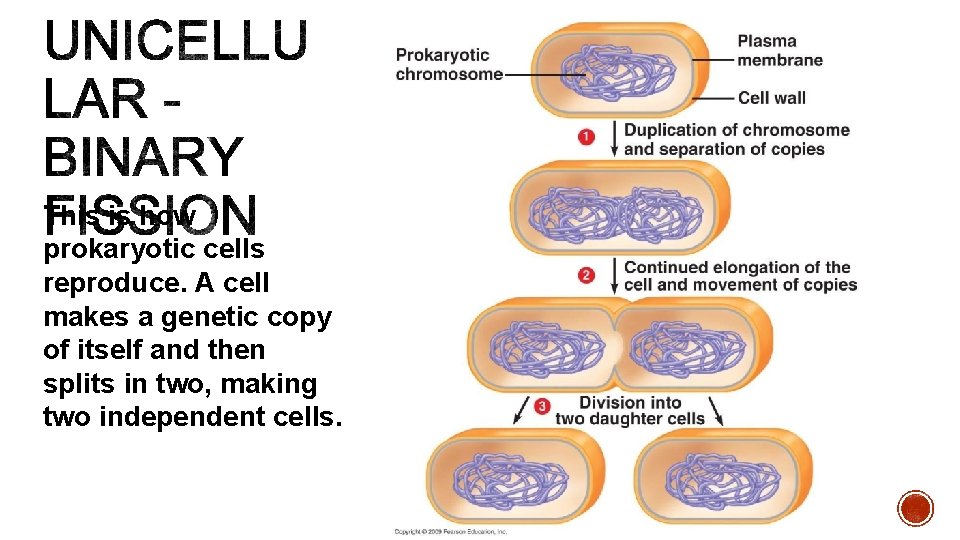
This is how prokaryotic cells reproduce. A cell makes a genetic copy of itself and then splits in two, making two independent cells.

§ Budding: a process where an organism develops tiny copies of itself on its body. § Genetic material in the small copies, called buds, is the same as the parent cell. § The bud grows until it forms a complete or nearly complete genetic copy of the parent. § Budding happens with unicellular and multicellular organisms
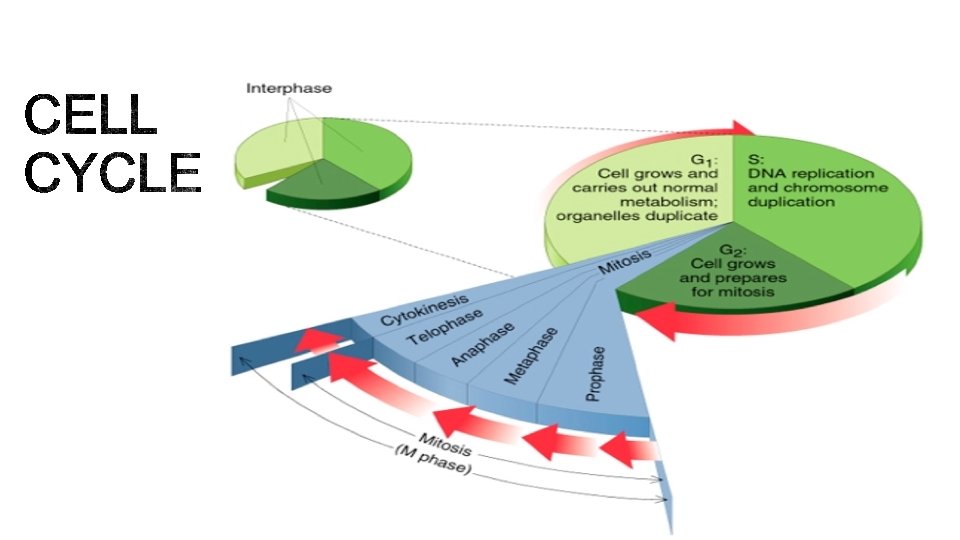
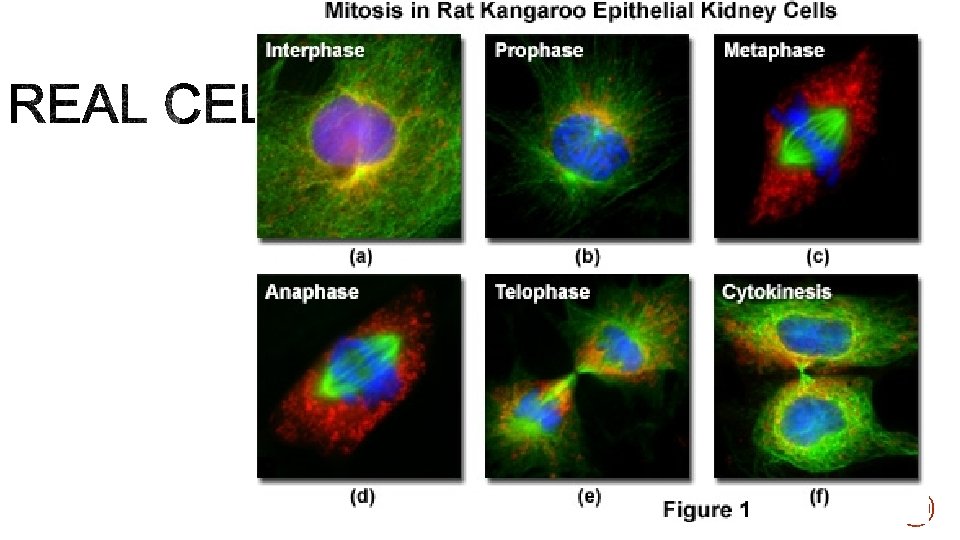
§ The Cell Cycle is the normal sequence of growth, maintenance (repair), and division in a cell. § The cell cycle includes three main parts: § interphase, § Mitosis § Cytokinesis § Mr. Cramer’s way of remembering all of the steps of the Cell cycle including the steps of mitosis: § I-PMAT-C § Say it like a proud puppy learning to be house trained.
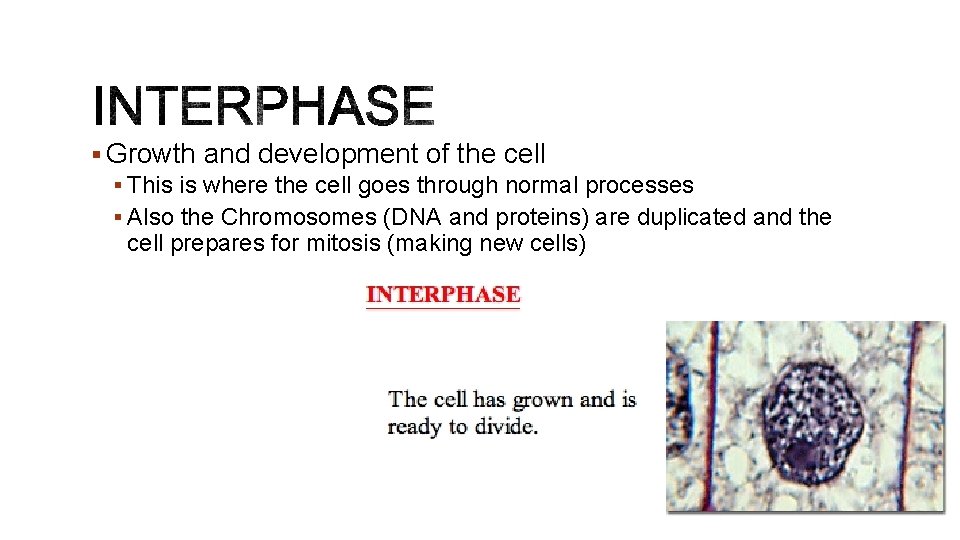
§ Growth and development of the cell § This is where the cell goes through normal processes § Also the Chromosomes (DNA and proteins) are duplicated and the cell prepares for mitosis (making new cells)
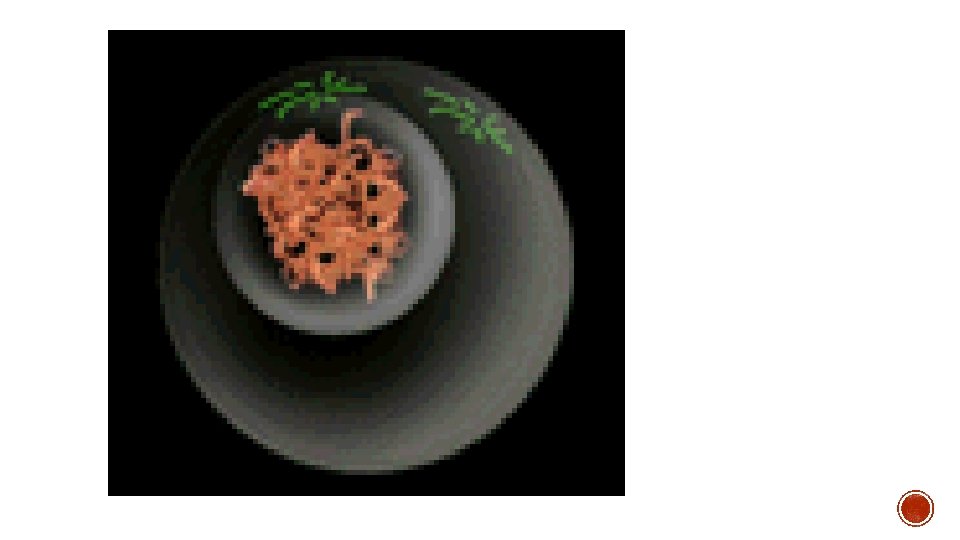
§ The process in which the Nucleus is divided into two and then the cell makes a copy. § Mitosis goes from 1 cell to 2 identical cells § Is used for growth and repair of the organism § The process of Mitosis can be remembered as: PMAT
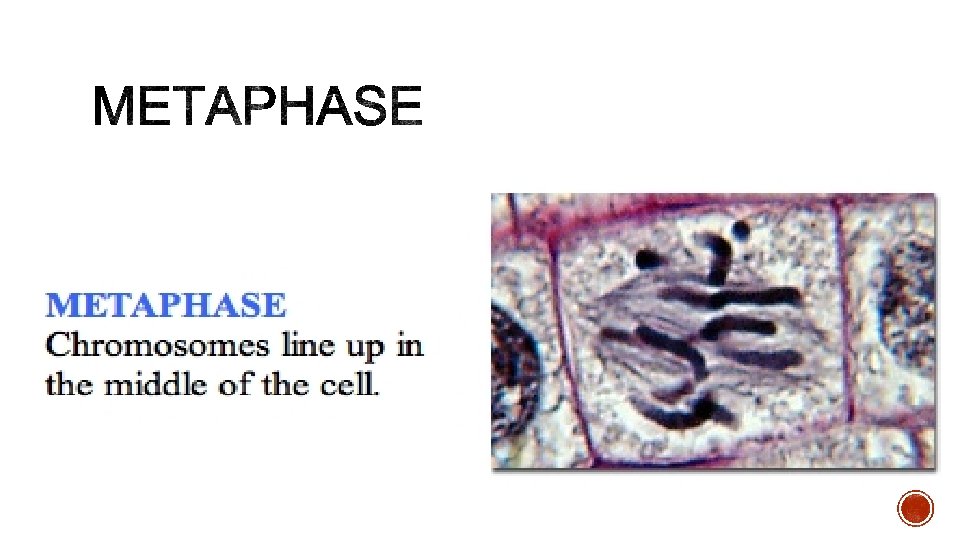
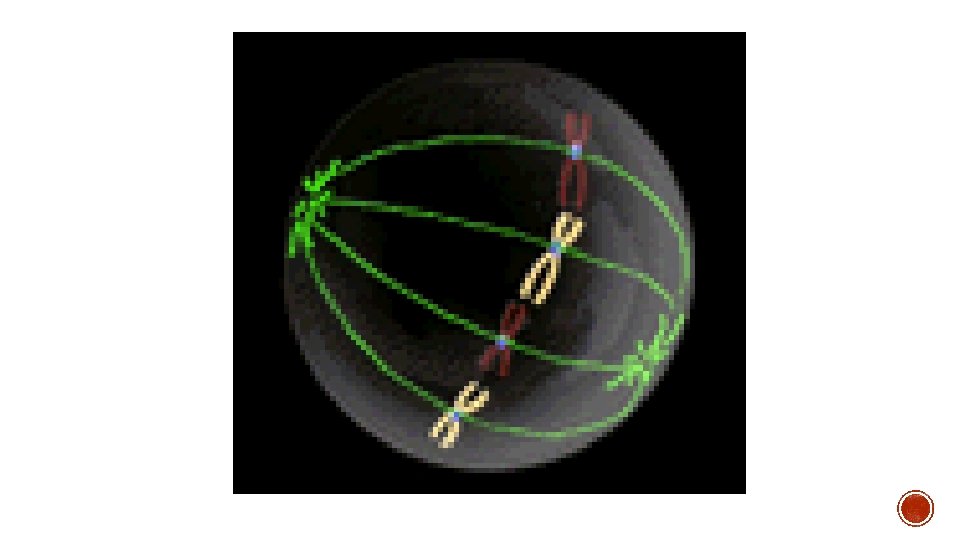
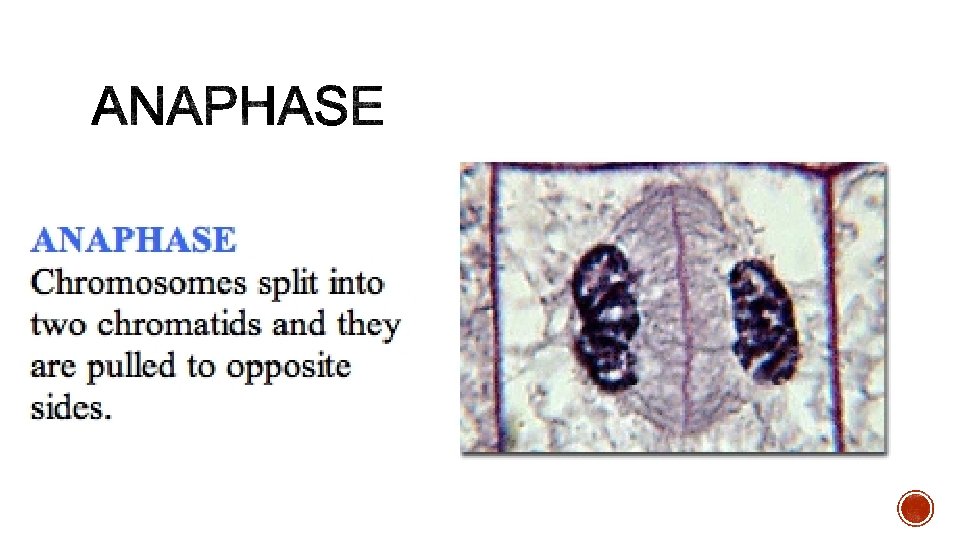
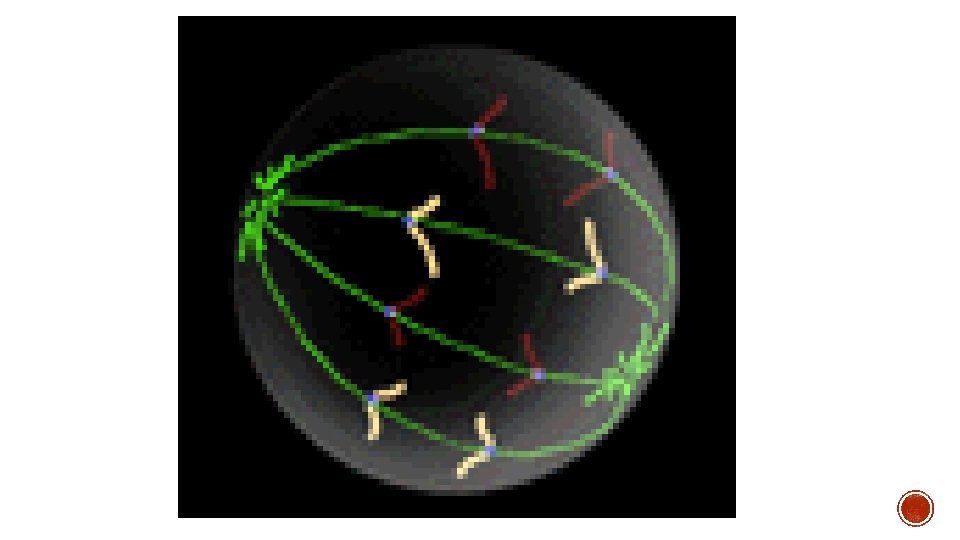
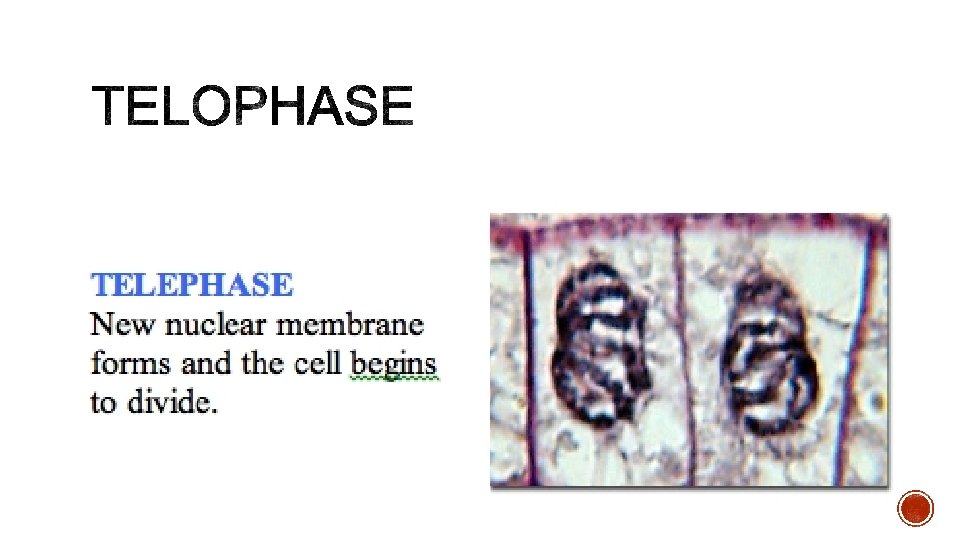
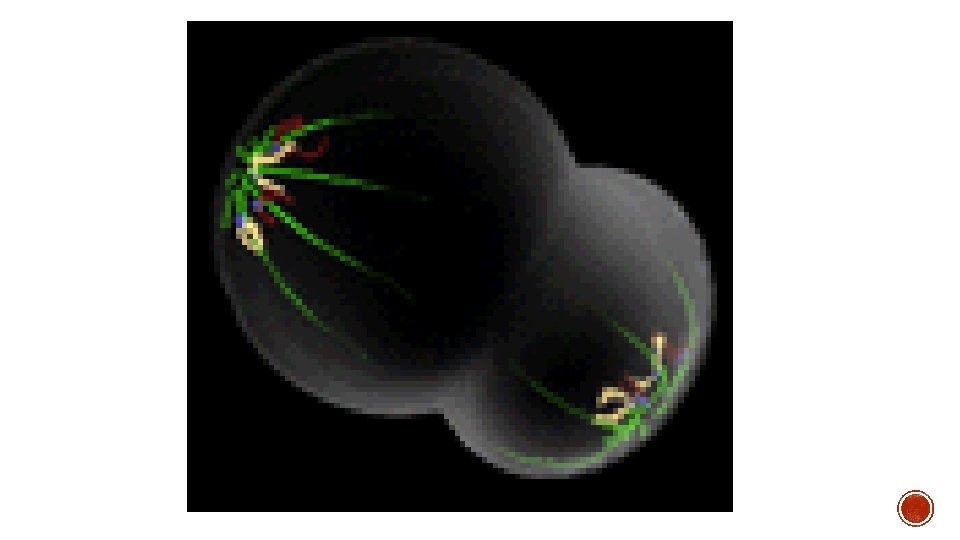
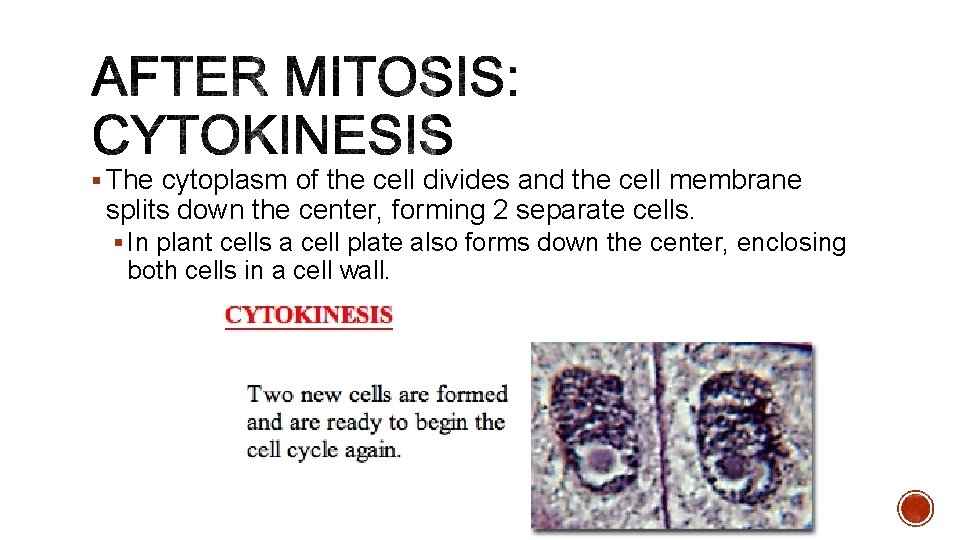
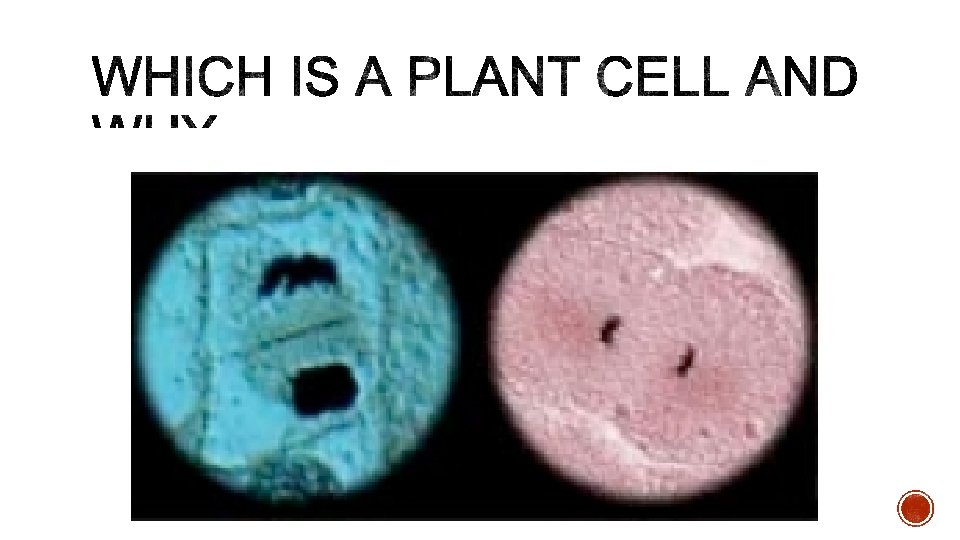
§ The cytoplasm of the cell divides and the cell membrane splits down the center, forming 2 separate cells. § In plant cells a cell plate also forms down the center, enclosing both cells in a cell wall.
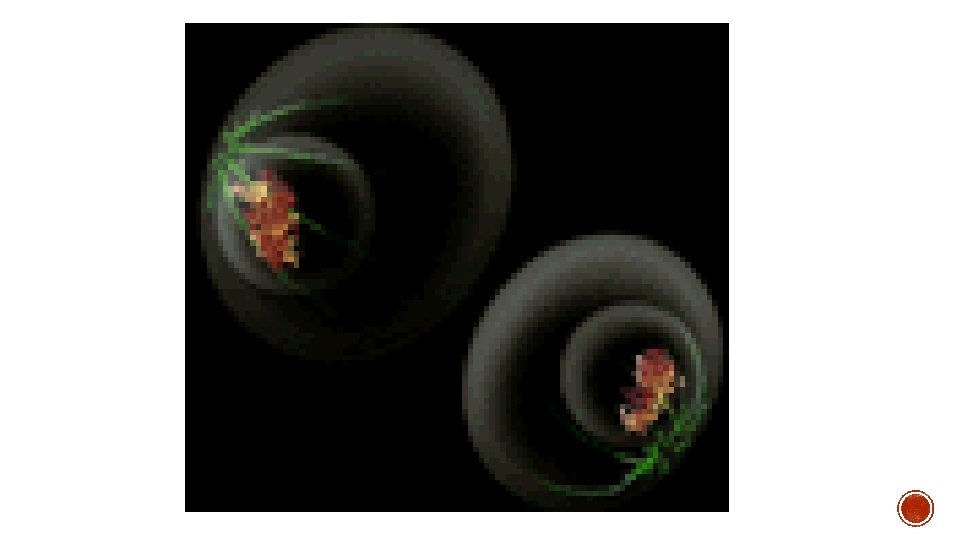
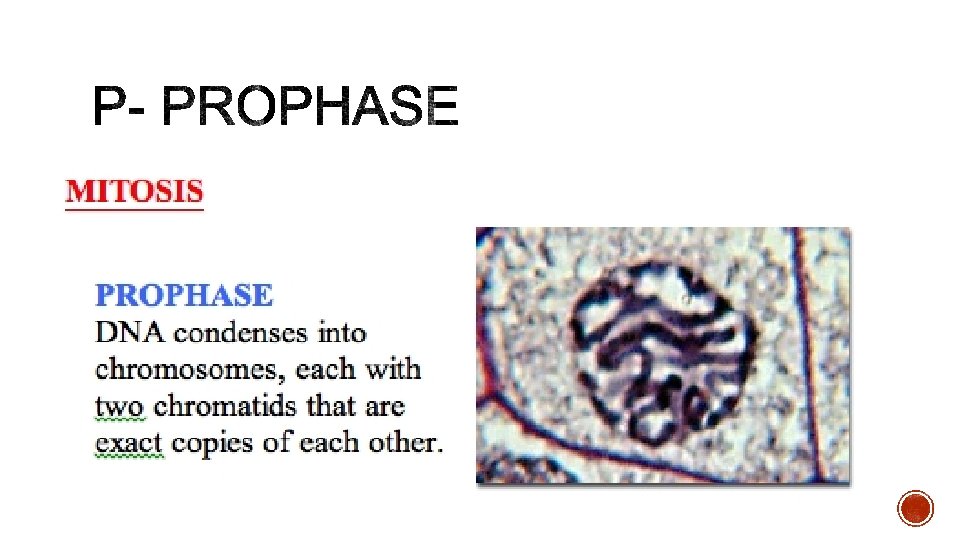
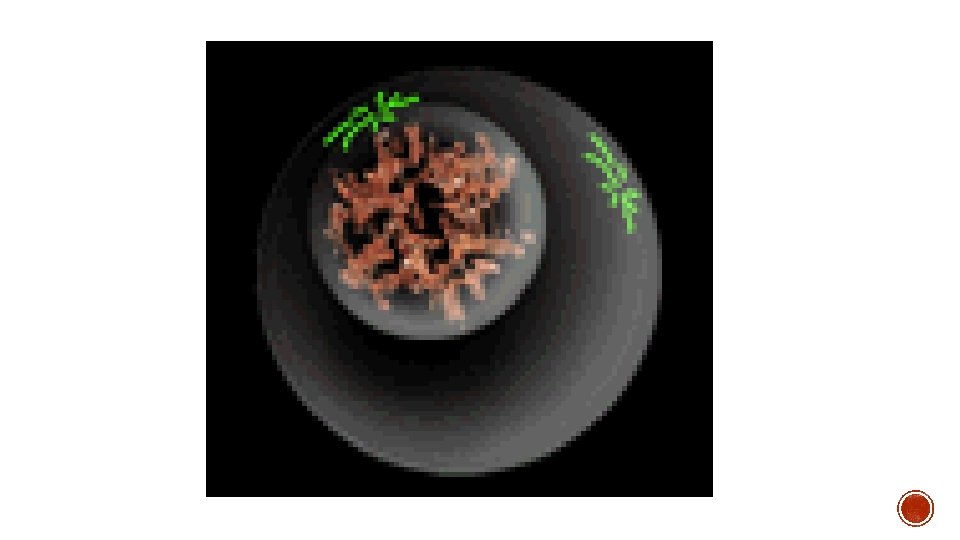
§Interphase – Close hands together – everything is condensed together to start §Prophase – Fingers up and out – chromosomes are condensing, nuclear envelope disappearing §Metaphase – Invert fingers together – chromosomes meet in the middle and line up on the metaphase plate §Anaphase – Begin to pull apart – the chromatids move toward separate poles §Telophase – Pull hands to two separate balls – chromosomes are at the poles and two separate cells are beginning to be formed
§ Asexual reproduction: when an organism makes one or more genetic copies of itself as offspring. § Mitosis DOES NOT occur in asexual reproduction § This is how prokaryotic cells reproduce. A cell makes a genetic copy of itself and then splits in two, making two independent cells.
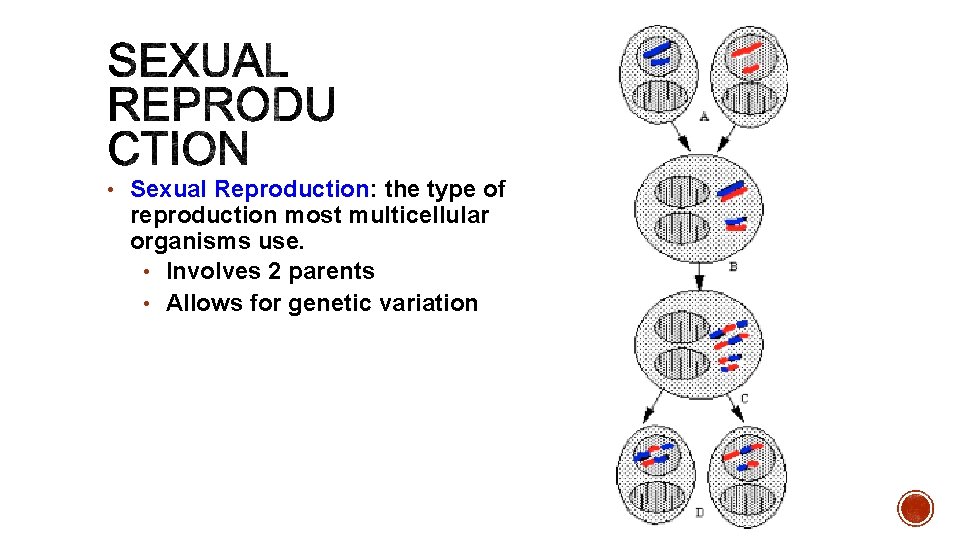
• Sexual Reproduction: the type of reproduction most multicellular organisms use. • Involves 2 parents • Allows for genetic variation
- Slides: 26