
Mitosis Prokaryotic cell Have their genetic material DNA
- Slides: 19
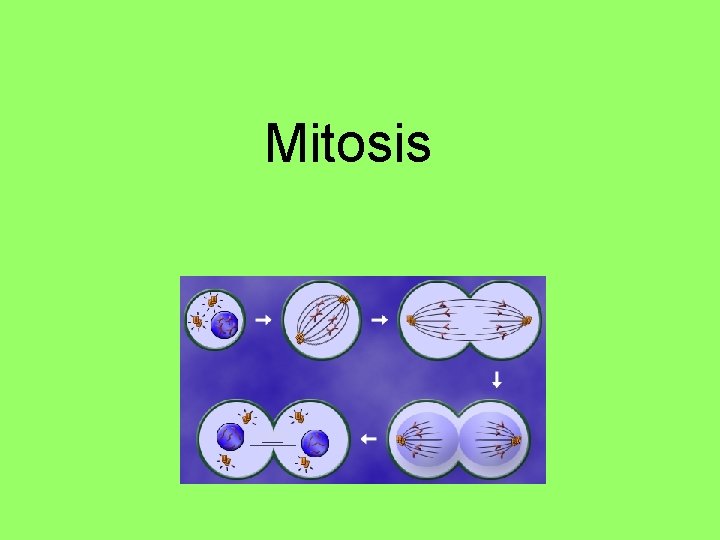
Mitosis
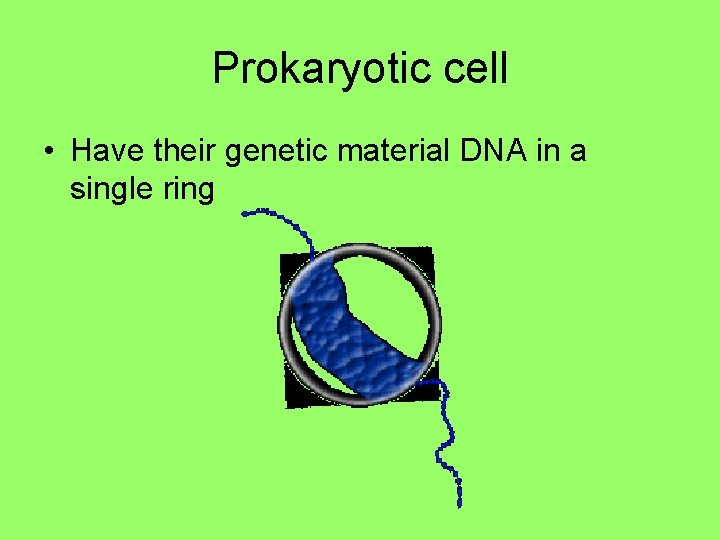
Prokaryotic cell • Have their genetic material DNA in a single ring
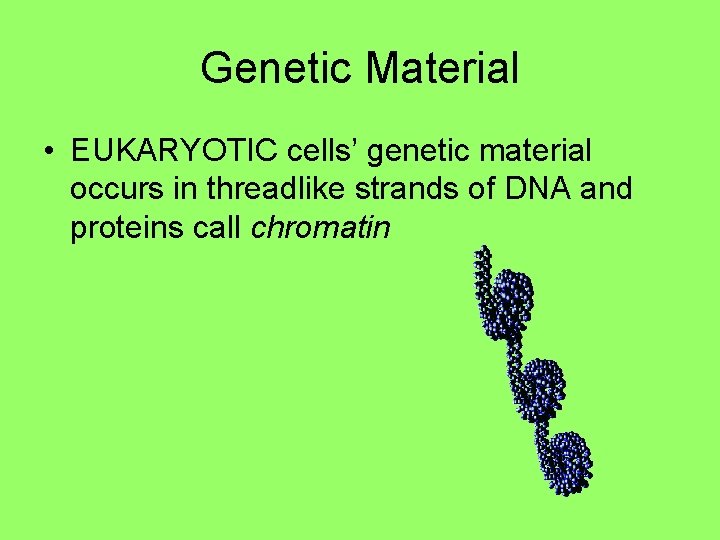
Genetic Material • EUKARYOTIC cells’ genetic material occurs in threadlike strands of DNA and proteins call chromatin
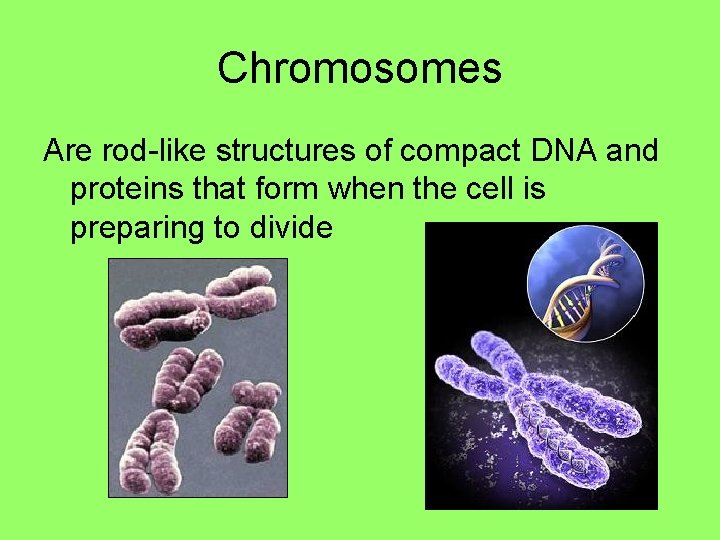
Chromosomes Are rod-like structures of compact DNA and proteins that form when the cell is preparing to divide
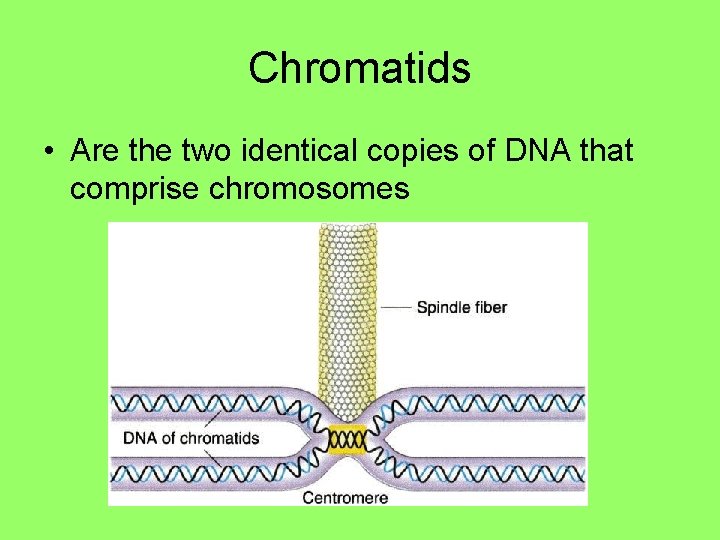
Chromatids • Are the two identical copies of DNA that comprise chromosomes
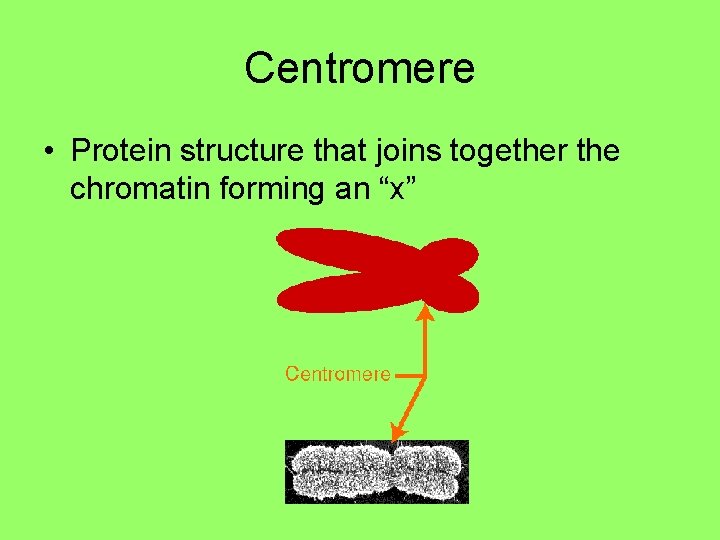
Centromere • Protein structure that joins together the chromatin forming an “x”
Human Cells • Have 23 different chromosomes. • Have two copies of each chromosome in each body cell /somatic cell called Homologous chromosomes or homologues
Diploid I m a g e h a s • Are cells with two homologues of each chromosomes • Symbol 2 N describes the diploid number of chromosomes • In Humans diploid 2 N=46 • N = the number of different chromosomes a cell contains b e e n s c a l e d d o w n. S e e f u l l s i z e i m a g e. � �
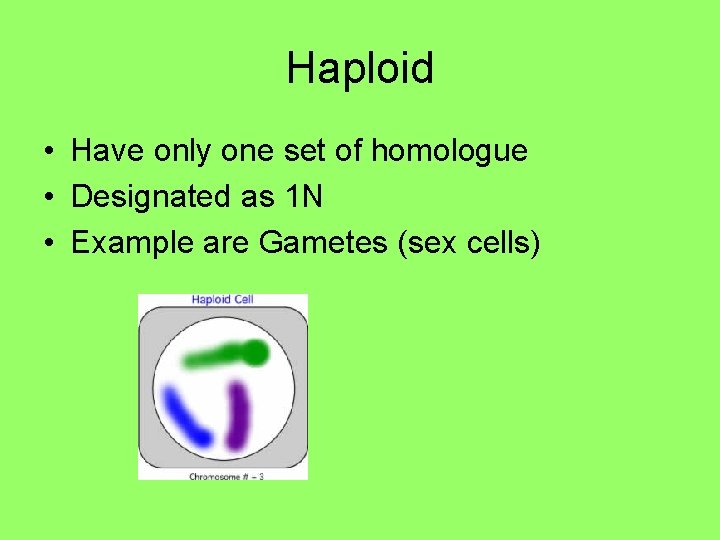
Haploid • Have only one set of homologue • Designated as 1 N • Example are Gametes (sex cells)
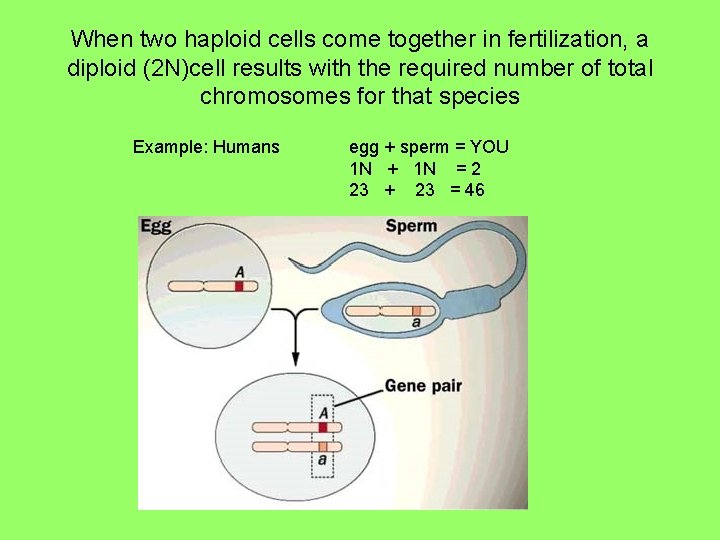
When two haploid cells come together in fertilization, a diploid (2 N)cell results with the required number of total chromosomes for that species Example: Humans egg + sperm = YOU 1 N + 1 N = 2 23 + 23 = 46
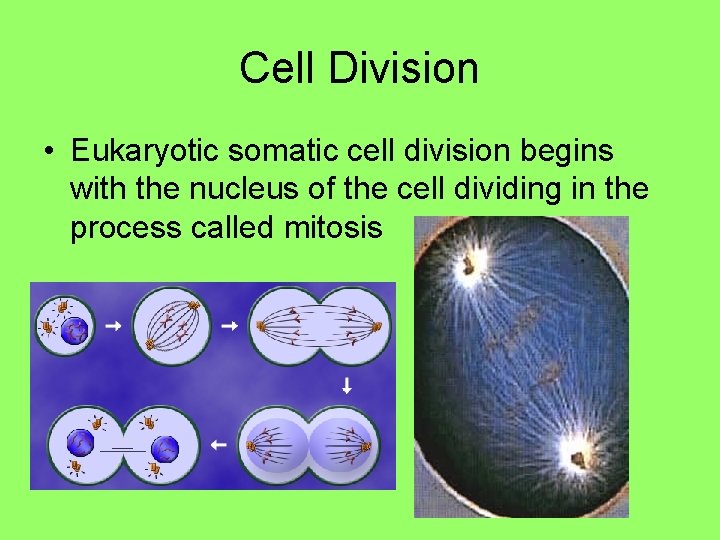
Cell Division • Eukaryotic somatic cell division begins with the nucleus of the cell dividing in the process called mitosis
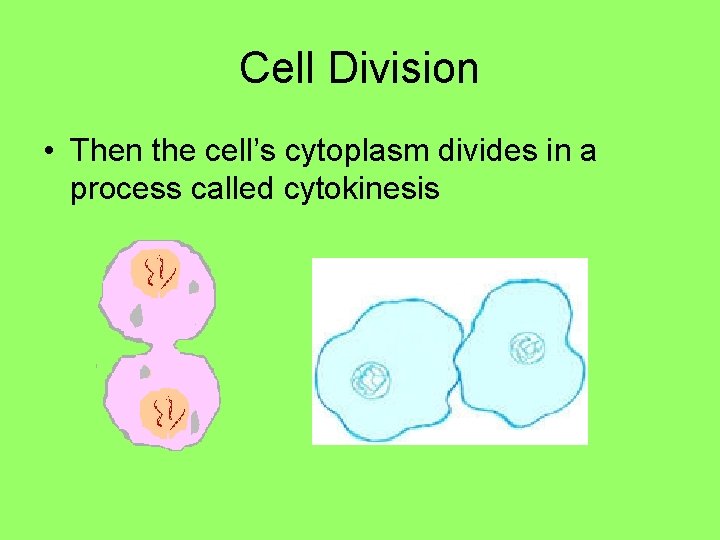
Cell Division • Then the cell’s cytoplasm divides in a process called cytokinesis
The Cell Cycle
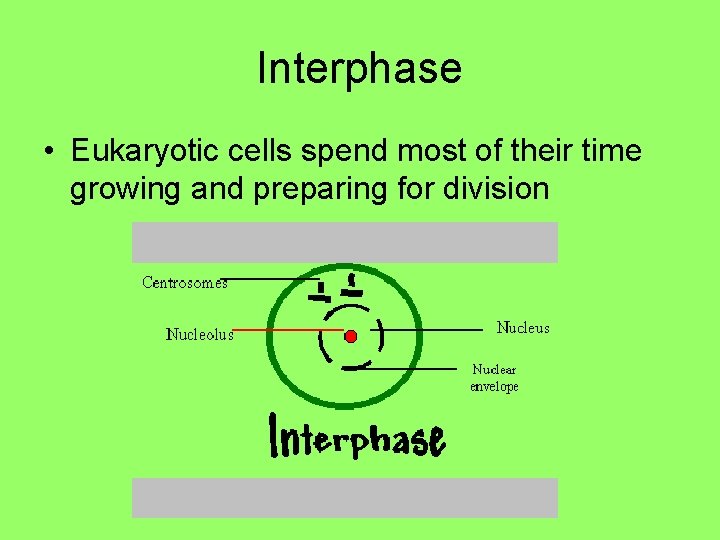
Interphase • Eukaryotic cells spend most of their time growing and preparing for division
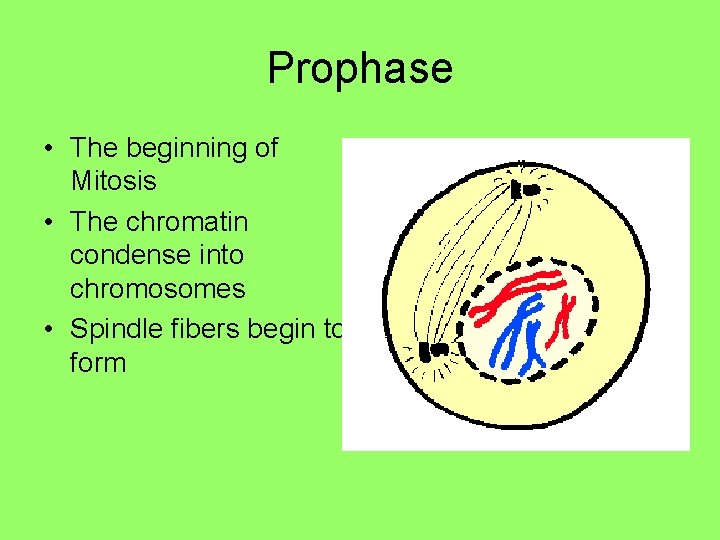
Prophase • The beginning of Mitosis • The chromatin condense into chromosomes • Spindle fibers begin to form
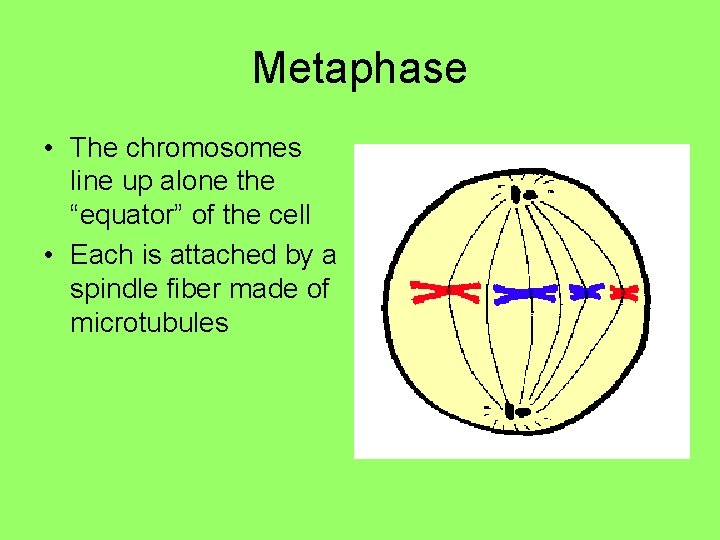
Metaphase • The chromosomes line up alone the “equator” of the cell • Each is attached by a spindle fiber made of microtubules
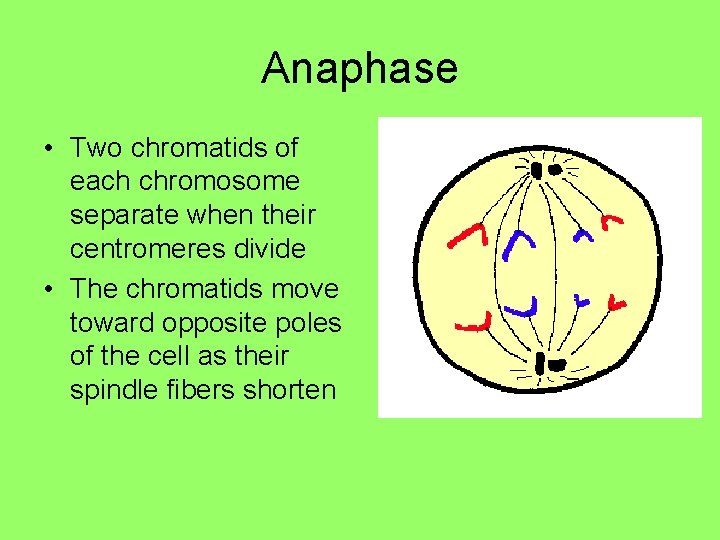
Anaphase • Two chromatids of each chromosome separate when their centromeres divide • The chromatids move toward opposite poles of the cell as their spindle fibers shorten
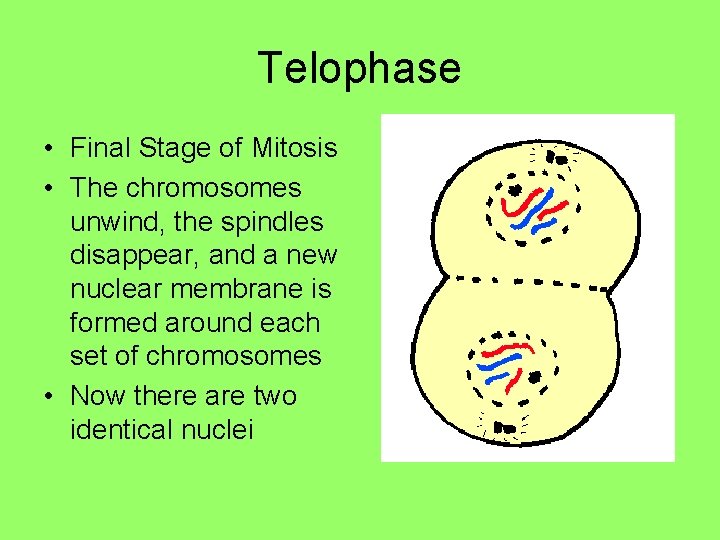
Telophase • Final Stage of Mitosis • The chromosomes unwind, the spindles disappear, and a new nuclear membrane is formed around each set of chromosomes • Now there are two identical nuclei
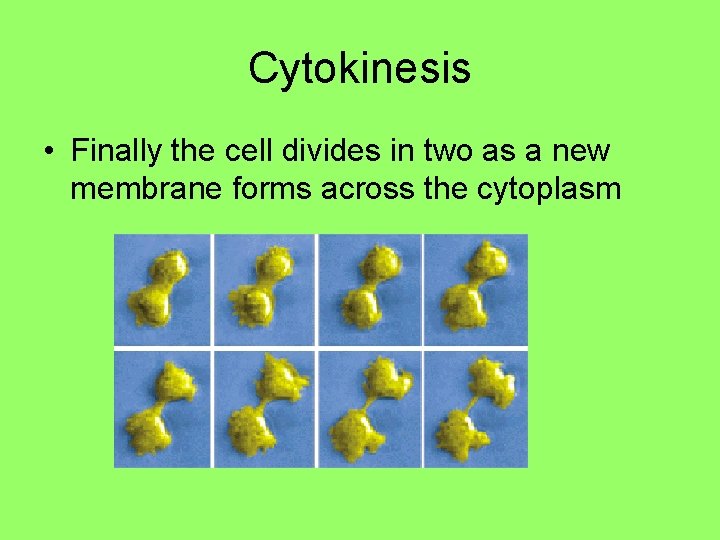
Cytokinesis • Finally the cell divides in two as a new membrane forms across the cytoplasm