
Mitochondrial Encephalomyopathy with Lactic Acidosis and Strokelike Episodes
- Slides: 9
Mitochondrial Encephalomyopathy with Lactic Acidosis and Stroke-like Episodes (MELAS)
What is MELAS? • • • Mitochondrial = Mutation in the mitochondria Encephalo- = Occurs in the head Myopathy = General term for muscle disease Lactic Acidosis = The blood gets too acidic Stroke-like Episodes = Brain-related symptoms of bleeding or blockage
Characteristics • It is the most common maternally inherited mitochondrial disease • Clinical Features: Strokes, myopathy, muscle twitching, dementia, and deafness • To a lesser extent: vomiting, migrainelike headaches, diabetes, droopy eyelids, muscle weakness, and short stature
More Characteristics • MELAS affects no specific race or gender more so than others • Presentation of the disease occurs with the first stroke-like episode (usually 14 -15 yrs of age) • This is a progressive disorder with a high mortality rate
How does MELAS work? • Abnormal mitochondria do not metabolize pyruvate • Excess pyruvate is reduced to lactic acid which accumulates in blood and other fluids • Large clumps of abnormal mitochondria form in the walls of small arteries and capillaries in the brain and muscles
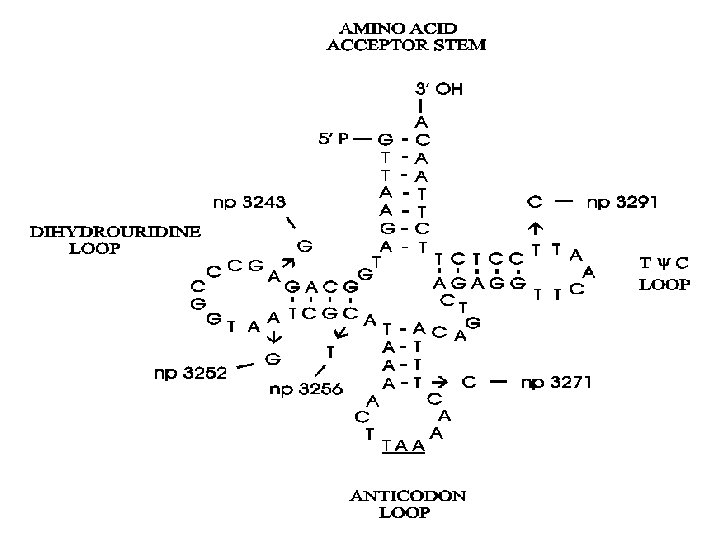
What causes MELAS? • There at least 6 different point mutations associated with MELAS • 80% of cases have a A to G point mutation in the t. RNA (Leu) gene at bp 3243 • 7. 5% of cases have a T to C point mutation in the t. RNA (Leu) gene at bp 3271
Causes (contd. ) • All of these mutations are heteroplasmic • Heteroplasmic = within a single cell, there is a mixture of mitochondria, some containing mutant DNA and some containing normal DNA • This feature of mitochondrial diseases might offer a solution to the varied rates of progression and onset of the disease
References • Scaglia, Fernando, MD. MELAS Syndrome. http: //www. emedicine. com/ped/topic 1406. htm. October 26, 2004 • http: //herkules. oulu. fi/isbn 9514255674/htm l/graphic 33. gif