
MINISTRY OF REGIONAL AND LOCAL GOVERNMENT HOUSING AND
- Slides: 33
MINISTRY OF REGIONAL AND LOCAL GOVERNMENT, HOUSING AND RURAL DEVELOPMENT AN OVERVIEW ON THE IMPLEMENTATION OF THE NATIONAL RURAL DEVELOPMENT POLICY, STRATEGY AND THE ELECTRONIC MONITOWING AND EVALUATION REPORTING SYSTEM Inquiries: J. A. Kasheeta – Director Tel: 061 297 5067 E. Nafele – Deputy Director Tel: 061 297 5044
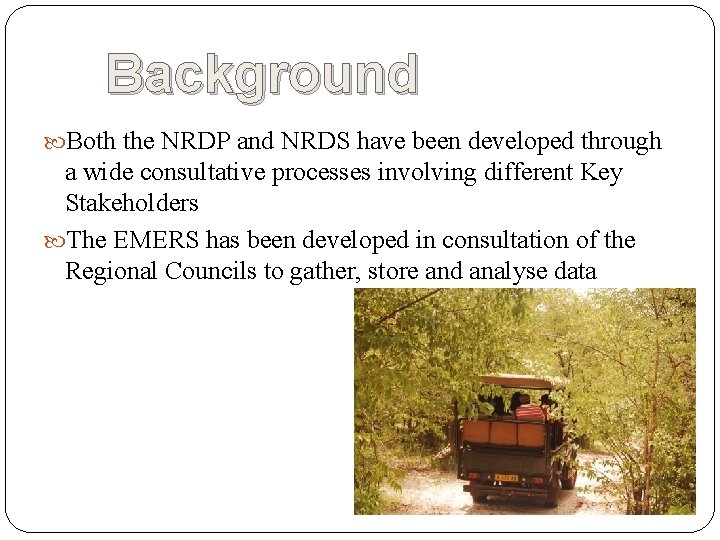
Background Both the NRDP and NRDS have been developed through a wide consultative processes involving different Key Stakeholders The EMERS has been developed in consultation of the Regional Councils to gather, store and analyse data
National Rural Development Policy – Why? To guide rural development practitioners towards the adoption of efficient and effective, equitable and sustainable approaches To raise the rural development matter high on the national agenda To broaden public perception of the rural development issues Form the basis of a comprehensive rural development national strategy and action plan
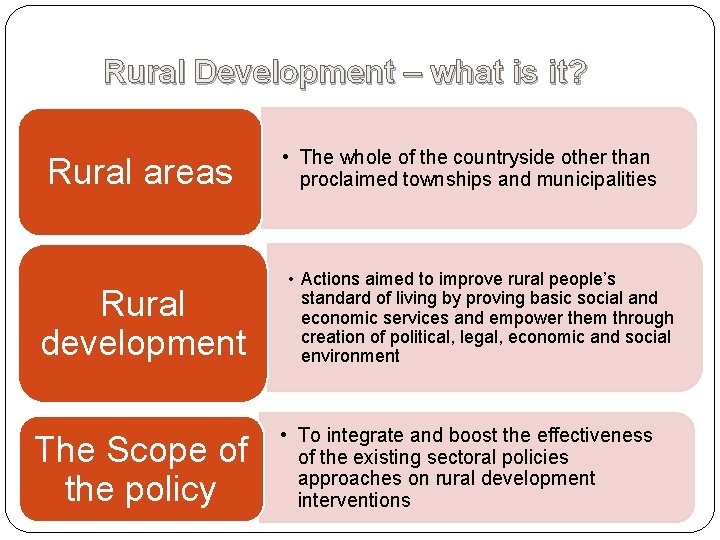
Rural Development – what is it? Rural areas Rural development The Scope of the policy • The whole of the countryside other than proclaimed townships and municipalities • Actions aimed to improve rural people’s standard of living by proving basic social and economic services and empower them through creation of political, legal, economic and social environment • To integrate and boost the effectiveness of the existing sectoral policies approaches on rural development interventions
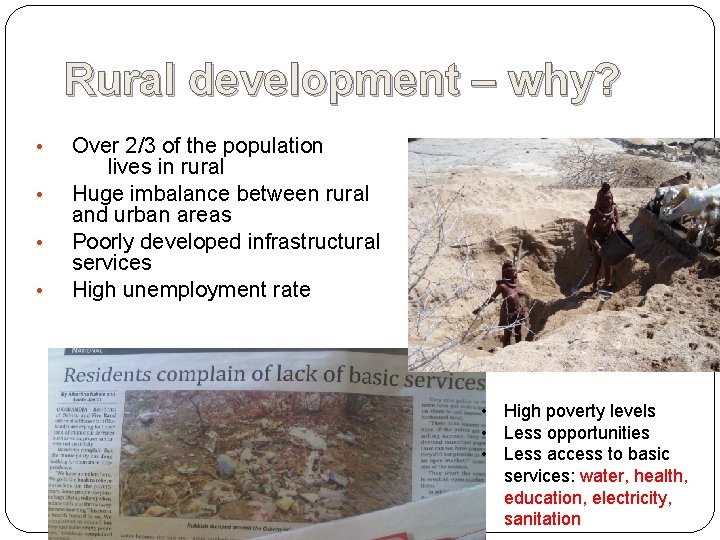
Rural development – why? • • Over 2/3 of the population lives in rural Huge imbalance between rural and urban areas Poorly developed infrastructural services High unemployment rate • High poverty levels • Less opportunities • Less access to basic services: water, health, education, electricity, sanitation
2. Key challenges • Weak planning and monitoring systems; • Poor coordination of rural development interventions; • Lack of ownership and community participation in rural • • • development interventions. Limited access to development funding; Insufficient infrastructure facilities and services provision in rural areas; Slow pace of Decentralization implementation process; High level of poverty in rural areas; High level of unemployment and unskilled labor force;
2. Key challenges Cont’d • Rural-urban migration; • Limited skills; • Lack of ownership and community participation in • • rural development interventions; Lack of rural market centres/system; Lack of access to credit facilities and business development; Lack of statistical data; Lack of provision of Rural Housing;
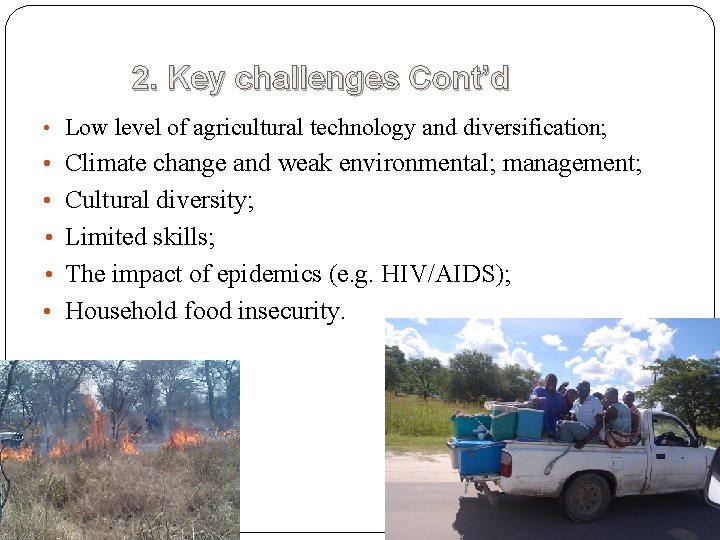
2. Key challenges Cont’d • Low level of agricultural technology and diversification; • Climate change and weak environmental; management; • Cultural diversity; • Limited skills; • The impact of epidemics (e. g. HIV/AIDS); • Household food insecurity.
2. Key challenges Cont’d Other factors affecting regional and local authorities: Limited access to development funding Weak participation in coordination efforts of Line Ministries Financial constraints in supporting participation of Stakeholders in coordination meetings Limited programme and project implementing capacity
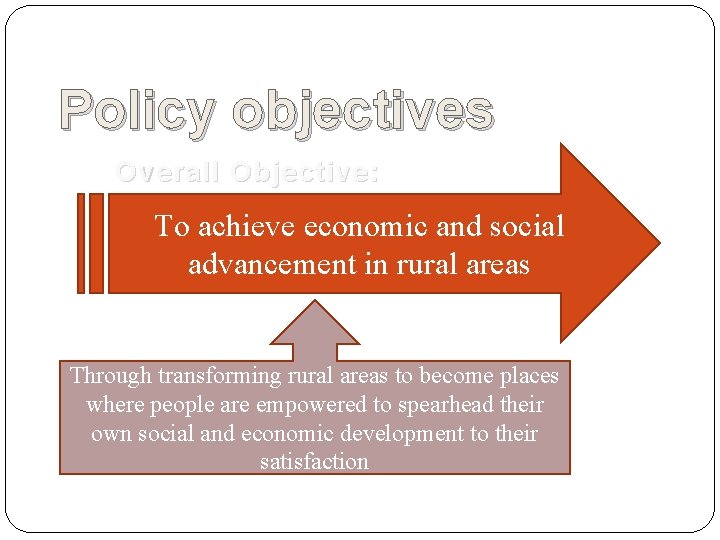
Policy objectives Overall Objective: To achieve economic and social advancement in rural areas Through transforming rural areas to become places where people are empowered to spearhead their own social and economic development to their satisfaction
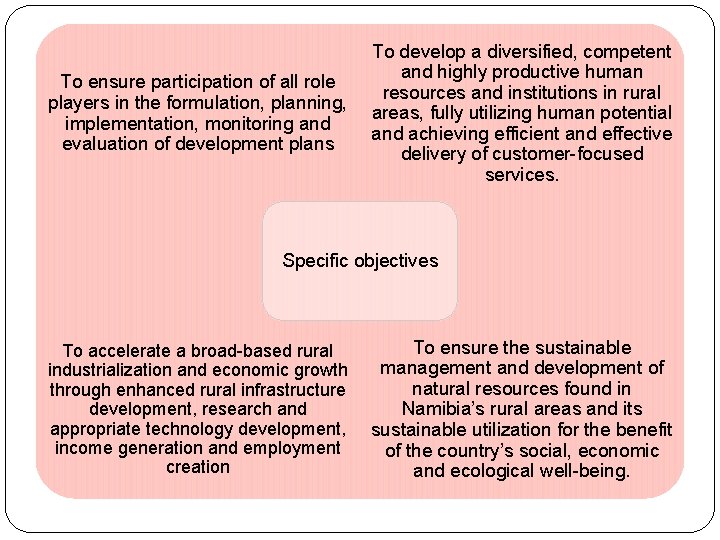
To ensure participation of all role players in the formulation, planning, implementation, monitoring and evaluation of development plans To develop a diversified, competent and highly productive human resources and institutions in rural areas, fully utilizing human potential and achieving efficient and effective delivery of customer-focused services. Specific objectives To accelerate a broad-based rural industrialization and economic growth through enhanced rural infrastructure development, research and appropriate technology development, income generation and employment creation To ensure the sustainable management and development of natural resources found in Namibia’s rural areas and its sustainable utilization for the benefit of the country’s social, economic and ecological well-being.
4. Strategic Approaches • Coordination & integration of rural development actions • People’s Empowerment and Civic Participation • Rural Infrastructure and Services Development • Environmental Protection and Sustainable Use of Natural Resources • Support to Rural Agriculture • Sustainable Rural Economic Development
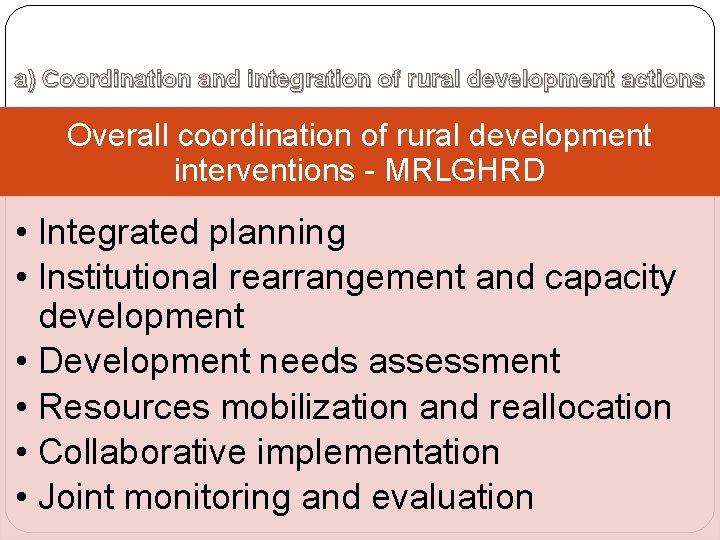
a) Coordination and integration of rural development actions Overall coordination of rural development interventions - MRLGHRD • Integrated planning • Institutional rearrangement and capacity development • Development needs assessment • Resources mobilization and reallocation • Collaborative implementation • Joint monitoring and evaluation
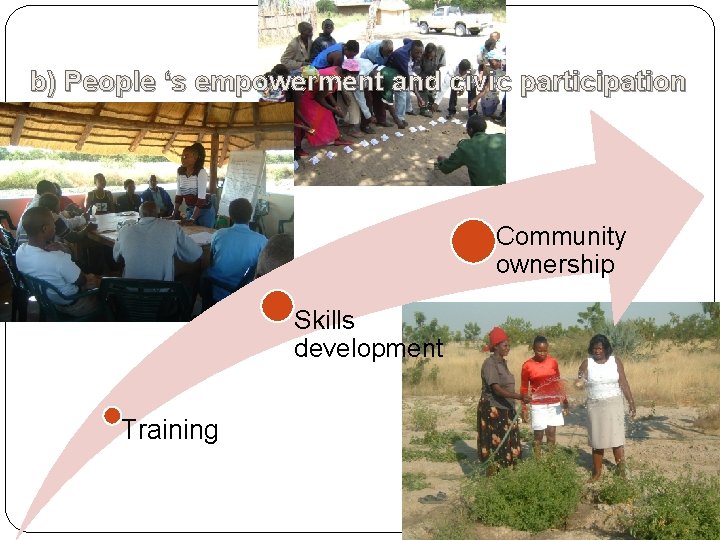
b) People ‘s empowerment and civic participation Community ownership Skills development Training
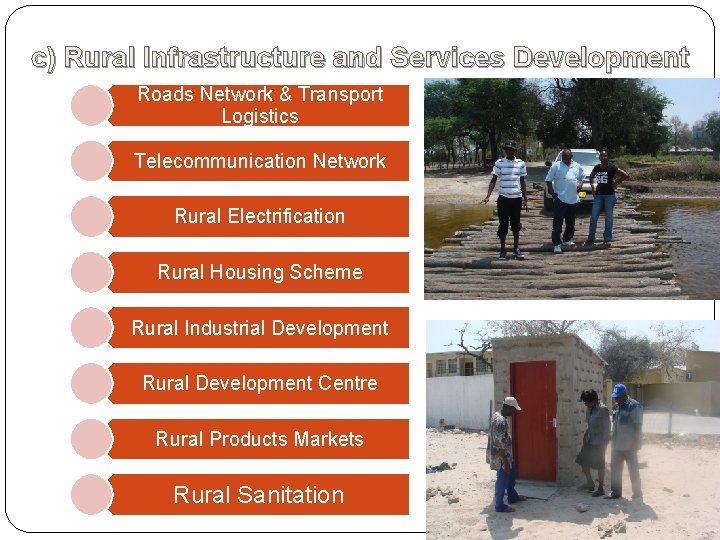
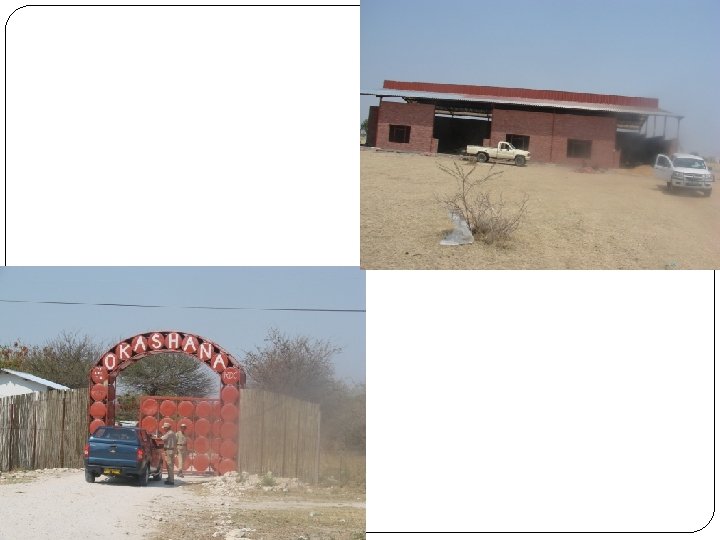
c) Rural Infrastructure and Services Development Roads Network & Transport Logistics Telecommunication Network Rural Electrification Rural Housing Scheme Rural Industrial Development Rural Development Centre Rural Products Markets Rural Sanitation
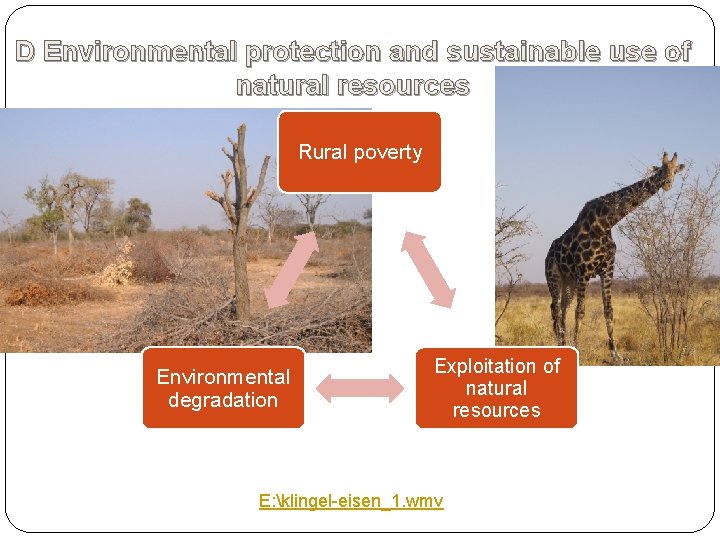
D Environmental protection and sustainable use of natural resources Rural poverty Environmental degradation Exploitation of natural resources E: klingel-eisen_1. wmv
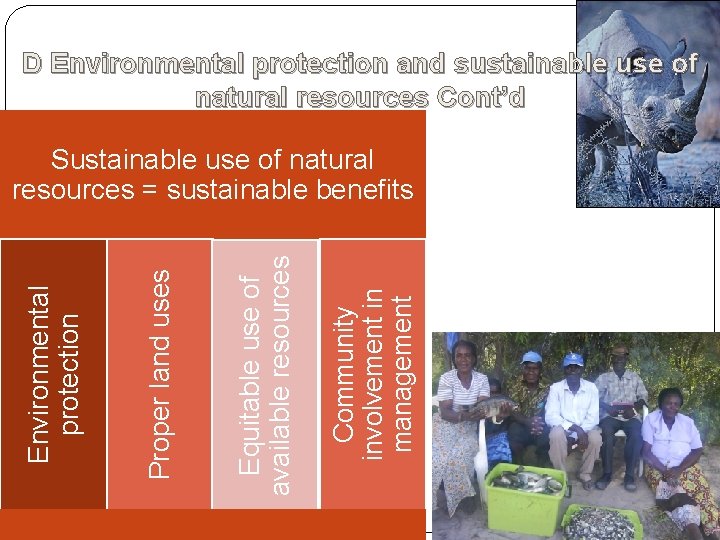
D Environmental protection and sustainable use of natural resources Cont’d Community involvement in management Equitable use of available resources Proper land uses Environmental protection Sustainable use of natural resources = sustainable benefits
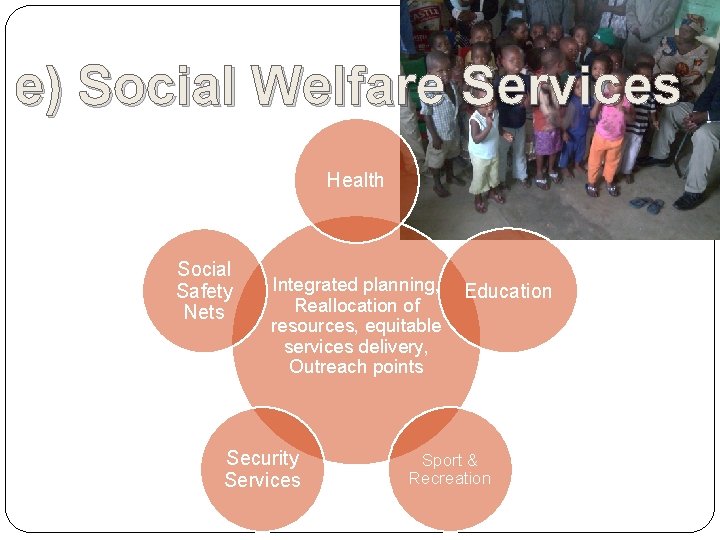
e) Social Welfare Services Health Social Safety Nets Integrated planning, Reallocation of resources, equitable services delivery, Outreach points Security Services Education Sport & Recreation
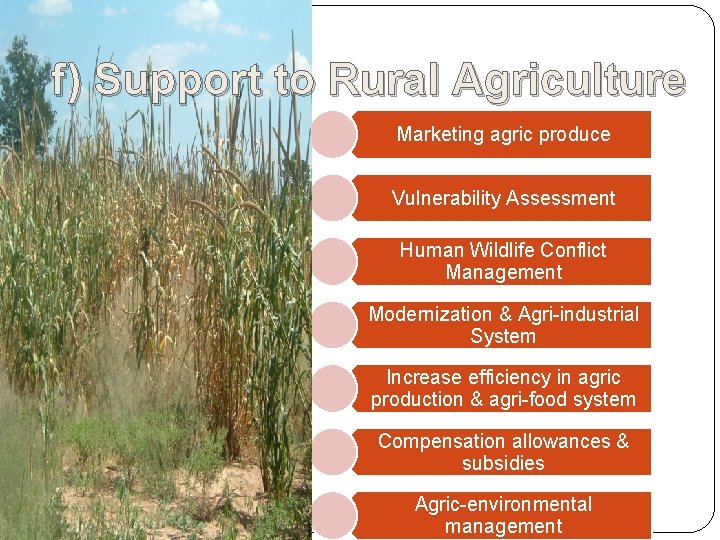
f) Support to Rural Agriculture Marketing agric produce Vulnerability Assessment Human Wildlife Conflict Management Modernization & Agri-industrial System Increase efficiency in agric production & agri-food system Compensation allowances & subsidies Agric-environmental management
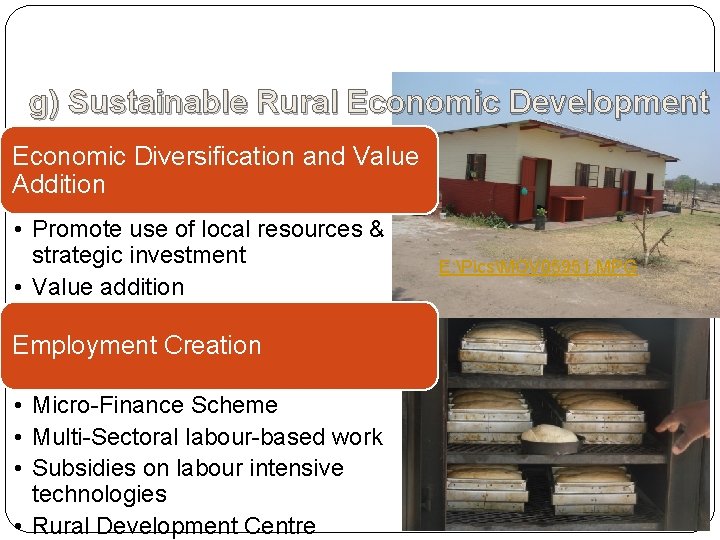
g) Sustainable Rural Economic Development Economic Diversification and Value Addition • Promote use of local resources & strategic investment • Value addition Employment Creation • Micro-Finance Scheme • Multi-Sectoral labour-based work • Subsidies on labour intensive technologies • Rural Development Centre E: PicsMOV 05951. MPG
5. Implementation Framework Coordination mechanisms Capacity building • Focal Persons Forum establishment • Technical and management aspects • Annual planning & review workshops • Strengthen HR capacity building interventions • Quality human & social capital Audit existing mechanisms • Focused capacity building Role players • MRLGHRD • Line Ministries • Regional Councils • Traditional Authorities • Other partners Monitoring & Evaluation • Effective M&E of the policy & strategy – effectiveness & accountability • Adopt M&E system E: Roller Baby. wmv
Why NRDS? To enhance the orientation of sectors’ interventions to support rural development and improvement of rural poverty The strategy is implemented within the framework of NDP 4 & NRDP The Strategy has been formulated through a wider consultation process to improve policies, coordination and the legal and regulatory environment
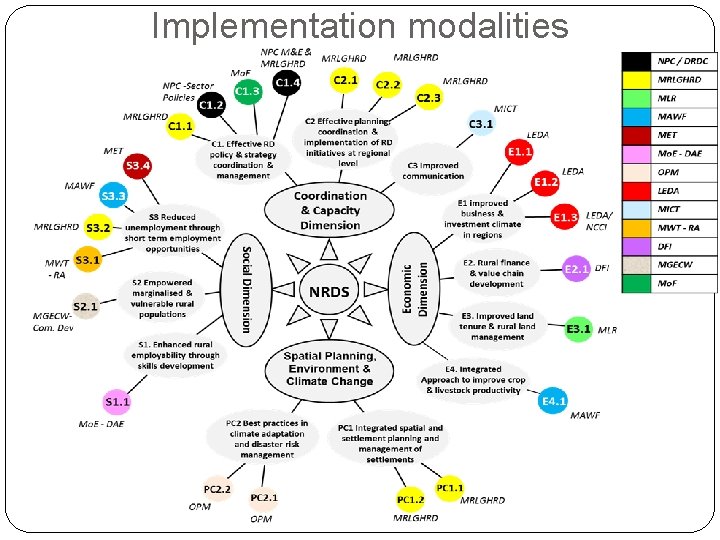
Strategy scope and approach Two main stream of work Interventions designed to contribute to higher rural development related relevance, efficiency and effectiveness of the government’s 16 Line Ministries through coordination, consolidation & harmonization of interventions, improved public financial management and accountability Focus on 12 key strategic objectives in the coordination and capacity; economic; social; and spatial planning and climate change dimensions
Key targets of NRDS Reduce unemployment in rural areas by 50% from 130 000 people Create employment to unemployed rural people Sustainably improve business environment and support rural business Develop effective coordination and implementation systems and capacities at national and regional levels
Objectives 4 dimensions a) Coordination and institutional capacities Effective rural development policy and strategy coordination and management Effective planning, coordination and implementation of rural development initiatives at regional level Improved communication related to life skills and social and economic service and support opportunities b) Rural Economic development Improved business and investment climate in regions Rural finance and value chain development Improved land tenure and rural management Farming as business: improved farm and rangeland management in communal areas
Objectives Social and Employment Development Functional literacy and basic technical skills of the rural employment enhanced Empowerment of marginalised and vulnerable rural populations Reduced unemployment through short-term rural employment opportunities d) Spatial planning, environment and climate change Integrated and pro-active spatial plans development in the regions, planning and management of settlements/growth points improved Best practice in climate adaption and disaster risk management c)
Implementation modalities
Medium Term Budget Financing modalities for key strategic programs Special purpose grants to RCs General purpose and Sector grants NSAs funding facilities Resources mobilization: local and external Individual citizens under full employment
Electronic Monitoring and Evaluation Reporting System The system is developed to gather, store, analyse and reporting information on rural development It is web-based, accessible every throughout Namibia Users of the system; the Ministry and RCs Its significance depends on the updated information by the users
Conclusion This National Rural Development Policy seek for the attainment socially cohesions, stable rural communities with sustainable economy and access to social amenities The Policy advocate integration and coordination of efforts and resources through proper implementation framework Realization of efficiency and effectiveness through inclusive Monitoring and Evaluation System