
Minimally Invasive Surgery Gasless Laparoscopic Surgery Introduction Course
- Slides: 14
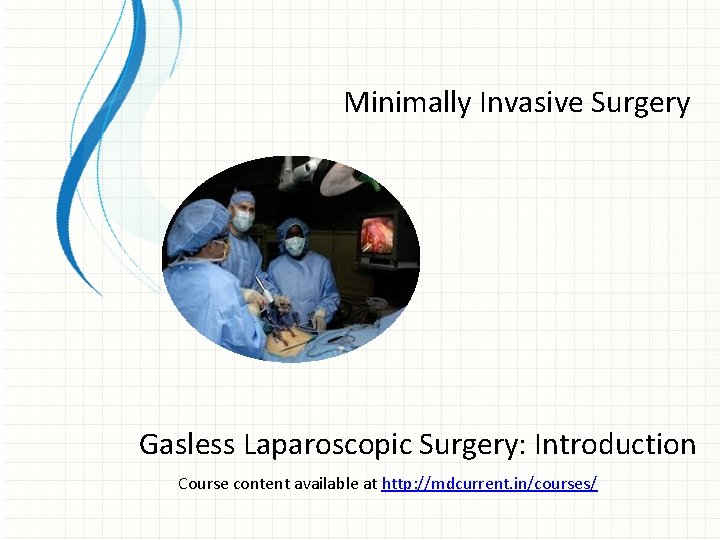
Minimally Invasive Surgery Gasless Laparoscopic Surgery: Introduction Course content available at http: //mdcurrent. in/courses/
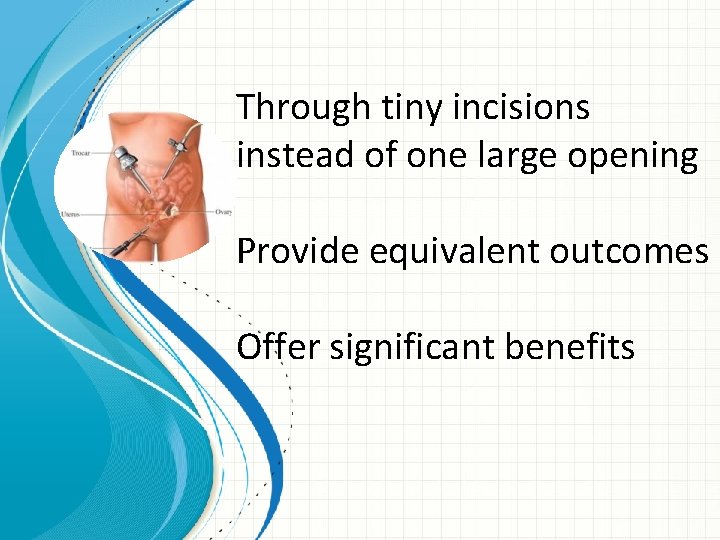
Through tiny incisions instead of one large opening Provide equivalent outcomes Offer significant benefits
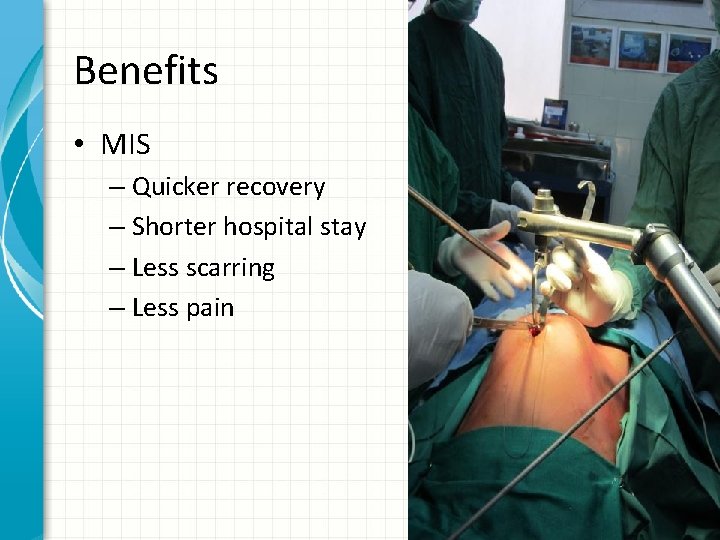
Benefits • MIS – Quicker recovery – Shorter hospital stay – Less scarring – Less pain
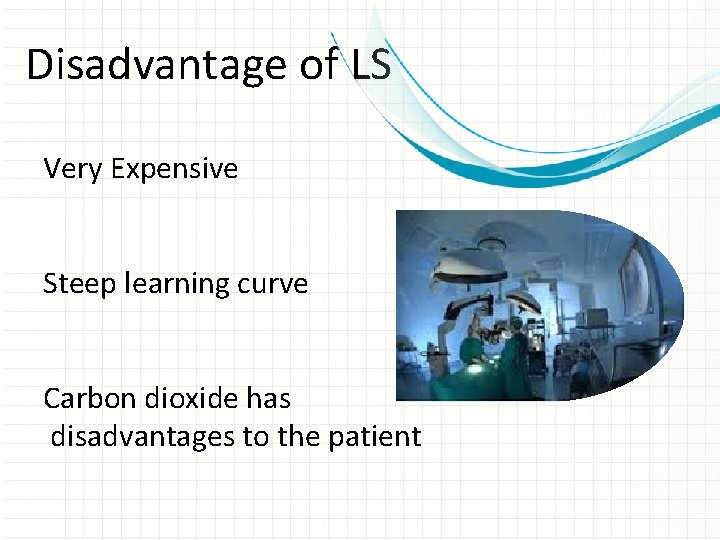
Disadvantage of LS Very Expensive Steep learning curve Carbon dioxide has disadvantages to the patient
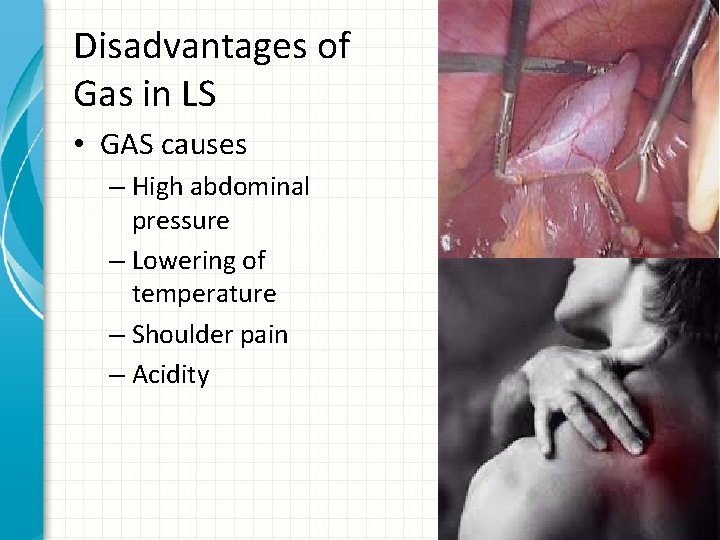
Disadvantages of Gas in LS • GAS causes – High abdominal pressure – Lowering of temperature – Shoulder pain – Acidity
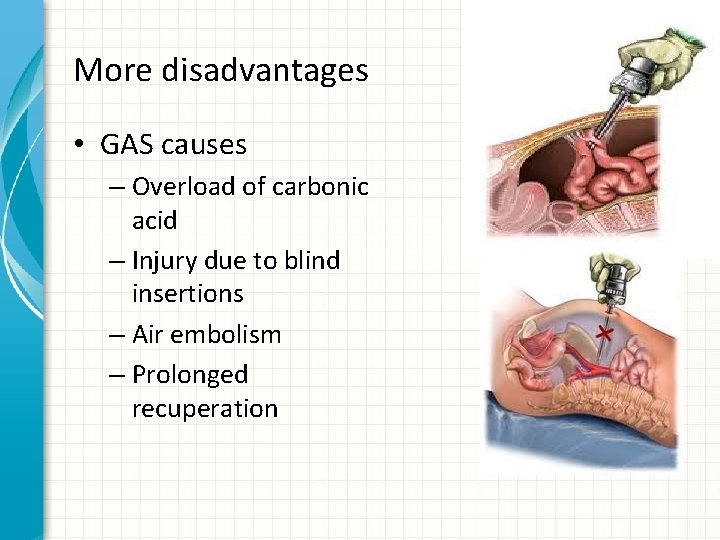
More disadvantages • GAS causes – Overload of carbonic acid – Injury due to blind insertions – Air embolism – Prolonged recuperation
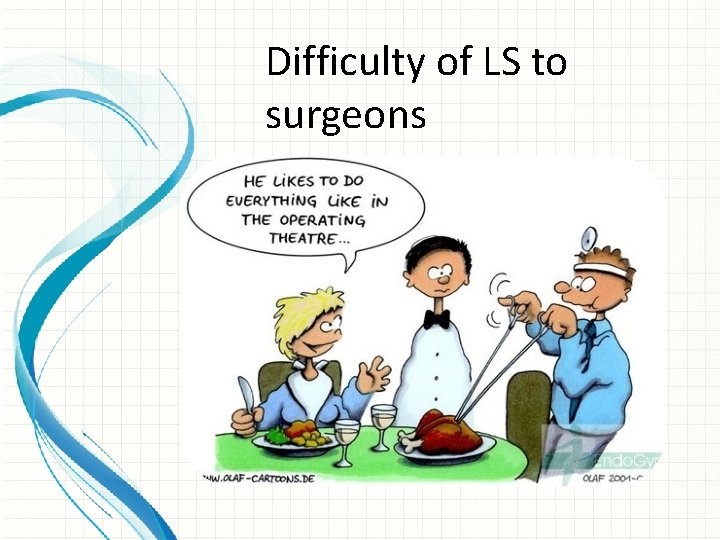
Difficulty of LS to surgeons
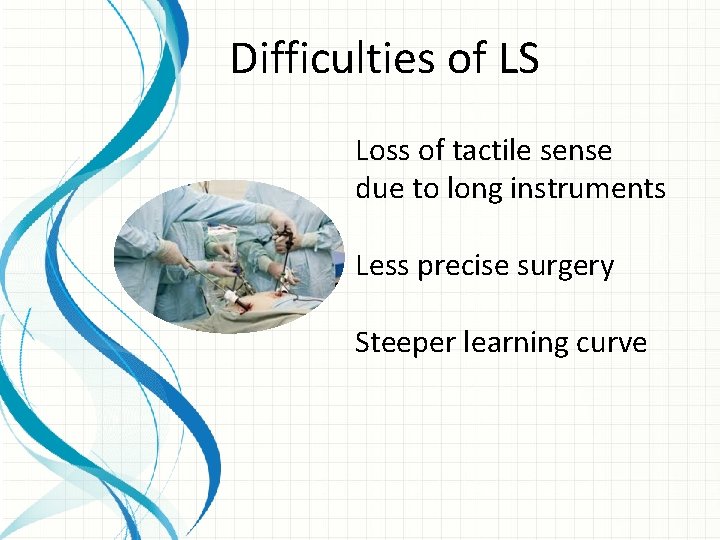
Difficulties of LS Loss of tactile sense due to long instruments Less precise surgery Steeper learning curve
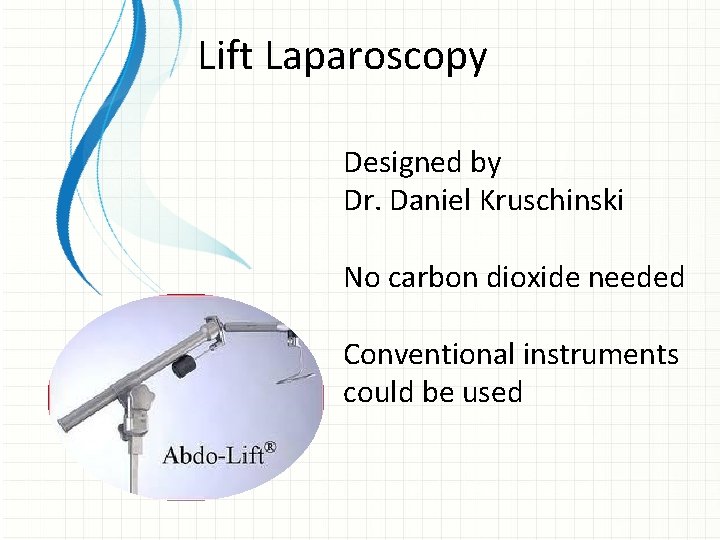
Lift Laparoscopy Designed by Dr. Daniel Kruschinski No carbon dioxide needed Conventional instruments could be used
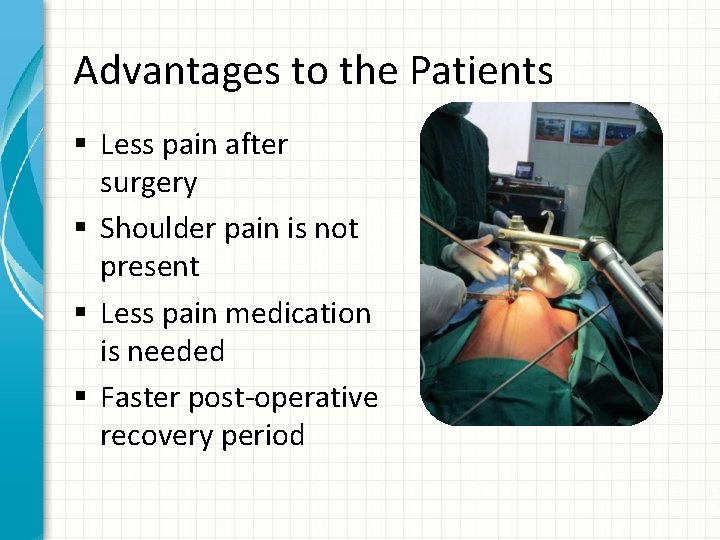
Advantages to the Patients § Less pain after surgery § Shoulder pain is not present § Less pain medication is needed § Faster post-operative recovery period
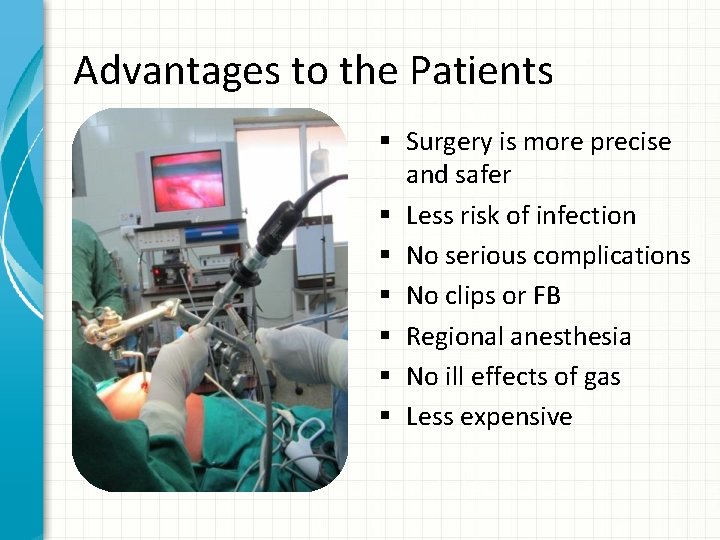
Advantages to the Patients § Surgery is more precise and safer § Less risk of infection § No serious complications § No clips or FB § Regional anesthesia § No ill effects of gas § Less expensive
Advantages to the Surgeon 1 • No complications of blind insertion 2 • Traditional instruments could be used; better tactile sense 3 • Shorter learning curve
Advantages to the Hospital Less initial and maintenance cost Easy to clean and maintain instruments
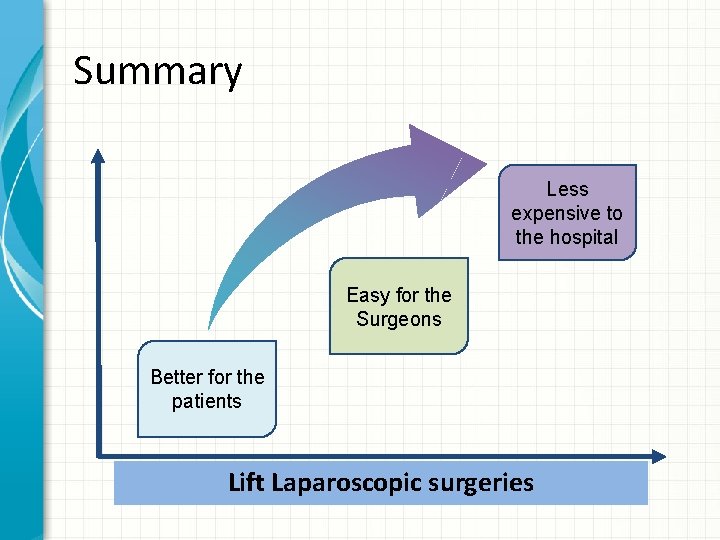
Summary Less expensive to the hospital Easy for the Surgeons Better for the patients Lift Laparoscopic surgeries