
Ming and Qing Dynasties CHINA Ming Dynasty Overview
- Slides: 32
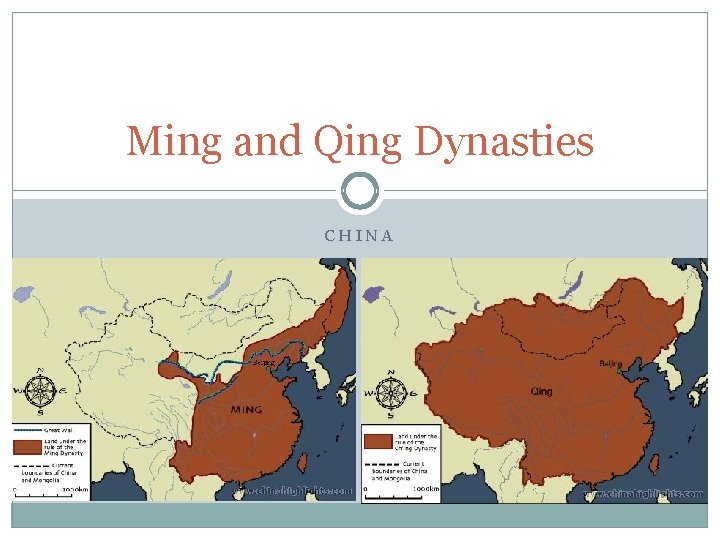
Ming and Qing Dynasties CHINA
Ming Dynasty Overview �Years: 1368 to 1644 �Last native Han emperors in Chinese history �Had to recover from Mongol rule �Culturally, looked to the past Used Han, Tang, and Song models Foreign ideas and influences seen as threatening
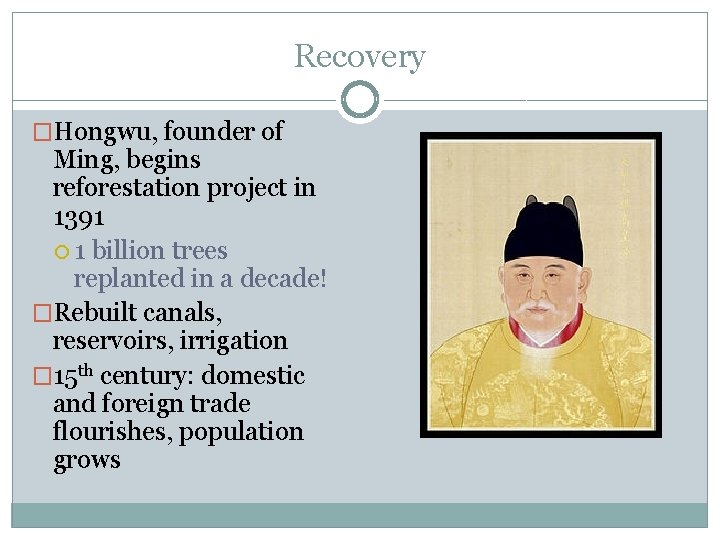
Recovery �Hongwu, founder of Ming, begins reforestation project in 1391 1 billion trees replanted in a decade! �Rebuilt canals, reservoirs, irrigation � 15 th century: domestic and foreign trade flourishes, population grows
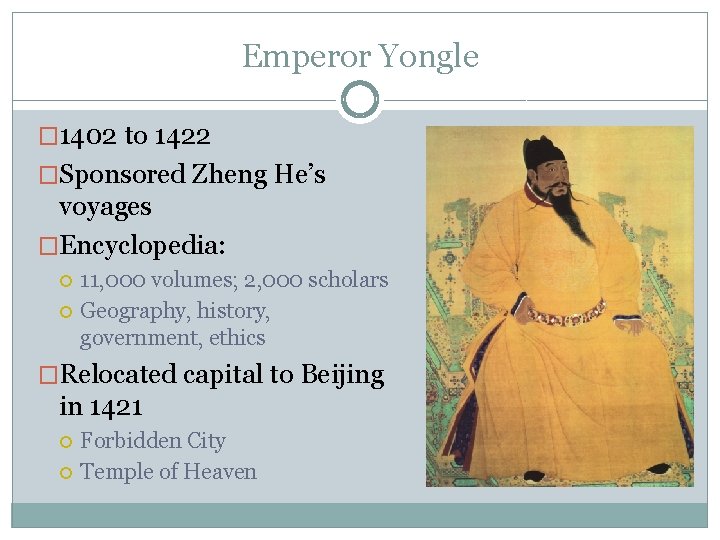
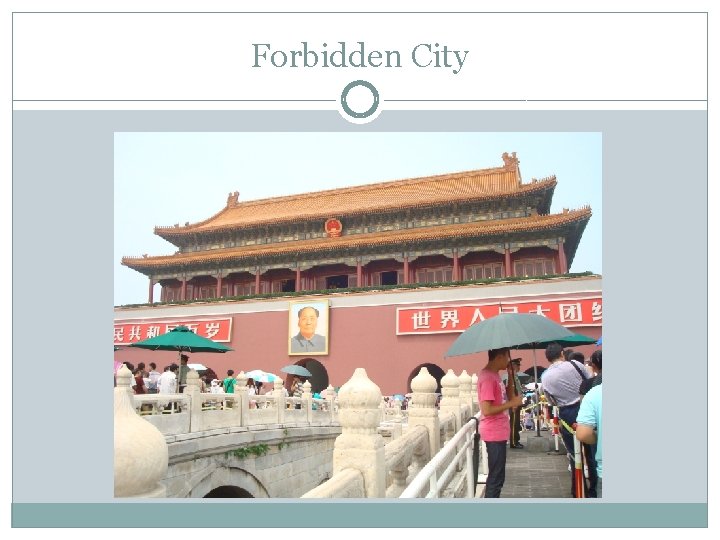
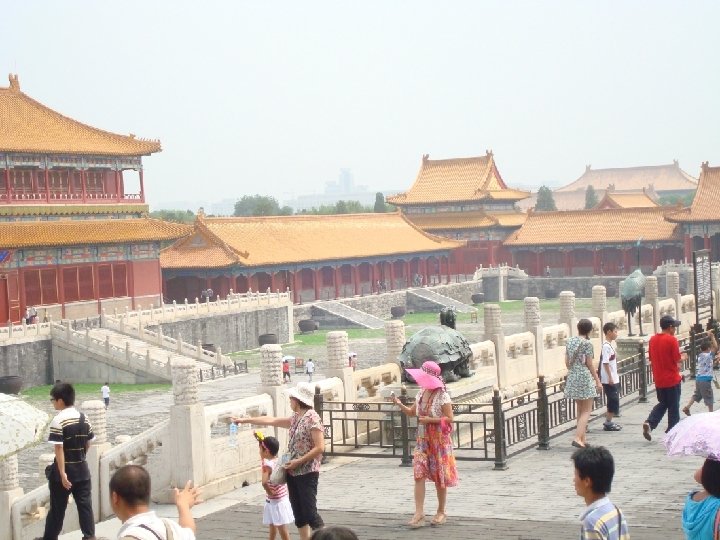
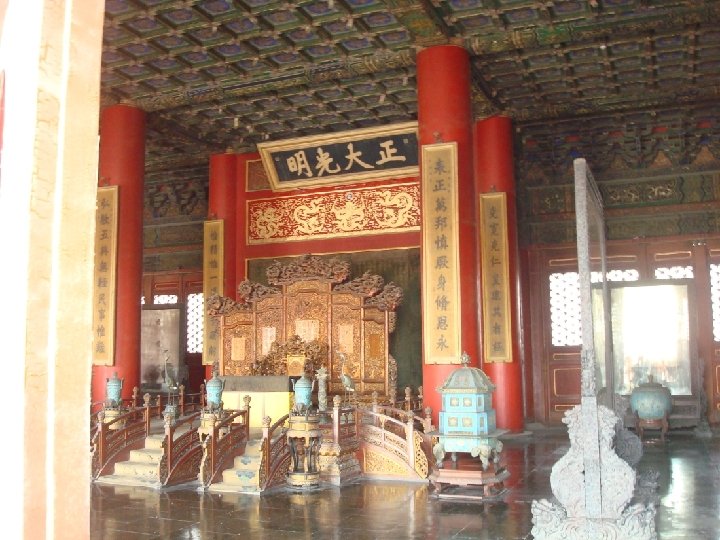
Emperor Yongle � 1402 to 1422 �Sponsored Zheng He’s voyages �Encyclopedia: 11, 000 volumes; 2, 000 scholars Geography, history, government, ethics �Relocated capital to Beijing in 1421 Forbidden City Temple of Heaven
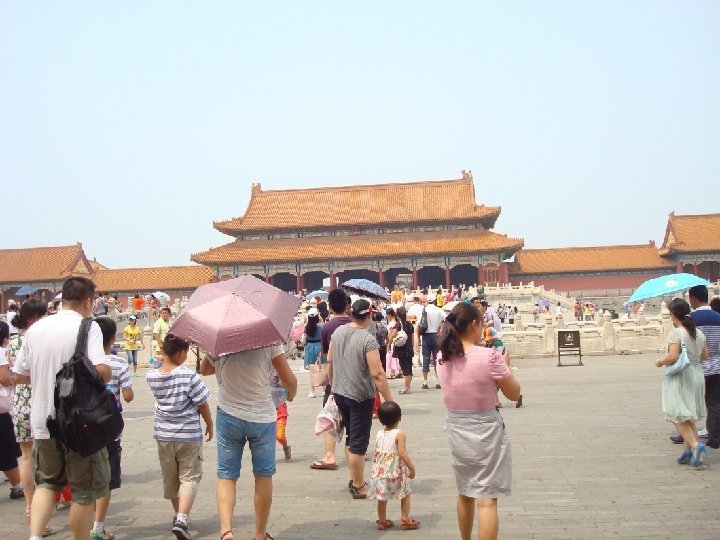
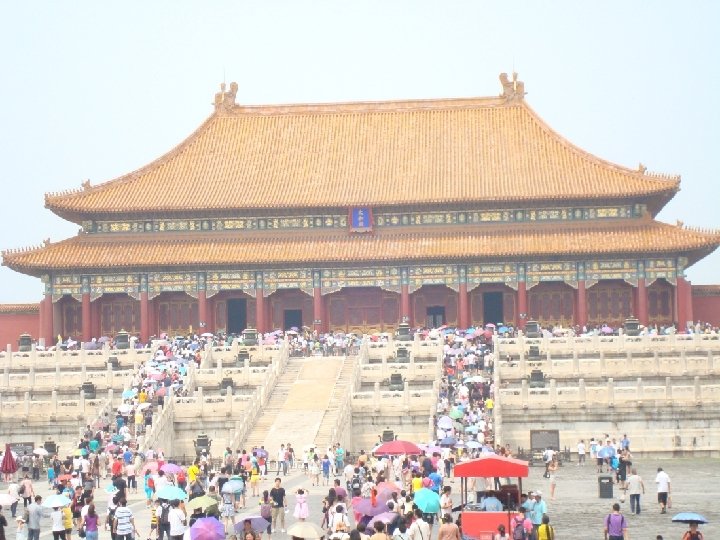
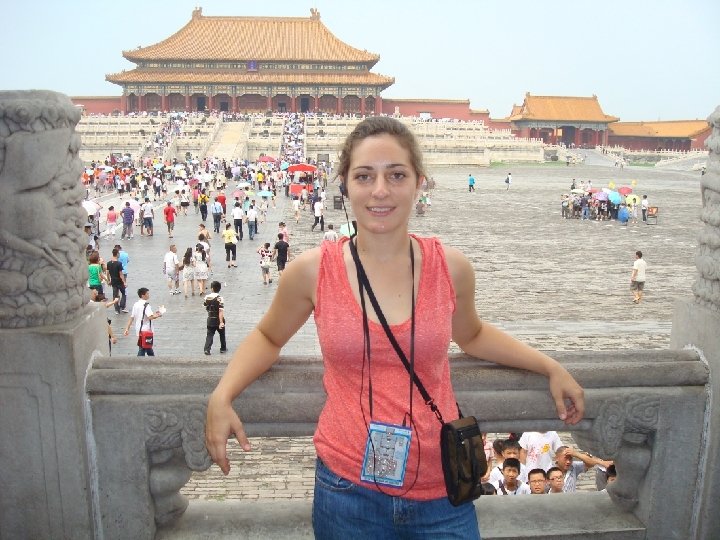
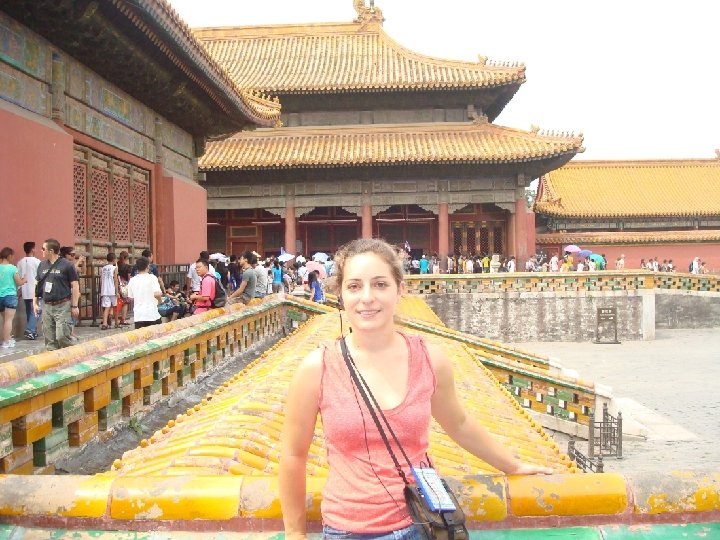
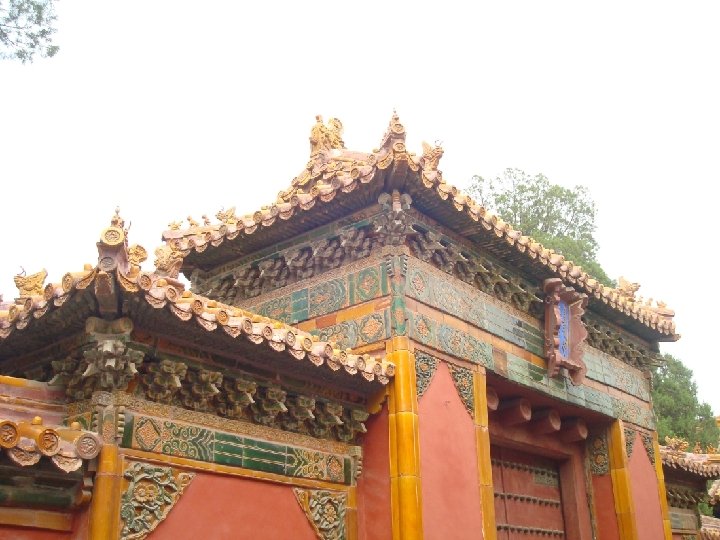
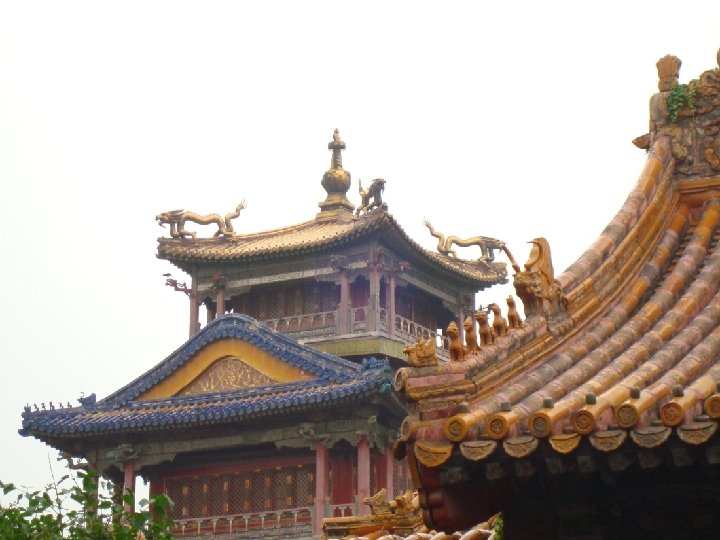
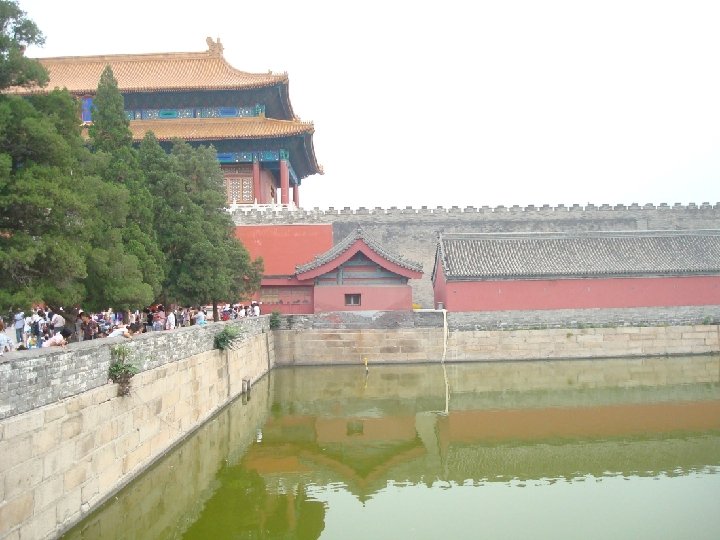
Forbidden City
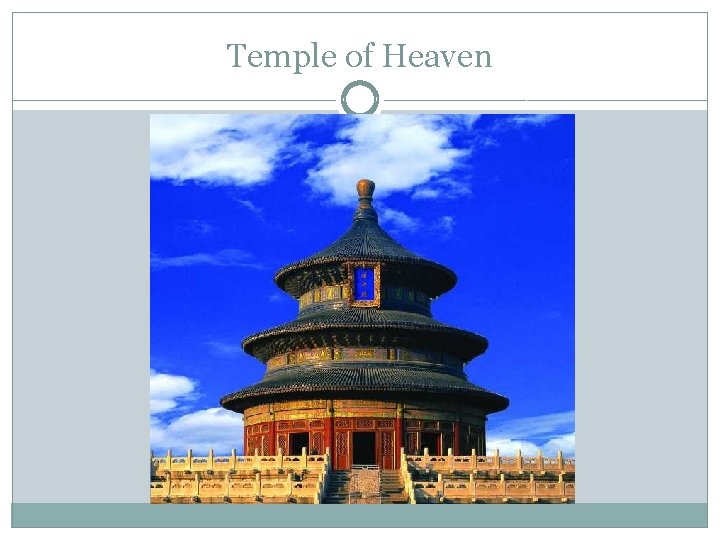
Temple of Heaven
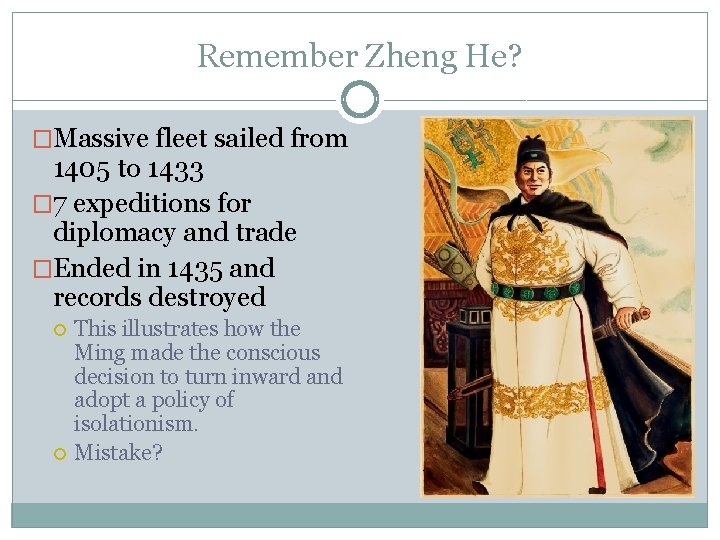
Remember Zheng He? �Massive fleet sailed from 1405 to 1433 � 7 expeditions for diplomacy and trade �Ended in 1435 and records destroyed This illustrates how the Ming made the conscious decision to turn inward and adopt a policy of isolationism. Mistake?
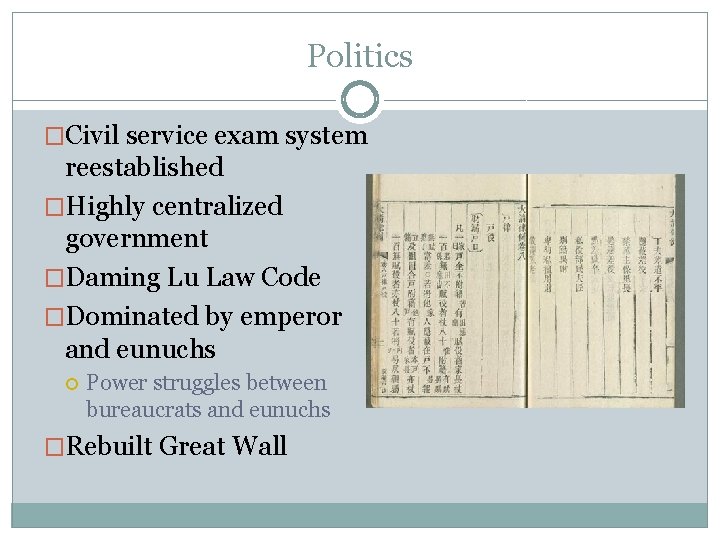
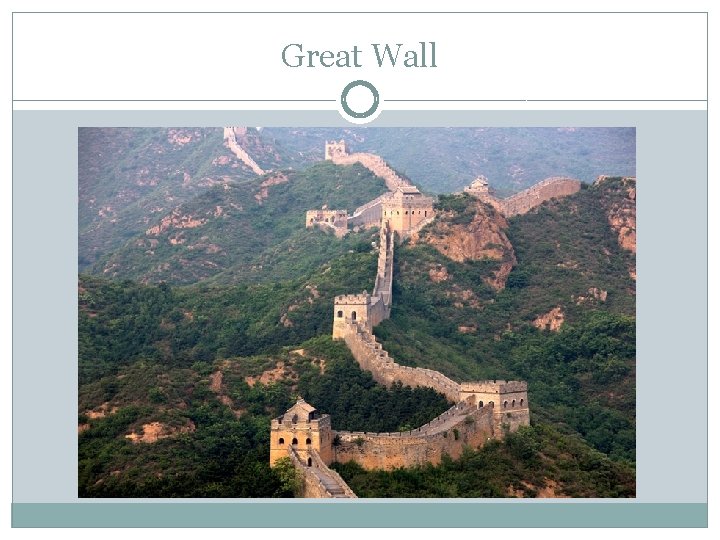
Politics �Civil service exam system reestablished �Highly centralized government �Daming Lu Law Code �Dominated by emperor and eunuchs Power struggles between bureaucrats and eunuchs �Rebuilt Great Wall
Great Wall
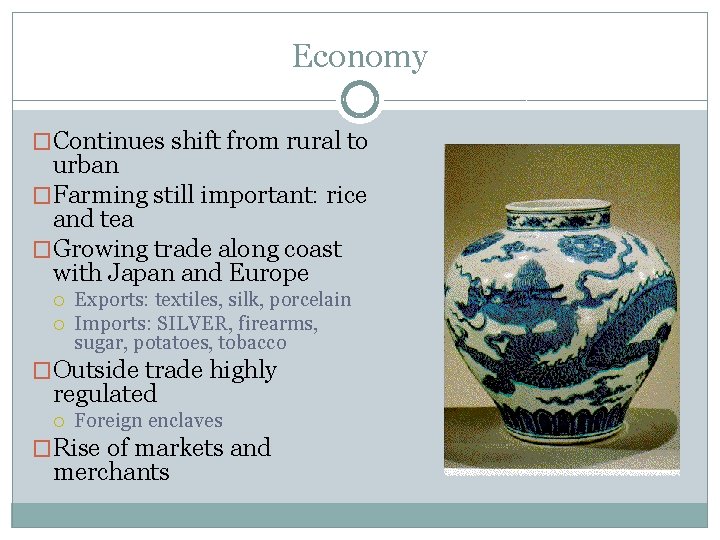
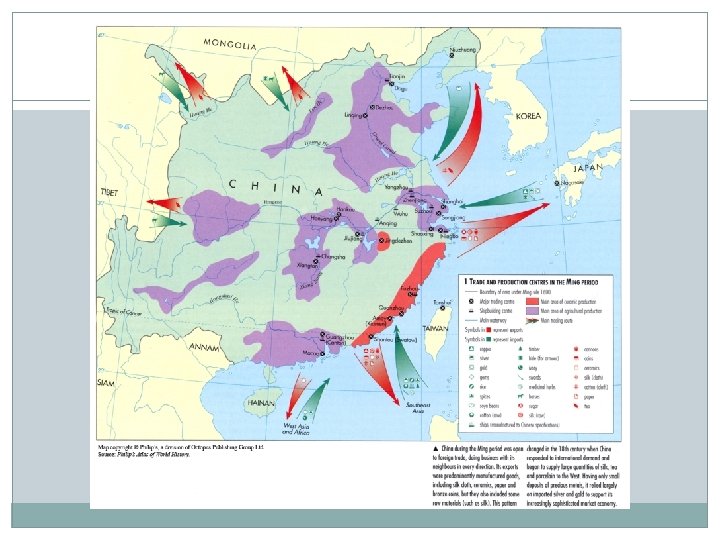
Economy �Continues shift from rural to urban �Farming still important: rice and tea �Growing trade along coast with Japan and Europe Exports: textiles, silk, porcelain Imports: SILVER, firearms, sugar, potatoes, tobacco �Outside trade highly regulated Foreign enclaves �Rise of markets and merchants
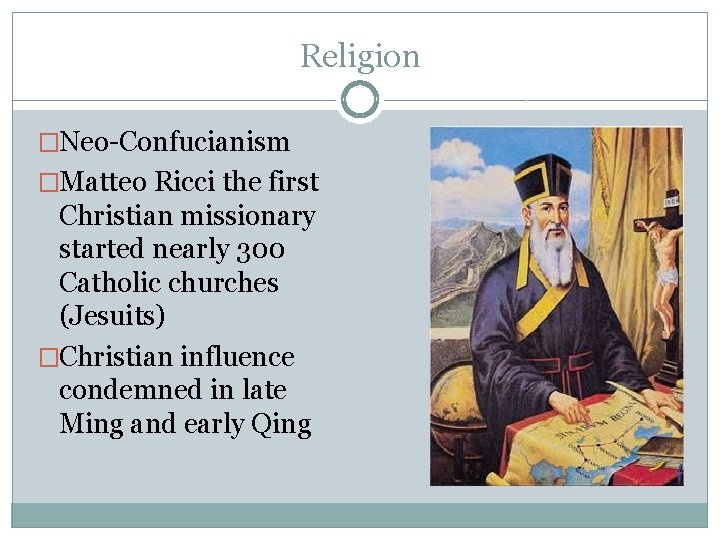
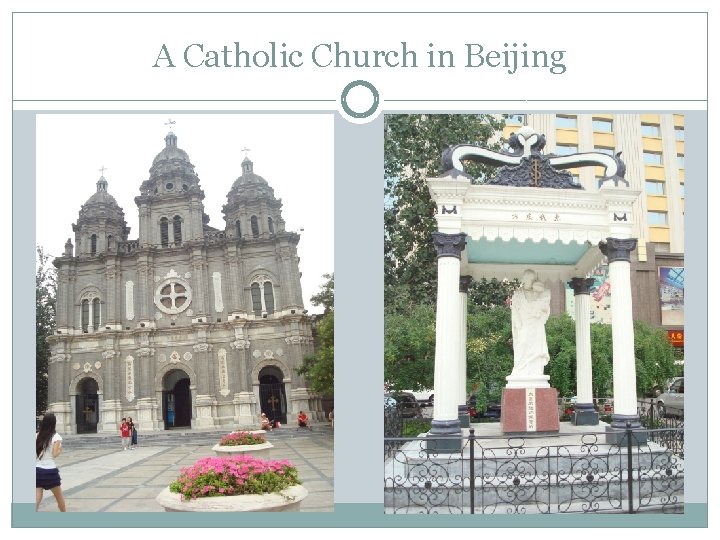
Religion �Neo-Confucianism �Matteo Ricci the first Christian missionary started nearly 300 Catholic churches (Jesuits) �Christian influence condemned in late Ming and early Qing
Fall of Ming corruption of the court officials and the domination of the eunuchs natural disasters like famine from Little Ice Age and worst earthquake of all time in Shaanxi (800, 000 dead) Peasant rebellions Aggressive expansion of the Manchus Manchu rebel Li Zicheng entered Beijing in 1644 Last Ming emperor, Chongzhen, hanged himself on a tree overlooking the Forbidden City
Qing Dynasty Overview � 1644 to 1910 �Last Chinese dynasty �Manchu rule, not ethnic Han Chinese �Early Qing: time of great expansion �Later Qing (after 1750): Big Problems! Internal rebellions European imperialism
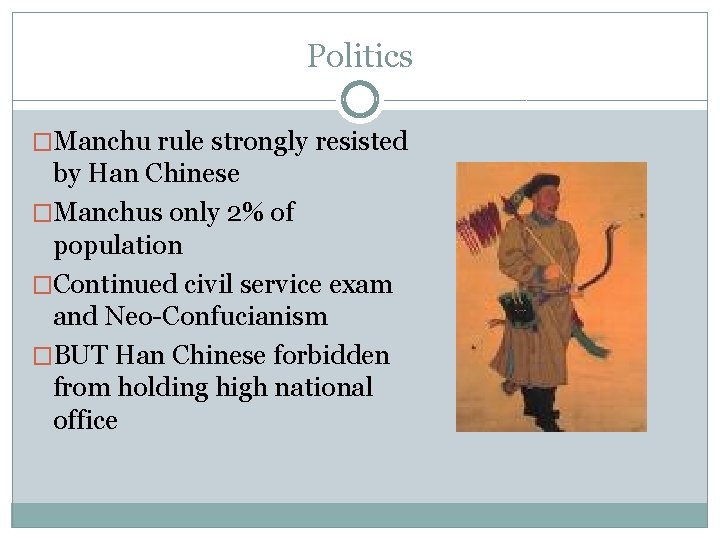
Politics �Manchu rule strongly resisted by Han Chinese �Manchus only 2% of population �Continued civil service exam and Neo-Confucianism �BUT Han Chinese forbidden from holding high national office
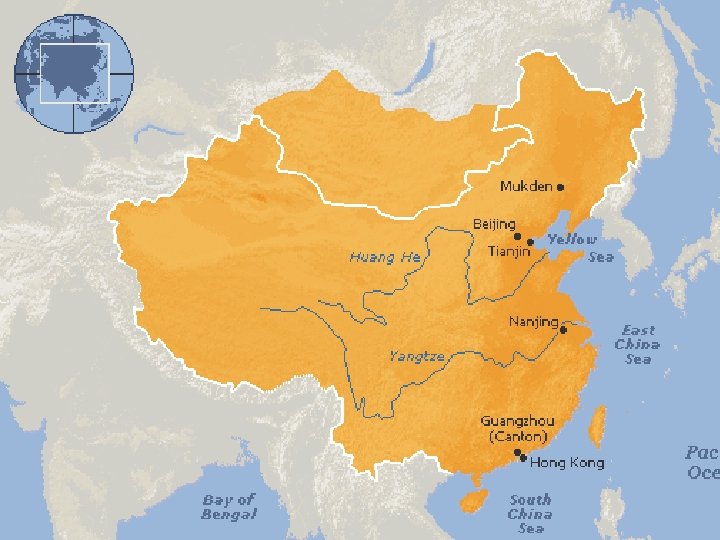
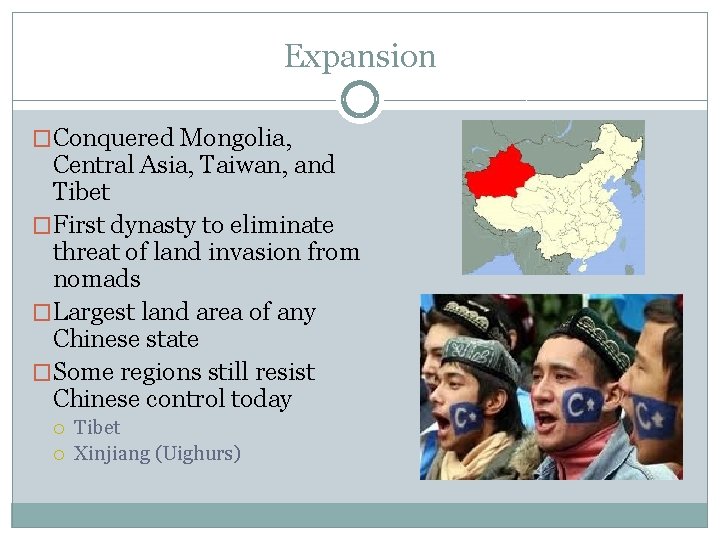
Expansion �Conquered Mongolia, Central Asia, Taiwan, and Tibet �First dynasty to eliminate threat of land invasion from nomads �Largest land area of any Chinese state �Some regions still resist Chinese control today Tibet Xinjiang (Uighurs)
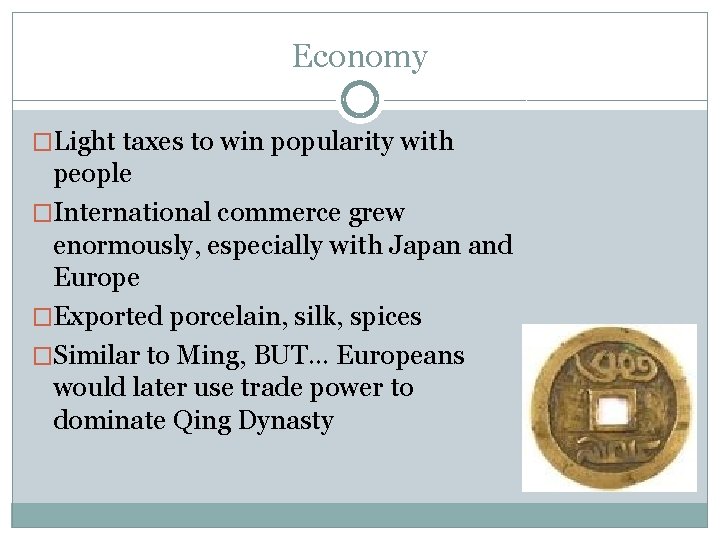
Economy �Light taxes to win popularity with people �International commerce grew enormously, especially with Japan and Europe �Exported porcelain, silk, spices �Similar to Ming, BUT… Europeans would later use trade power to dominate Qing Dynasty
Religion �Neo-Confucianism �Buddhism, Daoism, and folk religions (ancestor veneration) continue �Christianity grew rapidly Outlawed in 1830 s and 1840 s Catholic and Protestant missionaries
A Catholic Church in Beijing
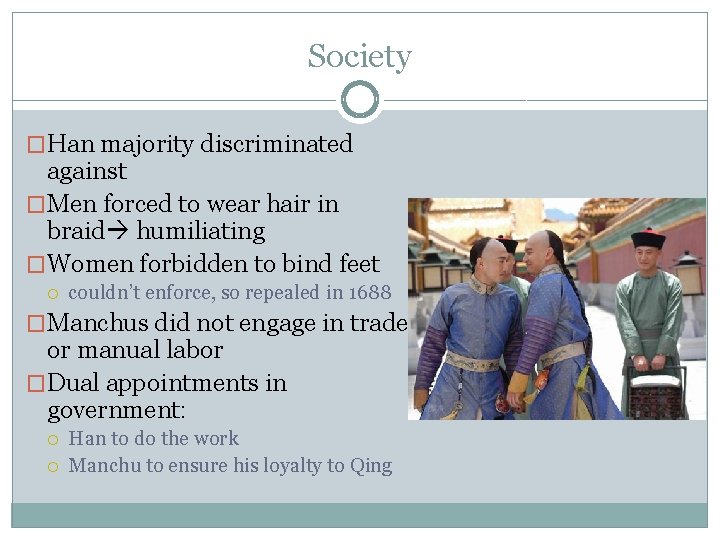
Society �Han majority discriminated against �Men forced to wear hair in braid humiliating �Women forbidden to bind feet couldn’t enforce, so repealed in 1688 �Manchus did not engage in trade or manual labor �Dual appointments in government: Han to do the work Manchu to ensure his loyalty to Qing
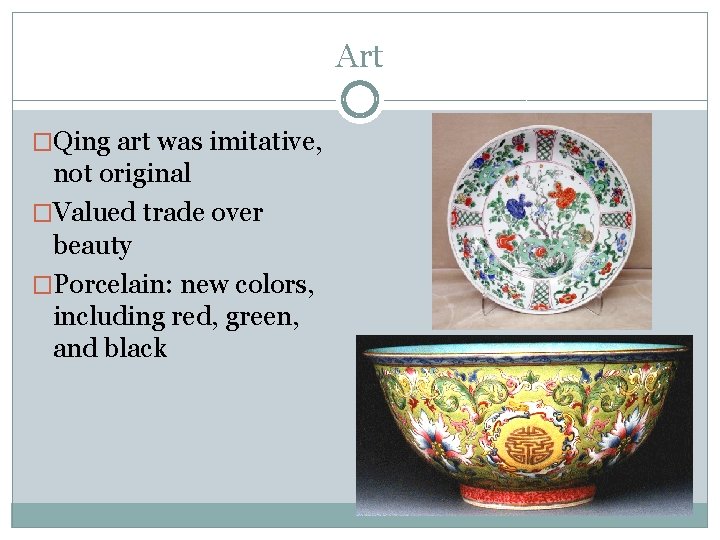
Art �Qing art was imitative, not original �Valued trade over beauty �Porcelain: new colors, including red, green, and black
Exit Pass �Thesis: Analyze changes and continuities in Chinese politics and culture from 1500 to 1750.