
Miners Ranchers Farmers chapter 7 section 3 Miners

- Slides: 29
Miners Ranchers Farmers chapter 7, section 3
Miners
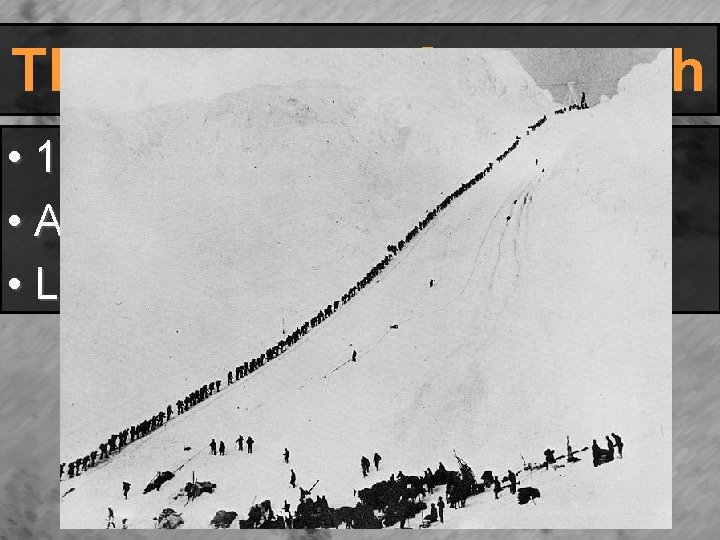
The Klondike Gold Rush • 1896 -1899 • Actually in Canada • Last great American Gold Rush
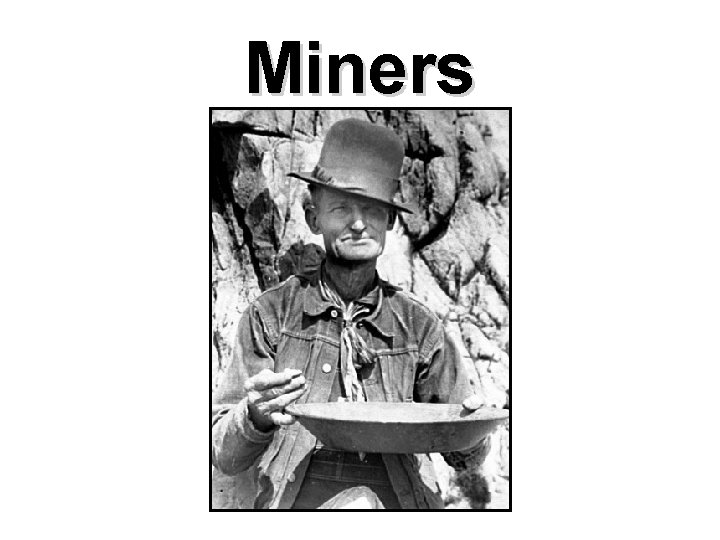
Finding Gold • Individual prospectors look for traces of gold in mountain streams (placer mining)
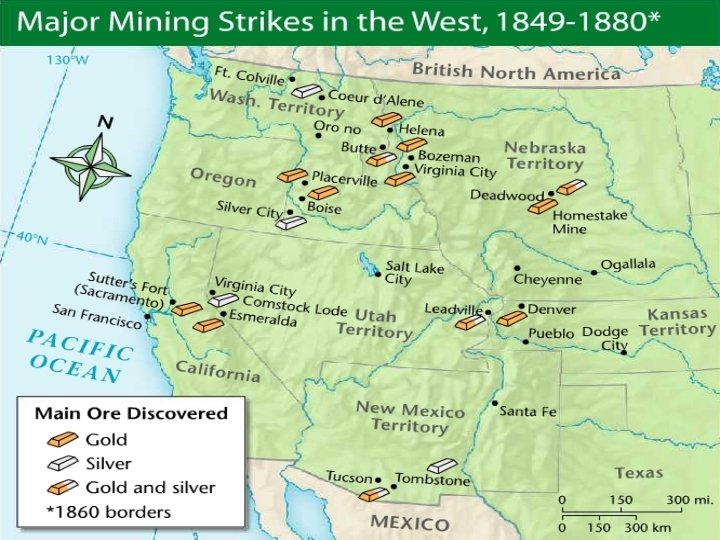
Boom Towns • Rich strikes created boom towns saloons, dance-hall girls, vigilantes • Many became ghost towns just a few years later. • Other towns that served the mines became important commercial centers. – San Francisco, Sacramento, Denver
Mining Towns • Similar to industrial cities • Workers were also from Europe, Latin America, and China. • ½ the population was often foreign born • Greatly increased Western population
Foreign Backlash • Resentment among whites • Miner’s Tax ($20 / month) in CA • Chinese Exclusion Act (1882) prohibited further Chinese immigration
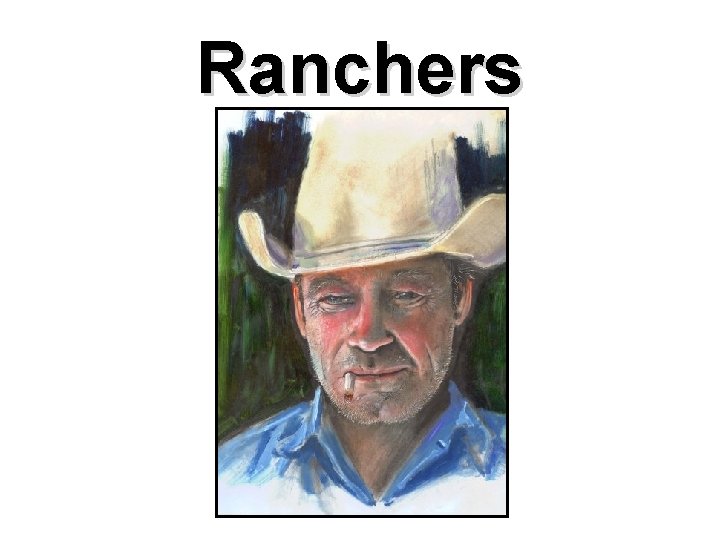
Ranchers
Ranching • Civil War – TX is cut off from CSA 5 million heads of cattle roam freely • TX cattle business – easy to enter FREE CATTLE! • Ranchers Kill off the buffalo
Railroads • RR starts in Kansas (Cow towns) RR goes to KC, St. Louis, Chicago • Steers bought for $5 / head and sold for up to $80 / head • Refrigerated railcars made it even cheaper.
Cattle Drives • RR didn’t go into TX Cowboys drove cattle to Kansas • 1 cowboy per 300 -500 cattle up to 1, 500 miles to Kansas $30 per month, paid in 1 lump sum
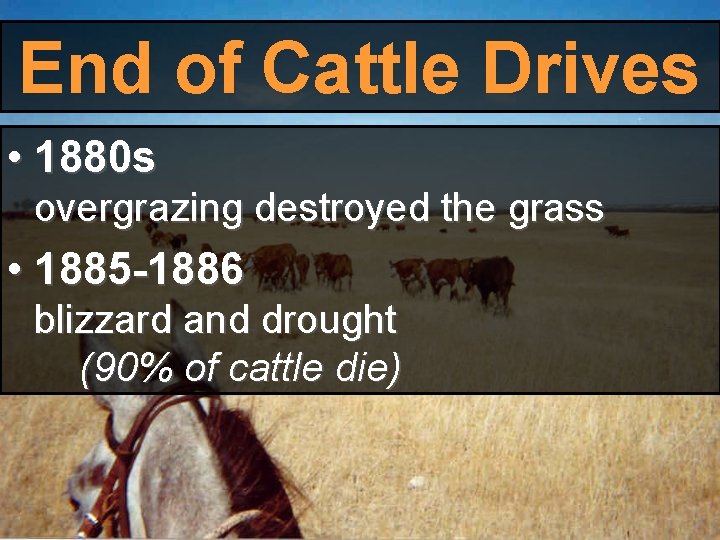
End of Cattle Drives • 1880 s overgrazing destroyed the grass • 1885 -1886 blizzard and drought (90% of cattle die)
Farmers
Farming • Homestead Act of 1862 160 acres is yours after 5 years • 500, 000 Homestead families 2. 5 million families had to buy land from the RR
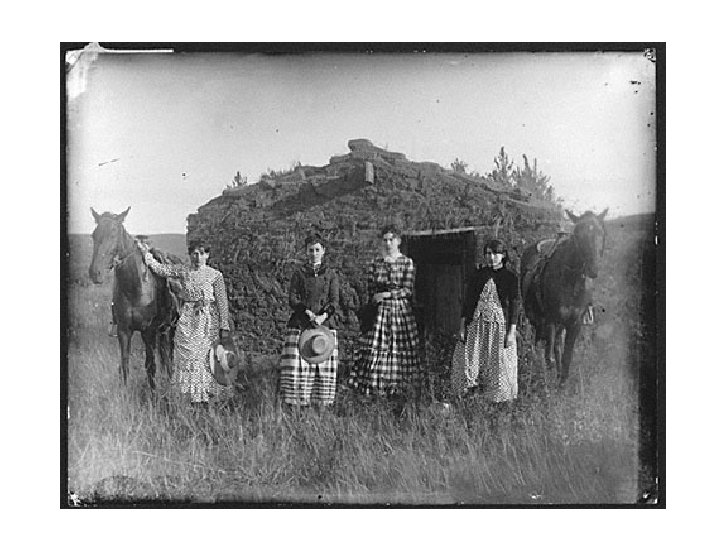
Housing • Made of sod strips of grass with thick roots and earth attached • No trees to make houses No trees to make fences
Hard Times • Many discover that 160 acres is not enough to survive. 2 of 3 farms fail by 1900
The Family • Everyone had to work in order to survive – Men did heavy manual labor – Children collected wood & carried water – Women did chores around the house, managed the money, raised the children, provided food (crops, butter, chickens, milk)
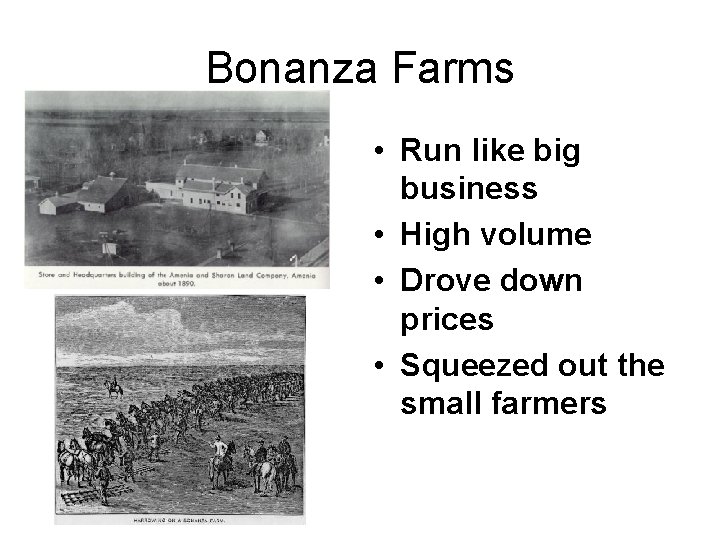
Bonanza Farms • Run like big business • High volume • Drove down prices • Squeezed out the small farmers
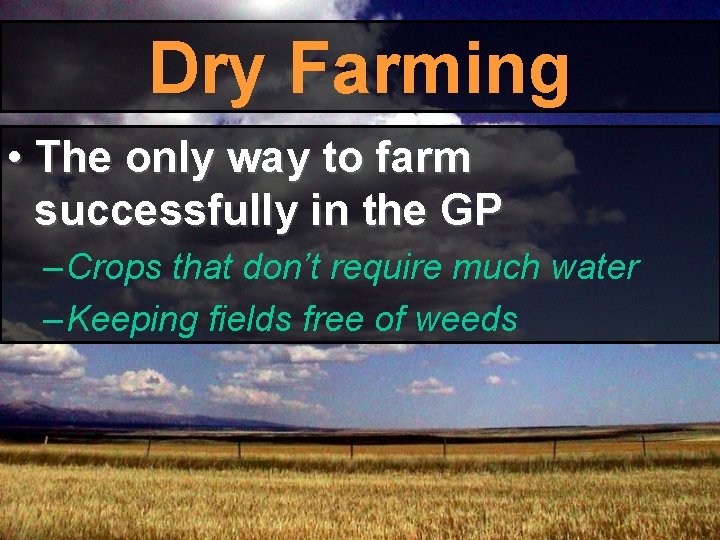
Dry Farming • The only way to farm successfully in the GP – Crops that don’t require much water – Keeping fields free of weeds
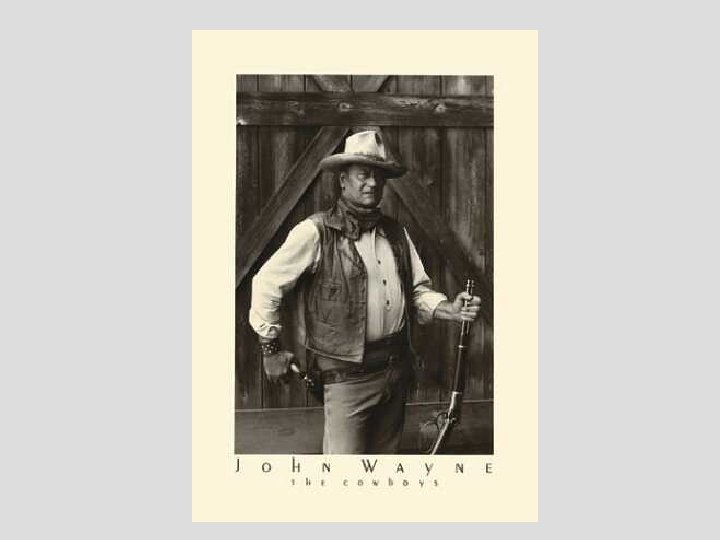
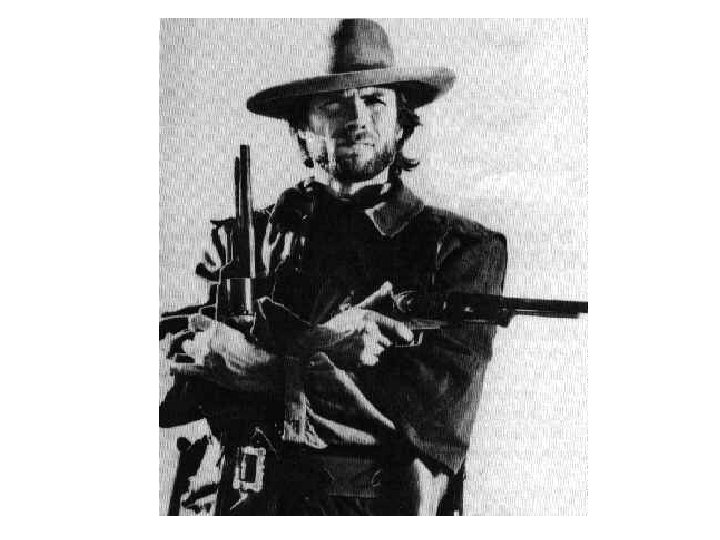
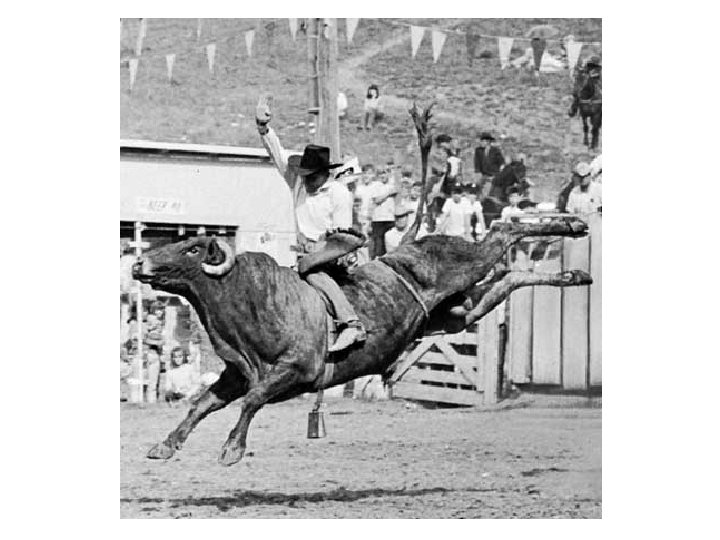
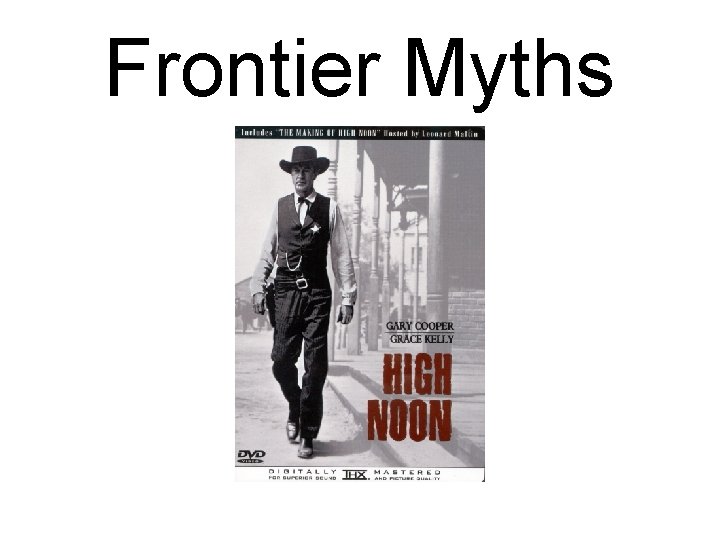
Frontier Myths
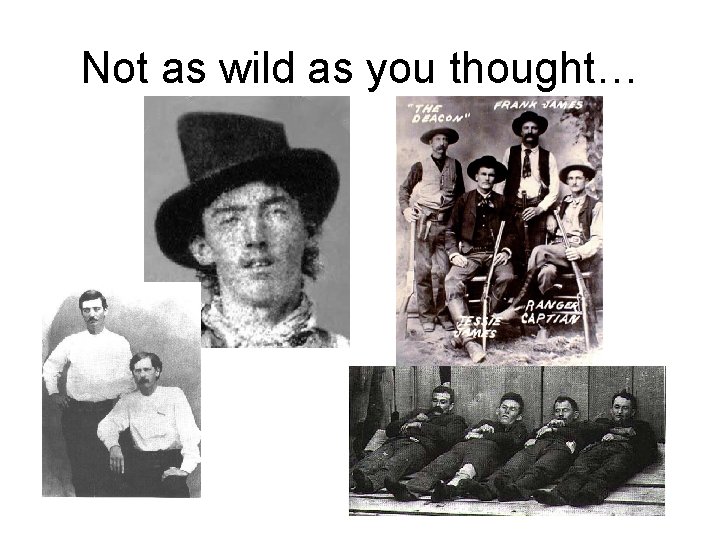
Not as wild as you thought…
The Closing of the Frontier • The move westward began in the 1860’s • In 1890, the Department of the Interior declared that the frontier was settled. • Government begins to reserve land. • The West opened and closed in a generation…