
Minerals in India Most valuable natural resource The
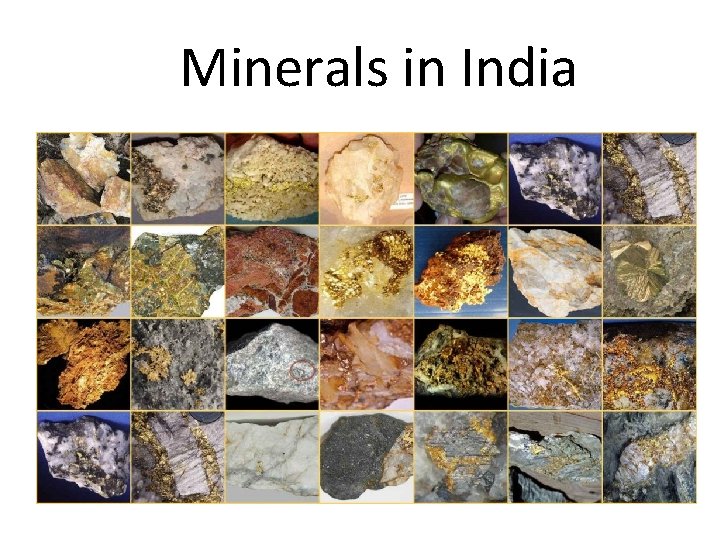
Minerals in India
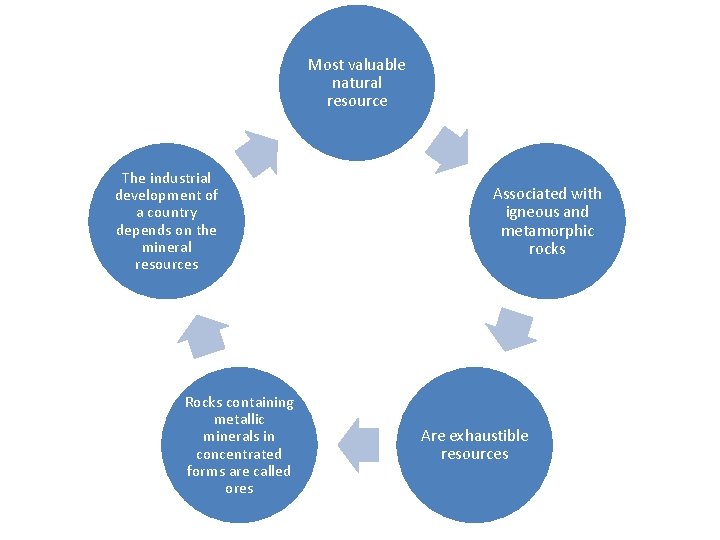
Most valuable natural resource The industrial development of a country depends on the mineral resources Rocks containing metallic minerals in concentrated forms are called ores Associated with igneous and metamorphic rocks Are exhaustible resources
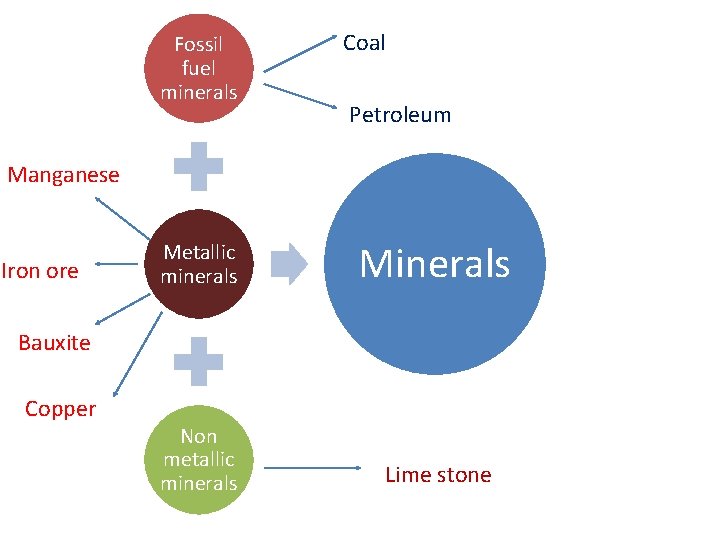
Fossil fuel minerals Coal Petroleum Manganese Iron ore Metallic minerals Minerals Non metallic minerals Lime stone Bauxite Copper
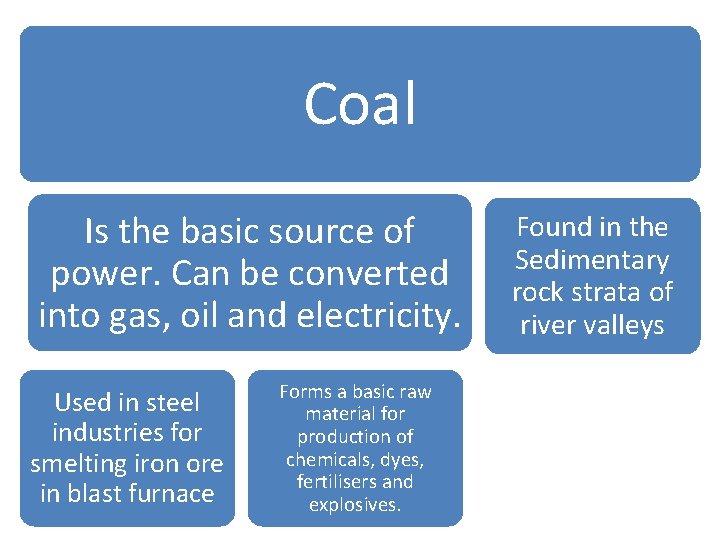
Coal Is the basic source of power. Can be converted into gas, oil and electricity. Used in steel industries for smelting iron ore in blast furnace Forms a basic raw material for production of chemicals, dyes, fertilisers and explosives. Found in the Sedimentary rock strata of river valleys
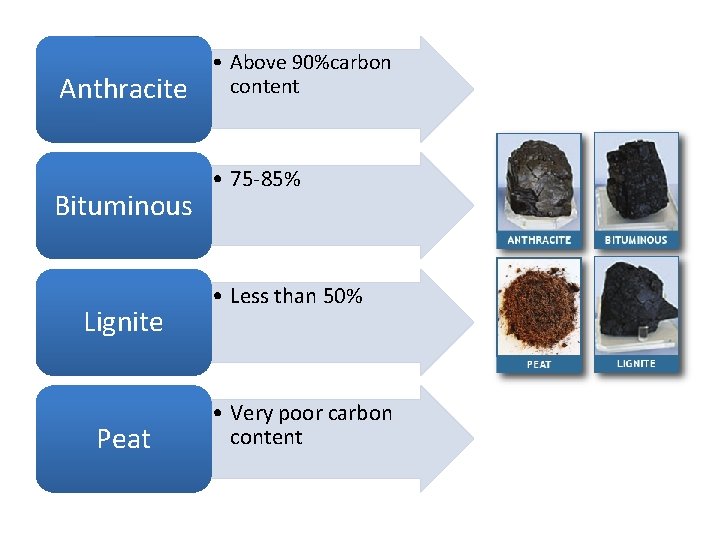
Anthracite Bituminous Lignite Peat • Above 90%carbon content • 75 -85% • Less than 50% • Very poor carbon content
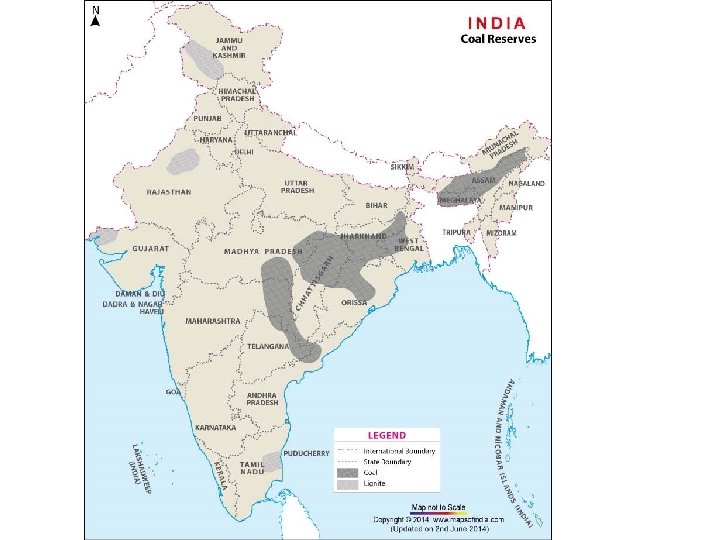
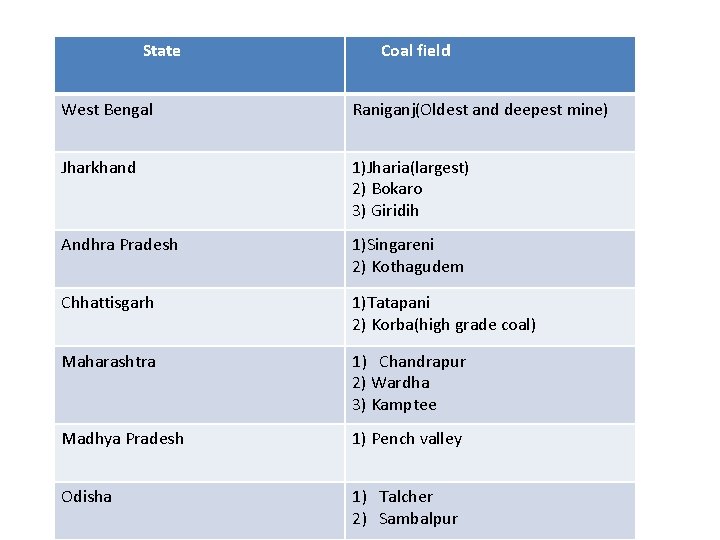
State Coal field West Bengal Raniganj(Oldest and deepest mine) Jharkhand 1)Jharia(largest) 2) Bokaro 3) Giridih Andhra Pradesh 1)Singareni 2) Kothagudem Chhattisgarh 1)Tatapani 2) Korba(high grade coal) Maharashtra 1) Chandrapur 2) Wardha 3) Kamptee Madhya Pradesh 1) Pench valley Odisha 1) Talcher 2) Sambalpur

State Coalfields Kashmir Riasi Assam Lakhimpur Arunachal Pradesh Namchik Nagaland Borjan Meghalaya West Darrandari Rajasthan Pallu Tamilnadu 1)Neyveli 2) Jayamkonda 3) Mannargudi
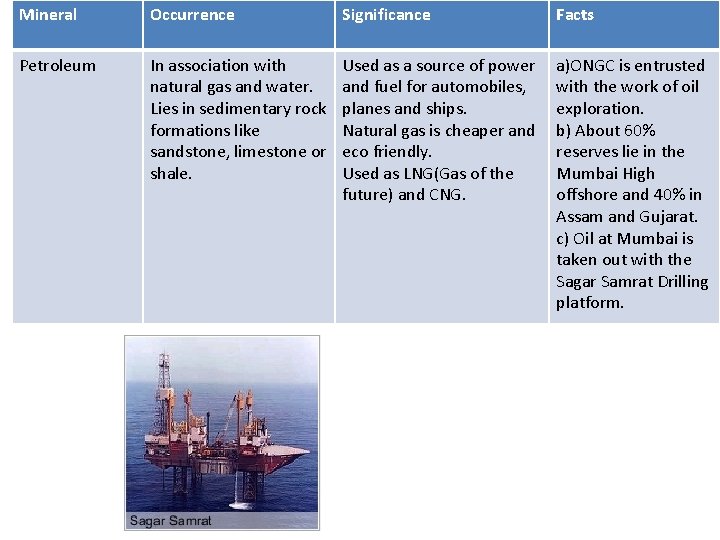
Mineral Occurrence Significance Facts Petroleum In association with natural gas and water. Lies in sedimentary rock formations like sandstone, limestone or shale. Used as a source of power and fuel for automobiles, planes and ships. Natural gas is cheaper and eco friendly. Used as LNG(Gas of the future) and CNG. a)ONGC is entrusted with the work of oil exploration. b) About 60% reserves lie in the Mumbai High offshore and 40% in Assam and Gujarat. c) Oil at Mumbai is taken out with the Sagar Samrat Drilling platform.
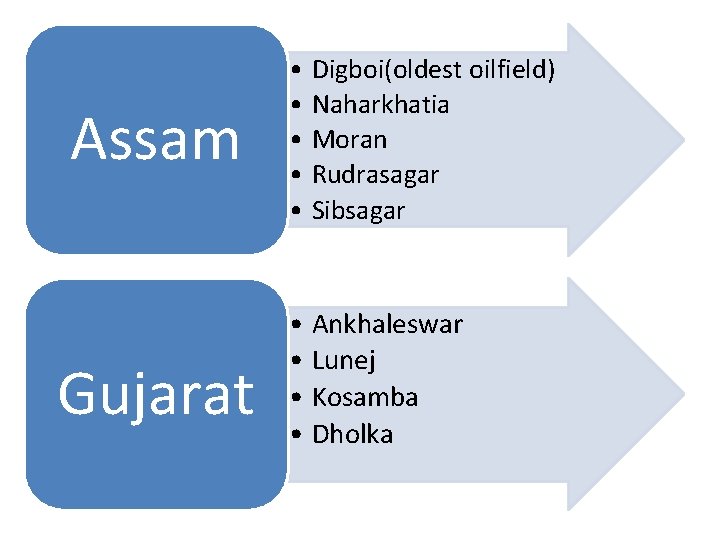
Assam Gujarat • Digboi(oldest oilfield) • Naharkhatia • Moran • Rudrasagar • Sibsagar • Ankhaleswar • Lunej • Kosamba • Dholka
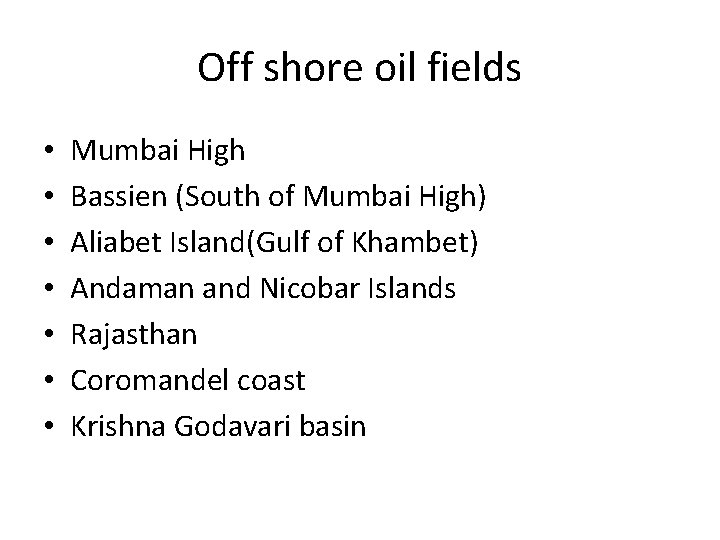
Off shore oil fields • • Mumbai High Bassien (South of Mumbai High) Aliabet Island(Gulf of Khambet) Andaman and Nicobar Islands Rajasthan Coromandel coast Krishna Godavari basin
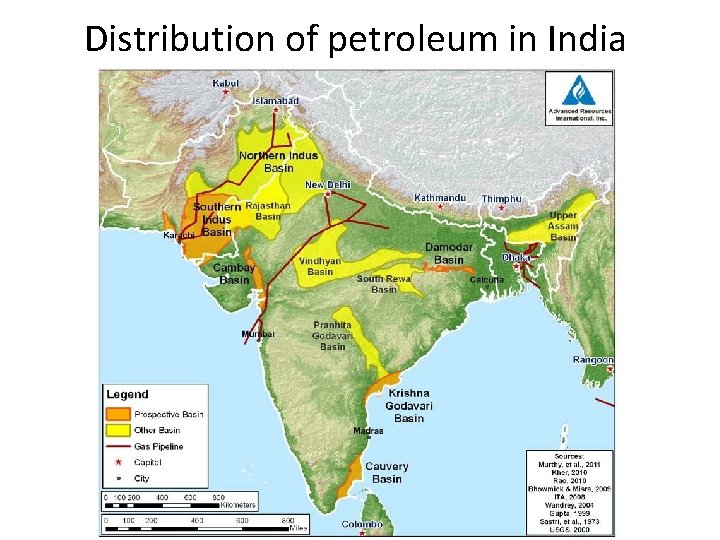
Distribution of petroleum in India

Mineral Significance Facts Iron ore Useful in the production of iron and steel which is the basis of any heavy industry. India is the world’s sixth largest producer of iron ore. It is fast emerging as a major exporter country. Iron ores found in India are mostly hematite and magnetite. Goa’s ores are shipped to Japan and Kudremukh has magnetite deposits also meant for exports. Iron ore An export oriented project was implemented between 1975 and 1980. Supplies are sent to Japan, Iran, China, Australia
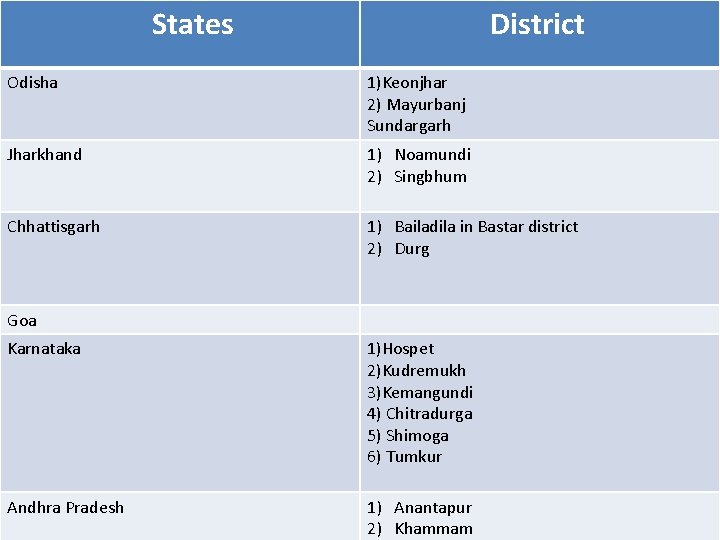
States District Odisha 1)Keonjhar 2) Mayurbanj Sundargarh Jharkhand 1) Noamundi 2) Singbhum Chhattisgarh 1) Bailadila in Bastar district 2) Durg Goa Karnataka 1)Hospet 2)Kudremukh 3)Kemangundi 4) Chitradurga 5) Shimoga 6) Tumkur Andhra Pradesh 1) Anantapur 2) Khammam

Mineral Significance Facts Manganese Important in the making of iron and steel and also used as a raw mineral for manufacturing paints and glass. Is in great demand because of its quality. Japan is a major importer.
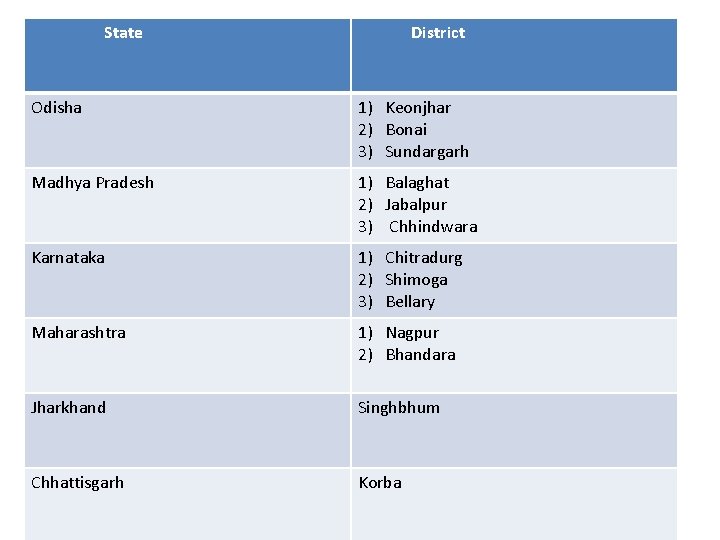
State District Odisha 1) Keonjhar 2) Bonai 3) Sundargarh Madhya Pradesh 1) Balaghat 2) Jabalpur 3) Chhindwara Karnataka 1) Chitradurg 2) Shimoga 3) Bellary Maharashtra 1) Nagpur 2) Bhandara Jharkhand Singhbhum Chhattisgarh Korba
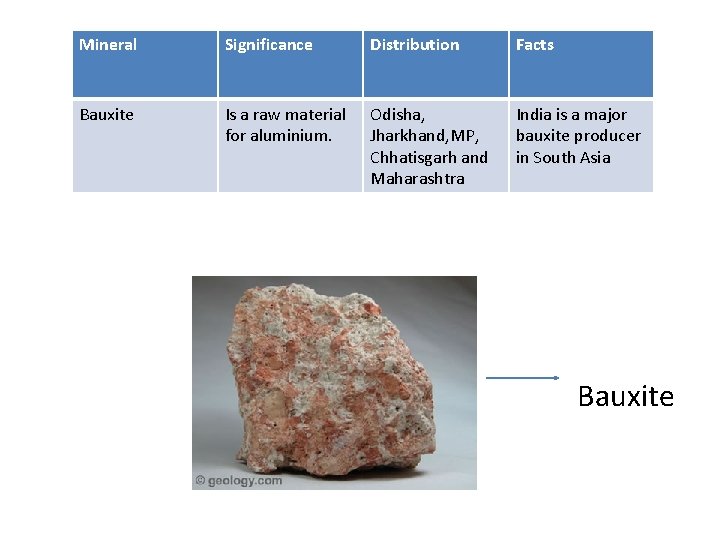
Mineral Significance Distribution Facts Bauxite Is a raw material for aluminium. Odisha, Jharkhand, MP, Chhatisgarh and Maharashtra India is a major bauxite producer in South Asia Bauxite
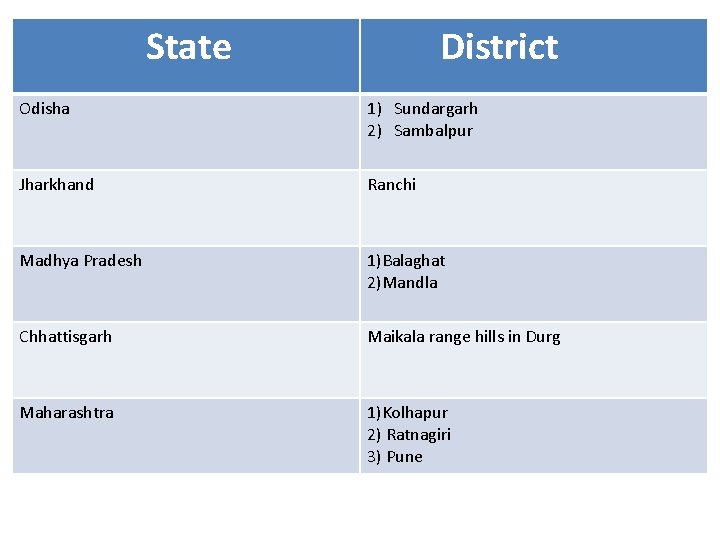
State District Odisha 1) Sundargarh 2) Sambalpur Jharkhand Ranchi Madhya Pradesh 1)Balaghat 2)Mandla Chhattisgarh Maikala range hills in Durg Maharashtra 1)Kolhapur 2) Ratnagiri 3) Pune
- Slides: 18