
Mineral A naturally formed inorganic solid that has
- Slides: 15
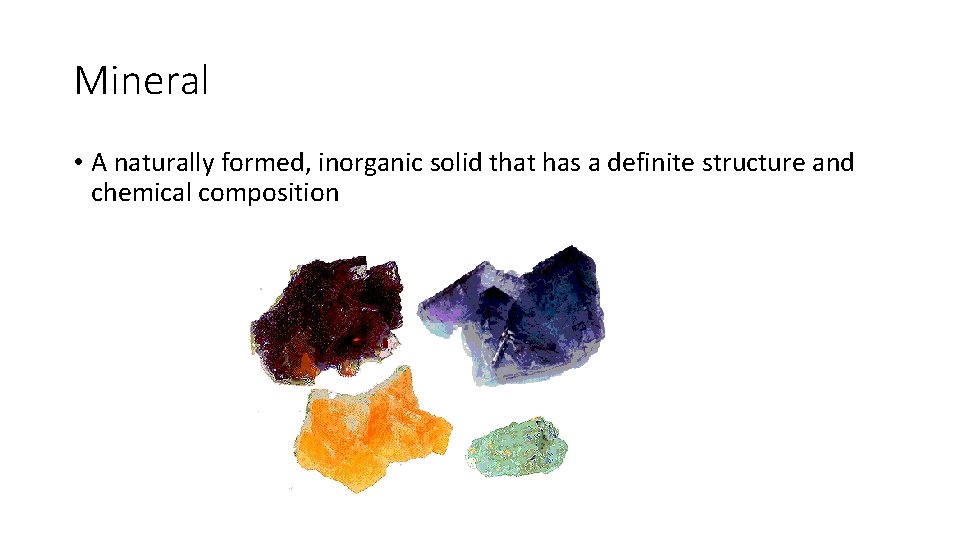
Mineral • A naturally formed, inorganic solid that has a definite structure and chemical composition
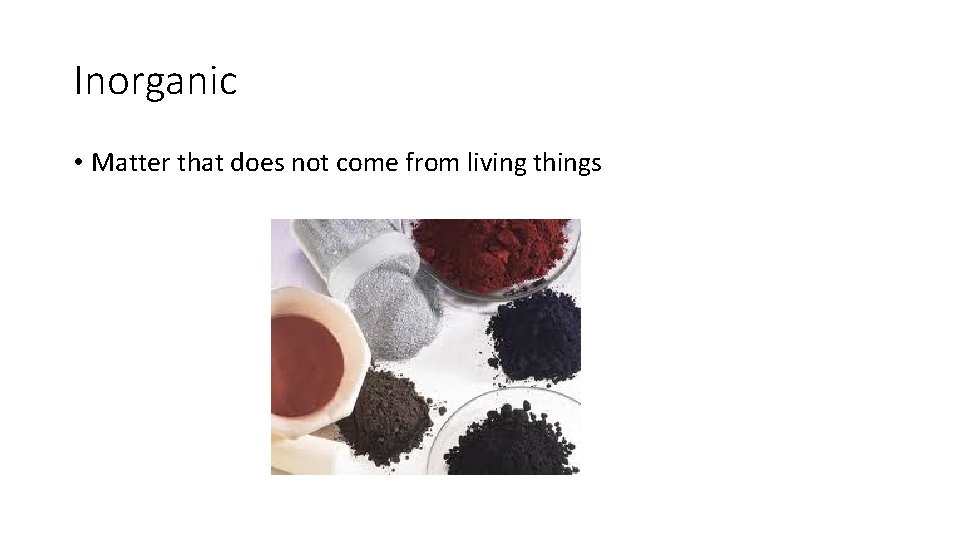
Inorganic • Matter that does not come from living things
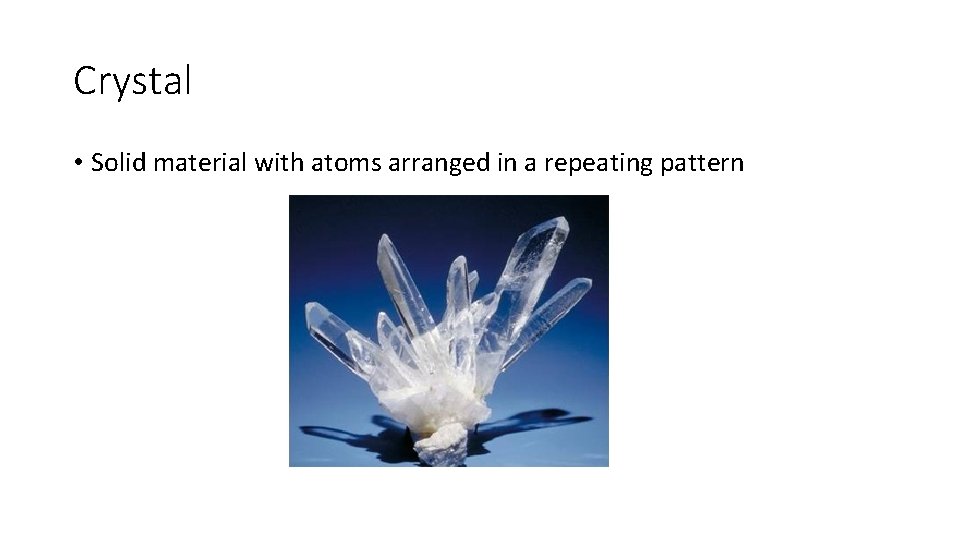
Crystal • Solid material with atoms arranged in a repeating pattern
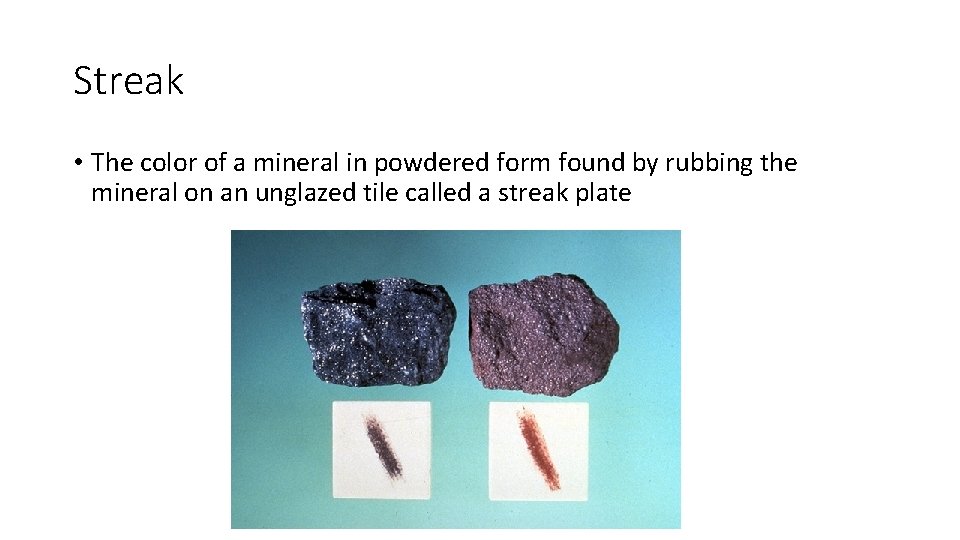
Streak • The color of a mineral in powdered form found by rubbing the mineral on an unglazed tile called a streak plate
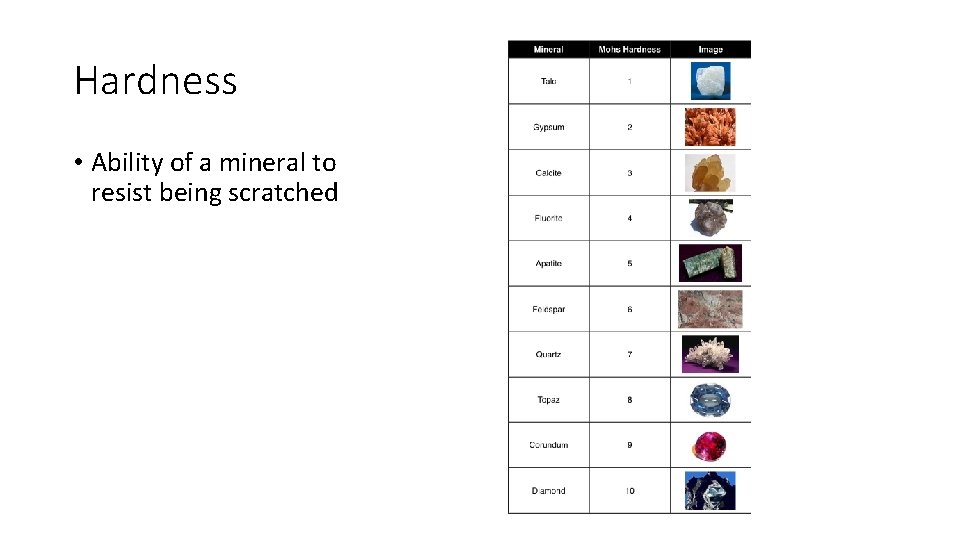
Hardness • Ability of a mineral to resist being scratched
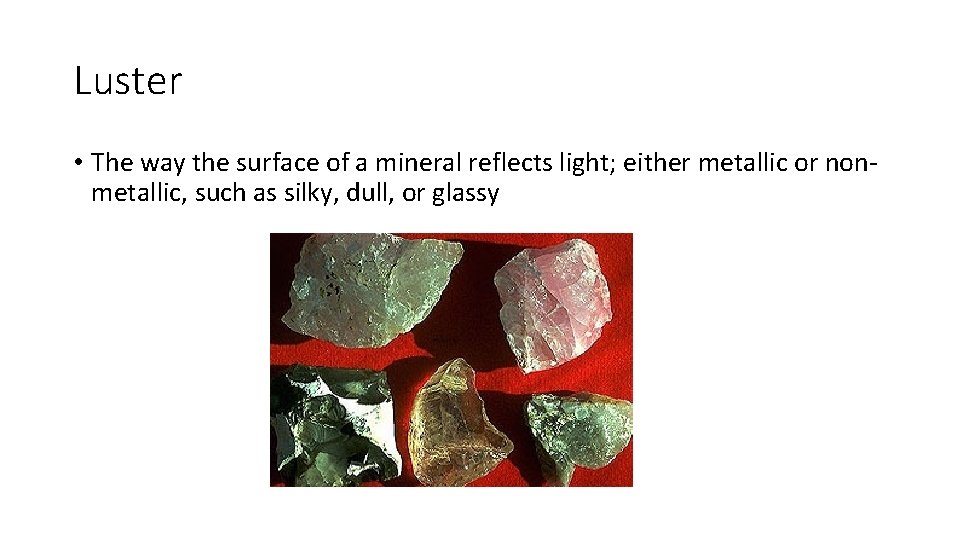
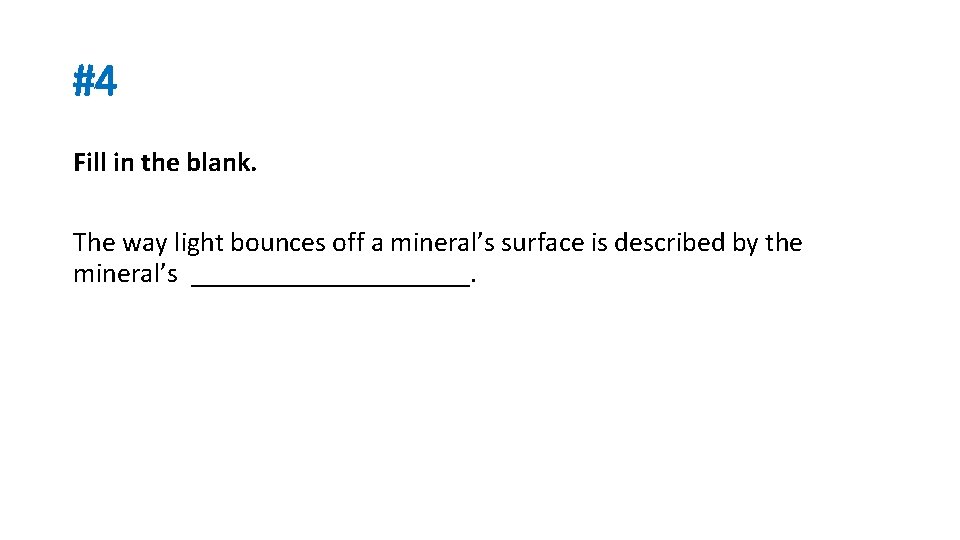
Luster • The way the surface of a mineral reflects light; either metallic or nonmetallic, such as silky, dull, or glassy
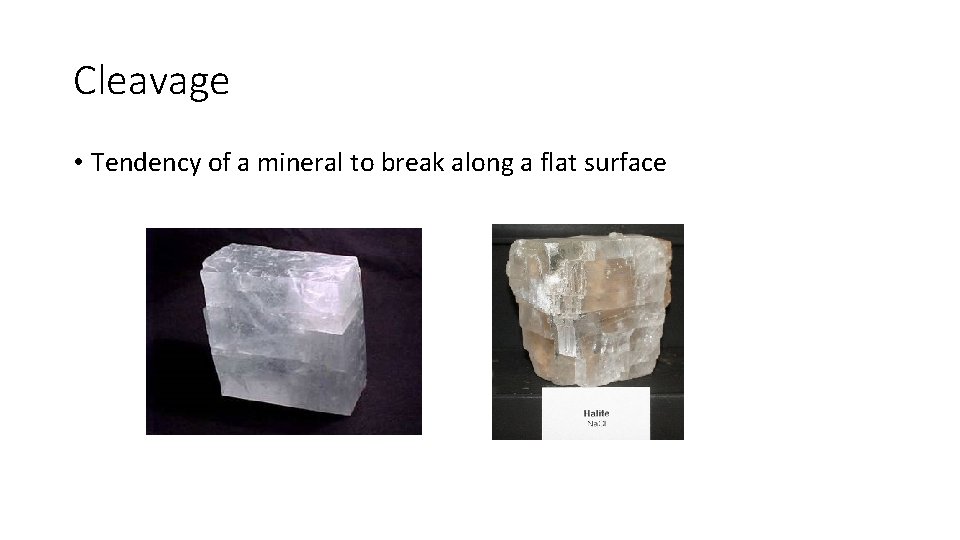
Cleavage • Tendency of a mineral to break along a flat surface
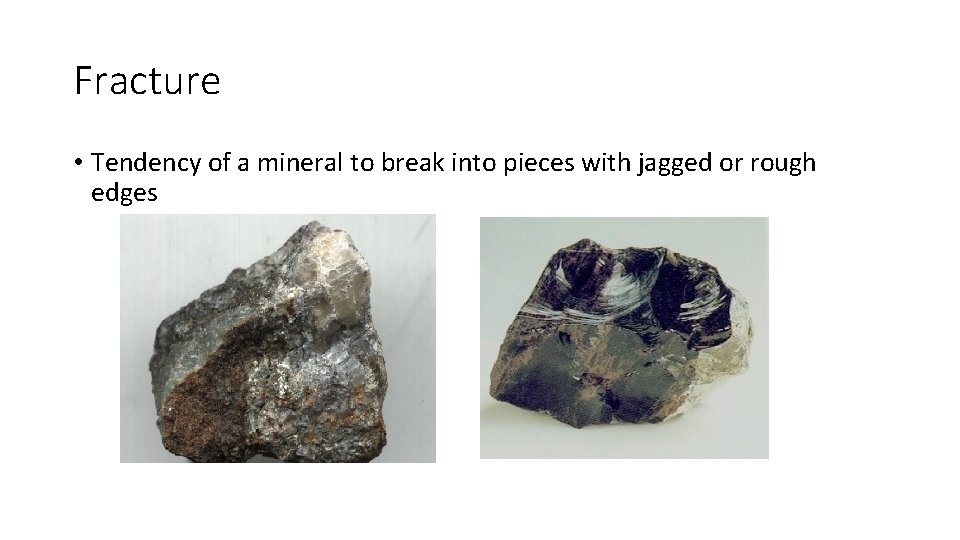
Fracture • Tendency of a mineral to break into pieces with jagged or rough edges
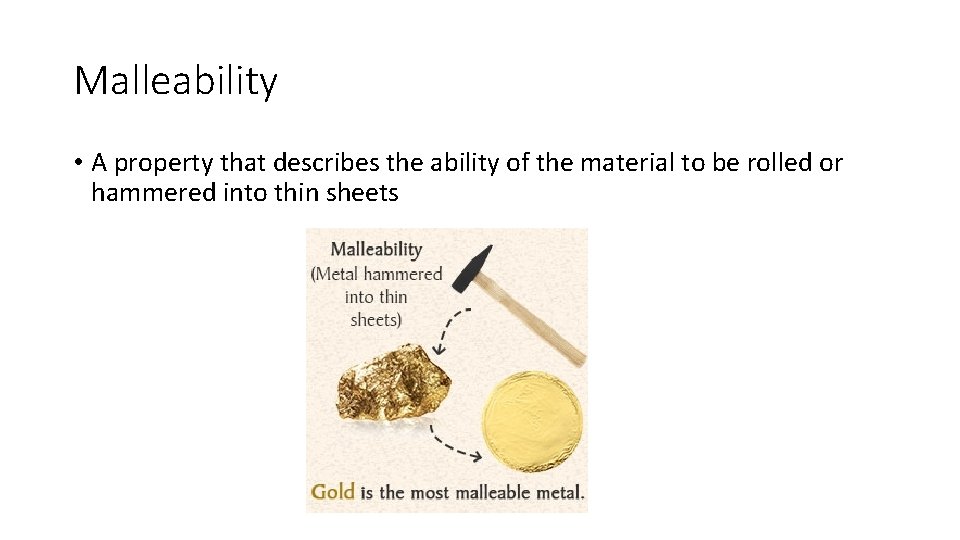
Malleability • A property that describes the ability of the material to be rolled or hammered into thin sheets
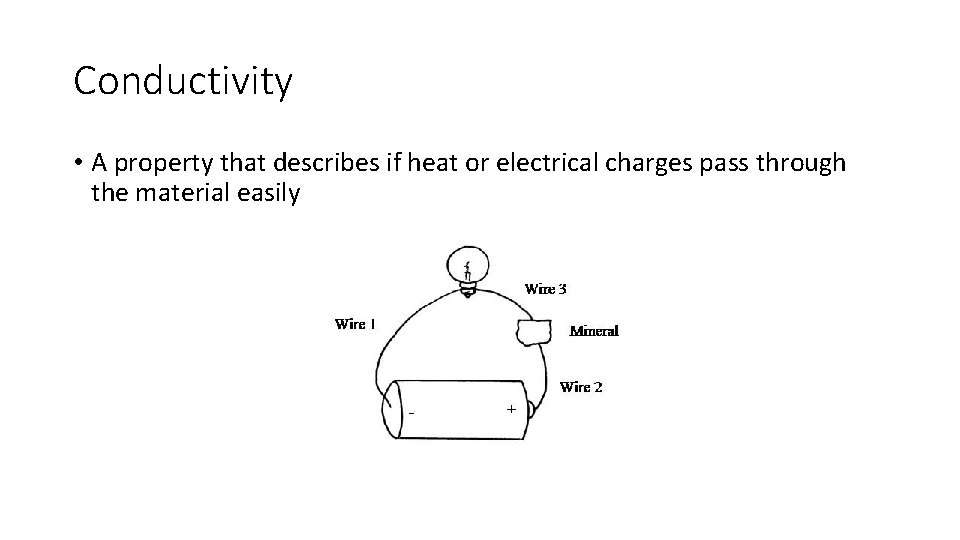
Conductivity • A property that describes if heat or electrical charges pass through the material easily
#1 The answer is B. Write the question. A. B. C. D. Color, shape, size, streak, hardness Color, streak, hardness, luster Color, streak, size, luster, hardness Color, shape, streak, hardness, luster
#2 The answer is D. Write the question. A. B. C. D. Metamorphism The cooling of magma and lava Precipitating from solutions All of the above
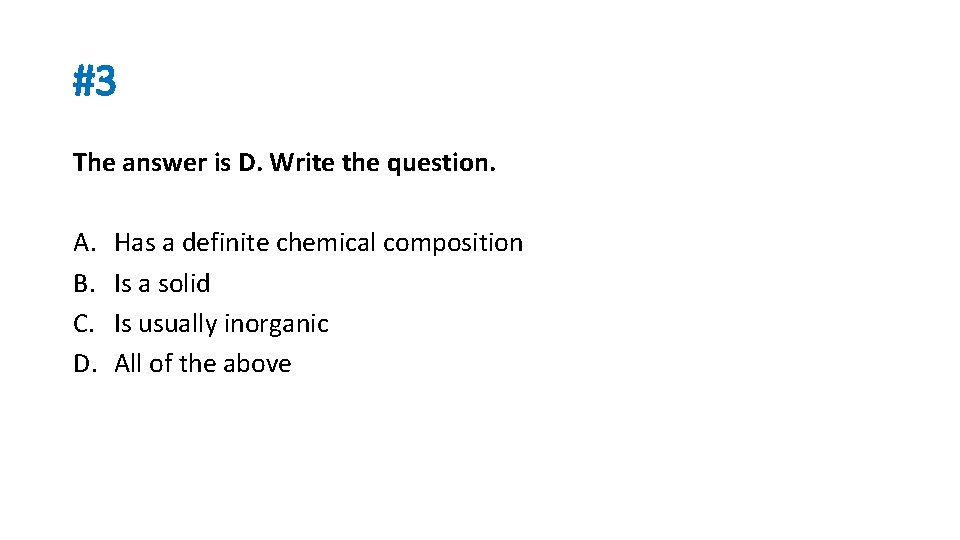
#3 The answer is D. Write the question. A. B. C. D. Has a definite chemical composition Is a solid Is usually inorganic All of the above
#4 Fill in the blank. The way light bounces off a mineral’s surface is described by the mineral’s __________.
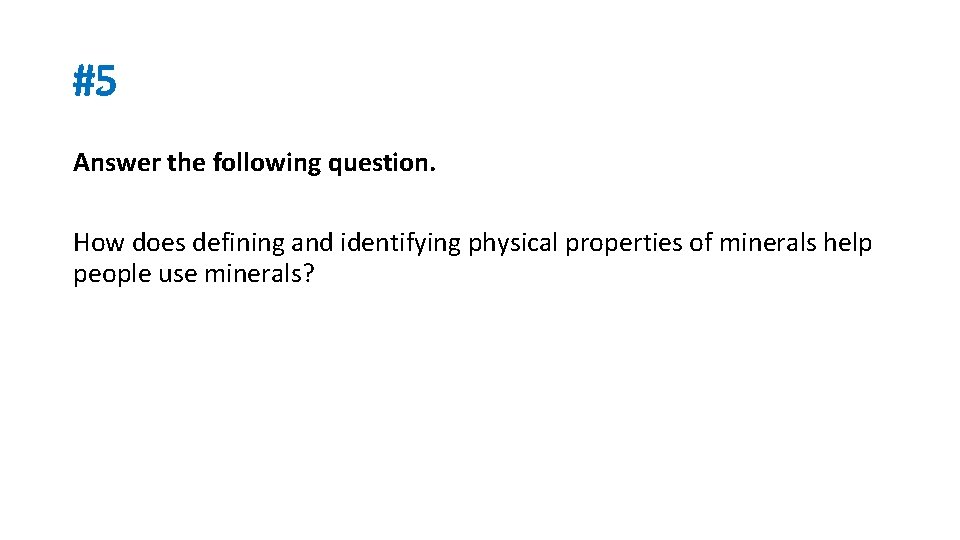
#5 Answer the following question. How does defining and identifying physical properties of minerals help people use minerals?