
Mindfulness Workshop Dr Margaret Mc Lean Acute Psychology
- Slides: 12
Mindfulness Workshop Dr. Margaret Mc. Lean Acute Psychology Professional Lead 25. 01. 13
Outline n n n n An experiment Old brain / New brain What is mindfulness? Brief practice Why is mindfulness important? What does mindfulness training involve? Brief practice Questions / discussion 25. 01. 13
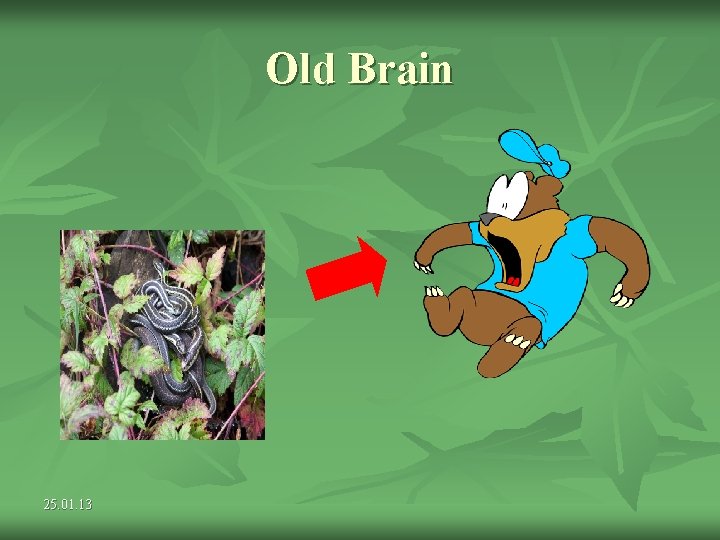
Old Brain 25. 01. 13
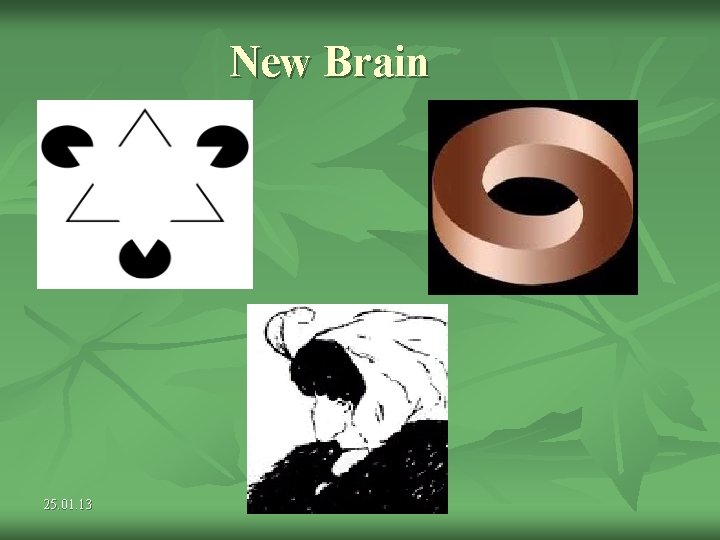
New Brain 25. 01. 13
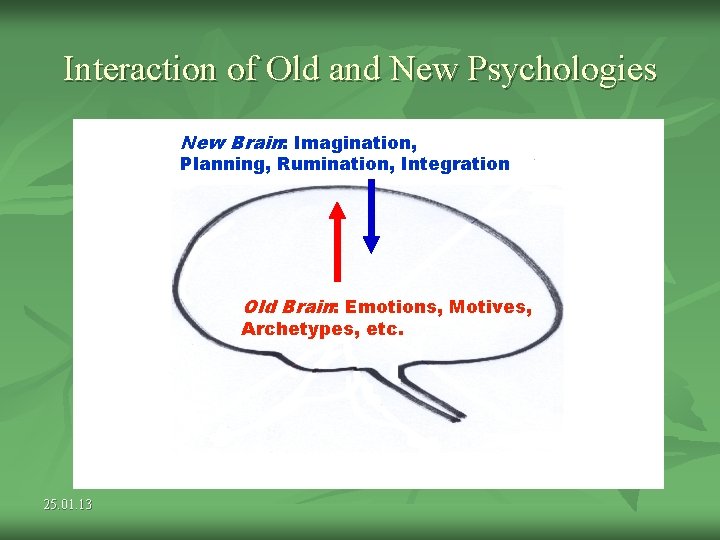
Interaction of Old and New Psychologies New Brain: Imagination, Planning, Rumination, Integration Old Brain: Emotions, Motives, Archetypes, etc. 25. 01. 13
What is Mindfulness? n n Mindfulness means paying attention in a particular way; namely, on purpose, in the present moment, and non-judgementally (John Kabat-Zinn) Knowing what’s happening as it’s happening without preference (Rob Nairn) Opening to experience BEFORE responding. Unconditional friendliness! 25. 01. 13
What is Mindfulness? n n Mindfulness is sustained attention. Instead of being swept away by a thought , emotion or sensation, mindfulness steadily observes those experiences as they come and go. It gives us breathing space; it gives us time to become aware of unhelpful patterns of reaction and learn that there are more helpful ways of responding; it gives us flexibility. 25. 01. 13
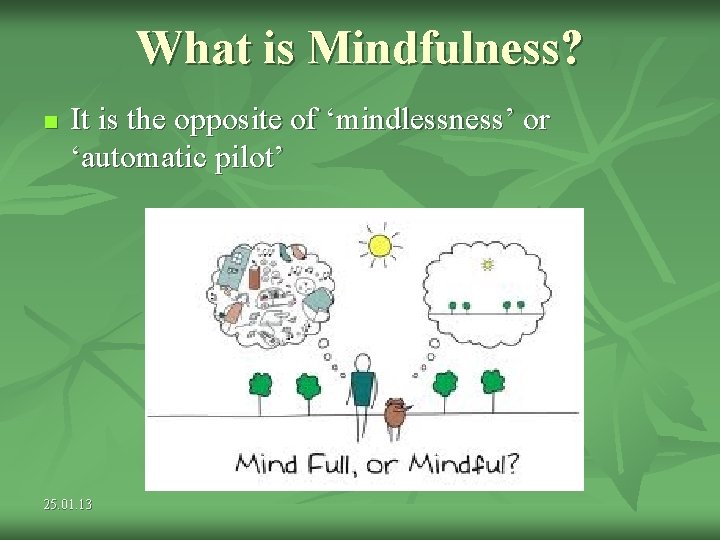
What is Mindfulness? n It is the opposite of ‘mindlessness’ or ‘automatic pilot’ 25. 01. 13
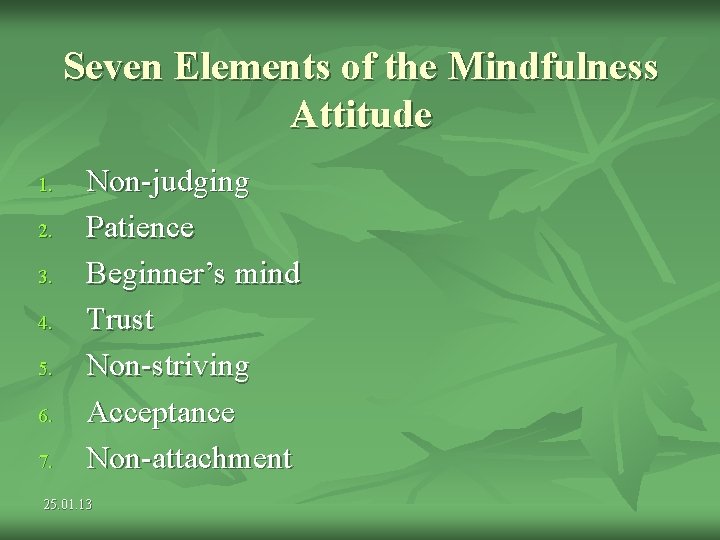
Seven Elements of the Mindfulness Attitude 1. 2. 3. 4. 5. 6. 7. Non-judging Patience Beginner’s mind Trust Non-striving Acceptance Non-attachment 25. 01. 13
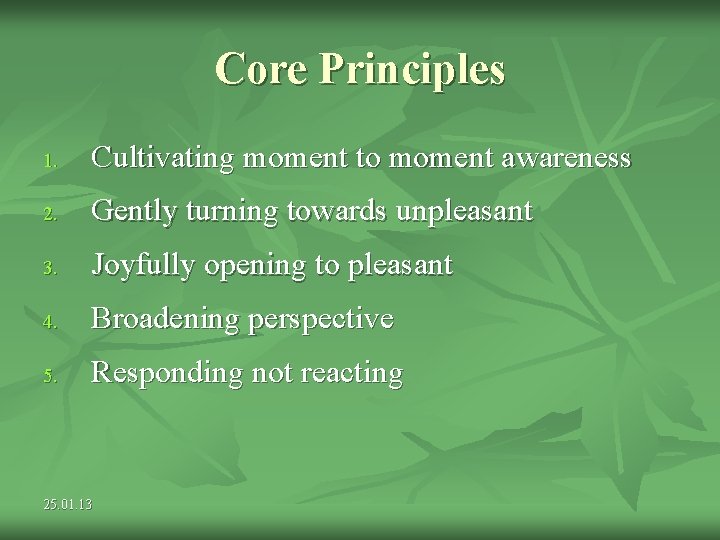
Core Principles 1. Cultivating moment to moment awareness 2. Gently turning towards unpleasant 3. Joyfully opening to pleasant 4. Broadening perspective 5. Responding not reacting 25. 01. 13
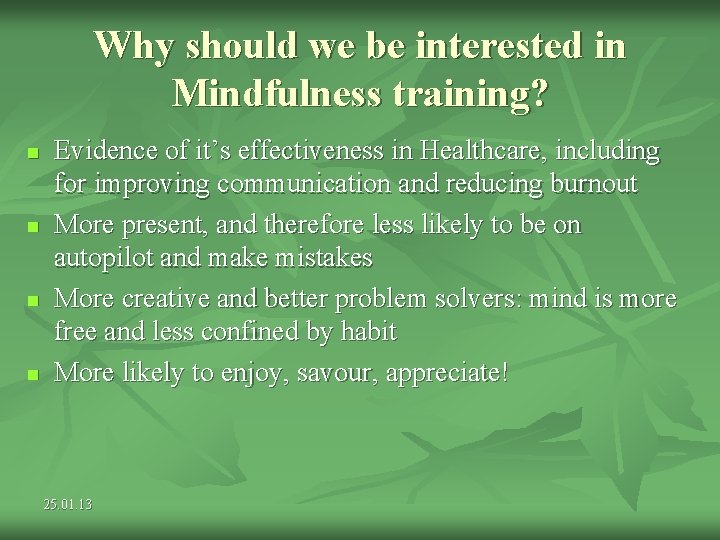
Why should we be interested in Mindfulness training? n n Evidence of it’s effectiveness in Healthcare, including for improving communication and reducing burnout More present, and therefore less likely to be on autopilot and make mistakes More creative and better problem solvers: mind is more free and less confined by habit More likely to enjoy, savour, appreciate! 25. 01. 13
Any questions ? Thank you for listening. 25. 01. 13